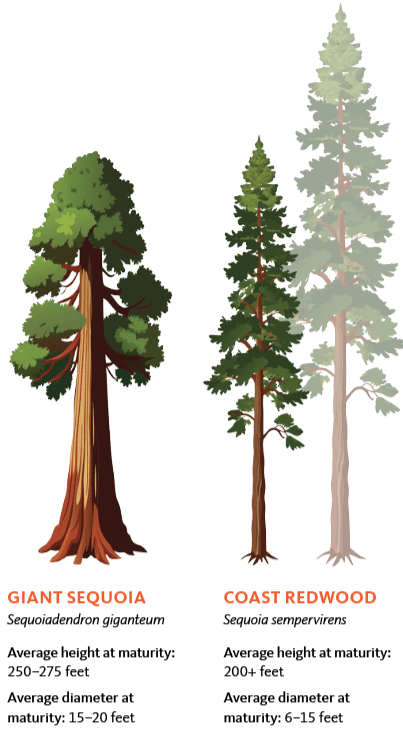
 CORVALLIS, Ore. — Coast redwoods and giant sequoias can inspire awe long before landowners consider soil, rainfall, wildlife damage, markets or Oregon forest practice laws. For some Oregonians, the appeal is personal. The trees are iconic, long-lived and striking. They can be planted for beauty, experimentation, conservation, timber, biodiversity or interest in how forests may adapt to a changing climate. But planting them in Oregon also raises practical questions: Will they grow well on a given site? Are they appropriate after timber harvest? Can they meet tax-deferral or cost-share requirements? What happens if a coast redwood, known for vigorous resprouting, becomes part of a forest for the long term? To help small woodland owners and others think through those decisions, Oregon State University Extension Service foresters developed Growing redwood and giant sequoia in Oregon: A resource guide for small woodland owners, published in October 2025.