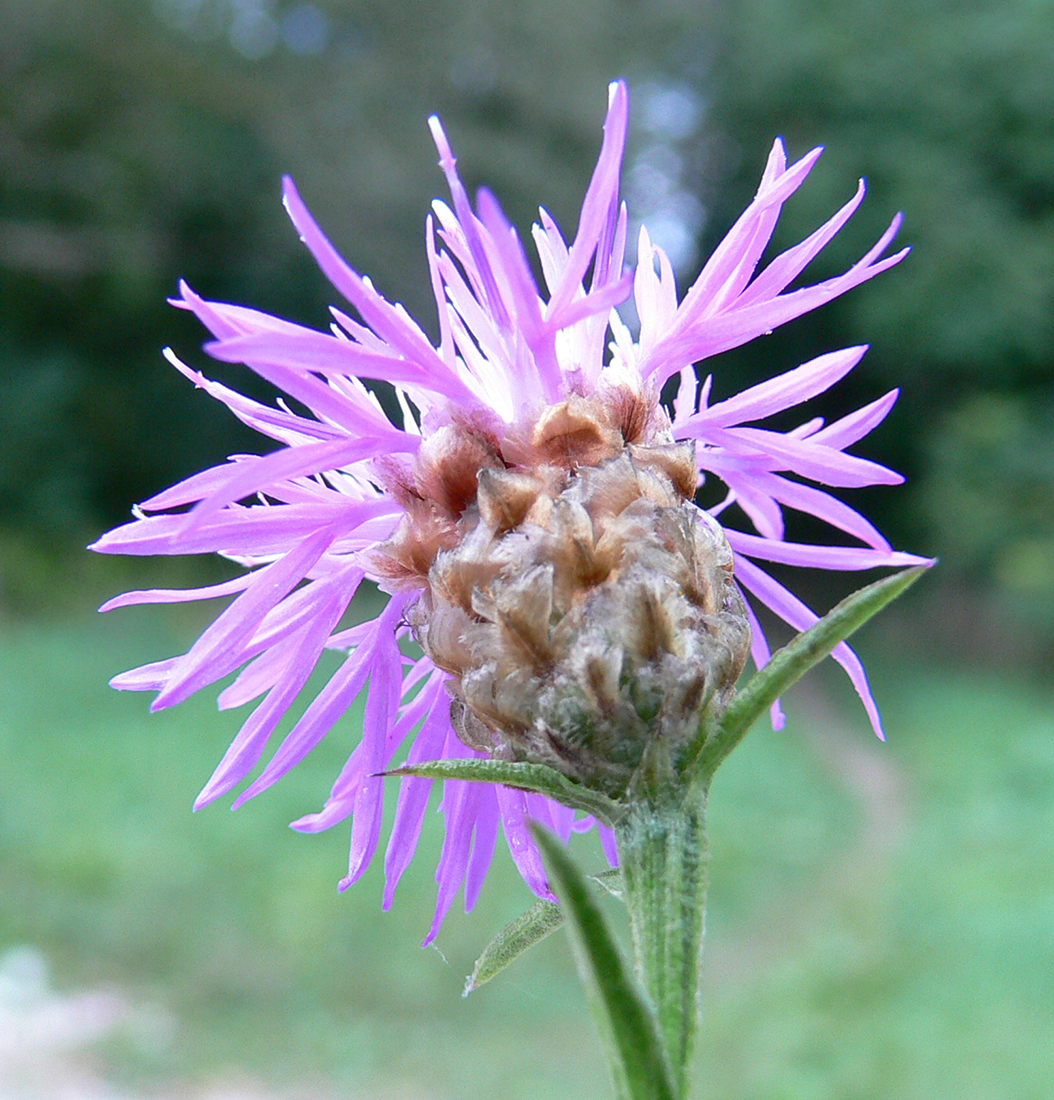
 The Selway–Bitterroot Wilderness was part of the original class of lands designated under the United States’ 1964 Wilderness Act: 1.3 million acres of steep river canyons, cold subalpine ridges, dense forest, and weather so unforgiving it shapes everything that survives there. It remains one of the most remote places in the continental U.S. …But unlike Yellowstone, it isn’t wolves or ungulates driving the most dramatic changes here. It is something easier to overlook: a lavender-flowered invader spreading through meadows, ridgetops, and the dim understory of the forest. …Thirty years ago, spotted knapweed (Centaurea stoebe) crept in from private inholdings and from hay carried by packhorse hunters. Few noticed until it was impossible to ignore. A biologist I knew was spraying it from horseback in the early 2000s, trying to hold the line. It didn’t matter. …And knapweed is not merely a competitor; it is a slow-motion trophic cascade. It suppresses native forbs, reducing nectar for pollinators.