Canada’s economy contracted as weaker US-bound exports dragged on growth. In related news: US mortgage rates fell below 6%, and Japan’s housing starts ticked down. In Business news: Canada remains optimistic on US trade, while the US signals concessions are required; Western Forest Products is expanding its Vancouver, Washington mill site; Canfor turns down bid for its Houston, BC holdings; Ahlstom downsizes its Moninee, Wisconsin paper mill; and Drax launches review of its Canadian pellet operations.
In other news: the Royal Architectural Institute Canada touts new mass timber guide; BC reports progress on chronic wasting disease in deer; Mosaic sells its Nanaimo marsh lands to the Regional District; PacifiCorp owes $1B in an Oregon wildfires class-action suit; and Cal Fire opens grant program to support forestry. Meanwhile: could shifting gears from forestry to tourism pay the bills in BC, and why BC’s lumber crisis is also a climate challenge.
Finally, London, Ontario ‘The Forest City‘ is this year’s Forest Capital of Canada.
Kelly McCloskey, Tree Frog News Editor
 Trade negotiations used to be underpinned by an unspoken assumption: that trade barriers were lose-lose propositions. All sides could gain something if they mutually disarmed. …[They] were always about how much tariffs and other walls would go down, not how much they would go up. …United States Trade Representative Jamieson Greer sums up the Trump administration’s break with the postwar trade consensus, saying the administration is “focused on reshoring supply chains related to automotive, steel, aluminum … If Canada wants to come in and participate in this type of reshoring we’re trying to do, we’re happy to have those discussions.” …The U.S. wants higher tariffs at home, and lower tariffs abroad. The old give-and-take is now take-and-take. …”We want to have production here. We don’t necessarily want to be dependent on China, Canada or anybody else for things like cars.” [This article is only available to subscribers to the Globe and Mail]
 Canada-US Trade Minister Dominic LeBlanc says he sees a path to renew the Canada-United States-Mexico Agreement (CUSMA) and anticipates more specifics from the U.S. administration soon. Gearing up to head back to Washington, DC next week to meet with US Trade Representative Jamieson Greer and “others” next week, LeBlanc said he’s “not pessimistic about renewing the trilateral framework.” “Renewing. It doesn’t expire, it expires in 2036. But the review is not a renegotiation,” LeBlanc said. LeBlanc said two of the key factors underpinning his optimism are that when US President Trump levied his latest global tariff, he maintained the CUSMA exemption, and because American political and business leaders are “speaking up more now.” …Amid speculation that Trump wants to scrap the trilateral trade pact and strike trade deals with Canada and Mexico independently, LeBlanc said the way he sees it, Trump may pursue separate bilateral deals, but that doesn’t necessarily mean the end of CUSMA.
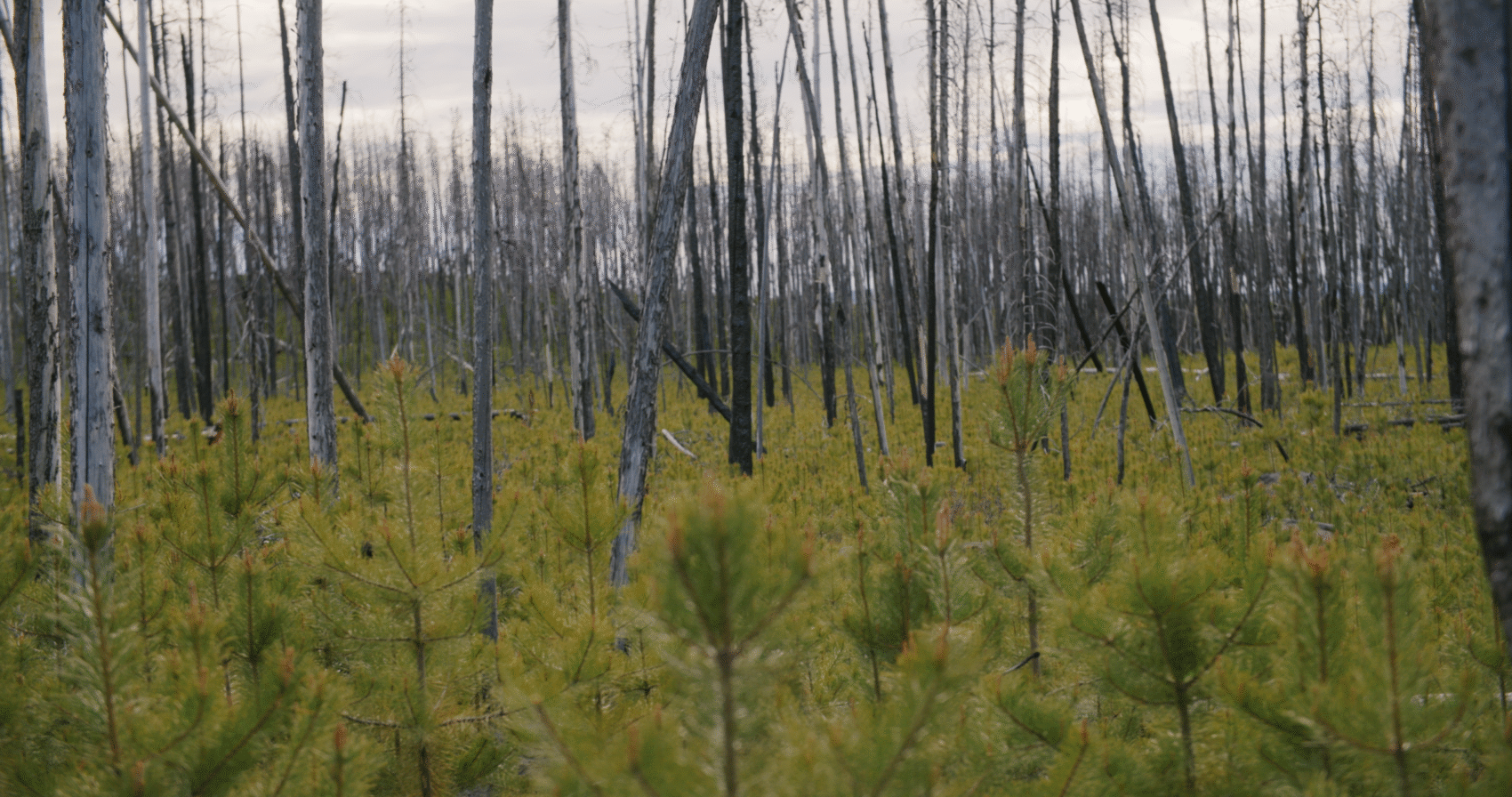
 HOUSTON, BC –Houston area First Nations were in talks to buy Canfor’s now-closed Houston sawmill and timber tenure throughout last fall, only to have an offer rejected in December, says the chief councillor from the Lake Babine Nation. “Canfor shut down all talks at once,” said Wilf Adam last week. “They did not like the price. That was it.” The company has been trying to sell its Houston and area holdings after years of rolling openings and closures in response to overall market pressure and high operations costs at the mill. …There was hope in the spring of 2023 when… but that hope was quashed in the spring of 2024 when the company announced it was shelving the prospect of a new mill. It then began looking for a buyer for the mill and tenure.
 An Oregon jury has awarded $305 million to 16 wildfire survivors harmed by the Santiam Canyon wildfire that burned across hundreds of thousands of acres in 2020. This is the largest jury verdict issued in relation to the James v. PacifiCorp class-action lawsuit, pushing PacifiCorp’s total liability past $1 billion. PacifiCorp — the parent company of Pacific Power, Oregon’s second-largest electric utility — kept its lines charged over the 2020 Labor Day weekend, despite fire officials’ warnings about hot, windy weather. Five people died in the Santiam Canyon fire, and more than 400,000 acres burned across four counties. In 2023, a jury found PacifiCorp was reckless and acted in “gross negligence” in relation to multiple wildfires, including the Santiam fire. In addition to the 17 plaintiffs who sued the company in that case, the jury found a broader class of thousands of people can bring additional claims against PacifiCorp for those wildfires.
 VANCOUVER, Washington — Canadian-owned Western Forest Products plans to expand its Fruit Valley manufacturing operation, according to pre-planning documents submitted to the city of Vancouver. Plans show the company expects to build up to three prefabricated steel buildings and an office building, as well as demolish its existing Fruit Valley lumber drying kilns and storage buildings. “We are supporting a modest expansion of our product and service portfolio,” Babita Khunkhun, the company’s senior director of communications, said. Khunkhun said planning for the expansion will continue throughout the year. The company intends to invest in new machinery at its Fruit Valley manufacturing site and make ready-to-install fabricated glulam beams, she said. The Fruit Valley operation is currently used for secondary lumber manufacturing. …A summer blaze left the company’s Columbia Vista sawmill beyond repair according to a state layoff notification from July. The company has decided to sell that site.
 MOSINEE, Wisconsin — About 200 employees at the Mosinee paper mill were told before their shifts this week that their jobs are at risk as Ahlstrom moves forward with a phased shutdown of key operations at the plant. Several employees, speaking on condition of anonymity, told Wausau Pilot late Wednesday that management told workers Paper Machine No. 2 will shut down June 30, with Paper Machine No. 3 and the pulp mill slated to close Sept. 30. …In the letter to suppliers, Ahlstrom said it plans to permanently close the pulp mill and idle the M2 and M3 paper machines as part of a restructuring of operations at the Mosinee facility. The company cited rising costs and limited automation at those operations as reasons for the decision. …Ahlstrom said Paper Machines No. 1 and No. 4 will continue operating at the Mosinee mill. The company also said it plans to invest in modern technologies at those remaining machines.
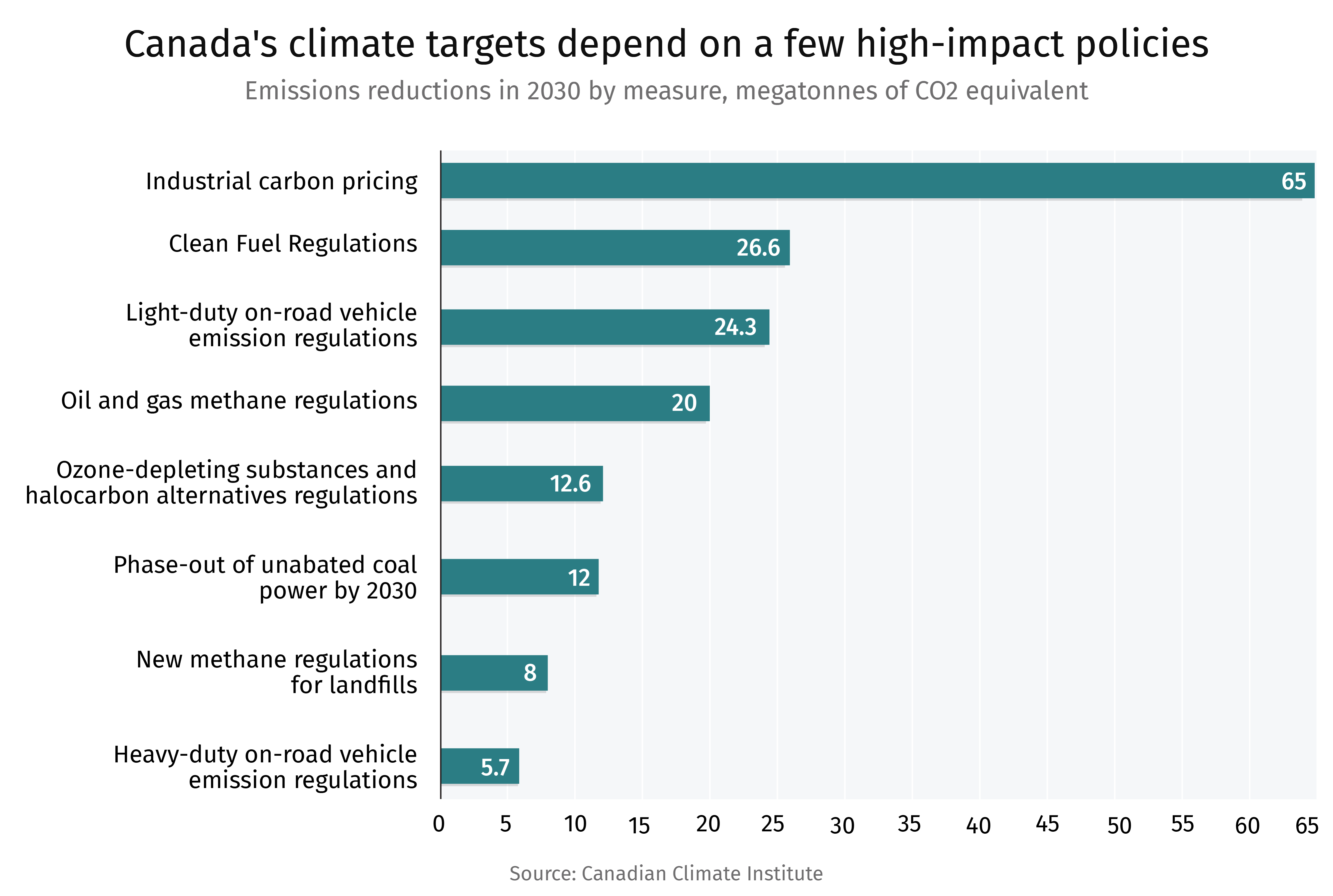
 Statistics Canada says the economy capped off a volatile year with a contraction in the final quarter of 2025. The agency said that real gross domestic product declined 0.6% on an annualized basis in the fourth quarter, falling short of expectations from the Bank of Canada and most economists for flat growth. Real GDP per capita was unchanged in the fourth quarter. StatCan said the main reason for the contraction was businesses drawing down their inventories. The economy swung back and forth between gains and losses every quarter last year as sharp changes in exports tied to US tariffs drove volatility in GDP data. …The agency said real GDP rose 1.7% in 2025 overall, cooling from 2% growth in each of the previous two years and marking the slowest pace of annual growth since 2016 outside the COVID-19 pandemic. “Lower exports, particularly to the United States, were the main contributor to the slower rise in GDP in 2025”.
 Japan’s housing starts fell 0.4% yoy in January 2026, easing from a 1.3% drop in the previous month and beating market expectations of a 1.6% decline. It marked the third consecutive month of contraction, though the pace was the mildest since July 2024. Rental housing starts declined at a slower rate (-1.5% vs -3.4% in December). Meanwhile, owner-occupied homes rebounded (6.6% vs -1.8%), as did prefabricated housing (5.1% vs -6.1%). Starts for two-by-four homes also accelerated (8.7% vs 2.8%). In contrast, built-for-sale housing fell 4.8%, reversing a 1.9% increase in December.

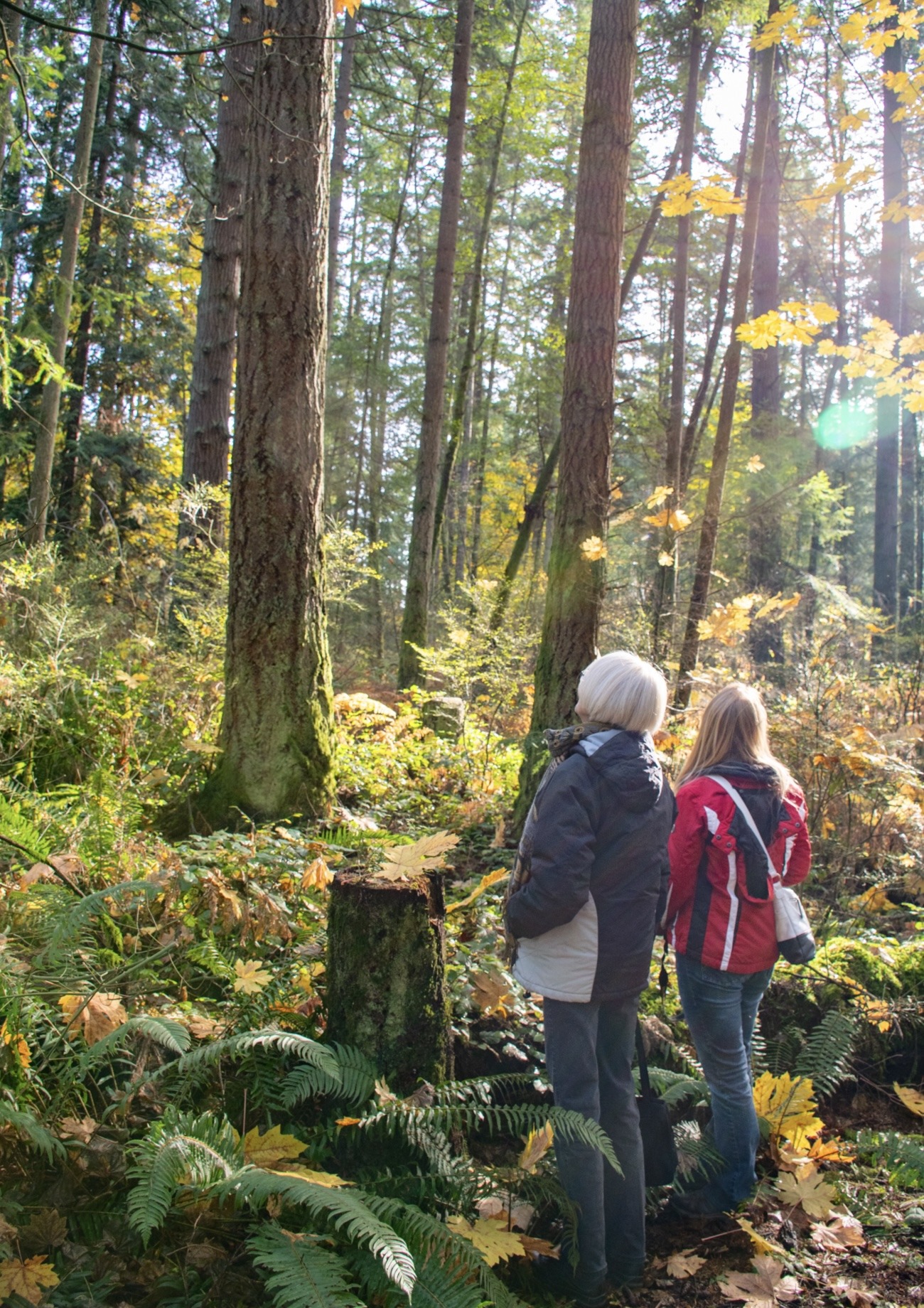 Many people in British Columbia, including those living in remote First Nations communities, still rely on forestry revenue to keep the lights on. But as the forestry industry continues to wade through economic uncertainty, outdated forest legislation and – in some regions – a declining fibre supply, one can’t help but wonder: Could shifting gears to tourism pay the bills? “We watched the fishing industry decline …Now we’re watching the forestry decline. We are in a place where we need to look at other options…. I think tourism is a great option for that story,” said Paula Amos, Indigenous Tourism BC (ITBC). The harvest tenure for TFL 61 is held by Pacheedaht Andersen Timber Holdings (PATH) and managed by Angus Hope. … “There are a lot of challenges,” Hope says. From the “glacial pace” of government to the high cost of getting the logs to market, Hope says the status quo just doesn’t make sense anymore.
 The newsletter highlights the ongoing work of the Forest Enhancement Society of BC (FESBC) as it enters its tenth year of operations, showcasing the positive impact of FESBC-funded partners on forests across British Columbia. It opens with a safety tip from the BC Forest Safety Council aimed at improving workplace orientations and on-the-ground safety. FESBC also invites readers to participate in its Decade in Review, asking for stories about memorable, locally meaningful projects that have strengthened forests or communities. The newsletter introduces FESBC’s new Administrative Assistant, Jen Kulchar, and celebrates community forestry by linking to the BC Community Forest Association’s new film, Rooted Together. It also features a Faces of Forestry profile on Hengda Liu and shares additional news on FESBC-related forestry developments and partnerships. Throughout, the focus remains on collaboration, forest resilience, and the people driving meaningful forestry work province-wide.
 Results from a targeted deer hunt in the Cranbrook area show no new detections of chronic wasting disease (CWD), supporting ongoing efforts to contain and manage the disease in southeastern B.C. From Jan. 5-31, 2026, a general open-season deer hunt was implemented in a defined area near Cranbrook to bolster sampling efforts and reduce the risk of CWD spreading to surrounding deer and elk populations. A total of 228 deer were harvested during the hunt. All samples submitted for testing were negative for CWD. Of the deer harvested and tested, 79% were white-tailed deer and 21% were mule deer. Although no animals tested positive, targeted hunts within the established management zone aim to reduce deer population and density, providing fewer opportunities for close contact between animals and limiting the risk of CWD spread.
 The head of an Indigenous-owned forestry company in New Brunswick says that provincial government statements about consultation with Indigenous communities over forestry policy are “hollow” without efforts to increase self-determination. Annie Simoneau, owner of L’Puk’Tuwis Forestry — which is based in Natoaganeg, also called Eel Ground First Nation — says that most small Indigenous communities currently lack the capacity to cut and manage their own timber. “Many are forced to rely on large forestry companies or urban-based contractors to do the harvesting for them. Those companies decide the methods — and too often that means clear-cutting, followed by herbicide spraying,” she told the NB Media Co-op. “That’s not self-determination,” she continued. “That’s dependency created by decades of policy that withheld equipment, training, and access from First Nations, then turned around and said, ‘You were consulted.’”
 Drax Group is launching a strategic review of its Canadian pellet operations due to a constrained fiber market and low margins. …CEO Will Gardiner discussed the company’s changing pellet production strategy. …“Our US business is fundamentally part of our UK supply chain. That business is doing very well As you will have seen, our Canadian business is more challenged, and we’ve been talking about this for some time as margins have come down due to fiber costs rising in Canada more rapidly than indexed power prices in Asia. As we noted last year, this dynamic contributed to the decision we’ve made to close one of our pellet plants in Williams Lake towards the end of last year.” As a result, Drax is not currently expecting to commit any additional capital to the pellet production segment, including the paused pellet plant planned for development in Longview, Washington.