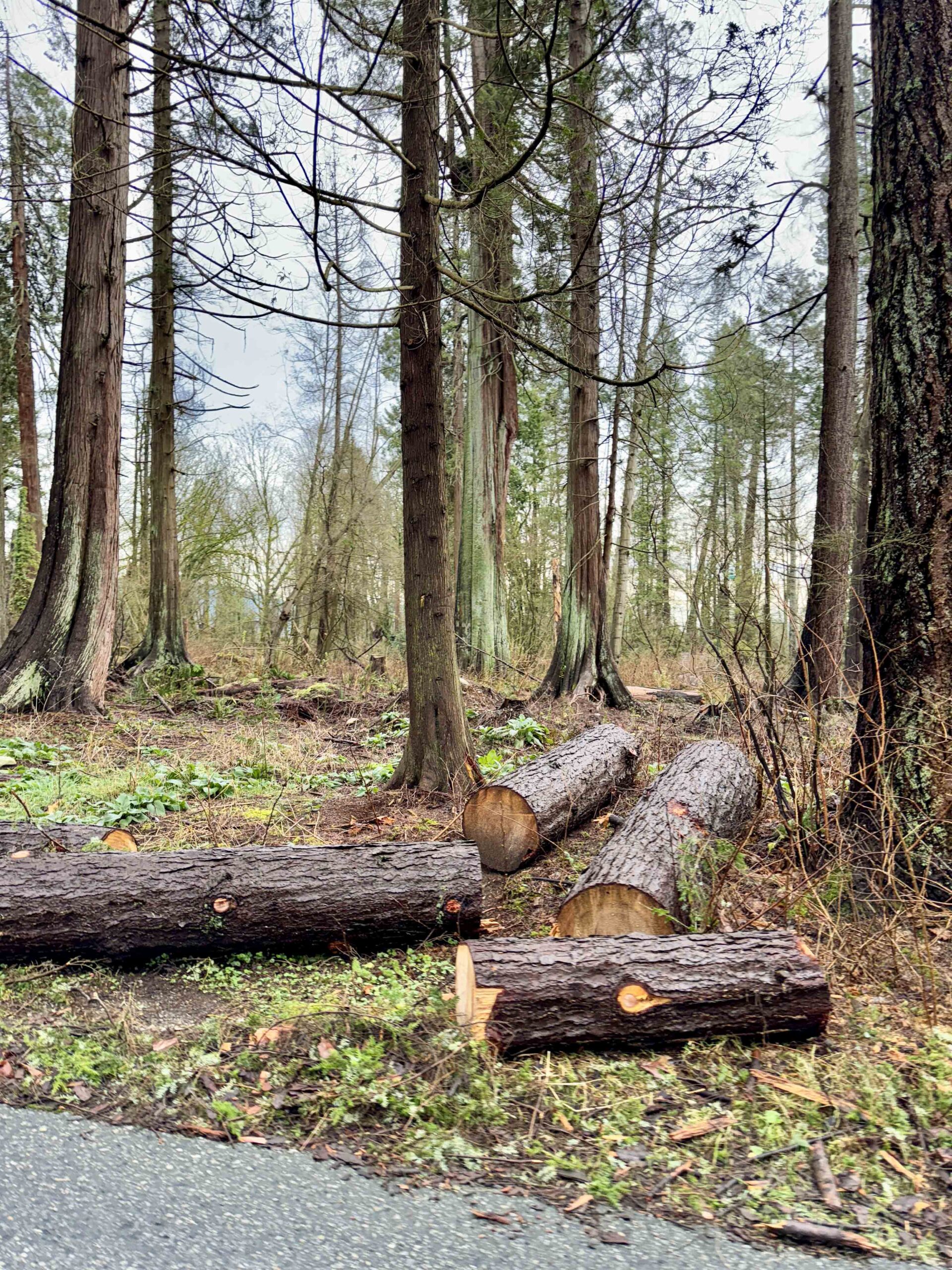
 It was December 2024, and a four-year looper moth infestation had ravaged Stanley Park. The City of Vancouver estimated that 160,000 of the park’s 600,000 trees were dead or dying… The hemlocks had faced years of drought …which made them more susceptible to the ravenous looper larvae that stripped the trees of their needles. …Bruce Blackwell has spent 38 years watching this slow-moving disaster unfold. …Blackwell says the stress on the trees and the increased forest fire risk is being exacerbated by our longer, drier summers. “Historically we would’ve had significant rains in April, May and June. And in some of these driest years, the precipitation is stopping in May,” he says. “And we’re not getting significant precipitation for months on end.” As a result, municipalities are rethinking the trees they plant… “These things take resources—and when it comes to green spaces, we’re good at planting them… but we’re not managing them to the standard we need to manage them,” says Blackwell.