©InciWeb
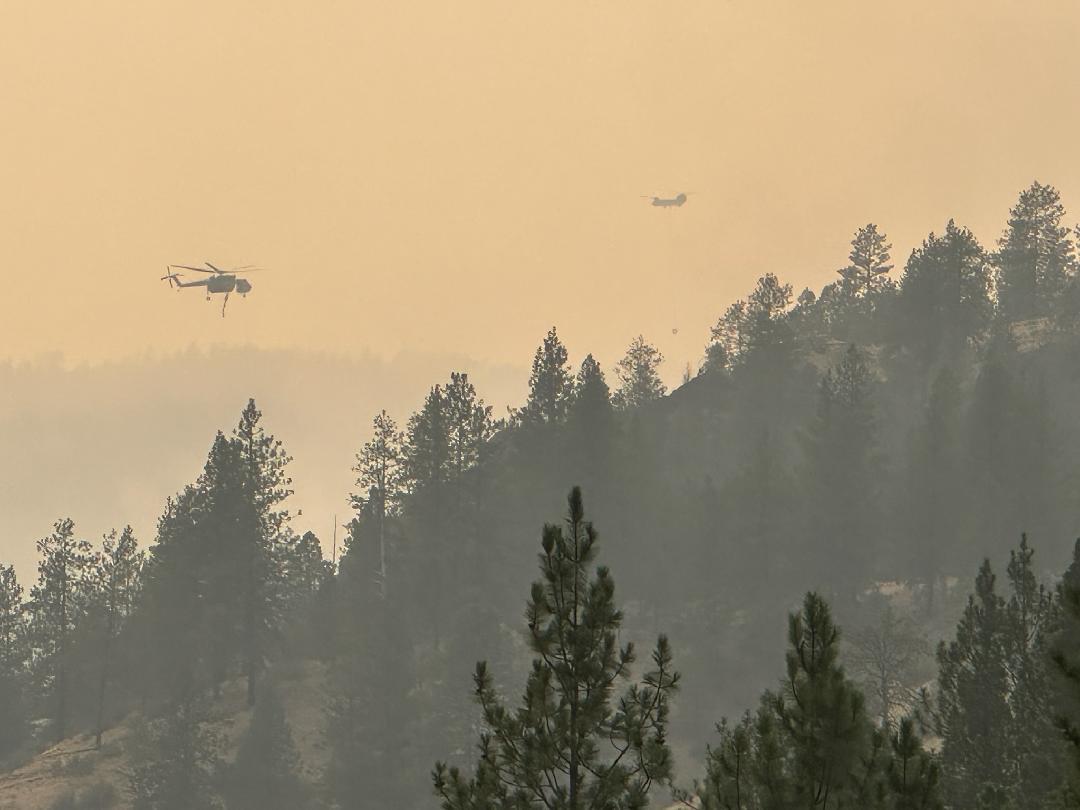
Wildfire smoke is usually discussed as an airborne pollutant and a threat to human health. But when smoke and rain coincide, nutrients released by burned landscapes rain back down. A new study finds that smoke-rain events can deliver large bursts of nitrogen, phosphorus and potassium—three nutrients essential to life—across ecosystems in the United States. As wildfires become more frequent, these nutrient pulses could become an increasingly important, and largely overlooked, ecological consequence of fire. “It’s important to remember that what goes up must come down,” said lead author Alexandra Ponette-González, urban ecologist at the University of Utah. “…We’re interested in everything that falls out of the atmosphere and lands on ecosystems, and what that means for our environment.” …the study is the first large-scale analysis to examine how particles in wildfire smoke are delivered to ecosystems through rainfall across hundreds of U.S. sites over multiple years.