 HOUSTON, BC –Houston area First Nations were in talks to buy Canfor’s now-closed Houston sawmill and timber tenure throughout last fall, only to have an offer rejected in December, says the chief councillor from the Lake Babine Nation. “Canfor shut down all talks at once,” said Wilf Adam last week. “They did not like the price. That was it.” The company has been trying to sell its Houston and area holdings after years of rolling openings and closures in response to overall market pressure and high operations costs at the mill. …There was hope in the spring of 2023 when… but that hope was quashed in the spring of 2024 when the company announced it was shelving the prospect of a new mill. It then began looking for a buyer for the mill and tenure.
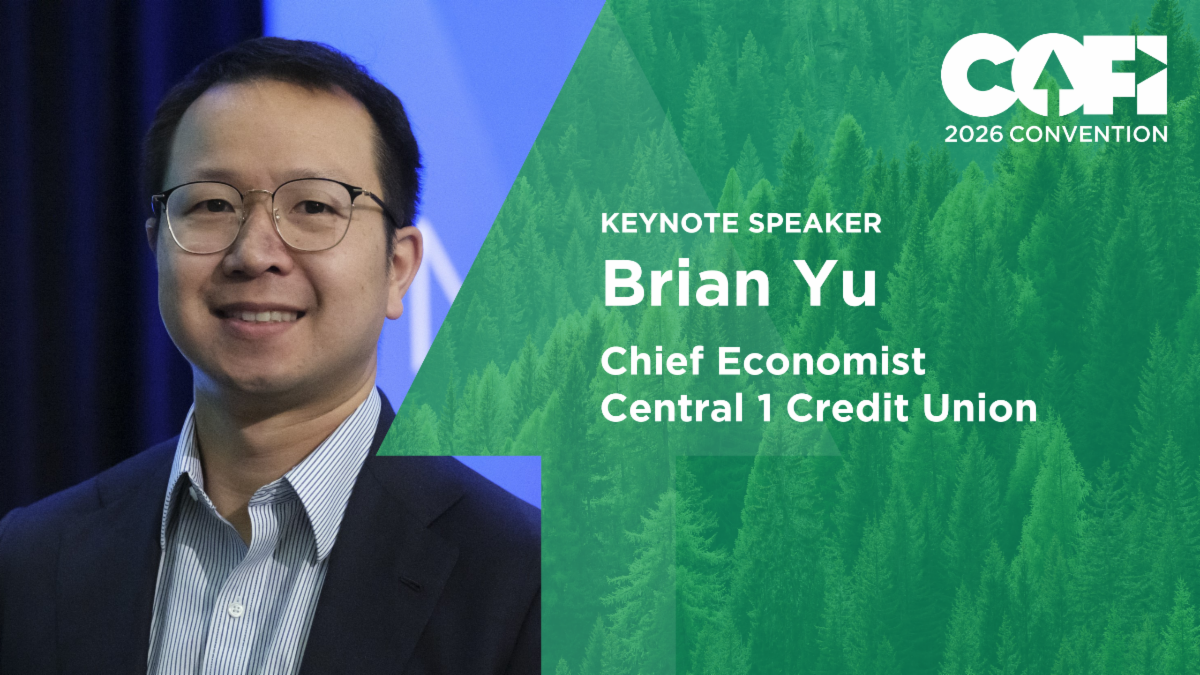 Join Bryan Yu, Chief Economist at Central 1 Credit Union, for a clear-eyed keynote on the economic forces shaping the year ahead. In his presentation, 2026 Macroeconomic Outlook he will examine trade uncertainty, global competition, and pressure at home. What’s ahead for BC and Canada’s economy? Hear what the outlook means for BC’s forest sector and the strategic decisions leaders will face in a rapidly changing economy. Mark your calendar for April 8 – 10, and register before March 6 to take advantage of Early Bird discounts.
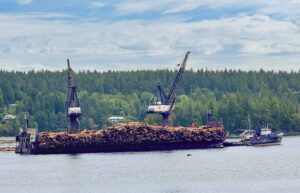 Raw logs were being loaded for export at the shuttered Crofton pulp mill – just weeks after hundreds of local workers were laid off over a lack of wood fibre, and as about 120 sidelined Chemainus sawmill employees brace for their EI benefits to run dry. “I don’t want a handout, I want a job,” said Brian Bull, who was laid off from Western Forest Products’ Chemainus sawmill. …North Cowichan’s mayor says repeated appeals to federal officials to grant workers the additional 20 weeks of EI benefits promised by the Prime Minister in the summer of 2025 have gone unanswered. “There’s about 120 workers impacted at the Chemainus sawmill. The majority are set to lose their EI benefits next month. …So laid-off Chemainus sawmill workers are urging the provincial government to stop raw log exports. Elzinga said he fears their the Chemainus sawmill may never re-open, due a lack of fibre supply.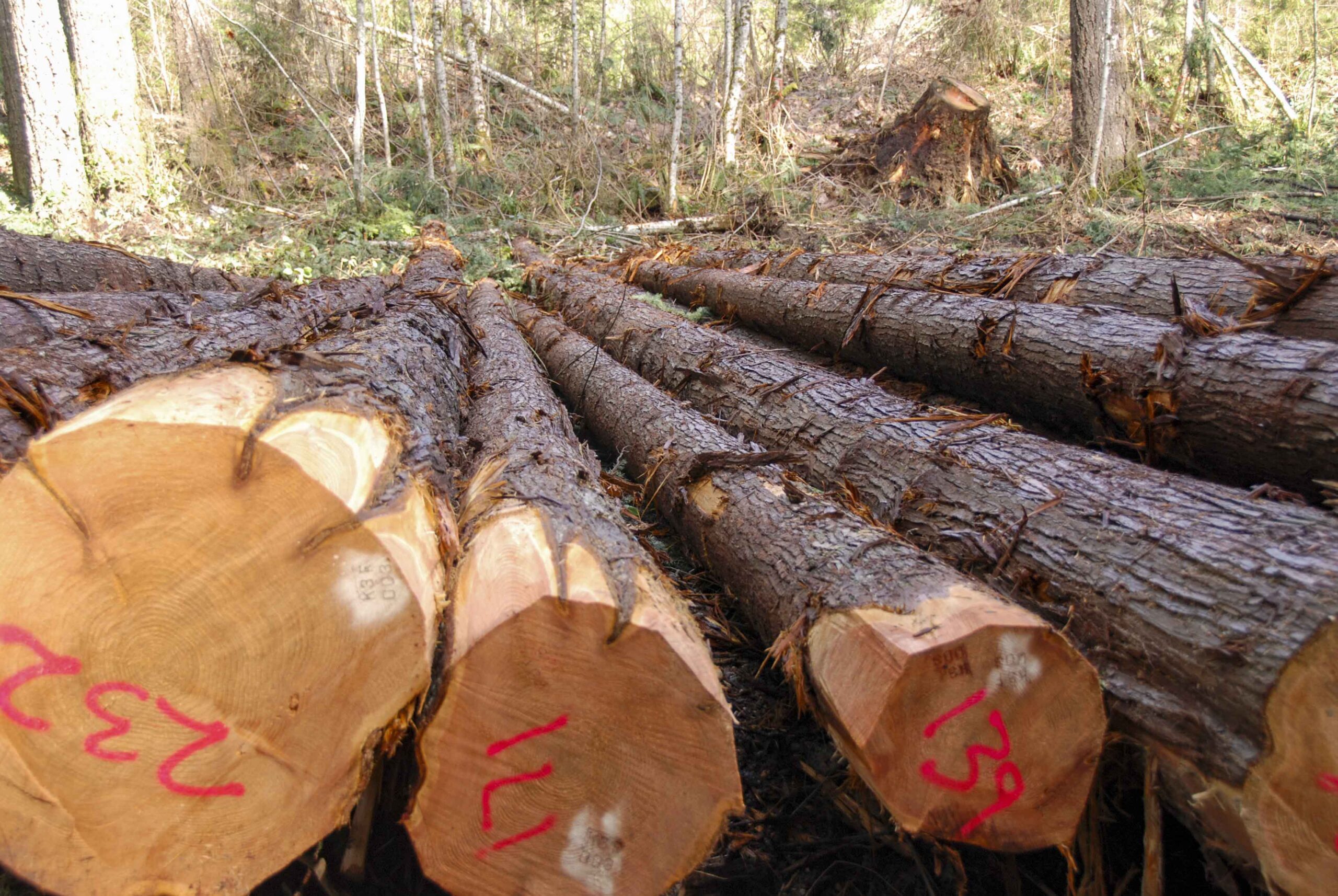

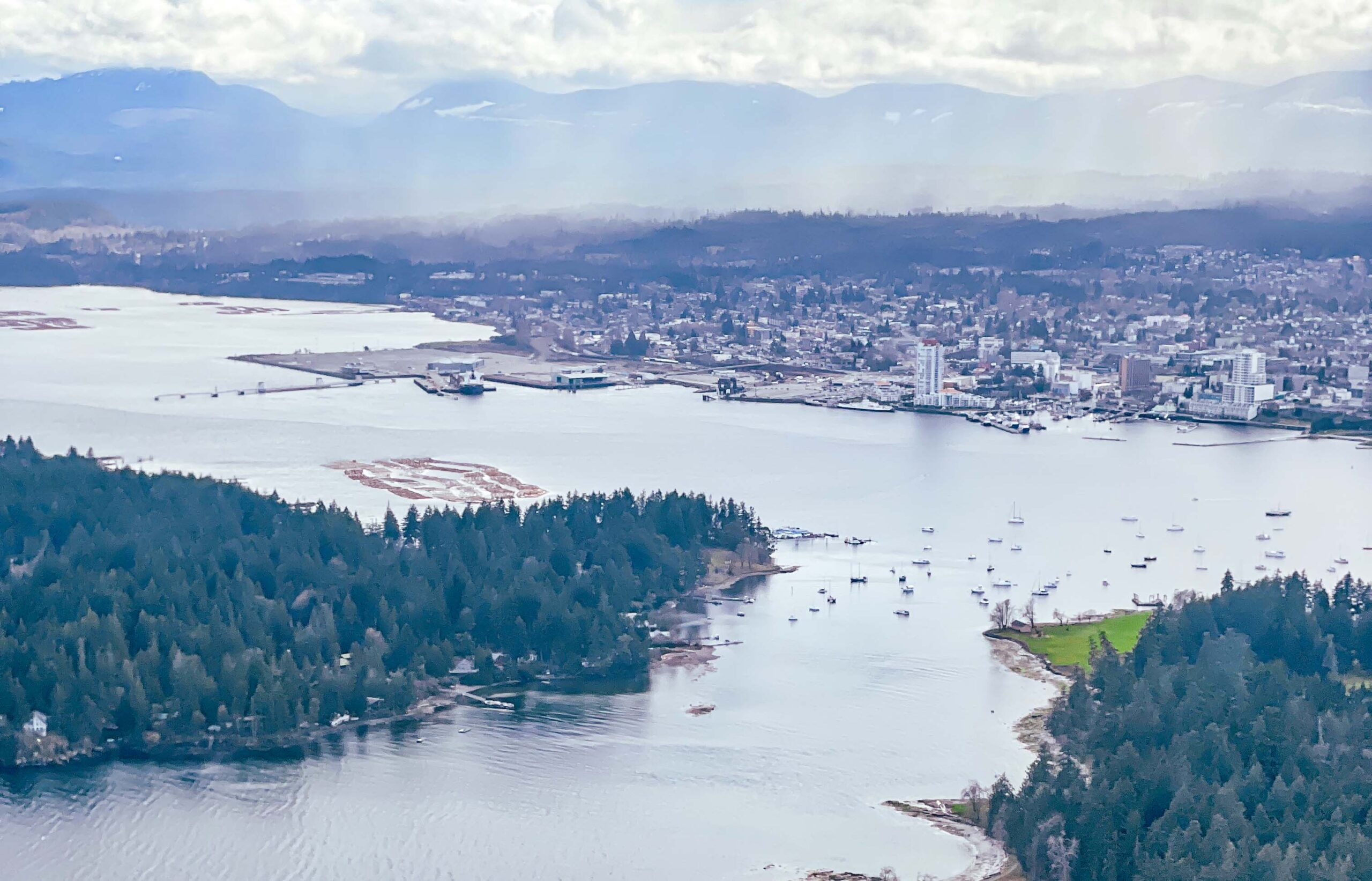 Snuneymuxw First Nation is calling on other levels of government to act to protect its waters following an oil spill and long-standing discharge of “toxic sawmill effluent” at Duke Point near Nanaimo. The nation is calling for a full environmental investigation following the incidents it says are caused by Environmental 360 and Western Forest Products. The nation has sent letters to the federal, provincial and municipal governments calling on them to act. This comes after an
 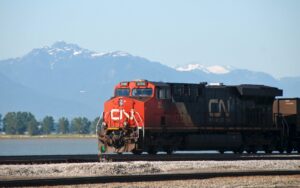 The CN railway running through 100 Mile House will not be discontinued after all. District of 100 Mile House Mayor Maureen Pinkney said that the consultant hired to assess the rail line’s future had told her, and around 87 other stakeholders in the region between North Vancouver and Prince George, that removal of the rails was off the table. …CN Rail announced it would be discontinuing service between Squamish and 100 Mile House… and that rails and ties are removed after discontinuance. …Potentials for the new use of the rail tracks include the return of passenger rail to 100 Mile House. …Pinkney said that there could be opportunities from the saved rail line to make up for lost tax revenue from the closure of the West Fraser Mill, as well as the OSB plant.





 Zoom Webinar | Wednesday, February 25, 2026 | 10:00am – 11:30am PST | Zoom. BC’s wood manufacturers are facing real challenges from labour shortages and export pressures to rising costs and growing sustainability expectations. The good news? There’s funding available to support your hiring, workforce development, technology upgrades, product innovation, and market expansion. Join this session designed specifically for processors, builders, and related businesses in the value-added wood sector. You’ll learn how to use grants strategically, not reactively, to achieve your business goals. What you will learn:
 Results from a targeted deer hunt in the Cranbrook area show no new detections of chronic wasting disease (CWD), supporting ongoing efforts to contain and manage the disease in southeastern B.C. From Jan. 5-31, 2026, a general open-season deer hunt was implemented in a defined area near Cranbrook to bolster sampling efforts and reduce the risk of CWD spreading to surrounding deer and elk populations. A total of 228 deer were harvested during the hunt. All samples submitted for testing were negative for CWD. Of the deer harvested and tested, 79% were white-tailed deer and 21% were mule deer. Although no animals tested positive, targeted hunts within the established management zone aim to reduce deer population and density, providing fewer opportunities for close contact between animals and limiting the risk of CWD spread.
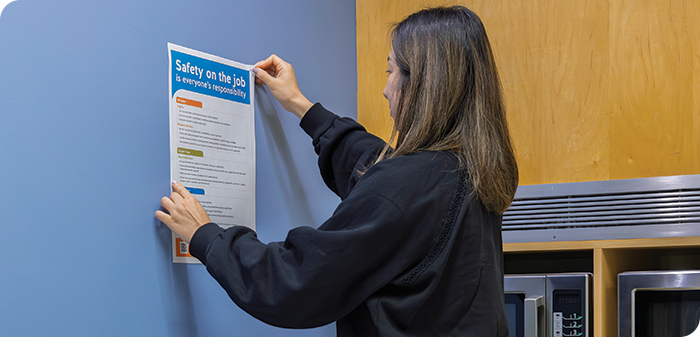
 The newsletter highlights the ongoing work of the Forest Enhancement Society of BC (FESBC) as it enters its tenth year of operations, showcasing the positive impact of FESBC-funded partners on forests across British Columbia. It opens with a safety tip from the BC Forest Safety Council aimed at improving workplace orientations and on-the-ground safety. FESBC also invites readers to participate in its Decade in Review, asking for stories about memorable, locally meaningful projects that have strengthened forests or communities. The newsletter introduces FESBC’s new Administrative Assistant, Jen Kulchar, and celebrates community forestry by linking to the BC Community Forest Association’s new film, Rooted Together. It also features a Faces of Forestry profile on Hengda Liu and shares additional news on FESBC-related forestry developments and partnerships. Throughout, the focus remains on collaboration, forest resilience, and the people driving meaningful forestry work province-wide.
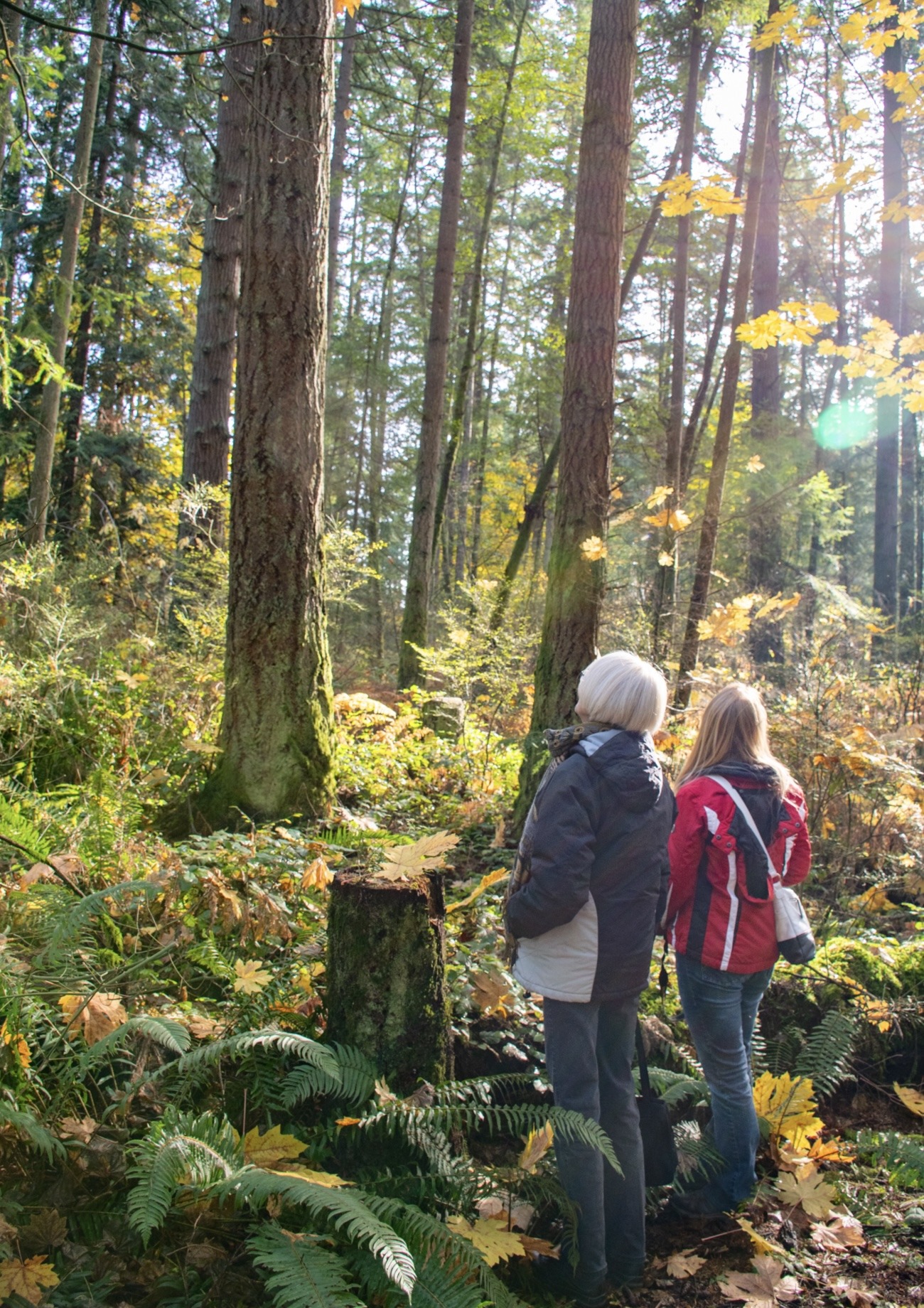 Many people in British Columbia, including those living in remote First Nations communities, still rely on forestry revenue to keep the lights on. But as the forestry industry continues to wade through economic uncertainty, outdated forest legislation and – in some regions – a declining fibre supply, one can’t help but wonder: Could shifting gears to tourism pay the bills? “We watched the fishing industry decline …Now we’re watching the forestry decline. We are in a place where we need to look at other options…. I think tourism is a great option for that story,” said Paula Amos, Indigenous Tourism BC (ITBC). The harvest tenure for TFL 61 is held by Pacheedaht Andersen Timber Holdings (PATH) and managed by Angus Hope. … “There are a lot of challenges,” Hope says. From the “glacial pace” of government to the high cost of getting the logs to market, Hope says the status quo just doesn’t make sense anymore.
 DUNCAN, BC — Mosaic Forest Management is launching a multi-year pilot on its private lands in the Koksilah watershed on Vancouver Island to demonstrate how working forests can deliver both economic performance and environmental resilience by integrating watershed services, carbon programs, renewable energy, recreation and real estate activities alongside timber production. This pilot supports the historic government-to-government agreement signed by Cowichan Tribes and the Province in May 2023 to develop BC’s first water sustainability plan in the Koksilah River which has experienced critically low summer flows in recent years. As part of the planning process, Mosaic sits on the Community Collaborative Advisory Table for the Xwulqw’selu / Koksilah Watershed and Water Sustainability Plan (XWWSP). “This pilot is about figuring out what works by combining sustainable forestry with watershed stewardship and other land solutions,” said Duncan Davies, President and CEO of Mosaic. “We’re committed to building the business model that makes this approach viable and scalable where the right conditions exist.”
 It could take anywhere from six months to a year before a coalition of area First Nations can start logging following a timber acquisition deal made with the provincial government in January during a natural resources forum in Prince George. The wood, amounting to 1 million cubic metres, comes from a licence held by Canfor and was timber that the company was not logging itself. Called an ‘undercut’ because it amounts to less than what Canfor could cut, the timber will now be converted into a licence held by a coalition of Wet’suwet’en Hereditary Chiefs, the Witset First Nation, the Lake Babine Nation, and the Wet’suwet’en First Nation. When logging does start, the new licence will call for logging of 200,000 cubic metres a year for five years. Through regulations, an undercut can be transferred by the forests ministry from one entity to another.
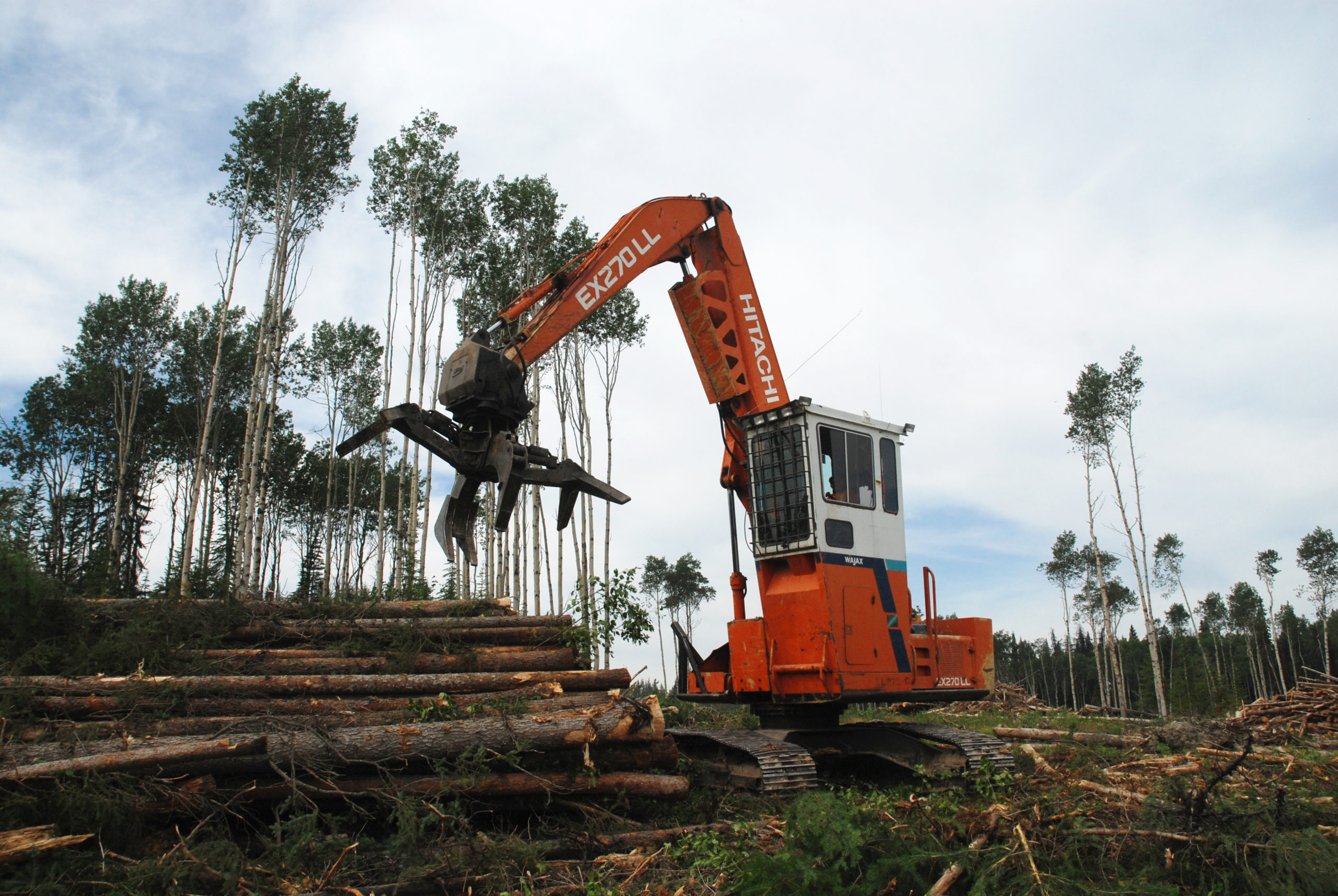 PRINCE GEORGE – British Columbia’s Forests Minister Ravi Parmar has announced that changes to BC Timber Sales are beginning to yield positive results, particularly in the Prince George area. The province aims to boost job creation, support local mills, and enhance forest health through this updated approach. Following a 2021 review of BC Timber Sales, several recommendations were made, and since then, the province has reported an increase in timber sales across British Columbia. This includes the recent auction of two new commercial thinning sales in the Prince George area, marking a significant achievement for the region.
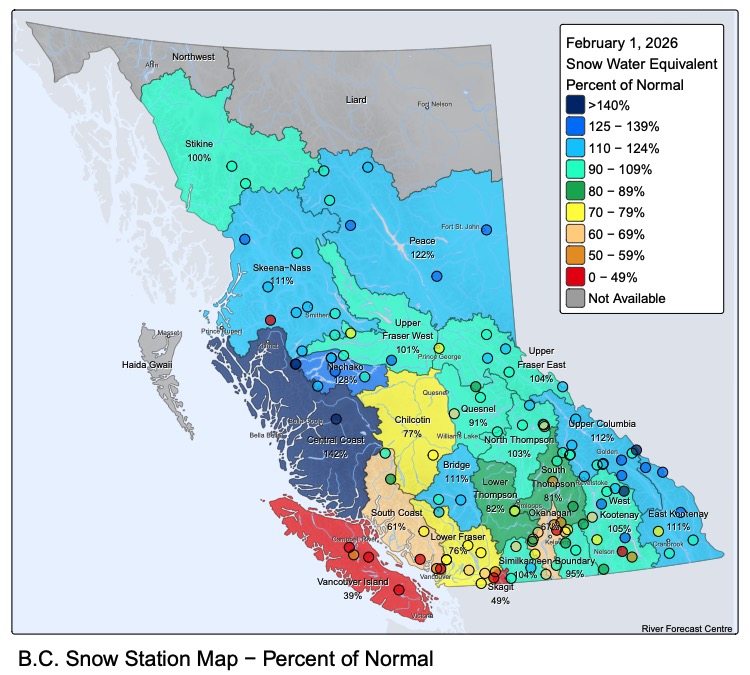 The mood was jubilant at Mount Washington Alpine Resort on Vancouver Island after a weekend storm saw 108 centimetres of snow blanket the resort. The snow was a welcome reprieve from the warm and wet weather that started the season… A
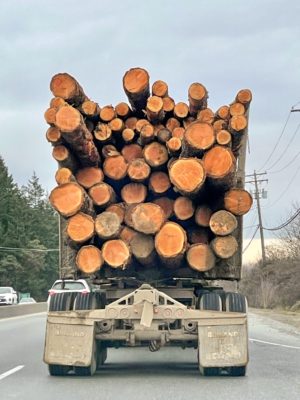 The forest industry and related associations, unions and community leaders have now coalesced behind the banner “forestry is a solution.” Their purpose, they say, is “to address the urgent challenges, from building affordable housing to reducing wildfire risks in our backyards” and to “rally British Columbians to support forestry workers and their families.” They will roll out the old dogma that BC practices the most sustainable forestry in the world. …The real purpose, I suspect, is that the coalition wants to continue the old model of intensive industrial forestry, despite the reality that our forests can no longer support this outdated model. In 2003, in an address at UBC, Pedersen, the chief forester of the day, stated that the forest industries’ plan was to harvest BC’s primary forests as quickly as possible and convert them into densely planted managed forests. Today, they have achieved that vision.
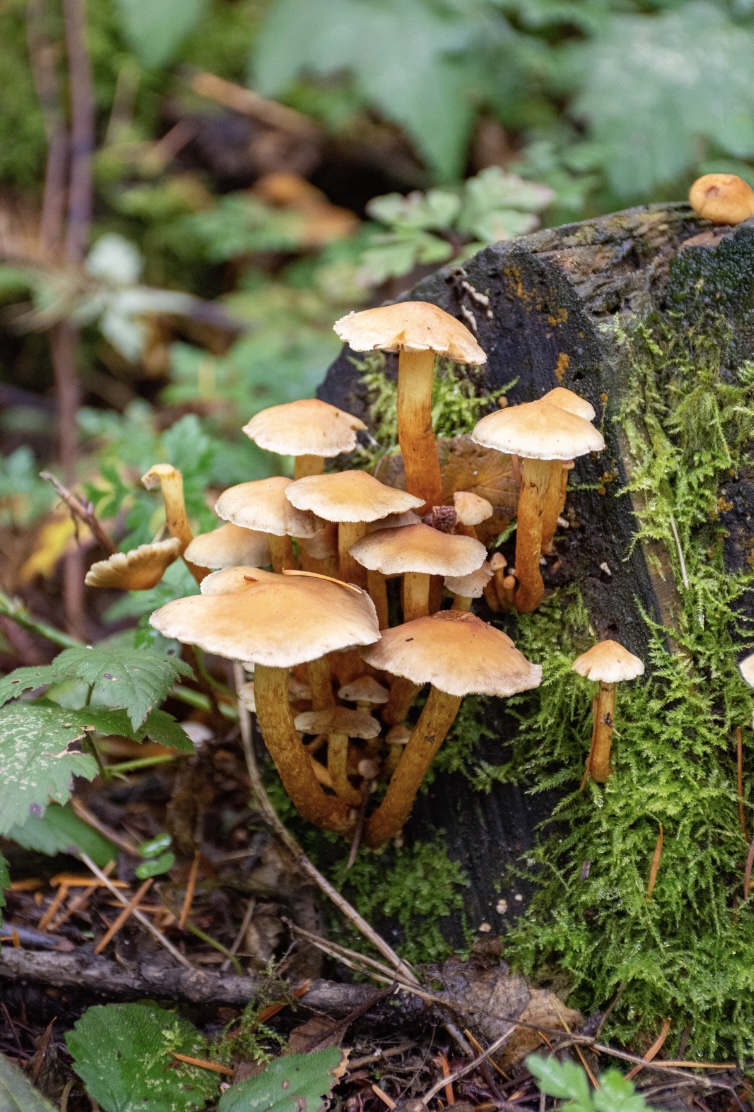 A community science initiative is uncovering previously unrecorded fungi across Greater Victoria, highlighting the region’s rich and still largely unknown biodiversity. Some discoveries may even represent species new to science. The project, MycoMap BC, invites the public to photograph, collect and submit mushroom and slime mould samples for DNA sequencing. Since launching last fall, nearly 14,000 collections have been submitted across British Columbia, including about 2,500 from Greater Victoria. “We’re building baseline data on fungal biodiversity that simply doesn’t exist yet,” said Elora Adamson, project coordinator at the University of Victoria biodiversity lab. As of mid-February, roughly 350 DNA sequencing results have been processed. Adamson said 11 collections represent species recorded for the first time in British Columbia. … Of those results, six newly recorded fungi were found in Greater Victoria, four in Sooke and two in Victoria.
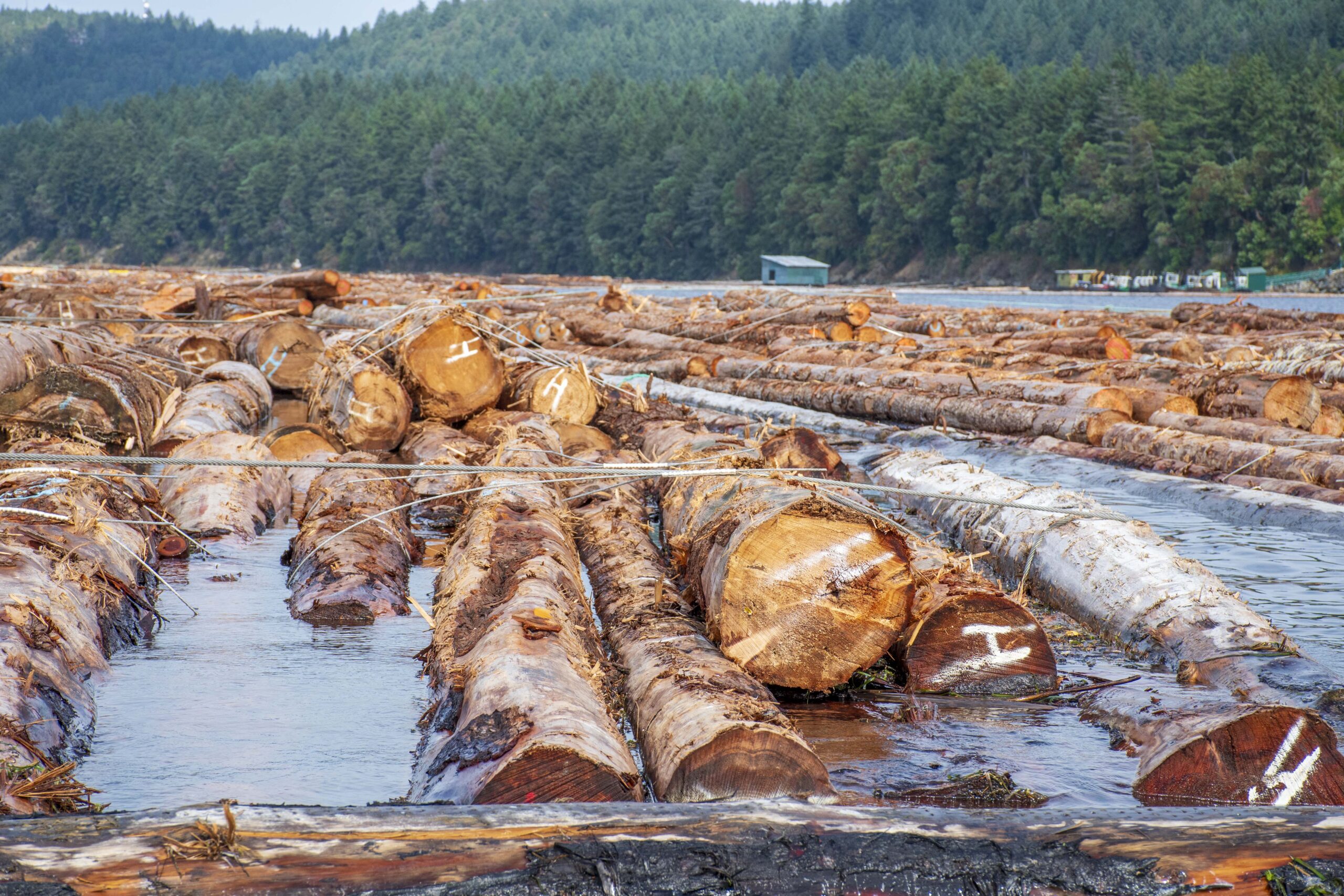 By the time a so-called “raw log” is loaded onto a truck — or in a small minority of cases, onto a ship — it has already travelled through a dense web of economic activity that is anything but raw. It has been identified and cruised through professional forest planning. Roads have been engineered and constructed. Heavy equipment has been purchased, financed and maintained. Logging crews have mobilized. Mechanics and welders have serviced machinery. Truck drivers have hauled. Fuel suppliers have delivered. Silviculture obligations have been funded or secured. Stumpage has been paid to the Crown on public lands. In many instances, Indigenous partnerships and benefit agreements structure access and revenue sharing. Every log carries embedded value long before it ever approaches a mill gate or tidewater. Industry analyst David Elstone has noted that it can take more than 100 distinct job functions to sustainably plan, harvest and deliver timber from forest to primary manufacturing.
 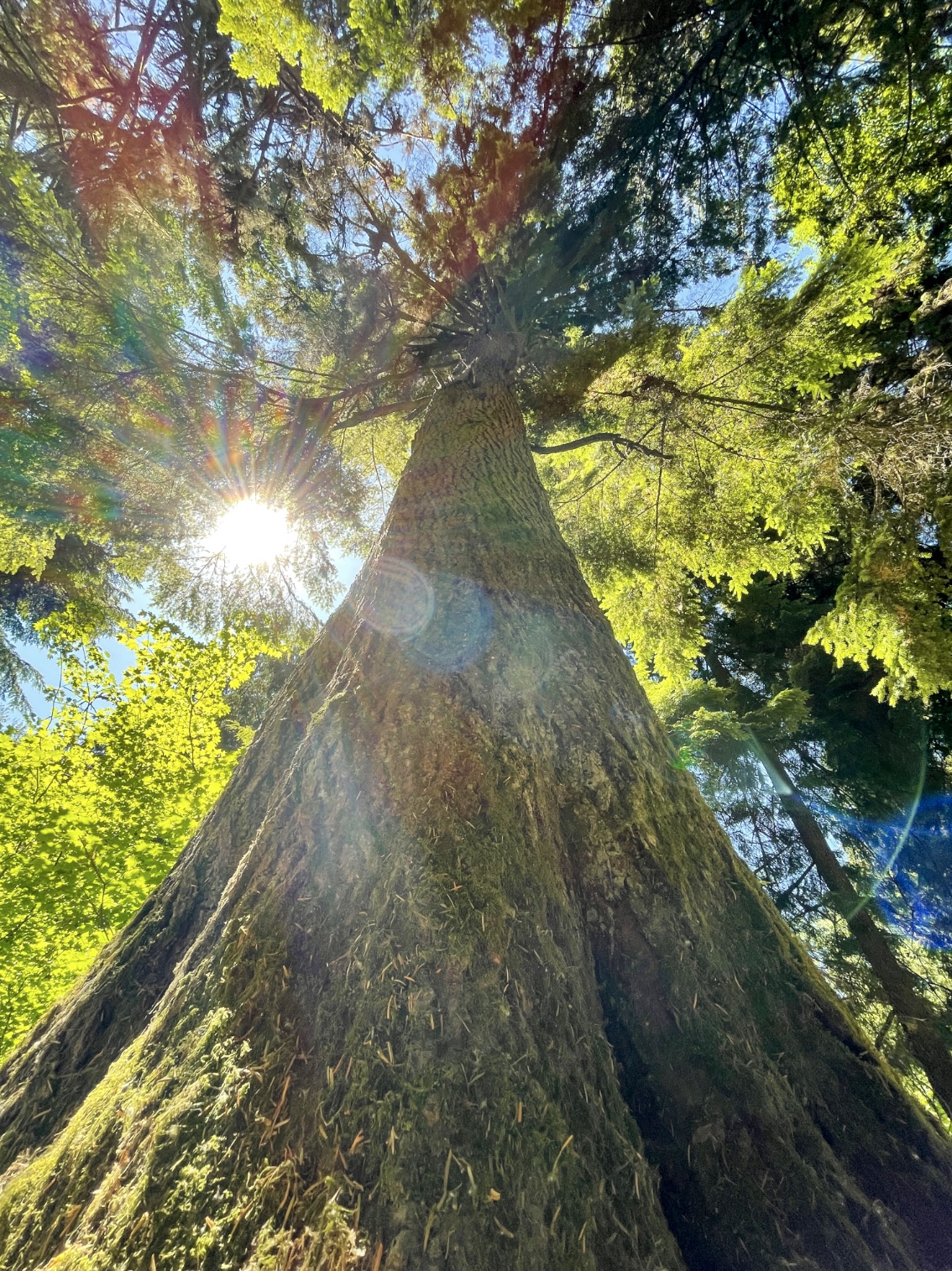 FRASER CANYON — The Nature-Based Solutions Foundation in Vancouver says it has recently acquired two clusters of private land inholdings totaling just over 55 hectares within the traditional territory of the Kanaka Bar Band in the Fraser Canyon for conservation purposes. According to a news release from the conservation organization, the 55 hectares of land are inside the boundaries of Kanaka Bar’s proposed Indigenous Protected & Conserved Area (IPCA). The foundation says the acquisitions will safeguard exceptionally diverse old-growth forests, including habitat that features Canada’s largest documented Rocky Mountain juniper, and they build on NBSF’s earlier purchase of the “Old Man Jack’s” parcel in 2022, thereby bringing the total to three private properties to be returned to Kanaka Bar through Indigenous-led conservation, title-registered legal protection, and long-term stewardship funding.
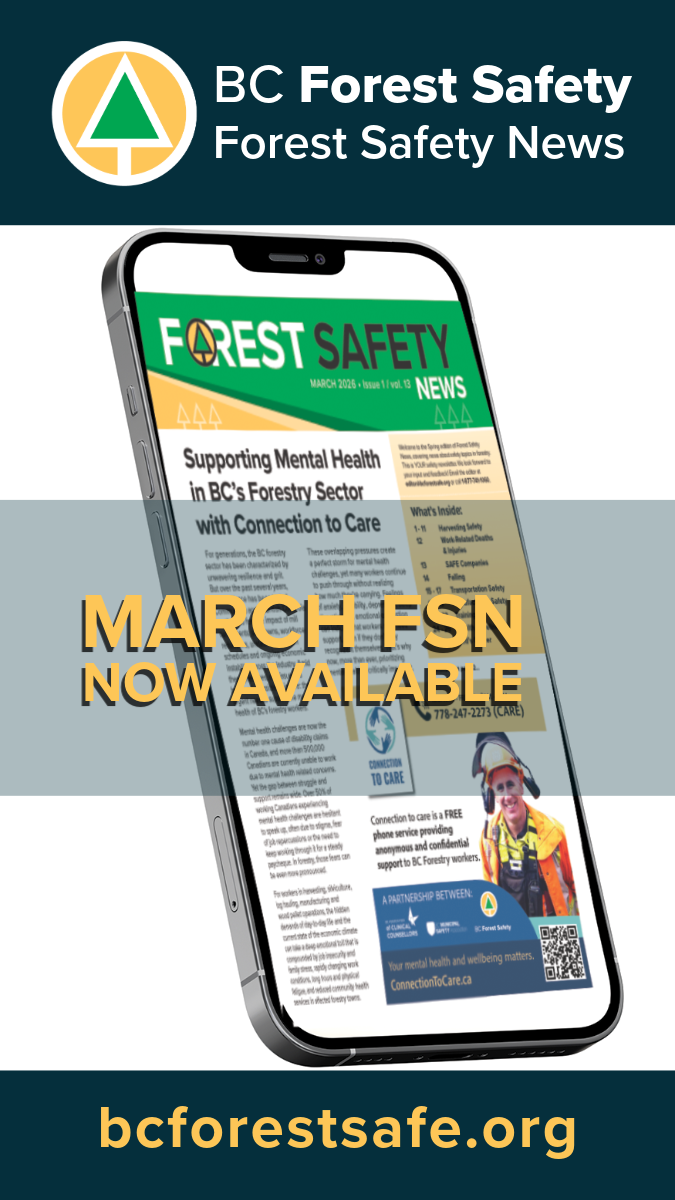 The March 2026 issue of Forest Safety News is out now — and it’s packed with important updates for everyone in the forest sector! From mental health resources to leadership changes and upcoming safety events, this edition focuses on building safer workplaces across British Columbia. This month’s lead story highlights the Connection to Care program, a FREE and confidential support service for forestry workers navigating stress, job pressures, or life challenges — because mental wellness is now a core part of workplace safety. We also mark a leadership moment as long-time CEO Rob Moonen retires after 16 years, and Cherie Whelan steps in as the new CEO, bringing deep experience in safety and industry engagement. Plus, don’t miss the Interior Safety Conference in Kamloops — a full day of sessions and networking for professionals across harvesting, silviculture, transportation, and manufacturing. There’s much more inside including safety alerts, training updates, and industry links you’ll want to see. Read the full issue for all the details!
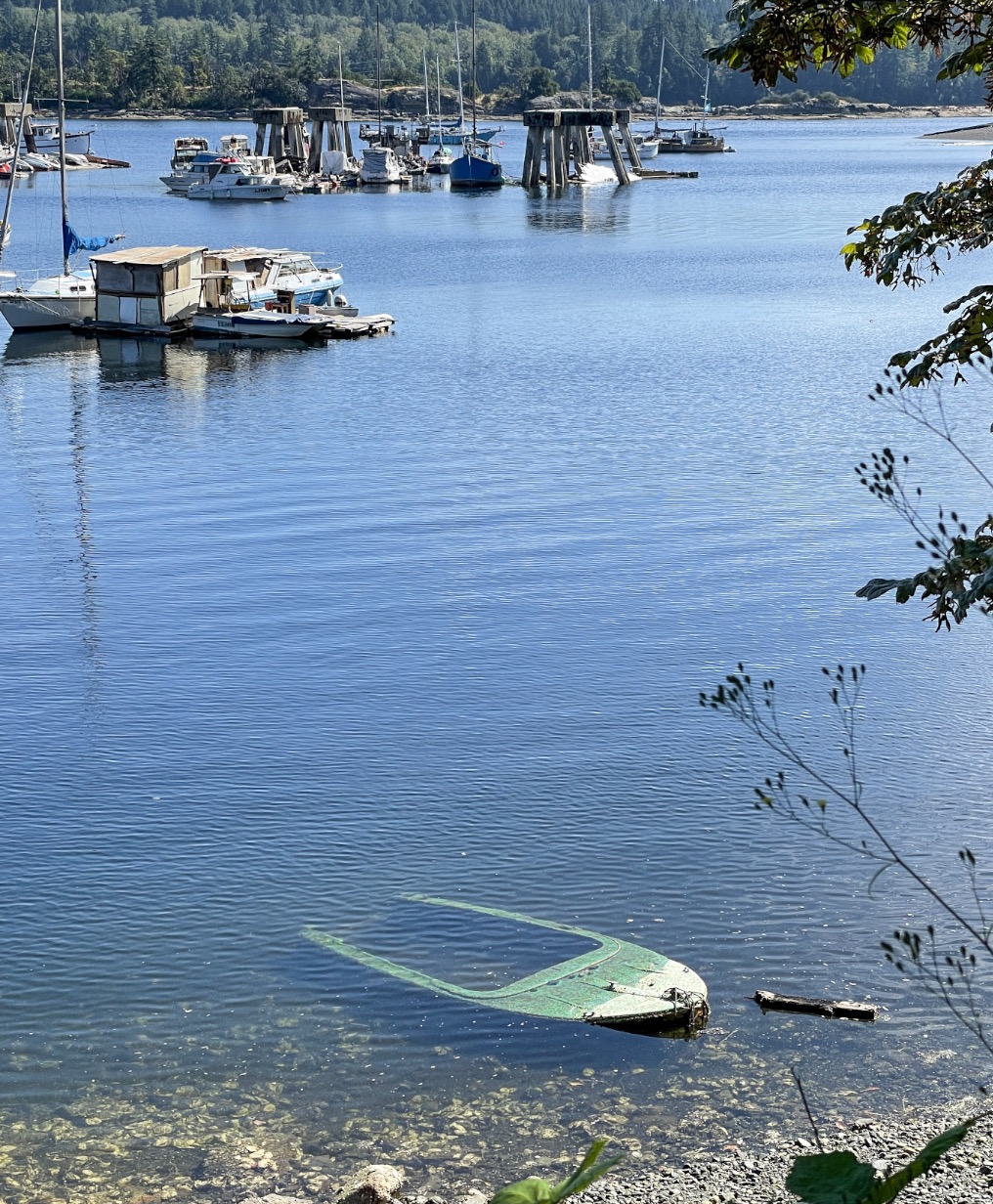 COWICHAN BAY, BC — Simon Fraser University researchers have uncovered concerning fibreglass contamination in a key estuary on Vancouver Island, raising concerns about how an as-yet overlooked contaminant could affect aquatic birds, marine life and coastal communities that rely on shellfish and seafood. A