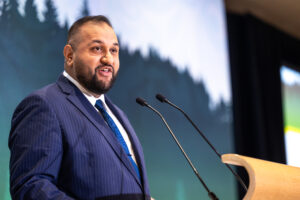
Ravi Parmar
“This is an immensely difficult day for the Sunshine Coast. These are not just jobs, these are livelihoods that have supported families and communities for generations…. “We have been engaging with the company to better understand the full scope of the challenges it is facing. We are prepared to work through the cross-government working group to identify practical, long-term solutions. This work will be most effective with Domtar in the process and a shared focus on maintaining a strong presence in BC. “BC’s pulp sector is feeling the effects of a seismic shift in the global pulp market. We are currently approaching the lowest pulp prices in 100 years. …We will be reaching out to the Sunshine Coast community immediately… to ensure people get the support they need.
 Truck Loggers Association: The TLA is, once again, deeply disappointed by today’s announcement. …This latest announcement follows other recent mill closures and reinforces the serious challenges facing BC’s forest sector. The consequences extend well beyond the mills, affecting workers, independent logging and forestry contractors, local businesses and communities throughout the coastal supply chain. With the indefinite curtailment of yet another BC pulp mill, the viability and stability of the entire coastal forest sector is increasingly at risk. …The TLA continues to call on all government to take decisive action to improve access to economically viable fibre, address BC’s high-cost operating environment and create the conditions needed to sustain forestry jobs, contractors and rural communities.
 Council of Forest Industries: BC’s forest sector is facing extraordinary pressures. In particular, the pulp sector has been hit with reduced demand from Asia, sustained weak global prices, and increasing costs and constraints on local wood supply. While we cannot control market cycles or trade disputes, we can improve the conditions for forestry here at home. That starts with a focus on competitiveness. BC needs more predictable and economic access to wood supply and a regulatory and cost environment that keeps mills operating and attracts investment. …Industry stands ready to work with government to reverse the trend of closures and curtailments in the pulp sector. Improving the conditions within our control will help make BC forestry more resilient, protect jobs and communities, and better position the sector to withstand changing global markets.”
 Unifor: The curtailment of operations at Domtar’s Howe Sound pulp and paper mill is more evidence of a deepening forestry sector crisis and demands immediate action from the B.C. and federal government, says Unifor. “Collapse of the forestry industry in the west, a core pillar of the economy, is just around the corner if governments don’t act now,” said Unifor National President Lana Payne. “Unifor is disappointed with Domtar’s announcement but this doesn’t have to be the end. We are totally committed to working with the company and governments to find a solution.”
 Two weeks until the 23rd Annual Global Buyers Mission in Whistler! At a time when trade barriers, transportation constraints, and rising operating costs are influencing how businesses plan and source, strong supplier–buyer relationships matter more than ever. GBM brings B.C.’s value-added wood manufacturers together with pre-qualified international buyers, distributors, and specifiers. From targeted B2B meetings and conversations on the tradeshow floor to networking receptions including the Women’s Networking Event, WoodTALKS seminars, and a few memorable Whistler moments along the way, GBM is designed to create connections that last well beyond the event. See you in Whistler, September 10-12!
 Osoyoos, British Columbia — September 21–22, 2026 Every industry has its acronyms. Few, however, land quite like the one the Independent Lumber Manufacturers’ Association (ILMA) has chosen for its 2026 Annual Convention: WTF — Where’s The Fibre? It’s a cheeky title for a serious question. Fibre availability — the raw material that keeps sawmills running, communities employed, and Canada’s forest sector competitive — has become one of the defining challenges facing the industry. ILMA’s answer is to lean into the tension rather than tiptoe around it, gathering the people who can actually do something about the problem for two days of conversation, deal-making, and, yes, a little golf. The ILMA Annual Convention has built a reputation as one of Canada’s premier forestry networking events, and this year’s edition returns to Spirit Ridge Resort in Osoyoos, located on the traditional territory of the Osoyoos Indian Band. The ILMA’s convention is intentionally curated — bringing together company owners and senior executives from across the sector alongside government representatives, First Nations leaders, suppliers, consultants, and forestry professionals.
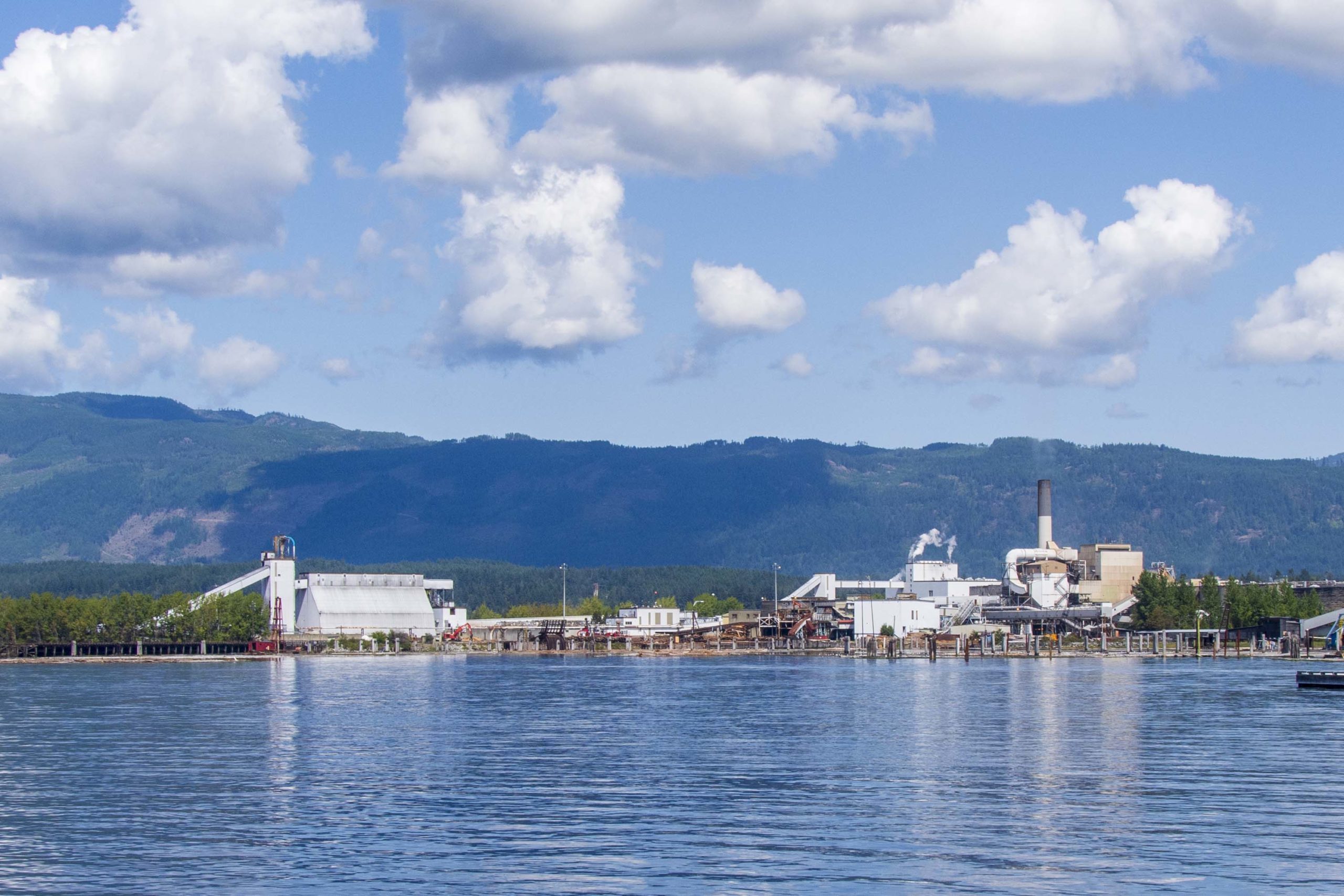 Bryan Yu, chief economist for Central 1 Credit Union, had no sooner completed a grim economic prognosis of B.C.’s ailing forest economy when, as if to punctuate the point, Domtar announced it would indefinitely idle its Howe Sound pulp mill in Port Mellon on Aug. 20. He said it was an “unhappy coincidence” that the announced pulp mill closure just happened to be announced the day before Central 1 published its economic commentary, which describes B.C. forest economy reaching the “breaking point.” The mill’s closure will result in about 400 workers losing their jobs. Domtar (formerly Paper Excellence) gave no date for when the mill will shut down. But if it is before the end of this year, that will mean three major pulp mills in B.C. will have shut down in B.C. in a single year. …The Council of Forest Industries (COFI) estimates 21 mills, mostly sawmills, have shut down in B.C. since 2023.
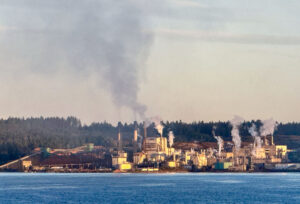 It’s a dynamic moment in time for Nanaimo’s Harmac Pacific pulp mill and the whole coastal forest industry, according to CEO Paul Sandler. Sadler said that the new American 50% tariffs… are not directly impacting Harmac’s operations at this time, but the tariffs’ likely repercussions on the coastal saw and lumber mills… are very worrying. Harmac requires a significant amount of wood chips to produce its high-value kraft pulp that is used globally for tissue, packaging and paper production. …But Sadler said, the biggest news for the forest industry on the B.C. coast recently was the indefinite closure of Domtar’s Howe Sound pulp and paper mill on the Sunshine Coast. …“We need more pulp capacity on the coast to meet the demand than Harmac and the pulp operation in Port Alberni can provide. …Sadler said it’s vitally important that the region’s sawmills get back to operating at full capacity.
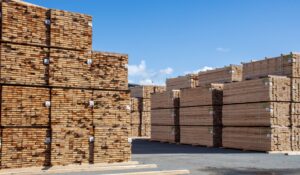 VANCOUVER — A leader in BC’s forestry sector is voicing support for Prime Minister Carney’s decision to walk away from trade talks with the US despite reported concessions on lumber tariffs in a scuttled deal. Kim Haakstad, president of COFI, says the breakdown of talks will create challenges for her sector, but Ottawa had to walk away if negotiators couldn’t secure a deal that worked for Canadians broadly. …BC Premier David Eby said that he understood some progress had been made in addressing the long-standing softwood lumber dispute during the most recent talks and it was “disappointing” to see that fail to materialize. …Haakstad called for measures including reducing regulatory restrictions to allow quicker access to BC lumber for a more competitive product on the global market. …She said Ottawa could also help by addressing rail transport costs, a significant barrier for Canadian lumber producers looking to sell products domestically.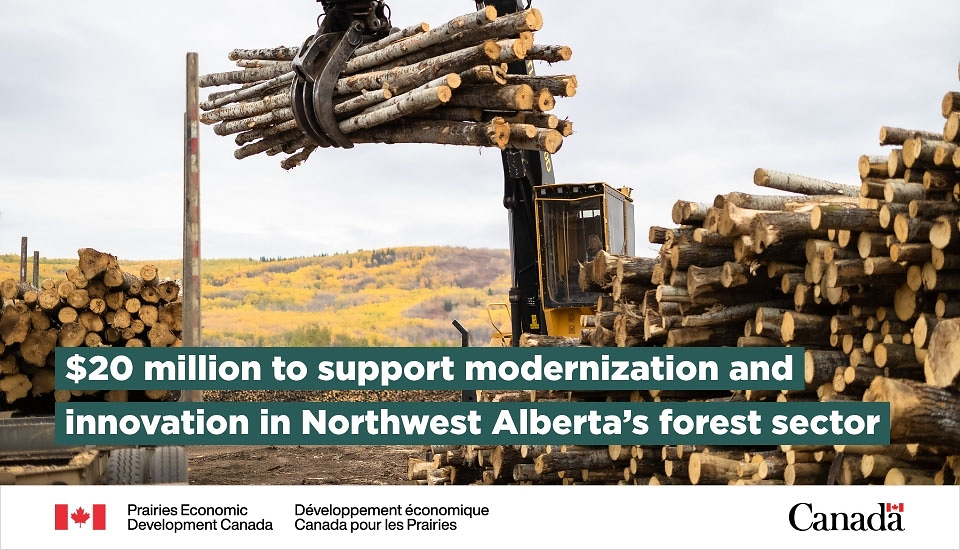

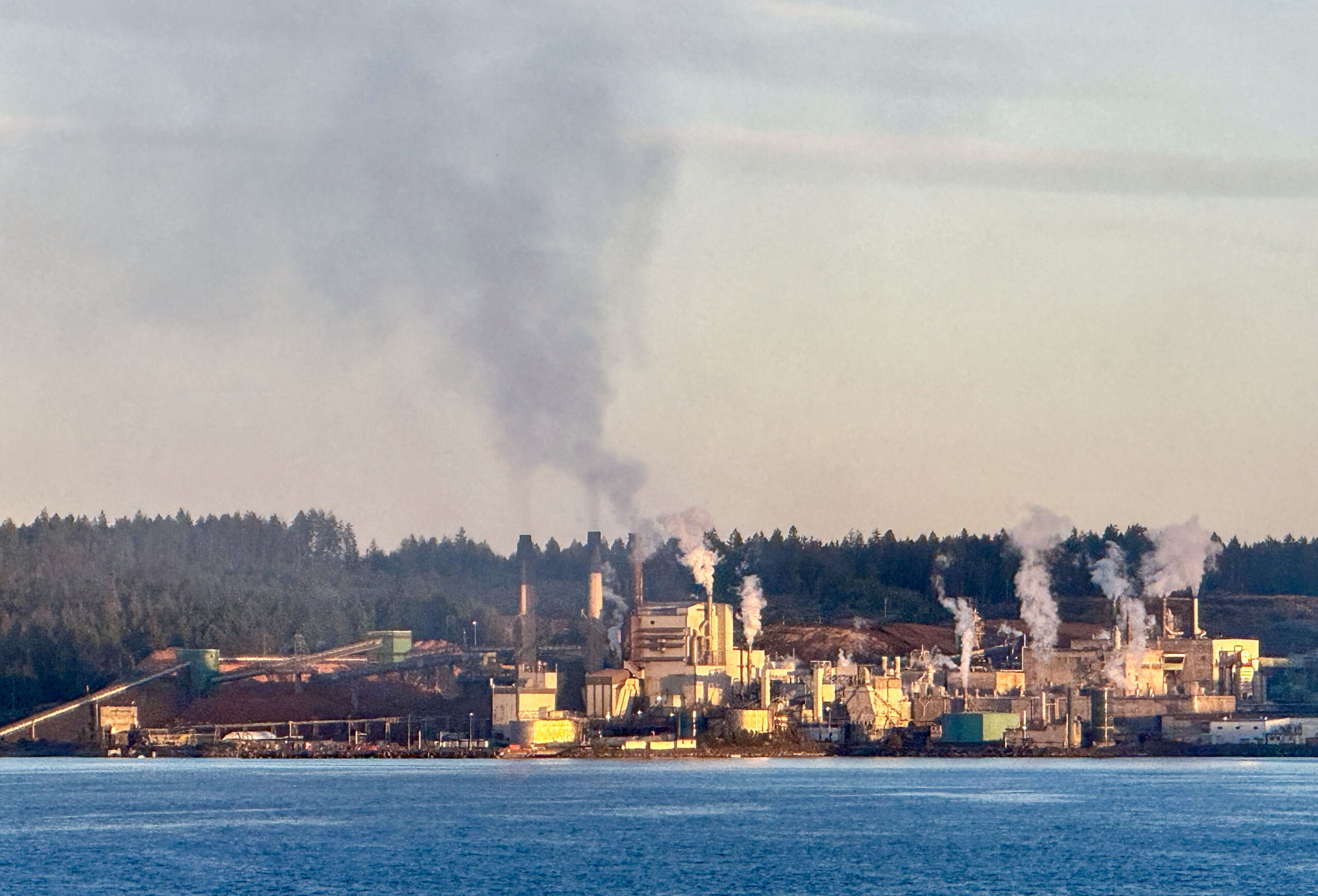 Local officials and an operator are remaining hopeful over the future of the two remaining pulp mills on Vancouver Island, despite recent mill closures and new U.S. tariffs. B.C.’s critical forestry industry is among those that are likely to take a major hit due to the incoming 50 per cent tariffs on certain Canadian goods — with the new duties targeting some Canadian pulp and paper products specifically. But Nanaimo Forest Products, which operates the Harmac Pacific Pulp Mill, says most of its specialty wood products have been spared by tariffs and are mostly exported to markets in Asia. “We’re highly focused on exporting our products overseas into places like Japan, Korea, China, Indonesia, even Australia,” said Harmac CEO and general manager Paul Sadler. Harmac produces northern bleached softwood kraft (NBSK) pulp, which Sadler says is common throughout British Columbia, often used for making tissues and paper towels.
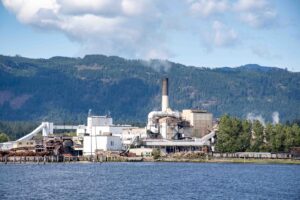 Port Alberni’s 80-year old paper mill is safe according to local leaders. The economic centre of the city is now reeling from partner pulp mills closing, high fibre prices, and Trump’s tariffs, creating a cloud of concern. Courtenay – Alberni MP Gord Johns said governments have given successive ownership companies millions of dollars in funding and tax breaks, and he’s been assured by the current owners Domtar that the Port Alberni paper mill is safe from closure. “The indications that I got in my conversations with the company is that there is no threat of imminent closure in Port Alberni, so that was positive, and all indicators right now is that operations aren’t under threat,” he said. Port Alberni Mayor Sharie Minions agrees. …Domtar’s Senior Manager of Strategic Communications Brenda Martin, said they do not anticipate any disruption to the mill’s production schedule or their ability to meet customer commitments.
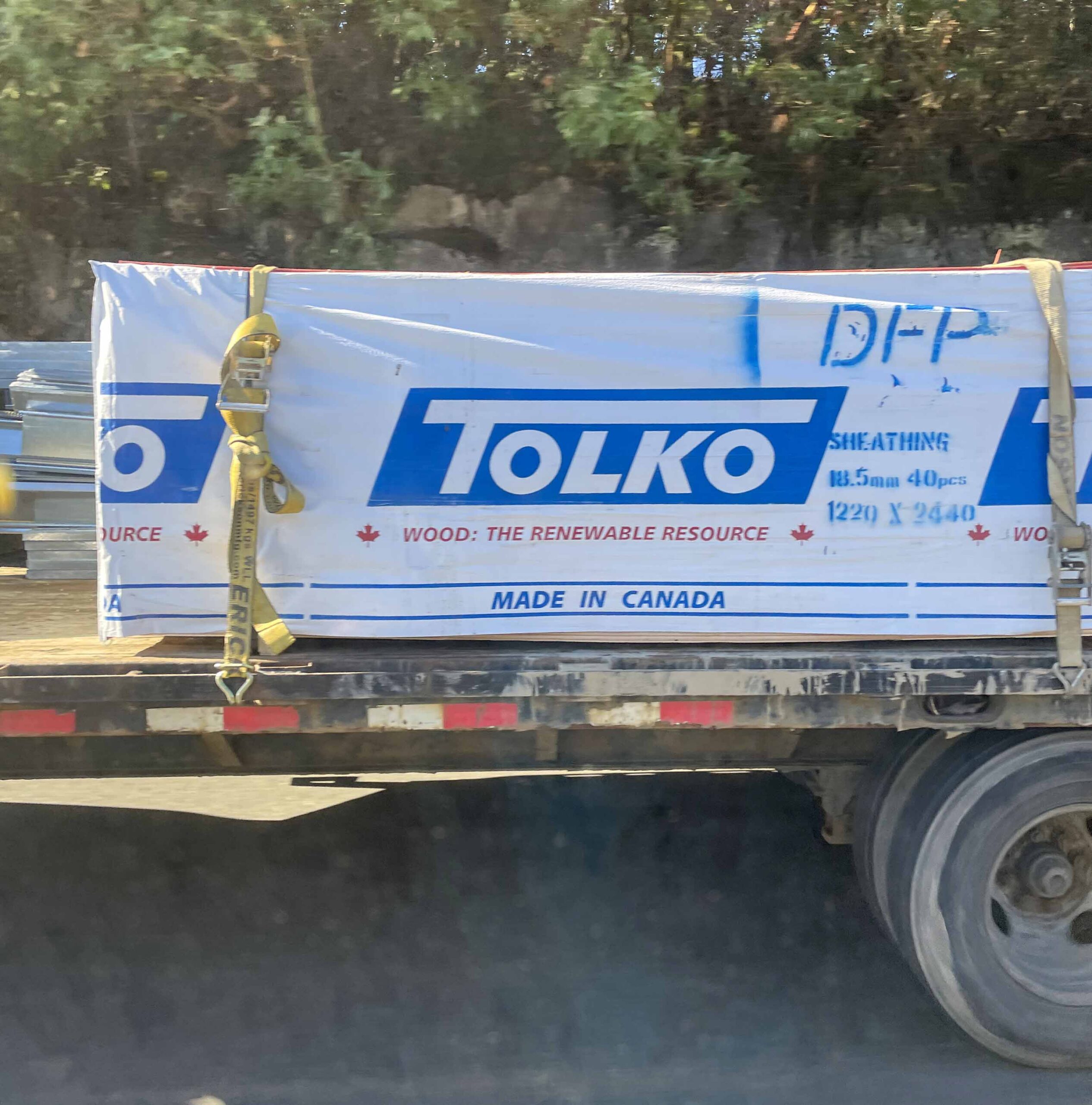 Late Thursday, Tolko issued a statement addressing reports that its Heffley Creek veneer facility was facing an indefinite curtailment. “We are aware of reports circulating about an indefinite curtailment at Tolko’s Heffley Creek veneer facility,” the company said. “This reporting is inaccurate.” Hot and dry conditions are impacting some Tolko harvesting operations, resulting in reduced fiber supply and a temporary shutdown of veneer production. The remainder of the Heffley Creek facility is fully operational, with full production expected to return this week.
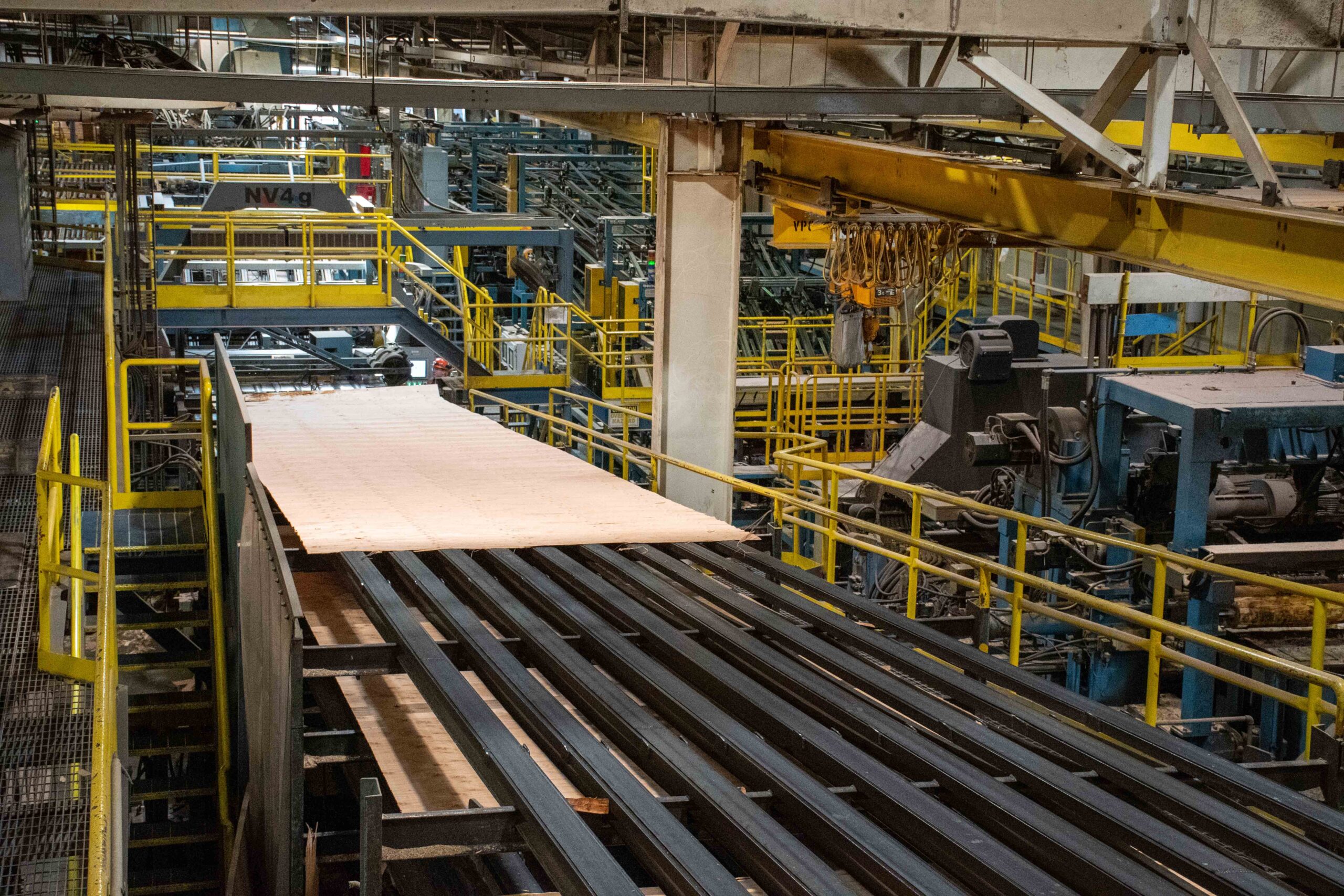 Hundreds of stunned B.C. businesses are scrambling. …Doug Pauze, president of Coastland Wood Industries woke up Saturday to an escalating trade war with a 50% tariff target on the wood veneer that Coastland produces. With about 50% of its product typically exported to the US… that means scaling back production. For now, he’ll will avoid layoffs among his 320 employees. What the industry needs from counter-tariffs, he added, is for Canada to put an equal focus on the same amount of competing wood products coming into Canada, because “there (are) no other market options.” …Prime Minister Carney has vowed to levy counter-tariffs on US imports. BC business owner Baha Naemi hopes his government focuses on markets where Canadians can fill any voids the counter-tariffs create. Naemi’s company, CanCorr, makes corrugated cardboard and boxes in Surrey. …BC imports more corrugated paper products from the US than it exports, creating opportunities for Canadian producers hit by tariffs.
 BC’s forestry industry expects it will be one of the hardest-hit sectors by the United States’ new 50% tariffs on Canadian goods. …”This is clearly an attack on Canada,” said Derek Nighbor, president of FPAC. Nighbor said the most recent trade action by the US government captures more than $4 billion in Canadian lumber products that include not only raw materials, but also value-added and processed goods like fibreboard, particleboard, paper packaging, and wood moulding products. …David Elstone, a strategic advisor, “Unequivocally, this is the worst, absolutely worst situation we’ve ever been in.” …Kim Haakstad, CEO of COFI, said the lumber industry as a whole is deeply invested in developing international markets and relationships overseas, but cannot compete on a global stage. She said the high cost of Canadian lumber is driven by both federal and provincial harvesting regulations, making it difficult to diversify to markets beyond the US.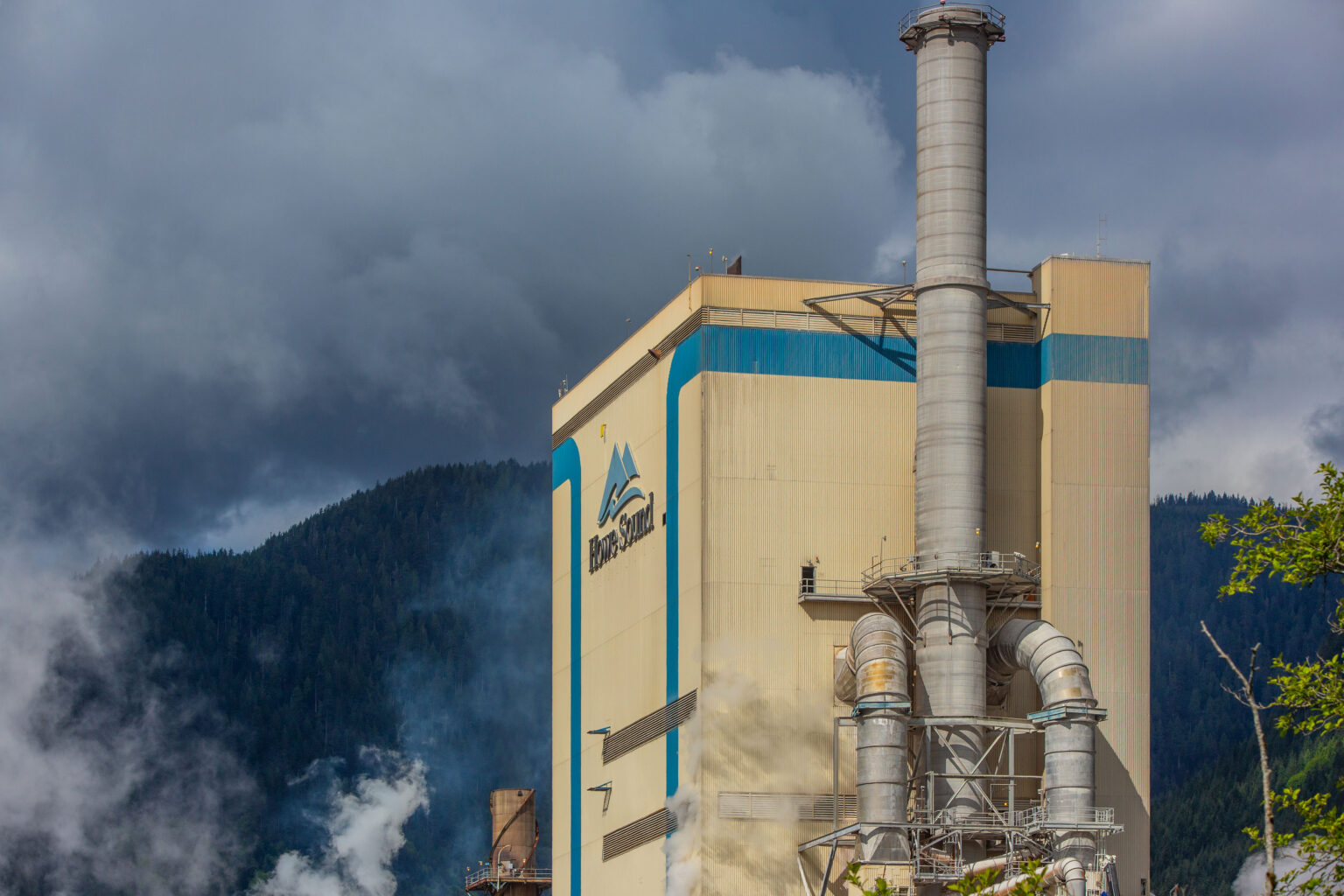
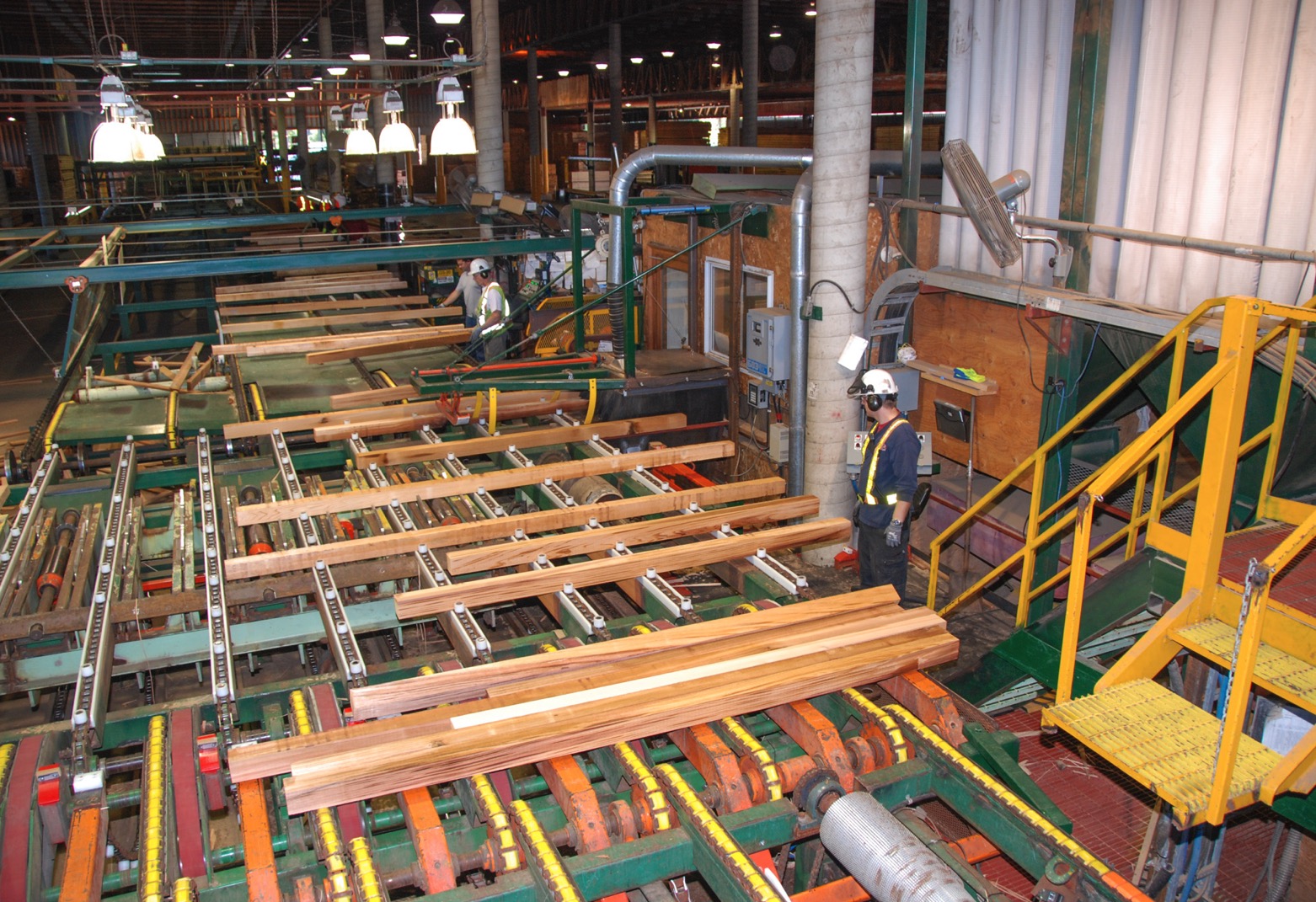 It’s one of the great paradoxes of B.C.’s declining forestry sector. Large forestry companies continue to divest from B.C. and shutter sawmills and pulp mills, largely due to a lack of access to affordable fibre. Meanwhile, in Coastal B.C., there seems to be plenty of timber available, mostly in the form of second growth. In 2025, only half of the 15 million cubic metres of the coastal available cut was harvested, according to the Truck Loggers Association. Nearly a third of that timber is owned or controlled by Coastal First Nations – about 4.6 million cubic metres.
  A light at the end of the tunnel is beginning to appear with both Prime Minister Carney and US President Trump signalling a trade deal is in the works. …It is unclear at this stage whether the terms will alleviate the layers of duties and tariffs facing BC’s softwood lumber sector. Some of these levies were introduced by Trump and are known as Section 232 tariffs, referring to the section of the U.S. Trade Expansion Act relied on to impose them. Others are duties that predate Trump’s election and are part of a long-standing market fairness dispute between the countries. “Although the pause is a positive step, the implications for Canada’s forest sector are not yet clear,” said Kim Haakstad, on behalf of the BC Council of Forest Industries and the BC Lumber Trade Council. “Key issues, including the Section 232 tariff on lumber and the softwood lumber dispute, remain central to these discussions.”

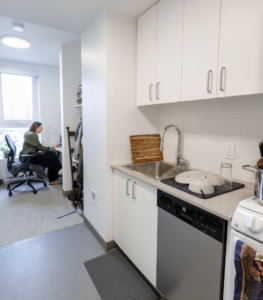

 The Hive at 2150 Keith Drive in Vancouver is one of the most seismically advanced mass timber projects in North America. The building features nine levels of mass timber construction, sitting atop a concrete base, with a honeycomb structure of diagonally oriented braces arranged in a cellular pattern. The building’s design uses a perimeter-braced structural system that creates a striking exterior expression and eliminates the need for conventional cast-in-place concrete cores. A mass timber structure for all floors above Level 2; a series of timber shear walls in the interior and a series of structural braces at the exterior resist the wind and seismic load. Exposed wood is a major feature of the building’s interior design. The use of mass timber is complemented by a palette of earth-toned materials, including composite metal panels, wood soffits and abundant glazing. A perfect pairing for the views of the North Shore mountains and downtown Vancouver skyline.


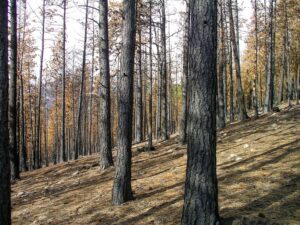 Forestry critic and B.C. Conservative MLA for Kamloops-North Thompson Ward Stamer wants to see the province salvage more wildfire-burned wood faster. He said that only about 5% of burned wood is logged on average in B.C. following a wildfire — a number he’s prefer to see rise to 25%. The former logger said he also wants to see cutting license issued faster, noting most burned trees are useless if not harvested within two years. …Stamer said once a trees dies, it begins deteriorating and each species does so at different rates. He said most burned trees that aren’t harvested within two years may only be good for low value chips, as opposed to other products such as plywood, veneer and saw logs. …Forestry Minister Ravi Parmar said the salvage rate is closer to eight to 10%. Parmar said the province is always trying to increase its salvage rate.
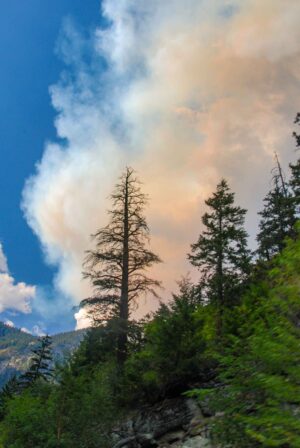 The province has ended its state of provincial emergency. The state of emergency was first declared Aug. 8 following a night of fast-moving fires, including the Bald Range wildfire that led to the evacuation of the District of Summerland. At the time, more than 20,000 people were evacuated from their homes. It was then extended Aug. 21 through to Aug. 29, but the province says the decision to end it early follows advice from emergency management officials. However, the province says the wildfire risk in B.C. remains high. The ending of the state of emergency has no effect on the current evacuation orders, evacuation alerts or local states of emergencies put in place by local governments or First Nations.
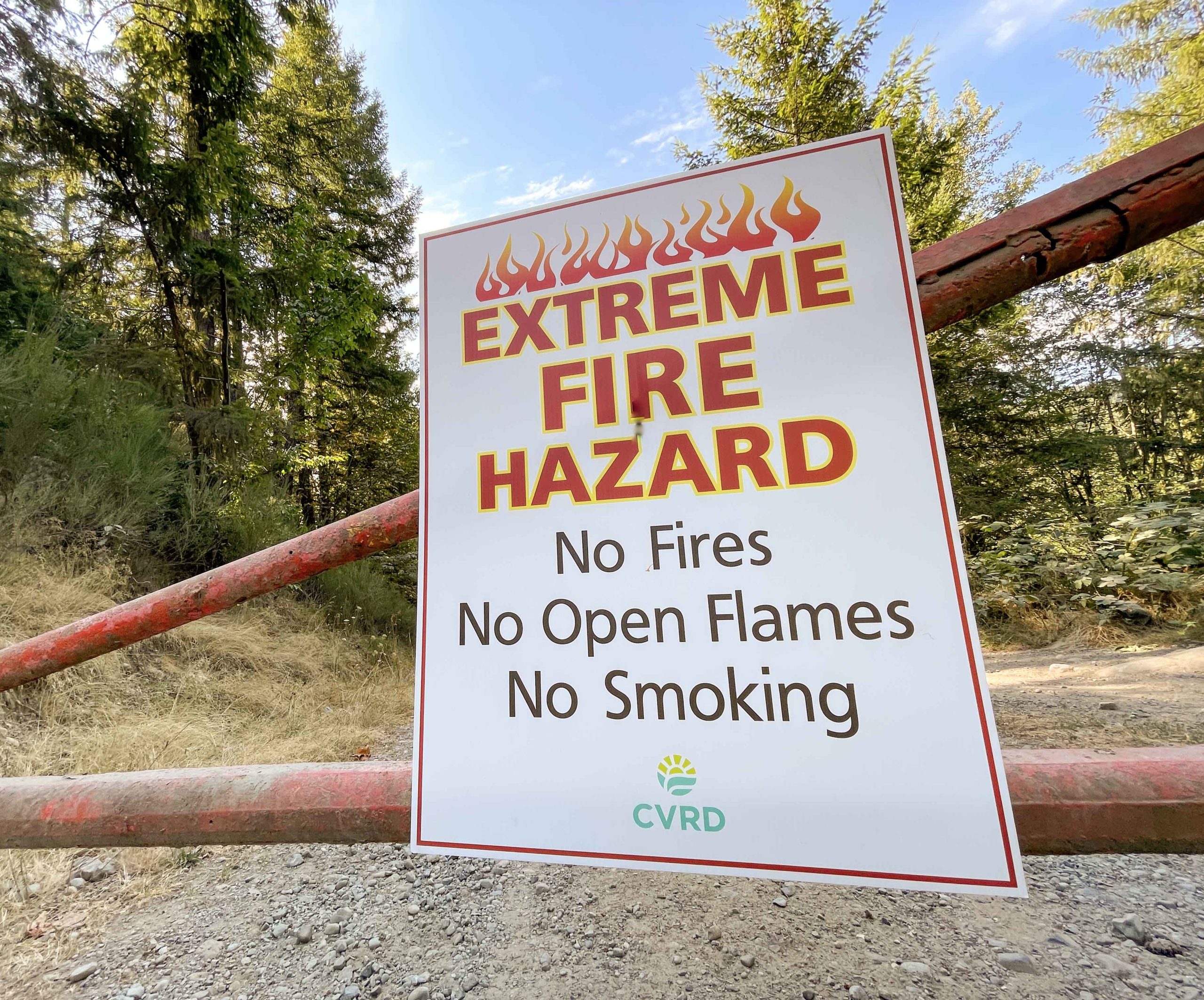 Prince George city council is being asked to support a call for an independent public inquiry into BC forest and wildfire management. A report, drafted by Coun. Garth Frizzell in his capacity as chair of the Standing Committee on Intergovernmental Affairs, goes before council on Monday, Aug. 31. It recommends the city submit a resolution to the Union of BC Municipalities (UBCM) asking the provincial government to establish an inquiry under the Public Inquiry Act. The UBCM holds its annual convention Sept. 14-18 in Vancouver. The proposed inquiry would examine the relationship between forest management practices and wildfire risk and severity, as well as the effectiveness of fuel management, prescribed burning, wildfire prevention and landscape-resilience strategies.
 BURNABY, B.C. — The United Steelworkers union (USW) says the B.C. government’s proposed Working Forest Landscape Model is a step in the right direction, but … implementation cannot wait. “Our union and others have called for a clearly defined working forest for decades,” said Scott Lunny, USW Western Canada Director. “Government needs to move quickly to define the economic land base, increase the sustainable harvest and give workers and communities the certainty needed to rebuild our forest industry.” …USW says establishing where B.C.’s working forest will be only part of the challenge. The province must also determine how access to fibre from that land will support domestic manufacturing and employment. “These are public forests and a working forest needs to work for British Columbians,” said Lunny. “Greater certainty around the land base and fibre supply should mean greater certainty that those resources support mills, investment and good jobs here in B.C.” …“There is no time to waste”.
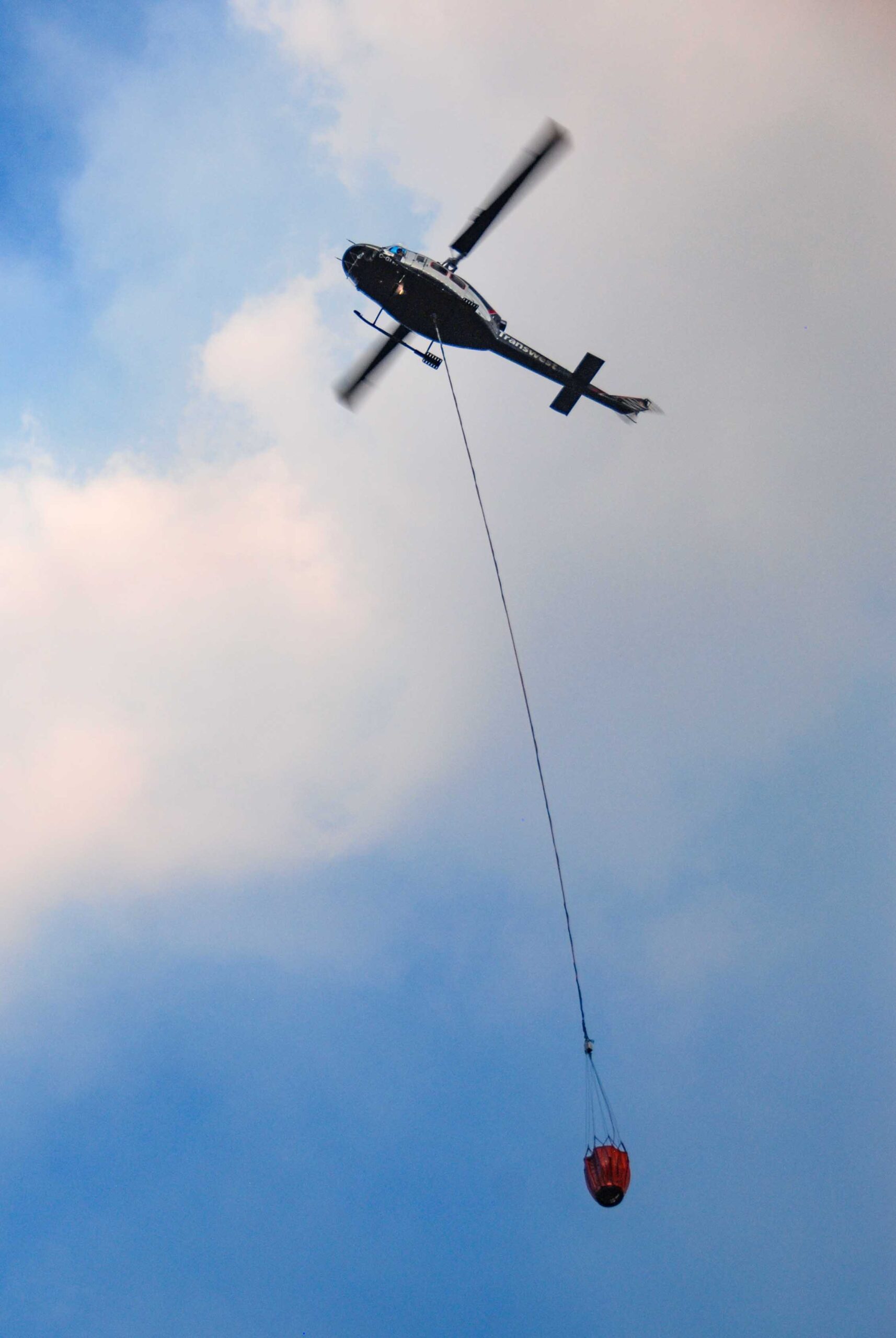 Large, devastating fires like those B.C. has witnessed this year frequently spark complaints and questions from the public: Why are there helicopters sitting at the local airport while smoke billows from a nearby mountain? Why are no squadrons of water bombers coming to the rescue? While officials might compare fighting a firestorm to spitting into a campfire, it does little to dispel the complaints that more could and should be done — in particular as anxious residents are evacuated and wait to hear if their homes, farm animals and pets have survived. To better understand how aircraft are used as a tool in wildfire fighting, The Tyee climbed aboard a Bell 407 deployed to one of the province’s largest wildfires. Flying above the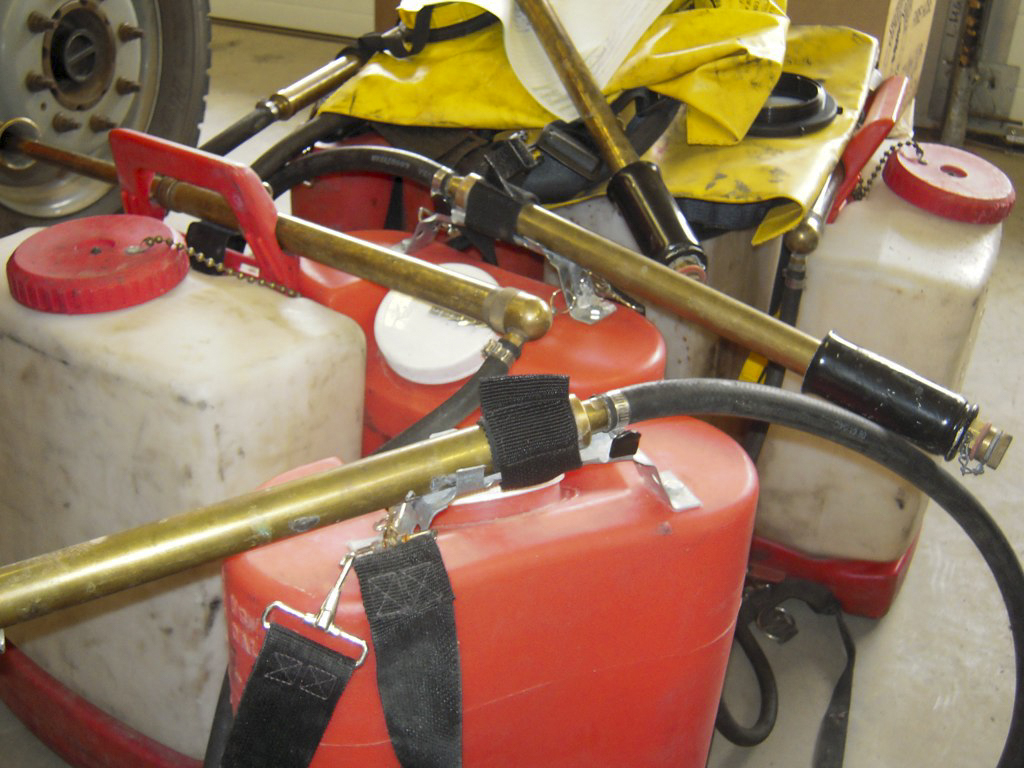
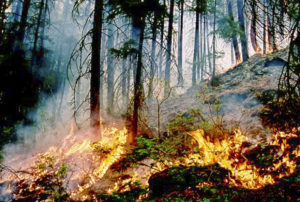 Amid another brutal stretch of hot, dry weather across Canada, the so-called cultural burning practices of North America’s Indigenous peoples are in vogue. In fact, they’re being inflated to the point of being celebrated as an ethnically exclusive competency, supposedly distinct from western science. Parks Canada’s online resources say cultural burning must be Indigenous-led, “so as not to misappropriate cultural practices,” while claiming that prescribed fire… is a “colonial adaptation of cultural burning practised by many different Indigenous groups in Canada.” …We know that Indigenous communities have historically used low-intensity fires to maintain grasslands for grazing, corridors for travel and forests, among other purposes. The evidence of this is substantial and not in question, nor is the effectiveness of those methods in their particular contexts. But that is not uniquely Indigenous knowledge. It is a basic principle of fire management that’s understood and applied around the world.
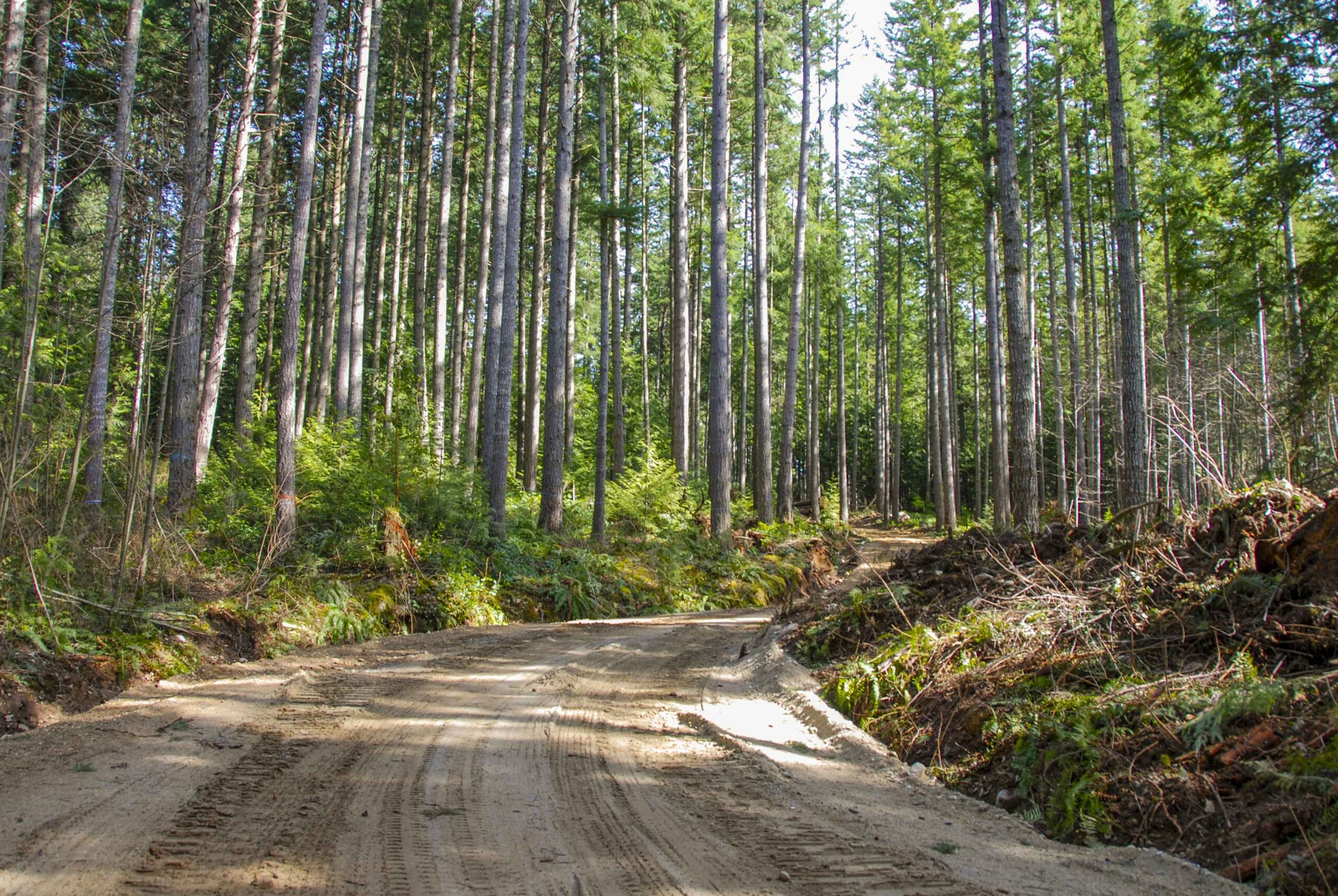 About 83 kilometres of Forest Service Road segments across the Merritt Timber Supply Area have been identified for possible deactivation over the next three years, with work aimed at reducing erosion, protecting waterways and addressing safety concerns on inactive roads. BC Timber Sales is planning the work as part of its ongoing management of Forest Service Roads in the Merritt TSA, according to the Ministry of Forests. The tentative list includes segments in the Gordon Tyner, Pimainus, Skuhun, Wallace Creek, Finnegan Red Creek, Matthew Creek, Tulameen Champion, Olivine Champion Creek, Jim Kelly Creek, Sunday Summit, Victor Lake, Cook Creek, Mellin Pennask Lake and Pattinson Lake areas. The province says the road list remains tentative and could change as detailed assessments are completed. …Future wildfire response, silviculture, range management and recreational access will also be considered during planning.
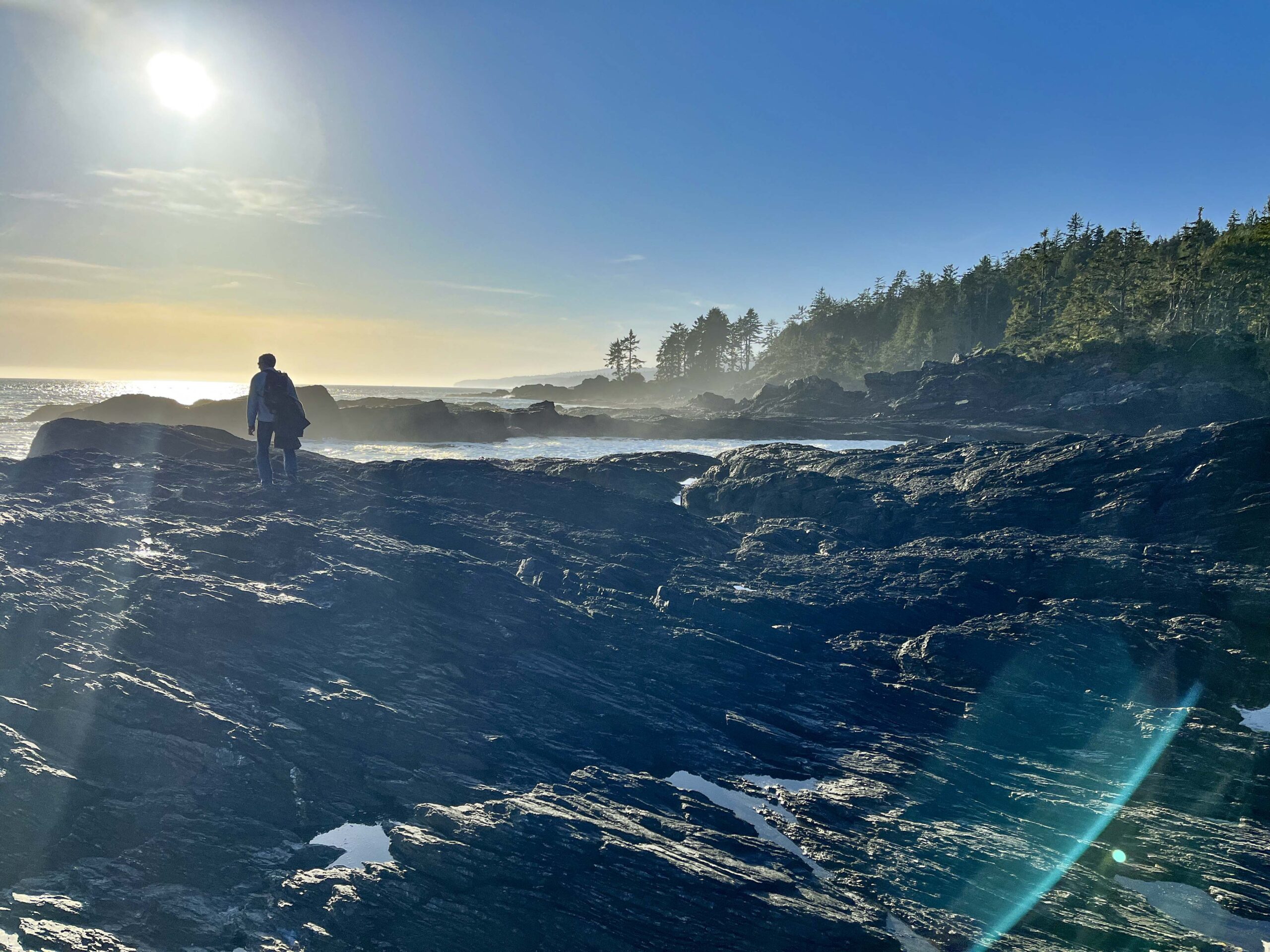 The province has rejected a leasing application by a private wilderness survival school operator to set up camp within East Sooke Regional Park. Vitaliy Svetlichnyy, owner of One With Nature outdoor survival school, had applied two years ago to lease a 71-hectare parcel of Crown land inside the borders of East Sooke Park to build and operate his school. The proposal included an intensive-use area of about five hectares for several permanent structures … and a dock on the waterfront and storage buildings. Svetlichnyy was asking for a lease of 10 to 30 years on the land and foreshore, but his proposals caused a widespread outcry from local government and the public who said private operators should not be allowed in parks. In his decision, Peter Warbuton, senior licensed authorizations officer for the province, said the proposed long-term commercial use, infrastructure development and exclusive occupation were incompatible with the existing conservation, recreation and stewardship objectives of the area.
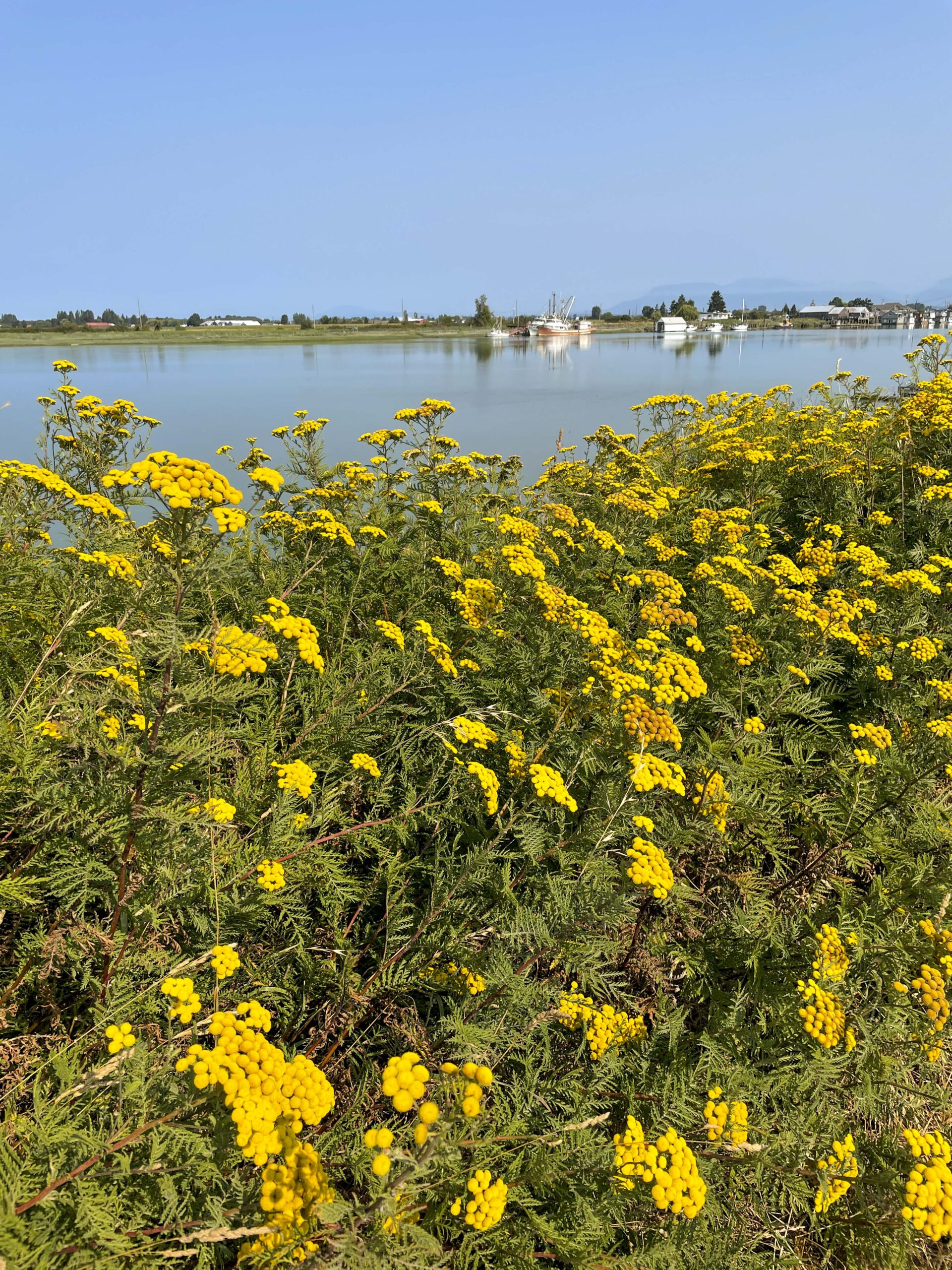 Canada has released the first ever biological control agent to tackle invasive common tansy (Tanacetum vulgare), an invasive plant that negatively impacts the country and wider region’s livestock, rangeland, and native biodiversity. The release of the agent – a stem-mining weevil called Microplontus millefolii – marks a major milestone in efforts to manage this invasive plant across North America, reducing its ecological and economic impacts. In partnership with the British Columbia Ministry of Forests, Agriculture and Agri-Food Canada (AAFC) conducted the first releases of 1,200 adult weevils in May. AAFC conducted a further release of 400 weevils in Alberta in June. …These releases target areas experiencing significant, negative impacts on agriculture and biodiversity. …The common tansy has diminished the health of lands used for livestock foraging, as well as displaced native vegetation, and has hindered forest regeneration following logging. …Over 10,000ha of common tansy has been recorded in BC across all climate zones said BC’s Janine Brooke.
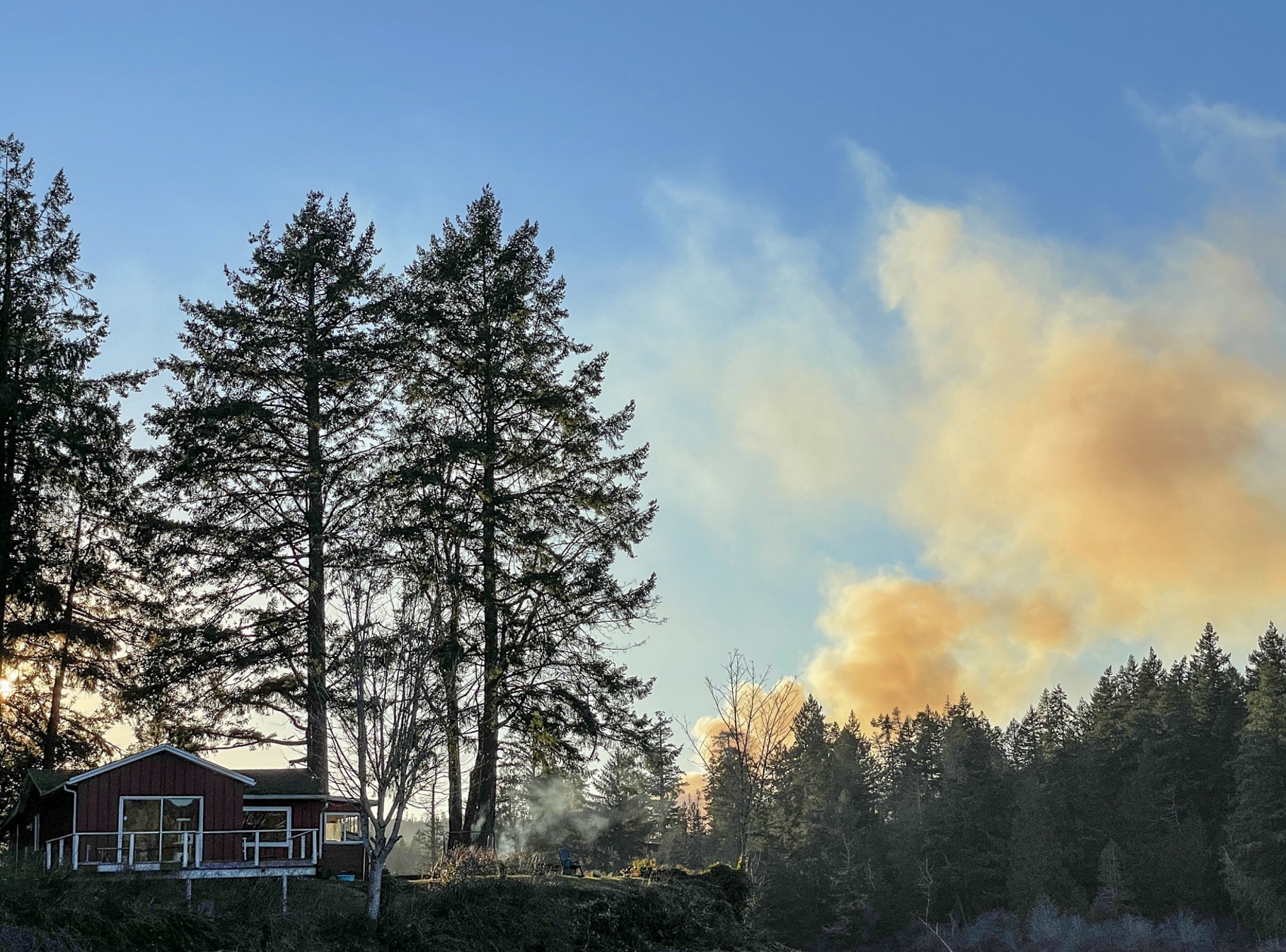 The BC Wildfire Service has outlined its policies regarding responses to house and structure fires following a fire that destroyed Ric and Shirley Martin’s Balsam Road home outside Houston on Aug. 5, 2026. An initial BCWS attack crew did respond, but that was to assess and address any risk of the fire spreading into surrounding forested areas, the service said. “Wildland firefighters are trained to respond to wildfires and other incidents involving vegetation and organic fuels. They are not trained or equipped to respond to fires involving structures or other non-organic materials,” the service stated. “Structural firefighters are trained and equipped to respond to structure fires and to protect and defend properties and infrastructure in the wildland urban interface.” …“In the case of the Balsam Road fire, BC Wildfire Service personnel were present to monitor and address any wildfire risk associated with the incident, while structural fire suppression responsibilities remained with the appropriate local fire response agencies.”



 In this month’s update, you find these stories and more:
 A man has died following a workplace incident at a forestry business in Golden last week. Golden-Field RCMP responded to the scene at about 9:51 a.m. on Aug. 17, after reports of a serious workplace incident. Police said the initial investigation indicates the man was working alone on a logging truck when the vehicle moved and injured him. RCMP and B.C. Emergency Health Services attended, but the man was pronounced dead despite the efforts of first responders. The B.C. Coroners Service is conducting an independent investigation, and WorkSafeBC has also been notified and will investigate the circumstances surrounding the workplace death. An RCMP collision reconstructionist examined the scene, while Commercial Vehicle Safety and Enforcement inspected the logging truck and found it to be in excellent mechanical condition.
 We invite you to share your ideas for policy projects for our Policy, Regulation and Research Department to consider when developing proposals for the 2027–2029 Policy Workplans. These workplans set out policy priorities with respect to compensation for injuries, death, and occupational disease; employer assessment; and occupational health and safety. Information on policy projects underway and recently completed, as well as details on how to provide feedback, can be found here: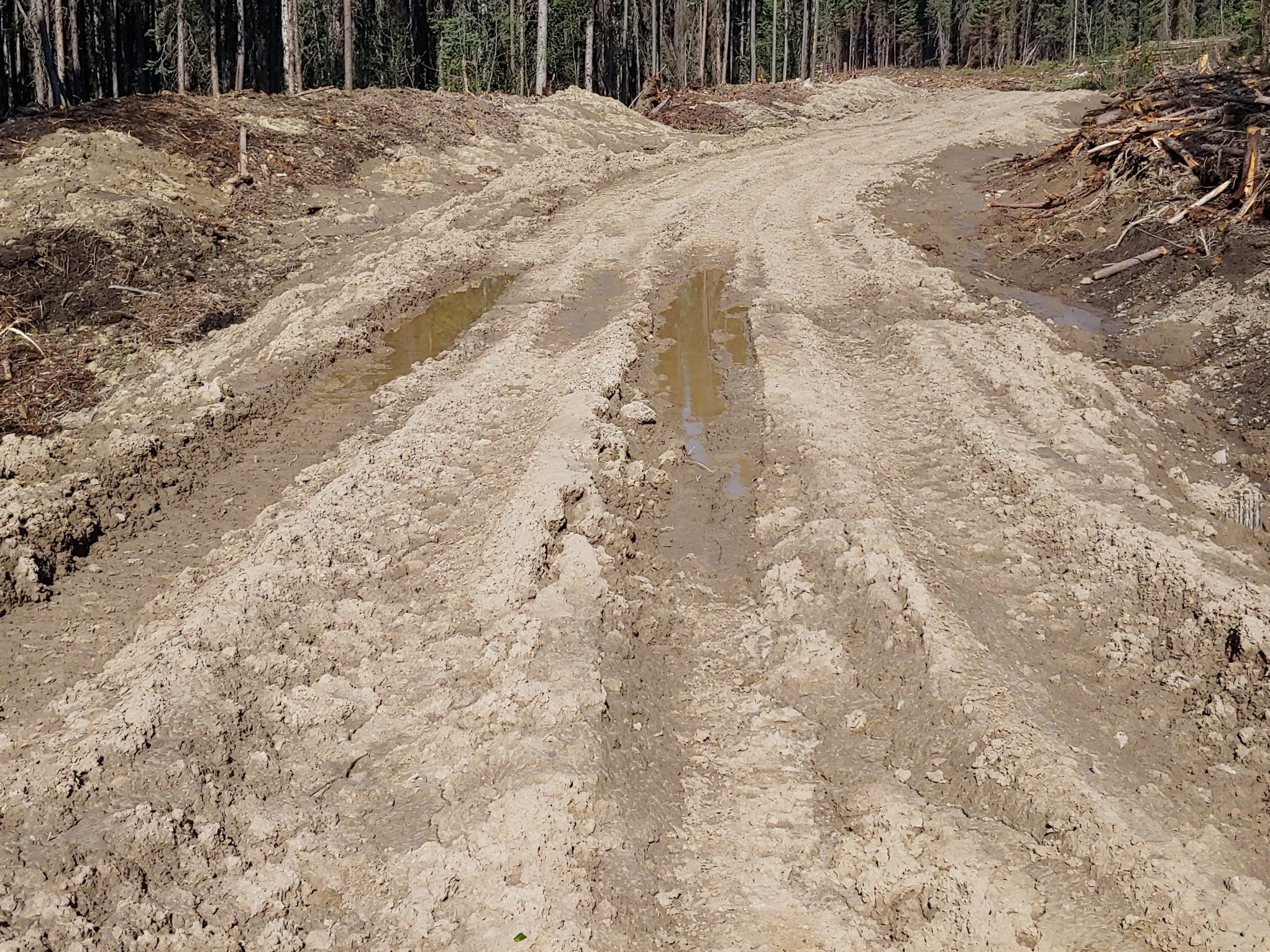
 An evacuation alert for 30 Lions Bay properties due to a nearby wildfire has been rescinded. The Village of Lions Bay issued the alert Sunday evening at 9 p.m. due to the Lone Tree Creek Wildfire but it was later rescinded on Monday after crews were able to hold the fire. A total of 30 homes, including properties on Oceanview Road and Kelvin Grove Road, had been told to prepare their things and be ready to leave at a moment’s notice should the alert be upgraded to an order. Those same residents were being notified directly on Monday that the alert had been cancelled. “While this is very positive news, response activities are continuing,” read a statement from the Village of Lions Bay.
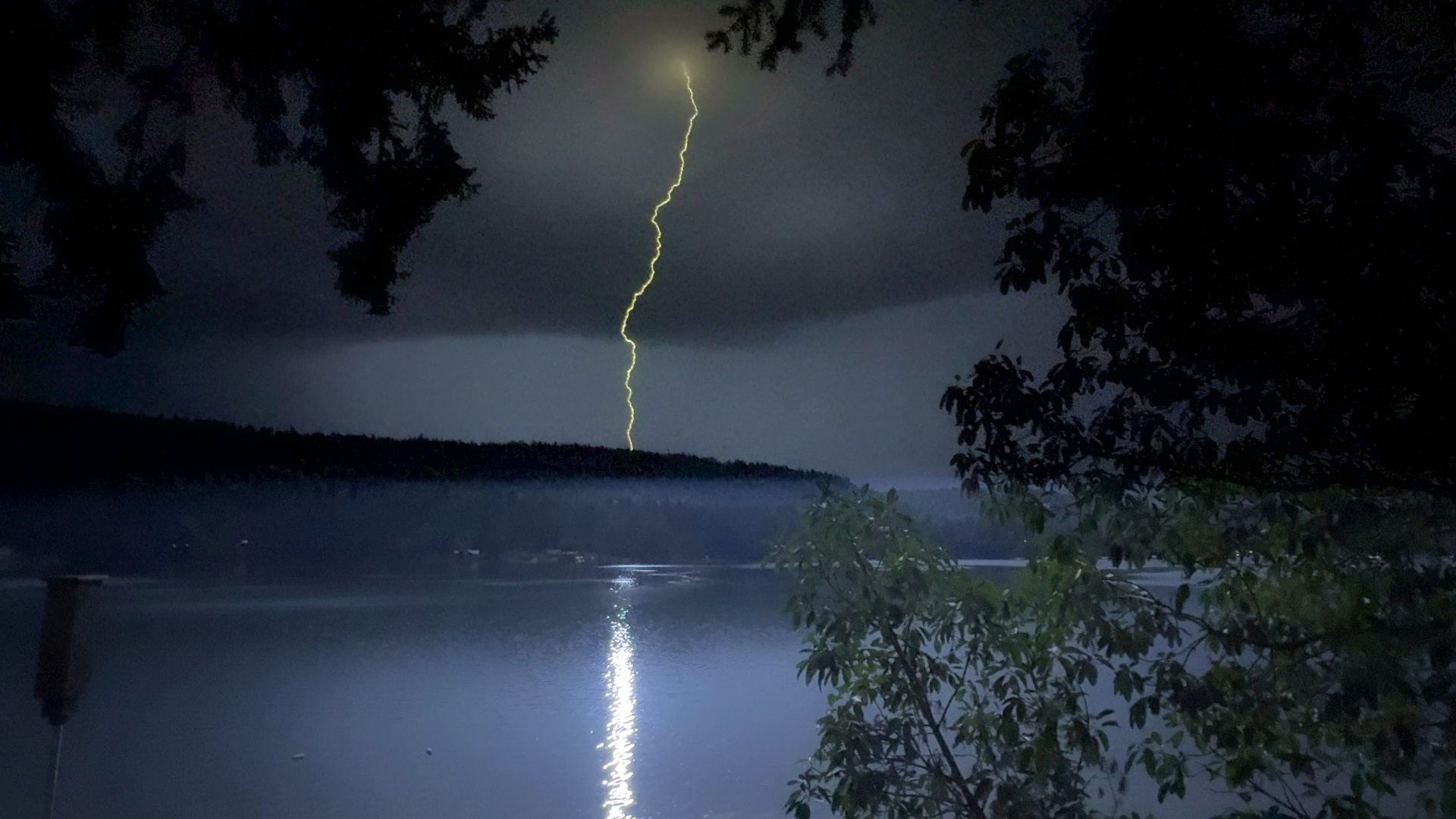 The number of wildfires in British Columbia surged past 180 over the weekend, up from about 125 on Friday, as the province recorded 11,000 lightning strikes. An update from the BC Wildfire Service said a subtropical weather system brought hot temperatures and lightning that sparked fires throughout southern B.C. But it said crews were prepared for the storm that also brought significant rainfall, helping to moderate fire behaviour in a summer that’s otherwise been very dry. The service said 75 per cent of the new fires sparked during the storm had already been classified as held, under control or out by Monday. With that, the number of active blazes ticked down to just below 180 later Monday. The service has warned of the return of hot, dry and windy conditions this week. …About a third of B.C.’s active fires are burning out of control, including four major wildfires of note — the Pear Lake fire in the Cariboo, the Bald Range fire in Summerland, B.C., and the Ainslie Creek and Brunswick Creek fires in the Fraser Canyon.
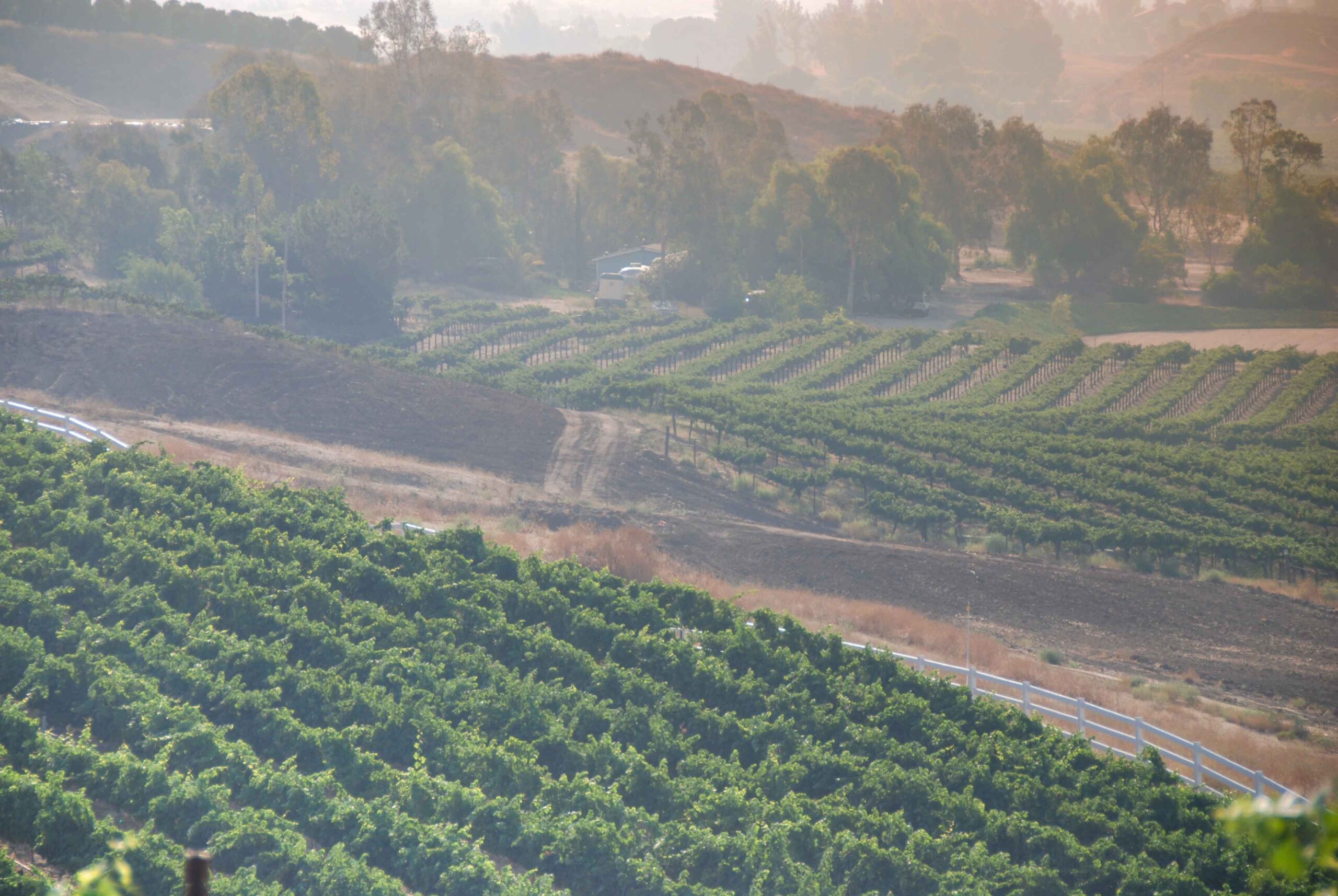 After more than a week of stress and anxiety, most residents of Summerland, B.C., can return to their homes. “It’s the news we’ve all been waiting for for the last week,” Mayor Doug Holmes told CBC’s Daybreak South. The community of more than 12,000 was forced to flee after the Bald Range wildfire broke out on Aug. 7 and grew explosively, claiming the life of an 80-year-old woman. Holmes said an evacuation order was lifted for 3,380 properties at 7 a.m. PT Tuesday, what he called “the majority of Summerland.” …Geotechnical and power work are being done, said Graham Statt, chief administrative officer of the District of Summerland. …As of Tuesday, 530 properties remain under an evacuation order in the Garnet Valley, Prairie Valley and Meadow Valley. All other Summerland residents remain under evacuation alert and must still be ready to leave at a moment’s notice.