 In the face of the unjustified economic attack by the leader of our U.S. neighbours, Canadian Forest Owners (CFO) stand fast as your good neighbours, who are committed to sustainable forest management for resilient, thriving communities coast to coast. Last week’s announced tariffs on Canada’s wood products by U.S. President Trump will harm not just forest landowners but local mills, workers and their families, communities, especially rural ones, and customers on both sides of the border. Together we stand firm with our colleagues in industry and the federal and provincial governments to strengthen the Canadian forest sector and work to bolster family woodlots and the economies of rural communities.
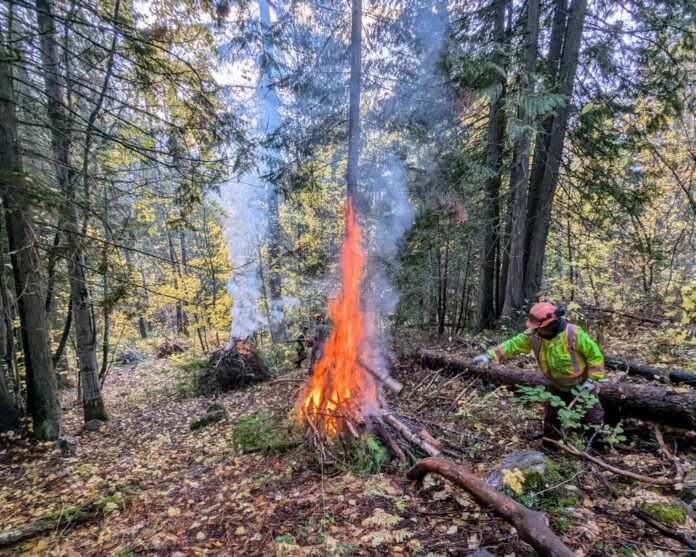
As your neighbours in thousands of communities across Canada, CFO members are often the closest and fastest line of defense when wildfires threaten a community. Many private forest owners interface rural and urban communities and are ready with firefighting equipment to protect forestland from wildfires. They are also positioned to assist with land restoration projects. CFO looks forward to working with government to increase understanding of the current contributions of private forestland management in natural disaster mitigation and further implement best practices on private lands across the country.
 While the market tries to process what’s to come on the trade front, it’s abundantly clear that the new administration is paying special attention to lumber and likely other wood products. Trump and his surrogates have emphasized the point of view that the US has the underlying resources to produce all its own lumber and wood product needs. In response, there have been a number of news articles highlighting the statements and questioning the idea of whether or not America can quickly and completely wean itself off Canadian wood products. …Canada currently supplies about 12.0 BBF of softwood lumber to the US market. After accounting for the 1.3 BBF of exports the US has shipped in recent years, the US is still short just over 3.2 BBF of operable capacity to quickly fill Canadian lumber supply and still meet current demand levels. In other words, at current demand levels, the US softwood lumber market does not clear without Canadian supply.

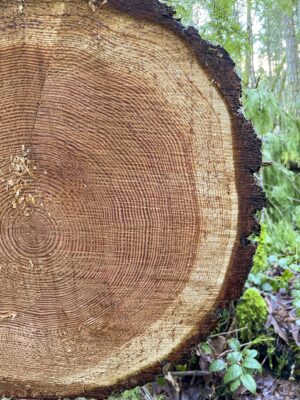
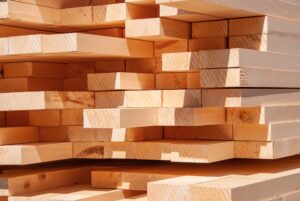 As the cross-border trade war escalates, Canada’s softwood lumber industry has an advantage on its side that no tariff can completely erase – its product is objectively better than much of the timber harvested from US forests. Softwood supplies, especially from BC and Alberta, are widely viewed as more desirable for wood framing because the growth rings are tighter than those found in lumber in the US South. In the milder climate of the U.S. South, the growing season is much faster. It takes about 35 years before southern yellow pine (SYP) trees are harvested. …Canada’s secret weapon, however, is hiding in plain sight. Tighter growth rings tend to result in quality two-by-four or two-by-six SPF boards for home builders, meaning walls that will stay straight. Compared with American SYP lumber, Canadian SPF is also lighter in weight. …Eastern SYP is currently selling at lower prices when compared with SPF. “SYP is an imperfect substitute for SPF,” RBC Capital Markets analyst Matthew McKellar said. [to access the full story a Globe & Mail subscription is required]

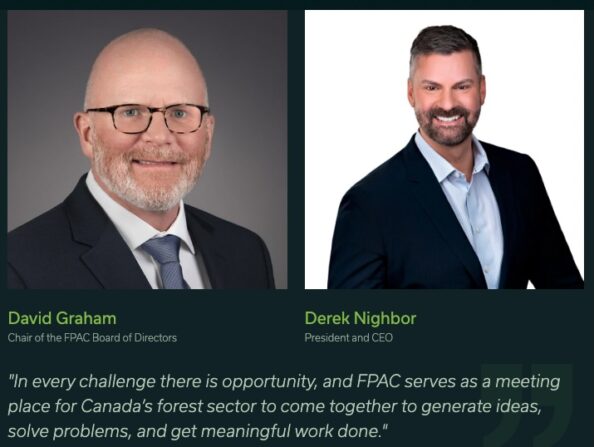 This year, Canadian forest companies and their employees continued to navigate a rapidly changing political, economic, and trade environment. Customers, investors, and local communities have a shared interest in good environmental outcomes and sustaining and growing family-supporting jobs. As a global leader in sustainable forest management and responsible sourcing, Canada’s forest sector and its people have met these challenges head-on. In 2024, FPAC and its members continued to make meaningful strides on climate action, biodiversity conservation, and expanded partnerships with Indigenous Peoples and inclusion of Indigenous knowledge into Sustainable Forest Management. Buyers of Canadian forest products can be confident that measures to improve environmental performance, strengthen relationships with Indigenous Peoples, and provide the highest quality of products are being implemented across our operations and throughout the country – ensuring that forestry practices in Canada contribute to maintaining and supporting the ecosystems, wildlife, and people that rely on them now and for generations to come.
 WASHINGTON — Canadian officials are set to meet with the U.S. commerce secretary in Washington today — days after a dust-up with U.S. President Donald Trump that ended with Ontario pausing its surcharge on electricity exports to the United States. Finance Minister Dominic LeBlanc, Ambassador to the U.S. Kirsten Hillman and Ontario Premier Doug Ford are meeting with Howard Lutnick, and Ford says his goal for the meeting is to get a coherent sense of the Trump administration’s plans for tariffs. …Elsewhere in the American capital, Trump’s choice for the next U.S ambassador to Canada is set to take questions today as the relationship between the two countries is strained by tariffs and threats of annexation. Pete Hoekstra, a former Michigan congressman, is scheduled to appear before the Senate Foreign Relations Committee for a nomination hearing.


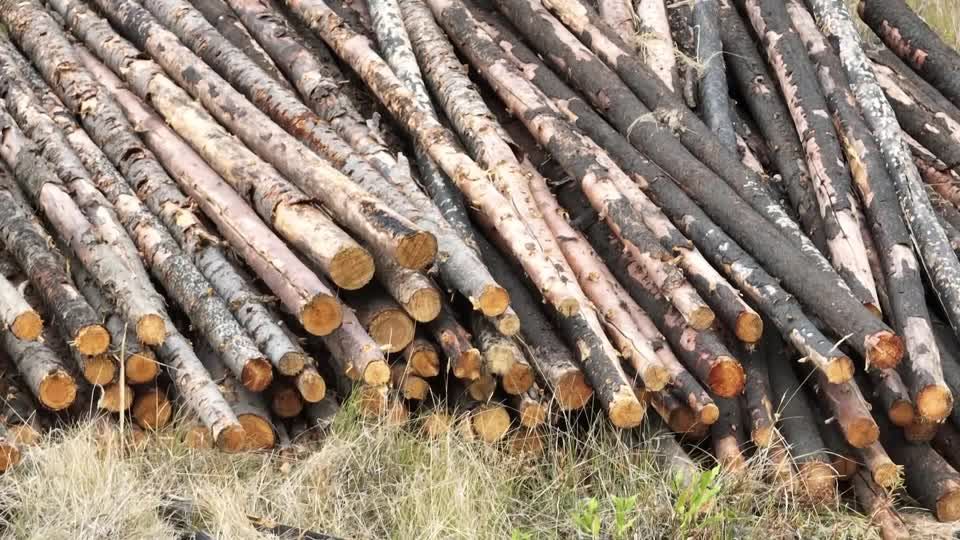
 Legislation has been introduced to strengthen BC’s ability to respond quickly to threats of tariffs imposed on Canada by the US, to grow a more self-reliant economy, and to defend workers and businesses. …If passed, the act will enable the BC government to be nimble in its response, giving government time to develop more long-term responses. A focus on expanding interprovincial trade and moving procurement away from American vendors will help encourage greater reliance on goods and services made in Canada. …The act will automatically be repealed by 2027 at the latest. …The legislation allows government to: 1. Temporarily modify the application or effect of BC laws and regulations to defend BC from challenges brought on by the continued tariff and sovereignty threats. …2. Reduce or eliminate barriers to interprovincial trade. …3. Impose tolls/fees on specified vehicles using provincial public infrastructure such as highways …4. Provide procurement directives to public bodies.


 A Vernon internet personality known for her funny online responses has shifted to creating political content with an upcoming federal election and ongoing trade war with the United States. Vernonite Elle James, known online as Shameless Elle, has been creating content for years, primarily making humorous reaction videos. Things started to shift for James during the most recent U.S presidential election.

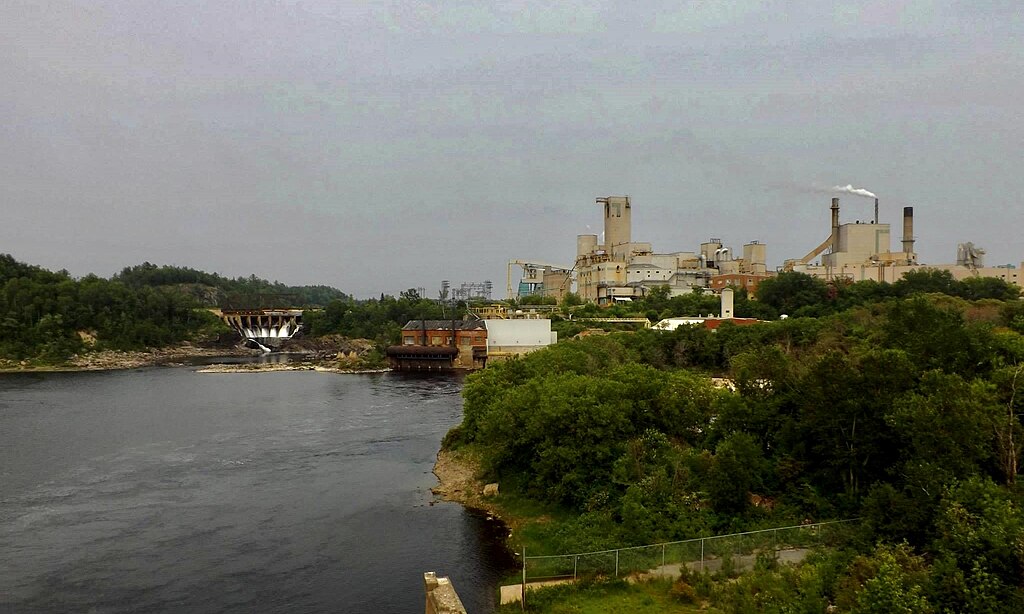


 Trump’s escalating trade tariffs will hit world growth and raise inflation, the OECD has predicted. Canada and Mexico are forecast to see the biggest impact as they have had the harshest tariffs imposed on them, but US growth is also expected to be hit. …Trump has imposed 25% tariffs on all steel and aluminium imports. The US has also imposed 25% tariffs on other imports from Mexico and Canada – with some exemptions – and a 20% levy on Chinese goods. Canada and the EU have announced retaliatory tariffs. …Canada’s economy is predicted to grow by just 0.7% this year and in 2026, compared with the previous forecast of 2% for both years. Mexico is now forecast to contract by 1.3% this year and shrink a further 0.6% next year, instead of growing by 1.2% and 1.6%. Growth in the US has also been downgraded, with growth of 2.2% this year and 1.6% in 2025, down from previous forecasts of 2.4% and 2.1% China’s growth forecast will fall slightly to 4.8%.
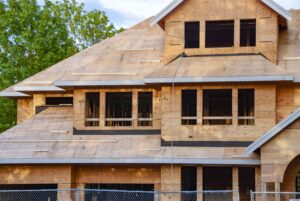 The Trump administration’s tariffs on imported goods from Canada, Mexico and China — some already in place, others set to take effect in a few weeks — are already driving up the cost of building materials used in new residential construction and home remodeling projects. The tariffs are projected to raise the costs that go into building a single-family home in the U.S. by US$7,500 to US$10,000, according to the NAHB. We Buy Houses in San Francisco, which purchases foreclosed homes and then typically renovates and sells them, is increasing prices on its refurbished properties between 7% and 12%. That’s even after stockpiling 62% more Canadian lumber than usual. …The timing of the tariffs couldn’t be worse as this is typically the busiest time of year for home sales. …Confusion over the timing and scope of the tariffs, and their impact on the economy, could have a bigger chilling effect on the new-home market than higher prices.


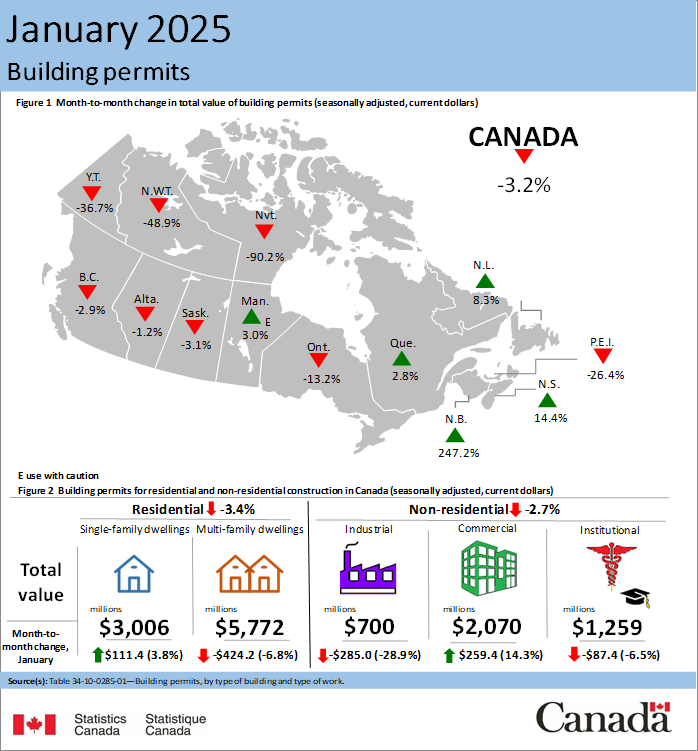
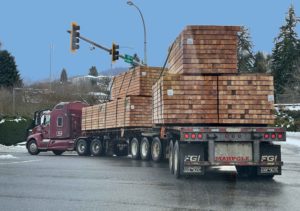 Now that a 25% tariff on lumber from Canada is looming, will this cause crazy wood pricing to return? To some extent, that is very probable, and here’s why. In 2024, our country got about 72% of its lumber from its own forests. The rest was imported from various countries, especially Canada, from which we purchased 28.1 million cubic meters last year. Canada accounts for 84.3% of all softwood lumber imports. …While it might be possible to switch to importing more lumber from other countries, none has Canada’s large production capacity. Also, supply chains — especially for lumber — are complex and costly to change, says Frederik Laleicke, at NC State University. …As long as demand for lumber doesn’t drop, a 25% tariff on Canada will likely make lumber—and therefore new houses and renovations—more expensive since US companies will raise the price of Canadian-sourced lumber to compensate for the tariffs.
 Lumber futures rebounded to around $650 per thousand board feet, nearing the two-and-a-half-year high of $658 touched earlier this month as escalating U.S. tariff threats on steel, aluminum, and dairy—along with the prospect of sharply higher auto tariffs—stoked fears of further trade restrictions, reversing the recent plunge. The renewed trade war tensions have heightened concerns that lumber could be the next target, prompting traders to reassess supply risks. Earlier, prices had dropped to around $600 after President Trump delayed a 25% tariff on Canadian softwood for the second time, temporarily easing supply concerns. The proposed levy, which would raise total duties to as much as 52%, could significantly strain North American production and push construction costs higher. However, the latest escalation in the trade war has reversed sentiment, with traders wary that lumber could still face new restrictions, driving speculative buying. [END]
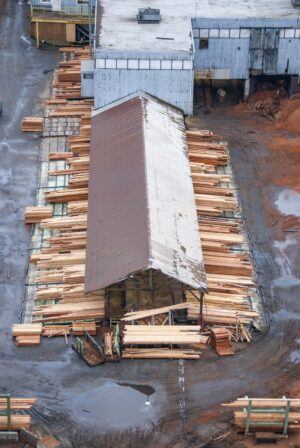 I have received several questions from owners and contractors regarding what to expect with lumber prices given the tariffs (or the potential of tariffs, depending on the day). The short answer is prices will go up. The long answer is much more complicated and hinges on a number of factors and considerations. 1. Almost 30 percent of the lumber used in the U.S. each year comes from Canada. …2. Any tariffs or potential for tariffs creates opportunistic price increases. …3. Demand, however, doesn’t seem to be particularly strong for new construction at this time. …4. Tariffs do help to onshore manufacturing (a long-term positive), but the trees aren’t all in America. …In the short-term, tariffs create more uncertainty and increased pricing, which only further adds to the inflation story. In the long-term, tariffs on lumber won’t achieve the level of onshoring that can happen in other industries.
 The Bank of Canada has cut its overnight lending rate by 25 basis points to 2.75 per cent, it announced on Wednesday. In a note explaining the decision, the bank said the economy started the year strong, with solid GDP growth and inflation within its two per cent target. But tariff uncertainty caused by the on-again, off-again trade war between Canada and the U.S. has weighed on business spending and hiring, and shaken consumer confidence, the decision said. It’s “against this backdrop” that the central bank decided to cut the rate by a quarter point, Bank of Canada governor Tiff Macklem wrote in his remarks. …Macklem has noted in the past that the bank cannot shield the Canadian economy from the financial impact of tariffs, but that it can instead use interest rates to manage a potential surge in inflation.
 VANCOUVER — Conifex Timber reported results for the fourth quarter and year ended December 31, 2024. EBITDA from continuing operations was negative $2.1 million for the quarter and negative $13.6 million for the year, compared to EBITDA of negative $3.5 million in the fourth quarter of 2023 and negative $25.8 million for the year. Net loss was $29.8 million for the quarter while it was $11.8 million for the full year. …While there are signs that the macro-environment for the lumber industry is starting to improve, Conifex continues to review its options to improve liquidity. …Since January 6, 2025, we have been operating our sawmill complex on a two-shift basis and capturing the dual benefits of higher shipments and lower unit costs that a two-shift operation provides over a single-shift configuration.

 VANCOUVER, BC — T


 The Chisholm Awards for Innovation in Forestry program is a national competition for young researchers who are passionate about a range of activities relevant to forest-based science, products using forest-based raw materials, process improvements, or other innovations throughout the forest sector value chain. The Chisholm Awards for Innovation in Forestry are not just about rewarding research and development – they are also about showcasing the work of students and young researchers who are passionate about climate positive forestry and forest products, clean manufacturing, and the forest bioeconomy. Winners will be celebrated to coincide with The Twentieth Session of the United Nations’ Forum on Forests on May 5-9, 2025. Winners will receive a cash prize of CAD$2,500.00 along with local, regional, national, and social media promotion. Eligible applicants must be students or researchers who are 30 years old or younger as of March 1, 2025. Deadline to apply is April 4 by 11:59pm EDT.


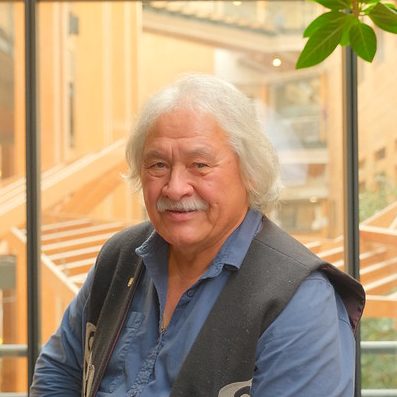
 As forestry practices evolve, the intersection of conservation, Indigenous consultation, third-party certification, and workforce development is central to the future of the industry. The “Breaking New Ground” panel at the 2025 COFI Convention will explore how innovative partnerships and collaborative approaches can balance ecological stewardship with economic opportunity. Panelists will share insights on advancing reconciliation through meaningful consultation, supporting the next generation of forestry professionals, and ensuring sustainable practices through conservation financing and certification. Panelists: Lennard Joe, CEO, BC First Nations Forestry Council; Michael Reid, BC Program Director, Nature United; Kathy Abusow, President & CEO, Sustainable Forestry Initiative; and Aspen Dudzic, Director of Communications, Alberta Forest Products Association & “Forestry Together” Initiative. Moderator: Jason Fisher, Executive Director, Forest Enhancement Society of BC (FESBC). Join us for a forward-looking discussion that brings together diverse perspectives on how BC’s working forests can thrive while meeting environmental and social responsibilities.



 Simcoe County forests are growing — and not just up. Councillors got a brief update Tuesday on the county’s forest management activities last year, as well as finding out what the future holds as the county moves into its 103rd year operating the local forest system… The fact the county has been managing these forests for more than a century is “quite exceptional,” Graeme Davis, who works as a forester for the county, said during Tuesday’s committee of the whole meeting… Of particular note is that the county forests are very active and working forests, Davis added. While harvesting does play an important role, Davis said it’s also important to note that they are about much more than forest harvesting — they also provide “incredible” recreational uses.
 …When the Terrace Bay pulp mill opened, an effluent canal was built to connect with Blackbird Creek — a convenient way to send its liquid waste into Lake Superior. It wasn’t until the Great Lakes Water Quality Agreement was signed in 1972 that researchers started to focus on the impact industry was having on the Great Lakes. Following that agreement, in 1987 Jackfish Bay and 42 other sites across the Great Lakes in Canada and the U.S. were officially listed as areas of concern. New guidelines were created for discharging effluent into the Great Lakes and their tributaries, and remedial action plans were proposed. But the use of Blackbird Creek as an effluent canal was grandfathered into the Terrace Bay mill’s operations. When it first opened, the mill owner was entitled to choose where to monitor the receiving environment for its effluent. They chose Moberly Bay, the smaller bay at the mouth of Blackbird Creek, on Jackfish Bay.
 Two-thirds of Canadians agree the next federal government should prioritize action on climate change and protecting nature, a new poll has found. Sixty-two per cent of those surveyed said Canada should maintain its commitments on climate change despite the U.S. government’s recent decision to pull out of the United Nations Paris agreement to lower greenhouse gas emissions. A similar share of respondents supported Ottawa investing in renewable energy over fossil fuels. The poll questioned a panel of 1,548 Canadian adults in an online survey from March 7-10. Michael Polanyi, a policy and campaign manager at Nature Canada, said his group is concerned the $6.5 billion promised to industry last week does not come with guidelines that would prioritize workers and limit harms to nature. “It’s in Canada’s economic interest in terms of accessing global markets that we’re not further degrading forests,” Polanyi added, pointing to tightening EU regulations. “There’s a risk of closing market off to Canadian forest products.”

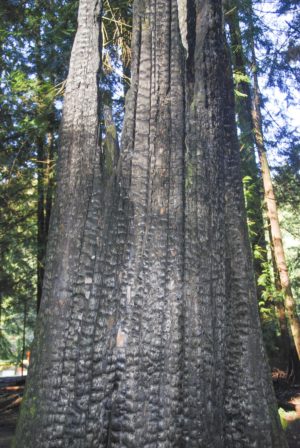 If forest fires burn organic matter, and biochar is created by burning of organic matter shouldn’t forest soils be full of biochar? Not exactly. There is a difference between the burnt product of wildfire and biochar. Forest fires do produce charcoal, but while both charcoal and biochar are types of pyrogenic carbon, they’re not quite the same thing… Forests in Alberta have been affected by the mountain pine beetle, leaving behind dead trees that act as easy fuel for fires. These dead, dry trees are extremely flammable. The Canadian government has looked into using these dead trees as biofuels and some companies do use them to create biochar. Another source of organic matter for biochar is the material removed from forests as part of fuel management… Both of these methods help manage wildfire and could potentially increase the carbon sequestration of forests if the resulting biochar was added back into the forest’s soil.


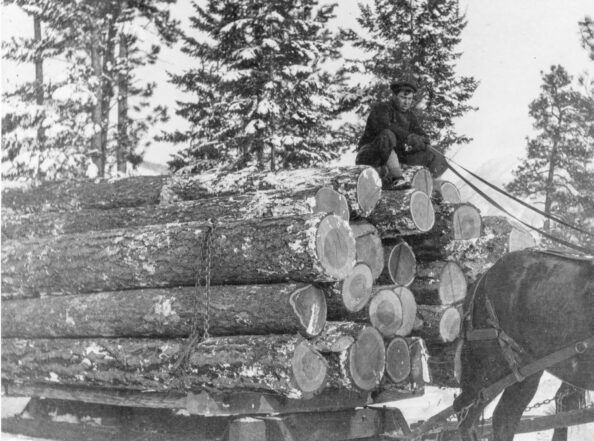 Among the wave of humanity that came to Canada in the 19th century were hundreds of thousands of Irish, some of whom ended up in Bradford. …Between 1815 and 1840, about 450,000 Irish migrated to the British North American colonies. Cheap labour was needed in lumber camps and for construction of the Welland Canal and the Rideau Canal. Canada represented a new hope. Irish migration was encouraged by leaflets circulated by Canadian lumber merchants and the British government. For their part, lumber merchants realized money could be made in loading their vessels with would-be settlers on the return trip from Britain. …Irish migration to Canada increased when Ireland was struck by the Potato Famine due to widespread starvation. During this period, more than one million Irish died from starvation and resultant diseases. Even more fled overseas, many to Canada. …In 1847 alone, at least 110,000 Irish left Irish and British ports for Canada. The tragedy is many didn’t make it. …On this St. Patrick’s Day, raise a toast to them.