 In the face of the unjustified economic attack by the leader of our U.S. neighbours, Canadian Forest Owners (CFO) stand fast as your good neighbours, who are committed to sustainable forest management for resilient, thriving communities coast to coast. Last week’s announced tariffs on Canada’s wood products by U.S. President Trump will harm not just forest landowners but local mills, workers and their families, communities, especially rural ones, and customers on both sides of the border. Together we stand firm with our colleagues in industry and the federal and provincial governments to strengthen the Canadian forest sector and work to bolster family woodlots and the economies of rural communities.
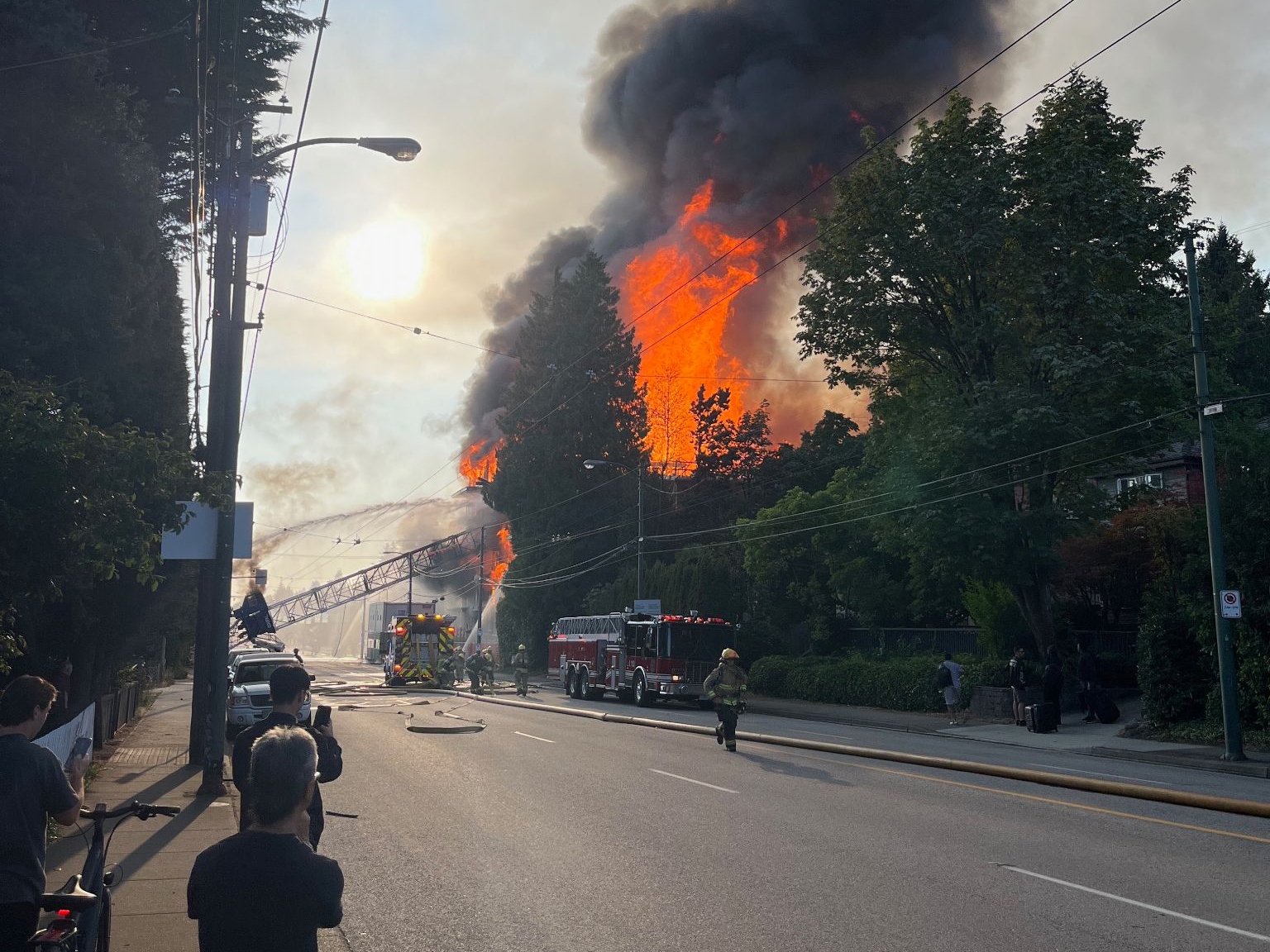
As your neighbours in thousands of communities across Canada, CFO members are often the closest and fastest line of defense when wildfires threaten a community. Many private forest owners interface rural and urban communities and are ready with firefighting equipment to protect forestland from wildfires. They are also positioned to assist with land restoration projects. CFO looks forward to working with government to increase understanding of the current contributions of private forestland management in natural disaster mitigation and further implement best practices on private lands across the country.

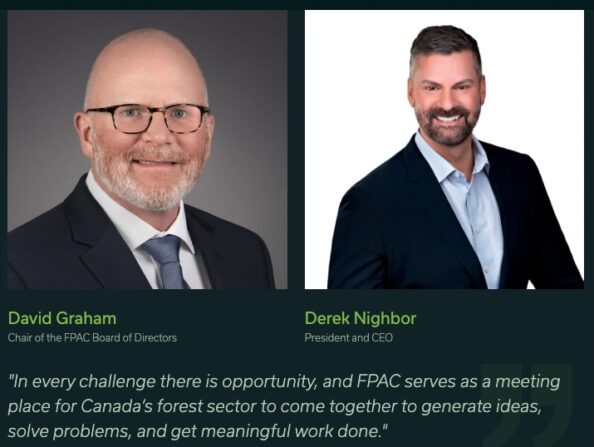 This year, Canadian forest companies and their employees continued to navigate a rapidly changing political, economic, and trade environment. Customers, investors, and local communities have a shared interest in good environmental outcomes and sustaining and growing family-supporting jobs. As a global leader in sustainable forest management and responsible sourcing, Canada’s forest sector and its people have met these challenges head-on. In 2024, FPAC and its members continued to make meaningful strides on climate action, biodiversity conservation, and expanded partnerships with Indigenous Peoples and inclusion of Indigenous knowledge into Sustainable Forest Management. Buyers of Canadian forest products can be confident that measures to improve environmental performance, strengthen relationships with Indigenous Peoples, and provide the highest quality of products are being implemented across our operations and throughout the country – ensuring that forestry practices in Canada contribute to maintaining and supporting the ecosystems, wildlife, and people that rely on them now and for generations to come.
 WASHINGTON — Canadian officials are set to meet with the U.S. commerce secretary in Washington today — days after a dust-up with U.S. President Donald Trump that ended with Ontario pausing its surcharge on electricity exports to the United States. Finance Minister Dominic LeBlanc, Ambassador to the U.S. Kirsten Hillman and Ontario Premier Doug Ford are meeting with Howard Lutnick, and Ford says his goal for the meeting is to get a coherent sense of the Trump administration’s plans for tariffs. …Elsewhere in the American capital, Trump’s choice for the next U.S ambassador to Canada is set to take questions today as the relationship between the two countries is strained by tariffs and threats of annexation. Pete Hoekstra, a former Michigan congressman, is scheduled to appear before the Senate Foreign Relations Committee for a nomination hearing.

 Legislation has been introduced to strengthen BC’s ability to respond quickly to threats of tariffs imposed on Canada by the US, to grow a more self-reliant economy, and to defend workers and businesses. …If passed, the act will enable the BC government to be nimble in its response, giving government time to develop more long-term responses. A focus on expanding interprovincial trade and moving procurement away from American vendors will help encourage greater reliance on goods and services made in Canada. …The act will automatically be repealed by 2027 at the latest. …The legislation allows government to: 1. Temporarily modify the application or effect of BC laws and regulations to defend BC from challenges brought on by the continued tariff and sovereignty threats. …2. Reduce or eliminate barriers to interprovincial trade. …3. Impose tolls/fees on specified vehicles using provincial public infrastructure such as highways …4. Provide procurement directives to public bodies.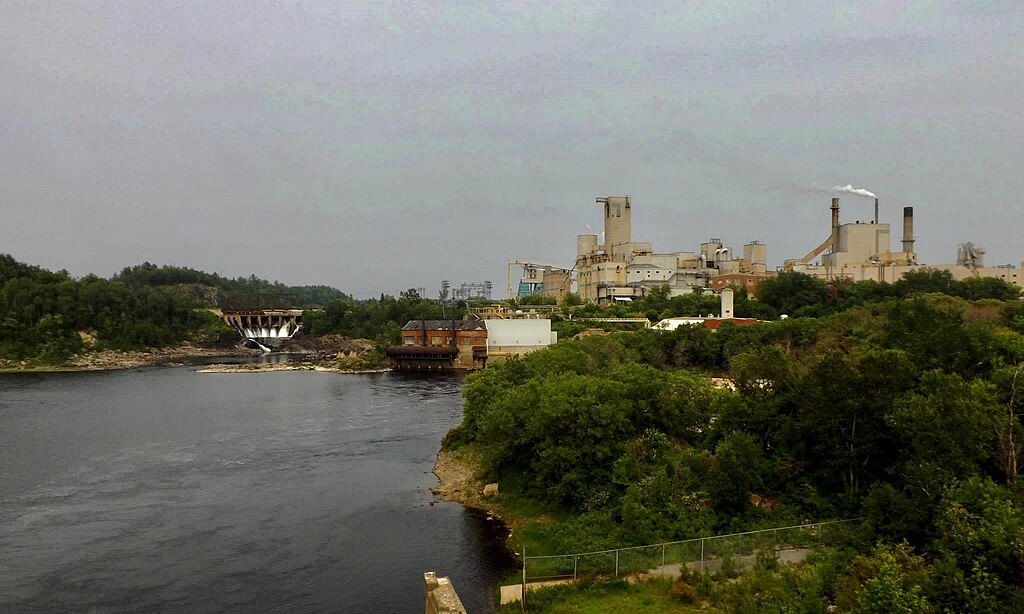

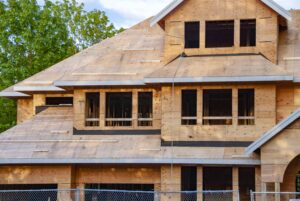 The Trump administration’s tariffs on imported goods from Canada, Mexico and China — some already in place, others set to take effect in a few weeks — are already driving up the cost of building materials used in new residential construction and home remodeling projects. The tariffs are projected to raise the costs that go into building a single-family home in the U.S. by US$7,500 to US$10,000, according to the NAHB. We Buy Houses in San Francisco, which purchases foreclosed homes and then typically renovates and sells them, is increasing prices on its refurbished properties between 7% and 12%. That’s even after stockpiling 62% more Canadian lumber than usual. …The timing of the tariffs couldn’t be worse as this is typically the busiest time of year for home sales. …Confusion over the timing and scope of the tariffs, and their impact on the economy, could have a bigger chilling effect on the new-home market than higher prices.

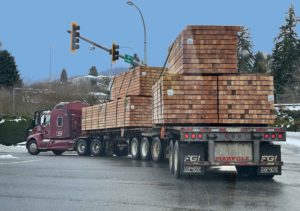 Now that a 25% tariff on lumber from Canada is looming, will this cause crazy wood pricing to return? To some extent, that is very probable, and here’s why. In 2024, our country got about 72% of its lumber from its own forests. The rest was imported from various countries, especially Canada, from which we purchased 28.1 million cubic meters last year. Canada accounts for 84.3% of all softwood lumber imports. …While it might be possible to switch to importing more lumber from other countries, none has Canada’s large production capacity. Also, supply chains — especially for lumber — are complex and costly to change, says Frederik Laleicke, at NC State University. …As long as demand for lumber doesn’t drop, a 25% tariff on Canada will likely make lumber—and therefore new houses and renovations—more expensive since US companies will raise the price of Canadian-sourced lumber to compensate for the tariffs.
 VANCOUVER — Conifex Timber reported results for the fourth quarter and year ended December 31, 2024. EBITDA from continuing operations was negative $2.1 million for the quarter and negative $13.6 million for the year, compared to EBITDA of negative $3.5 million in the fourth quarter of 2023 and negative $25.8 million for the year. Net loss was $29.8 million for the quarter while it was $11.8 million for the full year. …While there are signs that the macro-environment for the lumber industry is starting to improve, Conifex continues to review its options to improve liquidity. …Since January 6, 2025, we have been operating our sawmill complex on a two-shift basis and capturing the dual benefits of higher shipments and lower unit costs that a two-shift operation provides over a single-shift configuration.
 VANCOUVER, BC — T


 As forestry practices evolve, the intersection of conservation, Indigenous consultation, third-party certification, and workforce development is central to the future of the industry. The “Breaking New Ground” panel at the 2025 COFI Convention will explore how innovative partnerships and collaborative approaches can balance ecological stewardship with economic opportunity. Panelists will share insights on advancing reconciliation through meaningful consultation, supporting the next generation of forestry professionals, and ensuring sustainable practices through conservation financing and certification. Panelists: Lennard Joe, CEO, BC First Nations Forestry Council; Michael Reid, BC Program Director, Nature United; Kathy Abusow, President & CEO, Sustainable Forestry Initiative; and Aspen Dudzic, Director of Communications, Alberta Forest Products Association & “Forestry Together” Initiative. Moderator: Jason Fisher, Executive Director, Forest Enhancement Society of BC (FESBC). Join us for a forward-looking discussion that brings together diverse perspectives on how BC’s working forests can thrive while meeting environmental and social responsibilities.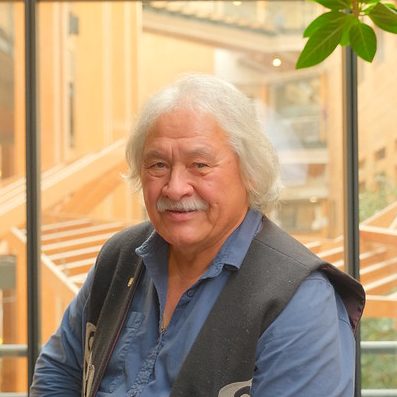

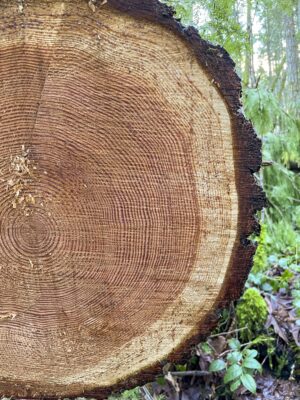 Simcoe County forests are growing — and not just up. Councillors got a brief update Tuesday on the county’s forest management activities last year, as well as finding out what the future holds as the county moves into its 103rd year operating the local forest system… The fact the county has been managing these forests for more than a century is “quite exceptional,” Graeme Davis, who works as a forester for the county, said during Tuesday’s committee of the whole meeting… Of particular note is that the county forests are very active and working forests, Davis added. While harvesting does play an important role, Davis said it’s also important to note that they are about much more than forest harvesting — they also provide “incredible” recreational uses.
 …When the Terrace Bay pulp mill opened, an effluent canal was built to connect with Blackbird Creek — a convenient way to send its liquid waste into Lake Superior. It wasn’t until the Great Lakes Water Quality Agreement was signed in 1972 that researchers started to focus on the impact industry was having on the Great Lakes. Following that agreement, in 1987 Jackfish Bay and 42 other sites across the Great Lakes in Canada and the U.S. were officially listed as areas of concern. New guidelines were created for discharging effluent into the Great Lakes and their tributaries, and remedial action plans were proposed. But the use of Blackbird Creek as an effluent canal was grandfathered into the Terrace Bay mill’s operations. When it first opened, the mill owner was entitled to choose where to monitor the receiving environment for its effluent. They chose Moberly Bay, the smaller bay at the mouth of Blackbird Creek, on Jackfish Bay.
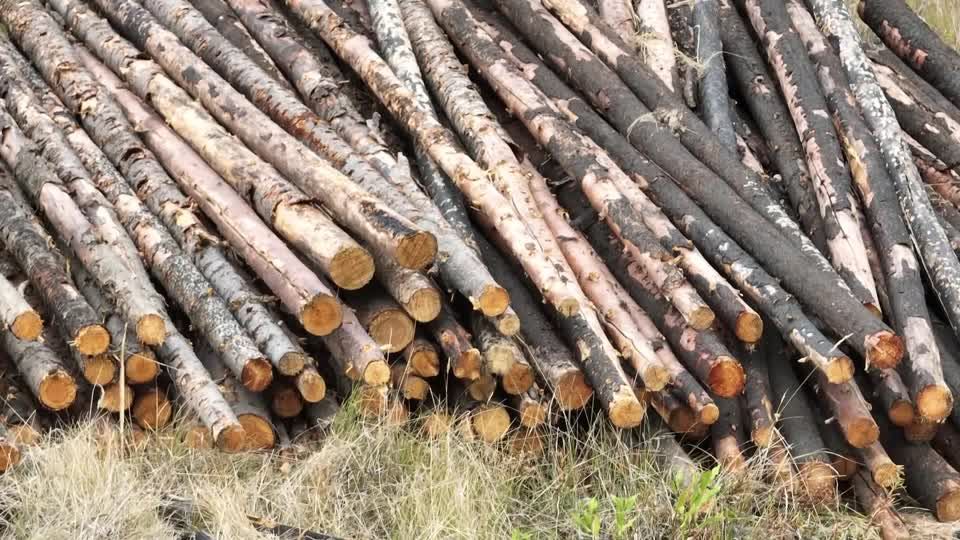
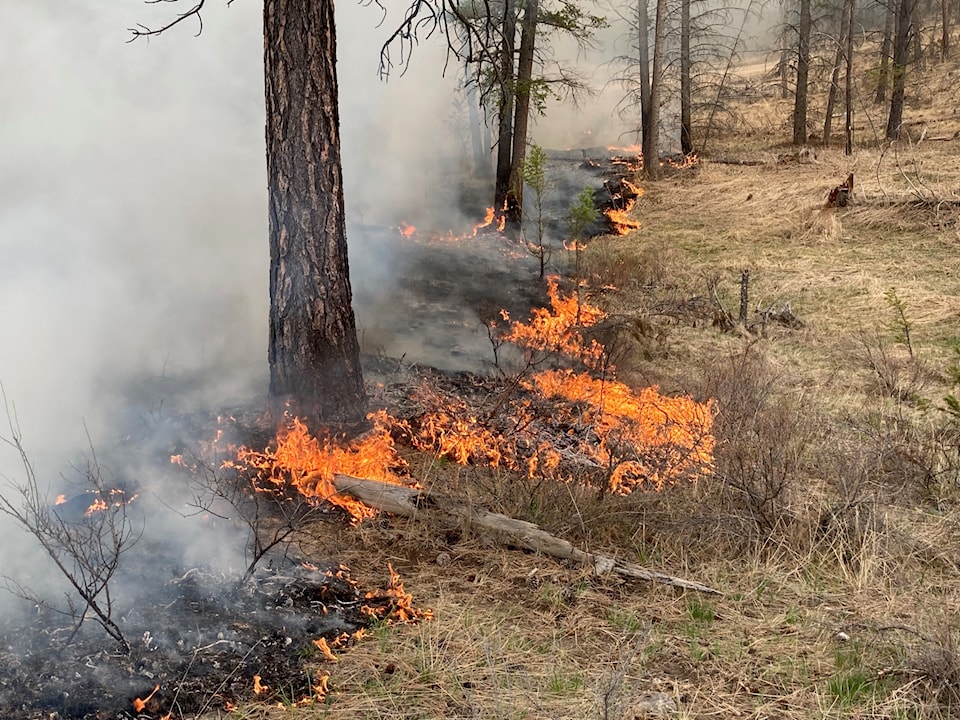
 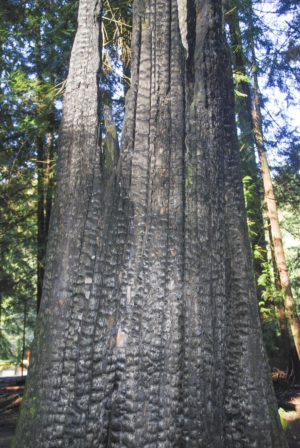 If forest fires burn organic matter, and biochar is created by burning of organic matter shouldn’t forest soils be full of biochar? Not exactly. There is a difference between the burnt product of wildfire and biochar. Forest fires do produce charcoal, but while both charcoal and biochar are types of pyrogenic carbon, they’re not quite the same thing… Forests in Alberta have been affected by the mountain pine beetle, leaving behind dead trees that act as easy fuel for fires. These dead, dry trees are extremely flammable. The Canadian government has looked into using these dead trees as biofuels and some companies do use them to create biochar. Another source of organic matter for biochar is the material removed from forests as part of fuel management… Both of these methods help manage wildfire and could potentially increase the carbon sequestration of forests if the resulting biochar was added back into the forest’s soil.