Canadian softwood lumber exported to the United States could soon face additional tariffs and duties of up to 55%, BC’s forests minister said. The “Trump tariff and increased duties” are estimated to reach 50% to 55% compared with the current 14% duty on Canadian softwood lumber, Ravi Parmar said. …Parmar travelled to the US this week on a trade mission aimed at showing how the tariffs will hurt consumers. He met with the California Building Industry Association as well as politicians and said that any tariff will increase building costs, particularly after more than 16,000 homes destroyed by recent wildfires. Association CEO Dan Dunmoyer said in a joint statement with Parmar that they’re working together to ensure beneficial trade policies are understood by policy-makers, and further levies will only increase building costs in the US. “I’m going to be engaging with the insurance industry as well,” Parmar told reporters.
In related coverage: BC Government Press Release: Minister’s, California Building Industry Association’s statement on softwood duties, tariffs
Island Social Trends: BC Forests Minister Ravi Parmar building softwood lumber trade ties with California
 WASHINGTON — President Trump is taking a blowtorch to the rules that have governed world trade for decades. The


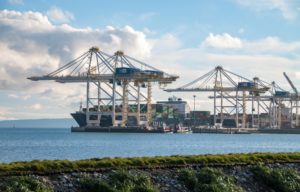 U.S. President Donald Trump in an all-caps post on Truth Social Thursday teased a new round of sweeping reciprocal tariffs, matching the higher rates other nations charge to import American goods. …Reciprocal tariffs were one of Trump’s core campaign pledges — his method for evening the score with foreign nations that place taxes on American goods and to solve what he has said are unfair trade practices. …He is set to share more details on the tariffs ahead of his visit with Indian Prime Minister Narendra Modi, White House press secretary Karoline Leavitt told reporters on Wednesday. …The tariffs are likely to hit developing countries hardest, especially India, Brazil, Vietnam and other Southeast Asian and African countries, given that they have some of the widest differences in tariff rates charged on U.S. goods brought into their countries compared to what the U.S. charges them.
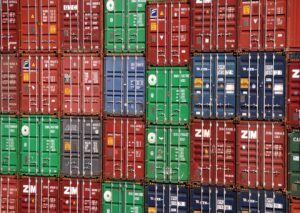 Reciprocal tariffs are straightforward in theory: The U.S. would pose the same levies on imported goods from a given country that the other country imposes on their U.S. imports. But it gets far murkier in practice, as countries often charge different tariffs on different classes of goods. Goldman Sachs economists outlined three approaches Trump could take. “Country-level reciprocity” is the “simplest” strategy which would have the U.S. impose the same average tariffs. “Product-level reciprocity by country” would have the U.S. place marching tariffs on a good-by-good basis by trading partner.” Reciprocity including non-tariff barriers” is the “most difficult” approach as it would encompass a complicated web of inputs including inspection fees and value-added taxes. …4.8% is the U.S.’ weighted average tariff rate if Trump implemented the country-level strategy. …Goods from the 20 countries the U.S. has free trade agreements with, including Australia, Canada, Mexico and Panama, won’t be affected – though Trump has targeted several of those countries in recent weeks.


 BURNABY, BC — Interfor recorded a net loss in Q4, 2024 of $49.9 million compared to a Net loss of $105.7 million in Q3, 2024 and a net loss of $169.0 million. Adjusted EBITDA was $80.4 million on sales of $746.5 million in Q4, 2024. …For the full year, Interfor reported a net loss of $304 million in 2024, a 14% increase from the $267 million net loss in 2023. Total sales fell 9% to $3 billion, down from $3.3 billion in the previous year. …Near-term volatility could be further impacted by a potential tariff on Canadian lumber exports… however, the Company is well positioned with a diversified product mix in Canada and the U.S., with approximately 60% of its total lumber produced and sold within the U.S. …Despite challenges, the company remains positioned to adjust production and capital spending in response to market conditions. …The company plans to invest $85 million in 2025, including the continued rebuild of the Thomaston, Georgia sawmill.

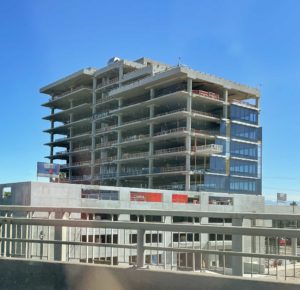 The cement industry is at a crossroads as decarbonization is expected to take its toll, resulting in a significant decline in demand, according to a paper by the World Cement Association (WCA). “The cement industry is undergoing an unprecedented transformation,” explains WCA CEO Ian Riley. “As we move towards a decarbonized future, understanding the true demand for cement is critical to ensuring that policies, technologies and investments align with reality.” The white paper examines disruptive factors such as alternative materials. …The report challenges prevailing forecasts and projects demand for cement and clinker will dip, mainly due to the rise of timber, greater use of admixtures, the move towards decarbonization of the industry as well as design practices that will reduce the concrete used. ..According to the paper, timber has replaced concrete and steel in many highrise buildings but limitations on the supply of timber are expected to curb its growth.
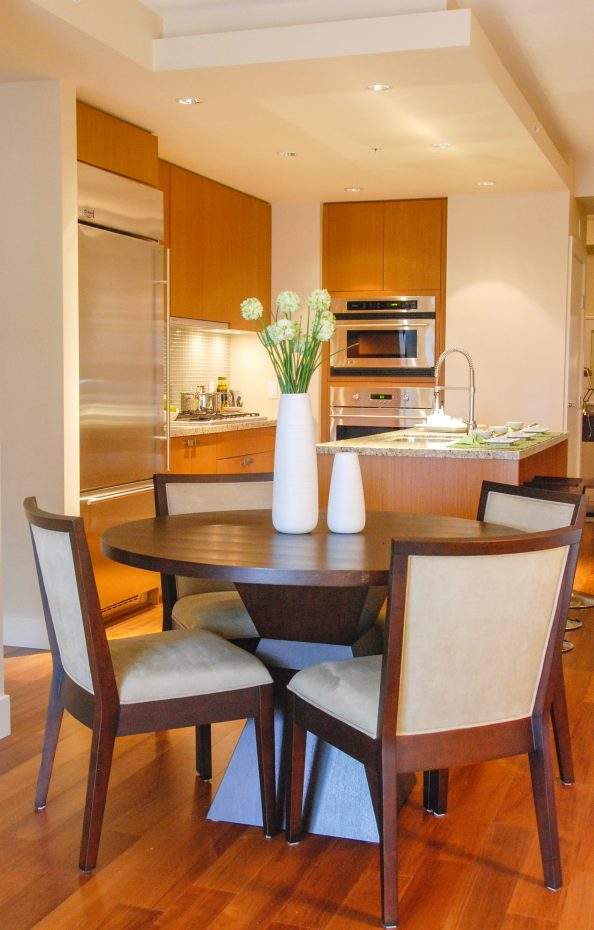 The demand for sustainable, nontoxic furniture is rising as consumers become more conscious of their environmental impact and indoor air quality. While many brands claim to be “eco-friendly,” not all live up to the promise. From responsibly harvested wood to green packaging, truly sustainable furniture goes beyond marketing buzzwords. Understanding the end-to-end process of furniture manufacturing can help consumers make informed choices and avoid greenwashing. Interior designers play a crucial role in guiding homeowners toward authentic selections that prioritize longevity, health and environmental responsibility.

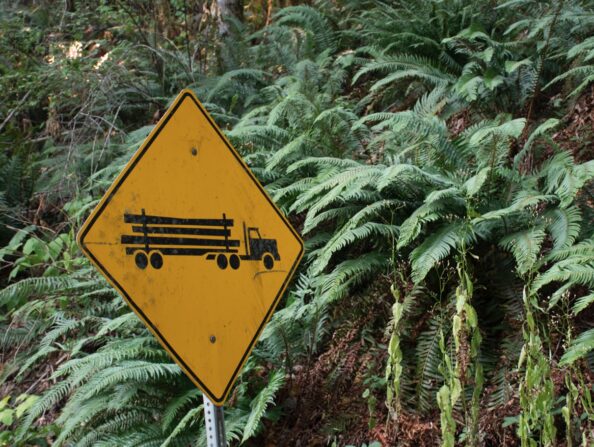 Alabama’s roads and bridges are already under immense strain, but two bills moving through the Legislature could accelerate their decline—adding 150 million dollars in maintenance costs annually, reducing highway lifespan by up to 30 percent, and forcing weight restrictions on hundreds of bridges. Senate Bill 110 and House Bill 204 would allow heavier log trucks to operate on Alabama highways while simultaneously limiting enforcement by requiring state troopers to escort overweight trucks to permanent platform scales—effectively halting roadside safety inspections for extended periods. Experts warn that these changes could have devastating consequences for infrastructure durability, public safety, and taxpayer-funded repairs. The push for heavier loads is being driven by logging and timber industry interests, which stand to benefit financially from relaxed restrictions. However, transportation and infrastructure experts warn that the cost to the public far outweighs any economic gain.