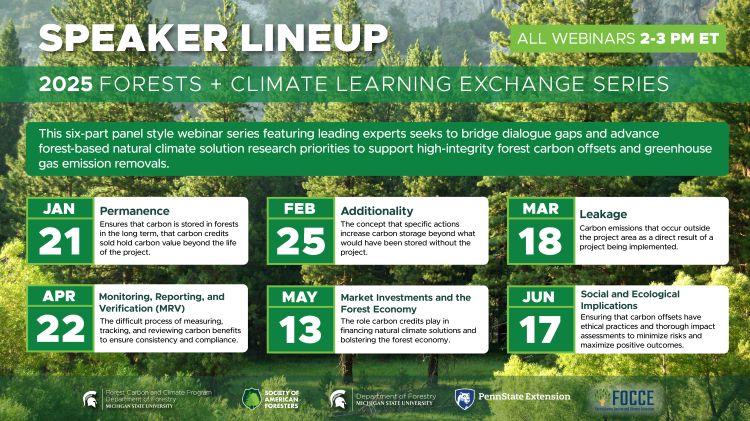
We’re proud to share that in 2024 the Tree Frog Forestry News readership surged by an impressive 44%, reaching 105,411 unique users (per Google Analytics)! This remarkable growth far outpaces our average annual increase of ~20% over the past decade. Even more, our audience is becoming increasingly continental: in 2020, 22% of our readers were US-based, but by 2024, that number climbed to 39%. Canada still leads at 51%, with the remaining 10% representing international readers from the UK, Australia, Japan, India, and beyond.
Your feedback is essential to ensuring the Tree Frog Forestry News remains your trusted source for forestry updates. Completing our quick 6-8 minute survey will help us improve and continue to offer this free, open-access resource. The survey is completely anonymous, and your responses will be kept strictly confidential. Thank you for helping us grow and better serve the forestry community!

 Recently, the Wall Street Journal’s editorial board published a piece titled “
 Having already forced Colombia to accept deportees by threatening a 25% tariff, President Donald Trump is readying the same move against Canada and Mexico as soon as Saturday. But this time, the stakes are higher and many economists surveying the possible damage doubt Trump would be comfortable with self-inflicted wounds from the tariffs. Trump has repeatedly insisted that tariffs on Canada and Mexico are about illegal border crossings and the smuggling of fentanyl. But the Republican president is also motivated by the idea that tariffs would force other countries to “respect” the US. …The economics division of the insurance company Nationwide estimated that Trump’s proposed tariffs on Canada and Mexico would increase inflation by as much as 0.5 percentage points and pull down growth by 0.7 percentage points. The analysis noted it did not “account for potential retaliatory tariffs from Canada or Mexico, which could amplify the deleterious impact.”
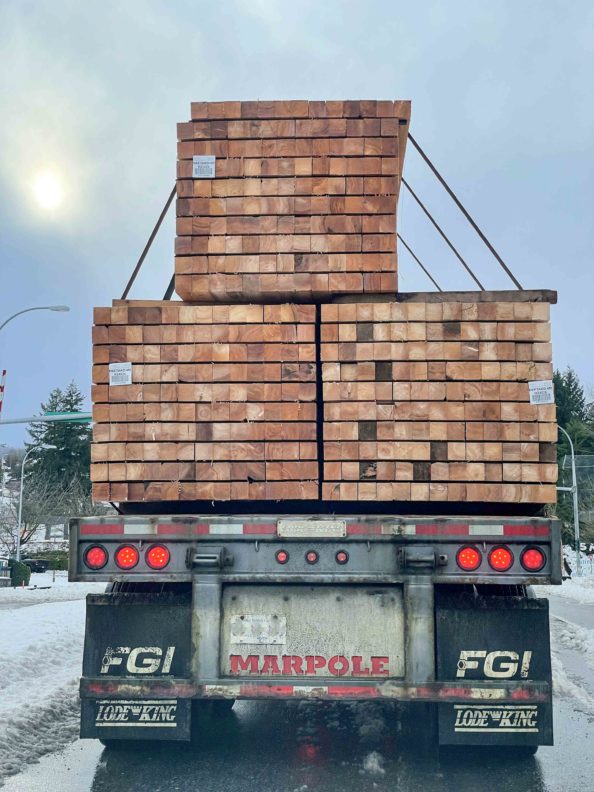
 Homeownership has long played a starring role in the American dream. …Nearly nine in 10 homeowners (88% / 81% in 2025) in a survey said the true cost of owning a home is more expensive than they’d expected. …Recent, unexpected hurricane-related floods in Western North Carolina and massive fires across Los Angeles County, which both occurred after the survey was conducted, will surely raise costs even more dramatically this year, and not just in the affected regions. This will be due to fierce competition for construction supplies and labor as disaster-stricken areas compete for resources and everyone else looks to maintain and improve their homes. Tariffs, depending on how they’re applied – e.g., Canadian lumber for rebuilding or across-the-board Chinese imports hitting home improvement store shelves – and potential disruption to the construction workforce can also surge homeownership costs.
 Looming tariffs could cause the cost of construction materials like lumber and mortar to skyrocket— if they actually happen. President Trump indicated these tariffs could go into effect as soon as Feb. 1. If a 25% tariff is imposed on both of the United State’s bordering neighbors, prices of imported goods will inevitably go up. This could be felt particularly keenly in the residential construction industry, which relies heavily on foreign imports for materials. Combined, nearly 20 percent of the total goods used in residential construction in the United States are imported from Canada and Mexico. …Lumber prices have already risen 17 percent in the last year, with much of that increase coming after tariffs on Canadian lumber were raised to nearly 15 percent in August. According to the NAHB, “Total imports of sawmill and wood products from Canada in 2023 was $5.8 billion.
 Lumber prices are 9.6% higher than they were one year ago. …Impact of wood and lumber prices on the cost of a new home: In addition to narrowly defined framing lumber, products such as plywood, OSB, particleboard, fiberboard, shakes and shingles make up a considerable portion of the total


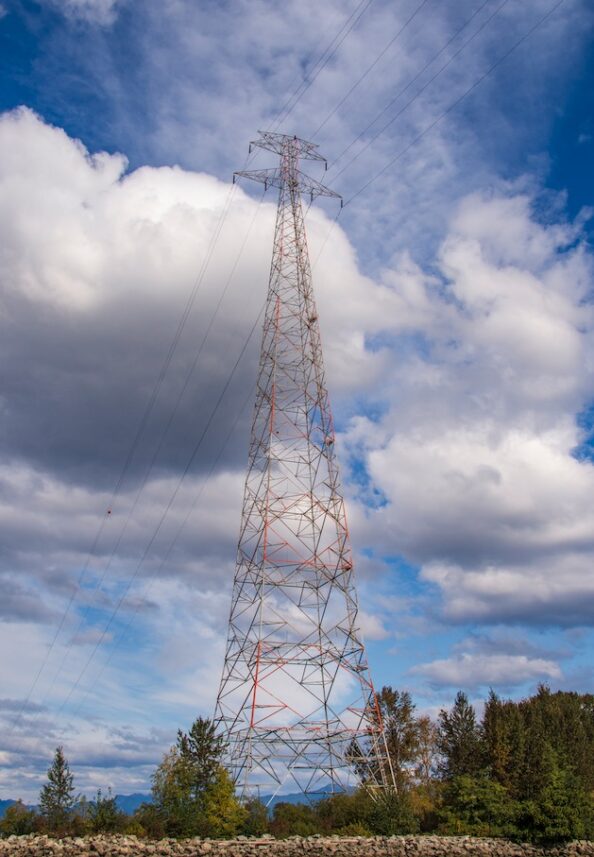 …some electric utilities and cooperatives are urging the Senate to seal the deal on the “Fix Our Forests Act” that aims to expedite some federal approvals and reduce wildfire risk overall. The legislation …establishes requirements for managing forests on federal land, including reducing wildfire, expediting certain forest management projects, and implementing forest management projects and activities. …The legislation prohibits courts from immediately halting a project unless they determine that the person suing to stop it “is likely to succeed on the merits” of the case if the lawsuit gets a full hearing. …The National Rural Electric Cooperative Association applauded the bill, arguing it would make it easier for electric cooperatives to reduce the risk of catastrophic wildfires, and called on the Senate to also pass the bill. …Pacific Gas & Electric “supports legislation that would expedite permitting and approvals and reduce barriers to the essential work of keeping powerlines clear of vegetation.”
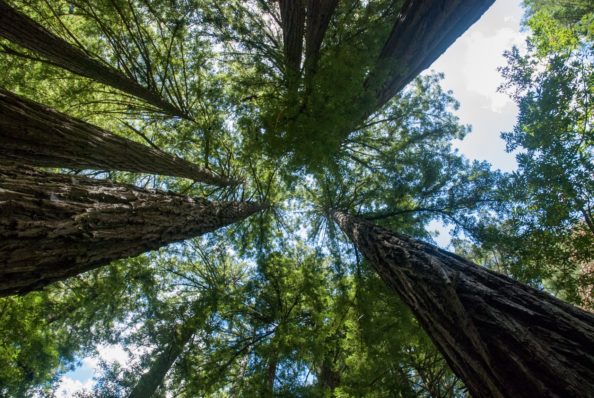 PORTLAND, Ore. – The United States Forest Service (USFS) is currently taking comments on its proposed changes to the Northwest Forest Plan (NWFP) through March 17. The NWFP dates back to the mid-1990s, serving as the blueprint for conserving forests and wildlife habitat along the West Coast. It covers over 24 million acres managed by the Forest Service and other federally managed lands, spanning from California and up through Washington. The proposed amendments intend to provide an updated management framework that incorporates best available scientific information and current conditions in order to better address the social, economic, and ecological changes experienced over the last 30 years. The proposed changes outlined in a Draft Environmental Impact Statement focus on themes of fire resilience, economic benefits, and forest stewardship, with Tribal inclusion and adapting to changing conditions interwoven throughout these themes.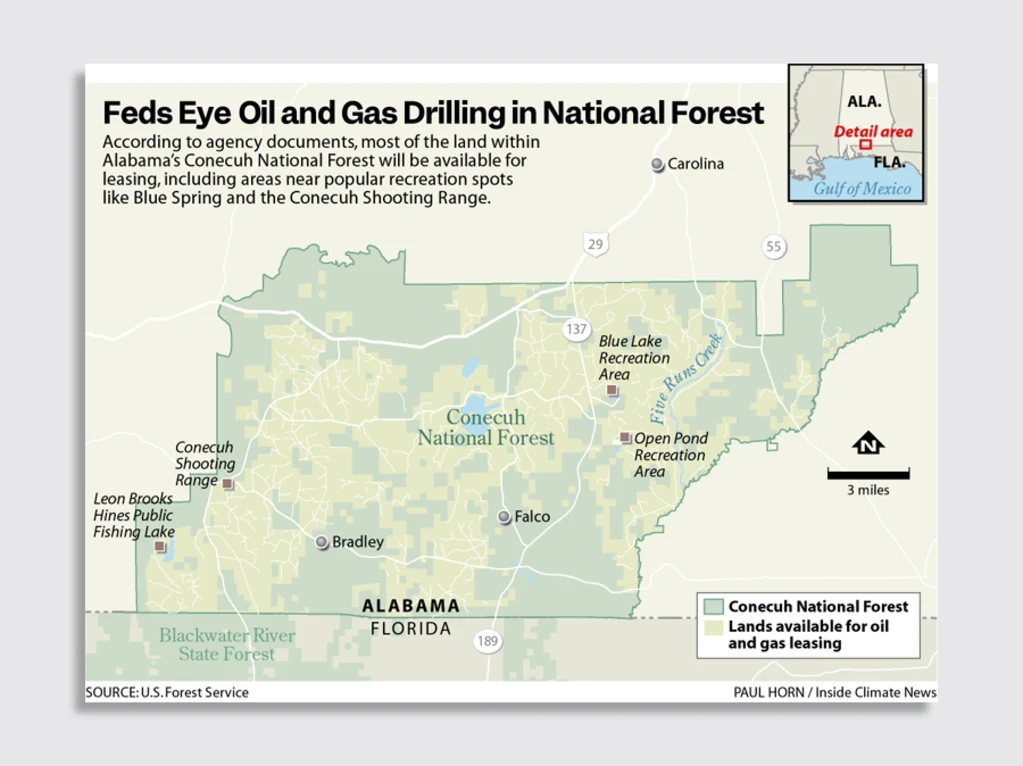
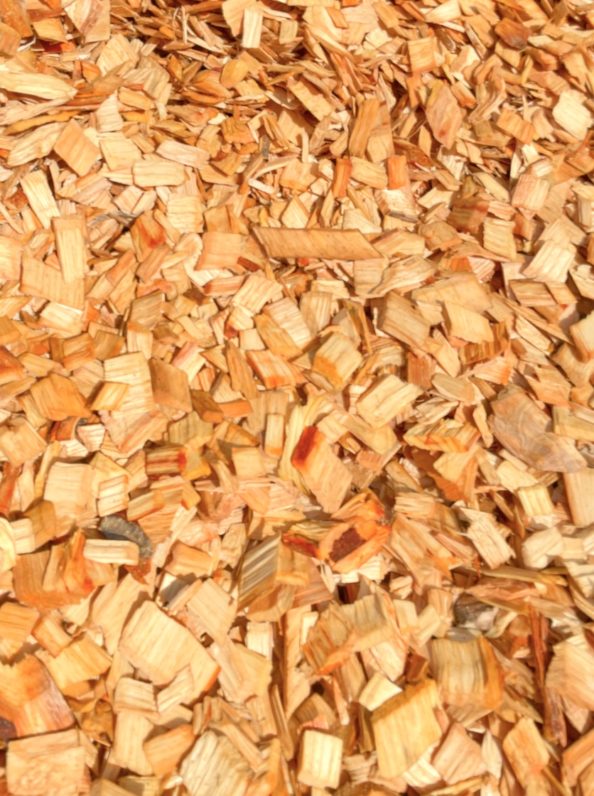 BATON ROUGE, La. — Louisiana produces 70% more forests than it is cutting down. The Forestry Association is trying to encourage industry to utilize those resources, including renewable fuel makers. The state has been working on reforestation closely since the 1940s when the issue of losing critical timber came to a head. With paper mills closing up shop over the years, Louisiana Forestry Association Executive Director Buck Vandersteen said the state is nearing a forest level that will be hard to manage against disease and wildfires. Vandersteen talked about four mills that are in the works of opening in some of the northern parishes in the state. Those companies harvest the larger trees for hardwood. Smaller brush and trees offer an opening for the biofuel industry to thrive. …With the Trump administration … undoing the push towards renewable energy, there is a question of how this will impact the industry in Louisiana.