 In a move that NAHB has encouraged, President Trump signed an executive order that calls for a 25% increase in timber production from federal lands. NAHB has taken a leading role in urging the administration and Congress to increase the domestic supply of timber from federally owned lands in an environmentally responsible manner. …This new development will help the nation move in the direction of self-sufficiency. However, due to logistical issues and the long time to ramp up sawmill production, it is projected to take months, if not years, before the market feels any impact from this action. …Offsetting the good news to expand domestic timber output is the fact that tariffs on Canadian lumber shipments into the US are expected to more than double by September.
These duties are completely separate from the global reciprocal tariffs announced by President Trump last week. When the president made his announcement, NAHB scored an important win when Trump chose to continue current exemptions for Canadian and Mexican products, including a specific exemption for lumber from any new tariffs at this time. It’s clear we are not out of the woods yet on the possibility that Canadian lumber tariffs could run even higher than 34.5% later this year. The White House issued an executive order in March commanding the Commerce Department to investigate the national security impacts of imports of timber and lumber. NAHB has argued that housing is a critical component of national security and that no further lumber tariffs should be imposed. …For now, Canadian lumber tariffs stand at 14.5%, but members should be forewarned to expect higher tariffs later this year and plan accordingly.
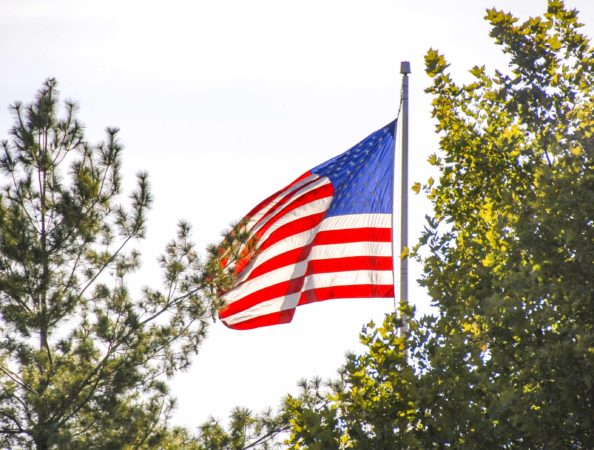 WASHINGTON — U.S. President Donald Trump partially reversed course Wednesday on his global trade war following days of market turmoil — but he’s not offering any changes to the tariffs hitting Canada. Trump immediately paused for 90 days the levies on nations slapped with the highest duties under his “reciprocal” tariff regime. A White House official later clarified that a 10 per cent baseline tariff will remain in place for all countries. The president has held fast to his plan to rapidly realign global trade through a benchmark “reciprocal” tariff — but his tariffs have spread chaos throughout global markets. …On social media, Trump said he made the decision after more than 75 countries called his administration “to negotiate a solution.” Later at the White House, the president said he lowered the levies because “people were jumping a little bit out of line.” “They were getting yippy, you know,” Trump said. “They were getting a little bit yippy, a little bit afraid.”
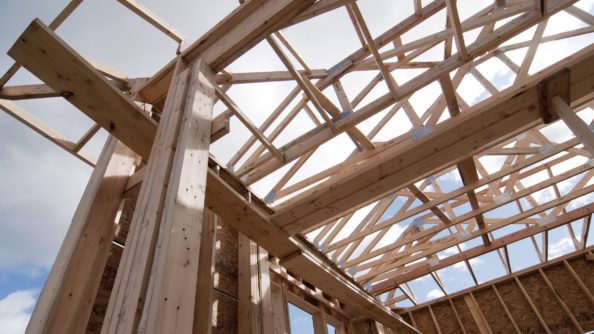 American consumers could be paying more to build new homes after the U.S. announced it will more than double existing duties on Canadian softwood lumber. “In the end, the U.S. consumer ends up paying additional money,” Supply-Build Canada president said on Tuesday. “It is an extra cost that is being passed on to the U.S. consumer and that’s not an ideal situation when you are looking for housing affordability.” Claiming that the Canadian lumber industry is unfairly subsidized, the U.S. Department of Commerce announced Friday that it planned to hike duties on Canadian softwood lumber from
  BURNABY, BC – The United Steelworkers union (USW) District 3 and the USW Wood Council locals in BC applaud the approach of Premier Eby in fighting for workers and federal government supports in light of the announcement by the US Department of Commerce that will increase the current tariff and countervailing duty average to 34.45% from 14%. “The continual application of tariffs and duties by the US on our USW membership in Canada is wrong and unwarranted,” said USW District 3 Director Scott Lunny. “Premier’s Eby’s approach in pressing the federal government in Ottawa for worker supports is key.” …“The Trump administration and the U.S. Department of Commerce continue to be subjected to the influence of the US Softwood Lumber Coalition, wrongfully claiming the Canadian industry is subsidized,” said Jeff Bromley, USW Wood Council Chair. …“It’s protectionism, pure and simple,” added Bromley.
 Premier David Eby cautioned last week that BC should not make too much of the appearance that the country “dodged a bullet” in the latest round of tariff fire from the US. …Eby’s fears were borne out, when the US announced a plan to more than double the duty against Canadian softwood. …Eby told the legislature that Forests Ministry staff are “working on a proposal to defer stumpage.” The tariff threat likely means a setback for the ambitious goal that Eby set for the forest minister, Ravi Parmar. He directed Parmar to “work toward…a harvest of 45 million cubic metres per year”. The increase would be 50 per cent greater than last year’s 30 million cubic metres harvest, but still well short of the almost 60 million harvested the year the New Democrats took office. …Though the industry welcomed the premier’s target for increasing the harvest, it remains privately skeptical that the NDP can make the necessary changes in regulation and permitting to bring about the increase.

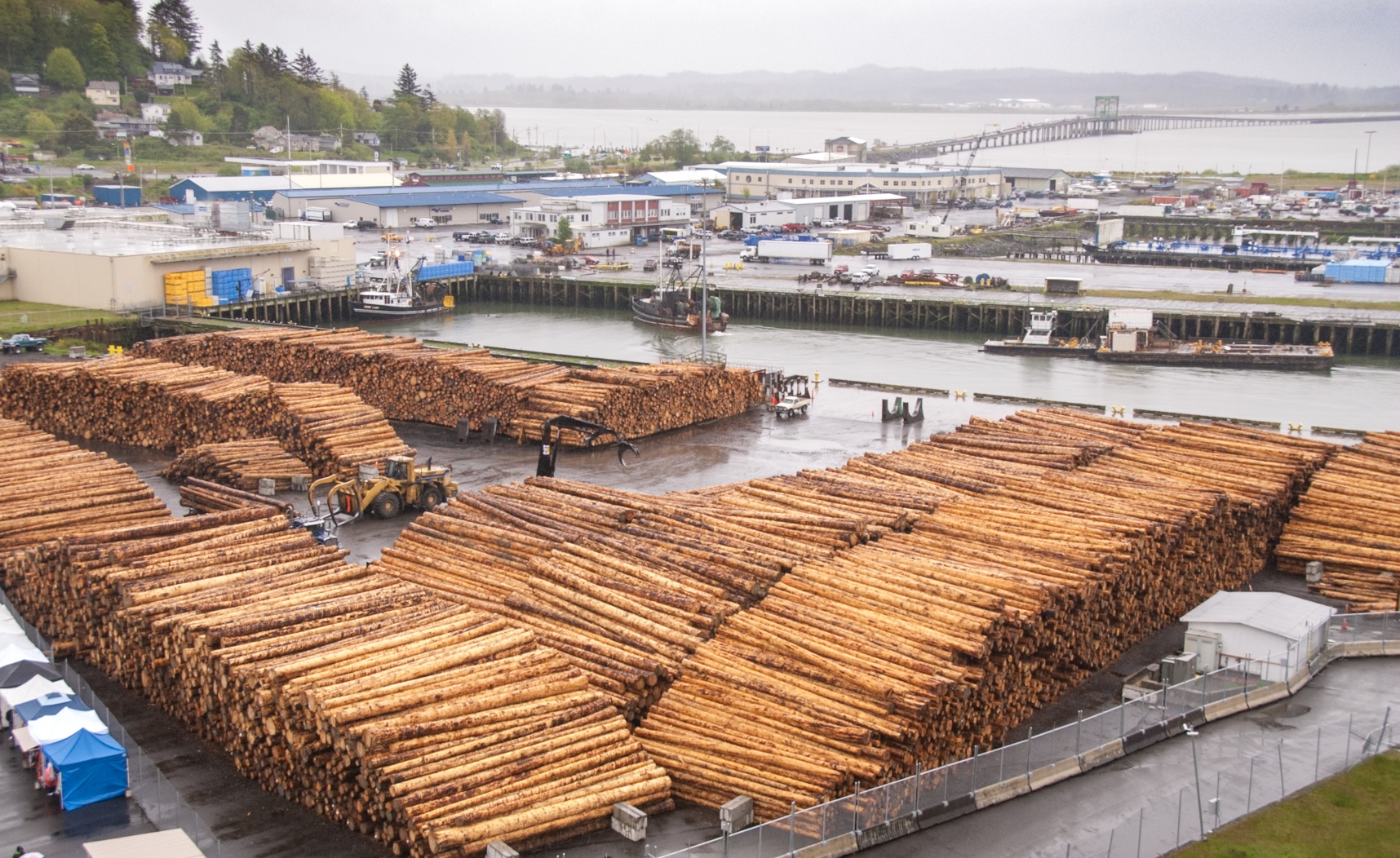 The United States has announced sweeping changes to encourage more logging in the country’s national forests. A new emergency order requires rolling back environmental protections on national forests… A big question for forestry economists is whether the U.S. is in need of significantly larger lumber production. …The forest products industry will only begin quickly cutting and milling more U.S. timber if there is demand, Jeff Reimer, an economics professor at Oregon State University said. Much of the lumber needs in the eastern part of the U.S. are met by private forests he said, that won’t be impacted by the new Forest Service requirements. But lumber in the west is almost all from Canada. …”Loggers and mills need to have …assurance that they can sell their products at a profit,” Reimer said. “If we see high inventories of unsold housing and low (weak) housing starts, then the demand for lumber is probably low.”

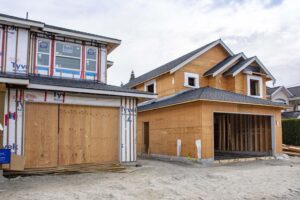 Homebuilder stocks plunged Monday following reports that the US is preparing to sharply increase tariffs on Canadian lumber, independent of President Donald Trump’s new “reciprocal” tariffs. …After reports of the new lumber duties emerged over the weekend, however, shares of homebuilders plunged swiftly Monday. …”Tariffs are the clear culprit for the stock market pullback and fears of recession,” says Realtor.com® Senior Economist Joel Berner. “Recession risk is especially poignant for builders.” …The latest round of tariffs, however, will likely increase materials costs for all homebuilders, to some extent, with a recent survey of builders finding that they expect an average cost increase of $9,200 per home as a result of tariffs. …Over the weekend, Moody’s Analytics Chief Economist Mark Zandi raised his outlook for the odds of a recession this year to 60%, up from just 15% a few months ago.
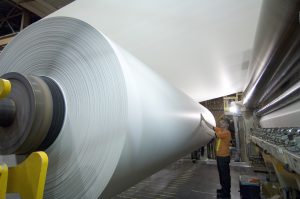 The Swedish Forest Industries Federation expresses concern over newly imposed US tariffs on pulp, paper, and board imports from the EU, which took effect on April 5 at 10% and are scheduled to double to 20% by April 2025. The federation emphasizes that free trade is critical to the Swedish forest industry, which is heavily export-oriented, with 5–10% of its exports directed to the United States. Europe remains its largest market, accounting for around 60%. …The federation’s CEO, Viveka Beckeman, highlights that the sector depends on international demand. While timber has been excluded from the latest round of tariffs, it remains under review in an ongoing US investigation that may lead to import duties as early as November 2025. The industry, which employs approximately 140,000 people in Sweden either directly or indirectly, represents 9–12% of the country’s industrial employment, export, turnover, and added value.




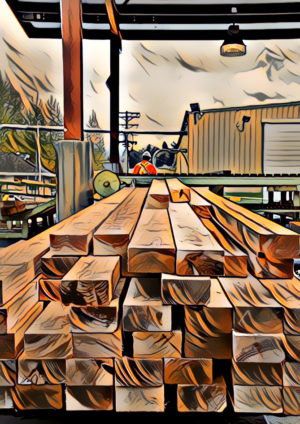 The Trump administration’s drive to harvest more timber from national forests will lead to a “thriving wood products economy” that doesn’t rely on imports, a top Forest Service official told the agency’s top brass in a memo last week. But the timber goal acting Associate Chief Chris French pinpointed — a 25 percent increase from current levels offered for sale — would fall short of the first Trump administration’s ambitions and barely make a dent in U.S. timber supplies, data shows. The chasm between the new administration’s rhetoric — cut more trees on national forests to reduce the country’s reliance on wood imports and rejuvenate the economy — and the math behind French’s memo reflect the hurdles to returning to the timber industry’s prosperous times around national forests… Timber industry representatives and others familiar with the Forest Service’s timber program point to several flaws in the administration’s timber-boom narrative, although the industry welcomes the Forest Service’s moves to step up production.
 FORT COLLINS, Colo. — The latest findings about the health of Colorado’s forests are a “mixed bag”, according to forestry experts. On Tuesday, the Colorado State Forest Service released its annual report tracking the damage from forest pests. “Insects are so closely tied to a lot of that temperature and precipitation so in Colorado it’s really been a number of years, actually 31 years, since we’ve been below average temperatures so that makes it really hard to be a tree in Colorado,” CSFS forest entomologist Dr. Dan West said. …According to the report, the front range is experiencing a surge in activity from the mountain pine beetle. In 2021, the insect impacted 1,500 acres statewide. In 2024, that number grew to 5,600 affected acres and included areas in Jefferson County and Castle Rock. …Not only do the dead trees cause forests to be less visually attractive, but they also create more fuel for more damaging wildfires.
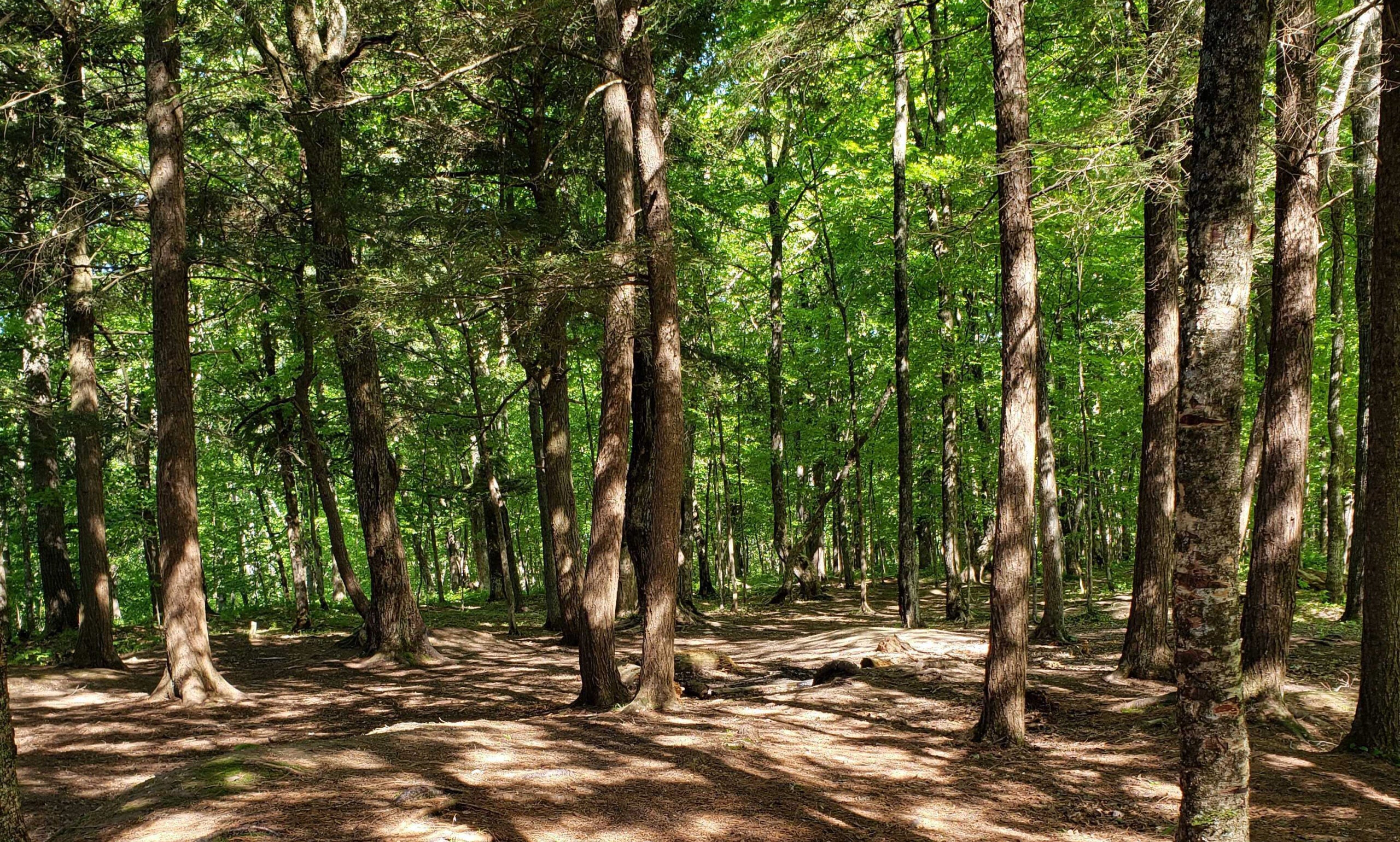
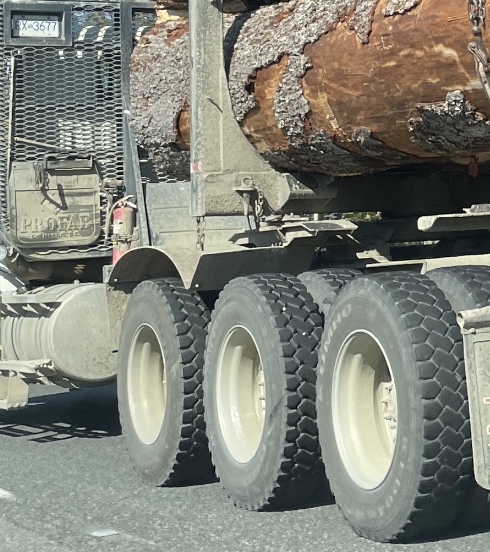 Leaders from the Texas forest industry urged Angelina County commissioners Tuesday to table a proposed road use agreement they say unfairly targets timber haulers and could lead to legal challenges. Dave Durren, speaking on behalf of the Texas Logging Council and the Texas Forestry Association, said the proposed policy would require permits and potential financial responsibility for road maintenance, placing an undue burden on loggers. “Other agricultural sectors… are not subject to this level of scrutiny or regulation, despite using the same rural road systems. This selective enforcement places an undue burden on the forestry sector and creates an uneven playing field,” the speaker said. The speaker also cited the passage of Texas Proposition 1, a constitutional amendment approved by Texas voters in 2023 protecting the right to farm, ranch and produce timber. He argued that regulating the transportation of timber directly interferes with the constitutionally protected activity.
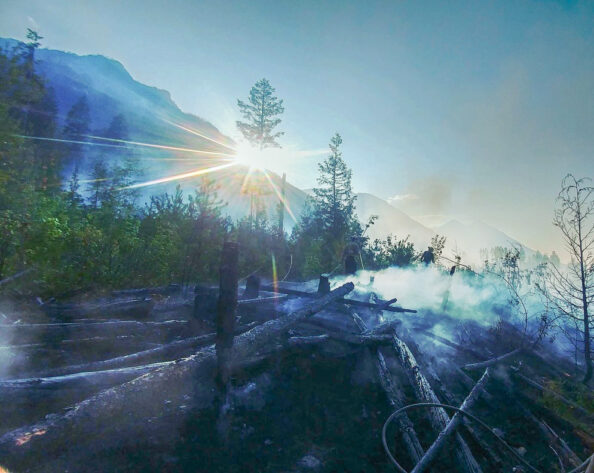 OKLAHOMA CITY — There is more fallout from what has largely divided Governor Kevin Stitt and the entire firefighting community. Governor Stitt confirms two more top-level employees within Oklahoma Forestry Services. The two unnamed employees follow the firing of lauded Forestry Director Mark Goeller. …Since Goeller’s firing, Stitt has continued making shocking changes — and suggestions — within and about forestry. He has suggested eliminating OFS altogether and called for an investigation, claiming 50% of resources went untapped during the March wildfires. …“Forestry is an integral part of what we do,” said Rep. Stan May, who worked for the Tulsa Fire Department for 30 years. …May said it would also likely disrupt inter-state agreements that aid in a multitude of disasters. He said if we don’t help others, it will hinder our efforts to get help. “We have to make sure those agreements are in place,” he said.

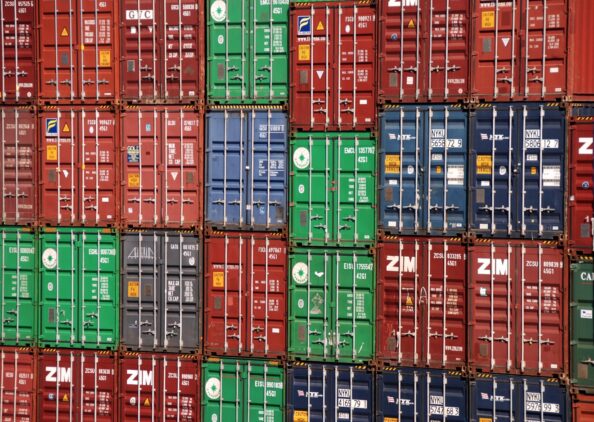 LONDON – The United States has withdrawn from talks in London looking at advancing decarbonisation in the shipping sector and Washington will consider “reciprocal measures” to offset any fees charged to U.S. ships, a diplomatic note said. Delegates are at the UN shipping agency’s headquarters this week for negotiations over decarbonisation measures, aimed at enabling the global shipping industry to reach net zero by “around 2050″. …”The U.S. rejects any and all efforts to impose economic measures against its ships based on GHG emissions or fuel choice,” according to a diplomatic demarche sent to ambassadors by the United States. …”Should such a blatantly unfair measure go forward, our government will consider reciprocal measures so as to offset any fees charged to U.S. ships and compensate the American people for any other economic harm from any adopted GHG emissions measures,” the note from Washington said.
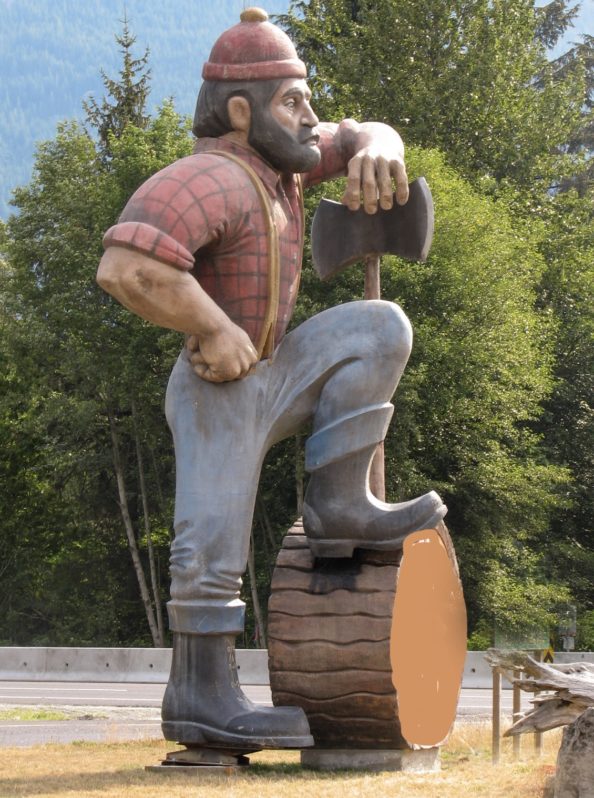 There are many contradictory myths about Northwoods lumberjacks and the work they did in the late 19th and early 20th centuries. They were depicted as hard-living, violent men, but also as upstanding, conservation-minded gentlemen. Recently, Willa Hammitt Brown, the author of the book “