MEMPHIS, Tennessee — International Paper announces the groundbreaking of its new state-of-the-art sustainable, packaging box plant in Waterloo, Iowa. …Located in the heart of the Midwest, the new facility will primarily focus on serving the protein segment, providing tailored packaging solutions and meeting the growing demand for high-quality, sustainable packaging. …The Waterloo box plant will feature cutting-edge technology and equipment, enabling International Paper to deliver innovative and sustainable packaging solutions. …The new facility is currently scheduled to begin operations in the fourth quarter of 2026 and create an estimated 65 new jobs to the current facility with a total of 190 team members.
 A federal judge in Jackson, Mississippi, issued an order April 28 allowing a lawsuit by a newspaper publisher and lumber company against the Mississippi River Commission (MRC) to proceed. The lawsuit alleges a lack of transparency in meetings. The suit was originally filed in September 2024. Emmerich Newspapers Inc., which publishes dozens of publications across Mississippi, Louisiana and Arkansas, sued the MRC over what it claimed were secret meetings where proper records were not kept and the public was not notified or admitted. Emmerich was joined as plaintiff by a lumber company that manages hundreds of acres alongside the Mississippi River. The lumber company claims the Corps of Engineers’ decisions on flood control, informed by advice from the MRC, adversely affect its properties. The judge’s decision allows the lawsuit to proceed without ruling on the merits of the allegations.



 MARYLAND — After five years of work and many interim steps, Maryland became the sixth US state to pass extended producer responsibility legislation for paper and packaging, continuing the policy’s evolution in the country. Sent to the governor on April 7, SB 901 would direct a producer responsibility organization to set goals for post-consumer recycled content, recyclability, recycling and reuse rates, source reduction, composting rates and contamination reduction. However, it also builds on newer elements, such as a phased-in approach to reimbursement, seen last year in Minnesota’s law. …The American Forest and Paper Association has called the bill “misguided.” “EPR programs are helpful for materials that don’t have strong end markets or aren’t highly recycled,” the association wrote. “Paper is a highly recycled material with strong end markets.” …Any EPR program must fully and fairly credit our early and voluntary actions to increase recycling in Maryland and across the country.”


 UNIVERSITY PARK, Pa. — A debate continues among scientists over whether tree composition in forests in eastern North American historically have been influenced more by climate or by cultural burning, which is the intentional and controlled use of fire by Indigenous people to manage their environment. A new study of southern New England forests … lends credence to the cultural burning hypothesis, suggesting that fire-tolerant vegetation — oak, hickory and pine — were significantly more abundant near Indigenous settlements over the last 5,000 years. “The results of this study strongly suggest that Native Americans extensively use fire and other disturbances such as land clearing for villages, agriculture and trails, and both directly and indirectly promoted fire-adapted trees,” said study co-author Marc Abrams, Penn State professor emeritus. “These trees were very important to the Native American diet because of the mast — nuts and acorns — they produced.”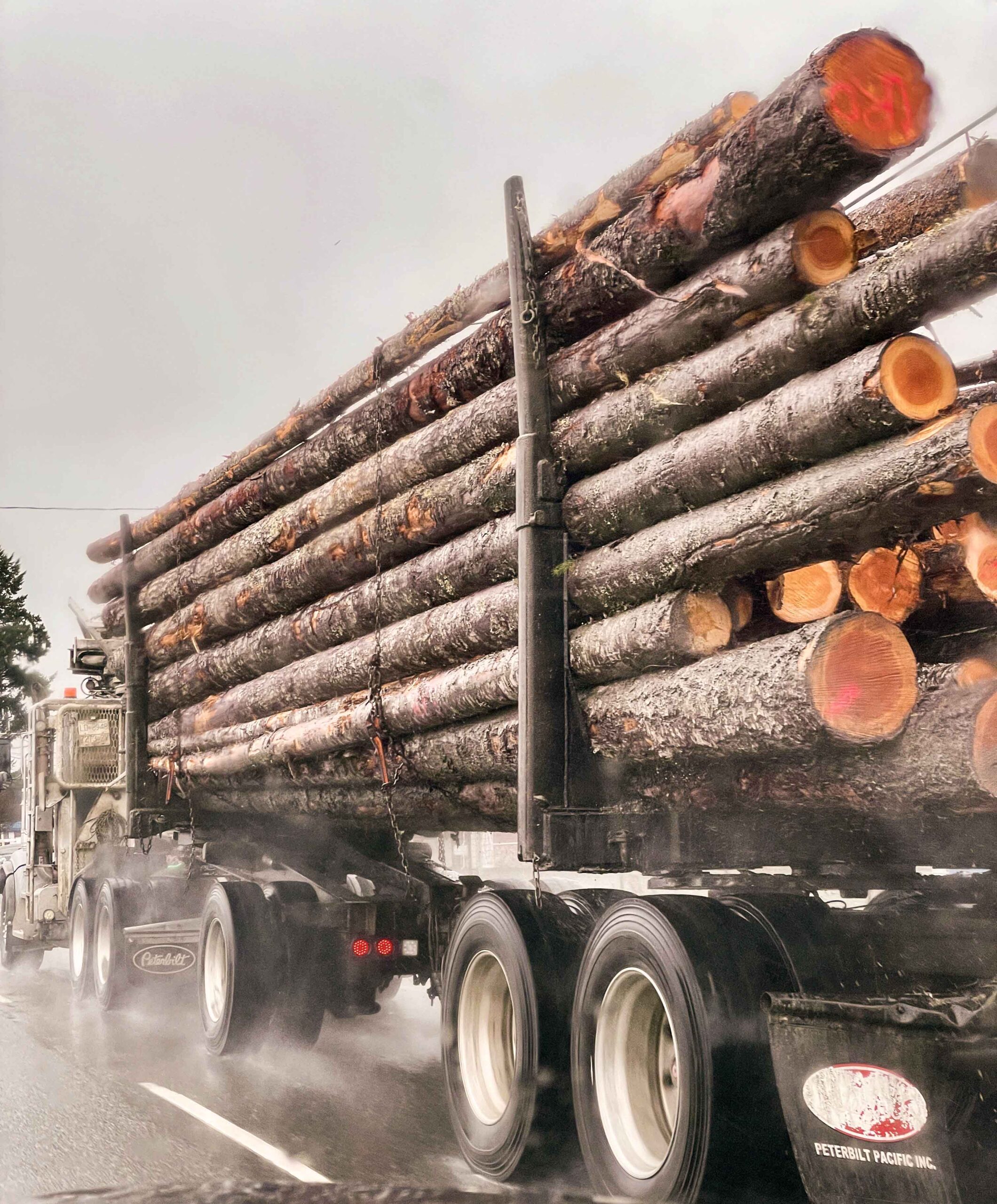
 NEW HAMPSHIRE yield tax on timber, often called the “timber tax,” was established in 1949 and has been locally collected to offset property taxes ever since. …The yield tax on timber has been an essential tool for promoting conservation, helping the timber industry, and stabilizing municipal revenues in heavily timbered towns. …The legislation would, “…encourage conservation of the forest resources of [New Hampshire] by releasing growing wood and timber from the yearly burden of local property taxes and substituting a yield tax….” The timber tax has been very effective achieving these goals… The current policy strikes an excellent balance between industry and conservation. There is a new government-promoted industry threatening New Hampshire’s timber industry, loggers, timber processors, and heavily timbered towns that depend on timber tax revenues. Carbon credits.