 BUCKHANNON, West Virginia — Weyerhaeuser announced a commitment to invest $1 million in Buckhannon, West Virginia, through the company’s THRIVE program. The investment will be made over the next several years with input from local elected officials, business leaders, nonprofits, employees and other community partners. …”Rural operating communities like Buckhannon are so important to the success of our business and to the greater health of the forest products industry,” says Devin W. Stockfish, CEO. “We want to make sure these communities remain great places to live, work and do business for years to come.” …Weyerhaeuser’s THRIVE program goes far beyond the financial investment. In selected communities, Weyerhaeuser leaders engage deeply with local stakeholders to identify and prioritize the challenges to be addressed through long-term collaboration, investment and advocacy. Potential opportunities in Buckhannon include youth education and workforce development.


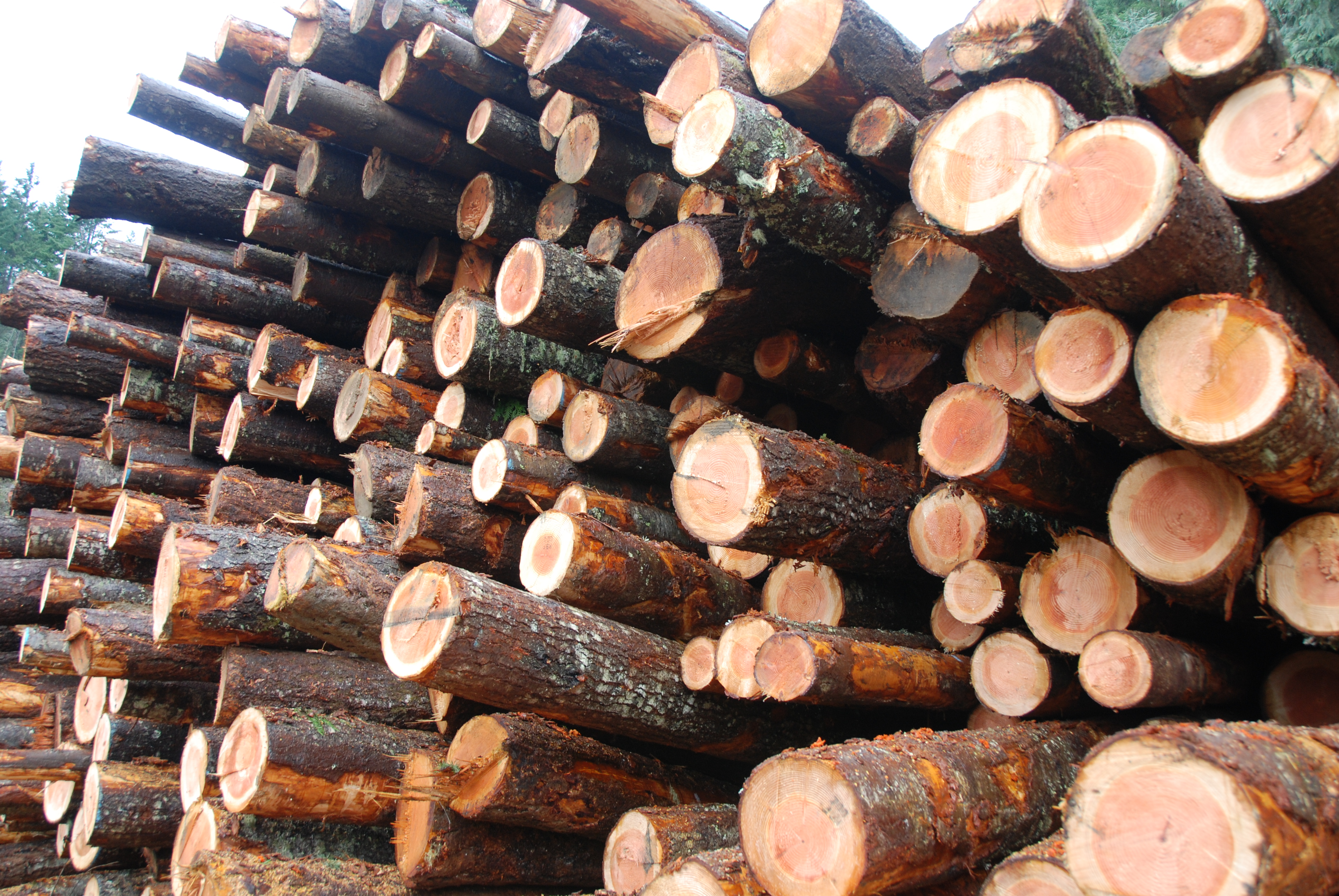 HORRY COUNTY, S.C. — A family-owned sawmill plans to create 18 jobs by opening a multi-million facility in northern Horry County amid high-profile shutdowns of other sites across the region. “This facility will support area businesses impacted by recent closures, and we’re proud to expand our services and give back to the region that has supported us,” Matthew Johnson, founder of Galivants Ferry Sawmill, said in a news release shared on Facebook by the Myrtle Beach Regional Economic Development Corporation. In August, Canfor closed its Darlington and Estill plants — eliminating 290 jobs in a move it blamed on “an extended period of consistently weak market conditions.” And in December, Georgetown County’s International Paper ended operations, cutting 674 jobs. The Galivants Ferry facility on McCracken Road will support the local timber industry and help fill the gap left by those closures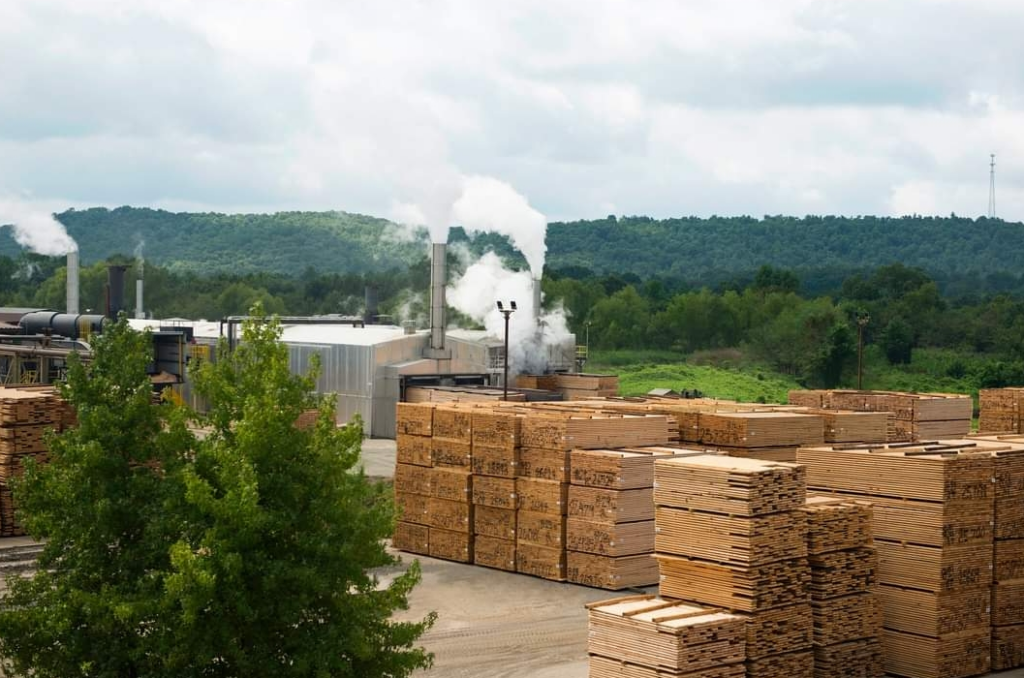
 JONESBORO — The Arkansas State University System board of trustees approved several policy changes during a meeting Friday at Arkansas State University. Trustees approved a policy to “ensure the efficient disposition of real property,” effective immediately. …Trustees also approved creation of a new hire and annual employee training policy — effective Jan. 1, 2026 — as the system doesn’t currently have a mandatory training policy. …Trustees approved naming the workforce training center at Arkansas State University Three Rivers for West Fraser for the next decade. …West Fraser “has made significant contributions to ASU Three Rivers, of a magnitude worthy of special gratitude and lasting recognition, including funding that will provide program support for workforce development and generous support through sponsorships, donations, resources, and collaboration that has created significant revenue for the college,” according to the resolution. …Over the past eight years, the college has collaborated on more than 15,000 training hours with West Fraser.

 LEBANON COUNTY, Pa. — A large fire at Weaber Lumber comes just over a month after the company filed for bankruptcy. Weaber, Inc. filed for Chapter 11 bankruptcy on Aug. 1, according to online records. The company also filed a WARN notice in July at its distribution center on 25 Keystone Drive. In that notice, the company said 145 people would be laid off from July 26 through Sept. 9 of this year. The fire broke out Monday night around 10 p.m. at the company’s headquarters at 1231 Mt. Wilson Road, and it took firefighters until Tuesday morning to bring the blaze under control over eight hours later.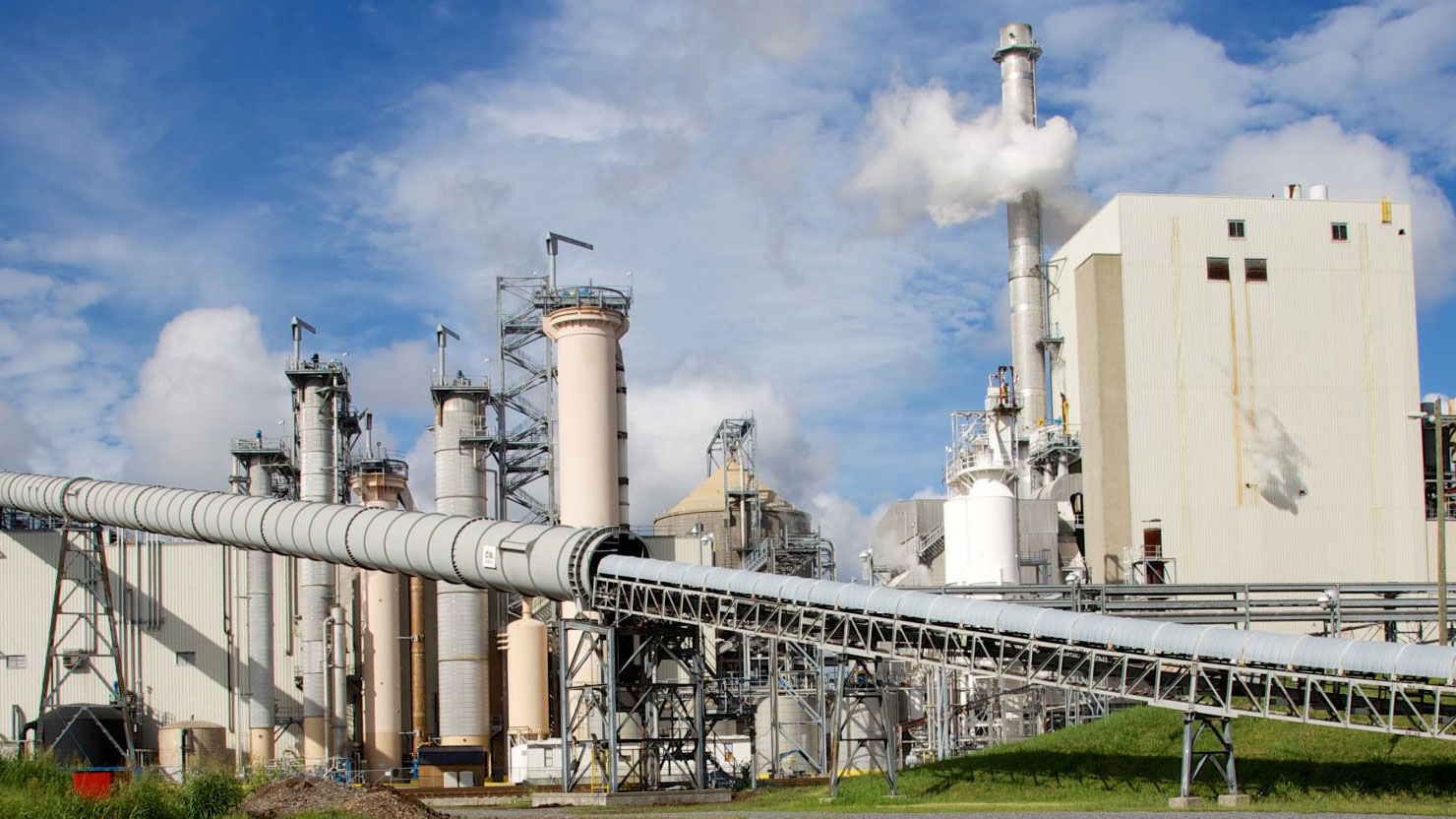



 SOUTH ANNVILLE TOWNSHIP, Pa. — A three-alarm fire ripped through Weaber Lumber in Lebanon County. Crews responded to the fire in South Annville Township around 10 p.m. on Monday. Flames could be seen leaping from the burning building. The blaze was upgraded to the third alarm, prompting a large firefighter response. According to Lawn Fire Company Chief Dillon Wilson, approximately 1.1 million gallons of water have been used from the on-site hydrant system to combat the fire. Tankers also brought in additional water to the scene. Chief Wilson said most of the building was engulfed in flames when crews arrived. “It got ahead of us,” Wilson said. The chief believes this building might have the most combustible materials under one roof in the state. Weaber Lumber has experienced multiple fires over the years. …For 80 years, Weaber has been proudly committed to the lumber industry and is one of the nation’s leading hardwood manufacturers.

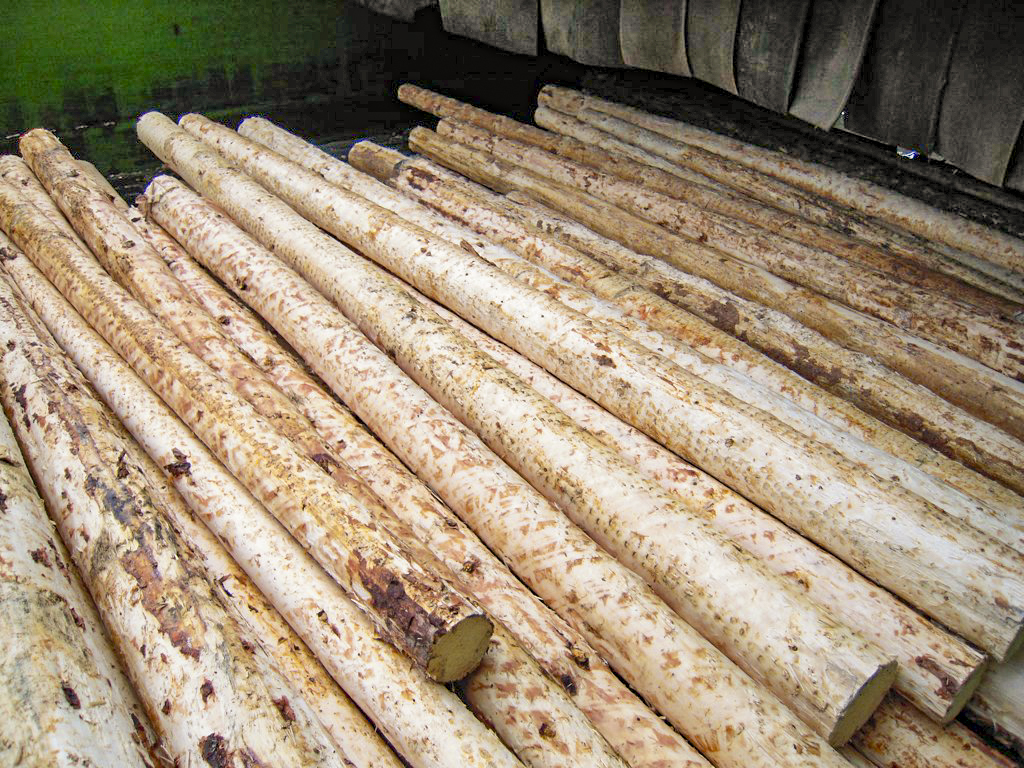 The timber industry, a cornerstone of South Carolina’s economy, is grappling the closure of several key mills. The recent shutdowns of mills in Darlington and Estill have sent ripples through the local supply chain, affecting forest management and the livelihoods of many in the industry. …The timber industry in South Carolina is struggling with significant challenges after major mill closures, including the International Paper Mill in Georgetown, the WestRock Plant in Charleston, the International Paper in Savannah and the Containerboard Mill in Riceboro. Michael Campbell, president and CEO of the South Carolina Timber Producers Association, highlighted the broader economic impact. “It’s a widespread county thing because the loggers tend to haul up to 100 miles away from the mill, so within 100 miles of that mill everything’s impacted,” he said. Despite some new mill announcements, Campbell said they are insufficient to compensate for the lost wood volume.
 DARLINGTON COUNTY, South Carolina — Monday marked the last day of operation at the Canfor sawmill in Darlington. The mill announced its closure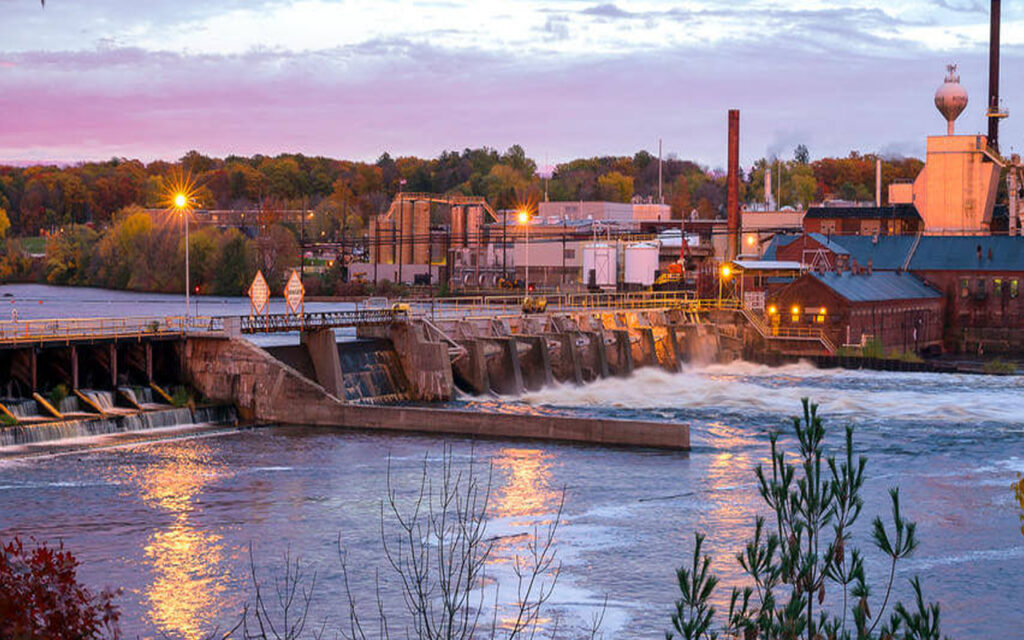
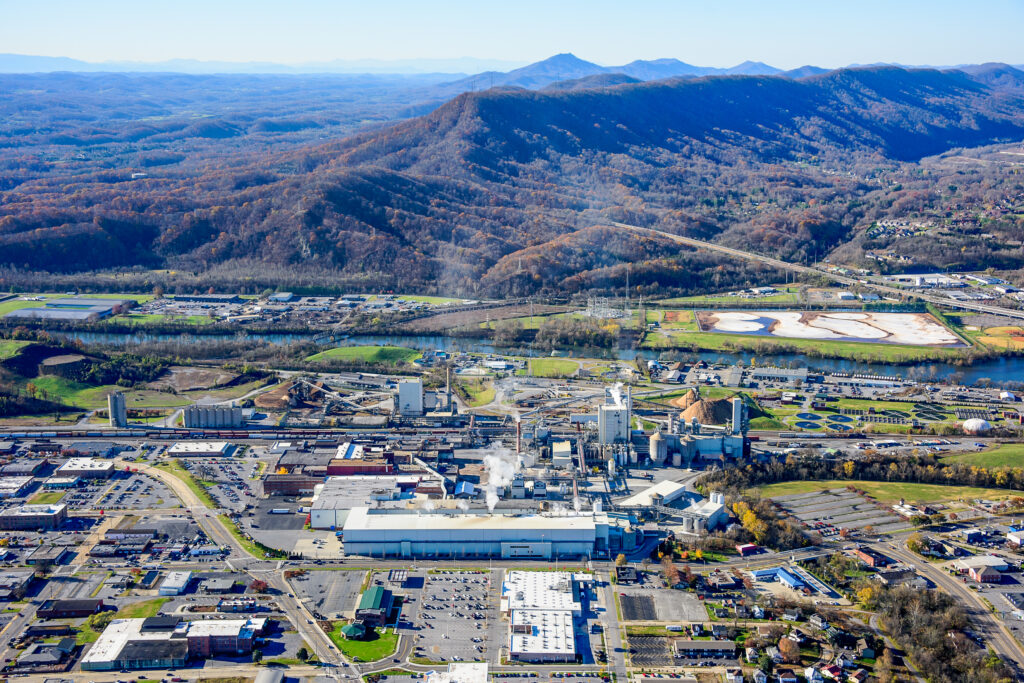


 KINGSPORT, Tennessee — Vera Gilmer, a 30-year Kingsport resident, arrived at the Kingsport Economic Development Board meeting for the update on Domtar’s packaging mill. She shared her frustration with the board about the mill’s odor over the last month. …Gilmer stressed that the smell has worsened recently. …Domtar mill manager Troy Wilson gave an update on the digester’s construction and addressed what could possibly worsen Domtar’s odor in the meantime. …Wilson said worsening odor is likely attributable to Domtar’s current wastewater treatment system, a lagoon system which he described as “antiquated” and sensitive to the weather. He also shared that the rainstorm that passed over Kingsport Wednesday last week put a strain on the wastewater system. …Domtar has spent $20 million on the digester so far. At its peak, the digester project will employ 140 people, according to Wilson.

 This study investigates the economic impact of sawmill entry and exits in Michigan between 2019 and 2023, a period marked by ongoing structural changes in the industry, including the closure of several large mills and the opening of smaller or mid-sized operations. Using observed employment changes… we applied an employment-based multiplier analysis to estimate how net sawmill job losses affected the statewide economy. The results show that while only 273 direct jobs were lost due to net changes from sawmill entry and exit during this period, the broader ripple effects were much larger, approximately 820 jobs and $211 million in output loss. These effects were most pronounced in labor-intensive sectors such as logging and transportation, as well as in downstream sectors like wholesale trade and real estate. The findings highlight the central role of sawmills in regional supply chains and states labor markets, with two-thirds of job losses occurring outside the mills themselves.


 ORONO, Maine — At the

 When Millard Dority came out of retirement to oversee the expansion of Jesup Memorial Library, he had one goal: to prove that Maine could produce its own cross-laminated timber. Instead, he uncovered a glaring hole in the state’s forest economy. …But with no CLT factories in Maine, the wood had to be trucked from New England to Illinois for processing, then hauled back to Bar Harbor—a headache in a state blanketed by forests. …The Jesup Library expansion is one of just 27 CLT projects in Maine, using spruce-pine-fir and eastern hemlock from New England. Forestry expert Andy Fast said these underused species are finding new life through CLT, but warned, “Supply chain efficiencies will determine whether it’s a viable product longer term.” Despite interest, Maine has failed to land a CLT manufacturer. LignaTerra Global and SmartLam both announced plans in 2018, only to back out. [to access the full story a Bangor Daily News subscription is required].

 Last April, a pair of teenage boys … set fire to wooden pallets someone had dumped in the woods. Within a few hours it became one of the fastest-moving and most destructive wildfires on record in the New Jersey Pinelands. By the time it was brought under control three weeks later, about 15,000 acres of preserved forest were destroyed, and thousands of people were forced to flee their homes and businesses. Most official accounts of what became known as the Jones Road Fire attribute its ferocious power to the intensifying cycles of drought and heat linked to climate change that continue to affect coastal areas. But forestry experts in New Jersey point to another cause. …On Sept. 18, the New Jersey Pinelands Commission took a big step toward more aggressive management of the state’s Pinelands National Preserve voting to thin out a 12,000-acre stretch of pine and oak woodland adjacent to the wildfire site.

 INDIANA — The controversial and slow-moving forest management plan inside the Hoosier National Forest hit another roadblock last week. All related activities — including timber sales, prescribed burns, road construction — have been temporarily halted by a court order. The Houston South Project would have opened up about 13,500 acres of the Hoosier National Forest to prescribed burning, 4,000 acres to logging, 2,000 acres to herbicide application and 400 acres to clearcutting. Opponents of the Houston South Project say this ruling is a meaningful step in the right direction. …Groups like the Indiana Forest Alliance have argued that cutting, spraying and burning on the steep slopes could lead to pollution in the reservoir jeopardizing drinking water quality and public health for the 130,000 people in the Bloomington area. …Chief Judge Tanya Pratt halted the project after finding that the USFS violated the National Environmental Policy Act in failing to consider the potential environmental impacts of the plan.
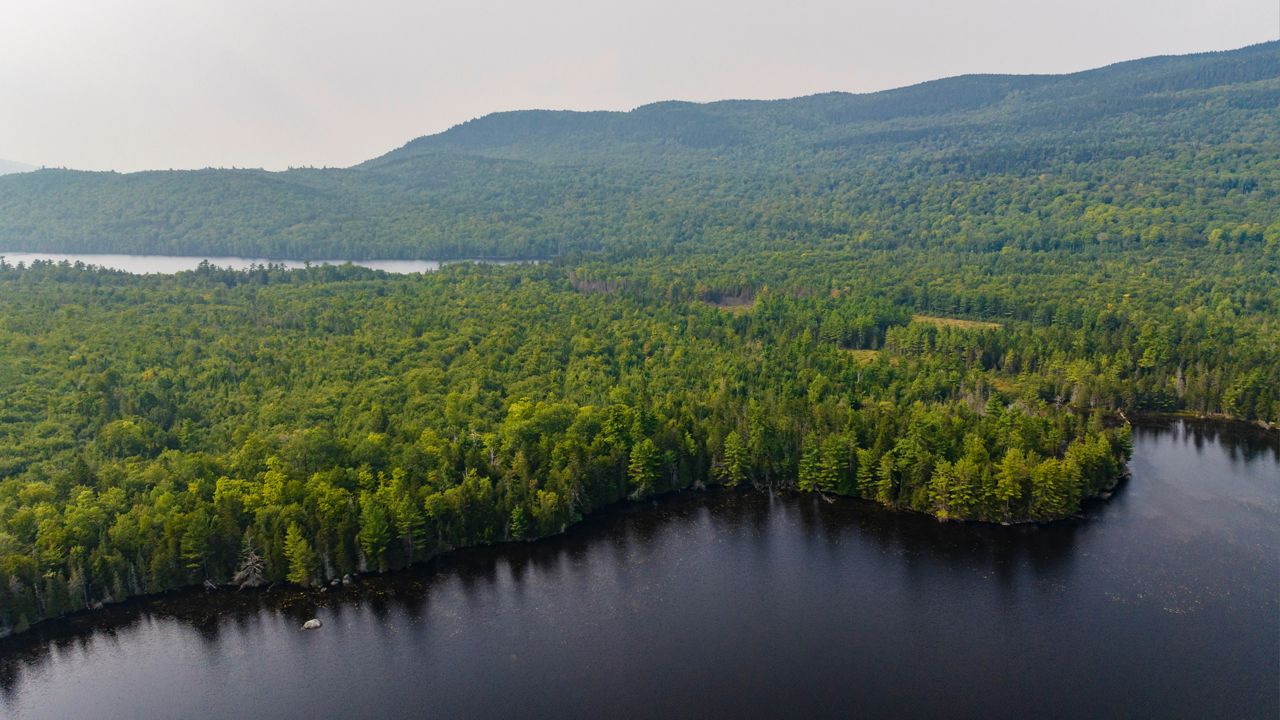

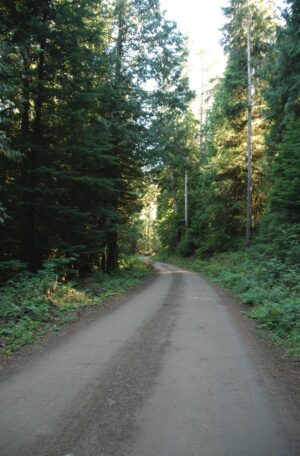 STEVENS POINT, Wisconsin — The Trump administration blitzkrieg on the environment is rumbling along, and 45 million acres of remote national forest lands are in their sights. These are areas protected by the Roadless Rule, adopted in 2001. …The administration is rushing the public comment period, with a deadline of Sept. 19. …There’s a good chance the administration has already made up its mind. But there’s something to say in this moment about being on the right side of history. …Why should Wisconsin care about the Roadless Rule, which is a huge deal in the West? Mike Dombeck, a Wisconsin native, was chief of the USDA Forest Service when the rule was adopted.” …It’s an important niche between wilderness and development. …It took a long time for us to recognize that suppressing fire actually contributes to uncontrollable wildfires. Fire has been a forest management tool for eons.
 The US Department of Agriculture (USDA) announced it would invest more than $8 million in five new projects, including one in North Carolina. These projects will improve forest health by reducing wildfire risk and improving water quality. …North Carolina has two primary wildfire seasons, one in the spring and one in the fall. …The five new projects include efforts across several states to restore and protect essential landscapes. The National Forest is launching the “Alabama Chattahoochee Fall Line Restoring Longleaf” project in Alabama. Colorado and Wyoming will see work in the Medicine Bow-Routt National Forest through the “Headwaters of the Colorado” initiative. Montana’s Lolo National Forest is beginning the “Blackfoot River Valley Landscape Mosaic” project, while North Carolina’s National Forests are moving forward with “Uwharries to Sandhills, Phase 2.” Finally, Oregon’s Mt. Hood National Forest will focus on “Hood River Wildfire and Watershed Resilience.”



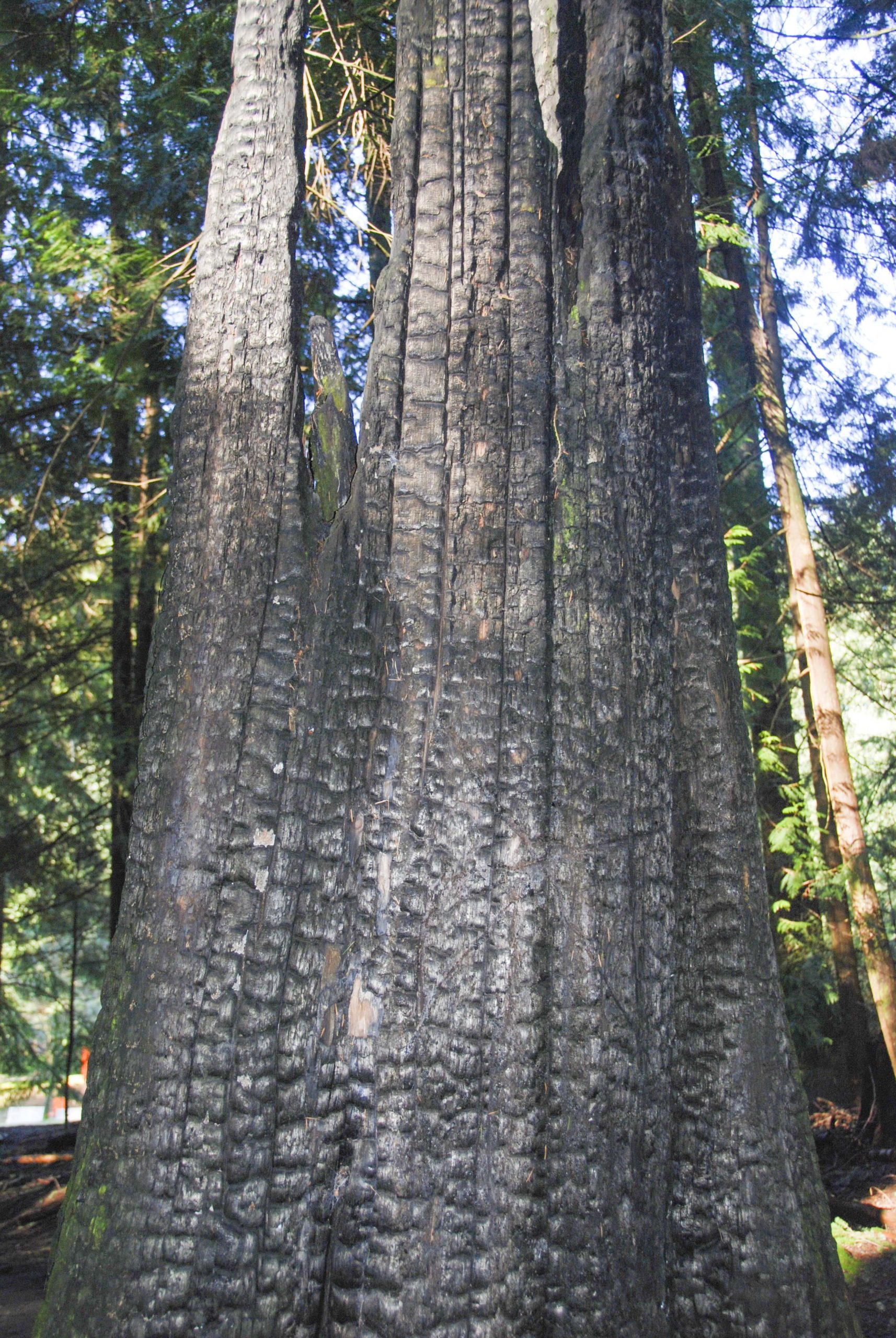 …a University of Delaware professor has found that there is something of value to be learned from what’s left behind in the remnants of a wildfire. The charred debris left in the wake of wildfires … is known as wildfire char. UD’s Pei Chiu, professor of civil, construction and environmental engineering, studies wildfire chars and the ways they just might prove useful in reducing methane, a powerful gas that traps heat in the atmosphere. Methane emissions come from many different sources, ranging from livestock manure to landfills and wastewater treatment plants. This work also informs his research on biochar — man-made chars created from leftover wood chips, rice husks, corn stover and other agricultural biomass — that can be used in soil amendments, stormwater treatment and other applications. Chiu shares five important facts about char — both natural (wildfire char) and manmade (biochar).
  The US Forest Service kicked off timber sales in the Hoosier National Forest this week despite resistance from advocacy groups and Gov. Mike Braun, who called the federal project “misguided.” The timber auction is part of a controversial forest management plan called the Houston South Project — an initiative the USFS says will promote tree growth, reduce disease and move the landscape toward “desirable conditions.” Local environmental advocates have been suing the agency to halt operations since 2020, saying the project could jeopardize the quality of drinking water 130,000 Hoosiers rely on in Lake Monroe. But the project is plowing ahead, despite local outcry and direct pleas from Braun to halt the project. The Forest Service declined to immediately comment to IndyStar’s request, instead asking for one to two weeks to respond. …The project includes prescribed burns on 13,500 acres of forest and permitting timber harvests on another 4,300 acres across the next 10-15 years.
 Near the bottom of a shady hillside in Jericho, a lone beech tree stretches high into the canopy, a relic of a bygone forest. Through luck or (hopefully) genetics, this mighty tree has avoided contracting beech bark disease—a fatal fungal pathogen that has proven deadly to mature beech trees. And it stands just outside a hotspot where a new pathogen called beech leaf disease (BLD) is spreading across Vermont forests. “Beech is here a lot as a sapling … but if you look out into the forest it’s not really common in the overstory,” said Jess Wikle Ph.D. ’24, lecturer in forestry and manager of the University of Vermont’s Research Forests. The beech trees that do succumb often send out a series of root sprouts before they die, turning a forest of big trees into a thicket of saplings. Beech leaf disease is different. It seems to be spreading faster and young beech trees tend to die first.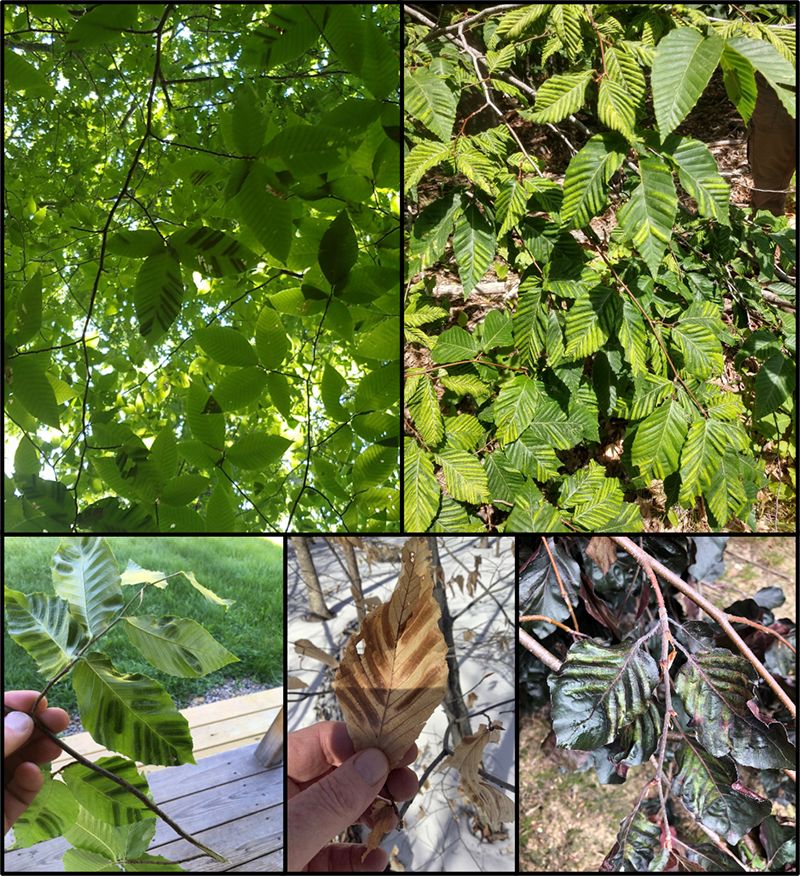

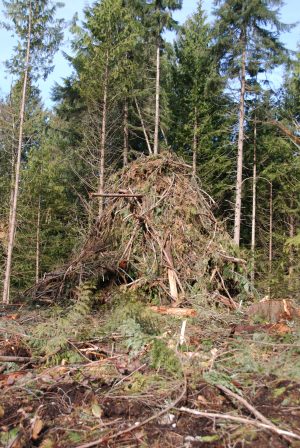 WISCONSIN — Lawmakers from northern and north-central Wisconsin are circulating a bill supporting Johnson Timber Corp. in Hayward to build a processing plant for aviation fuel made from logging debris to establish a processing plant in Wisconsin. The legislation would reward the company with a $60 million tax credit and access to $150 million in borrowing through Wisconsin’s bonding authority. Republican lawmakers wrote in a memo circulated Monday seeking cosponsors that the proposal would create 150 jobs and generate $1.2 billion a year in income after three years of operation. The processing plant in Hayward would be built by Johnson Timber Corp., in partnership with a German company… Synthec Fuels. Wisconsin along with Michigan and Minnesota are all vying for the project, Felzkowski said, “and the state that helps will be the first state” to get the facility and probably the headquarters for the overall processing operation.
 NEW YORK — Some countries’ leaders are watching rising seas threaten to swallow their homes. Others are watching their citizens die in floods, hurricanes and heat waves, all exacerbated by climate change. But the world US President Donald Trump described in his speech at the United Nations General Assembly didn’t match the one many world leaders in the audience are contending with. Nor did it align with what scientists have long been observing. “This ‘climate change,’ it’s the greatest con job ever perpetrated on the world, in my opinion,” Trump said. “All of these predictions made by the United Nations and many others, often for bad reasons, were wrong. If you don’t get away from this green scam, your country is going to fail.” Trump has long been a critic of climate science and polices aimed at helping the world transition to green energies like wind and solar.

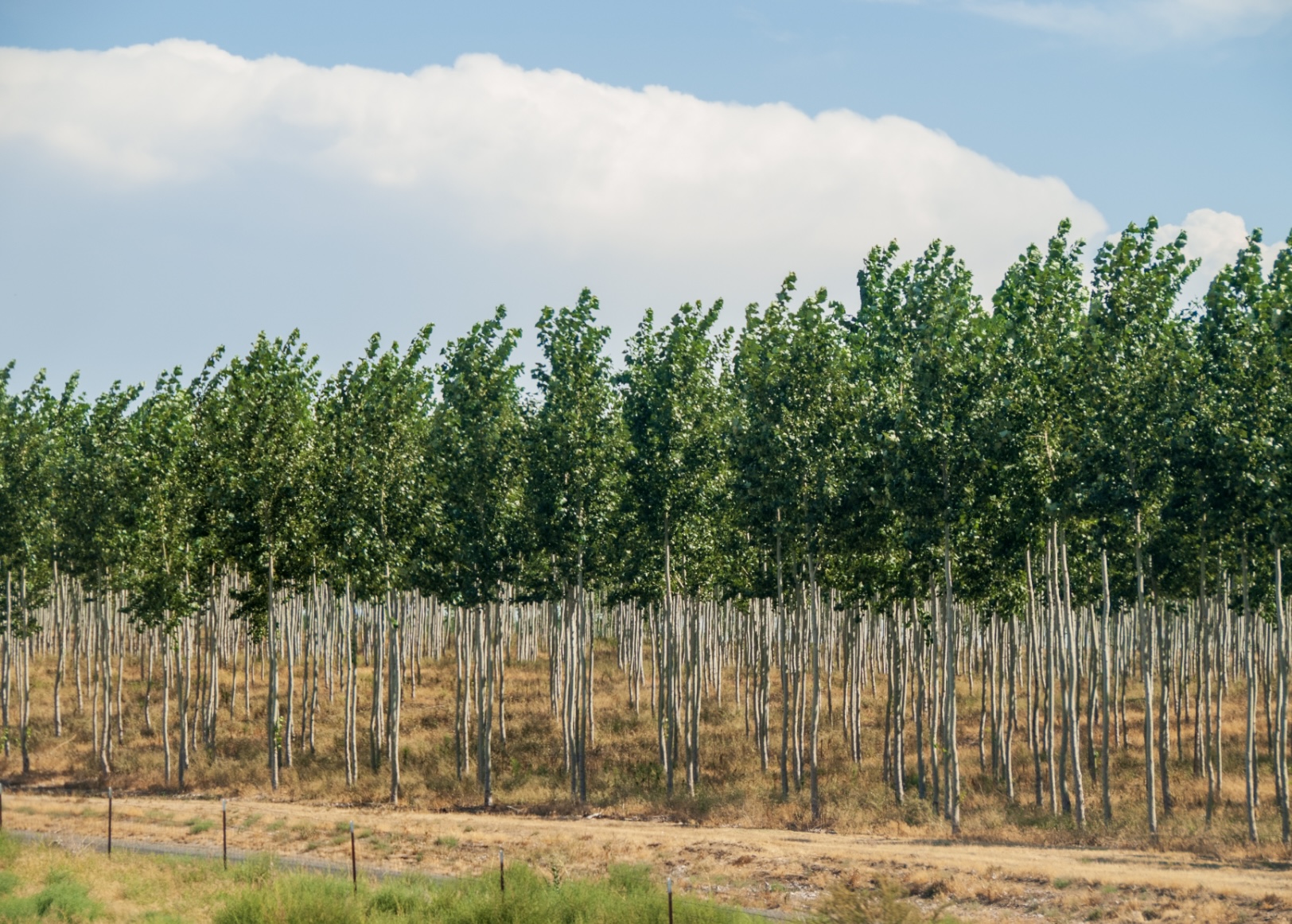 A new study, led by the University of Missouri, has uncovered how poplar trees can naturally adjust a key part of their wood chemistry based on changes in their environment. This discovery … could help create better biofuels and other sustainable products. The study, “Factors underlying a latitudinal gradient in S/G lignin monomer ratio in natural poplar variants,” was published in the journal Proceedings of the National Academy of Sciences. …”Understanding how plants make lignin could help us improve its conversion into high-value biomaterials and improve the competitiveness of U.S. biorefineries,” Jaime Barros-Rios, an assistant professor of plant molecular biology, said. Poplars are used in the paper and pulp industry. Now, they’re being explored as a source of bioenergy—fuels, plastics and other bioproducts. They are useful for scientific research because their genome has been fully mapped.
 Four people were taken to hospital in the US on 12 September after an explosion at the Fiberon site in Stanly County, North Carolina. Initial inspections of the facility, which manufactures composite decking and railing products, suggest the incident was a result of a dust explosion, officials said. …Several people received treatment at the site for minor injuries with four Fiberon employees taken to a local hospital. Fire crews managed to bring a small fire under control and extinguished it within a couple of hours. In a statement, the Stanly County Fire Marshal’s Office said an investigation was already underway involving several agencies… According to local media, the explosion wasn’t the first fire-related incident at the site. In 2020, several silos and a dust collector caught fire which resulted in a number of small explosions. No employees were injured, however two firefighters were hurt while attempting to extinguish a fire the following day.
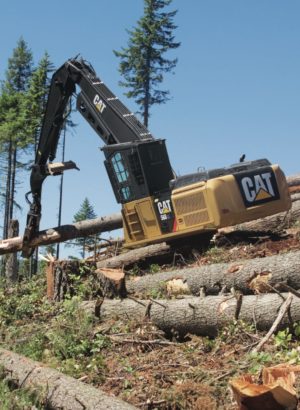 Mechanization has reduced fatal injuries for loggers in the northeastern United States but introduced new health risks linked to prolonged equipment use, according to interviews with 29 loggers across New York, Pennsylvania, and West Virginia. Participants reported concerns over weight gain, back pain, and cardiovascular risks from extended sedentary work, as well as mental stress from financial burdens and limited access to affordable health insurance. The findings come
