OLYMPIA, Washington — Washington state is investing $700,000 to support its apple and timber industries, creating at least 270 new jobs, Governor Bob Ferguson announced Thursday. The funding comes from the state’s Economic Development Strategic Reserve Fund, which uses unclaimed lottery prize money to help attract and retain jobs. The money will be split across three projects: Yakima County: $250,000 to prepare a site in Sunnyside for a new apple products processing plant. Forks: $200,000 for infrastructure upgrades at the Forks Industrial Park, where Riverside Forest Products USA plans a sawmill. Spokane Valley: $250,000 to expand a manufacturing facility for Mercer Mass Timber. Governor Ferguson said the investments, combined with private funding, will strengthen the state’s economy. Commerce Director Joe Nguyễn added the funds will help meet infrastructure needs, support local businesses, and create sustainable jobs.



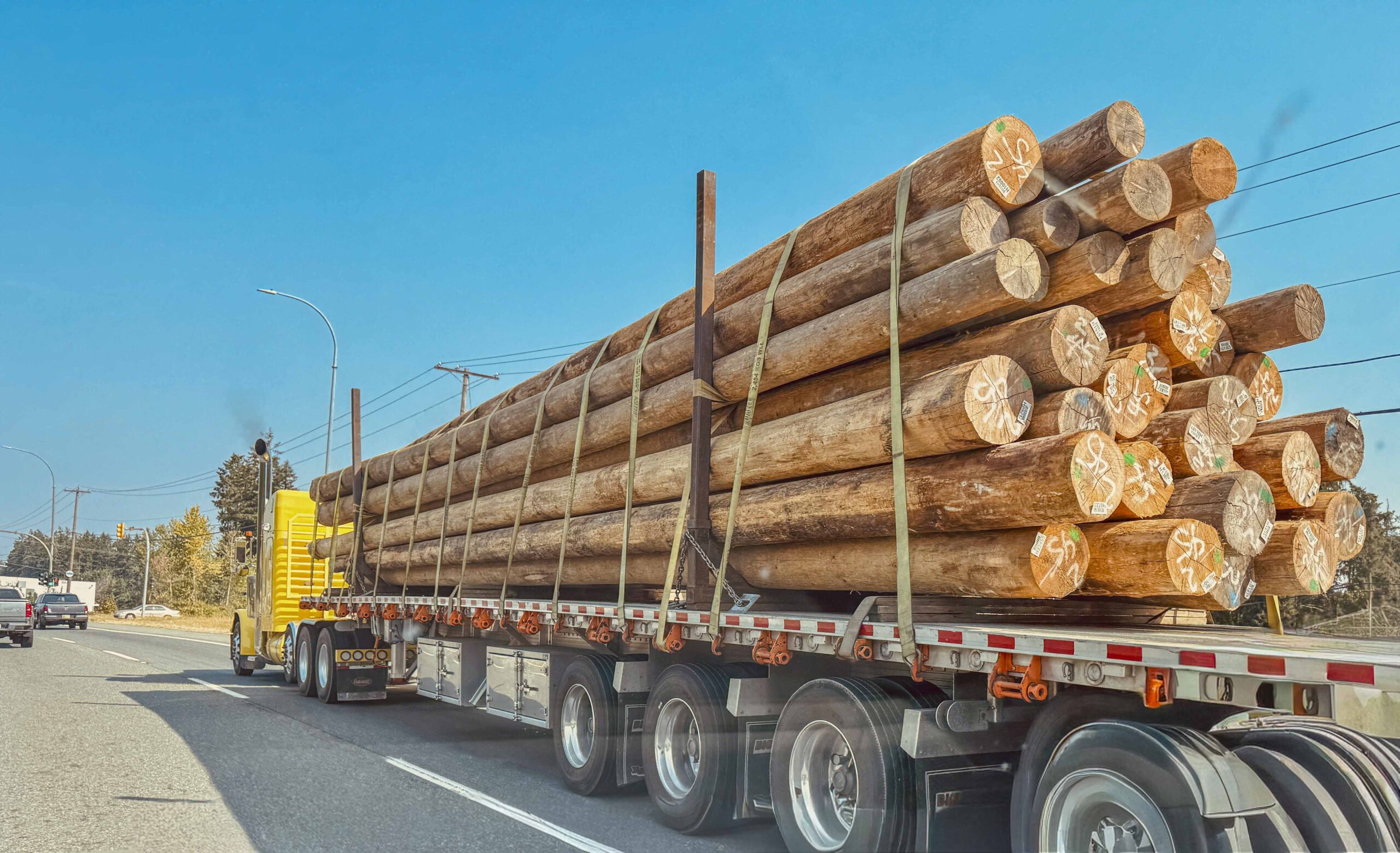
 EUGENE, Oregon — President Trump’s demand that the US increase timber output by a quarter is running into a math problem: Lumber companies may not make as much money on wood in the coming months. A steep drop in lumber futures prices nationally is jolting the wood products business just as the Trump administration is prodding the industry — including the government’s own forest managers — to ramp up production so the US doesn’t have to rely on imports. Futures prices on lumber at the end of last week dipped to $527 per MFBM, the lowest point in a year. For Weyerhaeuser, which operates a mill in Cottage Grove, Oregon, the pricing signal isn’t sounding alarms just yet. The mill’s in the middle of a multiyear modernization said representatives who figure the market is doing one of its usual seesaws. [to access the full story an E&E News subscription is required]
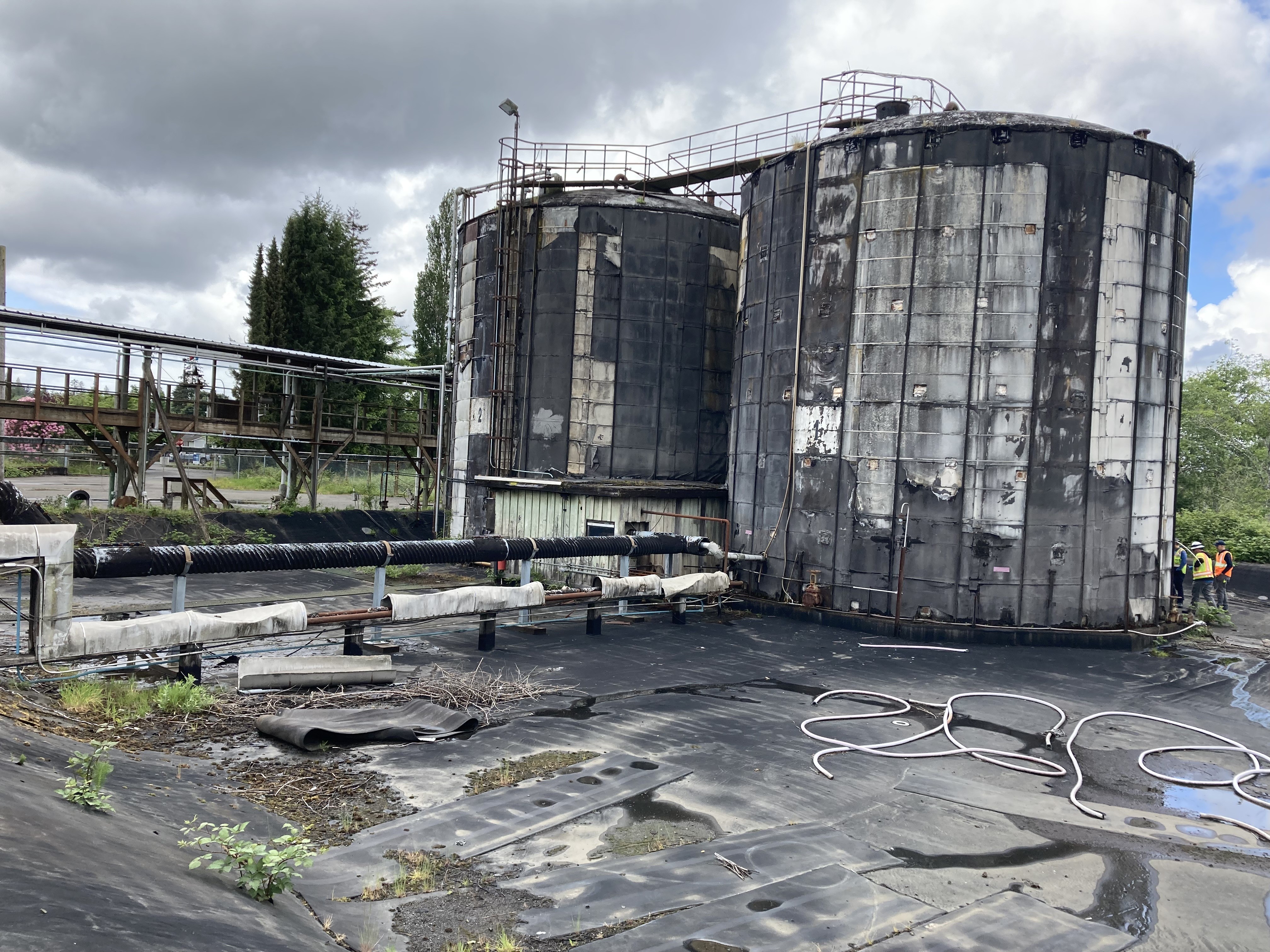
 SHERIDAN, Oregon — The Oregon Department of Environmental Quality (DEQ) has fined a Yamhill County wood treating company $1,055,825 for numerous violations of environmental regulations for water quality, hazardous waste and spill response and cleanup.



 Western Colorado — Communities across the Western Slope need scientifically sound, effective action that actually helps protect our forests and communities. That’s why so many of us are paying attention to the Fix Our Forests Act, now moving through Congress. …The Act leans heavily on boosting logging, and yes, thinning trees in the right places can improve forest health. The problem is that an agenda driven by timber harvesting often causes companies to cut the largest-diameter trees to meet timber quotas set by Washington, D.C. Instead, restoration forestry is the science-backed solution that we really need. …There are real solutions to today’s forestry challenges. …We have the tools – they just need more funding and staff to do the job. …I urge our senators to do all they can to improve the bill before final passage, keeping the public at the table, as they the most to lose if we don’t get this right.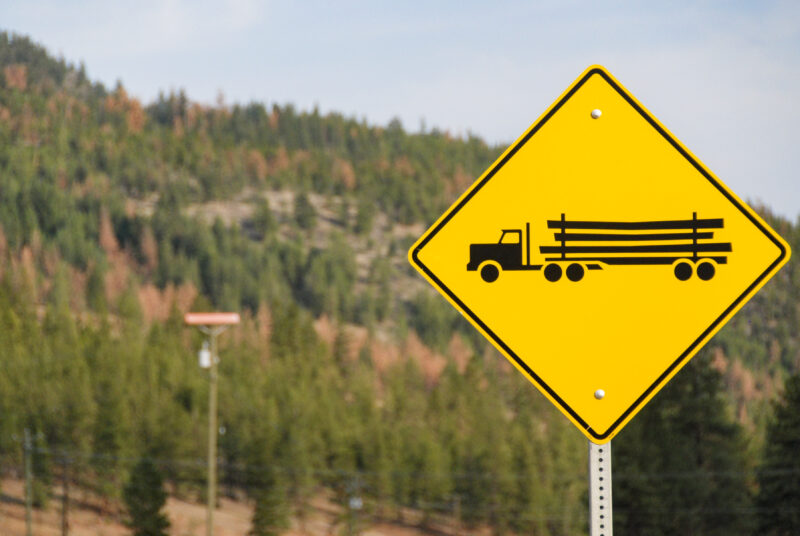
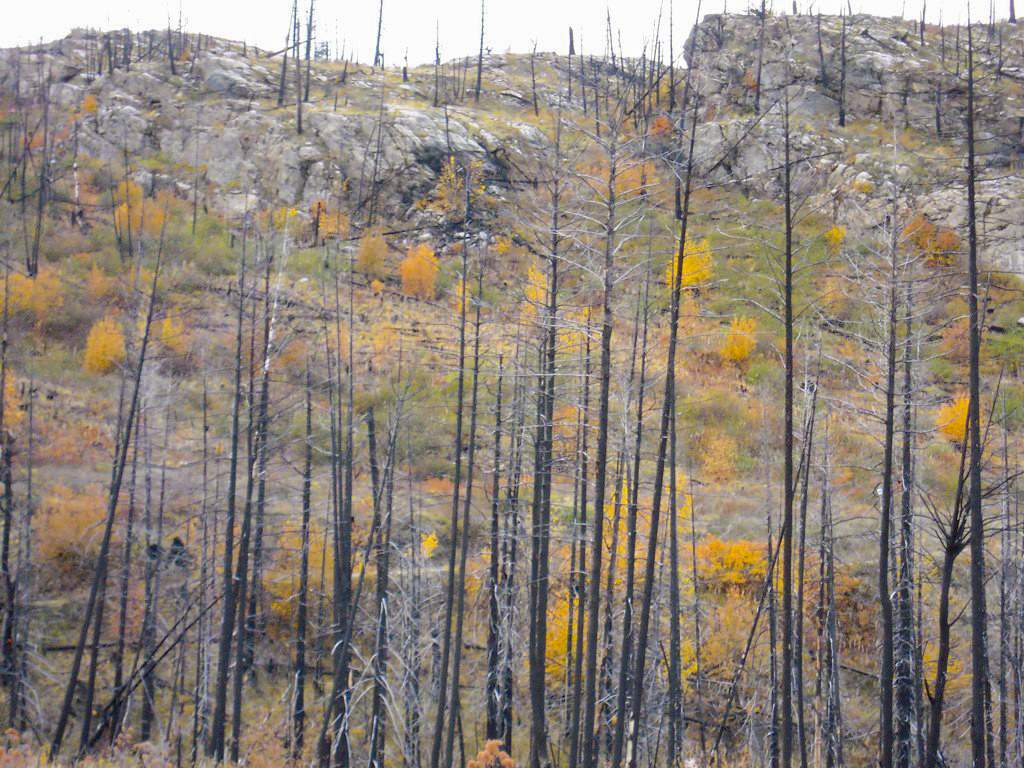
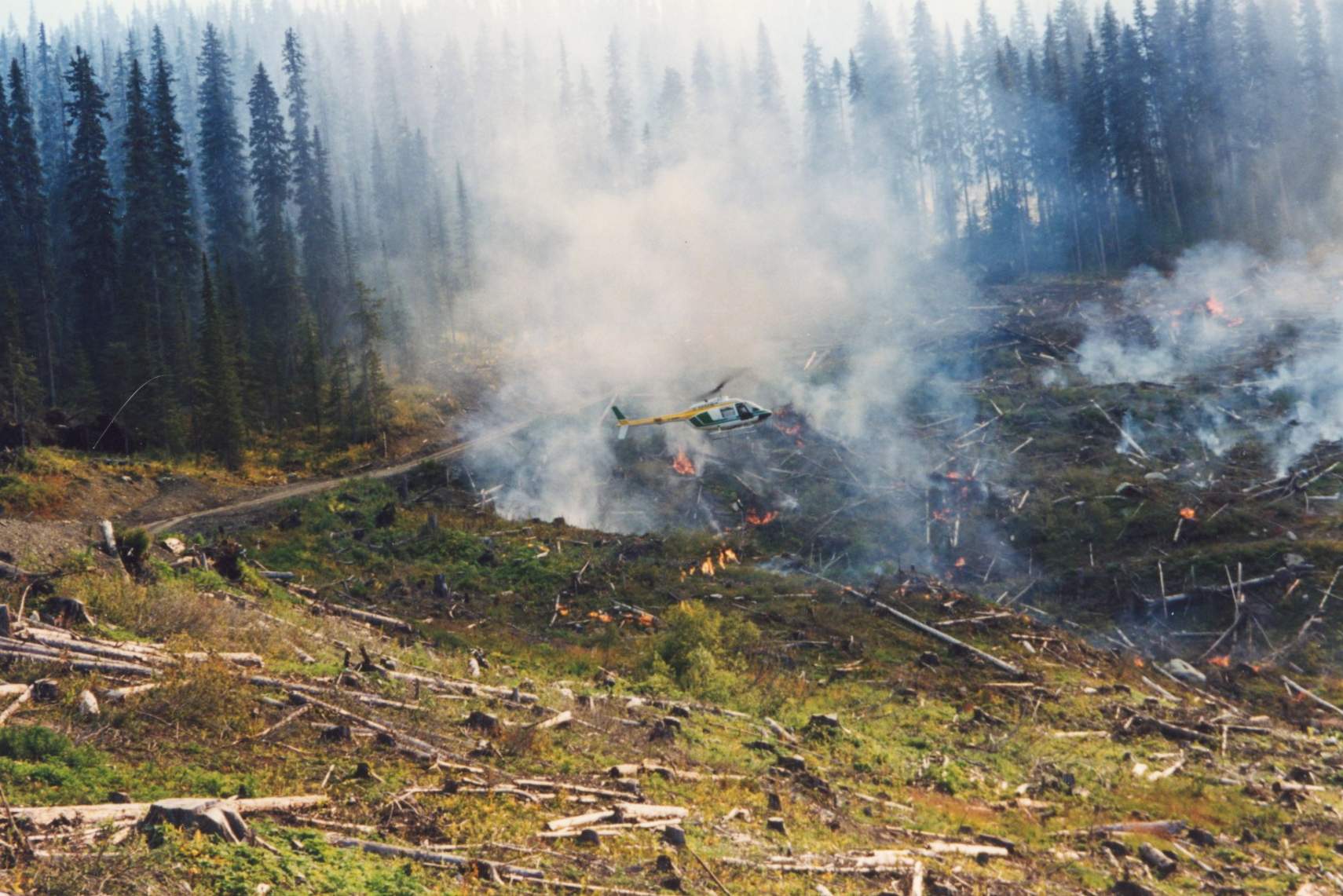 Despite the Trump administration’s pledge to aggressively clear overgrowth from national forests, the U.S. Forest Service is falling significantly short on wildfire mitigation work. By mid-September, the agency had only treated about 2.2 million acres through thinning and prescribed burns. That’s far short of the over 4 million acres treated during the last year of the Biden administration, and it’s also behind the agency’s annual average over the past decade. Forest Service Chief Tom Schultz blamed “operational challenges” and said agency resources were diverted to help battle blazes in Canada. However, Senator Ron Wyden of Oregon is blaming the slowdown in fuel treatments on the Trump administration firing thousands of Forest Service employees earlier this year. …the government shutdown has stopped wildfire prevention efforts across the country’s entire 193 million acres of national forest land [at] the ideal time for the agency to conduct safe prescribed burns across the West.
 Roughly 500 years ago in California’s High Sierra, pine cones dropped to the ground and a cycle began. …Half a millennia later, US Forest Service scientists began testing strategies to save these now ancient and massive trees in the little-known area east of Fresno called the Teakettle Experimental Forest. They had plans to light a huge prescribed burn to clear overgrowth next year. But then the Garnet Fire ignited and scorched all 3,000 federally protected acres on its path through the Sierra National Forest. …Scott Scherbinski, a biologist at the Climate & Wildfire Institute, said “It will be a start-over event for this forest.” …Malcolm North, a Forest Service ecologist said…fires with less intensity can be beneficial in California’s fire-adapted landscapes, but the Garnet Fire, when it burned through in September, may have killed most trees and sterilized the ground — making it unlikely the forest can rebound without intervention. [to access the full story a San Francisco Chronicle subscription is required]
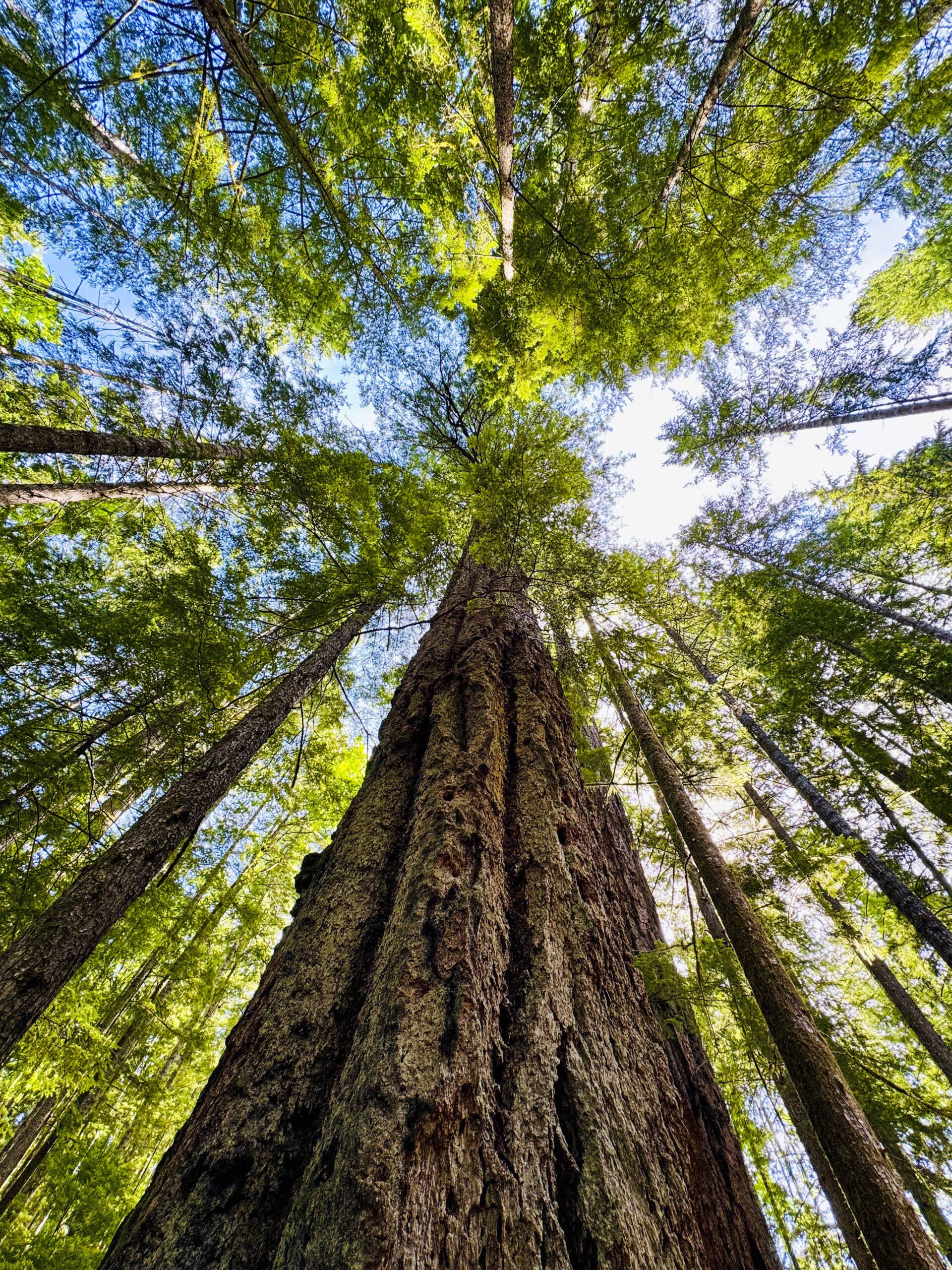 Drought and insects have killed an unprecedented number of Oregon’s Douglas fir trees during the last decade, costing billions in timber value, damaging infrastructure and ramping up wildfire danger. Beginning in 2015 and accelerating with the 2021 heat dome, roughly 635,000 acres of forest have been impacted by what’s known as Douglas fir “dieback” in southwest Oregon and the Willamette Valley. “It’s hitting trees of all sizes, but it’s hitting larger and older trees the hardest,” Max Bennett, a retired forest researcher with Oregon State University, told members of the Oregon Legislature on Sept. 30. “What we’re seeing now is unprecedented.” The dieback has led to $1.1 billion in lost timber value, $500 million in potential road hazard costs and created a tinderbox of forest fuel capable of spawning the West’s most destructive wildfires, a group of foresters and researchers told the House Committee on Agriculture, Land Use, Natural Resources and Water.
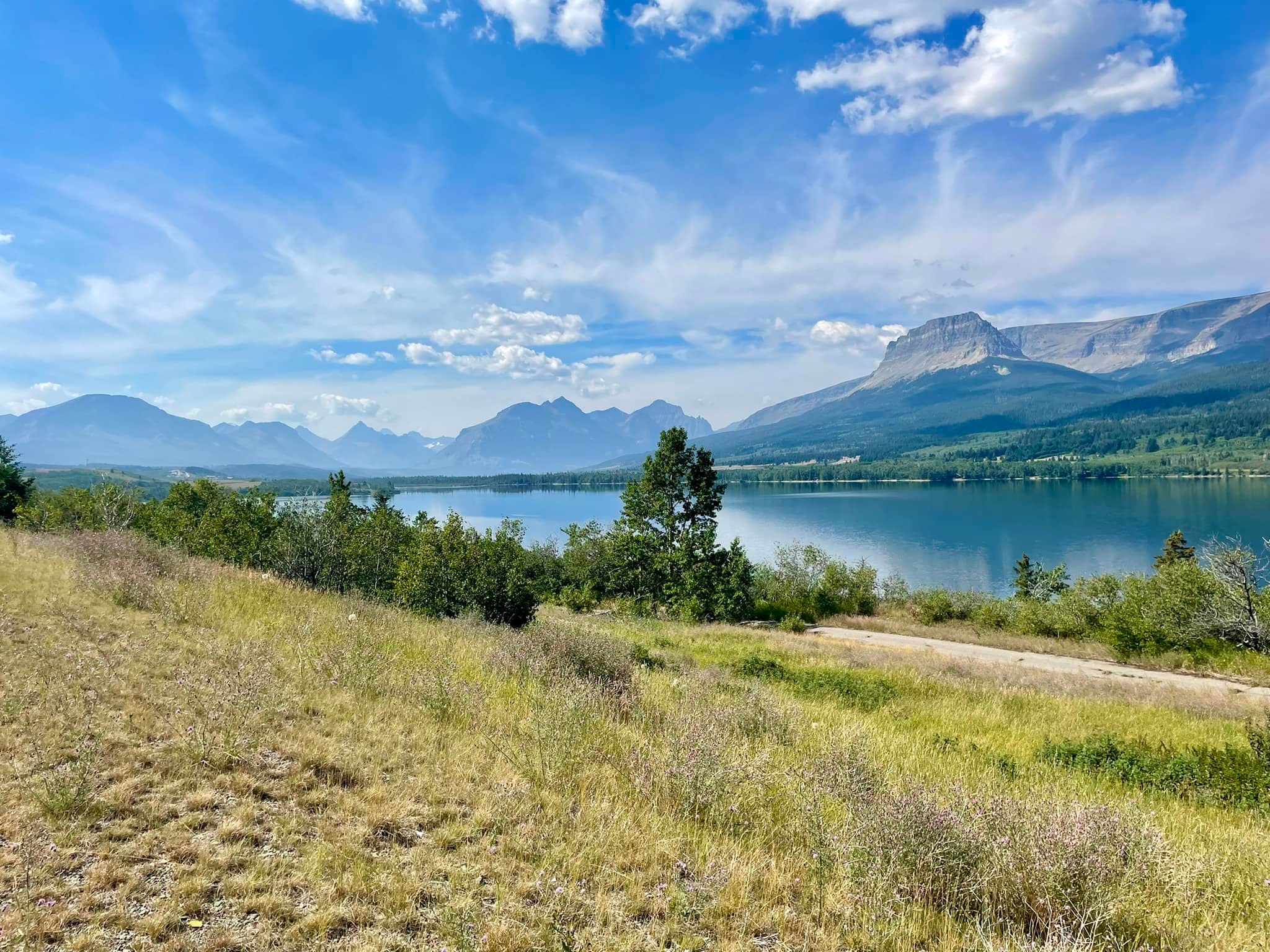 A coalition of conservation groups’ attempt to stop a forest project in Montana’s Bitterroot National Forest fell flat on Tuesday when a magistrate judge recommended the court toss their claims. In her findings and recommendations, U.S. Magistrate Judge Kathleen DeSoto noted inconsistencies in the conservation groups’ arguments across different filings, leading to many of their claims being waived. “Therefore, defendants argue, plaintiffs have conceded these issues,” DeSoto wrote. “Defendants further point out that several of plaintiffs’ arguments are raised for the first time on reply.” The groups challenged the planned Mud Creek Vegetation Management Project, claiming it violates multiple federal conservation acts by failing to provide exact details of where logging and burning will take place, as well as what effects it will have on the environment. The project will include logging, thinning, controlled burns and road construction on 48,000 acres of federal forest. It is intended to mitigate wildfire risk.
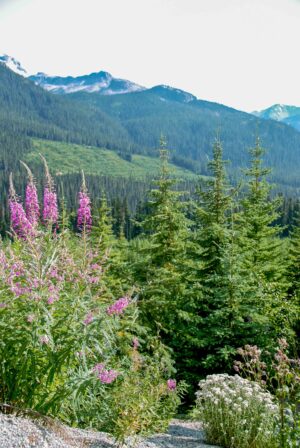 OREGON — George Sexton said he’s attended a couple dozen timber auctions during his 23 years as conservation director at KS Wild, an Ashland-based environmental group. But when he showed up at the Bureau of Land Management office in Medford on Sept. 25 for a timber auction, he, a lawyer and a reporter for Jefferson Public Radio were not allowed to enter. Sexton said that for years, he’s attended the auctions to observe and make sure BLM follows its laws and that bidders know about potential lawsuits. In this case, KS Wild is planning litigation to stop the “Take A Chance” timber sale, one of the four that was being offered. Sexton said the public has only been blocked from the meetings recently, coinciding with the Trump administration’s focus on increasing logging. BLM said closing timber auctions isn’t a new policy and that it was never intended as a “public meeting.”
 WASHINGTON — Tribal lands in the Pacific Northwest are earning national recognition for something the US Forest Service has struggled to achieve: healthy, resilient forests. …Their success is rooted in thousands of years of stewardship and a willingness to act where federal policy too often stalls. Long before European colonization, Indigenous people actively managed forests through cultural burning and selective thinning. “In my neck of the woods, there was a five to 15 year fire return interval that was clearly from tribal management,” said Cody Desautel, of the Confederated Tribes of the Colville Reservation, which extends across Washington and into British Columbia, Oregon, and Idaho. …“When you’re not managing these forest types like they were previously managed, Mother Nature is going to have a course correction and reset the clock,” said Steve Rigdon, tribal partnership stewardship and resource manager at Sustainable Northwest. That course correction has arrived.
 IDAHO — After a slew of firings and deferred resignations last winter, the loss of federal workers left holes throughout the Northwest. “When we get to peak fire season, it’s kind of an all-hands-on-deck call, if you will,” said Jim Wimer, a fire prevention officer for the Nez Perce-Clearwater National Forests. US Forest Service employees who are normally in the office — like wildlife biologists or hydrologists — jumped in to help with fire information this summer, he said. …Workers even drove trucks with supplies to wildfires, often working overtime to help, he said. Not only does it help local fire efforts, but it also gets people out to other parts of the country to gain unique experiences and helps other forests that are in similar situations, Wimer said. …This year, there have been 364 fires on land the agency manages, but not a lot of acreage burned, he said.




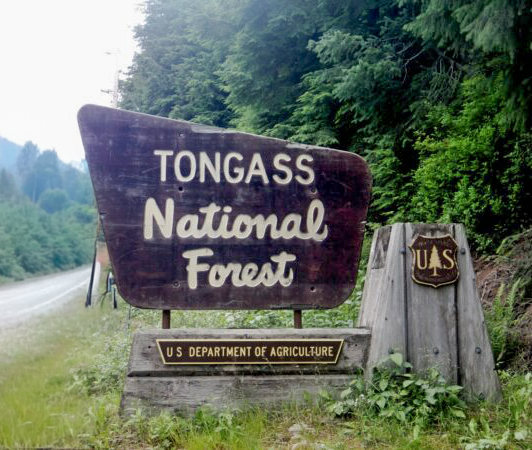 The U.S. Department of Agriculture announced this summer it was moving to rescind the Roadless Rule, a 2001 law that protects large swaths of National Forest land from development. That includes more than half of the Tongass National Forest, where Juneau is located. On Saturday, more than 100 people gathered in the state capital to protest the move. …Alaska’s Congressional delegation unanimously supports the rollback of the Roadless Rule. U.S. Sen. Lisa Murkowski has said that most of the Tongass would still be protected without it — the parts of the forest that are already designated as wilderness. …But protesters say Alaskans have more to lose in risks to the land and waterways than what they have to gain through further development. Lingít elders and fishing and tourism industry experts took the mic Saturday to deliver a message: the Roadless Rule should be left alone.
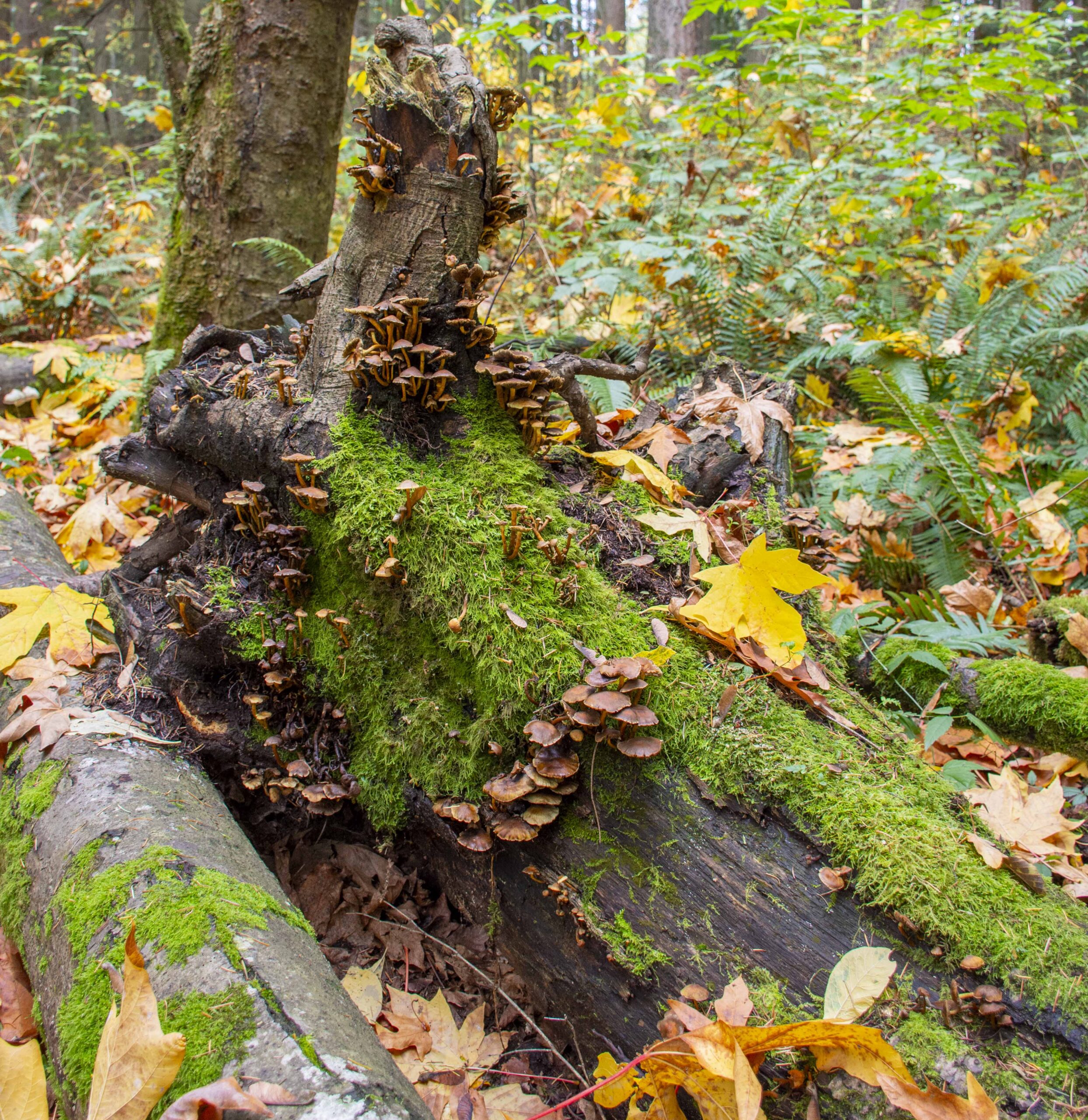 Mark Harmon, a longtime faculty member at Oregon State University, has been watching number 219, and more than 500 other logs nearby, decay for 40 years. He has trekked to this site in the H. J. Andrews Experimental Forest, a watershed nestled in Oregon’s western Cascade Mountains, at least 100 times. His goal: establish an exhaustive baseline dataset that any scientist could use to test hypotheses about tree decomposition or to compare patterns of decomposition in the Pacific Northwest with those in other regions. …In a 2020 analysis, Harmon and his colleagues estimated that decay rates can vary by a whopping 244-fold across species and climates. …Scientists used to assume that decomposition was instantaneous, Harmon says—that when a tree dies, it essentially disappears. “But that’s not true anywhere on Earth, and it’s never been true,” he says. A dead tree is “just a transition to something else.”
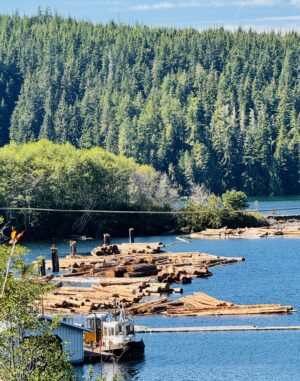 The Trump administration is looking to finalize a repeal of a longstanding Roadless Rule with a public comment period that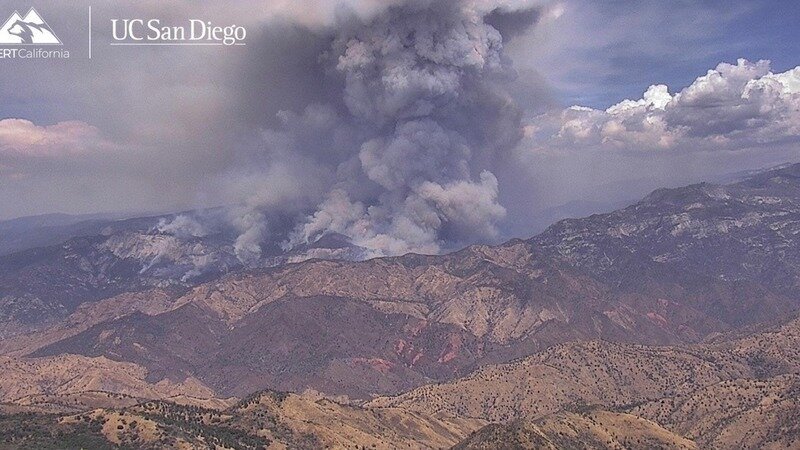
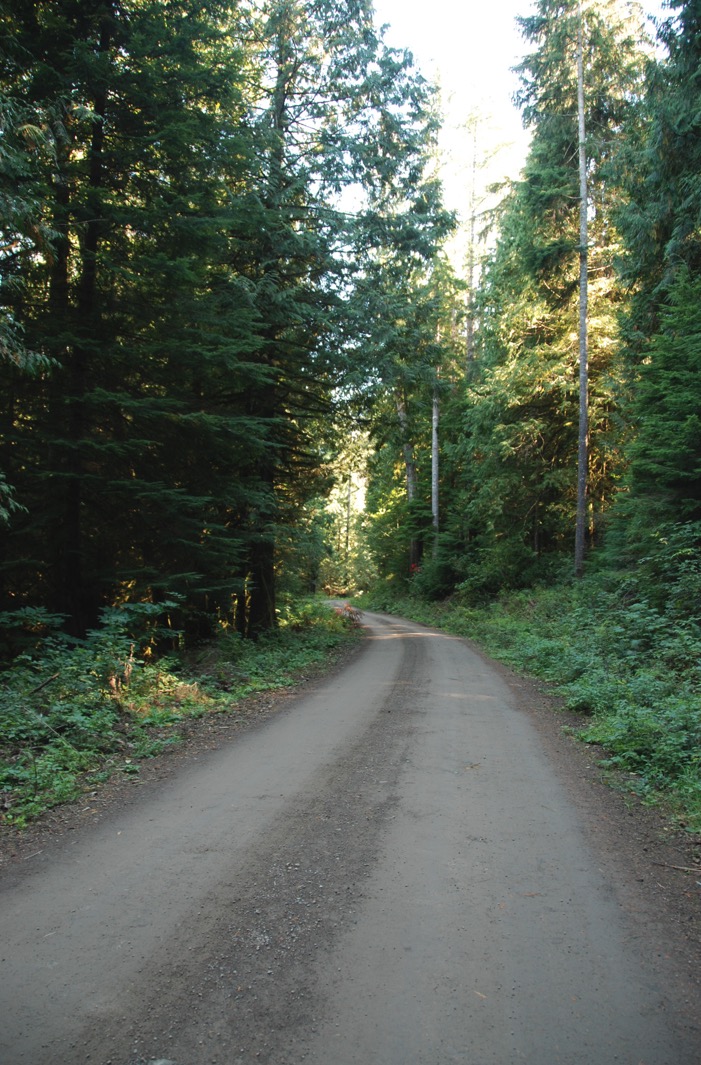 President Donald Trump’s Secretary of Agriculture has moved to rescind the “roadless rule” that protects portions of national forests from development — including 4.4 million acres in California — and members of the public can still submit comments about the change to the federal government. Every national forest in California would be affected. Commenters can weigh in through the online form on regulations.gov through Sept. 19; the docket is FS-2025-0001-0001. Since 2001, the roadless rule has protected designated areas from development and logging, limiting or barring the construction or reconstruction of roads. About 21% of California’s national forestlands are protected. Throughout the U.S., the 2001 rule covers 59 million acres. The administration has said the move to end the rule would open up these forests to more logging and has said that more roads would help with wildfire prevention. As NPR reported, the U.S. Forest Service has previously found that roads appeared to do nothing to mitigate wildfires.
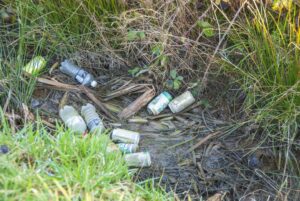 LINCOLN COUNTY, Oregon — Travelers exploring private timber lands along the Oregon Coast may encounter locked gates or restricted access, but this is not due to a desire to keep citizens off the property, the Lincoln County Sheriff’s Office said. The closures are a response to increasing incidents of littering, vehicle abandonment, theft of forest products, and criminal mischief. Common acts of vandalism include property destruction by 4x4s and ATVs in unauthorized areas and damage to road access gates, officials said. These actions not only destroy the natural beauty of the forests but also incur costs for cleanup and repairs, which are paid by private timber companies and taxpayers.
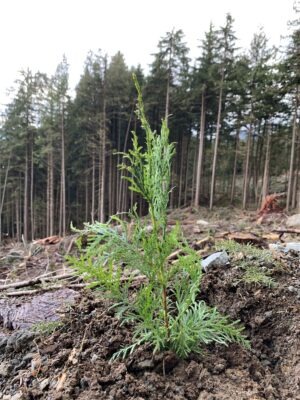 The increase in wildfires over the past few decades is changing the Colorado landscape in more ways than one. Not only do fires temporarily decimate the impacted areas but according to research out of Colorado State University, they are actually changing how, and if, forests regenerate post fire. “There are definitely some places where they’re coming back really well; it just takes a long time for trees to grow back,” said Camille Stevens-Rumann, CSU associate professor of Forest and Rangeland Stewardship. “But there are definitely other places that are not recovering and are not turning back into the forests that we expect them to be. …Reseeding efforts in these locations have shown mixed results, forcing researchers and forestry officials to look at alternative species. …“I think we do have to adapt and think about the fact that those forests are going to look differently.”
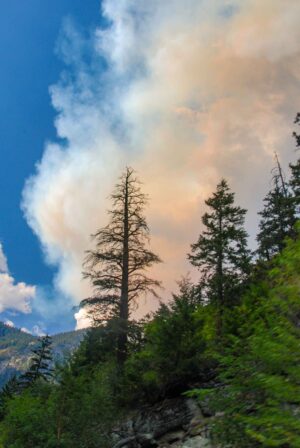 The western United States is facing another destructive wildfire season. …As US forests burn, Congress and federal agencies are asking an important question: What role should federal land management play in reducing fire risk? …Several of the current federal proposals for managing fire risk focus on increasing timber harvesting on federal lands as a solution. They also propose speeding up approvals for those projects by limiting environmental reviews and public oversight. As experts in fire science and policy, we see some useful ideas in the proposed solutions, but also reasons for concern. While cutting trees can help reduce the severity of future fires, it has to include thinning in the right places to make a difference. Without oversight and public involvement, increasing logging could skip areas with low-value trees that need thinning and miss opportunities for more effective fire risk-reduction work.
 Today’s Lookout
 Colorado’s state-specific rule for largely protecting roadless areas in its national forests will be spared from a Trump administration effort to remove such protections on a broader basis. Agriculture Secretary Brooke Rollins said in a news release on Wednesday that a public comment period is opening on her previously announced proposal to do away with the 2001 national roadless rule. But the Agriculture Department also said in the news release that state-specific rules in Colorado and Idaho won’t be affected by the proposal. Altogether, the proposal would apply to nearly 45 million acres, the release said. Eliminating the rule would open roadless areas to road-building. The existing rule has limited activities such as logging in those areas, and was instituted at the end of the Clinton administration.
 A year after Oregon endures its most destructive fire season on record in 2020, state lawmakers order a map estimating the wildfire risk for every property in the state. It’s the kind of rating now available on real estate sites like Zillow. The state wants to use the results to decide where it will apply forthcoming codes for fire-resistant construction and protections around homes. Around the same time, insurance companies start dropping Oregon homeowners’ policies and raising premiums to limit future losses, much as they have done in other disaster-prone states. Insurers have their own sophisticated risk maps to guide them, but some brokers instead tell homeowners the blame lies with the map. The belief gets treated as fact both on social media and in mainstream news — even though insurers and regulators say it’s not true. …By the time the state pulls back the map, the myths about it have gained so much momentum there’s no stopping them.
 For a small but growing number of Oregon forestland buyers, timber output is no more than a potential byproduct. Their purchases are driven less by a desire for logs than for clean, drinkable water. …city governments have long drawn their drinking water from surrounding forests, but experts say more are now actually buying the tracts encompassing those crucial streams and rivers. …The prospect of hotter, drier weather diminishing summer stream flows — even as populations keep growing — is spurring cities to assert more control over their water supplies, experts say. …Apart from water quality considerations, cities are buying forested watersheds to encourage old growth characteristics, with the intent of actually boosting water supplies over the long term, experts say. …Though municipal ownership of forest watersheds is intended to pre-empt disputes between cities and timber operators, the arrangement can still lead to tension over management decisions.
 An executive order by Washington Commissioner of Public Lands Dave Upthegrove has put 77,000 acres of older forests off-limits to logging. …Some local activists call these old-but-not-quite-old-growth stands “legacy forests,” and have resorted to protests, including tree sits and road blockades, to stop them from being sawed down. Upthegrove’s order would also allow logging to go forward on 29,000 acres of those almost-old-growth forests. Some environmental groups praised the move, while others say it greenlights too much logging of the best remaining older forests. …Forest activists still hope to save some of areas slated to be logged over the next five years. …State officials say that timber harvest levels — and the revenue that goes to schools and counties — would be largely unaffected by the executive order. …The Department of Natural Resources has 346,000 acres of structurally complex forests on the 2.4 million acres of forestland it manages.
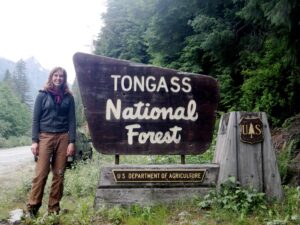 Ten members of the US House of Representatives’ Committee on Natural Resources are making an unusual visit to Alaska this week during a break from business on Capitol Hill. The 45-person committee deals with a variety of issues pertaining to public lands in the United States, and the visit is giving eight Republicans and two Democrats a chance to put their literal hands on the topics they cover. …Among the group was the committee’s chairman, Rep. Bruce Westerman, R-Arkansas, as well as the home-state Republican Rep. Nick Begich. Also attending were Reps. Harriet Hageman, R-Wyoming; Tom Tiffany, R-Wisconsin; Pete Stauber, R-Minnesota; Rob Wittman, R-Virginia; Val Hoyle, D-Oregon; Paul Gosar, R-Arizona; and Sarah Elfreth, D-Maryland. …Several of the Republican lawmakers said they believe there is room to increase logging in the Tongass in order to meet the demand for lumber to build housing, particularly locally.

 The Northwest Forest Plan (NWFP) was developed in 1994 for the 24 million acres of federal land within the range of the northern spotted owl… A network of large reserves for the spotted owl across its range (late successional reserves (LSRs)) were created in the NWFP along with a system of riparian buffers to protect streamside areas. …The Forest Service is currently updating the NWFP and chartered a committee under the Federal Advisory Committee Act to help advise on amending the plan. …We strongly endorse this proposal for widespread restoration treatments in dry forests inside and outside of the LSRs. Reducing stand densities in these forests while retaining all trees over 150 years of age is essential to owl survival, as is reintroduction of fire as a regular management tool. …Integrating forest restoration in dry forests with spotted owl conservation is one of the biggest challenges in updating the NWFP.
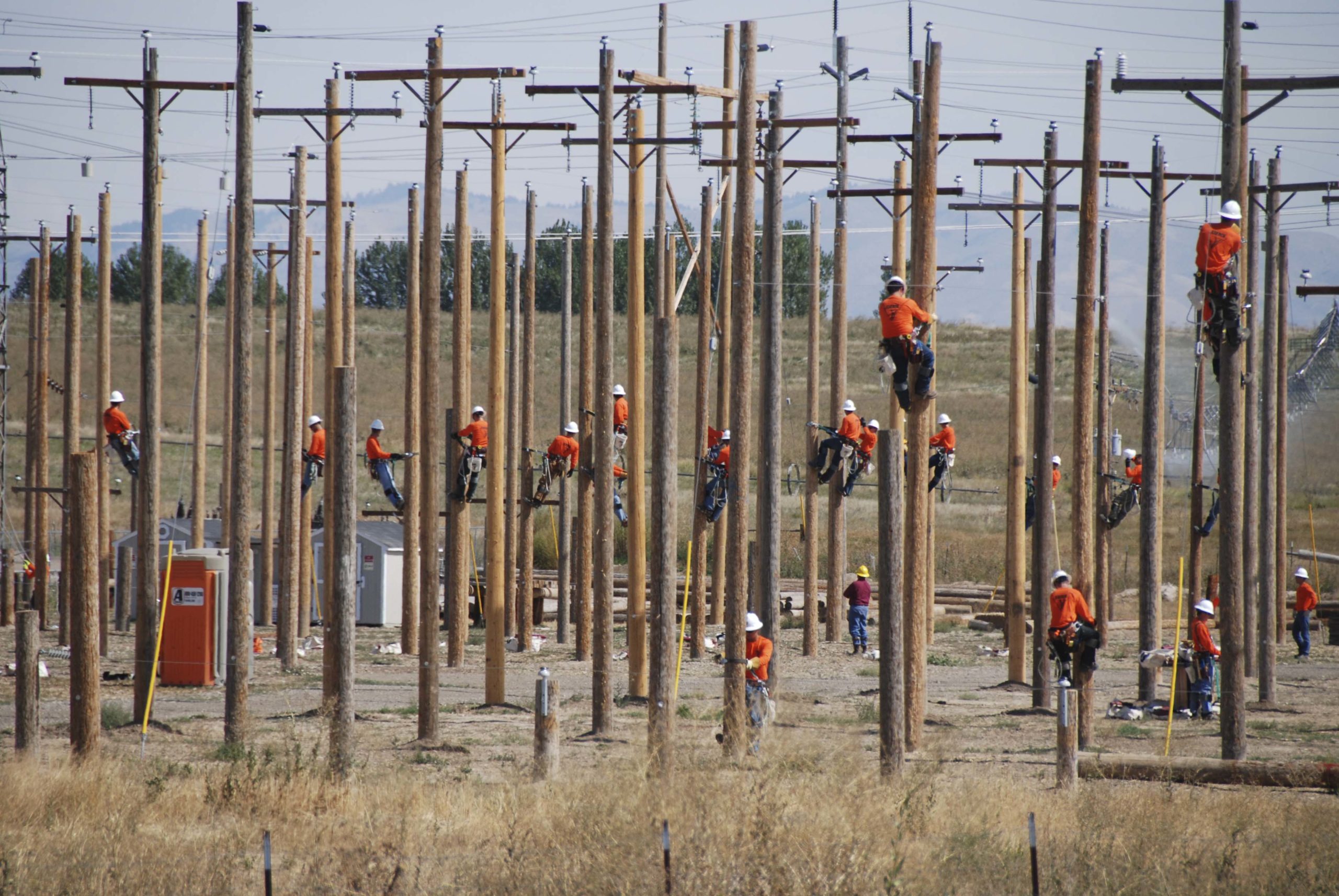
 Oregon’s forestry sector, once the state’s driving industry, has scaled back dramatically, the result of modernization and reduced harvests since the 1990s. Yet the industry is still adding workers and looking to replace retirees — now with a growing demand for technical expertise. The industry’s employers say they’re struggling to fill the jobs they have. Retirements have thinned the ranks, turnover is high and new workers are hard to recruit. Adding to the trouble, a workforce study found the sector will add 3,400 jobs annually through 2030. In particular, the report found Oregon’s colleges and universities aren’t producing enough forestry graduates to meet demand — suggesting Oregon employers might have to recruit from elsewhere to staff some of the highest-paying jobs in a signature sector. It’s a counterintuitive finding for an industry that’s been cutting further in recent months through the closures of mills and factories. Officials say that’s because there’s more to forestry work than logging.
 WASHINGTON — The US Supreme Court on Monday declined to hear a high-profile challenge to Washington’s Climate Commitment Act, marking yet another victory for the state’s keystone climate policy. The lawsuit started with the private operator of a natural gas power plant in Grays Harbor County. The plant is required to buy pollution allowances to pay for the many tons of greenhouse gasses it emits into the atmosphere under the 2021 “Cap and Invest” law. The plant’s owner, Chicago-based Invenergy, sued Laura Watson, then-head of Washington’s Department of Ecology, in late 2022, arguing that the state’s carbon market is unconstitutional. The lawsuit claimed that the state law discriminated against privately operated natural gas plants. In 2023, US District Court Judge Benjamin Settle dismissed the case. The company appealed. …The Supreme Court on Monday denied Invenergy’s petition outright. The justices did not publish any written justification for their decision.
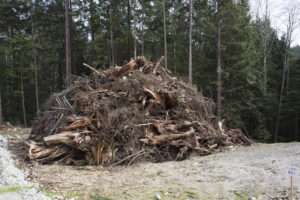 EASTERN OREGON — More than $7.4 million to support removal and transport of 417,308 tons of low-value trees and woody debris from national forests to processing facilities is being allocated to Eastern Oregon forests. The allocation includes a critical $4.6 million award to support the forest products industry in Grant County. Two other projects are in or near Wallowa County, Oregon’s US Sens. Ron Wyden and Jeff Merkley announced Friday, Sept. 19. This $7.4 million investment from the U.S. Forest Service’s Hazardous Fuels Transportation Assistance Program will be distributed as follows: Heartwood Biomass Inc. in Wallowa: $773,031; Boise Cascade Wood Products LLC in Elgin: $385,138; Iron Triangle LLC in John Day: $4,665,063;Dodge Logging Inc. in Maupin: $648,000; Gilchrist Forest Products LLC in Gilchrist: $588,648; Rude Logging LLC in John Day: $410,748.
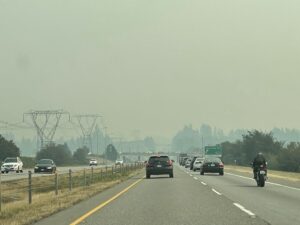 The federal government is attempting to abandon years of climate science and regulation, and officials from Washington state are warning those efforts will drastically slow the country’s ability to cut greenhouse gas emissions. The U.S. Environmental Protection Agency no longer wants to classify greenhouse gas emissions as dangerous and, therefore, something that must be regulated. The agency is now in the middle of a public comment process to reverse its long-standing course. Public officials and climate change experts from across the country are testifying against the federal government’s new direction. Among those in opposition is Joel Creswell, who manages the climate pollution reduction program with Washington state’s Department of Ecology. He said the EPA’s process is built on unscientific research and cherry-picked data. It’s also likely illegal, Creswell said. The federal government is trying to provide the “appearance of a science-based reason” not to regulate greenhouse gases, Creswell said.
 A firefighter from Minnesota died Friday while helping the United States Forest Service with a controlled burn in Idaho, officials say. The Idaho Department of Lands (IDL) says Isabella Oscarson had been struck by a falling tree while assisting the U.S. Forest Service’s Tinker Bugs with a prescribed fire in the Nez Perce-Clearwater National Forests. She was evacuated from the scene and flown to a hospital in Grangeville, Idaho, where she later died. Oscarson was a seasonal employee with the IDL. “IDL extends its deepest sympathies to Isabella’s family and friends. This is a tragedy that hits the employees at Idaho Department of Lands and the broader wildland fire community extremely hard,” Dustin Miller, director of IDL, said. Idaho Gov. Brad Little ordered flags to be lowered to half-staff to honor Oscarson until the day following her memorial service.





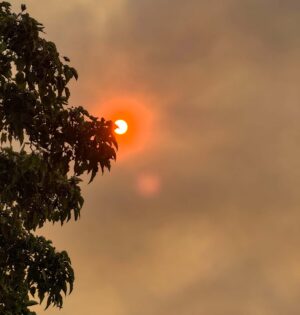 Border Patrol agents arrested two firefighters Wednesday – who they say were in the United States illegally – while they were working to contain Washington state’s biggest wildfire. …The Bear Gulch Fire on the peninsula has already torched almost 9,000 acres in the Olympic National Forest. …The human-caused wildfire on Washington’s Olympic Peninsula has been burning since July 6 and was just 13% contained as of Thursday. …Washington Gov. Bob Ferguson said he is “deeply concerned” about the arrests. Washington Sen. Patty Murray said, “Trump has undercut our wildland firefighting abilities in more ways than one—from decimating the Forest Service and pushing out thousands of critical support staff, to now apparently detaining firefighters on the job.” Under the Biden administration, the Department of Homeland Security said it would not conduct immigration enforcement “at locations where disaster and emergency response and relief is being provided” such as evacuation routes or areas where emergency supplies are being distributed.
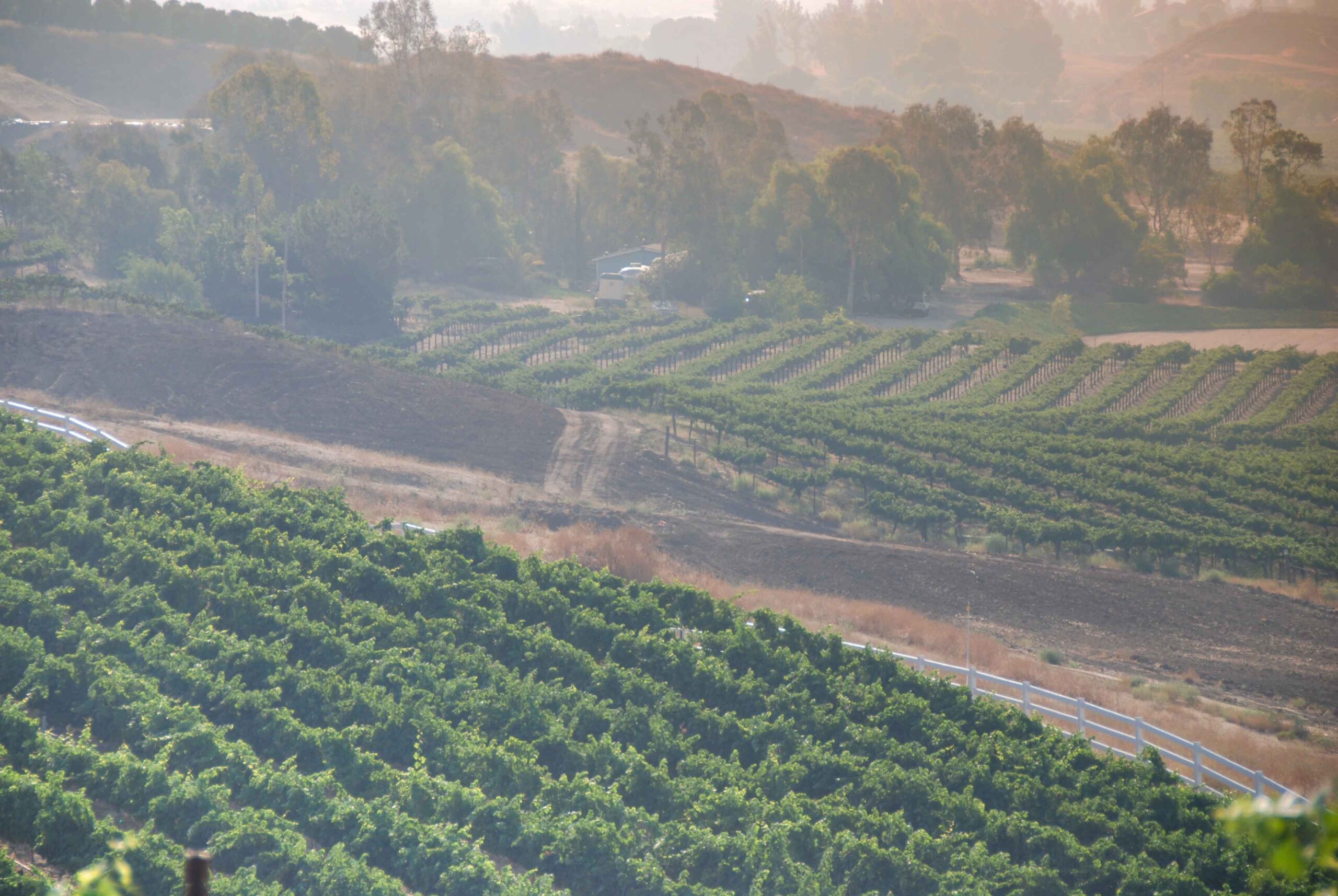 A wildfire that destroyed four homes in central Oregon was starting to stabilize on Monday, authorities said, while a blaze in Northern California wine country has so far spared some of the state’s most famous vineyards. Moisture helped the 1,200 firefighters battling Oregon’s Flat Fire, but more work needed to be done. Dry, hot weather had fueled a rapid expansion of the blaze across 34 square miles of rugged terrain in Deschutes and Jefferson counties since the fire began late Thursday. …Officials said firefighters had protective lines of some sort around the entire fire, including roads, but the fire remained at 5% containment. …Meanwhile, the Pickett Fire in Northern California has charred about 10 square miles of remote Napa County, known for its hundreds of wineries. It was 15% contained on Monday. …western United States have been sweltering in a heat wave … with temperatures hitting dangerous levels in Washington, Oregon, Southern California, Nevada and Arizona.