COLUMBIA FALLS, Montana — The Columbia Falls Weyerhaeuser MDF plant was rocked by an explosion and fire Wednesday. The explosion may have been caused by an electrical arc in the power distribution center, which runs both lines of the plant, Columbia Falls Fire Chief Karl Weeks said. No one was injured in the blast, which blew walls out of the building and garage doors off their hinges. The electrical surge at the time was so great that Flathead Electric Co-op noticed the power draw on the grid, Weeks said. …The production lines were not damaged. The plant has two lines and is capable of producing 265 million square feet of 3/4-inch MDF annually. The plant has about 200 employees. …Weyerhaeuser spokesman Matt Peterson said, “We will resume normal operations when it is safe to do so.”


 The demand for sustainable, nontoxic furniture is rising as consumers become more conscious of their environmental impact and indoor air quality. While many brands claim to be “eco-friendly,” not all live up to the promise. From responsibly harvested wood to green packaging, truly sustainable furniture goes beyond marketing buzzwords. Understanding the end-to-end process of furniture manufacturing can help consumers make informed choices and avoid greenwashing. Interior designers play a crucial role in guiding homeowners toward authentic selections that prioritize longevity, health and environmental responsibility.
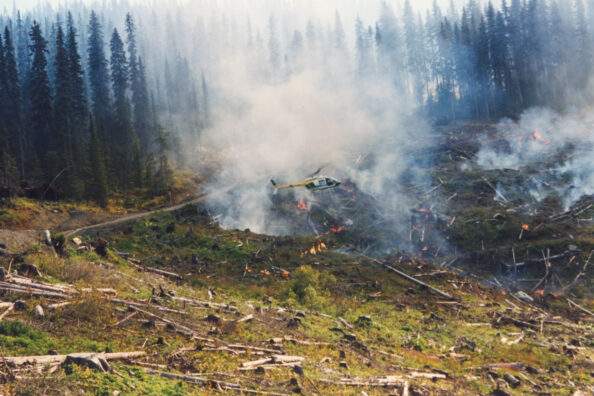 SEATTLE — The termination letters that ended the careers of thousands of U.S. Forest Service employees mean fewer people and less resources will be available to help prevent and fight wildfires, raising the specter of even more destructive blazes across the American West, fired workers and officials said. The Forest Service firings …are part of a wave of federal worker layoffs, as President Donald Trump’s cost-cutting measures reverberate nationwide. Workers who maintained trails, removed combustible debris from forests, supported firefighters and secured funds for wildfire mitigation say staffing cuts threaten public safety, especially in the West, where drier and hotter conditions linked to climate change have increased the intensity of wildfires. …U.S. Rep. Kim Schrier, a Washington state Democrat, said on the social platform X that the Forest Service layoffs are already hurting the state, “and it is only going to get worse. Fire season is coming.”
 Fewer wildfires occur in North American forests today than in past centuries, but this decline has increased the risk of more intense wildfires, according to a study published in Nature Communications. While it may seem unexpected, frequent low-intensity surface fires help maintain forest health by naturally reducing fuel buildup over large areas. Researchers from the Cooperative Institute for Research in Environmental Sciences at the University of Colorado Boulder and the U.S. Forest Service’s Rocky Mountain Research Station compared wildfire frequency across two periods: 1600 to 1880 and 1984 to 2022. Using data from 1,850 tree-ring records in historically burned areas, they assessed past fire activity and compared it with modern fire perimeter maps from Canada and the United States. The findings show modern-day fires are much less frequent than they were in past centuries, despite recent record-breaking fire years, such as 2020.
  PORTLAND, Ore. — An environmental nonprofit is sounding the alarm over the federal funding cuts and hiring freeze instituted by President Donald Trump’s administration, which it said could threaten the population of Oregon’s endangered spotted owl. The widespread layoffs and cuts instituted by the Trump administration have set off a series of protests across the country and around Portland, some of which have focused specifically on the thousands of U.S. National Parks and Forest Service workers who have been fired. The Northwest Forest Plan and the U.S. Bureau of Land Management (BLM) require the endangered owl population to be monitored, but the Center for Biological Diversity said in a news release that the federal freeze means the monitoring “either won’t occur or will be greatly reduced.”
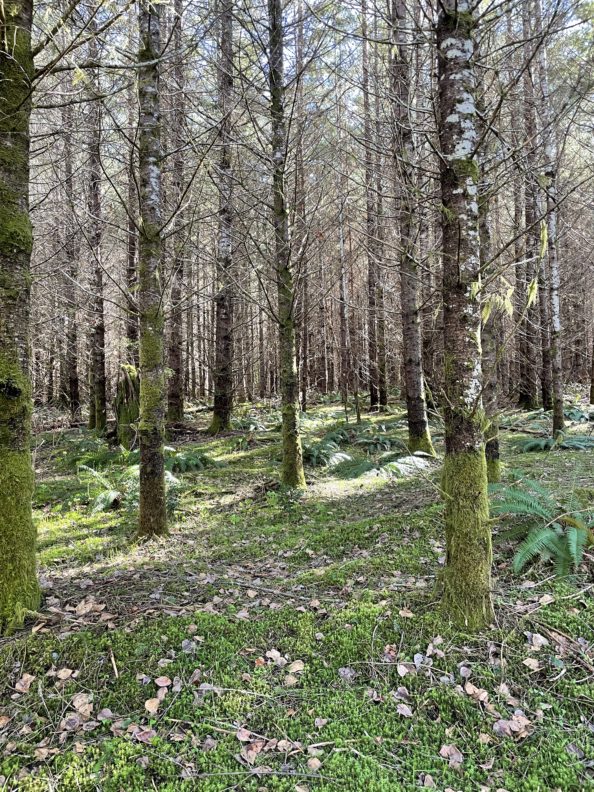 There’s no two ways about it: the U.S. Forest Service is at an impasse, seized by uncertainty like hardly ever before. In its quest for a supposedly leaner, more decentralized government, the Trump administration, led by DOGE chieftain Elon Musk, is taking an ax to the federal workforce. The Forest Service in particular is hemorrhaging manpower: it was reported on Friday that Trump had pink-slipped 3,400 workers. That is roughly one-tenth of USFS personnel. “These cuts are particularly impactful for the Northwest because we have vast expanses of national forest and public land,” says Rep. Kim Schrier. However much the PNW has to lose, this is no mere regional issue. It’s an affront to Mother Nature herself, Schrier says, because “we’re taking away people who do what we call ‘wildfire mitigation’: they do the work that thins the forests to prevent catastrophic wildfires. They do that year-round so we aren’t choking on smoke all summer.”
 Another 29,800 acres of timberland just got conserved under easement as working forest, the third phase in Columbia Land Trust’s project of protecting about 75,000 acres, sold by SDS lumber company in 2021. Columbia Land Trust hopes to conserve almost everything except the mill itself, buying the most important 15,000 acres of habitat outright. They hope to put the other 60,000 under conservation easements. In this case, Washington’s Department of Natural Resources will hold some of the rights over the 29,800 acres of land. It can be sold, but never developed; it must always remain working forest. This is the trust’s biggest project to date… SDS Lumber was the last family-owned, vertically-integrated (meaning it owned and operated most stages of its own supply chain) timber company in this part of the Northwest.
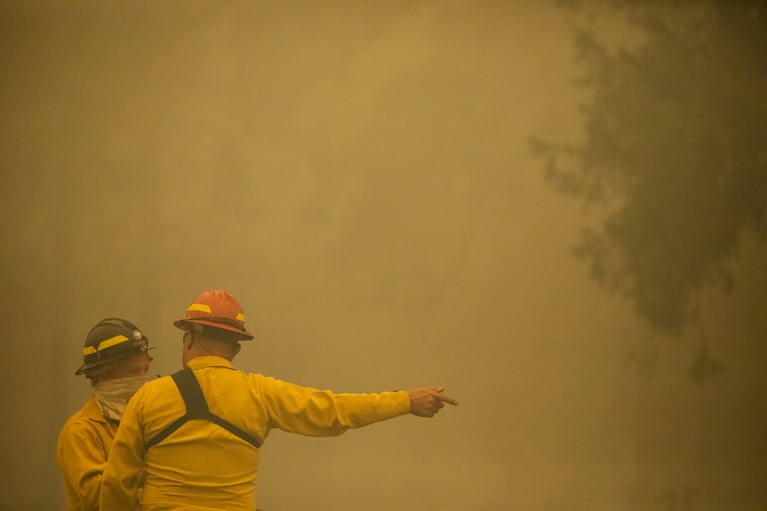
 WASHINGTON – A bipartisan group of lawmakers has introduced the Future Logging Careers Act, a bill aimed at allowing teenagers from logging families to gain early hands-on experience in the industry under parental supervision. The legislation, introduced by U.S. Senators Jim Risch (R-Idaho) and Angus King (I-Maine), along with U.S. Representatives Glenn “GT” Thompson (R-Pa.) and Jared Golden (D-Maine), would amend the Fair Labor Standards Act to permit 16- and 17-year-olds to work in certain mechanized logging operations. Similar exemptions currently exist for youth working in family-owned farms. Supporters of the bill, including the American Loggers Council and the Associated Logging Contractors of Idaho, argue that the measure would help sustain family-run logging businesses by allowing younger generations to gain experience before entering the workforce as adults. Industry representatives have pointed to labor shortages and the challenges of retaining workers as key reasons for the bill’s introduction.