Kevin Mason
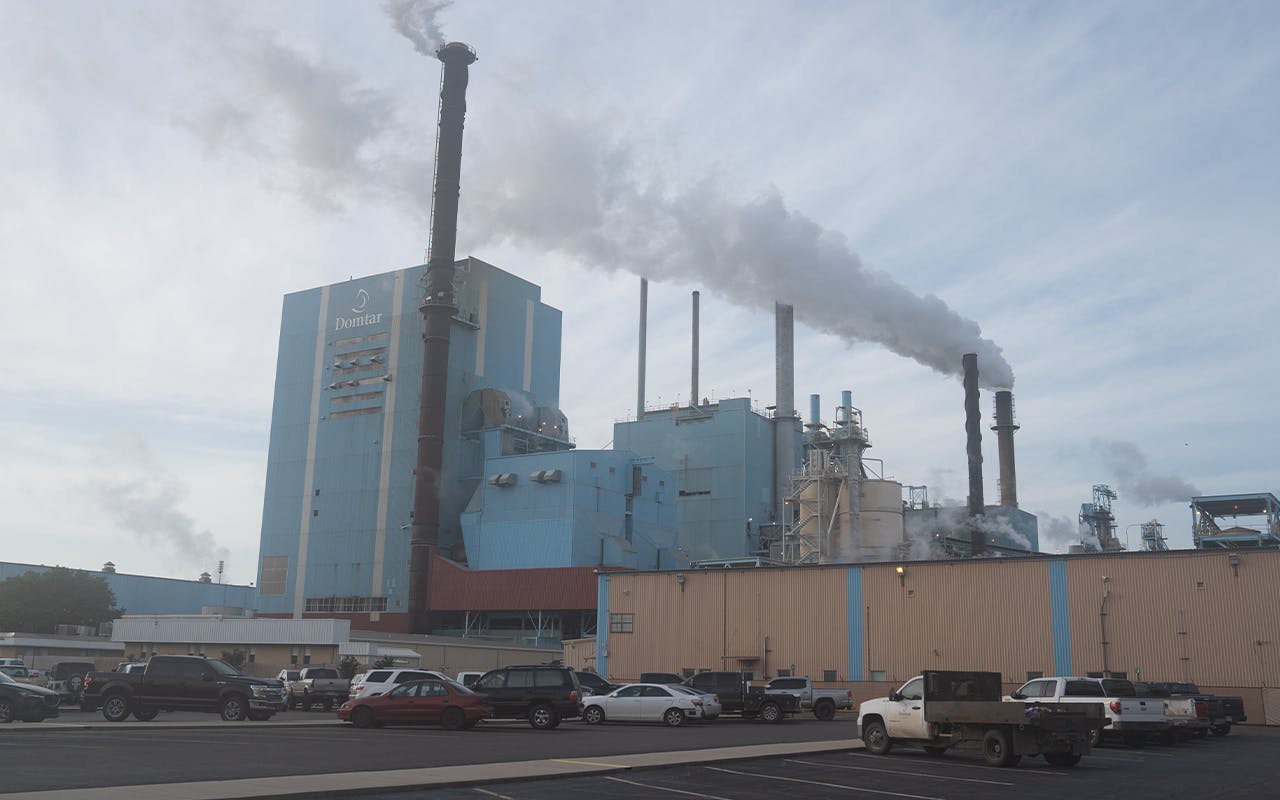
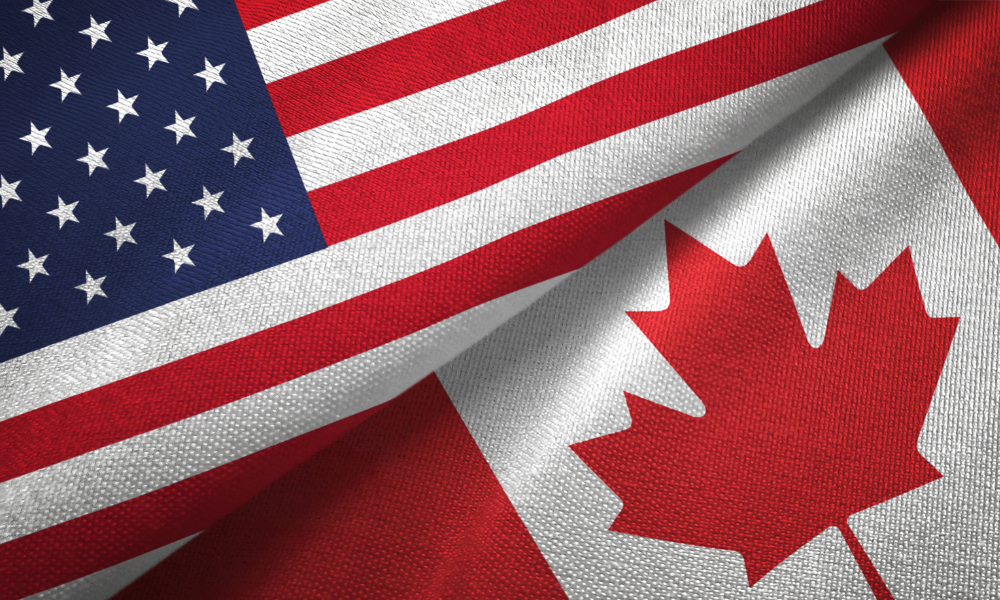
Tariff anxiety continues and is now refocused on the latest “deadline”. Despite all the tumult and spilt ink, markets are generally ascribing a low probability to duties actually being introduced. While tariff speculation is dominating conversations between buyers and sellers… we have heard no reports of meaningful pre-buying or “insurance” purchases. This is unsurprising given various supply-chain constraints, the high cost of working capital, and the difficultly of developing new relationships in short order. Buyers want protection against tariffs, but that isn’t going to happen because the US can’t self-supply most forest products. Buyers will pay up.
For some commodities, imports (and imports from Canada specifically) are a small part of US domestic consumption, so would be easier to replace. For others (including lumber, OSB, newsprint and uncoated mechanicals), replacing imports would be slow and expensive, allowing suppliers to pass on all—or almost all—of the tariff amount to consumers. In some cases, producers straddle the border and may be able to slow/idle Canadian operations while running their US assets at full tilt. …However, if some producers expect the tariff regime to be a mere negotiating ploy, with the possibility they could be reduced/removed over the next year, drastic actions (i.e., outright closures in Canada and/or new mills in the US) would not be taken. Everyone is trying to navigate through these times, with no easy answers other than “be prepared.”


 WASHINGTON — Reports indicate that the B.C. Minister of Forests has created an “Advisory Council” to develop strategies for combating U.S. antidumping and countervailing duties. These duties are in place as a result of repeated findings by the U.S. Department of Commerce and U.S. International Trade Commission that Canada’s egregious ongoing dumping practices and long-standing subsidies to its industry have caused havoc in the U.S. market. Andrew Miller, Chairman and Owner of Stimson Lumber, stated that “this is not a complicated issue. Canada must stop dumping its excess lumber production into the U.S. market and should stop subsidizing its industry instead of convening an ‘Advisory Council’ in British Columbia to study ways of getting around U.S. trade laws.”

 The Province has formed a new council to advance BC’s interests in the long-standing softwood lumber dispute with the US. The council brings together leaders from the forestry sector and labour, alongside experts on US relations and officials from the BC government. The B.C. Softwood Lumber Advisory Council convened its first meeting on Jan. 30. It advises the Minister of Forests, including the sixth administrative review, providing recommendations on steps BC can take to eliminate the 14.4% duties. The council will also help the Province advocate to the federal government. Parmar will chair the council… and the US Council members are:
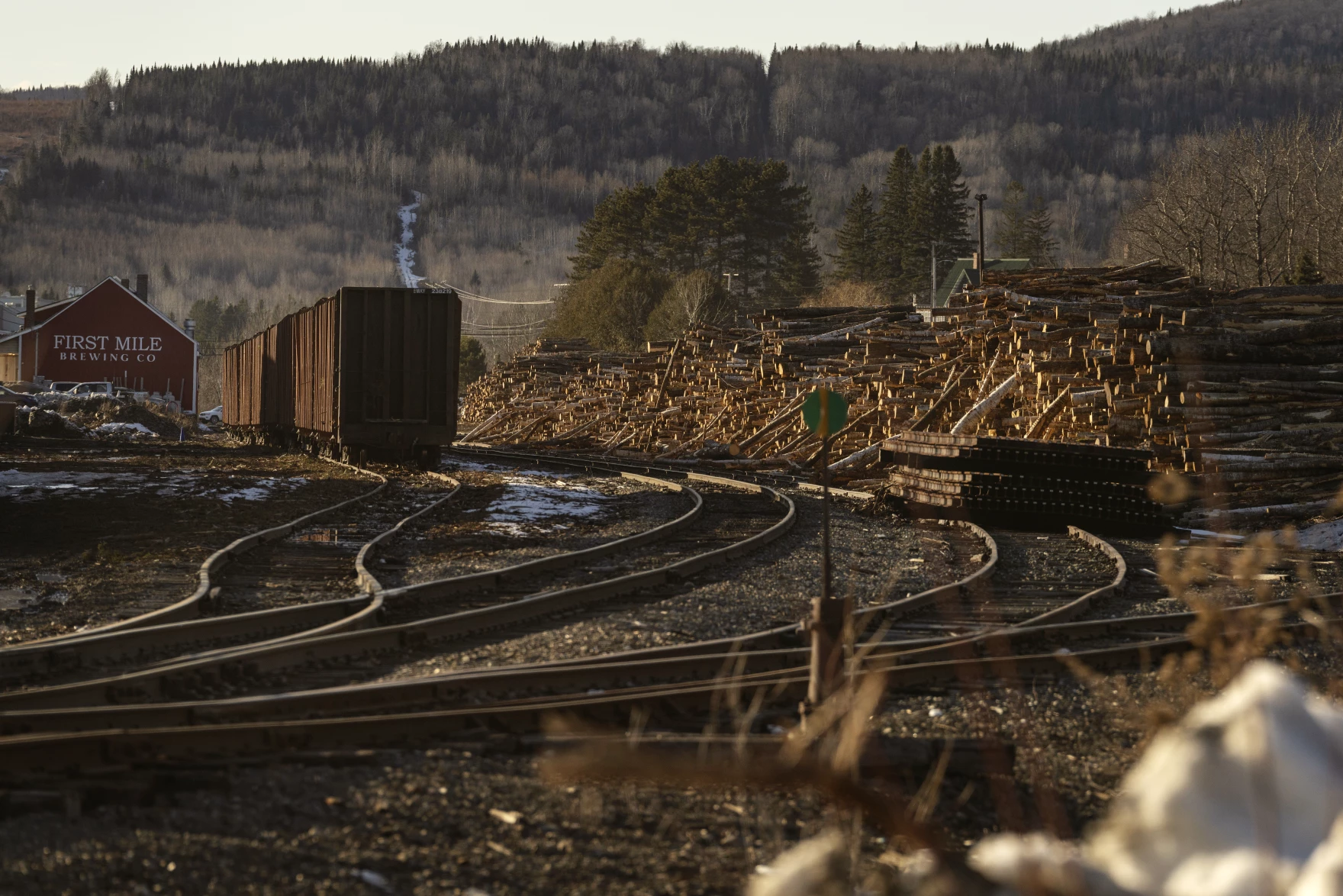
 The vast majority—72%—of respondents to an HBSDealer poll question say the United States should not pursue a policy of aggressive growth. However, an aggressive approach has been launched —and then quickly paused. …For the home improvement industry, tariffs on Canadian lumber continue to be a central and controversial topic. …NAHB Chairman Carl Harris. “NAHB urges the administration to reconsider this action on tariffs, and we will continue to work with policymakers to eliminate barriers that make housing more costly and prevent builders from boosting housing production.” …Meanwhile, with a deeply ingrained opposition to imports subsidized by the Canadian government, the U.S. lumber industry applauds the tariffs. It also discounts the idea that increasing the tariffs on Canadian lumber imports would lead to significantly higher home prices. The US Lumber Coalition argues that softwood lumber prices are currently low and have not kept pace with general inflation.
 BURNABY, BC — The United Steelworkers union welcomes Premier David Eby and the Government of BC’s decision to expedite major projects, representing an investment of approximately $20 billion, and for establishing a council to advocate for forest workers in the face of existing and pending duties and tariffs. The strategic move to advance critical mineral and energy products not only boosts the province’s economic resilience, but also ensures job security for USW members. …By accelerating these projects, the province is taking proactive steps to mitigate external economic pressures and reinforce that B.C. is a key leader in the sector. The advisory council to deal with potential impacts of increased duties and possible additive tariffs on lumber exports to the U.S. is equally important. The USW is pleased to be included in the council, which is working to get rid of the softwood duties.


 BEIJING — China countered President Trump’s across-the-board tariffs on Chinese products with tariffs on select U.S. imports Tuesday, as well as announcing an antitrust investigation into Google. The Chinese response was “measured,” said John Gong, a professor at the University of International Business and Economics in Beijing. “I don’t think they want the trade war escalating,” he said. …This time, analysts said, China is much better prepared to counter, with the government announcing a slew of measures that cut across different sectors of the economy, from energy to individual U.S. companies. China said it would implement a 15% tariff on coal and liquefied natural gas products as well as a 10% tariff on crude oil. …China also announced export controls on several elements critical to the production of modern high-tech products. “A risk is that this is the beginning of a tit-for-tat trade war,” Stephen Dover of Franklin Templeton said.
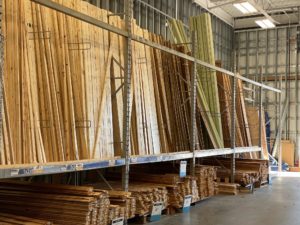 CALIFORNIA — Home builders have avoided a price hike in materials — especially lumber — after the Trump administration said it would delay steep tariffs on Canadian and Mexican goods for at least 30 days. …The temporary reprieve is good news for the construction industry, said Danielle Hale, chief economist at Realtor.com. “In particular, Canadian lumber is an important input in home construction, finishes such as cabinets, and furniture,” Hale said, adding that this is happening at a time when the U.S. is already dealing with an ongoing housing shortage. Prior to the pause, Carl Harris, chairman of the National Association of Home Builders, sent a letter to President Donald Trump outlining the organization’s “serious concerns” about the effects of the proposed North American tariffs. NAHB is particularly concerned about two essential building materials: softwood lumber and gypsum, which is used for drywall. More than 70% of those materials come from Canada and Mexico.
 NORTH CAROLINA — International trade is complex and one of the least understood components of the globally connected world. …International trade promised cheaper goods and economic growth, and it delivered. But for many Americans, international trade came at a severe cost — the loss of good-paying jobs that helped build the middle class. The frustration isn’t just nostalgia; it’s real. However, trade is not just about economics — it also involves politics, regulations, and agreements that can create both opportunities and unexpected tensions between nations. One example of how regulations impact trade is the lumber industry. In the US, environmental regulations limit how much timber can be harvested, making production more expensive and restrictive. …When US tariffs on Canadian softwood lumber were imposed in 2017, home builders in North Carolina faced a significant hike in costs, affecting new home construction. The construction industry’s experience is not isolated. Trade wars create a domino effect that reaches far beyond political brinkmanship.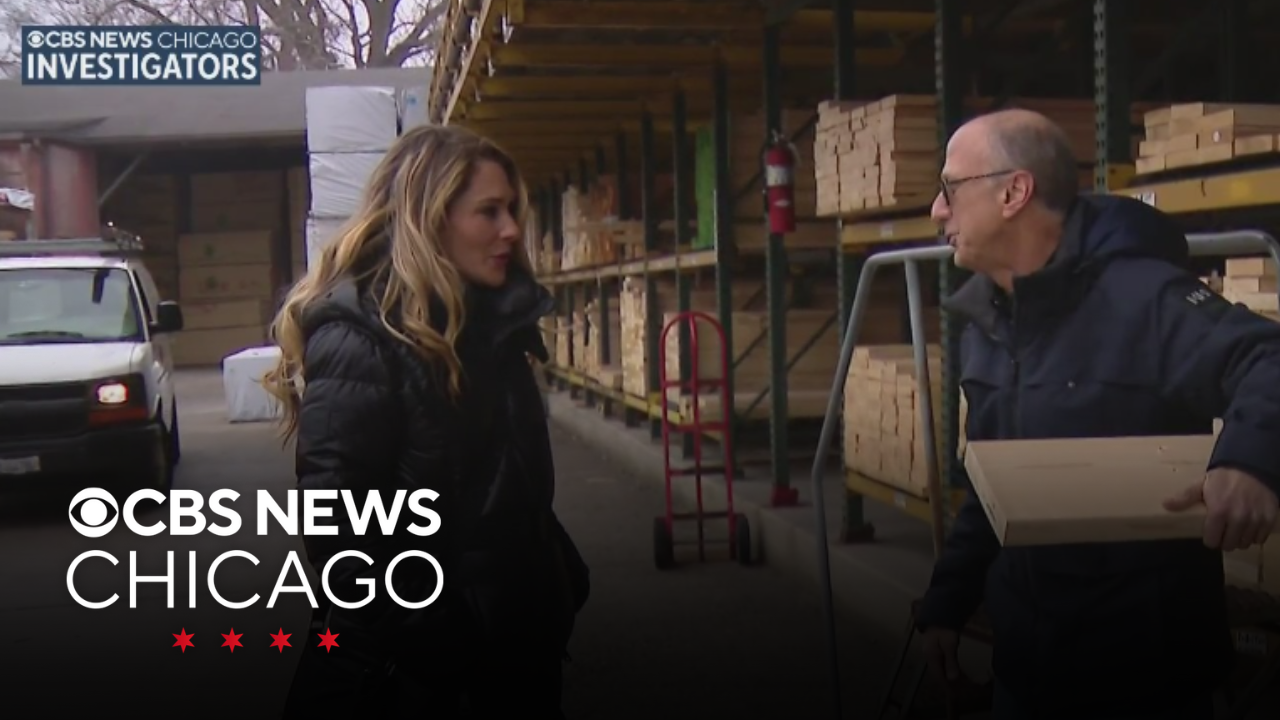


 The stock market fell on Monday after President Donald Trump slapped tariffs on Canada, Mexico and China, eliciting threats of retaliation and setting the stage for a trade war. The Dow Jones Industrial Average slid about 550 points, or 1.25%, in early trading on Monday. The S&P 500 dropped 1.5%, and the tech-heavy Nasdaq plummeted 2%. Traders demonstrated their jitters with a selloff of U.S. auto companies, which hold deep ties to suppliers in Canada and Mexico. Shares of General Motors plummeted 6%, while Ford saw its stock price plunge 4%. The market rout extended worldwide. Japan’s Nikkei index fell 2.5% on Monday, and the pan-European STOXX 600 dropped about 1%.
.jpg)

 To formally pull the United States out of the Paris Agreement, the Trump administration will need to formally submit a withdrawal letter to the United Nations, which administers the pact. The withdrawal would become official one year after the submission. The formal withdrawal of the United States and subsequent changes to agreements under the UN Framework Convention on Climate Change cannot be transmitted to the United Nations until President Trump’s nominee to be US Ambassador to the UN, Rep. Elise Stefanik (R-NY), is confirmed by the Senate. …The withdrawal raises key questions about the future of the voluntary carbon market (VCM), particularly in light of the Paris Climate Accords’ role in driving offset demand. …Without the federal endorsement of climate goals, corporate strategies might shift away from investing in carbon offsets, diminishing demand for carbon credits. Furthermore, uncertainty surrounding federal support could delay or derail the development of new VCM projects.