 Trump’s tariff policy and countermeasures will slow global economies—the International Monetary Fund warned. In other Business news: tariffs drive up homebuilding costs in Washington and Oregon; wood manufacturing is still important in rural Oregon; COFI’s Kim Haakstad opines on BC’s forestry future; and Domtar and Kruger are recognized for their sustainability credentials. Meanwhile: COFI is accepting applications for its 2025 scholarships; and the 18th annual International Biomass Conference wrapped up in Atlanta on Sunday.
In Forestry news: Colorado and Maine face spruce budworm challenges; a fungus targets the invasive spongy moth; and more on Trump’s effort to increase logging—will it help prevent wildfires, and what it means for US national forests. Meanwhile: BC Hydro trials fire-resistant pole wraps; and Trevor Hancock says the Canadian election is irrelevant—environmentally speaking.
Finally, on Earth Day—the Nature Conservancy on the significance of Canada’s forests.
Kelly McCloskey, Tree Frog News Editor

 British Columbia’s forests are increasingly on fire—and the consequences are catastrophic. As we approach another fire season, communities, ecosystems, and livelihoods are at growing risk. In this crisis, BC is Burning, a new two part documentary, offers both a wake-up call and a beacon of hope. The film explores fuel loading, carbon emissions, proactive forest management and the need for a shift from suppression to increasing proactive prevention activities, offering solutions to reduce the mega-fires that are becoming all too common. … The core message of BC is Burning is the importance of active forest management. By managing forest landscapes… we can reduce fuel loads and prevent catastrophic fires. … BC is Burning is more than just a documentary—it calls for collective action. …become part of the conversation. Together, we can turn the tide on wildfires and ensure that our forests—and our future—remain safe and resilient.
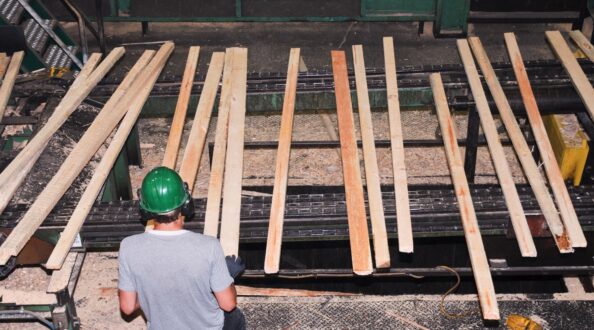 At the Council of Forest Industries convention, Premier David Eby underscored the provincial government’s commitment to forestry as a major project — and made it clear that forestry will be treated with the same focus and urgency, saying, “This is a shared project that we can get to that 45 million (cubic metre) target, which we all know is absolutely essential.” …Eby’s commitment to a “whole of government” approach is exactly what the sector needs. …We applaud Forest Minister Ravi Parmar’s recent announcements… Equally important is ensuring BCTS delivers its full potential. Consistently hitting 90 per cent or more of its annual harvest target is critical to a thriving wood products industry that supports communities and workers throughout the province. We also can’t lose sight of reconciliation. Increasing the distribution of stumpage fees to First Nations is one achievable step that would help advance shared prosperity and strengthen Indigenous participation in the sector.
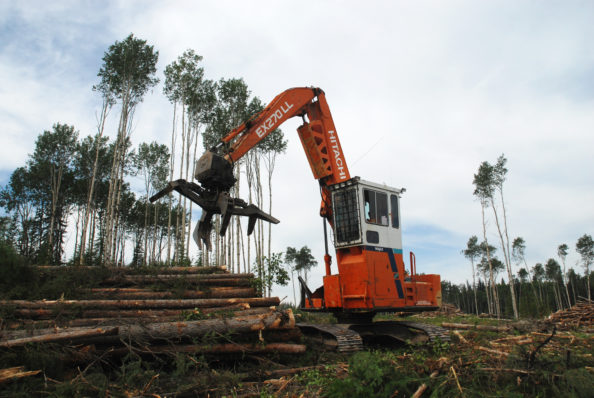 When forestry contractor Mike Egli heard the sawmill in Vanderhoof was closing, he was expecting the worst. Egli co-owns logging contractor Dalchako Transport with his brothers. As with many local forestry companies, Dalchako’s livelihood was tied to the Plateau sawmill, Vanderhoof’s largest employer. With more than 200 workers, the sawmill was integral to the local economy. It closed at the end of December 2024. Egli has found other contracts to keep working since December, but the mill’s closure has caused a massive upheaval. “We lost all that work there,” he said. …Meanwhile, workers in Vanderhoof are looking to other industries to make a living. It’s a shift many northern B.C. workers have had to make before. …Not all workers are leaving the industry. Mayor Moutray said local forestry contractors are commuting 200 kilometres to Quesnel, B.C., for work, or flying into remote work camps to stay in forestry.
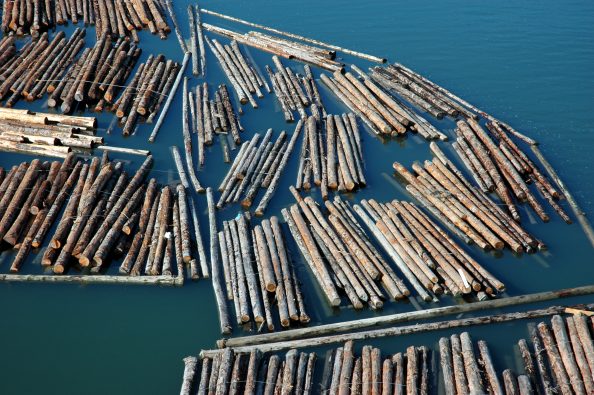 By raising duties on Canadian lumber, the United States is contending that the producers benefit from unfair subsidies and sell products below market value. However, British Columbia Premier David Eby called it an “attack on forest workers and British Columbians” on April 5. …Harry Nelson, an associate professor of forestry at the University of British Columbia, said the increase stems from Washington’s annual review of its trade remedy findings. “The main reason for the significant increase is that both rates went up, the antidumping especially so.” …Nelson said some companies such as Canfor face a nearly 50 percent tariff and could be unsustainable. “Lumber margins tend to be small — certainly not 50 percent, and it is hard to imagine how Canfor will be able to continue to operate,” he said. “I would expect a curtailment in production, where higher-cost firms may either take temporary downtime or permanently shutter some more mills.”


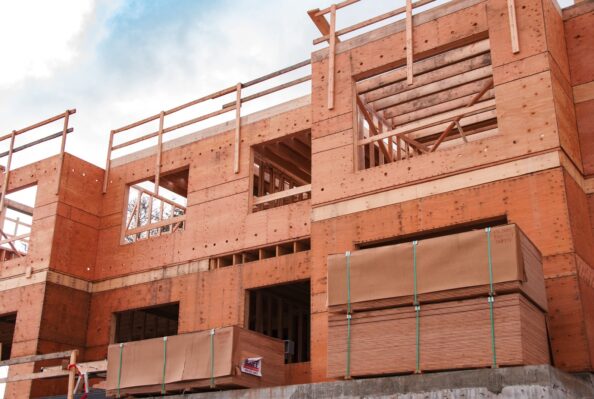 Developer Greg Drobot hope to sell the houses they’re building in Coos Bay for around $400,000. …Keeping costs down means paying attention to the price for every detail. Drobot said instead of plywood, the project was going to use a less-expensive oriented strand board from Canada. “When the tariffs hit, it made it almost cost-prohibitive for us to use that,” Drobot said. …Tariffs are almost certain to put Oregon’s new home construction goal further out of reach. Imported
 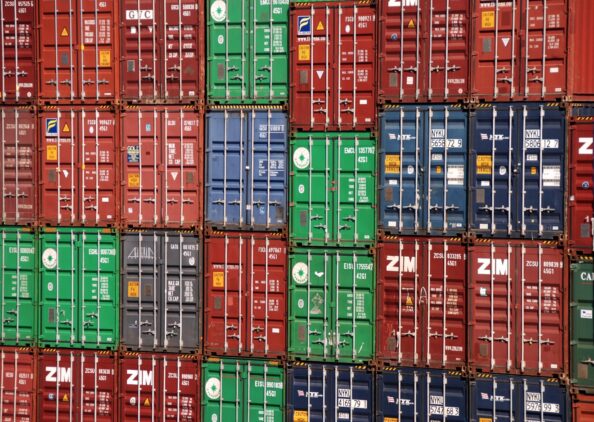 London—President Donald Trump’s unpredictable tariff policy and countermeasures by America’s trading partners will likely deal a heavy blow to economies worldwide, with US prosperity hit particularly hard, the International Monetary Fund warned Tuesday. Global economic growth will slow to 2.8% this year, from 3.3% last year and significantly below the historical average, the IMF forecast in its World Economic Outlook. The slowdown expected in the United States is even steeper, with its economy likely to grow only 1.8% in 2025, compared with a 2.8% expansion in 2024. Both predictions are more pessimistic than the fund’s January projections, which came before Trump’s flurry of tariff announcements took America’s average import tax to its highest level in a century. …North America, just like all regions, can’t expect any upside from the tariffs further down the line. “The long-term impact of the tariffs, if they are maintained, (will be) negative for all regions, just like the short-term impacts,” Gourinchas said.
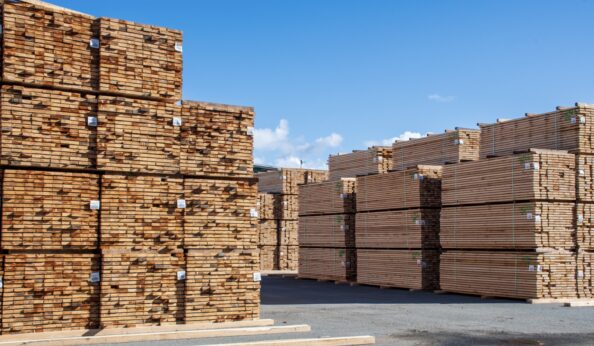 OTTAWA — Wholesale trade, excluding petroleum, petroleum products, and other hydrocarbons and excluding oilseed and grain, rose 0.3 per cent to $85.7 billion in February, Statistics Canada said Monday. The overall increase in sales came as just two of the seven subsectors posted gains. Statistics Canada said sales in the machinery, equipment and supplies subsector gained 7.1 per cent for the month to $19 billion. All four of the subsector’s industry groups climbed, with the computer and communications equipment and supplies industry group up 11.2 per cent, while the construction, forestry, mining, and industrial machinery, equipment and supplies industry group added 6.8 per cent.

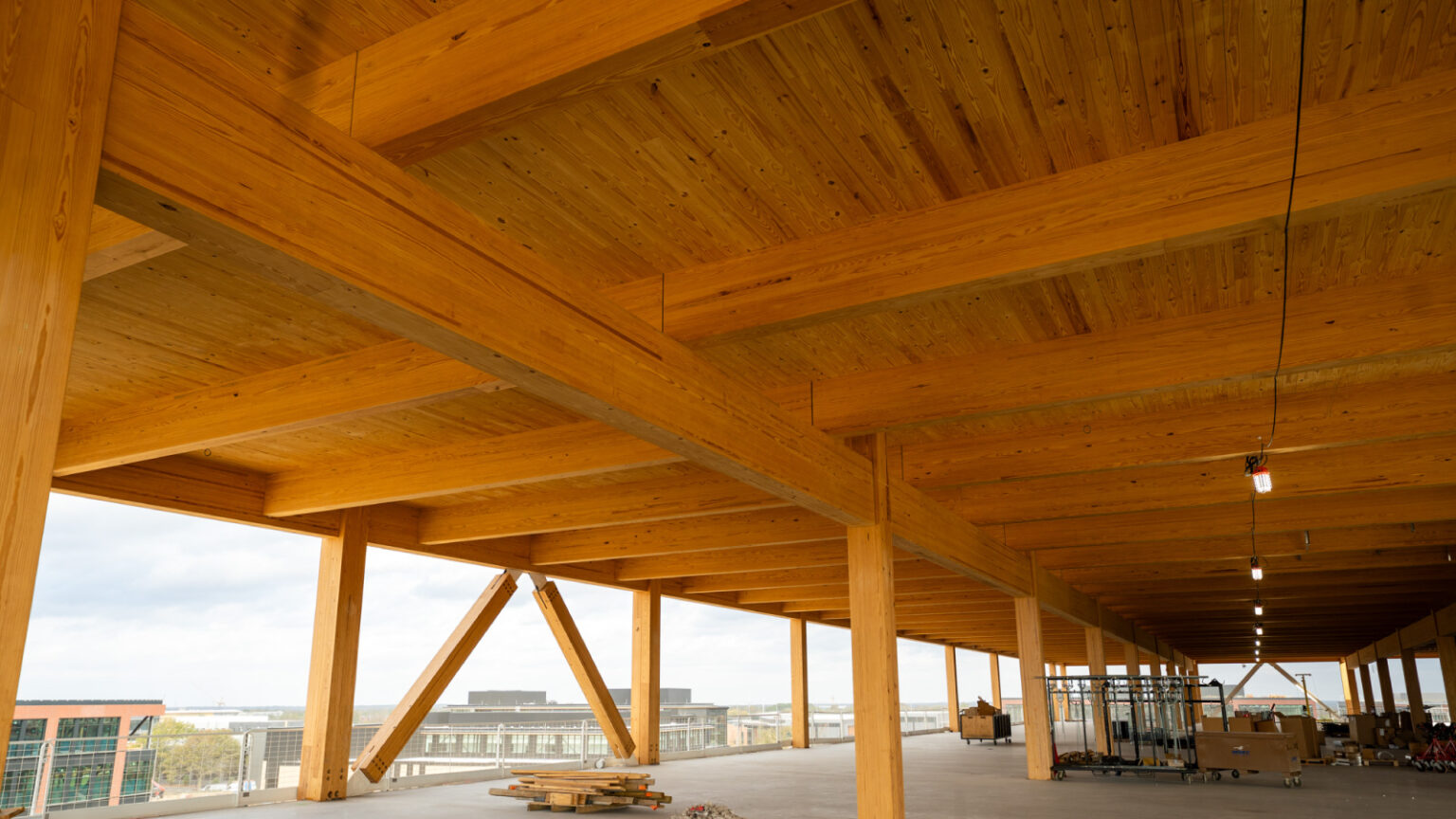


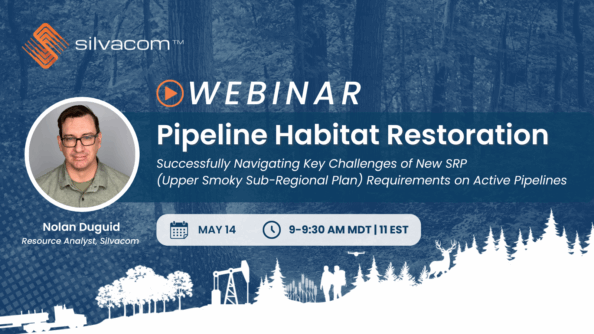 Silvacom is hosting a free webinar titled “Pipeline Habitat Restoration: Strategies and Innovations” MAY 14, 2025 9:00 AM MDT | 11 EST. This event will bring together industry experts, environmental scientists, and key stakeholders to discuss the latest developments and best practices in habitat restoration in areas affected by pipeline projects. Join Our Webinar on Pipeline Habitat Restoration: Successfully Navigating Key Challenges of New SRP Requirements on Active Pipelines (Upper Smoky Sub-Regional Plan). With Alberta’s Sub-Regional Planning Process introducing new regulatory requirements for caribou habitat restoration, the energy sector must adapt and implement habitat restoration on active pipeline corridors. Unlike decommissioned or abandoned pipelines, active right-of-ways (ROW) present unique operational, regulatory, and ecological challenges. This webinar will explore the complexities of meeting habitat restoration objectives while balancing: Ecological restoration goals; Operational efficiencies; Regulatory requirements; and Indigenous community and stakeholder values.
 The BC Council of Forest Industries (COFI) is now accepting applications for the 2025 Forestry Scholarships. As part of our commitment to supporting the next generation of forestry professionals, COFI will award 10 scholarships of $2,000 each to students from across British Columbia pursuing post-secondary studies or skilled trades training related to the forest sector. The scholarships are open to BC residents entering a forestry-related program at an accredited post-secondary institution in fall 2025 or spring 2026—whether you’re from a rural community, coastal town, or urban centre.
 GRAND FORKS – The Forest Practices Board has completed an investigation into a complaint about range practices and government enforcement in the Ingram-Boundary range unit. A resident of Midway submitted the complaint in January 2023, raising concerns about overgrazing, inadequate fencing to protect riparian areas and the spread of invasive plants. The investigation examined whether two range agreement holders followed legislative requirements during the 2023 grazing season. It also considered whether government enforcement had been appropriate. Board investigators visited the range unit in September 2023. The board determined that the range agreement holders complied with legal requirements when grazing livestock in the 2023 grazing season, and protected riparian and upland areas as required. However, investigators found the actions that deal with the spread of invasive plants in the range agreement holders’ range use plans were unmeasurable and could not be evaluated for compliance.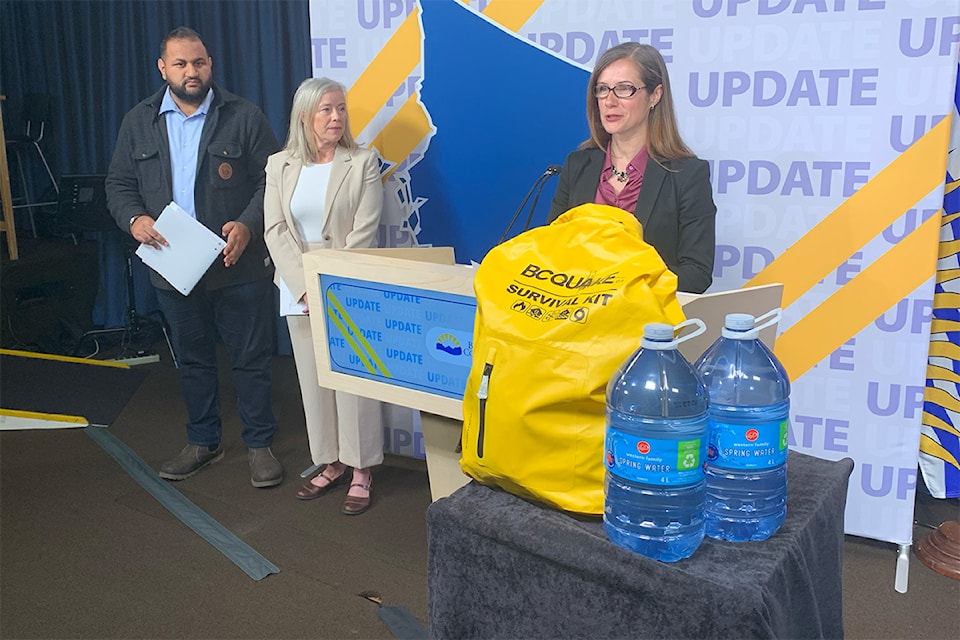
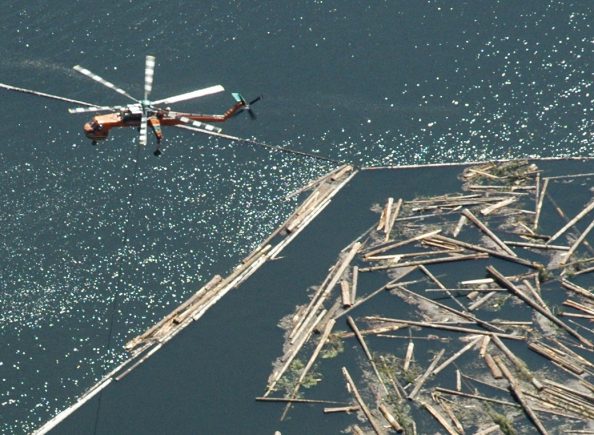 It’s been hard to keep up with the impact of U.S. President Donald Trump’s tariff trade war on Canada. Punishing tariffs have been levied on steel, aluminum and automobiles and — critically for B.C. — softwood lumber. “Tariffs are the top election issue for workers,” Canadian Labour Congress president Bea Bruske said. “This uncertainty really has people very, very stressed out about the future of their jobs.” …The United Steelworkers union represents about 14,000 forestry workers across Canada. Wood Council chair Jeff Bromley said it’s still not clear what the tariffs will mean for members. …Bromley said the federal government can support forest workers by enhancing employment insurance and funding training support for workers who need to find work in other industries. But Bromley said the ultimate solution is a new softwood agreement.
 Hundreds of municipal, First Nations and BC Wildfire Service (BCWS) firefighters from across the province are coming together at the Wildfire Resiliency and Training Summit in Penticton to train, collaborate and learn about new technology and practices ahead of the 2025 wildfire season. “We don’t know exactly what this wildfire season will bring, but I want British Columbians to know that we are working hard every day to be ready,” said Ravi Parmar, Minister of Forests. …The Wildfire Resiliency and Training Summit brings together First Nations and local government representatives, emergency managers, wildfire mitigation specialists, and firefighters to collaborate and train with the BCWS and discuss the latest developments in wildfire technology, mitigation and prevention. The five-day event attracts more than 350 wildfire professionals and includes two days of collaborative training between structural fire departments from throughout the province and the BCWS.
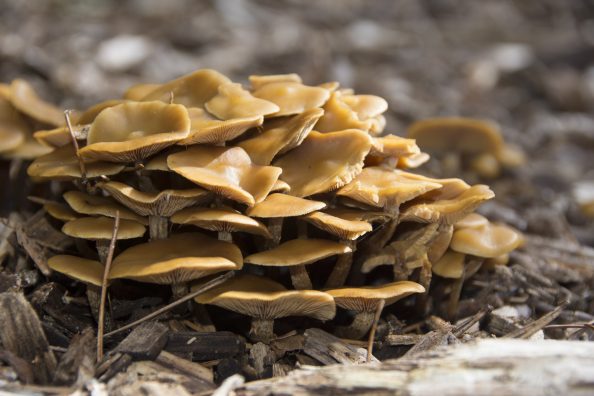 Officials in Fox Creek Alberta are trying to find ways to better protect the community from future fires. One option includes using fungi. …This summer, researchers from Lac La Biche, Alta.-based Portage College will go into the the boreal forest surrounding Fox Creek to collect local fungi. Spores from that fungi could later be used to inoculate wood in man-made slash piles. Forests are thinned to remove wood biomass so there is less material to burn during a wildfire. Wood that has been removed can be stored in massive slash piles, which can be fire risks themselves. Fungi could be used to break down the wood faster, returning them to soil, said Michael Schulz, research chair in environment and sustainability in the boreal forest at Portage College.
  The Bow Valley—encompassing Banff National Park, the Town of Banff, Canmore, and MD of Bighorn—is at imminent risk of a catastrophic wildfire. Despite commendable efforts in localized fire prevention (e.g., firebreaks, fireguards, neighbourhood mitigation), it is our opinion no comprehensive measures are in place to address the risk of an extreme wildfire—the kind that devastated Fort McMurray (2016) and Jasper (2024). A fire of that scale in this region would be both a national tragedy and a global environmental disaster. …Our call for action for our federal candidates: Acknowledge the real and rising risk of a Class 6 wildfire in the Bow Valley; While working with the Province and Indigenous Peoples, support federal investment in a landscape-scale fire mitigation strategy for the Bow Valley; Advance policy reform recognizing forests as carbon assets requiring active stewardship; and Champion this initiative as a model for national wildfire and carbon management.
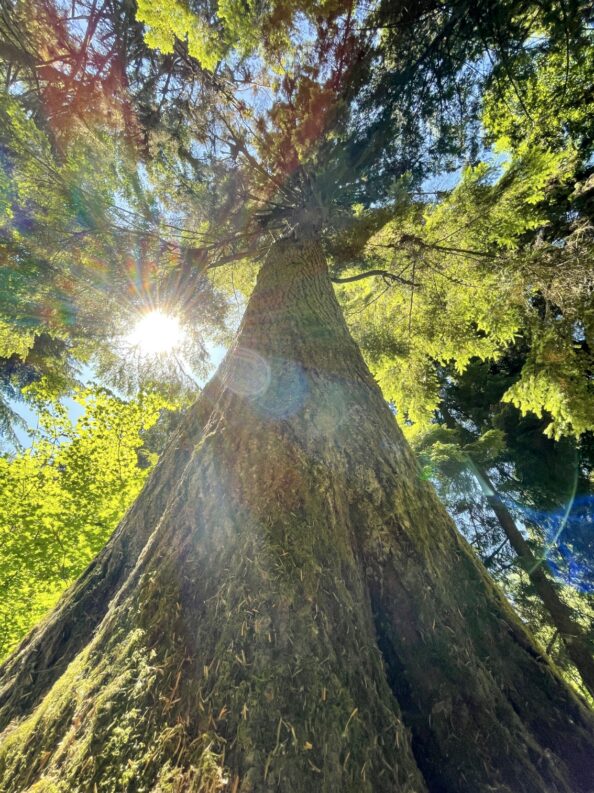 On March 31, the Supreme Court of B.C. released its decision on a historic case with implications for the future of resource management in Canada. The judge sided with the Haida Gwaii Management Council and Province of British Columbia against logging giant Teal Cedar Products Inc., which argued its profitability had unjustly diminished due to the former’s sustainability regulations and improved forestry stewardship standards. In its defence, Haida Gwaii Management Council and the province pointed to Teal’s careless logging and business practices, which it continued despite expert, repeated advice from Haida and Crown governments. Proceedings involved numerous expert witnesses … in 2023. Almost exactly two years later, the judge dismissed Teal’s claims. …If corporations were to earn the power to sue governments any time they passed new legislation to uphold sustainable and ecologically sound practices, then we would witness a nation-wide proliferation of lawsuits arising from every sector.


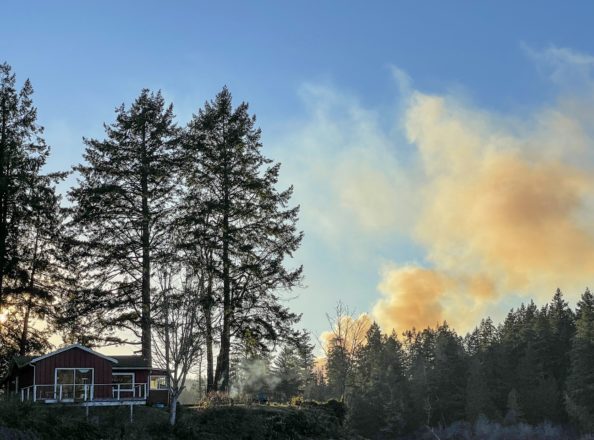 President Donald Trump wants to create a new federal agency that will be responsible for “all wildland fire fighting nationwide” by 2026, according to a draft executive order currently under review at the White House. The draft order, which was obtained by POLITICO and confirmed by three people familiar with the situation, would launch a national wildland firefighting task force in the next 90 days, combining resources from the Departments of Agriculture, Interior and Homeland Security. The White House’s eventual goal, according to the document, is to have Congress create a National Wildland Fire Agency in the next two years. The order aims to “eliminate red tape, reform our agencies and reforge our efforts around the priority to address fighting fire fast,” the document reads. It comes four months after wildfires devastated Los Angeles, a disaster that has created a sense of bipartisan urgency to improve forest management and cut down on wildfire risk. [A Politico subscription is required for full access]
 WASHINGTON, D.C. — U.S. Senators Angus King (I-ME) and Jim Risch (R-ID), co-chairs of the
 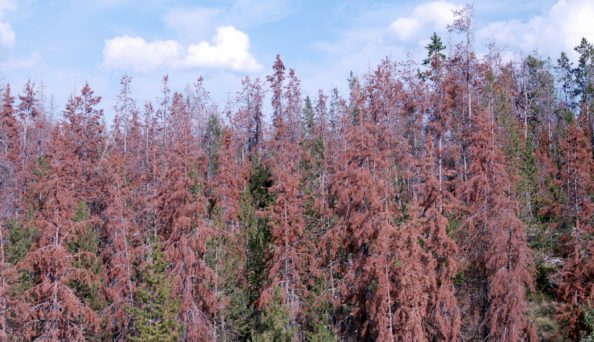 …a relatively wet 2023 for much of the state bolstered many trees against the spread of the mountain pine beetle, the separate spruce beetle and the spruce budworm. But a dry 2024 set the pests marching again by sapping forests of the water they need to stay healthy and fight off infestations, said Dan West, entomologist with Colorado State Forest Service. Colorado’s higher-altitude forests need several normal to wet seasons in a row to build up true resiliency, he said. One dry season meant Western spruce budworm affected 217,000 acres of state forests in 2024, up from 202,000 acres in 2023… Mountain pine beetle… grew to 5,600 acres of impact. The Douglas-fir beetle impacted 21,000 acres in 2024, its largest total damage in almost 10 years… Western balsam bark beetle …is still the … most widespread by acreage. The acres affected by the balsam bark beetle held steady at 27,000, but more of those trees die.
 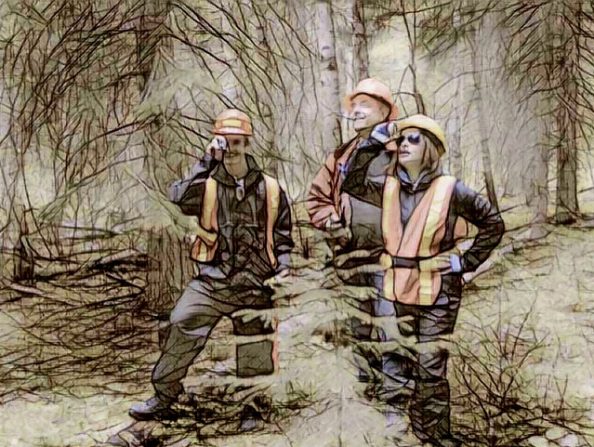 Imagine you’re a college senior who just landed your dream job working for the U.S. Forest Service
 BONNERS FERRY, ID – A federal district court has stopped a logging project in northern Idaho that would have carved more roads into the area and harmed the Selkirk grizzly population habitat. Only about 50 grizzlies live in the region. Mike Garrity, executive director of the Alliance for the Wild Rockies, which has been in litigation with the U.S. Forest Service over this issue for nearly six years, said the project would have resulted in more roads than is allowed under the agency’s rules. “The Forest Plan, which is their management plan that governs the forest, limits road density in Selkirk grizzly bear habitat,” he said, “because most grizzly bears are killed within a third of a mile of a road, and it’s usually a logging road.” The court decision found the government had been violating road construction limits for years. Court documents show the goal of the Hanna Flats Good Neighbor Authority Project was to reduce wildfire risk.
 Amid a growing number of wildfires, mostly across Western states, a U.S. Senate bill is aiming to protect areas where communities are most vulnerable to fires, using “good neighbor” agreements, cross-boundary collaboration and the expansion of tools to prevent fire hazards. The bill, titled the
  Environmentalists are voicing outrage over the Trump administration’s move to invoke emergency powers to ramp up timber production from national forests in northern New England and across the country. The bulk of the White Mountain National Forest in New Hampshire and much of the Green Mountain National Forest in Vermont were included in US Agriculture Secretary Brooke Rollins’s announcement earlier this month that an “emergency situation” exists across 112.6 million acres of federally managed land. Heightened risks for wildfires and infestation by insects and disease have contributed to “a full-blown wildfire and forest health crisis” across more than half of all National Forestry System land, Rollins wrote. …Zack Porter, executive director of Standing Trees, an advocacy group that has opposed increased logging on public lands, said the secretary’s memo is an “outrageous” effort to bypass public input on how national forests should be used.
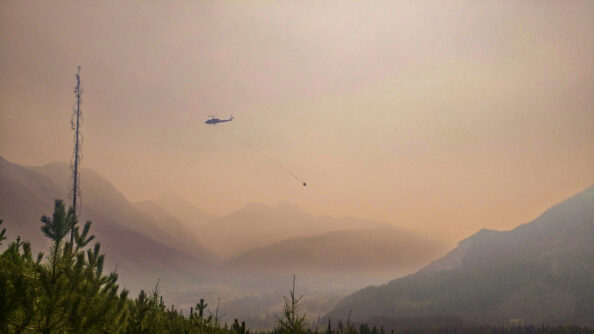 FORT STEWART, Ga. — This week, NASA scientists have been on the ground with the Fort Stewart forestry team, studying different aspects of prescribed wildfires. It’s an unlikely duo, learning a lot from each other, in this partnership between the federal space agency and Army’s forestry team on post. The team ignites 115,000 acres annually, during the Dec. 1 to June 30 season. …they do it to lower wildfire risk, to keep military training missions moving, and to rejuvenate the environment. …“The prescribed fire program here at Fort Stewart is very successful,” said scientist Jacquelyn Shuman, with NASA Firesense. Shuman and her researchers needed a place to safely study different parts of wildfires, what better place than Fort Stewart, Shuman says. “NASA has been collecting information about fire for decades,” Shuman said. NASA scientists are studying the fires’ emissions, how it releases its heat, and how wind changes the behavior of the blaze.
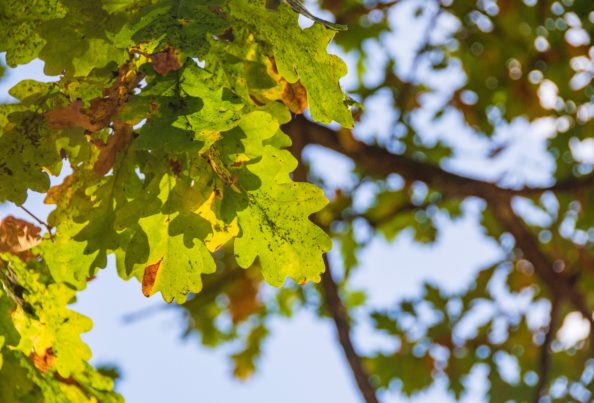 Virginia — …Slowly but steadily, the oak is disappearing from our forests and from our landscape. To use just one typical measure: In Shenandoah National Park, the oak canopy has shriveled by 20 percent over the past 20 years, according to a study funded by the Shenandoah National Park Trust. The oak’s decline is accelerating in a vicious arboreal cycle. There are many reasons for this, but one rises above all others. Oaks are fire-dependent, meaning they require frequent fires to regenerate. But fire-suppression efforts over the past century have broken this timeless pattern. Fire-intolerant trees with far less ecological value — maple, beech, basswood, black gum, tulip trees — have risen to replace the oak, hickory and pine forests, which need regular fire to open the forest canopy, bring in light and eliminate competitors. The best way to save the oak, and the countless critters that rely on it, is to return fire to our landscape. [A Washington Post subscription is required for full access]
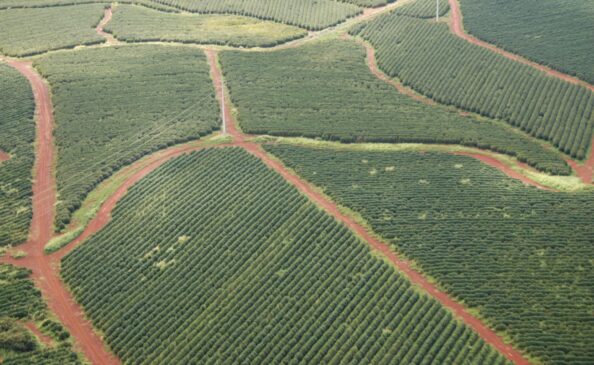 BOGOTA, Colombia — A recent amendment to Peru’s Forestry and Wildlife Law is drawing fierce backlash from environmental groups and Indigenous groups that warn it could accelerate deforestation in the Amazon rainforest under the guise of economic development. The amendment eliminates the requirement that landowners or companies get state authorization before converting forested land to other uses. Critics say the change could legitimize years of illegal deforestation. “To us, this is gravely concerning,” said Alvaro Masquez Salvador, a lawyer with the Indigenous Peoples program at Peru’s Legal Defense Institute. Masquez added that the reform sets a troubling precedent by “effectively privatizing” land that Peru’s constitution defines as national patrimony. “Forests are not private property—they belong to the nation,” he said. Supporters of the amendment, enacted in March, say it will stabilize Peru’s agricultural sector and provide farmers with greater legal certainty.