 OTTAWA — Prime Minister Mark Carney on Tuesday defended making a commitment to carbon emission targets to get the government’s spending plan over the finish line. Carney told reporters before the weekly cabinet meeting in Ottawa that he was “very pleased” his government narrowly won the crucial budget vote on Monday night. …”I can confirm to this House that we will respect our Paris commitments for climate change, and we are determined to achieve them,” Carney said. He also said a nature strategy will be released soon, keeping Canada on target for its commitments on biodiversity as well. That was enough to sway May to vote with the Liberals, a vote that earned her grateful applause from the Liberal caucus. …”Canada is blessed with immense natural resources, everything from hydroelectricity through to conventional oil and gas. We’re part of an energy transition, we’re going to help to lead it.”


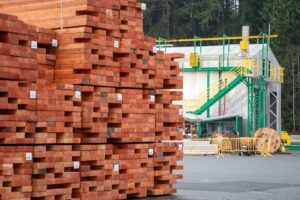 Canada’s forestry industry plans to divert a significant share of its wood exports from the US to new international markets. …The aim to send some 1bn board feet to alternative markets underscores how Trump’s tariffs are starting to reshape some global supply chains, although tensions between the US and Canada over wood exports have simmered for more than half a century. …“The US simply needs to fact-check better before they end up with a large shortage of lumber that may cause further housing shortages,” said Rick Doman, chair of FII BC. …Zoltan van Heyningen for the US Lumber Coalition said the American timber industry could replace 1bn board feet of Canadian imports “without batting an eyelid”. …The NAHB says at just 64% of capacity it “will take years” for US domestic lumber production to expand to meet industry demands. …Mike McDonald, a UK-based consultant, acknowledged it would take time to establish confidence among European consumers. [to access the full story a FT subscription is required]
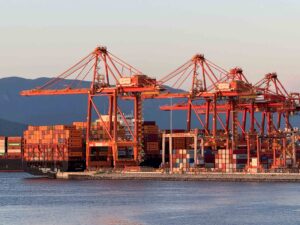 HONG KONG — It is an image that just a year ago would have seemed unfathomable: the Canadian and Chinese leaders standing side by side. …The tide began turning early last month… Prime Minister Carney and leader Xi Jinping met on the sidelines of the Asia-Pacific Economic Co-operation summit in South Korea – the first time leaders of the two countries had met in eight years. …That has since been followed by another ministerial visit to China. China also reinstated Canada to its approved travel list for tour groups. …But as leaders in Ottawa and Beijing signal it may be time to start doing business again, some experts warn China could be attempting to exploit Canada at a vulnerable moment. …Meanwhile, the US has increasingly ramped up its economic war on its northern neighbor. …Beijing has said it will drop the canola tariffs if Ottawa does the same for Chinese electric vehicles.
 CASTLEGAR, BC
 OTTAWA, ON – Canadian Forest Owners (CFO) appeared before the House of Commons Standing Committee on Natural Resources today as part of its study on the forest industry, which is being severely affected by the ongoing softwood lumber dispute. Andrew de Vries, Chief Executive Officer of CFO, and Vincent Miville, Vice-Chair of CFO and Executive Director of the Quebec Federation of Forest Producers, presented recommendations aimed at better recognizing the strategic role of forest owners and the importance of private forests in Canada. CFO represents 480,000 forest owners who collectively own about 10% of Canada’s forested land, but account for 20% of the country’s timber production. These owners supply wood to the forest industry, contribute to regional economies, and provide essential environmental services to rural communities. “The lack of understanding of private forests is a blind spot in Canada’s forest and trade policy, and as a result, support programs for the sector often overlook their essential contribution,” said de Vries.
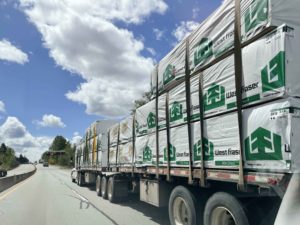
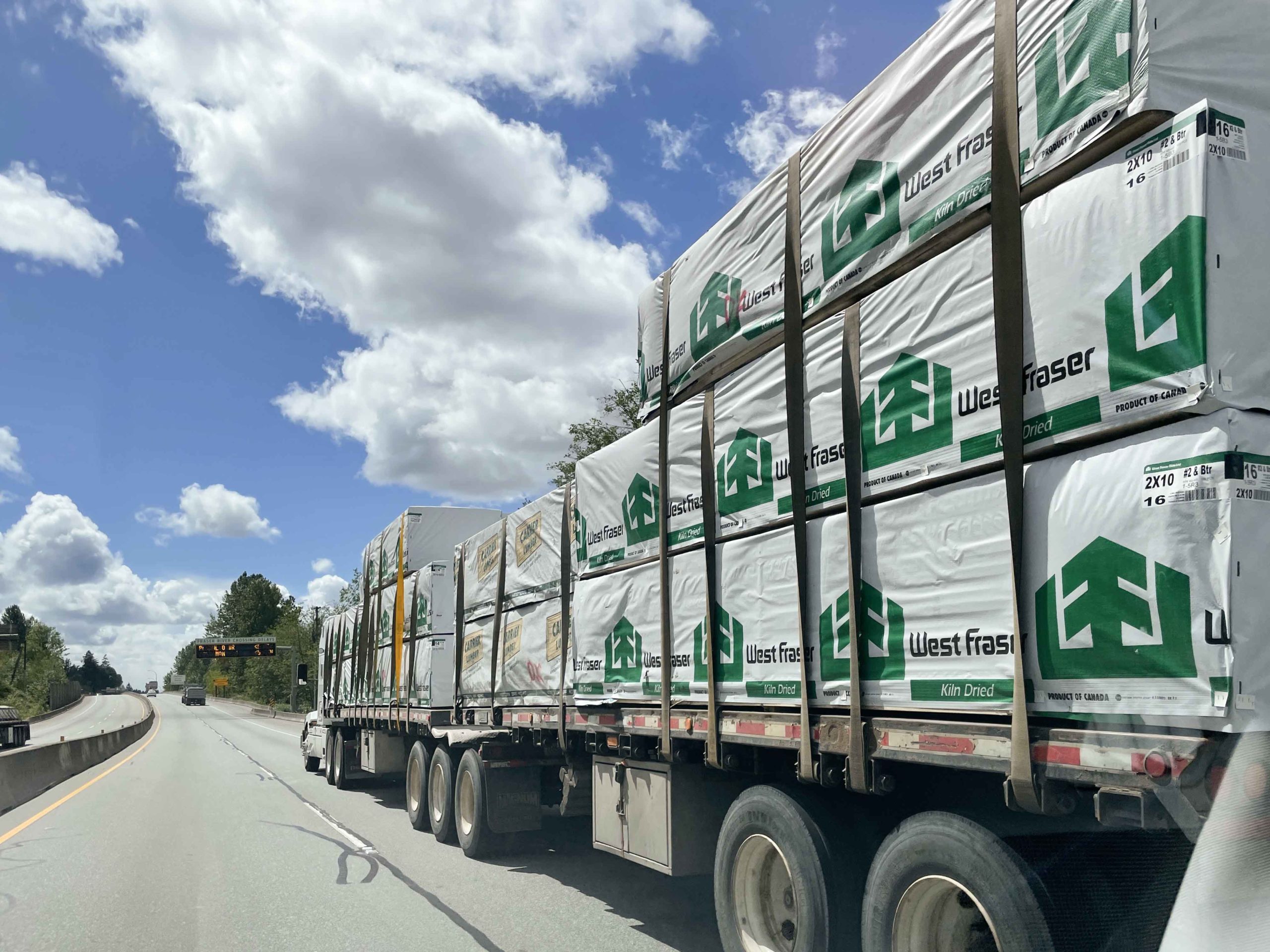 The softwood timber tariffs levied by the U.S. have begun to hit the lumber industry hard. Citing a drooping softwood lumber demand, compounded by higher duties and additional tariffs that have reached 45 per cent for U.S. markets, West Fraser Timber announced Thursday its plans to permanently shutter both its Augusta, Ga., and 100 Mile House lumber mills by the end of 2025. Approximately 165 employees at the 100 Mile House mill will be laid off, as the company says it can’t secure an adequate volume of economically viable timber. The closing of the mill drops West Fraser’s capacity by 160 million board feet. …The closure of the Augusta lumber mill is a result of challenging lumber demand, and the loss of economically viable residual outlets, which combined has compromised the mill’s long-term viability. Around 130 employees will be laid off there, and further reduce West Fraser’s capacity by 140 million board feet.

 TORONTO – United Steelworkers union (USW) National Director Marty Warren issued the following statement on the federal Budget 2025: This budget recognizes something workers have been saying for years. Canada needs to build more at home and expand its industrial capacity. The commitments on Buy-Canadian procurement, industrial strategy and trade enforcement are important steps forward and reflect priorities Steelworkers have been advocating for across the country. There are meaningful investments in steel, forestry, critical minerals and manufacturing – sectors that support thousands of good union jobs and anchor regional economies and communities. We welcome tools that can help stabilize supply chains and strengthen domestic production. …Buy-Canadian rules must be enforced, industrial dollars must translate into real jobs and production on the ground, and forestry and industrial communities need long-term certainty, not temporary relief. We see steps in the right direction. Now it’s about follow-through.
 On August 5, 2025,
  Forest Products Association of Canada put forward 19 practical recommendations for Budget 2025 focusing on three areas where immediate federal action can make a tangible difference: Smarter regulation to improve competitiveness; Clear signals to improve investment confidence; and Stronger trade and market access measures to protect Canadian jobs. …Hundreds of rural and northern communities depend on a strong forest sector. The Government of Canada’s $1.25 billion softwood package is welcome support for the immediate term, but finding a path to a more certain trading arrangement with the United States remains the Canadian forest sector’s top priority. …The inclusion of Investment Tax Credits (ITCs) for biomass projects in Budget 2025 is a welcome, long-overdue step for Canada’s forest sector. …With the right tax measures in place, these projects can modernize mill operations, sustain and grow jobs in rural and northern communities, and strengthen Canada’s position as a secure producer of renewable energy.
 West Fraser-100 Mile Lumber employees like Kris Taylor are taking each day as it comes, following the announcement of the
  PRINCE ALBERT, Saskatchewan — The sale of a defunct Prince Albert pulp and paper mill from Domtar to the Ontario-based BMI Group has ended plans to re-open the mill and sparked a search for industrial business tenants for the site. “The site will never be a pulp mill again. That is for sure,” said Chris Rickett, BMI Group’s head of government and community relations. After eight months of negotiations, BMI purchased the former Weyerhaeuser Prince Albert pulp mill site and buildings from Domtar, Canada’s largest pulp and paper company. …The former Weyerhauser Prince Albert Pulp and Paper Mill ceased operations in 2006. Approximately 700 workers at the mill lost their jobs, with further indirect job losses in the forestry industry. A spokesperson for the One Sky Forest Products said it is gathering investors to build an oriented strand board (OSB) manufacturing plant on the former mill site.
  This is a rare opportunity to lead highly respected, independent oversight in one of the province’s most important and visible sectors. The Chair plays a pivotal role in strengthening public confidence in forest and range practices across BC. Ideal candidates bring strong governance experience, a background in forestry, and a commitment to transparent oversight. The Chair is a flexible, full-time role leading BC’s independent watchdog for forest and range practices. The Chair plays a key role in strengthening public trust in how the province’s forests and rangelands are managed. The Chair provides strategic leadership, oversees audits and investigations, approves reports, and represents the Board in engagements with Indigenous governments, provincial agencies, stakeholders, and the media. The role is well suited for someone with strong governance experience, sound judgment, and a balanced understanding of BC’s natural resource sector. Appointed by Order-in-Council for an initial term of 3 to 5 years the position may be re-appointed for additional terms of up to 5 years. Closing Date: December 11, 2025
 Government has launched Look West, a strategic plan to deliver major projects faster, expand skills training and grow key sectors to strengthen B.C.’s economy, creating good jobs and opportunities for people and businesses, and benefiting all of Canada. “British Columbia can get big things done – which is why our province is vastly overrepresented in the list of major projects Ottawa is fast-tracking,” said Premier David Eby. “This plan sets big goals as we make B.C. the economic powerhouse of Canada to create great jobs and drive prosperity in every corner of the province.” Look West rises to the challenges brought on by U.S. tariffs. The strategy sets a 10-year vision to strengthen B.C.’s economy, including continuing work to speed up permitting and diversify key sectors, so B.C.’s economy is less reliant on the United States.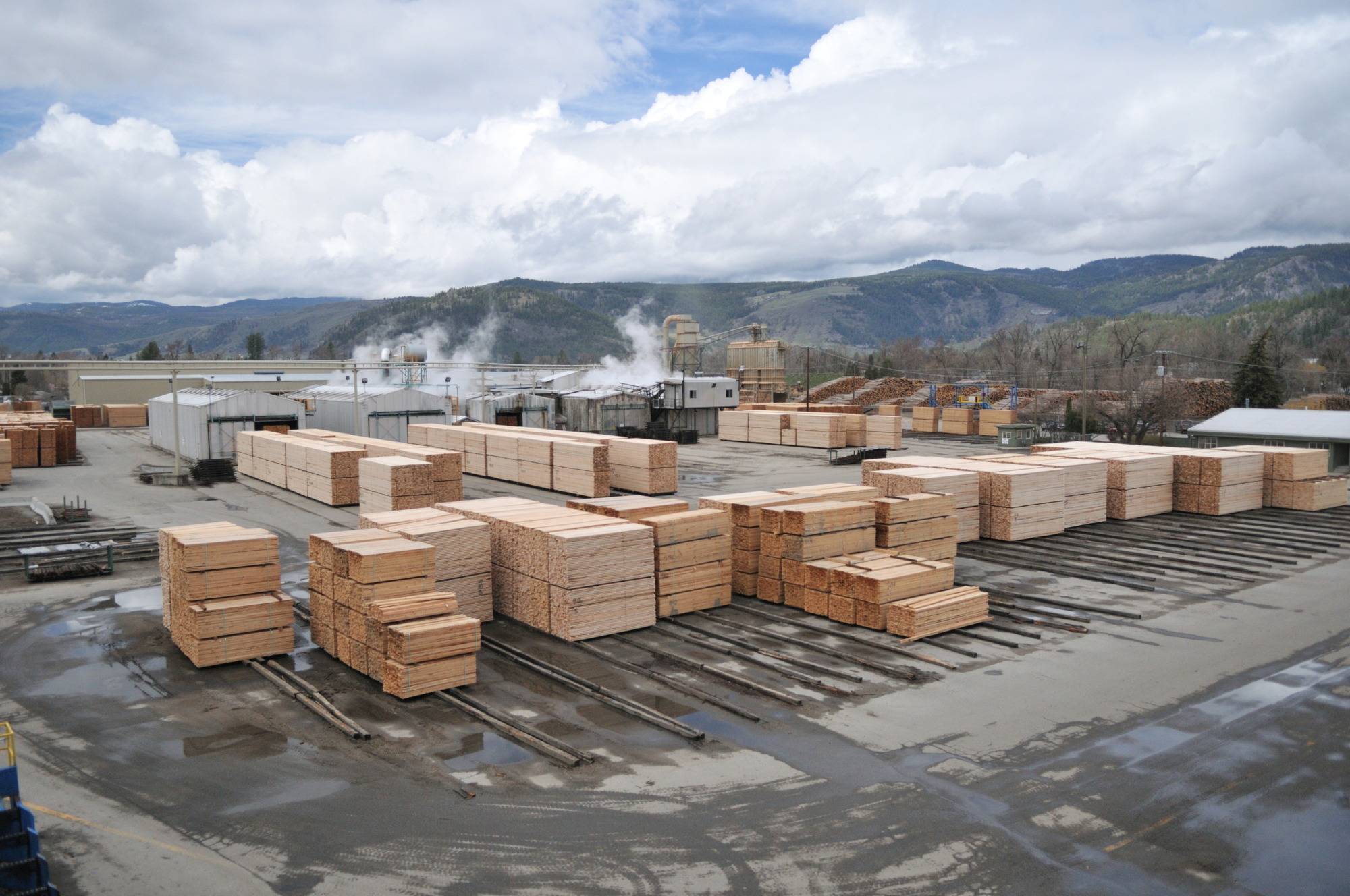
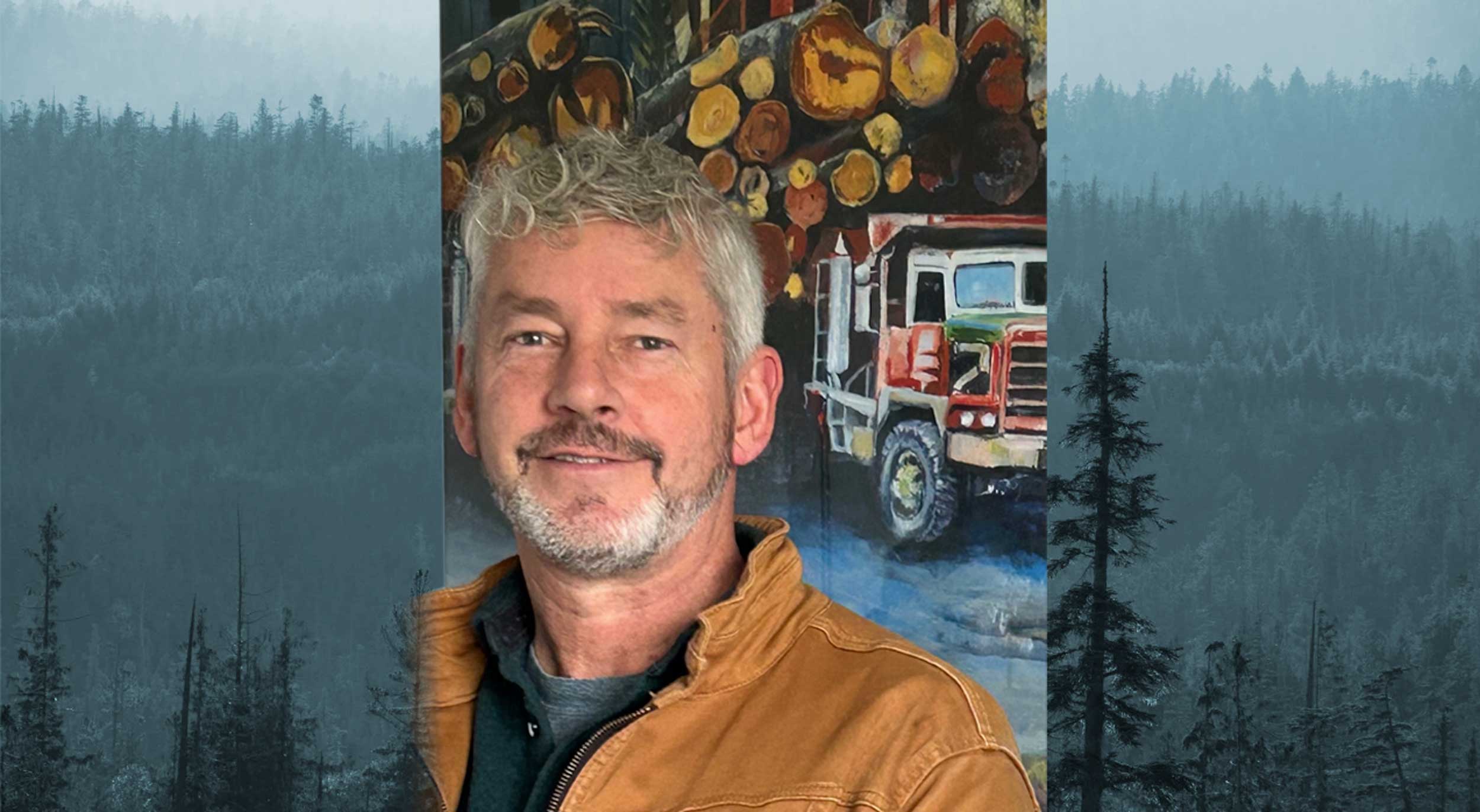
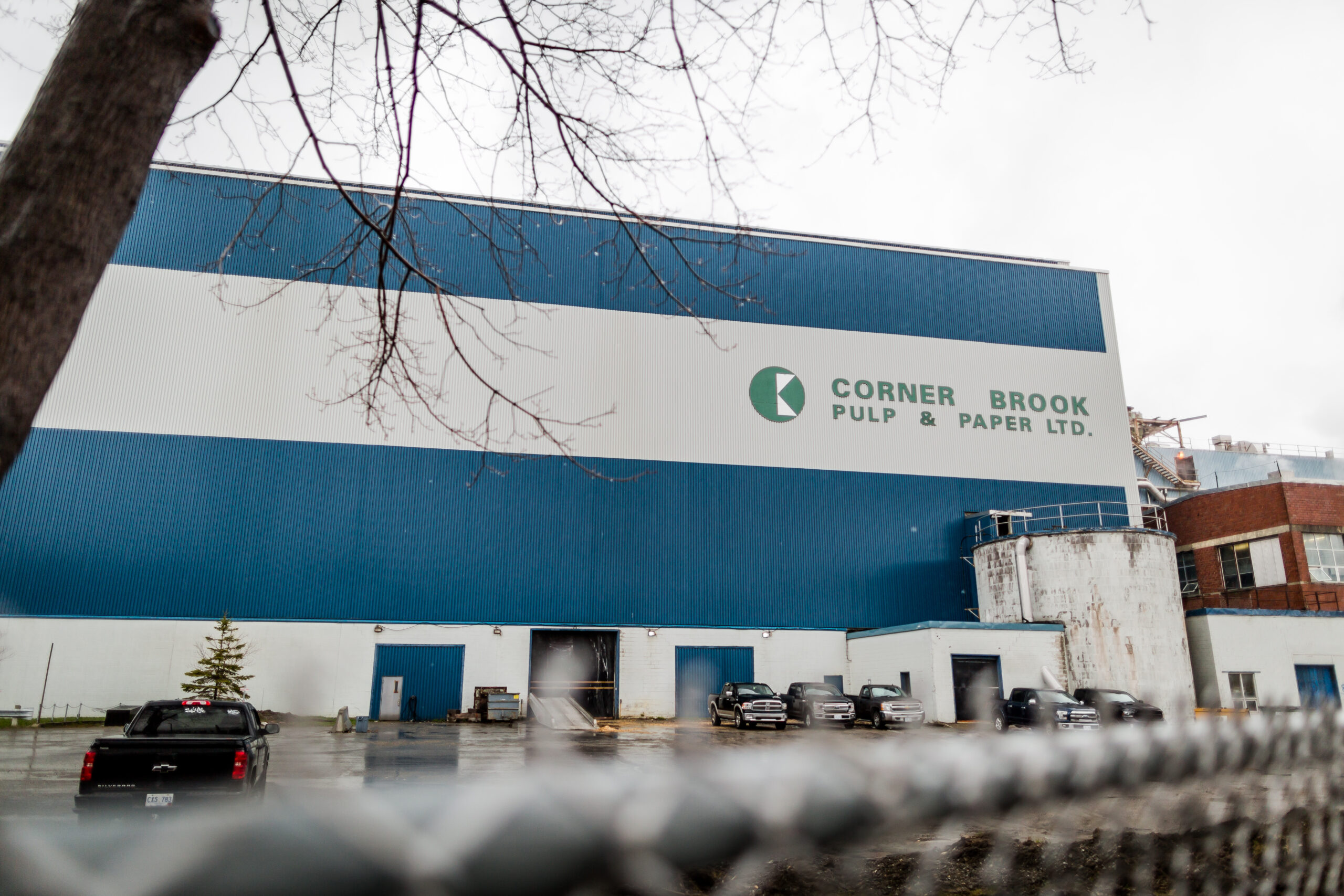
 Members of the management team for West Fraser’s 100 Mile Lumber appeared in front of the District of 100 Mile House Council to answer questions about the permanent closure of their 100 Mile House mill by the end of December. …Mayor Maureen Pinkney began the meeting, noting that the closure is sad news and that she was surprised they were going straight to closure without any curtailment. …Rob Baron, West Fraser’s regional manager of operations, said “The conditions that precipitated the decision to go to permanent closure are really entirely related to long-term viability related to the high cost of saw logs coming to this mill”. …They’re currently getting their shutdown coordinator set up and have resources on site to help their employees through the transition. …Baron said West Fraser doesn’t have any plans for what they’ll be doing with the property in the future, but welcomes anyone interested in the facility to contact them.


 Campbell River, BC — La-kwa sa muqw Forestry Limited Partnership (LKSM) is ready to sit down at the bargaining table with the USW at any time, and has been ready throughout this strike, which it has made clear many times to the USW. However the USW has repeatedly refused to do so, as recently as October 24. Despite repeated invitations from LKSM, the USW has also declined both meaningful negotiations and mediation to assist the bargaining process, unnecessarily prolonging this months-long strike. “LKSM’s First Nations shareholders are dismayed and extremely frustrated by the provincial government’s failure to help both parties to make progress through the appointment of a mediator, especially given the hardships the forestry industry is facing right now,” says Nanwakolas Council President Dallas Smith. “Mediation is an opportunity to bring the parties together …and yet BC still has failed to appoint a mediator after all this time.”

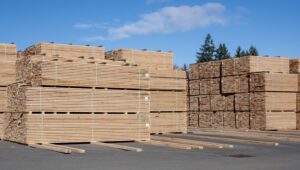 Politicians from BC and Ottawa met in Vancouver Monday for a forestry summit, where they agreed to create a working group on supporting the industry in the face of ever-increasing U.S. fees and tariffs. …Speaking after the forestry summit on Monday, he said the federal government’s commitment to a working group with the province felt “very heartening.” Kim Haakstad, the president of the B.C. Council of Forest Industries, said in a statement that the group is pleased the governments are working together to keep people working — even when markets are challenging. Haakstad said the working group should also include the industry to help focus on keeping mills open, which means prioritizing a new softwood lumber deal and accelerating the rollout of the $1.2 billion from federal government.


 Following today’s BC Forestry Summit, the TLA was pleased to hear the encouraging remarks from Premier Eby and the Honourable Dominic LeBlanc, Federal Minister of Intergovernmental Affairs, Infrastructure and Communities. Their commitment to … addressing softwood lumber tariffs is an important step toward ensuring the long-term stability and competitiveness of Canada’s forest sector. As the backbone of most BC communities, the TLA appreciates today’s much needed recognition that forestry remains critical to both BC and Canada’s economies. The TLA emphasizes the importance of ensuring that a portion of the federal government’s $700 million in funding directly supports forestry’s timber harvesting contractors. …this support can strengthen a sustainable and more certain forest industry. BC was once the lowest cost lumber producer in North America and is now amongst the highest… There is an urgent need to improve certainty by diversifying markets, enhancing access to fibre, and reducing costs to ensure the industry’s long-term viability and global competitiveness.
 VANCOUVER — British Columbia Premier David Eby says the province is walking back plans to run anti-tariff advertisements in the United States after a meeting with federal officials about the province’s beleaguered forestry sector. Eby said Monday that B.C. won’t be running the ads “by ourselves,” in favour of aligning with the federal government in its dealings with the U.S. government under President Donald Trump. “The unfair and unjustified tariffs imposed by the White House on this sector directly threatens thousands of jobs right across the country,” Eby said at a news conference after a forestry summit meeting with federal officials and others. …”Minister LeBlanc didn’t have to ask,” Eby answered Monday when a reporter asked LeBlanc if he requested that the B.C. government hold off on its anti-tariff advertising campaign. “I knew that it was a source of anxiety for many people, including potentially the federal government.”
 EAR FALLS, Ontario — Northerners know what it means to put in an honest day’s work. …But in Ear Falls, that northern way of life is under threat. In October, Interfor announced the indefinite closure of the Ear Falls sawmill. Over 160 jobs have vanished, and the community is left waiting—hoping that leaders in Ottawa and Toronto will step up, restore these jobs, and fight for the future of Ear Falls. But Ear Falls did not just stand by, they united. Workers, families, municipal leaders, Unifor, and MPP Sol Mamakwa stood shoulder to shoulder to demand action. …But the response from Premier Ford and Prime Minster Carney? Deafening silence. The indefinite closure of Ear Falls’ sawmill, and the silence from Conservative and Liberal governments lay bare the legacy of under-development, under-investment, and under-representation that holds Northerners back.
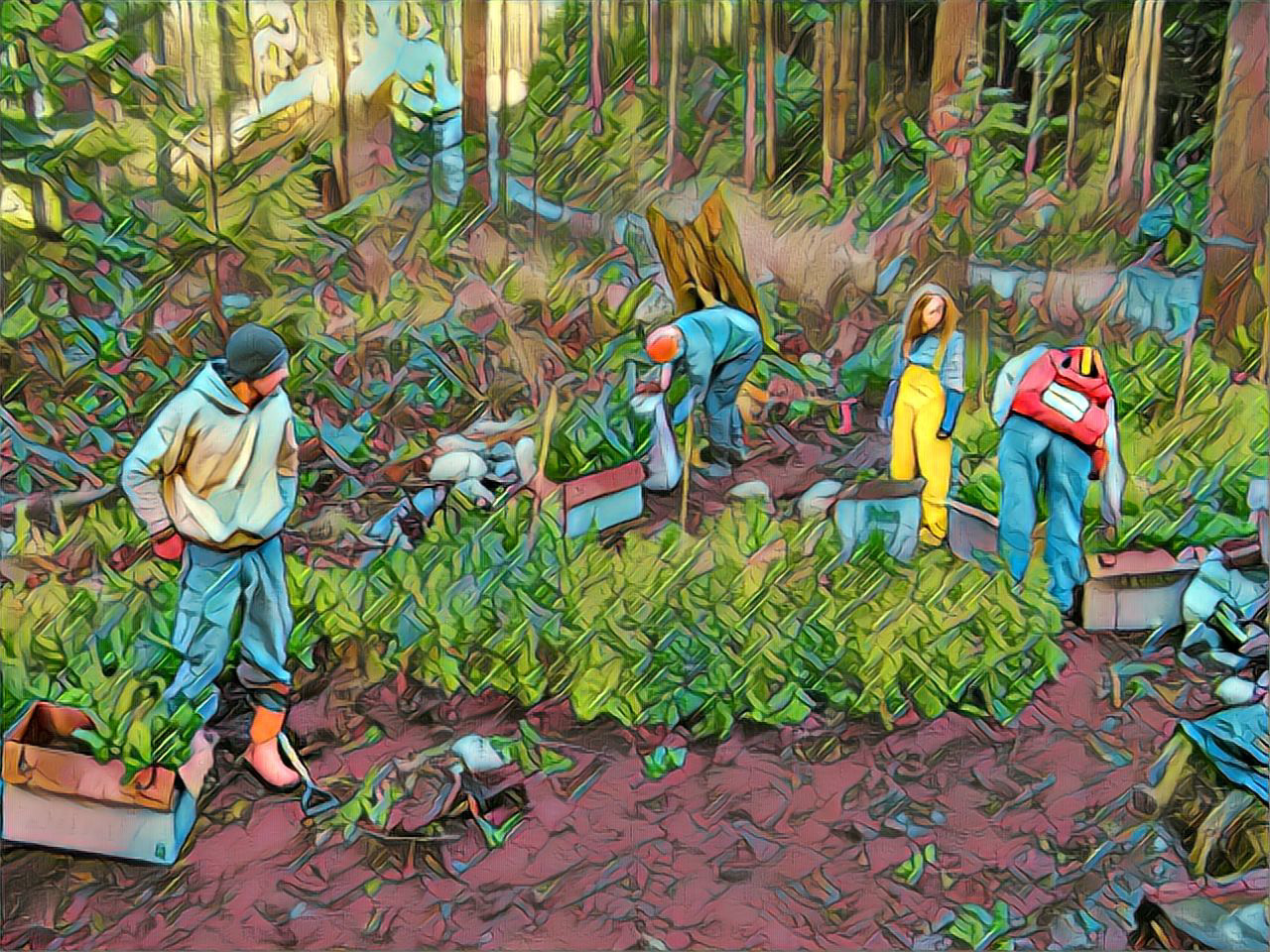 A decision to cut a tree-planting in the federal budget was met with disappointment by seedling producers. The Canadian Tree Nursery Association represents more than 95 per cent of Canada’s forest restoration seedling producers. The federal government decided to cut short the Two Billion Trees (2BT) Program, saving an estimated $200 million over four years. CTNA executive director Rob Keen said the decision would threaten the long-term environmental recovery of Canada’s forests and jeopardize the forest restoration sector. “I think the whole program was just starting to get some good momentum,” Keen said. …Keen said about 600 million trees are planted each year by the forestry industry. “So, really there was a very significant increase in overall tree planting in Canada,” he said. “And then, I guess in the budget … the government decided, ‘OK, we’re done.’ ”







 BEIJING — China will restore soybean import licences for three US firms and lift its suspension on US log imports starting November 10, its customs authority said on Friday in another sign of easing trade tensions between the two nations. …The halt on US log imports was a retaliatory measure after US President Trump’s March 1 order to investigate lumber imports. Investor sentiment improved after Trump met Chinese leader Xi Jinping in South Korea, reducing fears that the world’s two largest economies might abandon efforts to resolve their trade disputes. Following the meeting, Beijing lifted tariffs on some US farm goods. …However, traders remain cautious, as a 10% tariff on all US imports remains in effect, limiting expectations for a broader recovery in trade flows.


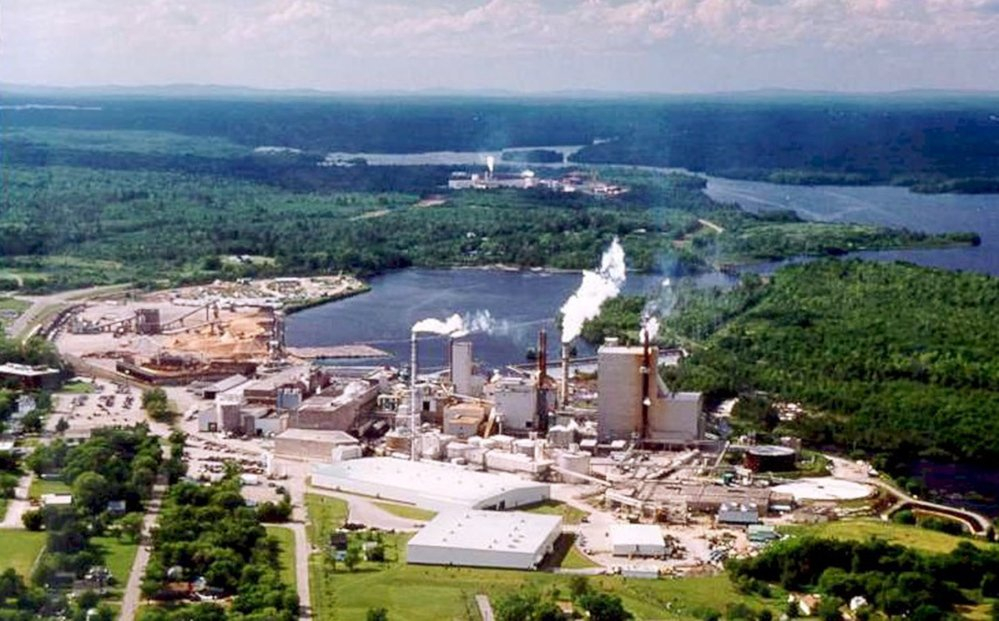
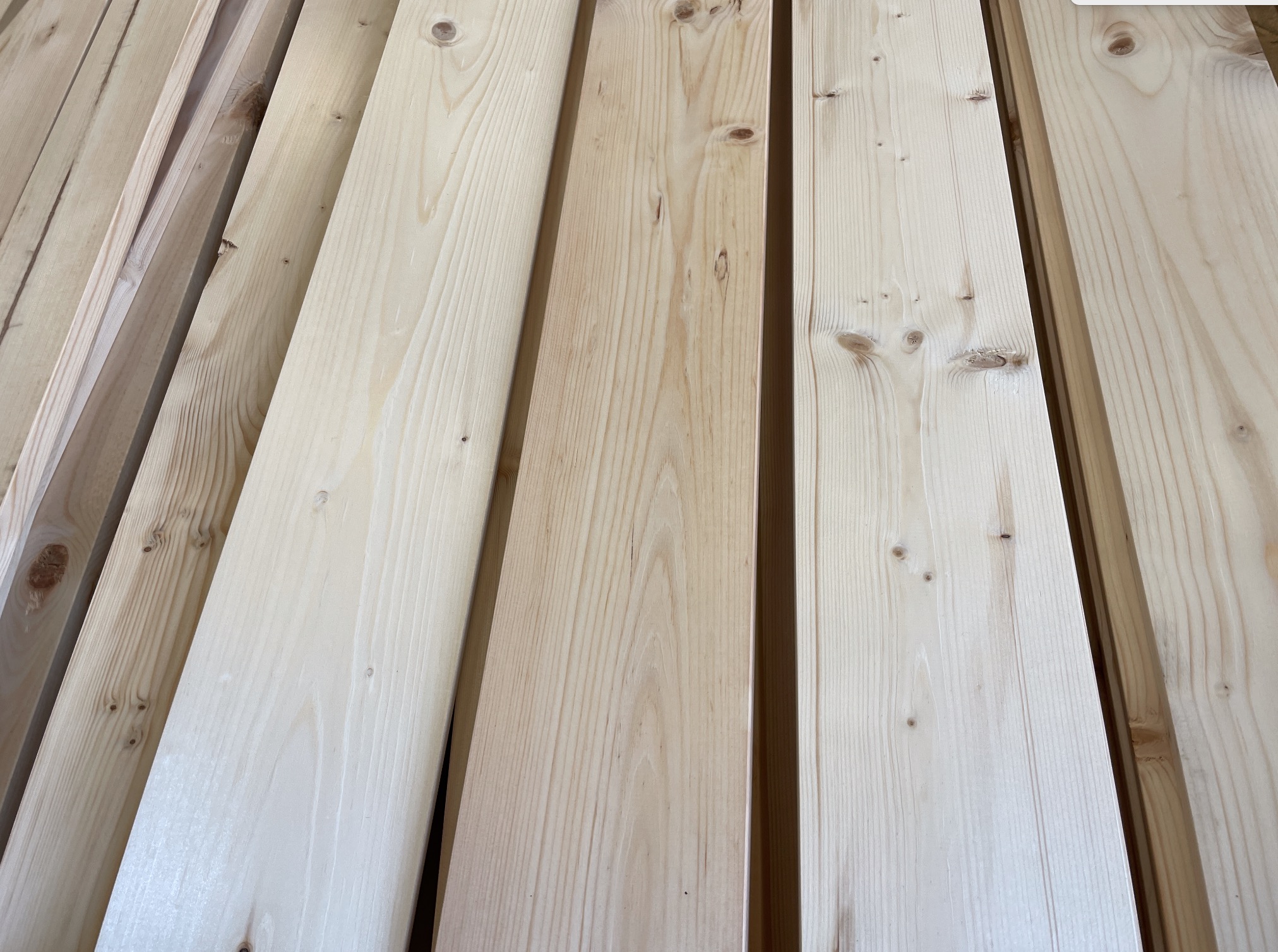 After four major paper and pulp mills closed in Georgia this fall, the phone at the South Georgia Sawmill began ringing nonstop. …woodsmen from Georgia were begging owner Adam Williams to buy at least some of their logs… Williams had to say no. The scene here in Georgia is being replicated in other timber markets, raising larger questions about what measures the United States could take to become more self-reliant and preserve its foundational industries. While most of the U.S. wood supply has historically been homegrown, imports have surged, particularly from Canada. … Republican Gov. Brian Kemp has assembled a task force to suss out new opportunities for Georgia wood. Georgia Tech University, for one, is at the forefront of technology that might one day refine new types of aviation fuel from trees. The state is also pioneering the use of so-called “mass timber” – cross-laminated panels of two-by-sixes that replace concrete and steel.
 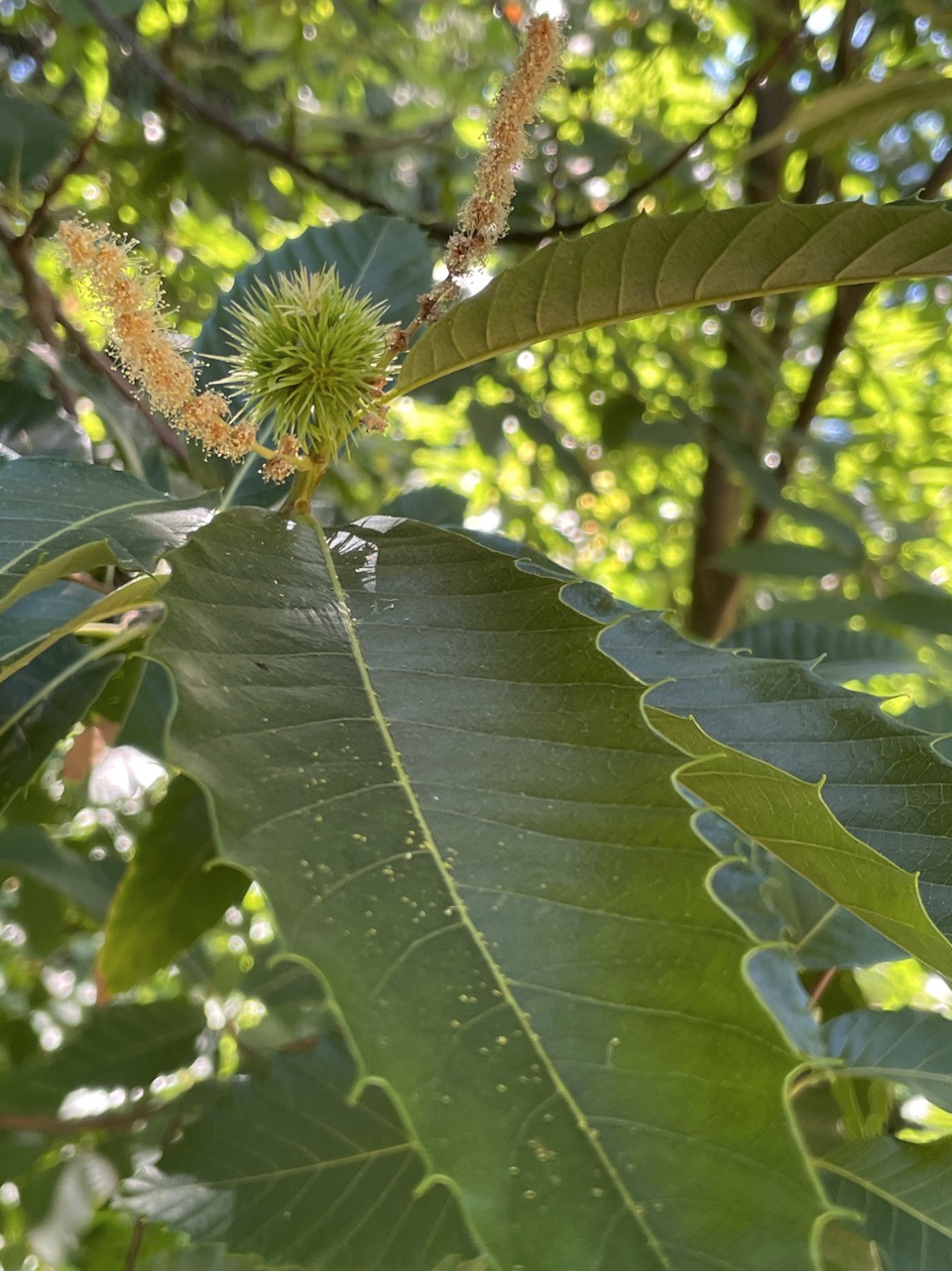 Nearly 40 Tennessee hardwood companies are among hundreds of U.S. hardwood industry operators calling for federal relief from tariff-induced economic hardship. Tennessee’s forestry products industry supports an estimated 85,000 jobs, according to the


 KINGWOOD, W.Va. — Multiple volunteer fire departments and emergency medical services responded Wednesday night to a fire at Appalachian Wood Pellets that affected multiple buildings. Officials reported the blaze has been contained, and no injuries were reported. Preston County Office of Emergency Management Director Justin Wolfe said initial reports of the blaze at 383 Mill Road were received at 11:33 p.m. Wednesday. …Initial reports noted that crews mounted an attack against the blaze, with additional fire departments being requested for assistance. Based on reports, the fire affected structures outside the main plant, including an open trailer with material, an open roofed storage structure and a belt-to-silo apparatus, and encroached on a maintenance building.
 Weyerhaeuser will use $102 million of proceeds from a municipal bond sale to help finance the construction of solid waste disposal facilities at its engineered wood plant in Arkansas. The Resource Recovery Revenue Bonds Series 2025 will be sold by the Arkansas Development Finance Authority, which will then lend the money to the timber and forest products company. …The bonds are special and limited revenue obligations of the issuer. Weyerhaeuser will use the money to help finance a portion of the costs of the acquisition, construction, equipping and installation of solid waste disposal facilities at its TimberStrand plant under construction near the city of Monticello in Drew County. Proceeds will also be used to pay the costs of bond issuance. TimberStrand is a brand name for a type of engineered wood product called laminated strand lumber and is manufactured by Weyerhaeuser.

 EU and UK timber industry organisations have declared their “unwavering commitment” against imports of Russian and Belarusian wood products. In an announcement published on the TDUK website, CEI-Bois (European Confederation of Woodworking Industries), ETTF (European Timber Trade Federation), EOS (European Organisation of the Sawmill Industry), and TDUK (Timber Development UK) – have signed the united statement reaffirming the EU and UK woodworking industry’s and wood traders’ strong and unwavering commitment to complying with applicable legislation governing the import of wood products from Russia or Belarus. …Sanctions on wood from Russia and Belarus were introduced years ago, yet residual quantities of prohibited wood regrettably remain in circulation in Europe. …“Our message is clear: the EU and UK wood industry value chain is united in its determination not to import Russian and Belarusian wood. Integrity is a core value of our industry, and we reject illegal and unethical practices by any company.”
 Stora Enso is initiating a strategic review of its Central European sawmills and building solutions operations. The 2026 review will cover one business unit of Wood Products business area, including seven sawmills in Austria, Czechia, Poland, and Lithuania, and further processing units with three cross-laminated-timber (CLT) mills, as well as wood procurement, and international sales and distribution operations. Whilst the business in scope has a strong position in an attractive market, it does not bring strategic or operational synergies for Stora Enso’s core renewable packaging operations. …different scenarios will be assessed for the business and assets in scope, including the possibility to divest the business, to strengthen Stora Enso’s strategic focus on renewable materials and packaging. The synergetic sawmills in Northern Europe, including further processing operations, in Sweden, Finland, Estonia and Latvia are not part of the assessment, and this part of the business remains strategically important to Stora Enso going forward.
