
Mark Carney
OTTAWA — Prime Minister Mark Carney unveiled a crisis-era Cabinet to confront Donald Trump’s trade war, steady a weakening economy and reset the high-stakes Canada-US relationship. …Carney told reporters he will take the lead on Canada-U.S. relations but will lean on Cabinet members who have experience dealing with Trump and his allies:
- Dominic LeBlanc will be his go-to minister on all things Trump. He and Commerce Secretary Howard Lutnick are texting buddies. LeBlanc has also been dealing with Treasury Secretary Scott Bessent informally.
- Domestically, he wants Canada’s economy to rely less on the United States. François-Philippe Champagne will stick around as Carney’s finance minister and will come face to face with Bessent next week at the G7 finance ministers’ meeting in Banff, Alberta.
- Carney said Canada is at the “start of an industrial transformation,” which Mélanie Joly will help lead, drawing on her experiences dealing with Secretary of State Marco Rubio and other US officials.
- He said newly installed defense and public safety ministers — David McGuinty and Gary Anandasangaree, respectively — will also play key roles in engaging Trump in what he called a “return to more traditional Cabinet government.” McGuinty will be off to The Hague next month, where he’ll meet Pete Hegseth, at the NATO Summit.
- Carney also tapped veteran business executive Tim Hodgson as his energy and natural resources minister after recruiting him to run in the April election.
- Carney is keeping Chrystia Freeland out of the president’s sights — focusing on breaking down trade barriers between Canada’s provinces to dull the pain of Trump’s tariffs.

 President Trump’s tariffs on Canada may not be “totally removed” under a future trade agreement, the US ambassador says, but the two countries are on the path toward a stronger relationship. Pete Hoekstra, who serves as Trump’s envoy to Canada, says there are opportunities to secure new economic and security partnerships on the foundation set by Prime Minister Mark Carney’s visit to the White House last week. …“We had a few rough months and those types of things. But we have strong economic ties, we have strong national security ties, we have personal ties. … There is so much to this foundation. …However, Hoekstra said Canada should expect some level of tariffs on its exports under a new trade deal, even a rate lower than the ones it currently faces. He pointed to the new framework with the United Kingdom announced last week.
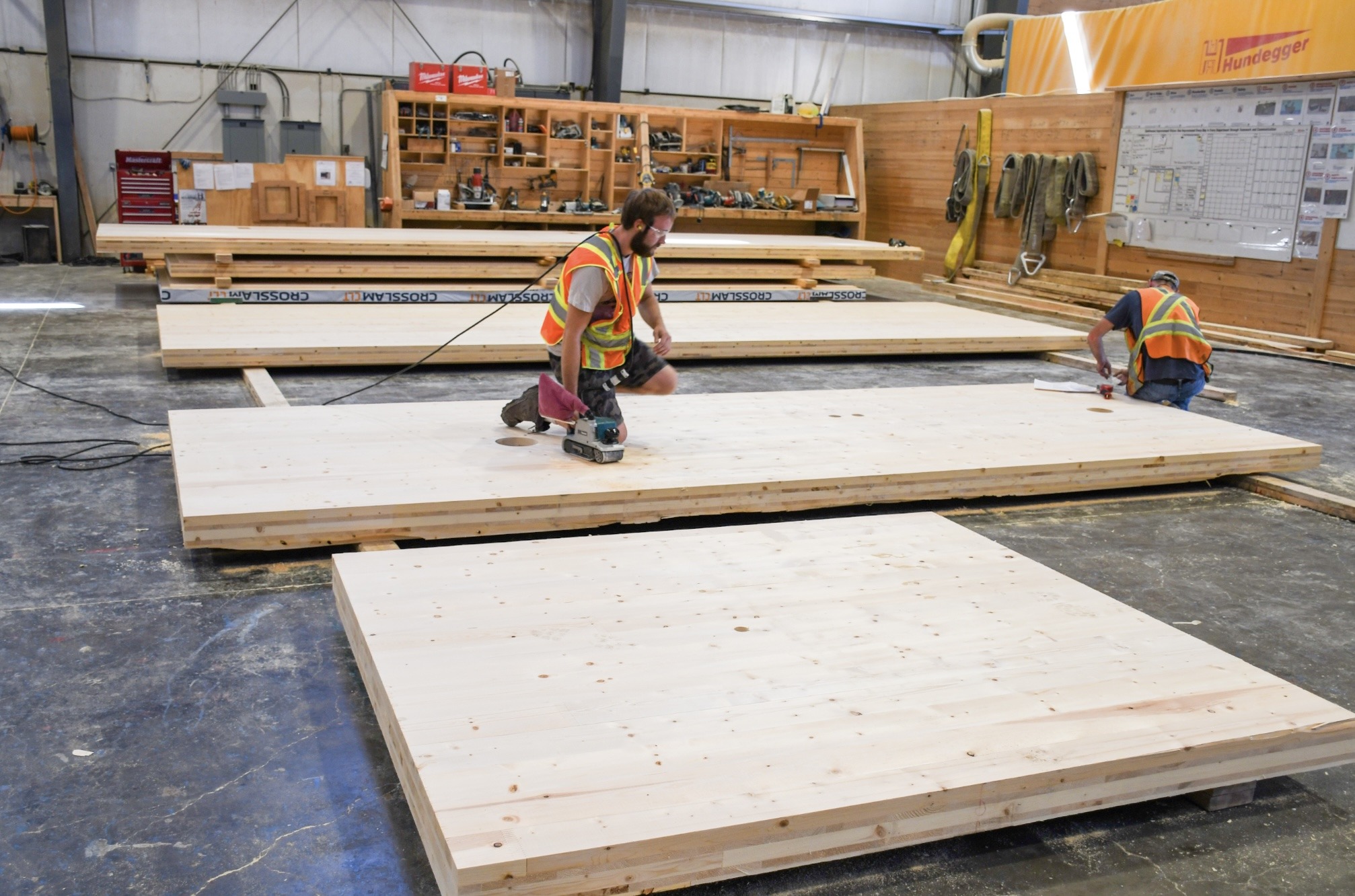 Now that the Liberals have secured another term in office, the big question is whether they can deliver on their ambitious promises, particularly a $26 billion push into prefabricated homes through a new agency called Build Canada Homes (BCH). The plan includes $25 billion in debt financing and $1 billion in equity for Canada’s prefab and modular homebuilders. The goal is to cut construction times by as much as 50%, reduce costs by 20%, and lower emissions by 22% compared to traditional building, while using Canadian technologies like mass timber and softwood lumber. BCH also plans to issue bulk orders to manufacturers, aiming to create steady demand and boost apprenticeships to strengthen the skilled trades workforce. …A problem, Kevin Lee, CEO of the
  Members of the newly formed Provincial Forest Advisory Council are tasked with providing recommendations to government on advancing forest stewardship, while supporting communities and workers that rely on forests. Under the Cooperation and Responsible Government Accord 2025, the B.C. government and BC Green caucus have established the Provincial Forest Advisory Council. The council will provide recommendations to government to ensure there are clear and measurable outcomes that support a healthy forests, healthy ecosystems and a healthy forestry sector. …The council will consult with industry partners, such as the Provincial Forestry Forum and ecological, environmental and biodiversity experts, to engage the public for feedback and honour commitments to work in partnership with First Nations. …The council brings together forestry sector leaders that have been jointly appointed by the BC NDP and Green caucuses. The council will provide an interim report this fall, with a final report expected by the end of 2025.




 Kitselas First Nation is expanding its role in the forestry sector with the purchase of a new forest tenure from A&A Trading Ltd. The deal includes Forest License A16836 and Road Permit RP16688, giving Kitselas an annual allowable cut of just over 10,000 cubic metres. The total purchase price was just under $1.58 million and was approved by Chief and Council in July 2024. The acquisition is supported by Kitselas Development Corporation and Kitselas Forestry LP. An initial $800,000 was transferred to Kitselas in 2024, with the potential for a second distribution to fully cover the purchase. This move strengthens Kitselas’ economic position and gives the Nation more control over its lands and resources. Kitselas Forestry LP will manage the new tenure alongside existing operations, maintaining partnerships with trusted industry players.
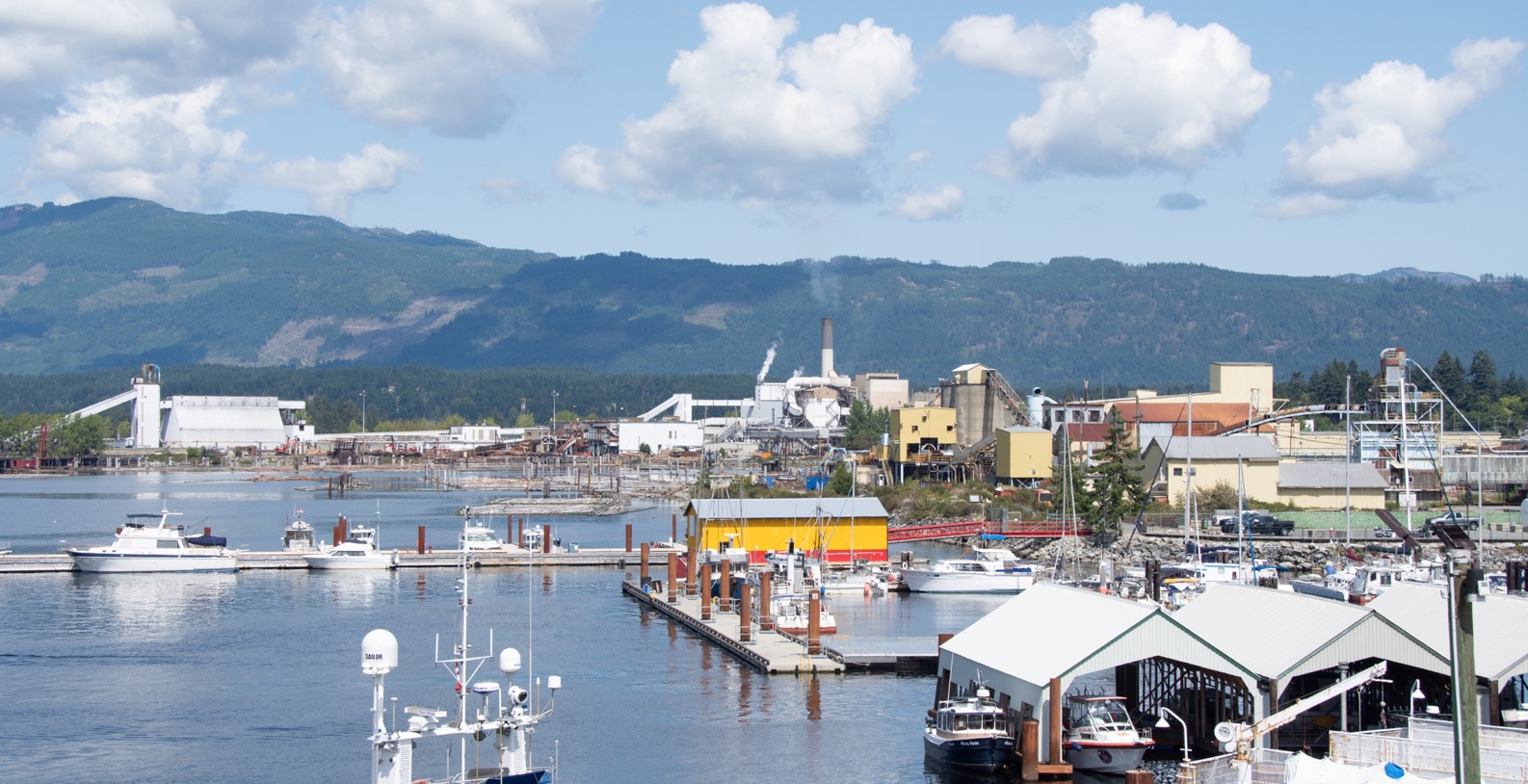 PORT ALBERNI, BC — An ambitious project to redevelop Western Forest Products former Somass mill site on the Port Alberni waterfront is moving forward, infusing fresh hope in a city hit hard by the challenges dogging the coastal forest industry. …“Exciting times for the City of Port Alberni moving forward and getting to revision an old mill site,” said Mike Fox, chief administrative officer with Port Alberni. …The amenities are needed. …The need for new housing is likely to grow as new businesses bring jobs to replace those lost by troubles in the forest sector. San Group, once Port Alberni’s key employer, filed for creditor protection last November, but the Amix Group and Canadian Maritime Engineering Ltd. are looking to expand. …Amix Marine Services recently bought 45 acres from Western Forest Products Ltd. for $7.3 million for a new marine terminal and will make Port Alberni its home port.
 Are you passionate about technology and forestry? Join our team at Phoenix Connect (a division of DR Systems) and help shape the future of forest operations. We’re looking for a Client Experience Lead to support the growth of our SaaS platform and work closely with clients to optimize their forest management practices. This dynamic role blends innovation, client service, and environmental stewardship—working alongside a collaborative and motivated team. As the Client Experience Lead, you’ll contribute directly to the evolution of Phoenix Connect—bringing fresh ideas, solving real-world challenges, and making a tangible impact. This position can be based remotely, though our head office is located in Nanaimo, BC. Phoenix Connect is a cloud-based platform designed specifically for the forestry sector. It brings together all aspects of forest management—planning, operations, reporting, and compliance—into one seamless system. Phoenix helps forestry professionals make informed decisions, stay compliant with regulations, and manage their operations more efficiently. Phoenix Connect is shaping the future of sustainable forest management.
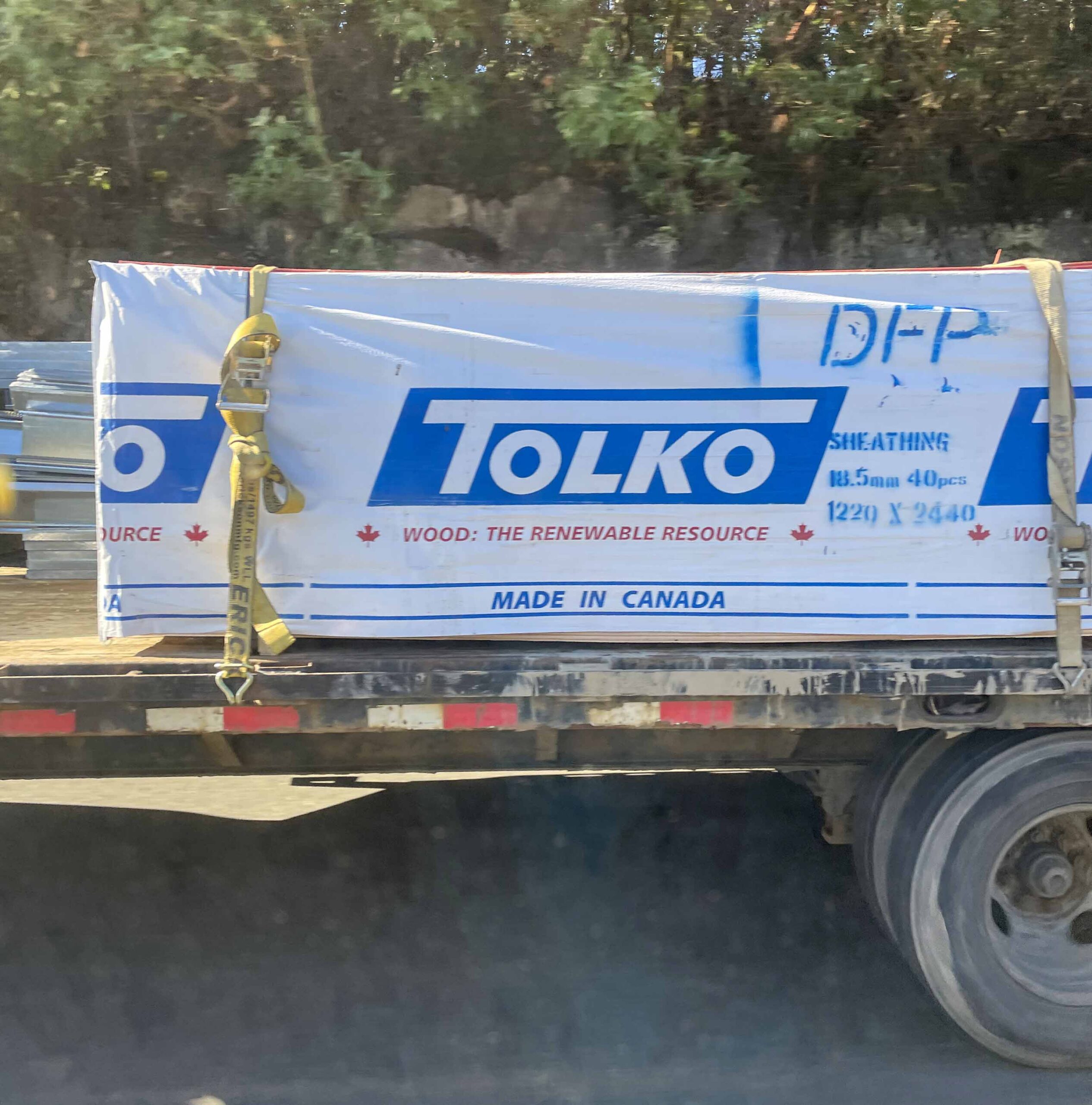 A lack of economical fibre will result in downtime at a pair of North Okanagan Tolko operations. Plants in Armstrong and at White Valley, near Lumby, will take approximately one week of downtime beginning as early as May 12 at Armstrong Lumber, and May 15 at White Valley. Employees have been notified. “BC regulatory and policy burden continues to impact the availability and accessibility of economic fibre,” said the Vernon-based company in an email. “We’re actively managing our log inventory, and the logs we have available are being deliberately directed to mills to make products where we can deliver the most value — accelerating our production of specialty, value-added (plywood, veneer and lamstock) and engineered wood products. “We recognize the impact this has on our employees and their families, and we will continue to provide as much notice as possible to help them manage through this uncertainty.”

 For 82 years, the TLA’s long history of supporting the forward movement of BC’s forest sector with the core objective of ensuring the ongoing prosperity of the contracting community and the people working in it, has been to the overall benefit of our forests. BC’s forest sector is wrestling with difficult and challenging conditions caused by many factors including changes in government policies, increasing complexity, conflicting mandates, and ever-increasing cost structures. We are overdue for a comprehensive overhaul of the current environment we deal with and the need to return to a dedicated vision towards renewed prosperity. However, today’s announcement of the new Provincial Forest Advisory Council (PFAC), yet another committee to review BC’s forest sector and provide recommendations to the Minister of Forests, is of concern. Notably, the advisory council does not include representation from boots-on-the-ground, independent contractors who can provide a valuable perspective on the impacts of potential changes.

 US Representatives Glenn “GT” Thompson (R-PA) and Terri Sewell (D-AL) have introduced the “
 The US Endowment for Forestry and Communities is proud to partner with the US Forest Service to support the backbone of sustainable forest management—wood products manufacturers. …Endowment staff joined colleagues from the US Forest Service to visit several facilities benefitting from the Wood Products Infrastructure Assistance funding, a component of the Wood Innovations Program. One notable stop was Shasta Green, a family-owned logging and sawmill operation in Burney, California. With support from the program, Shasta Green has been able to upgrade sawmill equipment and modernize kiln controls. …The Endowment and the Forest Service are also offering technical assistance through the Wood Manufacturing Facility Assistance Program. This initiative is designed to help existing manufacturers improve operations, remain competitive, and continue contributing to forest stewardship and community well-being.
 President Trump’s deal to dramatically slash tariffs on China thrilled markets and offered a sliver of relief for businesses across the country. It also revealed an important lesson: Even Teflon Don can’t outrun economic reality. The deal in which both sides agreed to lower tariff rates by triple-digit percentages, came as anxiety mounted about a potential downturn in the US. …The agreement is an acknowledgment that a full-on economic divorce of the US and China would be too painful for both sides. …For U.S. corporations operating across borders, the de-escalation might offer some solace. But the remaining 30 percent tariff added to Chinese goods will cut heavily into profits — and be cost-prohibitive in some sectors. …One former Trump administration official said the meeting between the U.S. and China resulted from pressure on the White House from a variety of industries. …Beijing, too, was watching its economy falter.


 ROSEBURG, Ore. —

 Georgia-Pacific has announced it will permanently close its Cedar Springs containerboard mill in Georgia later this year, impacting approximately 535 employees. The company informed workers on May 14 that most positions at the site will be eliminated by August 1, 2025, with all roles eventually affected. While production will continue temporarily to meet existing customer commitments, the mill’s operations are set to wind down in the coming months. Georgia-Pacific cited multiple factors behind the decision, emphasizing that the mill could no longer competitively serve its customers in the long term. The company stressed that the closure is not a reflection of the employees’ performance. “Our focus now is to operate safely and support our employees through this transition,” the company stated, pledging to treat all affected workers with “dignity and respect.”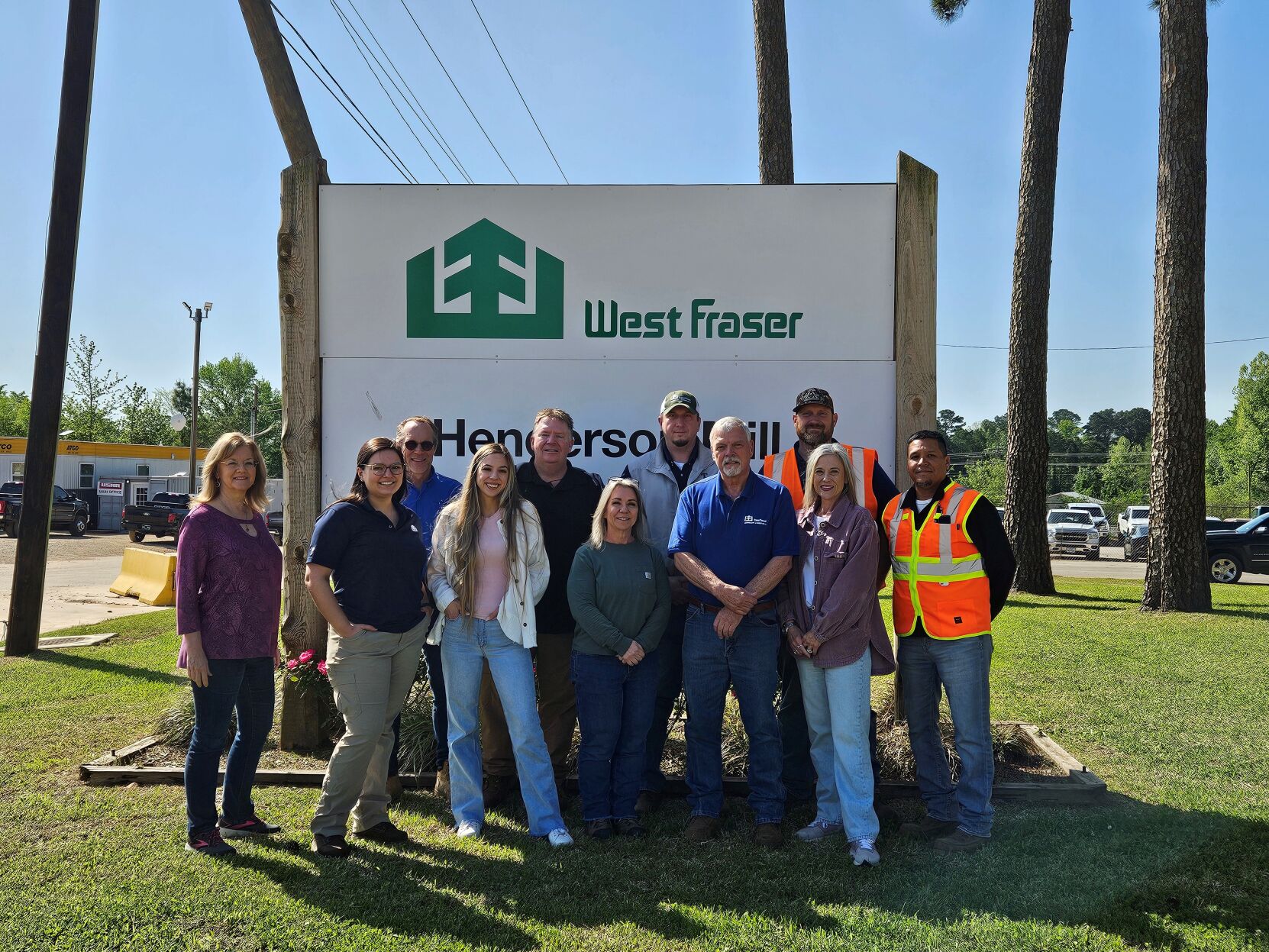


 An American timber business owner who supports Donald Trump is grappling with unsold inventory and shrinking cash flow due to the ongoing trade war, as Washington’s punitive tariffs weigh heavily on his operations and push him to seek alternatives to the Chinese market. Brandon Arbogast, the owner of Valley Log Sales in Timberville, Virginia, has spent decades in the lumber industry, exporting premium Virginia timber, primarily to China. …Sitting on 120,000 to 130,000 U.S. dollars’ worth of unsold wood, Arbogast is contemplating selling some of his land to maintain cash flow. …As a self-identified Trump supporter, Arbogast is willing to endure the hardship, hoping that a resolution to the trade dispute will eventually bring relief. For now, his premium walnut logs, which are typically transformed into furniture, flooring, and kitchen cabinets, remain idle.
 MINNESOTA — The Beltrami County Work Session held on May 6, 2025… featured discussions on a proposed $137 million investment to upgrade the West Fraser facility, which is crucial for both the mill’s future and the local economy.Jeremy Buck from West Fraser presented plans to modernize the mill, which has been operational since 1981 and still uses much of its original equipment. The proposed renovations aim to enhance energy efficiency and reduce environmental impact, with the potential to preserve approximately 32 direct jobs and support an estimated 500 indirect jobs in the community. The company has applied for assistance from the Minnesota Department of Employment and Economic Development (DEED) through the Job Creation Fund, which requires a resolution of support from the county. …The next steps will involve further discussions on the budget and the resolution to support West Fraser’s investment.
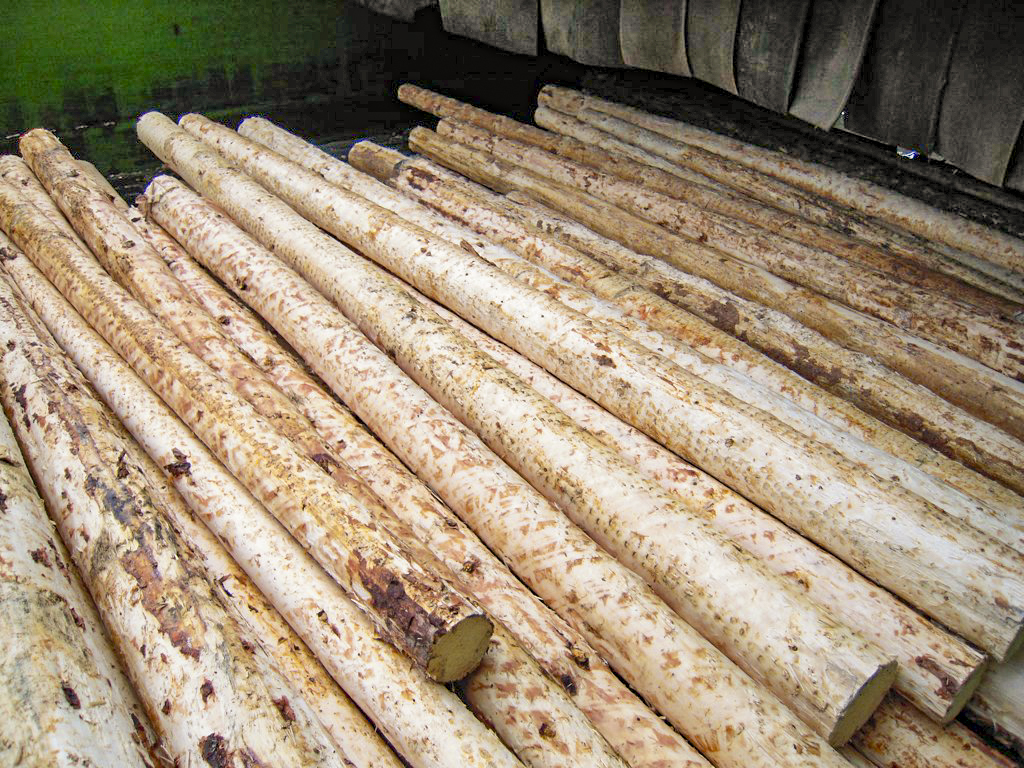 A construction industry crash in China is sending shockwaves through the timber trade here. “There’s elephants in the forest,” said Rotorua-based forestry consultant Jeff Tombleson. China was by far the largest importer of New Zealand logs – 92% in the year to June last year. But Tombleson said it had been “throttling back” on the quantity taken since China’s property market started contracting in 2021. Mega-infrastructure projects there such as new cities, ports and railways were nearing completion, he said. He said most of the New Zealand timber exported to China was used on construction sites for concrete-casting (boxing), a technique used in 60% of the country’s multi-storey builds. Since 2019, New Zealand’s isolating export log prices have occasionally “come back” to sub-$100 per cubic metre from an average of $132. At the lower level, he said harvesting for most of the small forests’ estate was not viable and because there was little or no domestic demand, they shut their gates.