 May 2025 is just over, and wildfires have already burned over 283,618 hectares of land across Canada. By mid-May 2025, around 100 wildfires were active, primarily in Manitoba and Ontario, two major fires in Manitoba and Saskatchewan alone accounted for over half of the area burned by early May. In 2023 and 2024, wildfires destroyed over 22.3 million hectares—nearly 7% of our forested land in two years. Now is the critical moment to initiate restoration efforts that can rejuvenate both our environment and economy. The importance of forest restoration cannot be overstated. The CTNA-ACPF) calculates that restoring just 15% of the land lost in the recent (2023 and 2024) wildfires would require over 5.3 billion seedlings. This restoration effort could inject through the nursery sector alone, $1.87 billion into the economy, boost GDP by $3.91 billion, and create nearly 31,000 jobs.
 Today, the Honourable Tim Hodgson, Minister of Energy and Natural Resources, and the Honourable Patty Hajdu, Minister of Jobs and Families, announced $15 million to create 470 employment and skills training opportunities for youth across Canada in natural resources sectors including energy, forestry, mining, earth sciences and clean technology. Through the Science and Technology Internship Program (STIP) – Green Jobs, employers in natural resources sectors can apply for funding to hire, train and mentor youth aged 15 to 30 for up to 12 months. These job opportunities will ensure that Canada’s natural resources sectors remain a source of economic growth and prosperity in the future. STIP – Green Jobs is part of the Government of Canada’s


 British Columbia’s forests are home to a diverse range of wildlife species, which play a significant role in the ecology of a living forest. At the Forest Enhancement Society of BC, we recognize that responsible forest management plays a crucial role in enhancing wildlife habitat and supporting biodiversity. Because of this, one of our key purposes as an organization is to help improve wildlife habitat within B.C.’s forests. Collaborating with the Habitat Conservation Trust Foundation we have supported over 100 wildlife habitat enhancement projects restoring forest health and evaluating the habitat and wildlife response to fire… In this newsletter: Tick Safety from the BC Forest Safety Council; An interview with Thomas Sullivan, Applied Mammal Research Institute; 64 newly funded forest enhancement projects; Lower Nicola Indian Band wildfire risk reduction; and a UBC Faculty of Forestry survey explores interest in international tours.
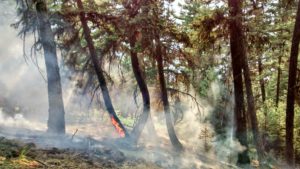 The Red Flag Warning has been sounded by Alberta Wildfire. But what does it mean? It means conditions are ripe for the ignition and fast-moving spread of wildfires. The forest-fire experts use a sliding scale, first adopted by the U.S. National Weather Service, to determine how dry the conditions are in the forest areas, and how the wind could help fan the flames if that dry tinder is ignited. Basically, a score is calculated based on wind speed, heat and the lack of humidity. A sample document provided by Alberta Wildfire shows a hypothetical watch being created when the maximum daily temperatures is expected to hit 33 Celsius, the humidity is at 25 per cent or lower, and wind speeds are 10 km/h. Basically, when it is punishingly hot and dry, it doesn’t take a lot of wind to trigger an alert. “And, just like weather alerts, “watch” is one level below “warning.”
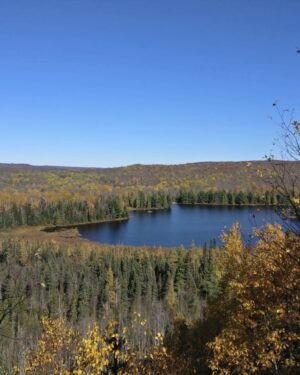 The Quw’utsun Nation and the Municipality of North Cowichan are moving forward on a co-management framework for the Municipal Forest Reserve. The initiative is being developed with the help of Your Wayfinders Management Solutions, a project management consulting firm. The goal is to create a partnership in key areas like shared decision-making, economic opportunities, Indigenous forest practices, recreation, and stewardship of culturally sensitive areas. A final draft plan is expected by early 2026. In the meantime, North Cowichan has paused new decisions on the forest reserve, but essential activities like FireSmart work and invasive species control will continue. North Cowichan had a technical review and public engagement done for the forest reserve between 2020 and 2023, and a preferred forest management scenario favouring ecological and sustainable values was presented to council.
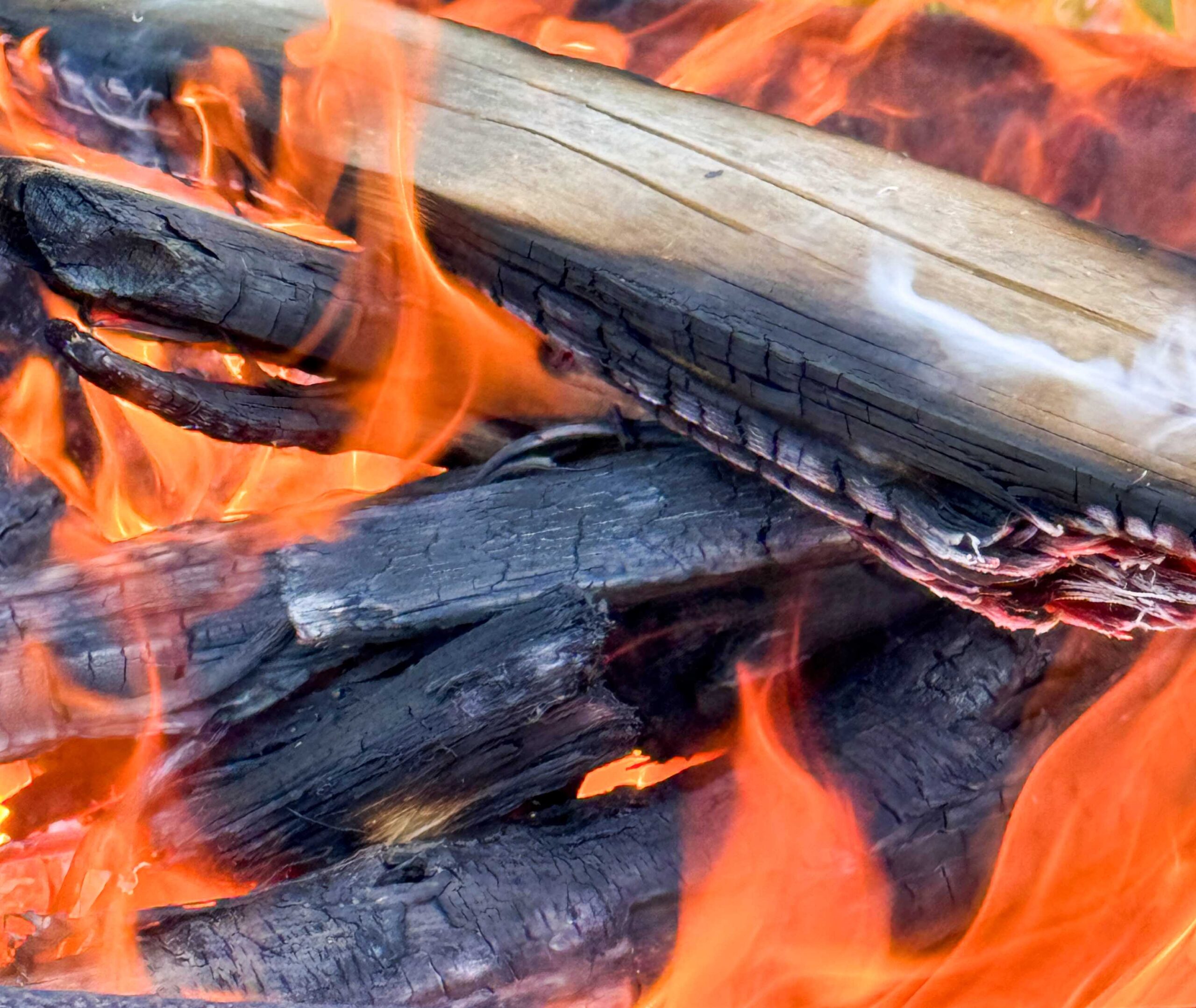 NANAIMO — Larger, open fires are set to be banned for the summer months, effective at the end of this week. The Coastal Fire Centre will enact a sweeping ban on category two and three fires beginning at noon on Friday, May 30, a typical first step in their fire prevention efforts every summer. Banned across Vancouver Island and a vast majority of coastal B.C. will be large burn piles or burns over stubble or grass to certain measurements. Also banned are fireworks, exploding targets, burn barrels and cages, air curtain burners and other, similar open flames. …“Anyone found in contravention of an open fire prohibition may be issued a violation ticket for $1,150, required to pay an administrative penalty of up to $10,000 or, if convicted in court, fined up to $100,000 and/or sentenced to one year in jail,” the BC Wildfire Services stated.



 To celebrate the dedication of our industry and our collective love for Alberta forests, the Alberta Forest Products Association (AFPA), will be hosting a raffle The prize? Be entered into a draw for a chance to win a $200 Mountain Equipment Co-op (MEC) or Marks Work Warehouse gift card (choice between the two) and a
 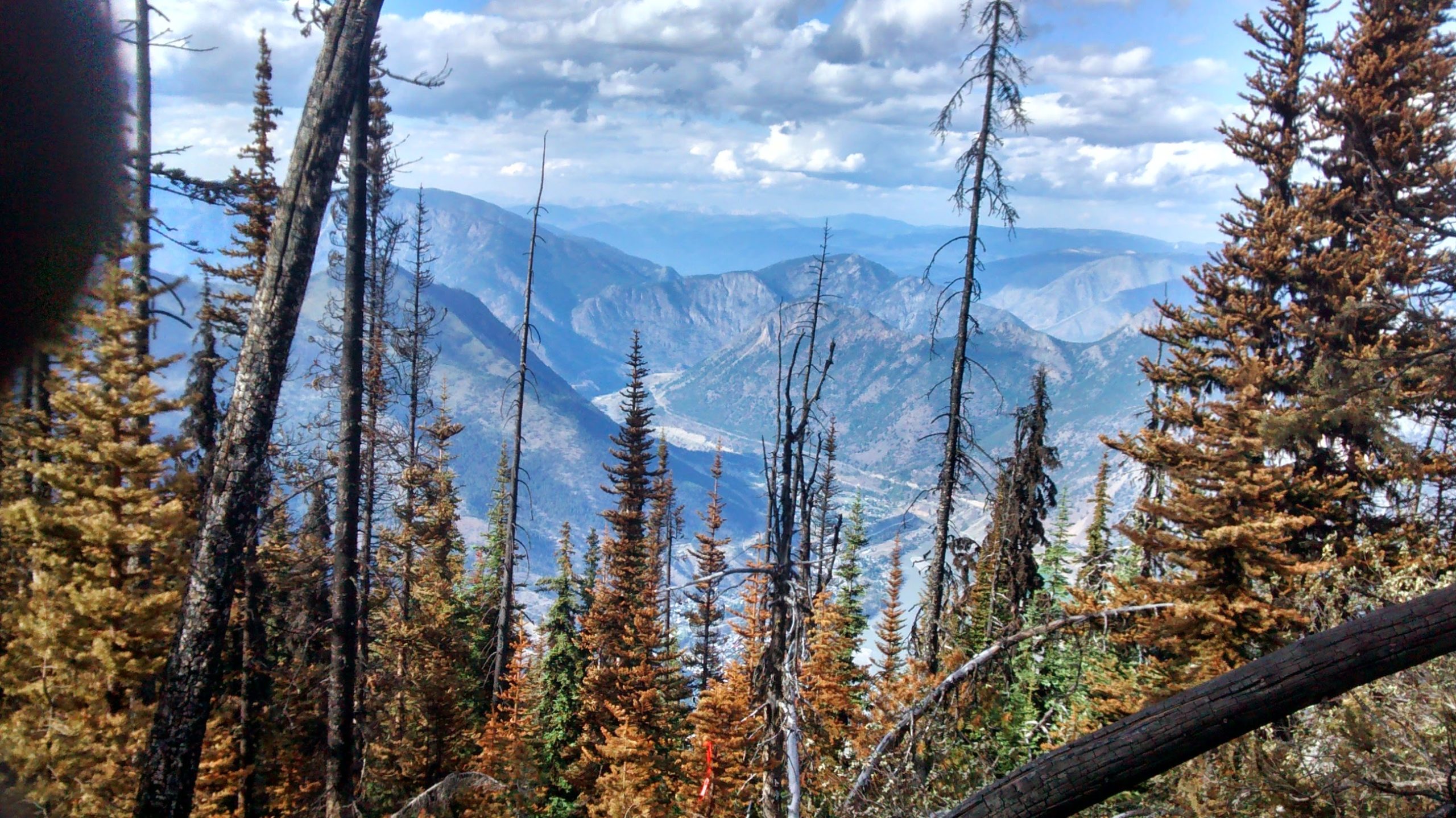 The southernmost herd of endangered woodland caribou in Manitoba might not be able to recover from wildfire-caused habitat and population losses, experts say. Fire burn patterns and maps suggest a fire that has ravaged more than 100,000 hectares in and west of Nopiming Provincial Park in eastern Manitoba has destroyed a substantial part of the habitat of the Owl-Flintstone caribou herd. Boreal woodland caribou are classified as threatened under the Manitoba Endangered Species Act. There are an estimated 1,500 to 3,000 in the province. Daniel Dupont, a professor at St. Boniface University, is worried that last week’s inferno will weaken the woodland caribou population in several ways. “The caribou have just lost the habitat where their females give birth from mid-May to June,” Dupont said. …The Nopiming area is home to between 40 and 60 woodland caribou, he said.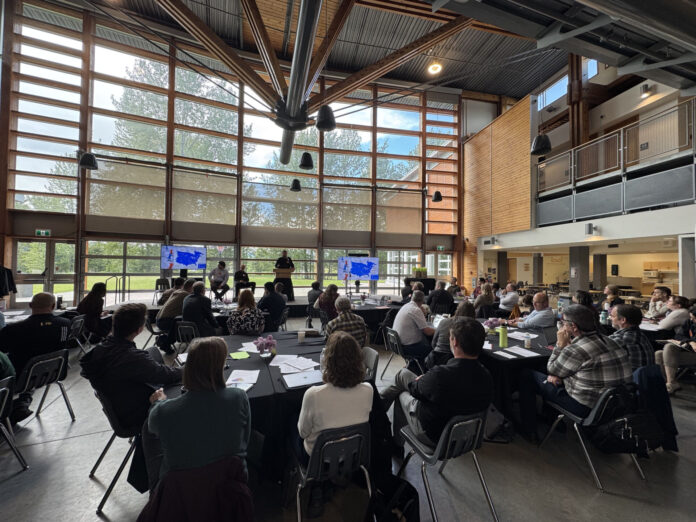


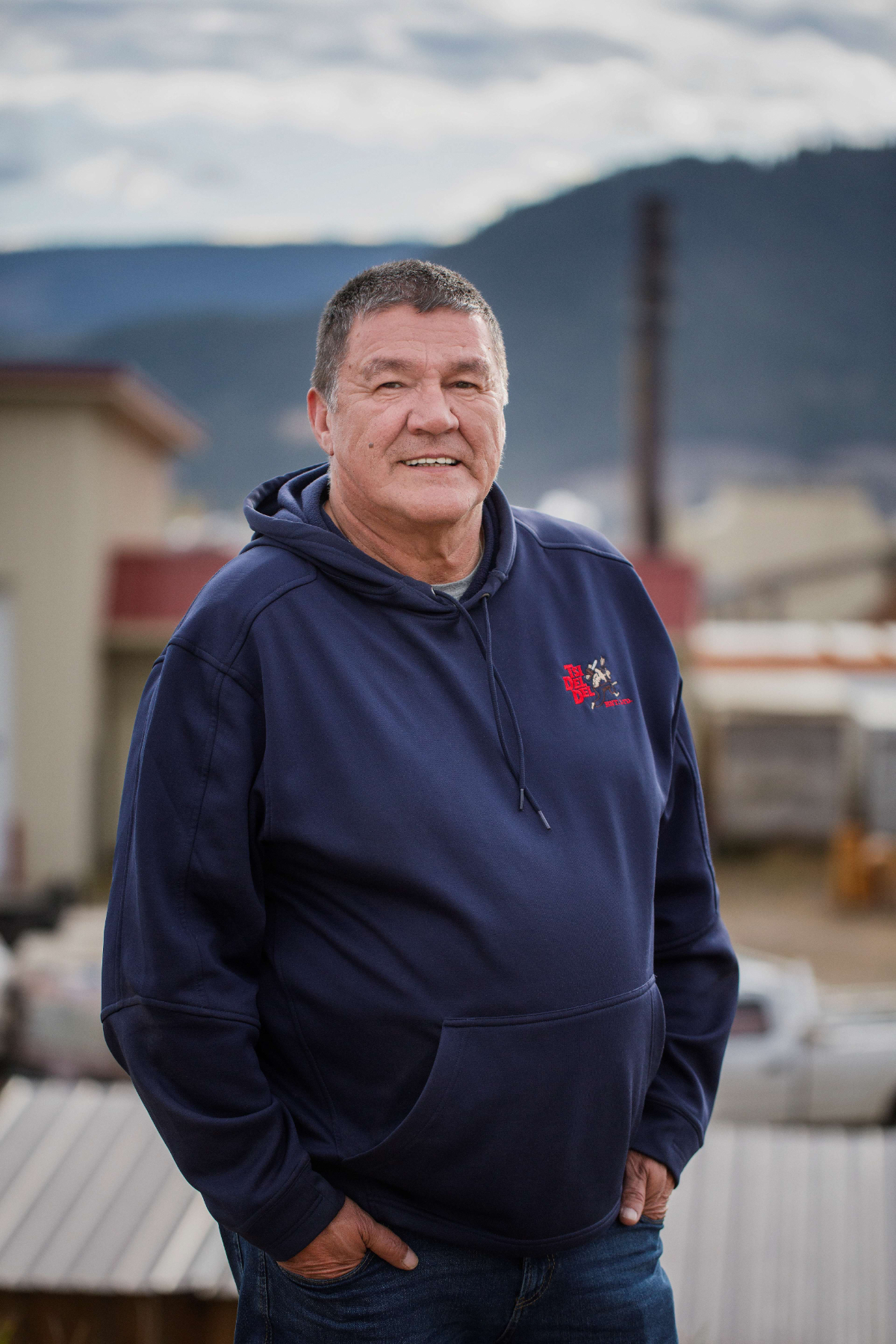


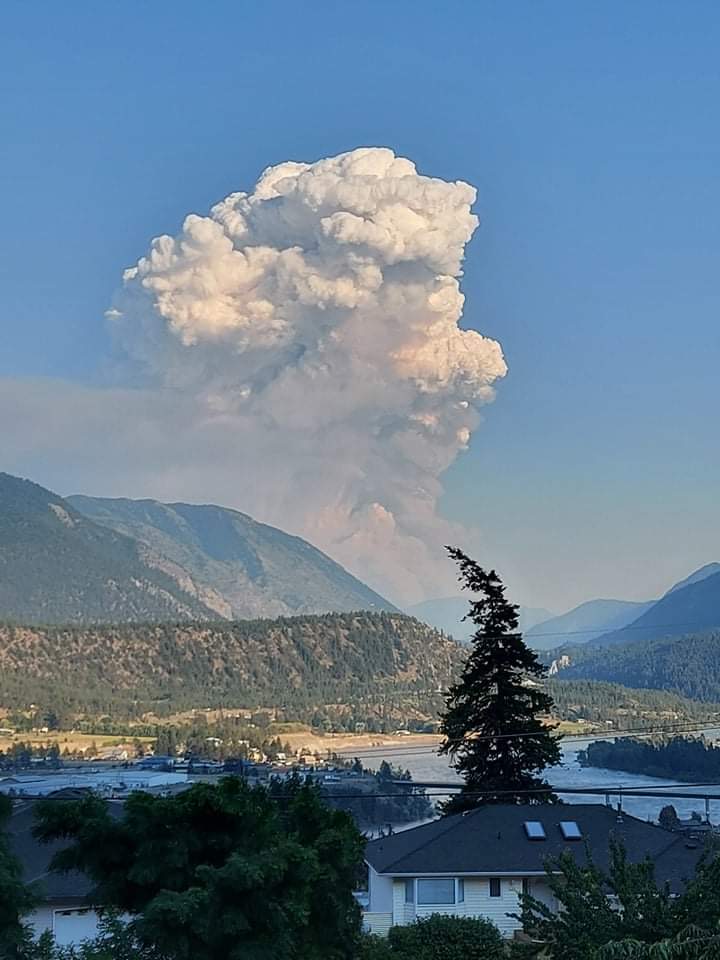 With drought and tinder dry conditions hitting many parts of the province, a number of municipal mayors are raising concerns about yet another potentially record-breaking wildfire season in B.C. Clearwater Mayor Merlin Blackwell, who has seen flames dance around his community for years, says current temperatures are well above normal. “We are in drought conditions up here. We are expecting an above normal, higher risk wildfire season for sure,” he said. …Mayor Barbara Roden has lived in Ashcroft for 28 years. She says, given the fire seasons in the last several years, fear now hangs over residents. …she says the increasingly extreme heat facing this province year after year is also becoming an equally serious concern. A sentiment understood and echoed by Lytton Mayor Denise O’Connor. She moved back to her family home not that long ago after the village was leveled by a massive wildfire during the 2021 heat dome.
 It doesn’t look like much from the grid road. Just an approach with deep tire ruts chewed into the summer Saskatchewan mud, tall jack pine and spruce trees clustered at its opening like a gateway. But if you walk past that first line of trees and down the narrow working trail, it fans out into a pocket of open space. Scattered there are stumps, piles of dirt and roughage, logs that are too small or too large stacked to the side — the aftermath of a logging sweep, both bare and messy. That pocket opens further into a clearing, a few hundred acres in size, that was logged the spring before. Grass now pokes through the churned-up dirt; grasshoppers chirp in the still July heat. Across the clearing, even if you can’t see it through the trees that dot the far side, is the northern town of Big River, Sask. It’s just a few hundred metres away.
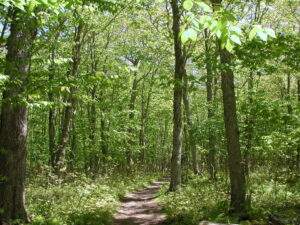 When outdoor enthusiasts Jeff Woodgate, Shaun Peter and Joey Reinhardt learned of West Fraser Timber Cochrane’s plans to harvest parts of their beloved forests near Moose Mountain and West Bragg Creek, they didn’t sit back. Fueled by a deep connection to the land and a sense of urgency, the trio founded Guardians of Recreational Outdoor Wilderness (GROW) and launched a petition to cancel the logging plans. Their message struck a chord. Today, more than 20,000 people have signed in support of preserving these cherished landscapes… After listening to public concerns, West Fraser reduced the scope of its plan by 37 per cent, now targeting 556 hectares — 268 in West Bragg Creek and 288 in Moose Mountain. According to West Fraser, the revised plan will now affect only five of 26 trails, with just 2.1 km directly impacted. Another 18.3 km of trail — about 17 per cent of the network — falls within 50 metres of harvest areas.
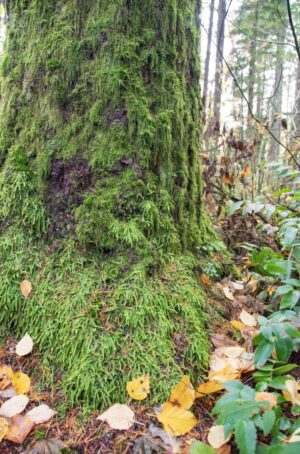 Improvements are coming to the Ancient Forest, one hour east of Prince George. The Enhancement Project is funded through the Investing in Canada Infrastructure Program – Community, Culture, and Recreation Program, with a total project cost of approximately $8.7 million. The Ancient Forest Provincial Park, known as Chun T’oh Whudujut in the Dakelh language, is one of the world’s few inland temperate rainforests, and was saved from logging in 2005… The project was originally funded in late 2019, and was expected to be finished by March of this year. However, it faced significant delays due to the COVID-19 pandemic in 2020, which disrupted planning and operations. This was followed by the tragic loss of both the Project Coordinator and Project Manager due to cancer, resulting in a loss of leadership and continuity.
 Is the Alberta government hell-bent on eliminating what remains of the two caribou herds that live in the mountains just north of Jasper National Park? Looking at the province’s recently released draft management plan for the Upper Smoky area, one might think that is the case. Let’s set this up: the motivation behind the sub-regional plan in the first place was to convince the federal government that the province was doing a good job of caribou conservation. Spoiler alert: they haven’t! Meanwhile, I can’t help but think of the irony that… the company which stands to benefit the most is a US-based forestry corporation, Weyerhaeuser. …For decades now, provincial governments have been promising to conserve and rehabilitate caribou habitat. And for decades, those governments have not made good on those promises. As discussed in previous Jasper Local articles, for caribou to have a chance, they need some space.


 In Sequoia and Kings Canyon National Parks in California, trees that have persisted through rain and shine for thousands of years are now facing multiple threats triggered by a changing climate. Scientists and park managers once thought giant sequoia forests nearly impervious to stressors like wildfire, drought and pests. Yet, even very large trees are proving vulnerable, particularly when those stressors are amplified by rising temperatures and increasing weather extremes. The rapid pace of climate change – combined with threats like the spread of invasive species and diseases – can affect ecosystems in ways that defy expectations based on past experiences… To protect these places, which are valued for their natural beauty and the benefits they provide for recreation, clean water and wildlife, forest and land managers increasingly must anticipate risks they have never seen before. And they must prepare for what those risks will mean for stewardship as ecosystems rapidly transform.
 If you’re wondering why squirrels seem to vastly outnumber raccoons—or why certain car brands dominate city streets—a team of University of Virginia researchers may be able to help. Some species are abundant while most are rare. For nearly a century, scientists have sought a mathematical model to describe this pattern, the “hollow curve” species-abundance distribution, found universally within ecological communities. A recent breakthrough by a team within UVA’s Department of Biology seems to have finally cracked this ecological puzzle. By analyzing 30,000 datasets ranging from the distribution of tree species across the United States to bacterial communities living in the human gut, they found that a model called the “powerbend distribution” accurately describes the species abundance across plant, animal and microbial communities. Their findings were
 As the U.S. moves towards peak fire season, U.S. Secretary of Agriculture Brooke Rollins has signed a memo signaling the Department of Agriculture’s approach to wildfire response under the Trump administration. The memo – signed on Tuesday 20 May – directs the Forest Service to take several actions over the next 30 days, including policy changes for when the nation’s fire preparedness level is high. At Preparedness Level 3 and above, Rollins directed USFS Chief Tom Schultz to “prioritize and redeploy the non-fire workforce” to support wildfire response. A Preparedness Level 3 is issued when the potential for wildland fires is normal for the time of year, according to the National Interagency Fire Center, meaning it’s likely non-fire personnel will be deployed in 2025… The directive was made just months after the department was forced to hire back all 6,000 USDA workers the Trump administration fired on Feb. 13.
 The Clallam County Superior Court denied environmentalists’ request for an administrative stay on two local Department of Natural Resources parcels, although it granted a motion to compel information from the state agency. If the stay had been granted, it would have barred logging-related activities for 90 days on the parcels named Parched and Tree Well. The motion to compel will require the Department of Natural Resources (DNR) to file administrative records relevant to the case by June 18 – a five-month delay from the original required date of Jan. 2. The logging rights for these two forests were bought by Oregon-based Murphy Company in December. Although road building has begun, there is no planned logging on these properties until next year at the earliest, according to Murphy’s intervenor.

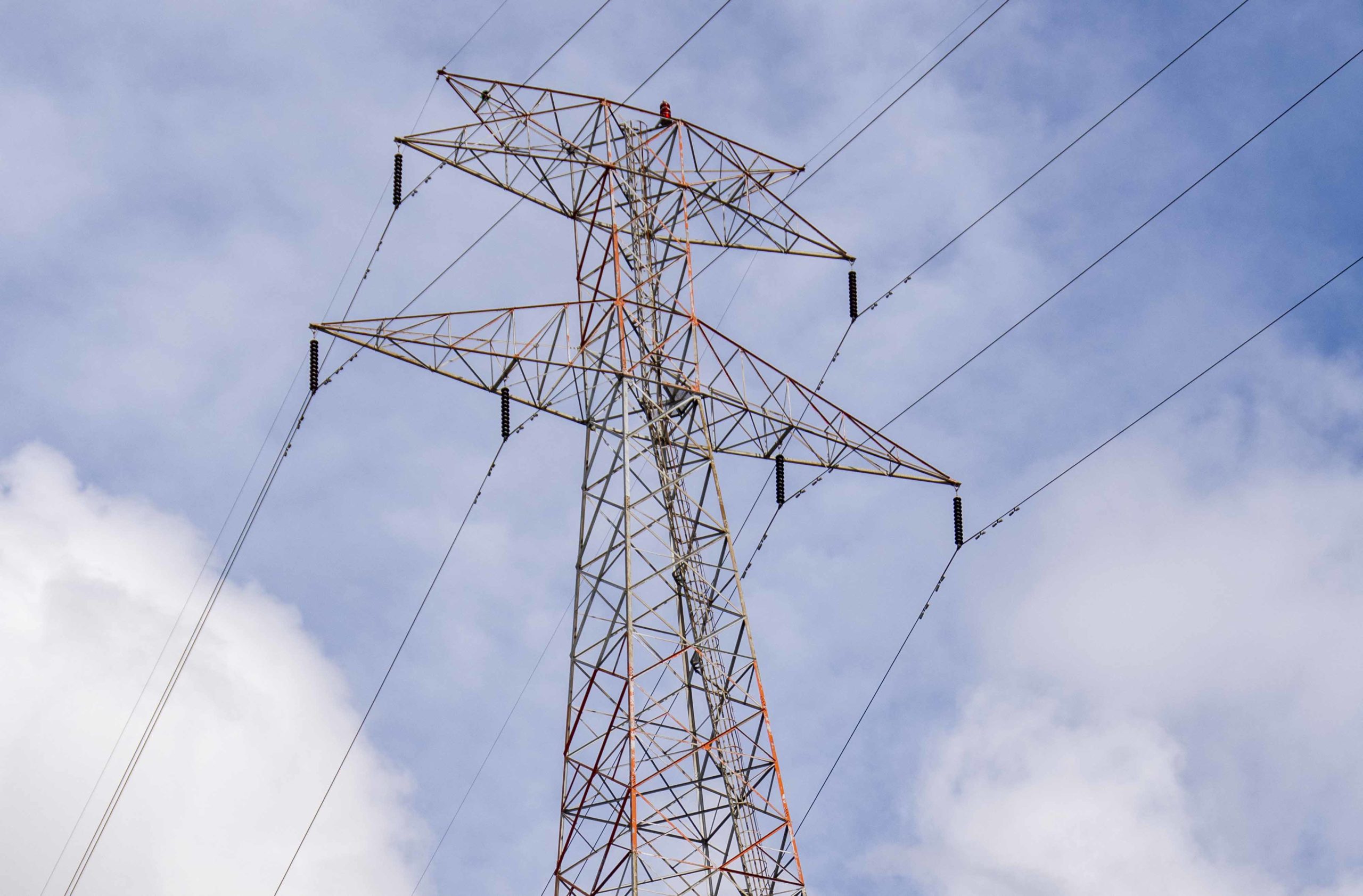 As Arizona utility companies make aggressive plans to mitigate wildfire risks, many met in Payson to update a state regulatory body. On May 15, the Arizona Corporation Commission hosted a special open meeting on wildfire mitigation at the Payson Public Library. ACC Vice-Chairman Nick Myers moderated the nearly three-hour town hall, which included stakeholder presentations from Arizona Public Service, Tucson Electric Power & UniSource, Salt River Project, Navopache Electric Cooperative, Alliant Gas, Arizona Water Company, and the Arizona Department of Forestry and Fire Management. Following brief opening remarks and commissioner comments, utility companies from throughout the state provided insight and information regarding their ongoing wildfire mitigation efforts. The electric companies focused on both grid hardening and creating defensible space around their infrastructure, before providing updates about each of their Public Safety Power Shutoff programs.
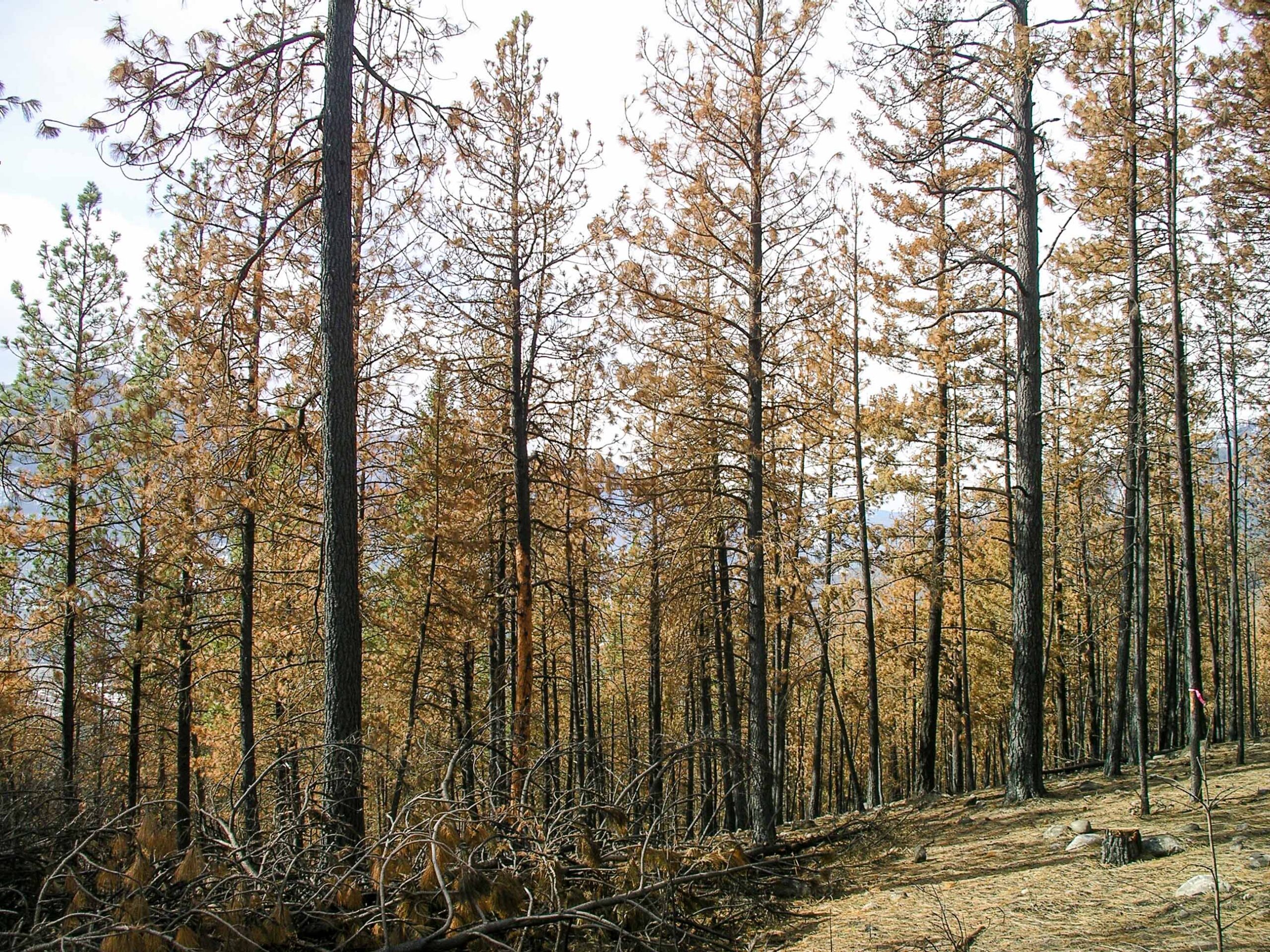 Across the western U.S., wildfires are becoming larger and more severe — and even trees that initially survive are dying in subsequent years, making it harder for forests to regenerate, according to new research from Portland State University. Building on previous research exploring fire refugia — the green islands of live trees that remain after forest fires — researchers in PSU’s Global Environmental Change lab mapped annual changes in the extent of live tree cover up to three years after the unprecedented 2020 Labor Day fires in Oregon’s western Cascades. The study quantifies changes in the spatial distribution and attributes of fire refugia as a result of delayed tree mortality. …there is potential for delayed fire effects to cause trees to die in subsequent years, including direct burn injuries as well as a combination of direct and indirect effects related to climate, insects, pathogens and heatwaves.
 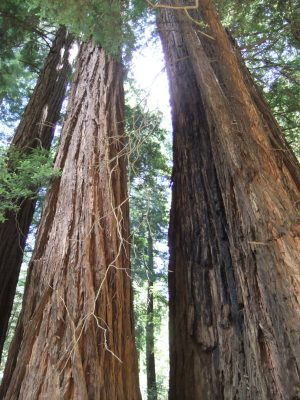 The rate at which trees are dying in California has hit a 10-year low, according to a survey from the U.S. Forest Service. Trees were dying at an alarming rate from 2015 to 2018, but after significant snow and rainfall in recent years, trees are getting their necessary nutrients. “We’ve had a couple good years of precipitation,” said Jeffrey Moore, aerial survey manager with the Forest Service. “We expected the amount of mortality to start tapering off, and indeed that was the case.” Severe droughts, he says, are the main culprits for the amount of trees that die. Less water means fewer nutrients, which then allows for a greater chance of trees to get disease or infected with bugs that feed on dry bark.

 Mike Lithgow, director of policy and outreach for the Kalispel Tribe joined panelists Amanda Parrish, executive director of The Lands Council, and Todd Myers, vice president for research at the Washington Policy Center, for the 2025 Forum on the Environment in Spokane. Parrish introduced her organization’s work with the Northeast Washington Forestry Coalition, the U.S. Forest Service, and regional tribes. The Lands Council is currently working with the city of Spokane’s urban forestry program to plant trees in low-income neighborhoods. …On a broader scale, the Kalispel Tribe reaches out from their small reservation in collaborative work across 2.3 million acres of Washington, Idaho, Montana and British Columbia, Canada. Lithgow said the tribe focuses on restoration, which might not be high on the list for other partners. In addition to water, their conservation efforts include forests and wildlife. Forest management in Washington is a concern going into the summer, owing to the potential for wildfires.
  In fire-prone Southern Oregon, residents of the Greensprings joined forces to carry out a 12-acre prescribed burn… The effort reflects a growing movement to use“good fire” to reshape landscapes and build community resilience. …The volunteers — a mix of firefighters, Greensprings residents, and fire experts with the Rogue Valley Prescribed Burn Association — were there to put “good fire” on a 12-acre triangle of land owned by Deb Evans and Ron Schaaf. …In fire-prone Southern Oregon, intentionally setting fire to a forested hillside might seem reckless, especially as summers have grown hotter and wildfire seasons more intense. But under the right conditions, fire can burn away vegetation that would otherwise fuel dangerous wildfires in warmer, drier months, helping protect homes and forests before the next wildfire strikes. Now, a growing number of residents are learning how to use prescribed burns to make their communities safer.
 U.S. House Republicans narrowly passed a budget reconciliation bill early Thursday morning that pushes forward President Donald Trump’s domestic policy on health care, energy, immigration, and more. …Included in the package were provisions pushing Trump and Republicans’ policy around increasing domestic energy, timber and mineral production, and restoring the federal multiple-use mandate on public land. …House Democrats in the committee, who have criticized Trump’s reconciliation package as a way to fund tax cuts for billionaires, referred to the legislation as one of the most destructive and extreme anti-environment bills in the country’s history. …Now, the big bill is heading to the Senate, where advocates are hopeful changes will continue to be made. Louis Geltman, the vice president of policy and government relations for the recreation member group Outdoor Alliance, said in a statement that the act is still “very bad for public lands and waters.”
 By executive order, President Donald Trump reinstated the Tongass National Forest Roadless Rule exemption, reversing action taken by President Joe Biden in January 2023. For Alaska-based environmental organizations, that means redeploying propaganda about how much of the old-growth forest in the Tongass could be subjected to large-scale logging. And they often get help from journalists and opinion writers who don’t do their homework. …In a joint press release responding to the Biden administration’s plan to consider restoring the Roadless Rule …Rep. Don Young accurately described that “only 9 percent of the Tongass is available for any kind of development.” …Environmentalists have a choice. They acknowledge these facts and stop challenging the Roadless Rule exemption for the Tongass. Or they can continue undermining their credibility by peddling the kind of disinformation that’s making our political discourse so toxic.
 In a May 13 petition, members of Congress from Northern Rockies states once again admonished the U.S. Fish and Wildlife Service for what they say is a “flawed” and “ludicrous” proposal to continue listing the grizzly bear as an endangered species. “This decision punishes Montana, Wyoming, and Idaho’s successful grizzly bear recovery efforts,” states the petition, signed by U.S. Sens. Mike Crapo, R-Idaho, James Risch, R-Idaho, and U.S. Rep. Russ Fulcher, R-Idaho. “The FWS’s ‘Grizzly Bear Recovery Program 2023 Annual Report’ shows that our states have met and far exceeded the most recent set of recovery goals that FWS set for grizzly bears. All of this collaborative work is undermined by the FWS decision to yet again move the goalpost for delisting grizzly populations.” From Greater Yellowstone to the Selkirk Mountains of North Idaho, grizzly bear habitat protections have stalled the timber industry — a pillar of the region’s economy.
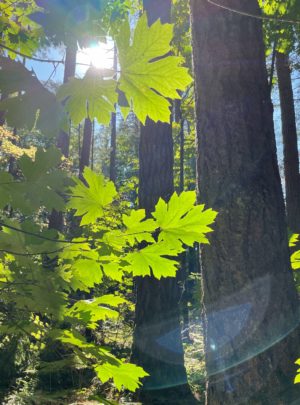 Over one-third of Colorado is forested acreage — 24 million acres of the state’s 66.48 million acres — managed by a variety of local, state and federal entities. The Colorado State Forest Service and the Colorado Forest Restoration Institute, both part of Colorado State University, launched a new online tool to better track completed forest management activities in the state. The
 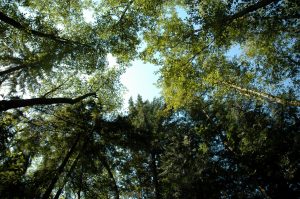 A tree-sit protest, which has blocked logging access to state Department of Natural Resources parcels, is now two weeks old. An injunction hearing regarding the parcels has been scheduled for 9 a.m. Friday in Clallam County Superior Court. If a 90-day injunction is issued, the tree climber will remove themselves from the tree. If the decision is not in favor of the environmentalists, the climber likely will stay up there indefinitely. “It’s going to be crunch time,” activist Peter Stedman said. The tree sit began about 5:30 a.m. May 7, when an unidentified professional tree climber attached themselves to a dunk tank platform 50 to 100 feet up in a tree. That platform was then attached to debris piled in the middle of a logging road. If the Department of Natural Resources (DNR) attempts to remove the debris to gain access to those parcels, the tree climber’s platform will drop.
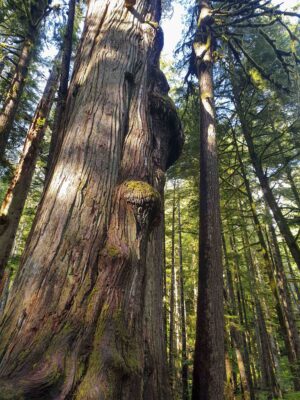 Thousands of acres of deep-woods habitats at Arcadia Dunes are now part of a nationwide network of current and future old-growth forests. The wooded areas at the C.S. Mott Nature Preserve in Benzie County this week became the latest place in Michigan to be inducted into the Old-Growth Forest Network, which now includes more than 270 permanently protected forests nationwide. The forest near the Lake Michigan shoreline boasts unique microclimates teeming with old beech and hemlock trees, spring wildflowers, and rare native plants. Grand Traverse Regional Land Conservancy hosted a two-mile hike Wednesday, May 21, along the preserve’s Dryhill Trail Chestnut Loop to celebrate the northern mesic forest being added to the nationwide old-growth roster. The nature preserve is the conservancy’s largest and includes a mix of secondary hardwoods, coastal dunes, and open fields around old farmland and pastures.
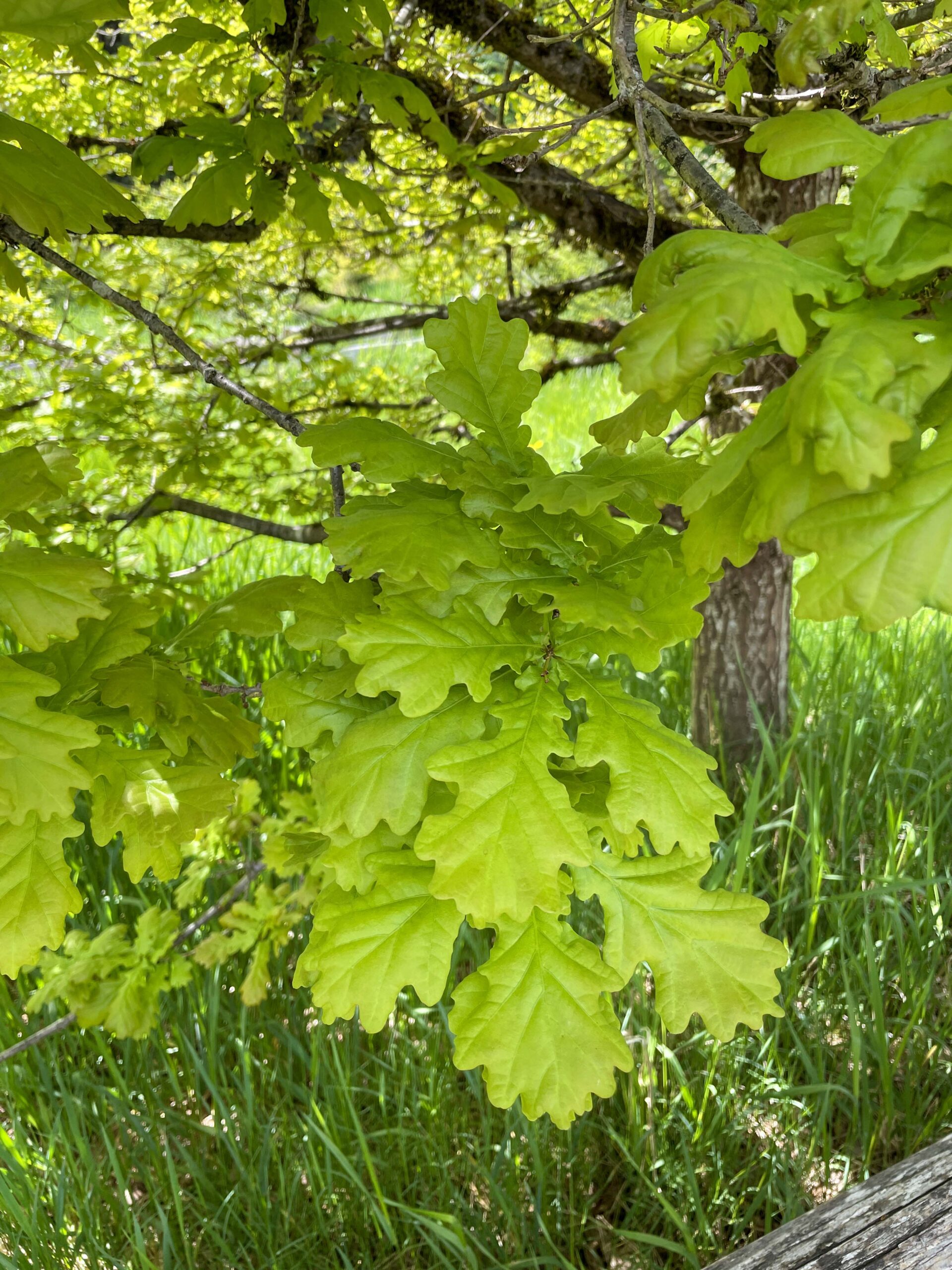 Jim Thorpe – Pennsylvania — It was a sight like no other, last month, smoke clouded the air as a wildfire spread on Bear Mountain in Jim Thorpe. The fire burned 500 acres in what the Department of Environmental and Natural Resources called the Packerton fire. “We are really still evaluating; it’s probably still too early to tell. Certainly, some trees got killed in that process, and we are still evaluating how extensive the damage was, explained Seth Cassell, Director of the Bureau of Forestry with DCNR. On Arbor Day, DCNR launched an online donation drive for communities impacted by wildfires. … Officials with DCNR say there are several types of trees that make up the forests of Carbon County. “Where the fire was, there is often pine trees, oak trees, we see a lot of chestnut oak trees in those areas, and some of those trees are there because of repeat fires in those areas.”



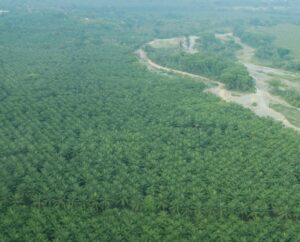 BRAZIL — Fallen logs are rotting, the trees grow sparser and the temperature rises in places sunlight hits the ground. This is what 24 years of severe drought looks like in the world’s largest rainforest. But this patch of degraded forest, about the size of a soccer field, is a scientific experiment. Launched in 2000 by Brazilian and British scientists, Esecaflor — short for “Forest Drought Study Project” in Portuguese— set out to simulate a future in which the changing climate could deplete the Amazon of rainfall. It is the longest-running project of its kind in the world, and has become a source for dozens of academic articles. …This resulted in the loss of approximately 40% of the total weight of the vegetation and the carbon stored within it from the plot. The main findings were detailed in
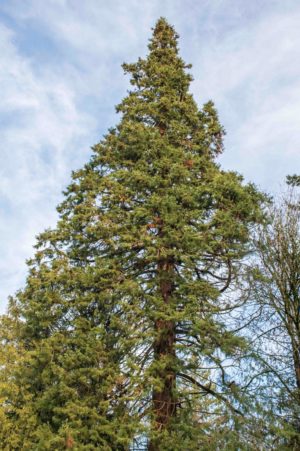 More evidence that trees display group cognition and communication has arrived from the Dolomites where a multidisciplinary team monitored a forest during a solar eclipse. Their research witnessed two things, that the trees of the forest synchronized bioelectrical activity during the eclipse, and that the process of synchronization was started and directed by the eldest trees—a full 14 hours before the eclipse even started. The results of their experiment, which
  Centuries ago, around 80% of Ireland’s green landscape was covered in trees – many of which were hundreds of years old. The arrival of modern agriculture changed that now less than 1% of the island is covered by ancient woodland. The Government hopes to reverse this historic trend and is aiming to cover 18% of the State in trees by 2050. Businesses are getting involved as well; Wolfman Digital bought a plot of land seven-years ago and staff were bussed out to plant trees on it. “Back in 2017, we decided we wanted to become carbon neutral,” CEO Alan Coleman said. “We were looking into our different options and we learnt three things about forests that really made us feel strongly that we wanted to start planting trees. “The first thing we learnt is that forestry is one of the strongest solutions to global warming.”
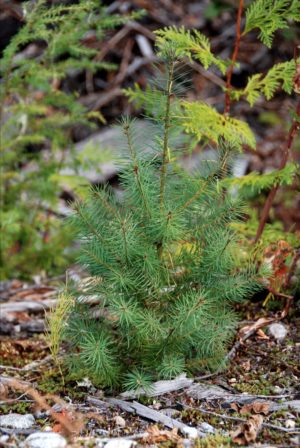 The future of the European forests is at risk due to our changing climate. To observe the effects of climate change, we often look at the large trees. But the young trees are the future of the forest and are also the most vulnerable. The current drought is the biggest threat to young trees. A recent study
 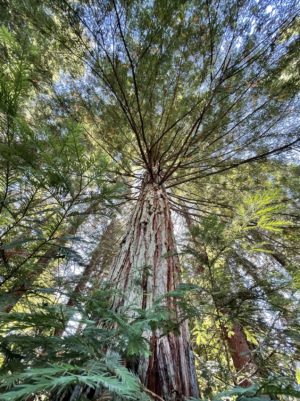 BRUSSELS – According to a document obtained by, 11 governments are urging the European Union to delay or weaken its upcoming deforestation law. This policy, a world first, aims to stop the 10% global deforestation caused by EU imports of soy, beef and palm oil, among other products. However, it has become a controversial part of Europe’s environmental agenda. After complaints from Brazil and the US and a reduction in reporting rules, the EU has already delayed its launch for a year, until Dec. 2025. The Commission announced last week that it would spare most countries from the strictest checks. A group of eleven countries led by Austria, Luxembourg and Germany, have demanded that the European Commission further simplify the rules and delay the application date. …The countries’ paper, that the EU agriculture ministers in Brussels will be discussing on Monday, said the requirements are “disproportionate” to the regulation’s goal.