Vancouver has plenty of highlights for locals and visitors to enjoy, but if you search for “the Jewel of Vancouver” online, there’s one clear result: Stanley Park. At the same time, you’ll find many people unimpressed by Vancouver’s awesome park. The vast majority of reviews are five- and four-star, but there are always going to be folks who disagree and drop one-star reviews on this not-so-hidden gem. So we went and read them on platforms like TripAdvisor, Yelp, and Google. Perhaps the most surprising (and to some, hilarious) reviews of the park were the ones who seemed to just not like it.
- “Fairly boring if you’re looking for an outdoors experience,”
- “All I can see it seems is more trees”
- “Nothing spectacular to see, yeah, lots of trees but I didn’t get to see any wildlife except 1 squirrel,”
Another person on TripAdvisor (who has posted over 5,000 reviews) titled their review “Too many trees.”
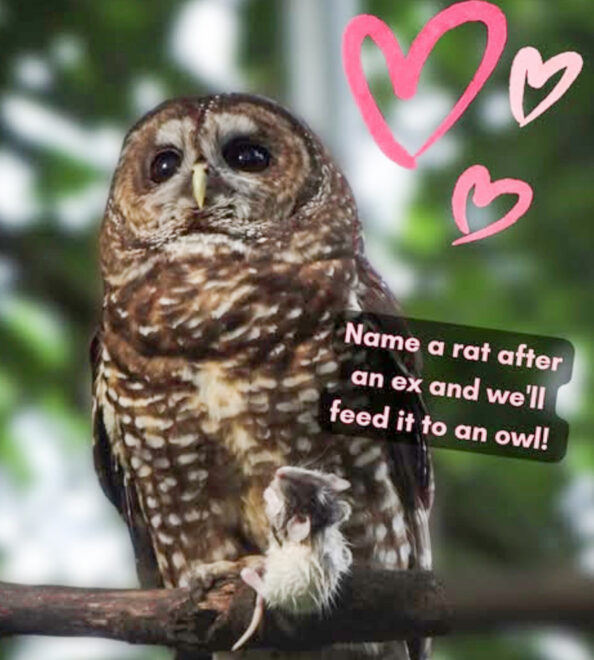 Revenge, they say, is a dish best served cold. And for an endangered owl breeding program in Canada, it’s also a dish best served dead. For the price of a coffee, spurned and disgruntled lovers can revel in the satisfaction of having a dead rat named after an ex, before it is fed to a northern spotted owl. The British Columbia-based breeder is running its
 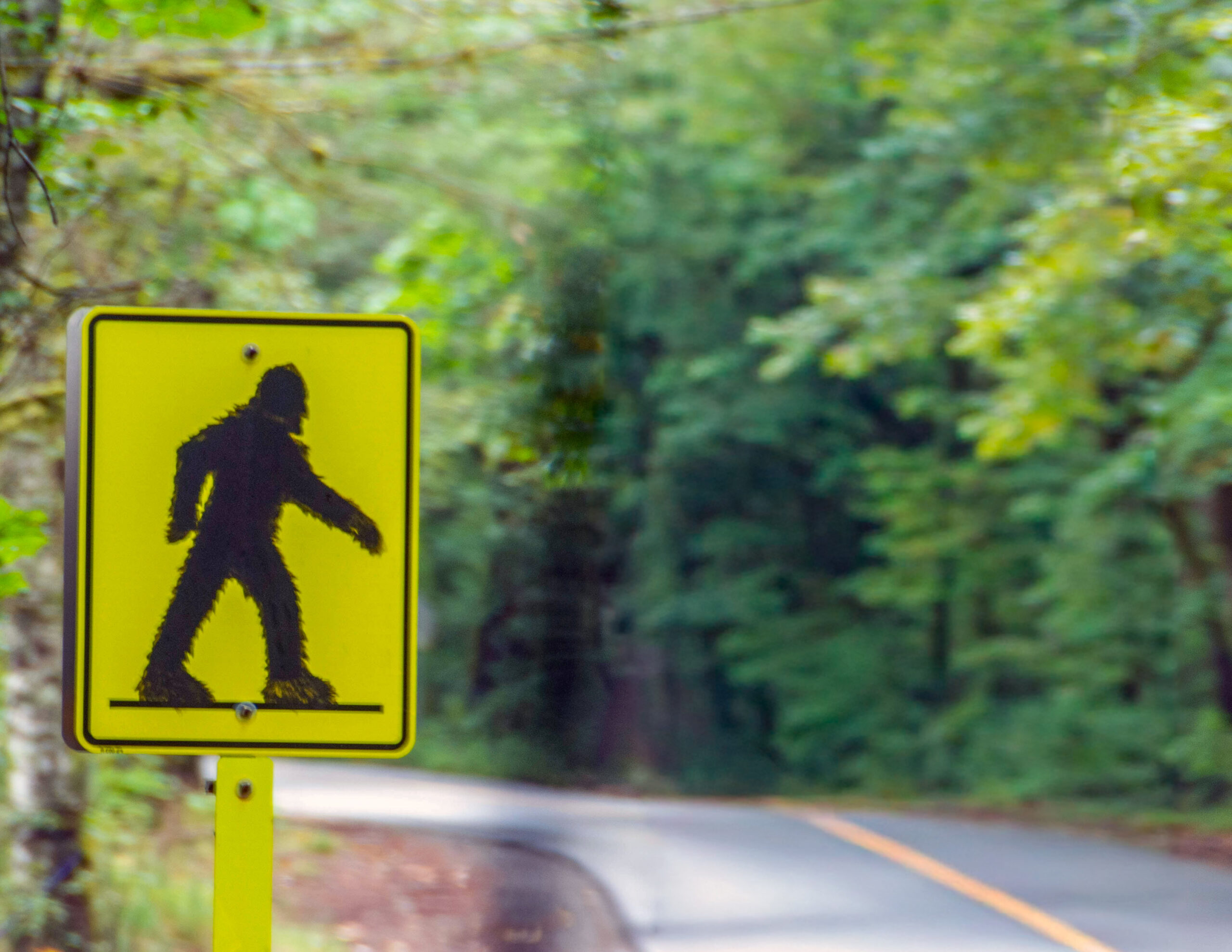 For years, three Greater Victoria men have been locked in the ultimate game of hide-and-seek with its most celebrated player and current reigning champion: Sasquatch. …Inspired by some of North America’s most renowned Sasquatch researchers – including Comox Valley’s John Bindernagel and Canadian journalist John Green – and driven by their own deep-seated fascination, the trio founded the Vancouver Island Sasquatch Society in 2018. Dedicated to rigorous fieldwork and evidence collection, the citizen science group aims to move the Sasquatch conversation from myth toward fact. …Dave Hill and Stephen Gray have both worked for the Canadian Forest Service, experience that helps them assess if a woodland area could realistically support a large, primate-like beast. …Alex Solunac, a senior media analyst at the University of Victoria, has been involved in Sasquatch research since the ’80s. …It was a similar story for gorillas, the threesome notes. The species was widely considered a mythical creature by European explorers until the mid-19th century, when an American named Thomas Savage found gorilla bones in Liberia.
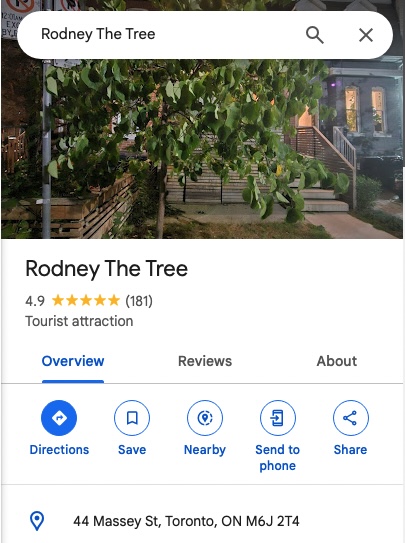 It just might be Toronto’s most unlikely tourist attraction. It is pipsqueak-ish in size, not much taller than a single storey of a house. Its branches are scrawny and, at this time of year, empty of leaves, buds or nesting birds. It even has steep competition from its own neighbours just south of Trinity Bellwoods, such as the towering maple across the road and the elegant evergreen up the street. But this young Eastern Redbud is the little tree that could. The tree — its name is Rodney, the owners will tell you — has become an oddball local celebrity. Since being planted less than five years ago, Rodney has already gotten
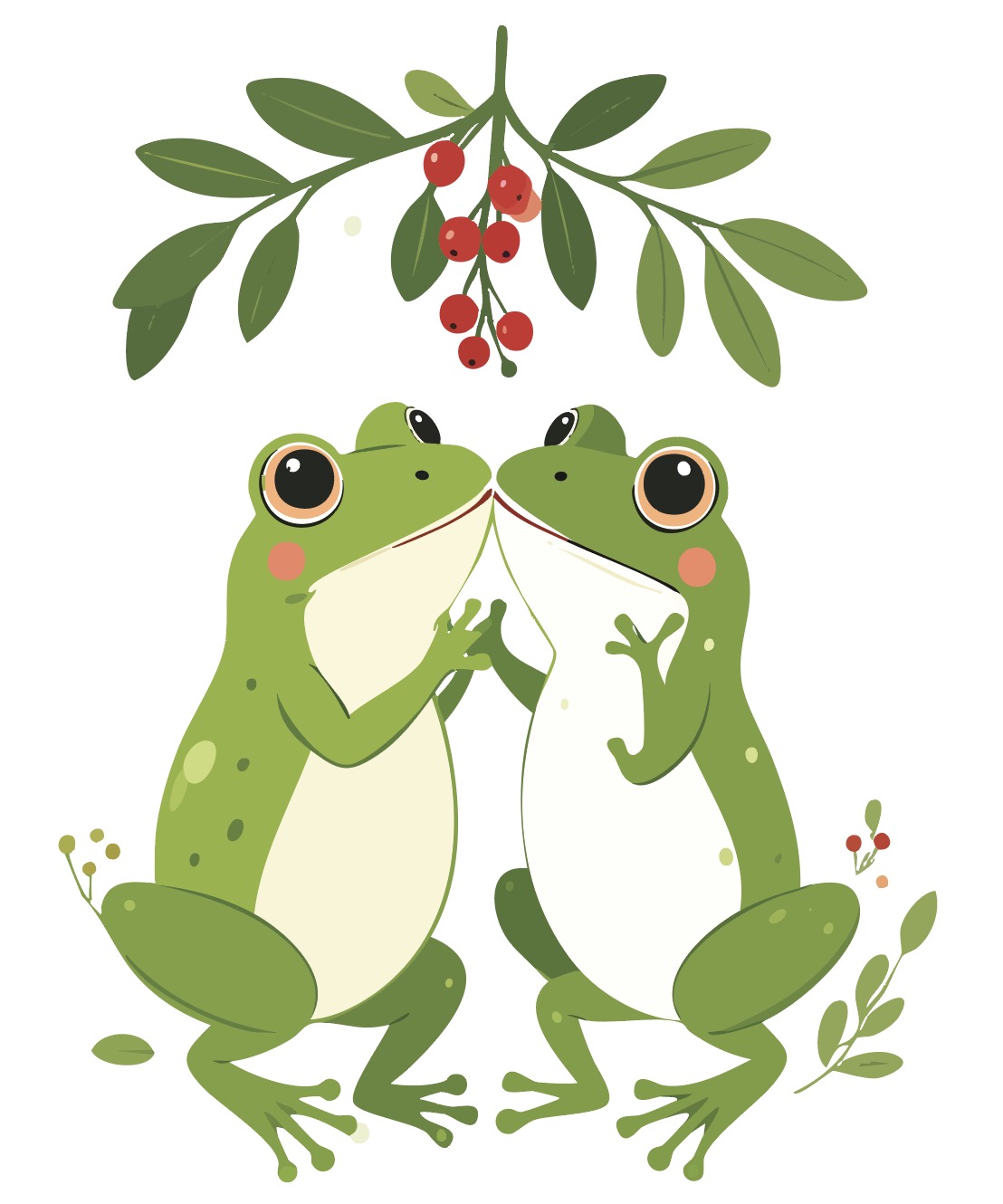 CORVALLIS, Ore. – If mistletoe’s status as a nutrient-stealing freeloader has been cooling your holiday ardor, new research led by an Oregon State University scientist may help relight the fire. A survey of urban forests in seven western Oregon cities found no observable connection between mistletoe infestation and negative health outcomes for the trees it was parasitizing. So worry not: Your yuletide kissing tradition probably does not involve a tree killer. And as you’re setting concern aside, you might want to head outside. “This is the best time of year to look for mistletoe because there are no leaves on the trees,” said College of Forestry professor emeritus Dave Shaw, an OSU Extension Service forest health specialist. “Also, chances are it will be found in an oak tree – most other trees don’t get infested. So if you are looking for a kiss, keep an eye out for oaks.”

 An invasive tree species that is illegal to plant in Ohio has begun to bloom, and will soon fill the air with a distinctive odor that many liken to rotting fish. Callery pear trees – which come in multiple varieties including “Bradford” pear, “Autumn Blaze” and “Cleveland Select” – typically begin to bloom in the state in late March to early April, according the Ohio Department of Natural Resources. The species was brought to North America from Asia in the 1900s with the goal of combatting fire blight, a bacterial disease among common pear trees. The tree quickly become popular in landscaping due to its adaptability, white flowers and shape. It has also since become well-known for another one of its qualities – its odor. The tree’s blooms typically have a strong aroma, which has been likened to a variety of unpleasant scents, including rotting fish, puke and animal waste.
 Another questionably secured load in the bed of a truck along a San Antonio highway is stirring up conversation online. A truck was spotted carrying lumber upright with the pieces of wood skyrocketing, clearly taller than the truck itself. …A truck, avoiding state law which prohibits overhang of more than 3 feet either in front or back of a vehicle, opted to put their lumber load upright. Narrowly missing highway overhangs, the lumber appears to violate state law which says the overall height of a load hauled in Texas can’t exceed 14 feet …The beams, which protruded several feet above the back of the truck, were swaying in the wind, tied down only at a couple places at their base by a questionable and slacked set of ropes.