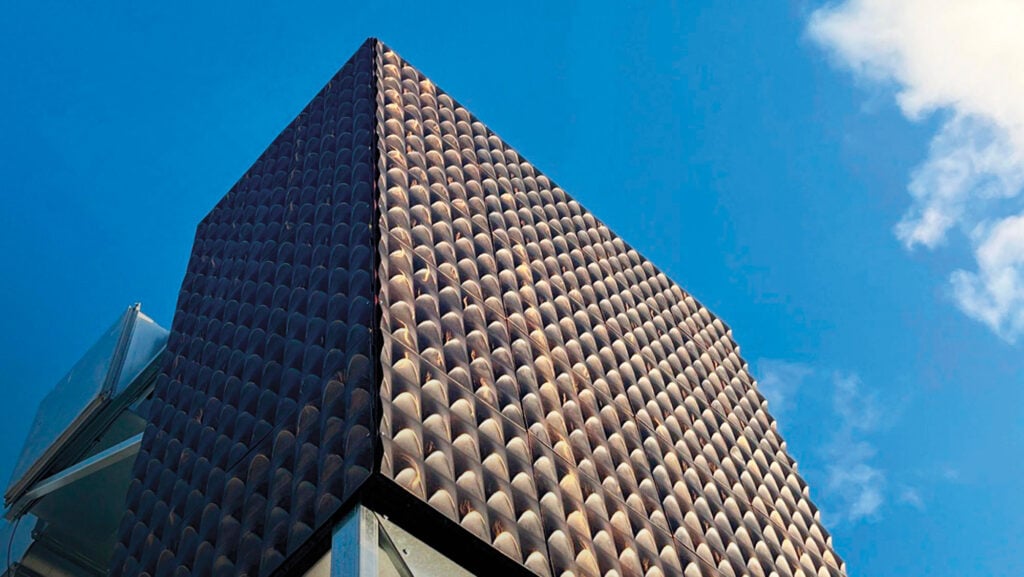
High Point, N.C. — After a successful first year, British Columbia wood expert Canadian Wood has renewed its Corporate Partner sponsorship with the International Society of Furniture Designers (ISFD). During the Spring Market, furniture designers are invited to discover the potential of B.C.’s softwoods at the Canadian Wood Showroom & Information Center on the sixth floor of the historic Radio Building on the corner of Commerce and Main. Canadian Wood uses environmentally friendly forest products from British Columbia. They are a preferred resource for furniture designers and manufacturers seeking information and support for using sustainable wood products from B.C. forests. Canadian Wood will share with ISFD members the benefits of using beautiful, resilient, and versatile Western Hemlock and Douglas-Fir in their work. These woods are popular because of their natural beauty, durability, and strong environmental reputation. They are affordable alternatives over traditional hardwood species and are ideal for traditional and contemporary home furnishings.
 Don’t miss these headlines and more in the February Market News and Insights:



 For the past 25 years, the Federal Emergency Management Agency (FEMA) has helped develop building codes, the construction standards that help houses survive hurricanes, wildfires and earthquakes. Now, the Trump Administration has ordered that to stop. …FEMA is dropping out of the latest effort to improve building codes. …The recommendations FEMA submitted were filed with the International Code Council, an independent association that develops building codes used by states and local governments. The proposals FEMA is retracting its involvement from focus on helping homes survive strong winds, seismic shaking and rising floodwaters. …The ICC convenes experts and stakeholders in the building industry to review and improve building codes every three years, and is developing a new set of standards now. After they’re approved, many local and state governments across the country adopt the codes, which set the mandatory construction rules in their communities.
 The cement industry is at a crossroads as decarbonization is expected to take its toll, resulting in a significant decline in demand, according to a paper by the World Cement Association (WCA). “The cement industry is undergoing an unprecedented transformation,” explains WCA CEO Ian Riley. “As we move towards a decarbonized future, understanding the true demand for cement is critical to ensuring that policies, technologies and investments align with reality.” The white paper examines disruptive factors such as alternative materials. …The report challenges prevailing forecasts and projects demand for cement and clinker will dip, mainly due to the rise of timber, greater use of admixtures, the move towards decarbonization of the industry as well as design practices that will reduce the concrete used. ..According to the paper, timber has replaced concrete and steel in many highrise buildings but limitations on the supply of timber are expected to curb its growth.
 Ending the forced use of paper straws: Today, President Donald J. Trump signed an Executive Order to end the procurement and forced use of paper straws. The Federal government is directed to stop purchasing paper straws and ensure they are no longer provided within Federal buildings. The Order requires the development of a National Strategy to End the Use of Paper Straws within 45 days to alleviate the forced use of paper straws nationwide. Bringing back common sense: The irrational campaign against plastic straws has forced Americans to use nonfunctional paper straws. This ends under President Trump. …President Trump has made it a top priority to promote a clean and healthy environment for the American people.
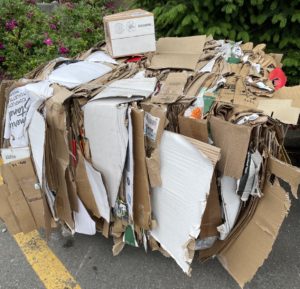 Volumes of OCC (old corrugated containers) and mixed paper are shifting with societal and economic trends, industry experts said during a paper industry update webinar presented by the Recycled Materials Association. Box shipments in 2025 are likely to get off to their usual slow start, said Ryan Fox, at Bloomberg. …For full-year 2025, Bloomberg estimates box shipments at 385 billion square feet and more than 31 million tons, an increase of 0.5%-1% over 2024 levels. …Fox added, paper company executives have largely said they don’t see “any observable things happening in 2025 that are going to cause a major inflection in demand.” …TetraPak makes the case for poly-coated paper. …Graphic Packaging provides update on Waco mill
 Even as fires continue to burn across Los Angeles, many of those who lost their houses are already making plans to rebuild. To overcome labor shortages and speed up the process, some are turning to prefabricated homes… Michael Wara, senior research scholar at Stanford University’s Woods Institute for the Environment, said much of Paradise, California, was rebuilt with prefabricated homes after the devastating 2018 Camp Fire. He expects the same in Los Angeles. “There are not enough general contractors in Los Angeles to rebuild 12,000 structures in addition to all the other work,” he said. “Solutions where you can build most of the homes somewhere else not subject to the labor constraint that will affect Los Angeles could be particularly attractive.”
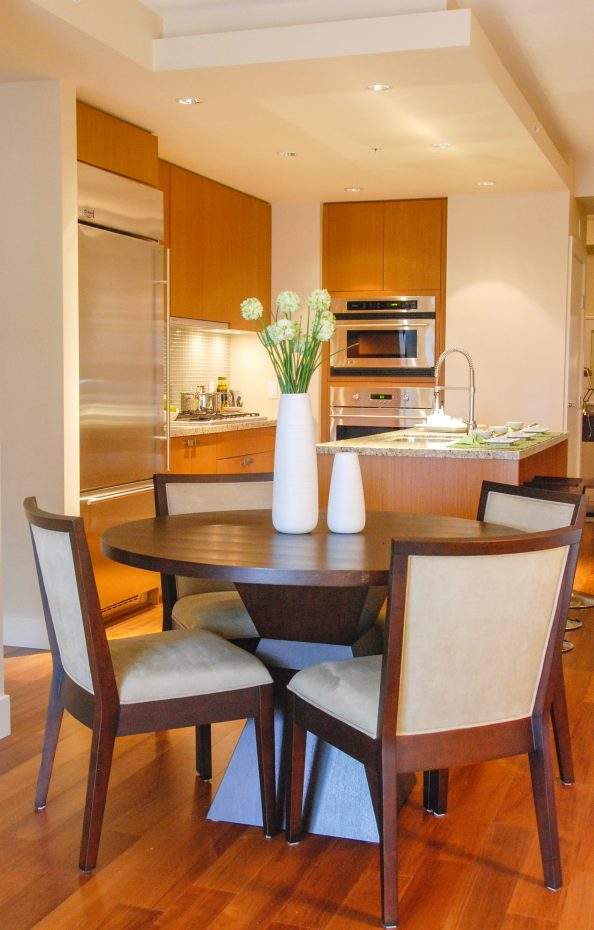 The demand for sustainable, nontoxic furniture is rising as consumers become more conscious of their environmental impact and indoor air quality. While many brands claim to be “eco-friendly,” not all live up to the promise. From responsibly harvested wood to green packaging, truly sustainable furniture goes beyond marketing buzzwords. Understanding the end-to-end process of furniture manufacturing can help consumers make informed choices and avoid greenwashing. Interior designers play a crucial role in guiding homeowners toward authentic selections that prioritize longevity, health and environmental responsibility.




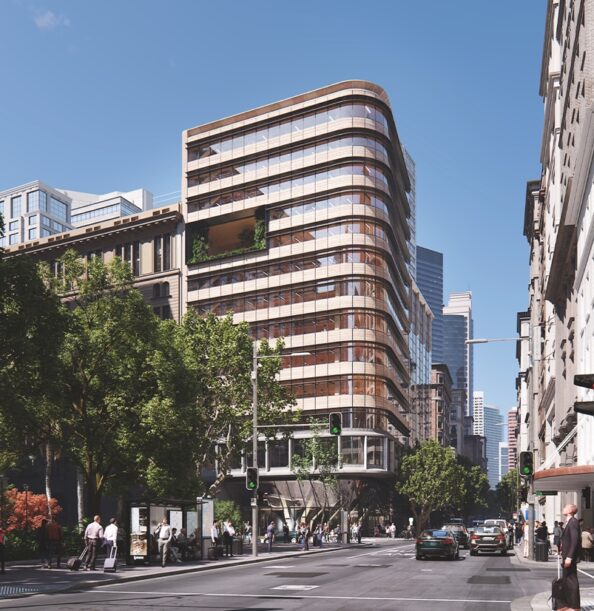 A 13-storey high-rise approved for development in Sydney is slated to become the tallest commercial mass timber building in New South Wales. The building has been designed by architecture and urban design practice Tzannes for property developer NGI Investments. …The weight of the building was a significant consideration during the design process. The structure needed to be lightweight as the site is located above subterranean railway tunnels. Tzannes’s approach for addressing has involved transferring the load from the building’s western side to a central core using a hybrid concrete and steel structure. This system then supports 12 timber commercial floors, with 11 levels rising above the load transfer structure and one suspended below. According to a communique issued by Tzannes, “all timber and steel elements will be crafted for future disassembly and reuse.”