
 Mass Timber+
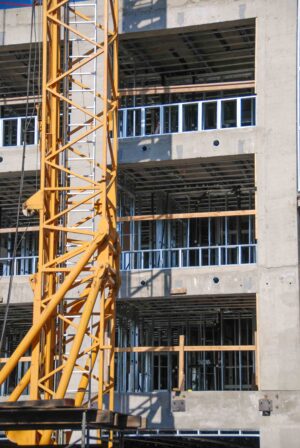 Steel keeps losing the green building conversation on a technicality. Most lifecycle comparisons published in industry media compare materials on cradle-to-gate embodied carbon and walk away. Steel comes out heavy. Wood comes out light. Concrete sits somewhere in the middle. The reader files steel away as the carbon-heavy choice and moves on. The problem with that framing is not the numbers themselves. It is what gets left out of the calculation. A building exists for decades. Materials behave differently across that span. End-of-life recycling rates vary by an order of magnitude. None of that shows up in the cradle-to-gate snapshot that gets quoted in most green building pieces. …What the analysis does argue is that the cradle-to-gate number cited in most green building media tells less than half the story. …The broader lesson is that sustainable construction decisions should be based on whole-building lifecycle assessment rather than a single embodied-carbon number.

 SURREY, British Columbia — The Honourable Randeep Sarai, Secretary of State (International Development) announced over $8 million in RTRI funding for four Surrey businesses to help them diversify exports, grow locally, and compete globally – building prosperity for British Columbians and all Canadians. These investments support the Government of Canada’s measures to help businesses in sectors affected by global trade disruptions – such as forestry, manufacturing, and steel and aluminum – boost productivity, reduce costs, build more resilient supply chains, and reach new markets. … More details about these


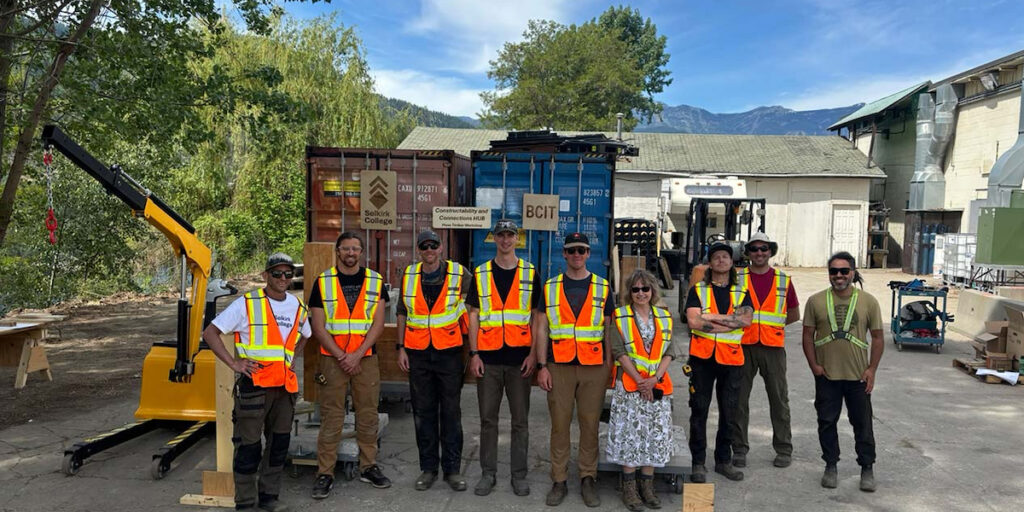
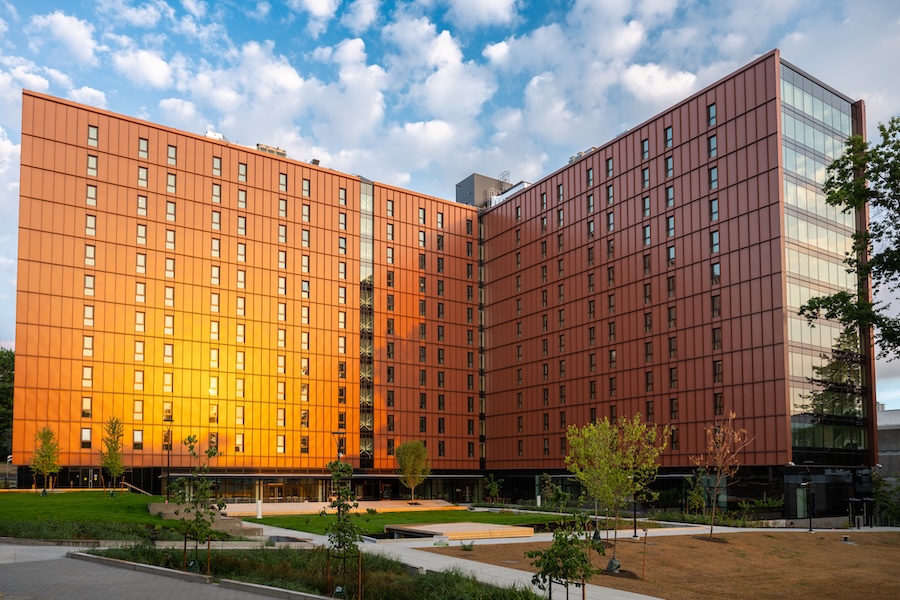


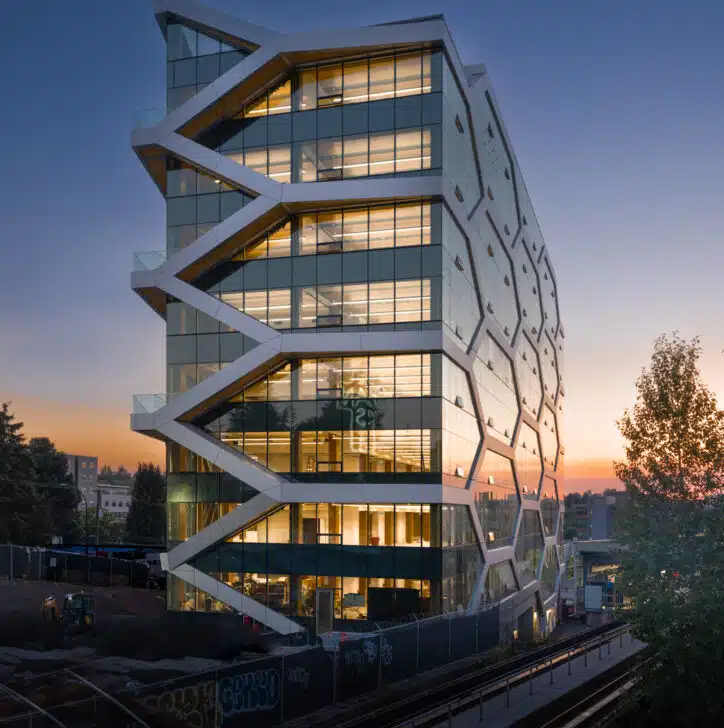

 Wood Connections Summary: BC Wood is gearing up for a busy fall season, with registration now open for the 2026 Global Buyers Mission in Whistler and a slate of market development opportunities stretching from Vancouver to Mexico. The annual GBM returns September 10–12, bringing together international buyers, architects, designers, manufacturers, distributors, and wood industry professionals for business matchmaking, networking, educational sessions, and WoodTALKS™ programming. The association has also announced the first round of GBM sponsorship winners and is encouraging companies to act quickly as exhibit space and hotel accommodations are filling fast. Beyond Whistler, BC Wood is recruiting participants for the Interior Design Show in Vancouver, Tecno Mueble in Guadalajara, and is exploring a coordinated presence at California’s Pacific Coast Builders Conference. Meanwhile, TWIG’s Wood-First-Wednesday program continues to expand its reach, with a new partnership extending networking and knowledge-sharing opportunities into the Robson and North Thompson region.




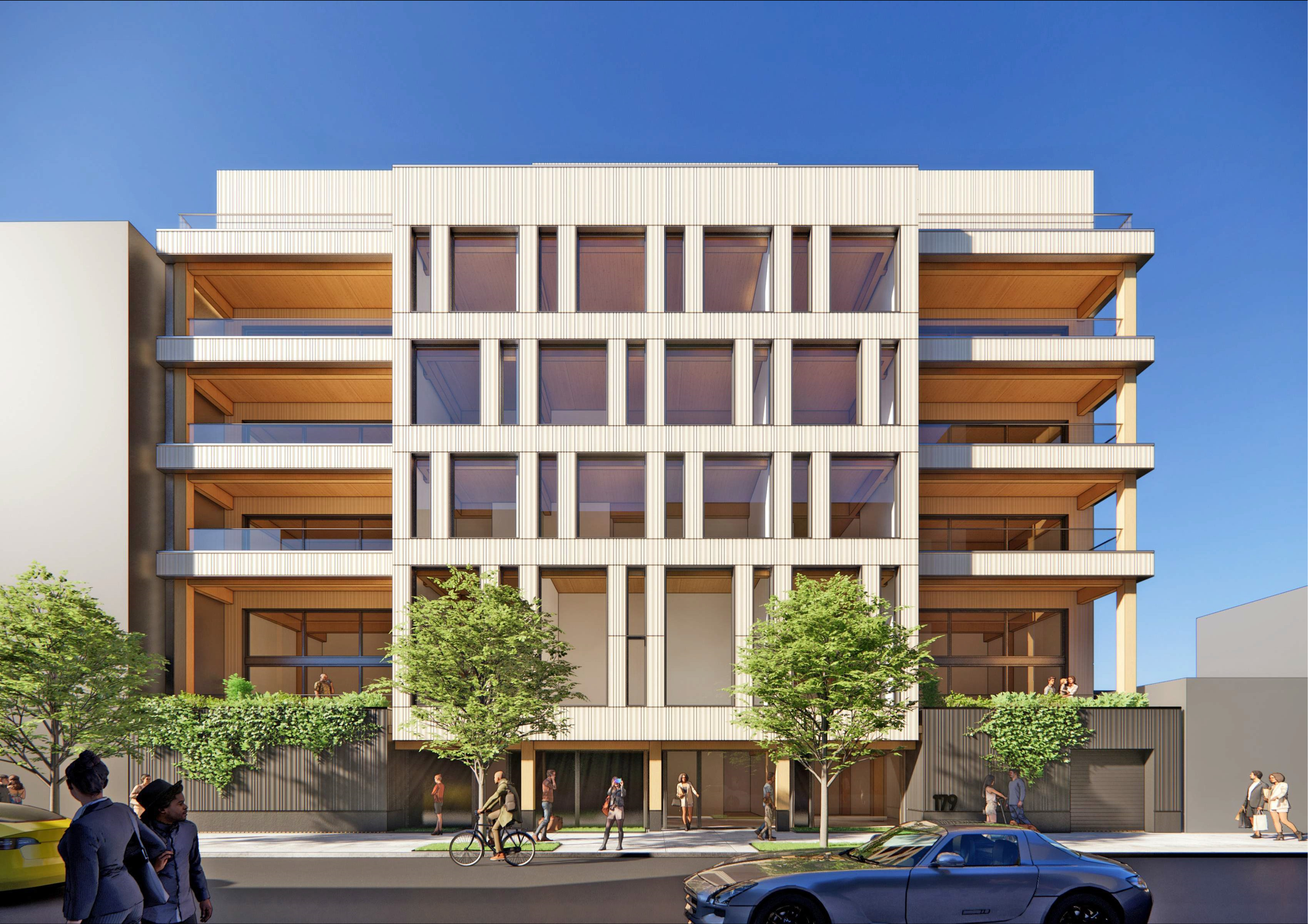
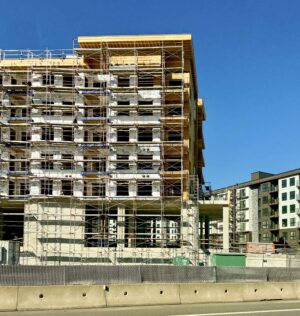 Three years ago, the Ontario Building Code required that any developer taking on a mid-rise wood-frame building had to construct stairwells out of non-combustible material. That was expensive. It made construction challenging, and, according to the Canadian Wood Council, resulted in a lower adoption of wood-frame building. Since that requirement was removed in 2023, allowing full buildings to be constructed with wood, interest in mid-rise wood-frame building has increased considerably, especially for residential builds, said Hailey Quiquero, with the WoodWorks Ontario program, an initiative of the Canadian Wood Council. “Now, in our market, we’re sitting at around 50% of five- and six-storey buildings being built out of wood construction, so a great jump,” Quiquero said. “We’ve still got a long way to go. In BC, I think it’s greater than 80% of this market.” …Currently in Ontario, mid-rise wood-frame building is largely being used in residential projects, Quiquero said.

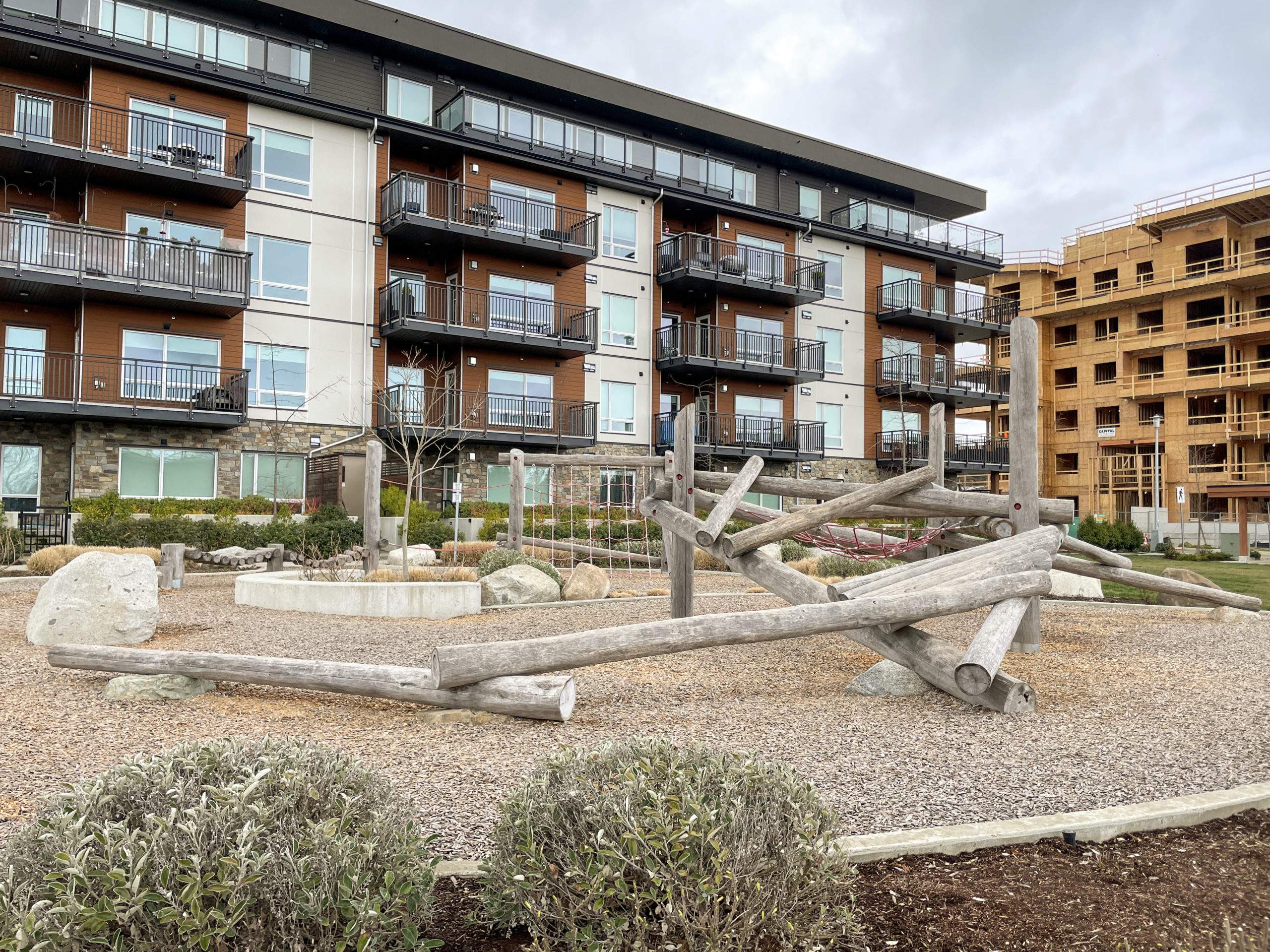 Three years ago, the Ontario Building Code required that any developer taking on a mid-rise wood-frame building had to construct stairwells out of non-combustible material. That was expensive. It made construction challenging, and, according to the
 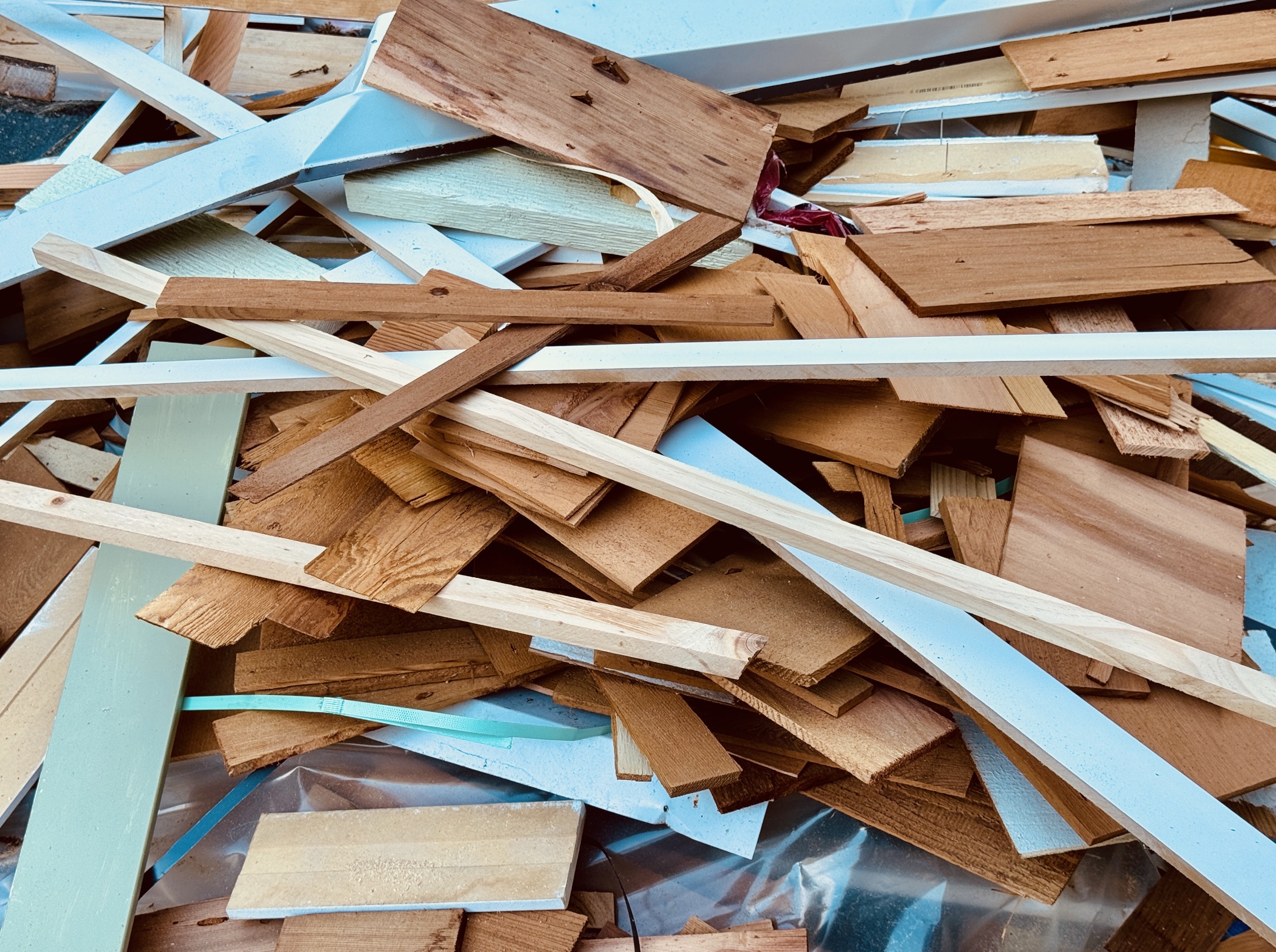 Mississauga city staff are reviewing a proposal for a “wood recovery facility” and an associated office building near Winston Churchill Boulevard and Lakeshore Road near the Oakville border. Applications have been submitted to amend the official plan and zoning to permit the facility, which would recover wood material to be used as a fuel source, according to the city. …local councillor, Alvin Tedjo said the cement plant provides roughly a third of all the cement for the province but still uses coal, adding the proposed wood recovery plant would provide low-carbon fuels. “The idea is that this plant would then create and process the materials in order to be used in the cement process which would then significantly reduce the use of coal and actually is part of removing coal completely from the (cement) plant so that we can be fully coal-free in Mississauga,” Tedjo said in a June 4 interview.
 A new federal rule will tighten hazardous-air-pollutant standards for plywood and composite wood products plants, including dryers, presses, refiners and lumber kilns. The
 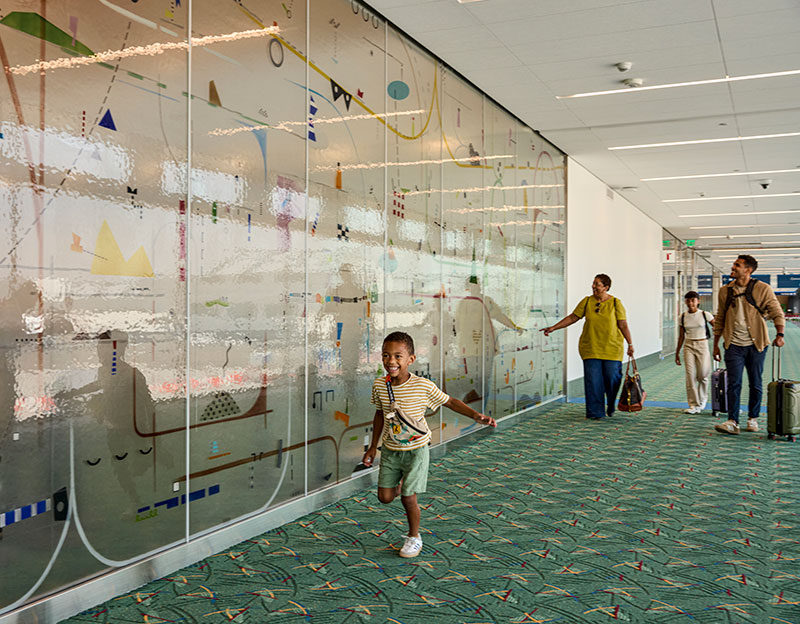 What makes an airport special? We analyzed what passengers love most for our own definitive ranking. …Our list started with more than 450 airports that served at least 1,000 passengers last year. #1 Portland International Airport: Walk into this airport terminal and gasp. It’s practically a nature bath. Skylights built into soaring timber roofs filter sunlight onto the oak floor. Live trees and massive video walls showcase stunning landscapes. Sit for a spell on the stadium-style wood benches. Linger on the real-life view of Mount Hood from Concourse E. This space is — it’s hard to believe — relaxing. While you’re at it, enjoy the flavors from local restaurants and shops; Tillamook fried cheese curds, anyone? [to access the full story a Washington Post subscription is required]
- Related by Dan Lohmeyer in Autodesk: A new kind of airport is built in Portland, with the help of connected workflows

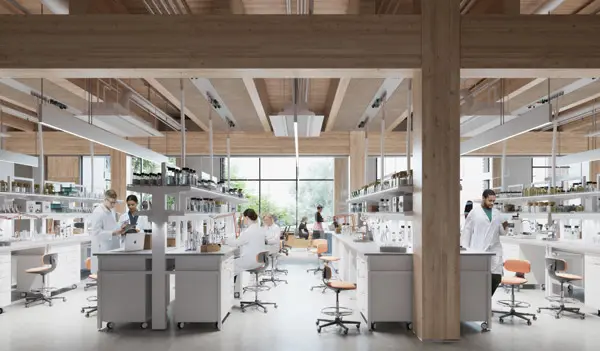
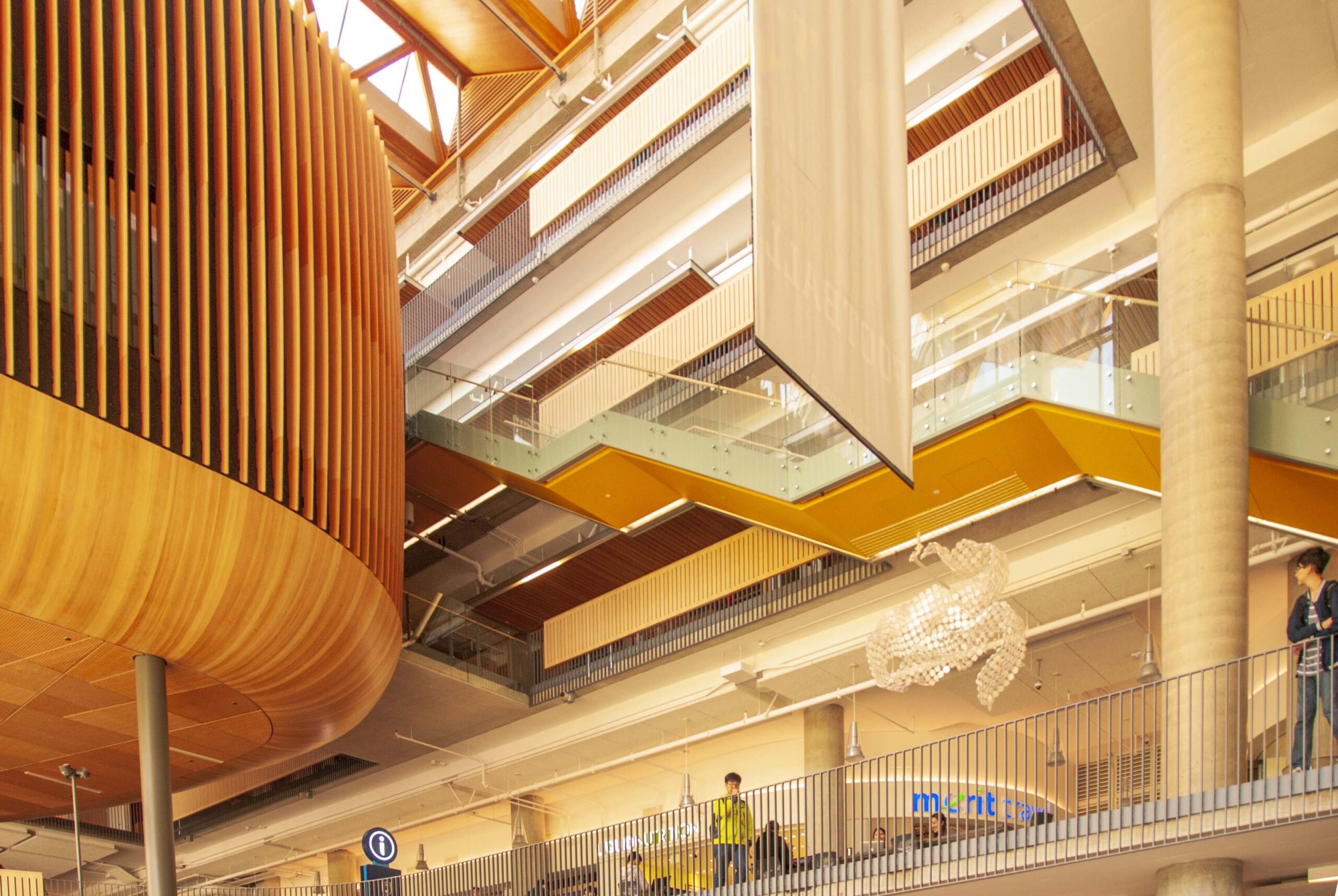 Humans have an innate desire to connect with nature, yet we spend nearly 90 percent of our lives indoors. In academic settings, where students learn, live and socialize, this disconnect can have real consequences for focus, mental health and well-being. Mass timber construction offers a powerful way to bring the warmth, texture and psychological benefits of nature indoors, while also advancing sustainability goals and, in many cases, matching or outperforming traditional steel construction on cost. A growing body of research shows that biophilic design, the integration of natural elements, particularly wood, into the built environment can improve cognitive performance, creativity and mood while reducing stress and fatigue. Spaces that incorporate visible wood elements are consistently perceived as warmer and more welcoming, fostering social interaction and a stronger sense of belonging. For higher education institutions focused on student wellness and community-building, these qualities are increasingly viewed as essential.
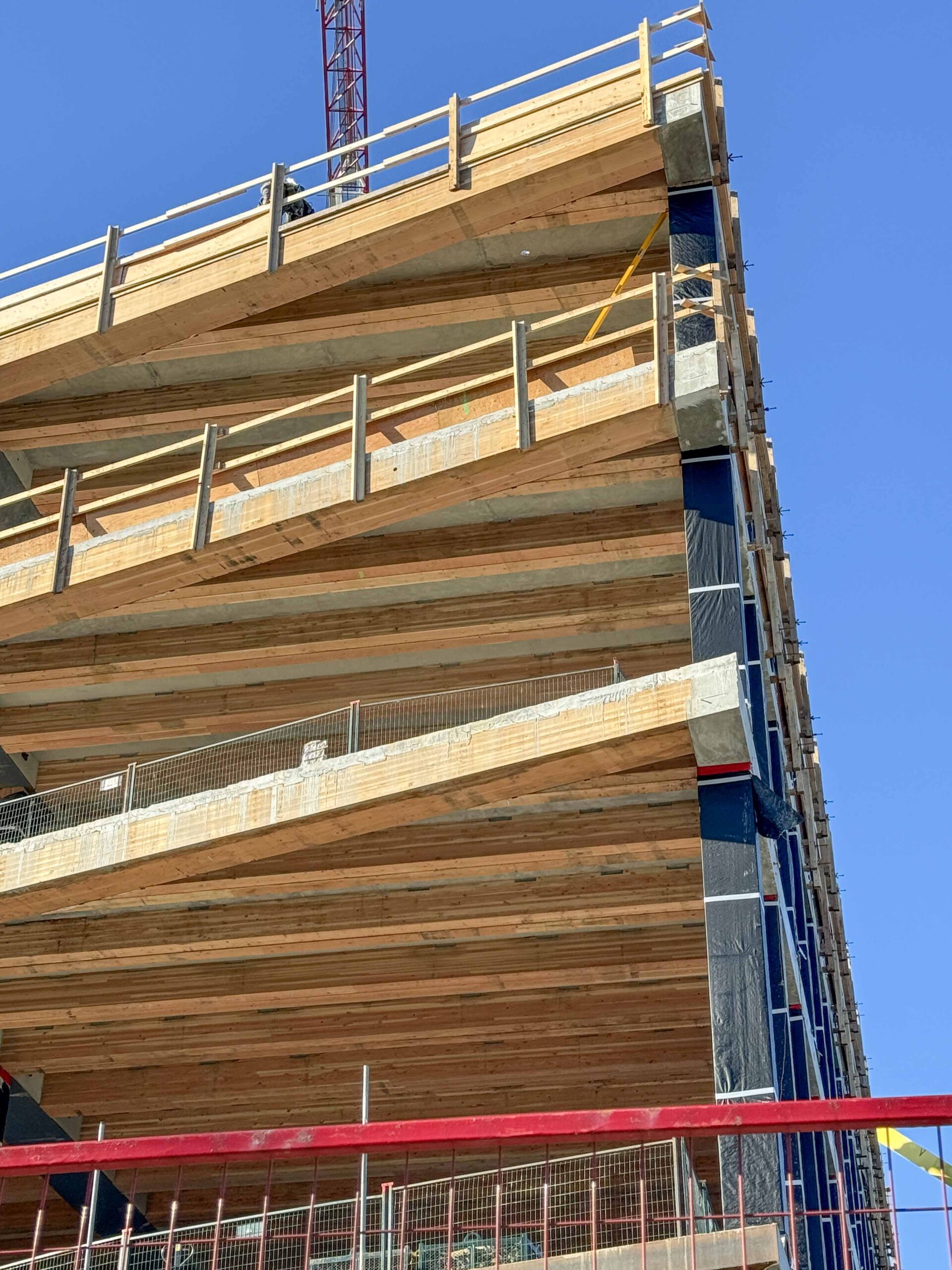 WASHINGTON, D.C. – U.S. Representatives Glenn “GT” Thompson (R-PA) and Andrea Salinas (D-OR) introduced the Mass Timber Federal Buildings Act. This bipartisan legislation provides incentives for the use of mass timber building materials in federal contracting, giving timber and other forest products companies the ability to compete for construction, renovation, or acquisition of public buildings, and for military construction. The bill creates a two-tier contracting preference for mass timber and other innovative wood projects. The first-tier preference applies to mass timber that is made within the U.S. and responsibly sourced from state, federal, private, and Tribal forestlands. The optional second tier applies to mass timber products that are sourced from restoration practices, fire mitigation projects, and forest owners. Additionally, this bill contains a reporting requirement for a whole building lifecycle assessment. The results of this assessment will help provide additional evidence of the environmental benefits of the use of timber and forest products in buildings.




 ATLANTA — At
 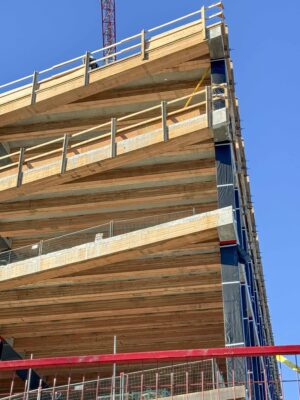 A bipartisan bill in the US House is calling for additional incentives to use of mass timber building materials in federal contracting. Introduced by House Ag Committee Chair Glenn Thompson (R-PA) and Andrea Salinas (D-OR), the
 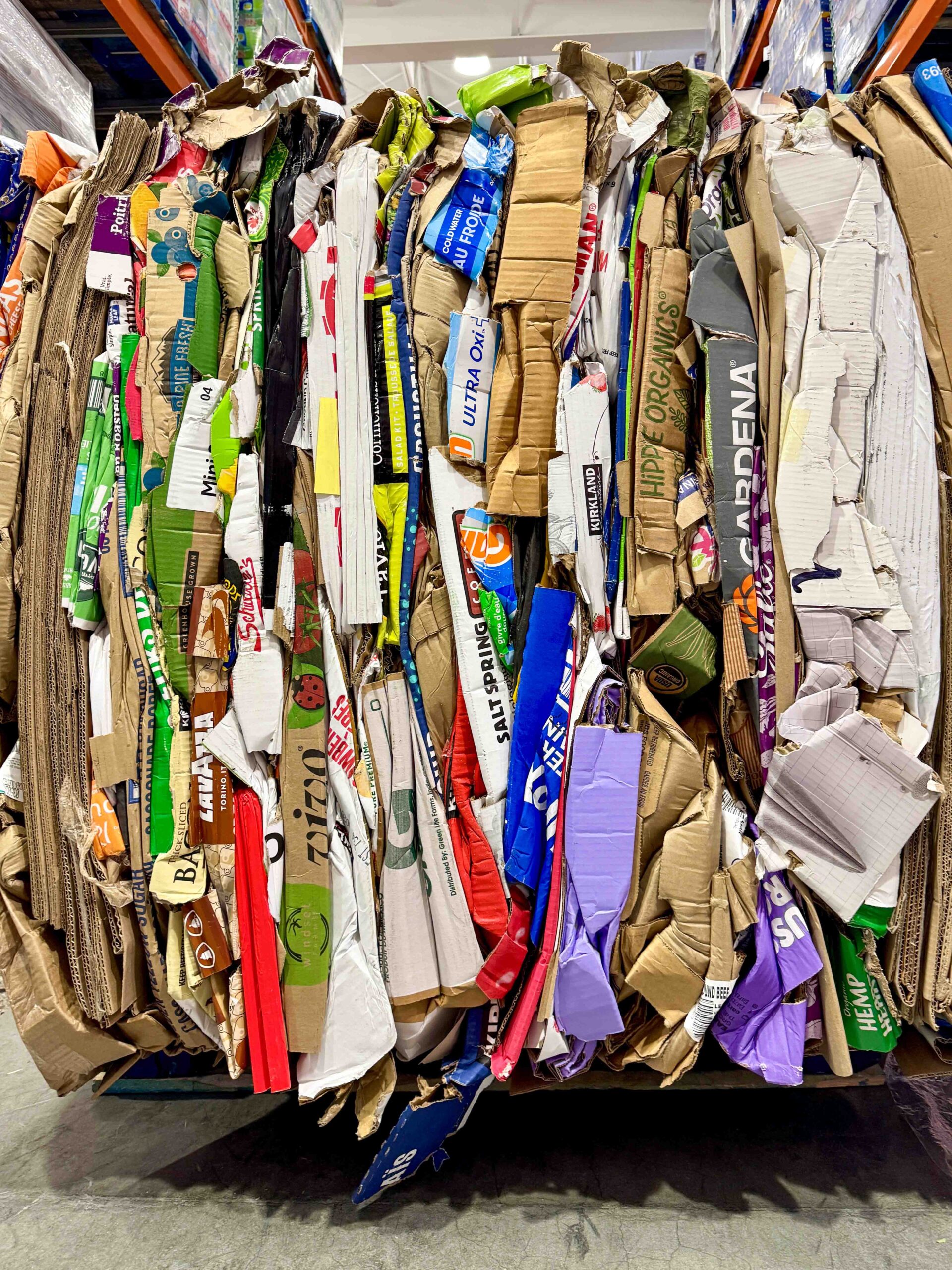 New York’s Packaging Reduction and Recycling Infrastructure Act (PRRIA) has not reached the finish line. The state legislature adjourned without voting on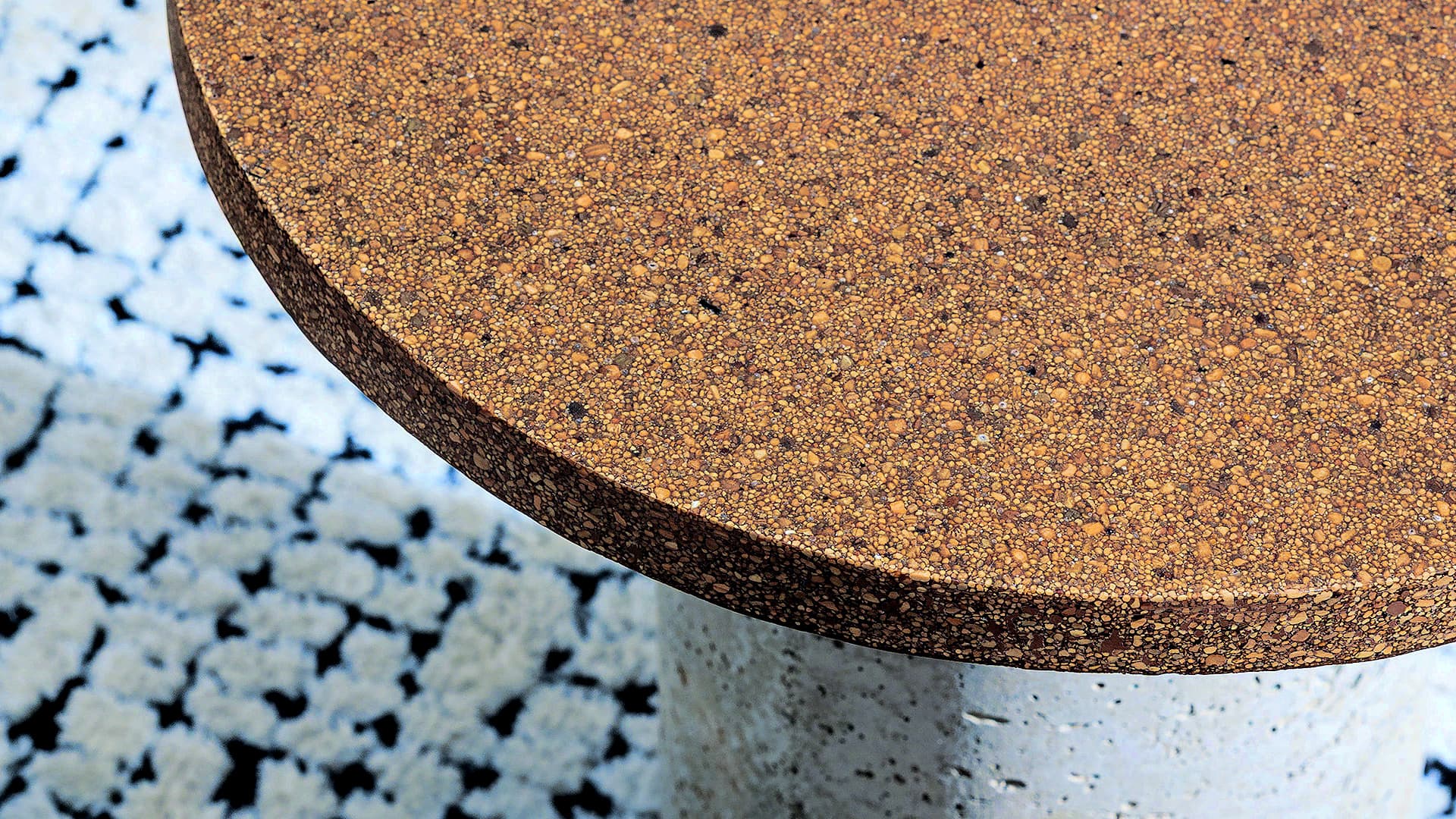
 NEW Zealand — Increased trade is key to driving an innovative wood processing and manufacturing sector that will strengthen regional communities, reduce emissions, and build a more resilient and prosperous New Zealand, according to Mark Ross, Chief Executive of the Wood Processors and Manufacturers Association of New Zealand (WPMA). …“This includes supporting trade policies that open markets for high-value wood products, backing programmes such as the Value-Added Wood Exports Growth Accelerator, along with encouraging investment in domestic wood processing to grow the sector,” Mr Ross said. …The policy also highlights leading value-added wood and forestry trade missions into Asia and the Gulf region. The seven priority markets are Brazil, Switzerland, Argentina, Bangladesh, Nigeria, Uruguay and the European Free Trade Association (Iceland, Liechtenstein and Norway). …The Building the Future: New Zealand’s Next Billion Customers’ can be found
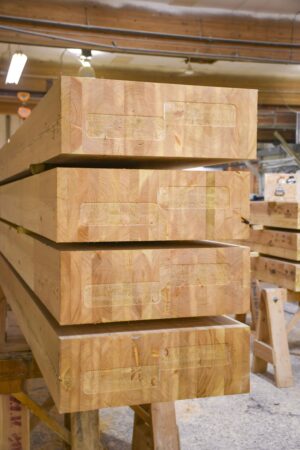 AUSTRALIA — The completion of the 6-Star Green Star Design redevelopment marks the first mass-timber social housing project in New South Wales, and one of the state’s earliest Class 2 timber apartment buildings. Completed in April 2026, the redevelopment delivers 75 new social homes for 130 tenants across two eight-storey towers and a separate three-storey terrace. …Since the initial concept, the project underwent several development application amendments to accommodate the use of mass timber. …One of cross-laminated timber (CLT)’s greatest advantages is speed. At Glebe, the eight-storey apartment floor was erected in as little as two weeks, while the three storey-terraces were fully completed in just three weeks. More than 2500 cubic metres of CLT and glulam were used in the construction. …The integration of a traditional brick façade introduced a slower, labour-intensive layer that disrupted sequencing. …While Australia is not short on sustainable building ambitions, regulatory frameworks have not kept pace with mass timber construction.


 Join us for the 16th edition of this flagship event—the only conference of its kind this year offering such a comprehensive view of the Cellulose market, covering the entire value chain from upstream to downstream. CelCo started up the conference Investing in Cellulose in 2011. Since then, it has been running every year in London, in November, the first Monday of the London Pulp Week. Its objective is to gather the entire cellulose value chain: from specialty wood pulp and cotton linters pulp suppliers to all viscose, acetate, ether & MCC, nitrate, cellophane, tyrecord, sausage casings, and sponge applications, as well as final converters up to “Brand levels” (textile, hygiene, pharmaceutical, cigarette, automotive, food, construction industries, etc.). The one-day conference includes a full-day event with 8 speakers, a breakfast, formal lunch, coffee breaks, and a cocktail the previous evening. The event will be held on Monday, November 9, 2026, from 9:30 a.m. to 4:00 p.m. at the luxurious Waldorf Hotel near Covent Garden. …This event is organized by CelCo, a cellulose consulting company registered in Switzerland, led by Christian Chavassieu, and assisted by its partner, Numera Analytics.
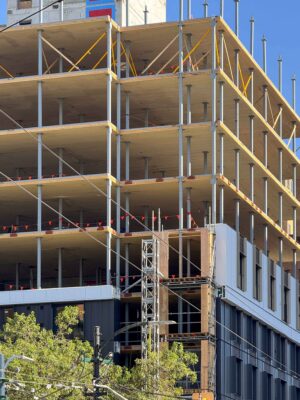 A proposed change to England’s fire-safety guidance could make it much harder to use timber in load-bearing structures above 11 metres. The consultation on changes to Approved Document B, the fire-safety guidance used under the Building Regulations in England, closes on 1 July 2026. Under the draft text, load-bearing elements of structure in buildings with a storey more than 11 metres above ground level should be made from materials or products achieving at least class A2-s3,d2. Most structural timber and mass timber products do not normally meet this reaction-to-fire classification. The proposal would move the debate beyond external walls and cladding. It could affect the structural frame itself in a much wider group of mid-rise residential, commercial and mixed-use buildings. This matters because mass timber and CLT are increasingly used in projects where developers want faster construction and lower embodied carbon compared with concrete or steel.
 SINGAPORE — The Alliance to End Plastic Waste today published


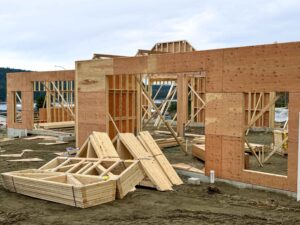 Timber frame homes built in as little as five days could be a way to increase the pace of housebuilding in London, some of the capital’s largest construction companies have heard. Industry leaders travelled to Scotland to learn how the housing is produced, from sustainable forestry through to completed homes, as developers and ministers look for ways to increase the number of homes in the city. Scotland has adopted timber frame construction on a greater scale than England. About 92% of new homes north of the border are built using timber frame, compared with 13% in England. Andrew Orriss, of the Structural Timber Association, said: “Scotland builds faster, greener, and more efficiently than England. …“And the reason is timber frame. …Mayor of London Sir Sadiq Khan has a target to build 88,000 new homes per year. …In Britain, structural timber are only permitted to a maximum height of 18 metres, or up to 6 storeys.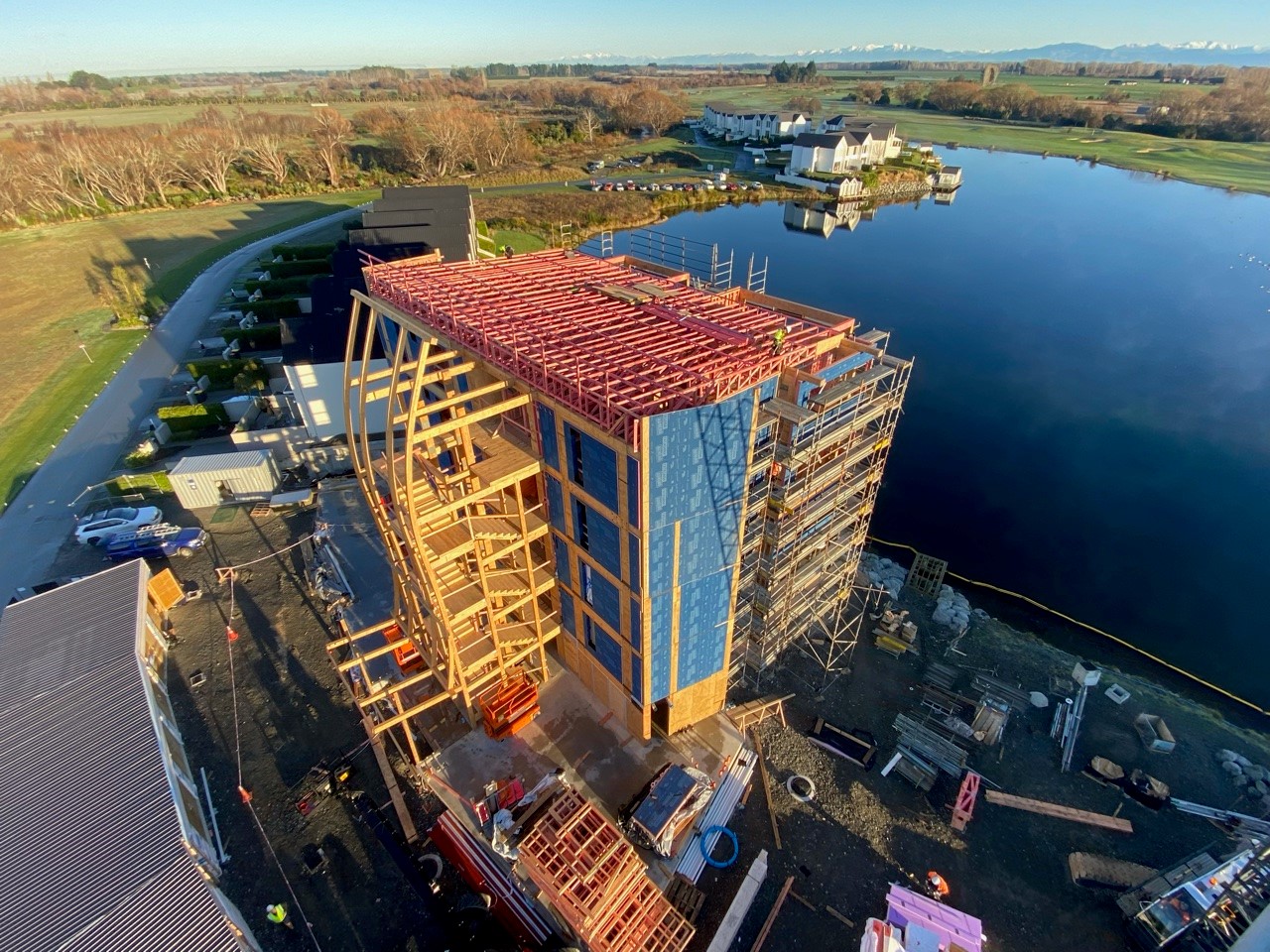
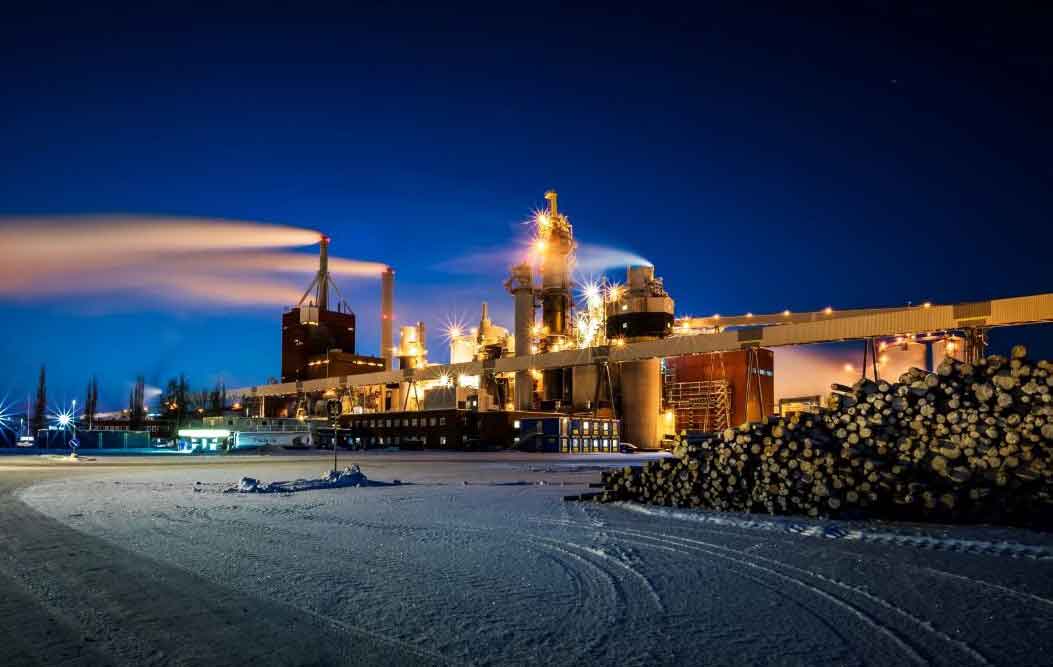
 Japanese domestic 2×4 production rose 33.9% in 2025 to 112,610 m³, while more housing companies are specifying domestic dimension lumber. For Canadian exporters, the message is clear: competition is no longer only imported lumber from Europe or Russia. Domestic Japanese producers are also gaining ground, especially in Sugi-based 2×4 applications. Japan’s domestic 2×4 segment is still relatively small compared with the country’s total structural wood market, but the latest survey results show a market moving decisively in favour of local supply. That matters for Canadian producers because Japan remains one of the world’s most important premium wood markets, and 2×4 construction has historically been a core outlet for Canadian dimension lumber. The Association to Promote the Use of Domestic Wood in 2×4 Construction recently released the results of its annual survey of domestic 2×4 production and usage trends. …The survey results indicate a significant increase in Japanese domestic dimension lumber production and consumption.
  IRELAND — Minister for Agriculture Martin Heydon [et al]… welcomed the final report from the interdepartmental and industry