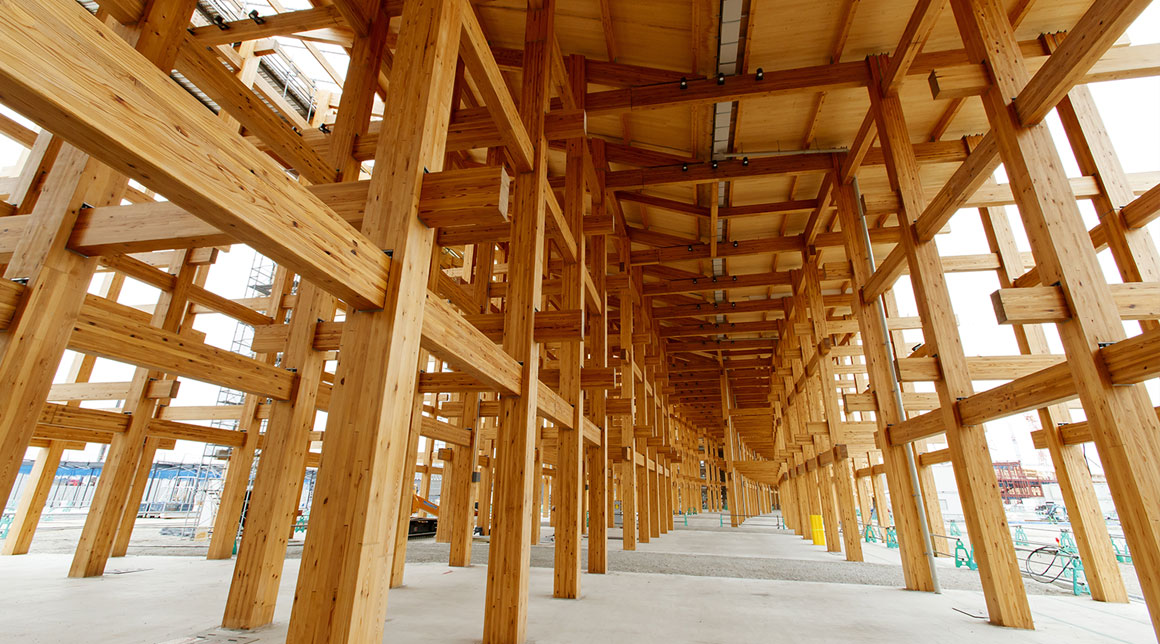
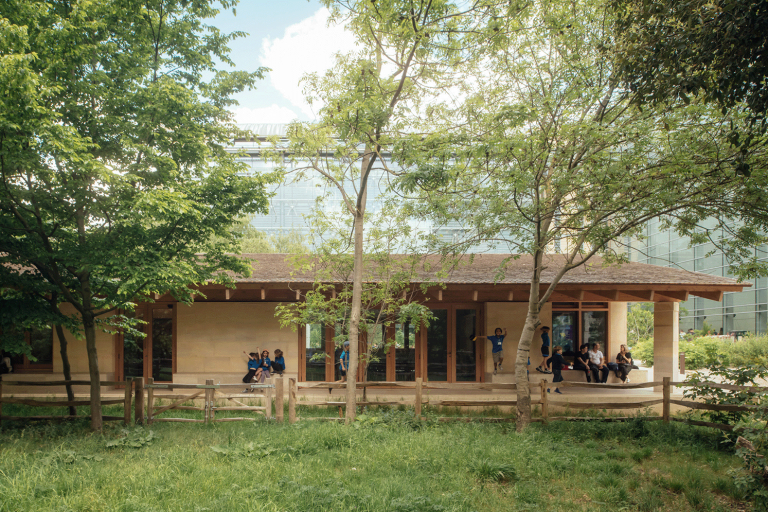
 The opening of the Mass Timber Research Center at the University of Toronto marks a new milestone in sustainable architecture. …Its design interacts seamlessly with the terrain and natural light. Exposed timber structures and eco-friendly materials reduce the carbon footprint. …The Mass Timber Research Center is located at the heart of the Koffler Scientific Reserve. The building acts as the social and research hub, featuring expansive gathering spaces for hands-on learning. Its design draws inspiration from traditional barn architecture, with low roofs, large openings, and central courtyards that create a sense of openness and constant connection to nature. …The building features an exposed mass timber structure and natural wood façades, with high ceilings and clerestory windows allowing daylight penetration and natural ventilation. Materials were chosen to minimize carbon footprint while ensuring durability and aesthetic appeal.

 Zoom Seminar | November 18| 11:30am – 1:00pm| This seminar helps leaders and teams learn to use artificial intelligence to enhance productivity, communication, and operational efficiency. Rather than replacing people, AI can act as a digital teammate, handling routine or repetitive work so humans can focus on creativity, decision-making, and critical thinking. Participants will explore practical ways to use AI tools like ChatGPT, Copilot, and others to streamline workflows in areas such as administration, project management, customer service, and content creation. You will learn: How AI tools like ChatGPT and Copilot work; common misconceptions; How to give clear, effective instructions to AI. Examples of strong vs. weak prompts; Examples of AI applications for administrative tasks, writing, and increasing productivity; and What to include in an internal AI-use framework: approved tools, privacy, and accountability. Safe and unsafe examples. $29 per person (you do not need to be a BC Wood member to participate – Limited to participants from Canada only)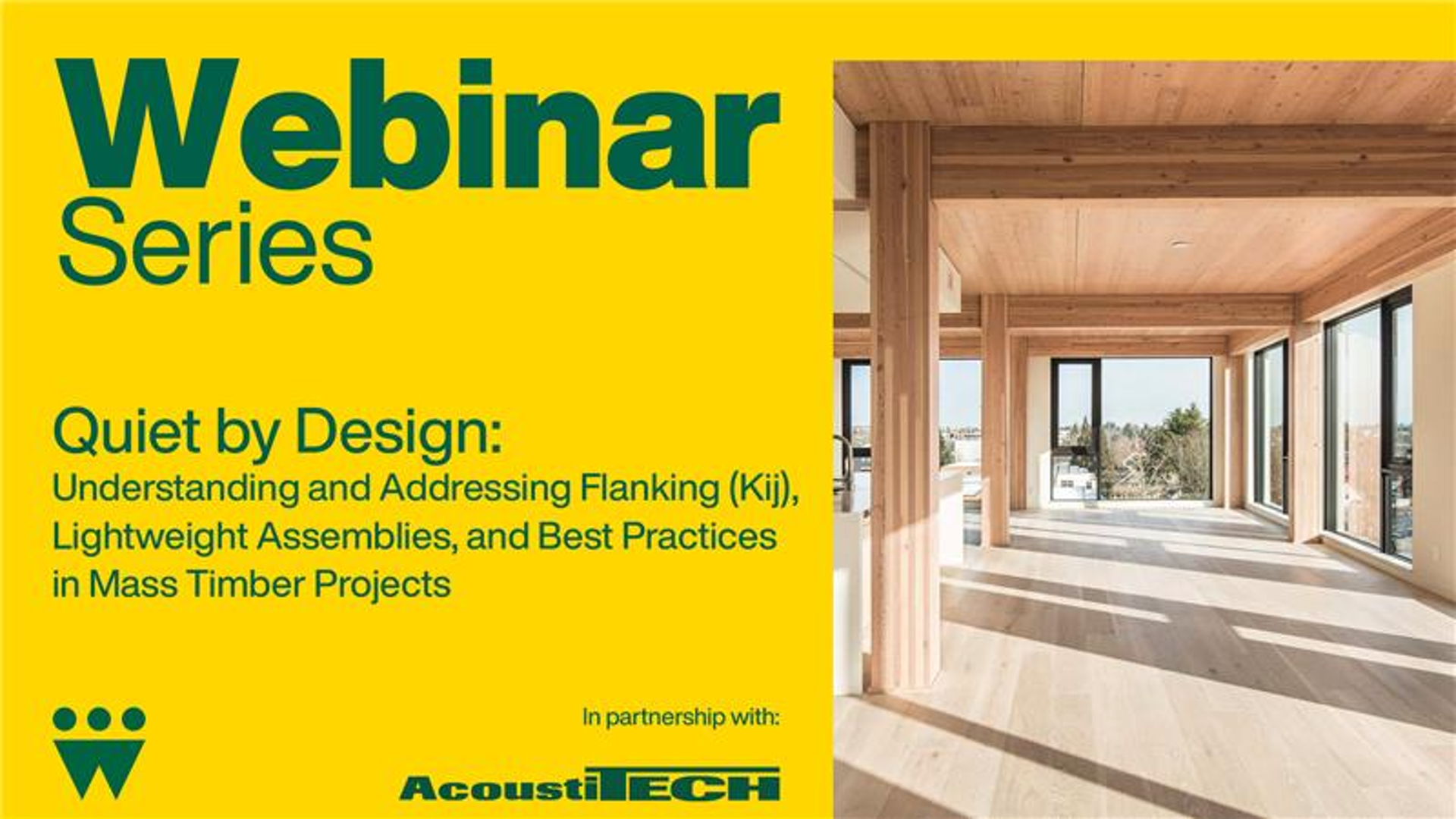
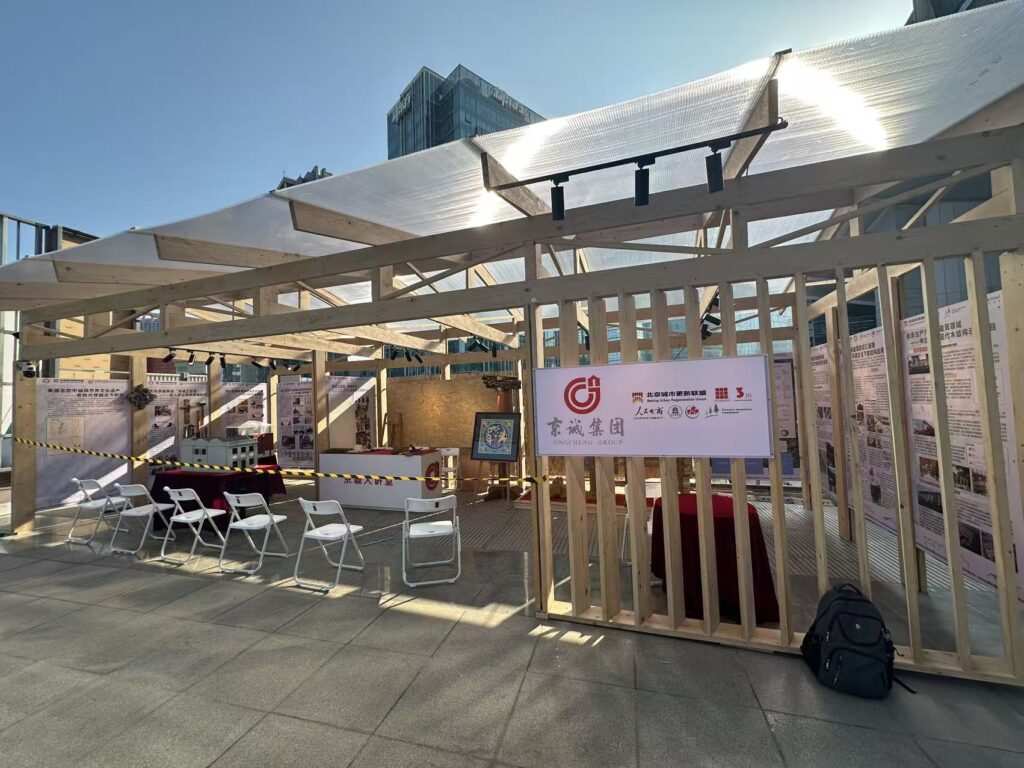
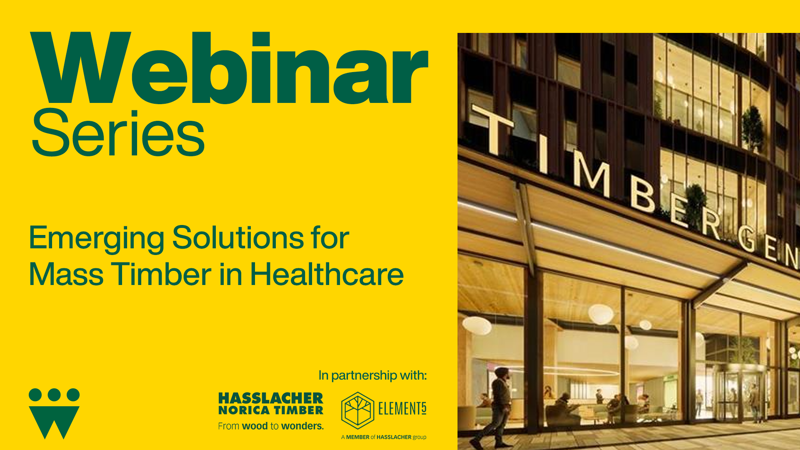
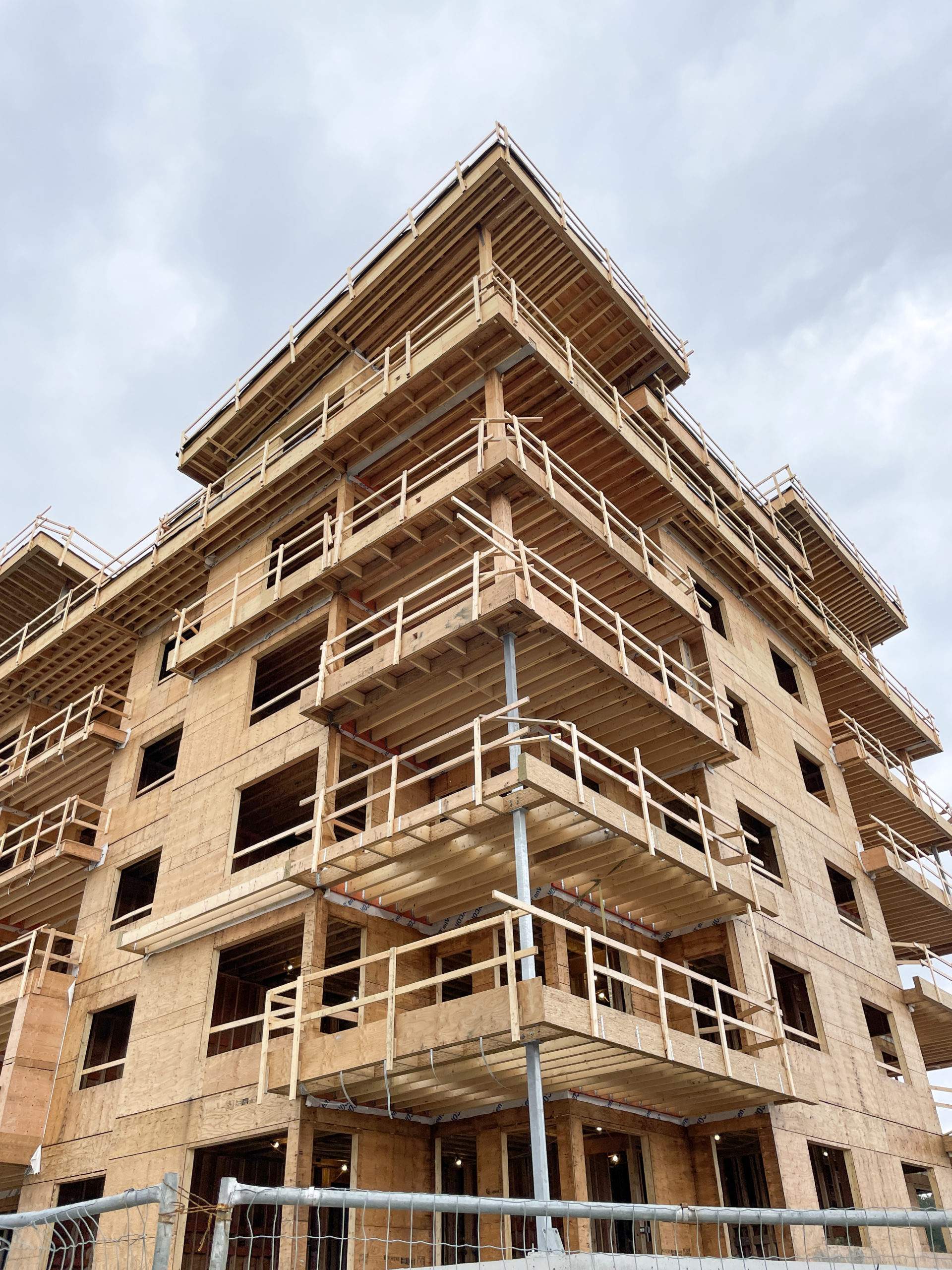 Canada is facing a housing crisis of historic proportions. With affordability slipping out of reach for millions and supply lagging far behind demand, we need bold, scalable and sustainable solutions. The federal government’s Build Canada Homes initiative is a promising start and an opportunity to scale up the use of Canadian wood in building construction.
  The October newsletter includes these headlines and more:







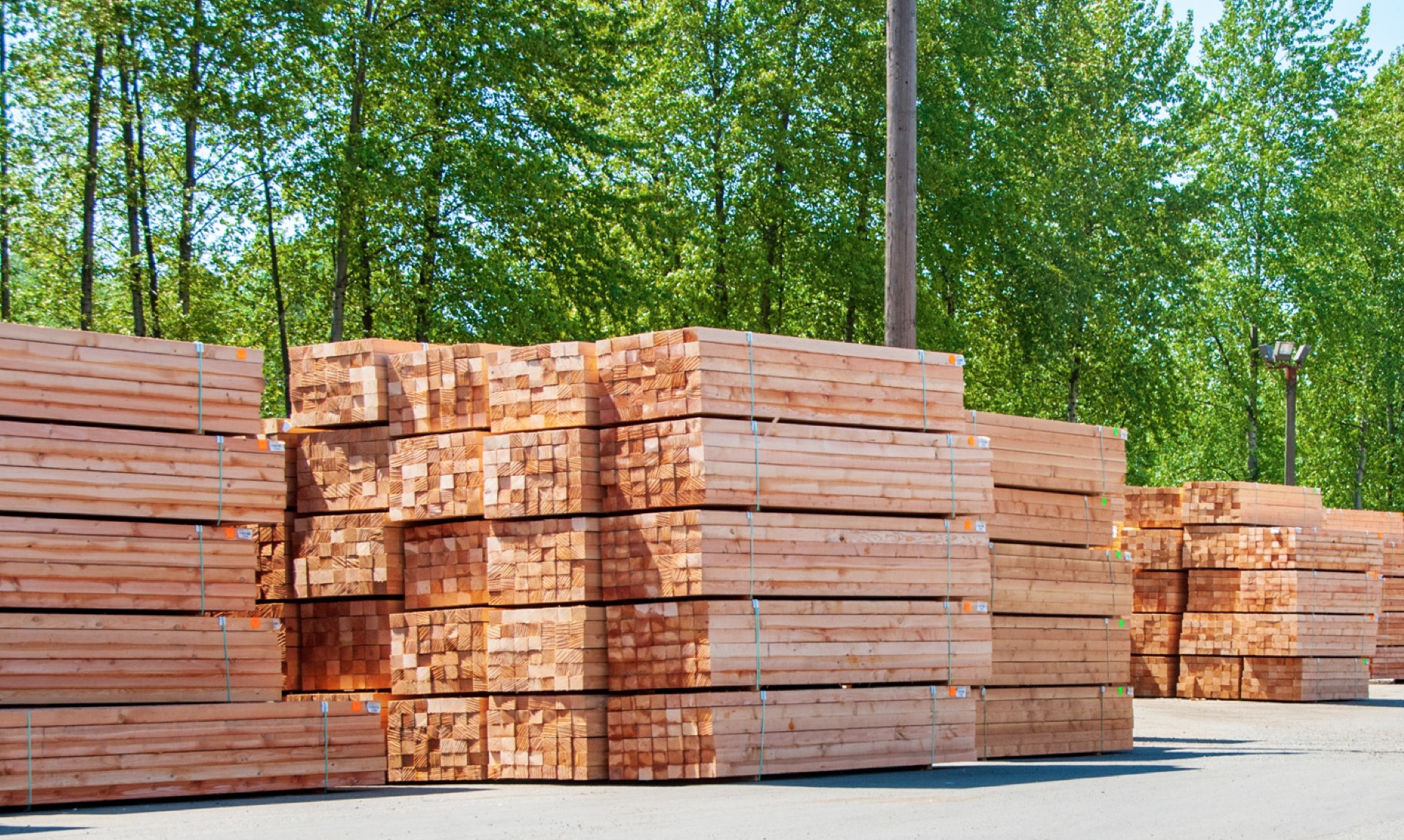 A technique used for the long-term preservation of human and animal remains is now being tested on Western red cedar. Plastination, originally designed to embalm the dead, is now being used to improve the functionality and durability of advanced composite materials. A team from UBC Okanagan’s School of Engineering has been experimenting with the technique and published a study that examined the


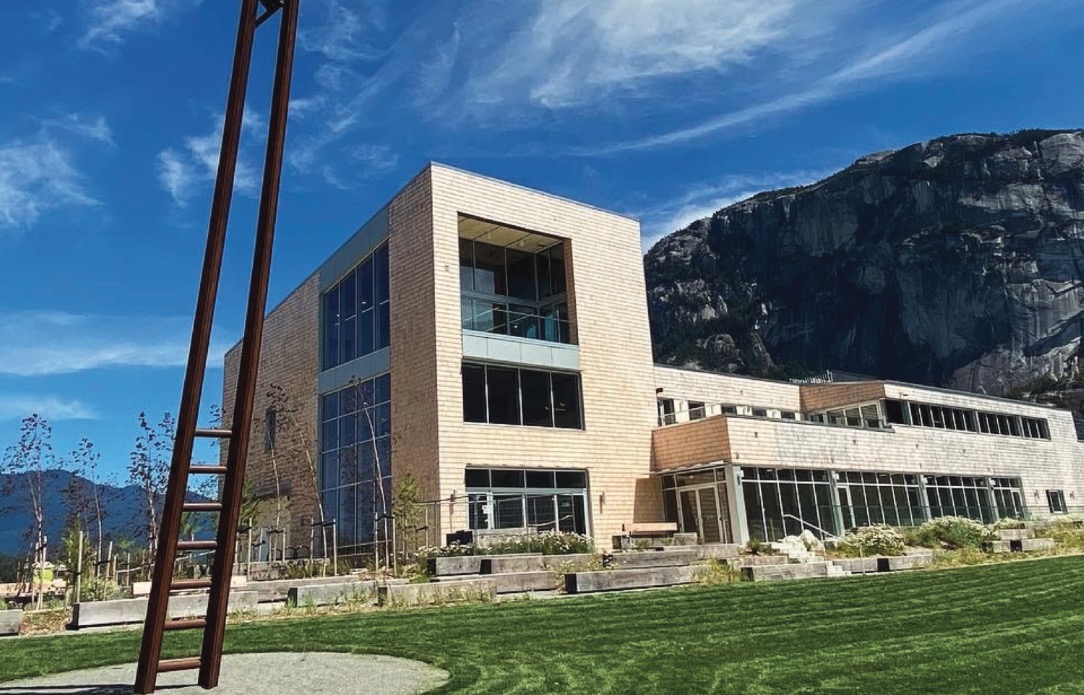 At the recent 2025 Vancouver Regional Construction Association (VRCA)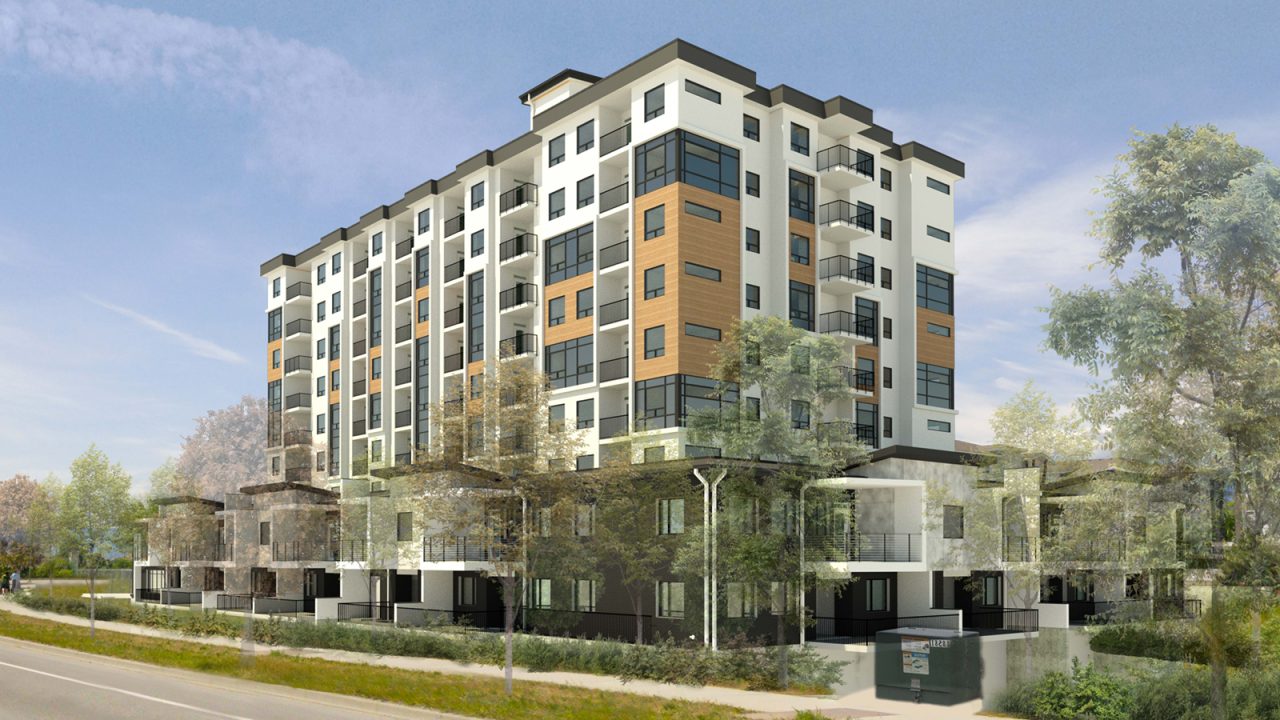


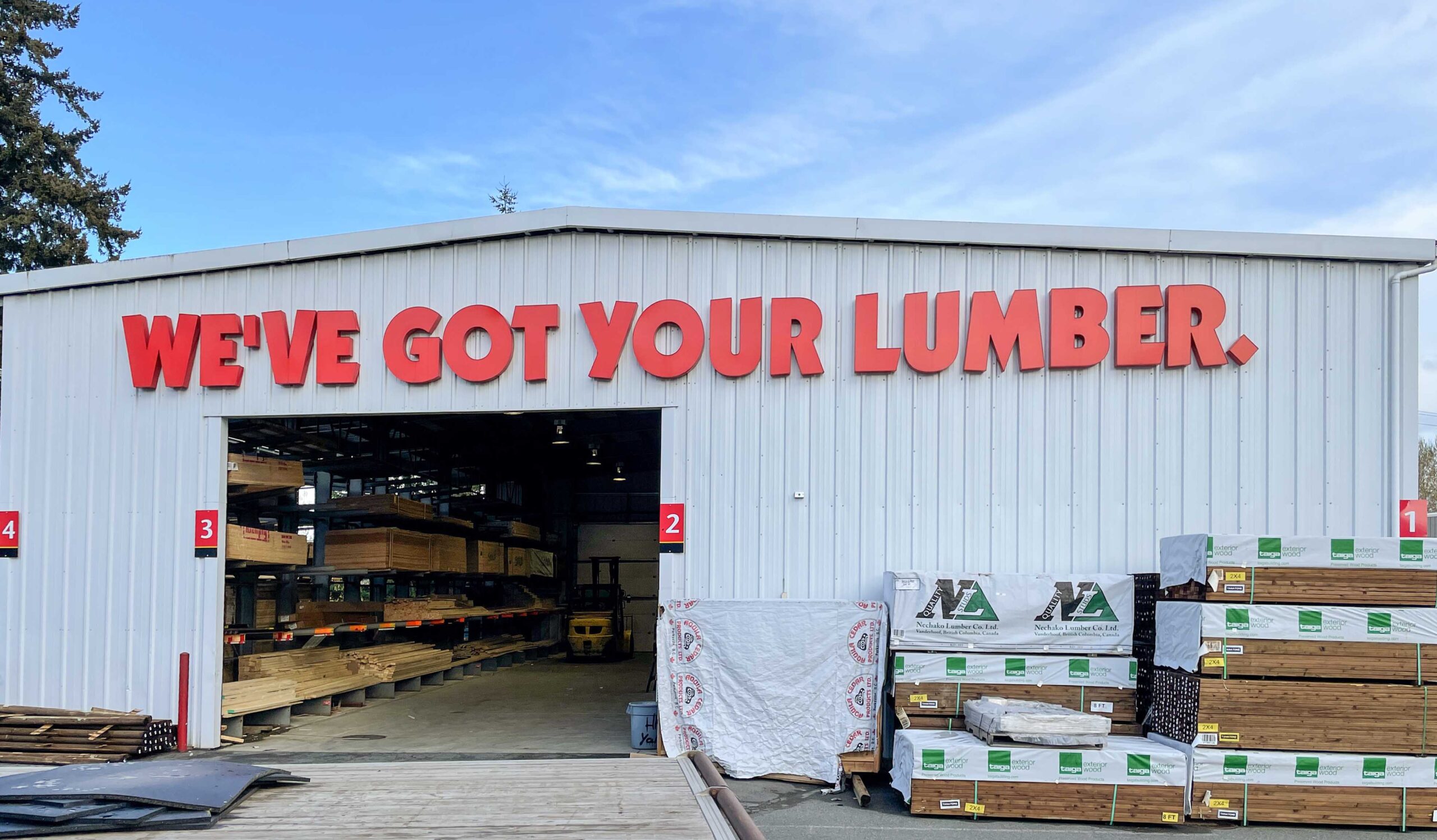 Construction plastics are a major source of plastic waste in the province, and they urgently need to be measured, tracked and upcycled, says a B.C. organization that promotes sustainable built environments. Canada’s Federal Plastics Registry is expanding in 2026 to include construction plastics, but industry efforts are already underway to gather data and pilot new ways of reducing and reusing them, said Vancouver-based

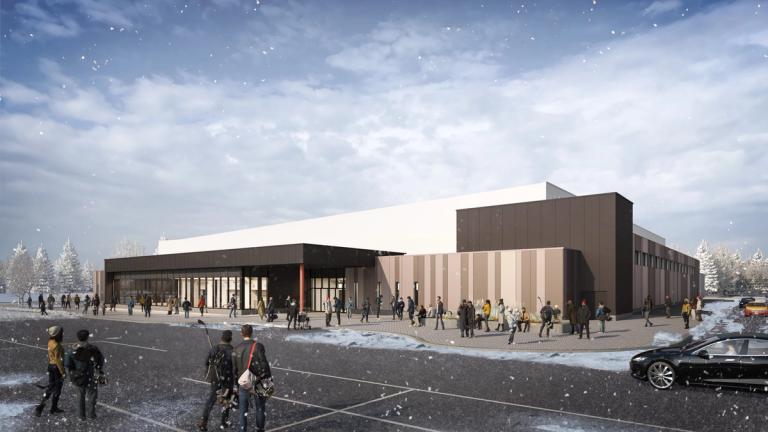

 HUNTSVILLE — The Ontario government is investing $10 million through the Forest Sector Investment and Innovation Program to help Daiken North America upgrade its laminated board production line at its manufacturing facility in Huntsville. This investment will help the company bring a first-of-its-kind wood panel product to market, create jobs and boost productivity. As part of its plan to protect Ontario, the government is making strategic investments to help forest sector businesses adapt, compete and grow to stay resilient in the face of U.S. tariffs. …Daiken’s $70 million project will equip them to manufacture a new type of wood panel used in flooring, recreational vehicles and modular housing, while supporting 128 existing jobs and creating 10 new jobs. This made-in-Ontario forest product is the first of its kind in the world, offering a higher-performance, lower-cost alternative to imported material.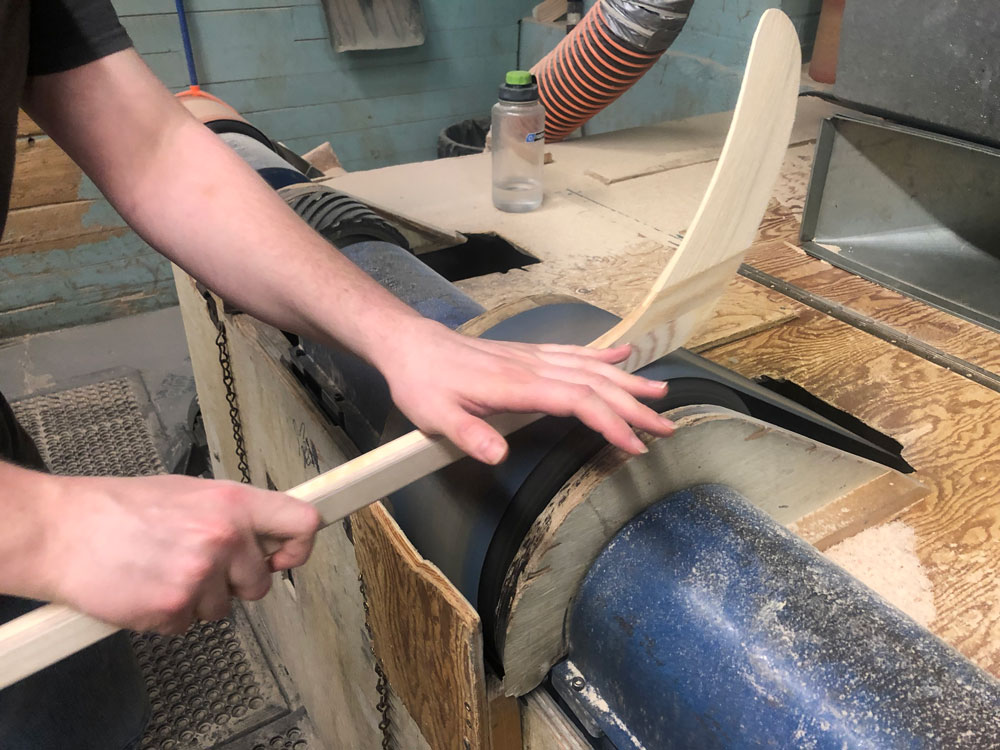

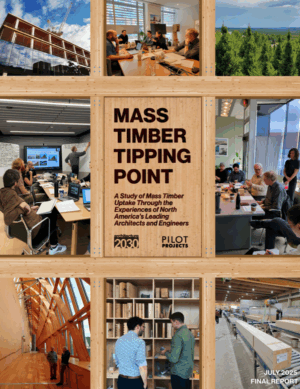 Mass timber is gaining momentum as a structural material that, along with many other attributes, can reduce the embodied carbon in new buildings and retrofits. Despite this potential, and widespread enthusiasm in the design community, the uptake of mass timber has been relatively slow. Architecture 2030 and Pilot Projects Collaborative’s new report,
  As National Forest Products Week is observed each October, the US Endowment for Forestry and Communities is highlighting one of its partner programs that supports and advances US-based manufacturing. The Endowment is administering $5 million of the USDA Forest Service’s $80 million Wood Innovation Grants program, overseeing 18 individual projects across the country. Each project includes matching funds from subaward recipients, resulting in a total impact of approximately $10 million. Together, these investments will advance wood product manufacturing, strengthen forest management and foster energy innovation for timber-producing communities. …“Our forests are only as strong as the markets that sustain them. Through programs like the Wood Innovation Grants, we’re creating new opportunities for innovation while reinforcing the resilience of both ecosystems and the communities that depend on them. Strengthening U.S. wood products manufacturing is necessary to achieve these goals.”
 While sustainable solutions are facing drastic funding cuts, mass timber as a sustainable construction material is steadily gaining traction across the US. Construction using mass timber began in 2015 in the US, and since then the number of projects has grown about 20% annually. Today, over 2,500 mass timber projects are built or in progress in the US, including corporate offices for companies such as Google, Microsoft and Under Armour. …“We have lots of tech firms and big companies that say, ‘Hey, we’re battling it out for workers. We want the best space possible,’” said Bill Parsons, COO at WoodWorks. …Legislation that promotes and programs that fund mass timber, such as the Mass Timber Federal Buildings Act and the Wood Innovations Grant Program from the USDA, are still progressing. …Studies have shown that living or working in a mass timber building improves occupants’ mental health and well-being, even lowering their blood pressure and heart rates.
 SALT LAKE CITY — Homeowners in high wildfire risk areas should soon expect home assessments and a new fee. HB48 Wildland Urban Interface Modifications requires the Utah Division of Forestry, Fire and State Lands to draw a high wildfire risk boundary across the state. The division will inspect homes within the boundary for fire risk, and property owners will pay a fee based on their risk and square footage, which will cover the cost of the program and lot assessments. State Wildfire Risk Reductions Programs Manager Joseph Anderson said the assessments will focus on the vegetation surrounding the home and the materials used in the structure. “The goal is to remove any vegetation or anything that could catch an ember and allow that ember to burn and catch the structure on fire,” Anderson said. The bill comes after catastrophic wildfires across the West, like the California Eaton Fire from January 2025.
 REDDING, Calif. – A groundbreaking effort is underway in Redding where
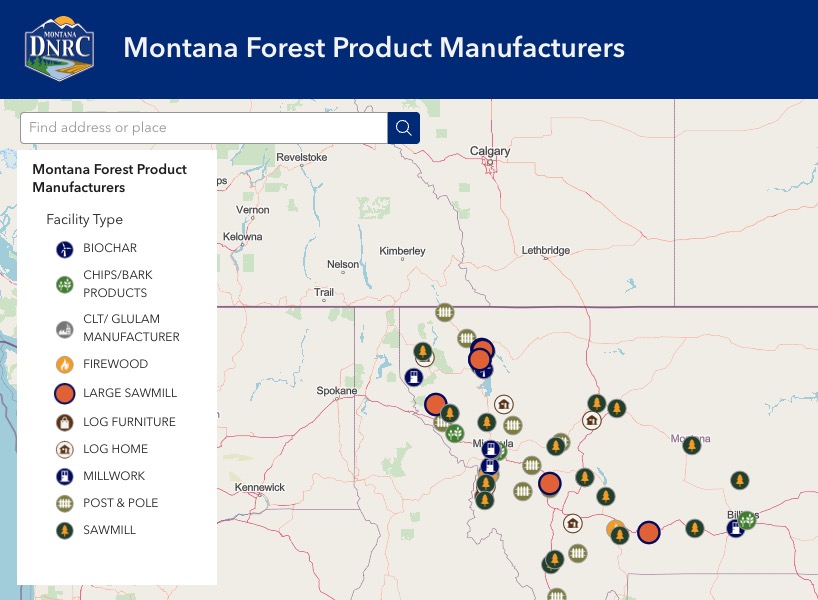 HELENA, Mont. — The Montana Department of Natural Resources and Conservation (DNRC) has launched an online interactive map showing forest product manufacturers across the state. The new tool helps landowners, contractors, and community members locate nearby mills and connect with partners for forest management and wood processing projects. Each facility listing includes details such as product types, wood species used, and company size, with direct links to their websites. “Beyond helping Montanans find nearby mills, the map highlights manufacturing capacity that supports forest restoration, fuels reduction, and local jobs,” said Marc Vessar, DNRC forest practices program manager.

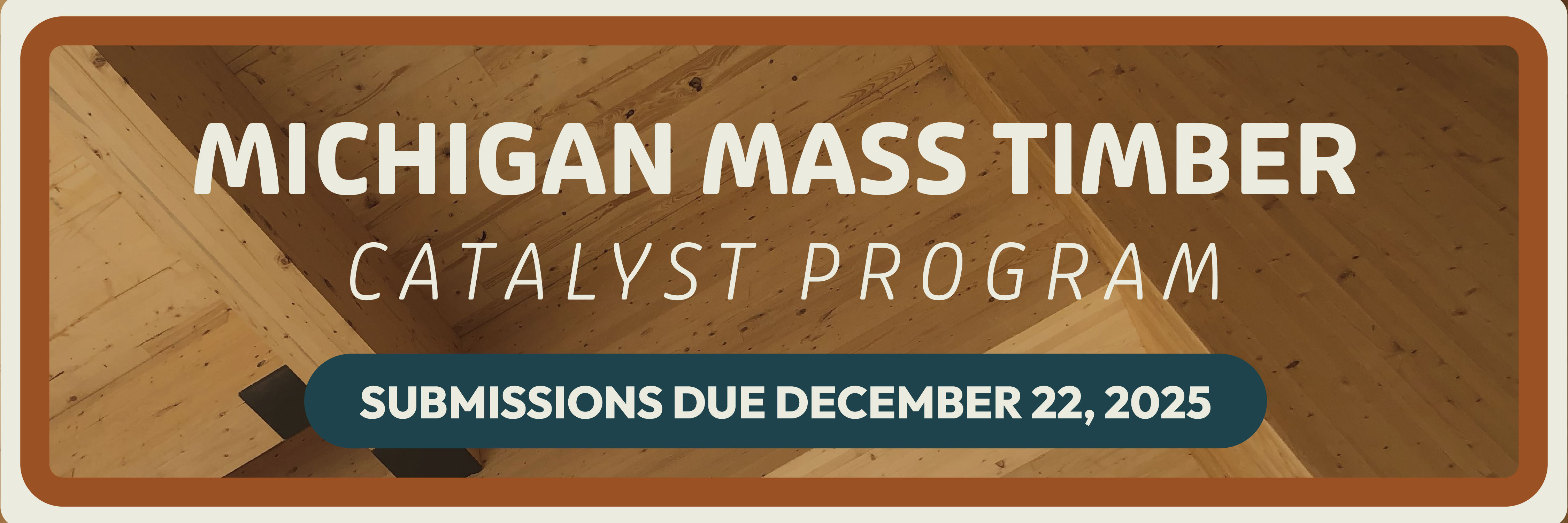
 Michigan is the latest state to launch an initiative aimed at accelerating mass timber construction. The new Michigan Mass Timber Catalyst Program will provide cash awards ranging from $25,000 to $75,000, along with technical assistance and peer-learning opportunities, to encourage the use of engineered wood in new buildings. Although mass timber products are not yet manufactured in Michigan, interest in the material is growing rapidly. …The Catalyst program, produced collaboratively by the Michigan DNR, MassTimber@MSU, the Michigan Green Building Collaborative, and WoodWorks, will support early-stage projects that use mass timber as a primary structural or architectural material. …Awarded teams will join a cohort led by MassTimber@MSU and Woodworks to work through design, procurement, cost estimation, and code approval challenges. …In New York City, the NYCEDC’s Mass Timber Studio offers $25,000 Grants and technical support for early-stage projects…. In the Southeast, the Georgia Mass Timber Accelerator… provides funding and technical assistance to teams exploring timber-based design solutions.
 Chinese tissue paper made from bamboo has emerged as a trendy choice for eco-friendly shoppers. However, new research suggests these bamboo paper products may not offer significant climate benefits over tissue produced in the United States and, in some cases, may be more detrimental to the environment. North Carolina State University researchers compared the carbon footprint of bamboo tissue paper manufactured in China with that of conventional tissue paper manufactured in the U.S. and Canada. They found that… the fossil fuel-heavy power grid in China led to significant increases in emissions compared with cleaner fuel sources used in North America. “As far as emissions go, the technology used to create hygiene tissue paper is far more important than the type of fiber it’s made from,” said Naycari Forfora, lead author of the study…. “Because the Chinese power grid is so reliant on coal for power, emissions … are higher than the wood-based option.”
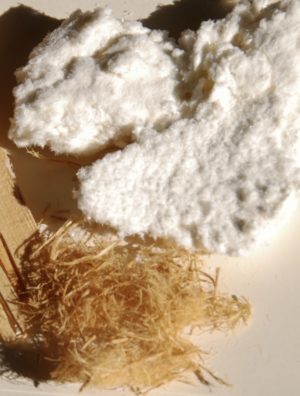
 Futamura, a Japanese manufacturer of cellulose films and packaging products, has announced a solution to help reduce the quantities of microplastics generated from glitter products. Microplastics are defined as plastic particles less than 5mm in size, which can be either intentionally manufactured at that size (primary microplastics) or created when larger plastic items break down (secondary microplastics). Glitter has been particularly criticised in recent years for its contribution to microplastic pollution in oceans and soil. According to Futamura, biodegradable glitter can be created from its NatureFlex materials [wood pulp], which will safely degrade in the environment it was disposed of after use without producing harmful microplastics. …Currently, glitter based on conventional plastics can still be sold into cosmetic applications due to a transition period granted under the EU’s Microplastics Regulation. However, once this period ends cosmetic applications will also be banned.




 Understanding the differences between lyocell vs cotton becomes crucial when choosing sustainable, comfortable fabrics for your wardrobe and home. Over 68% of US consumers now prioritize eco-friendly textiles in their purchasing decisions, yet many remain confused about lyocell’s advantages over traditional cotton. This comprehensive guide reveals the exact properties, environmental impact, and performance characteristics that distinguish these two popular fabrics in 2025. …Lyocell is a regenerated cellulose fiber made from wood pulp through an innovative closed-loop manufacturing process that recovers over 99% of solvents used in production. …The choice between lyocell vs cotton depends on your priorities: sustainability goals, budget constraints, specific use applications, and care preferences. Neither fiber is universally superior—each excels in different scenarios. Choose lyocell if you prioritize: environmental sustainability, moisture-wicking performance, luxury feel, and durability. …Our sustainability analysis shows lyocell winning decisively with 78% less water usage, no pesticide requirements, and complete biodegradability.
  Ireland must realise the “massive opportunity” that exists as timber construction is set to triple market value and deliver climate action, Forest Industries Ireland (FII) said. The director of FII, Mark McAuley has welcomed a
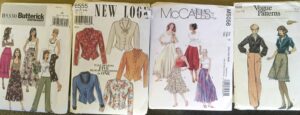 More companies that provide rayon, lyocell and modal to fashion brands are sourcing less from ancient and endangered forests, according to the nonprofit Canopy. Although the vast majority of cellulosic fibers are still spun from virgin materials, some of the biggest producers have been quickly adopting forest-friendly and circular materials. 70% of companies making semi-synthetic, cellulose-based fibers now exhibit green practices that reduce pressures on forests. 54% of fiber producers that the group tracked have reached the nonprofit’s favorable green rating. …Canopy uses this annual report in part to help brands make informed sourcing decisions. The use of recycled materials for such fibers is still rare, although it grew to 1.1% in 2024. Such textiles represent only 6% of the global fiber market, according to Textile Exchange. It found that fibers approved by Forest Stewardship Council (FSC) or other certification made up as much as 70 percent of cellulosic fiber market share.
 Several parliamentarians, key industry players and alternative materials start-ups in hemp, engineered bamboo and engineered timber attended an event designed to focus a spotlight on the new world of possibilities in building materials. The WWF and Forest Alliance NSW event was intended to showcase sustainable alternatives to timber products …with the protection of the proposed Great Koala National Park at the centre of conversations. The event was further by the Parliamentary Friends of Forests. Attending as exhibitors were House of Bamboo, Hemp Inside, Bamboo Society Australia, Australian Hemp Council, iHempNSW, BVN Architecture and betti & knutt. While XLAM … was originally on the list of presenters, an industry source says the pressure from forestry sources had forced the company to pull out. …Susie Russell was particularly inspired by House of Bamboo, realizing that similar products to timber can be made from bamboo, which only takes five years to grow.