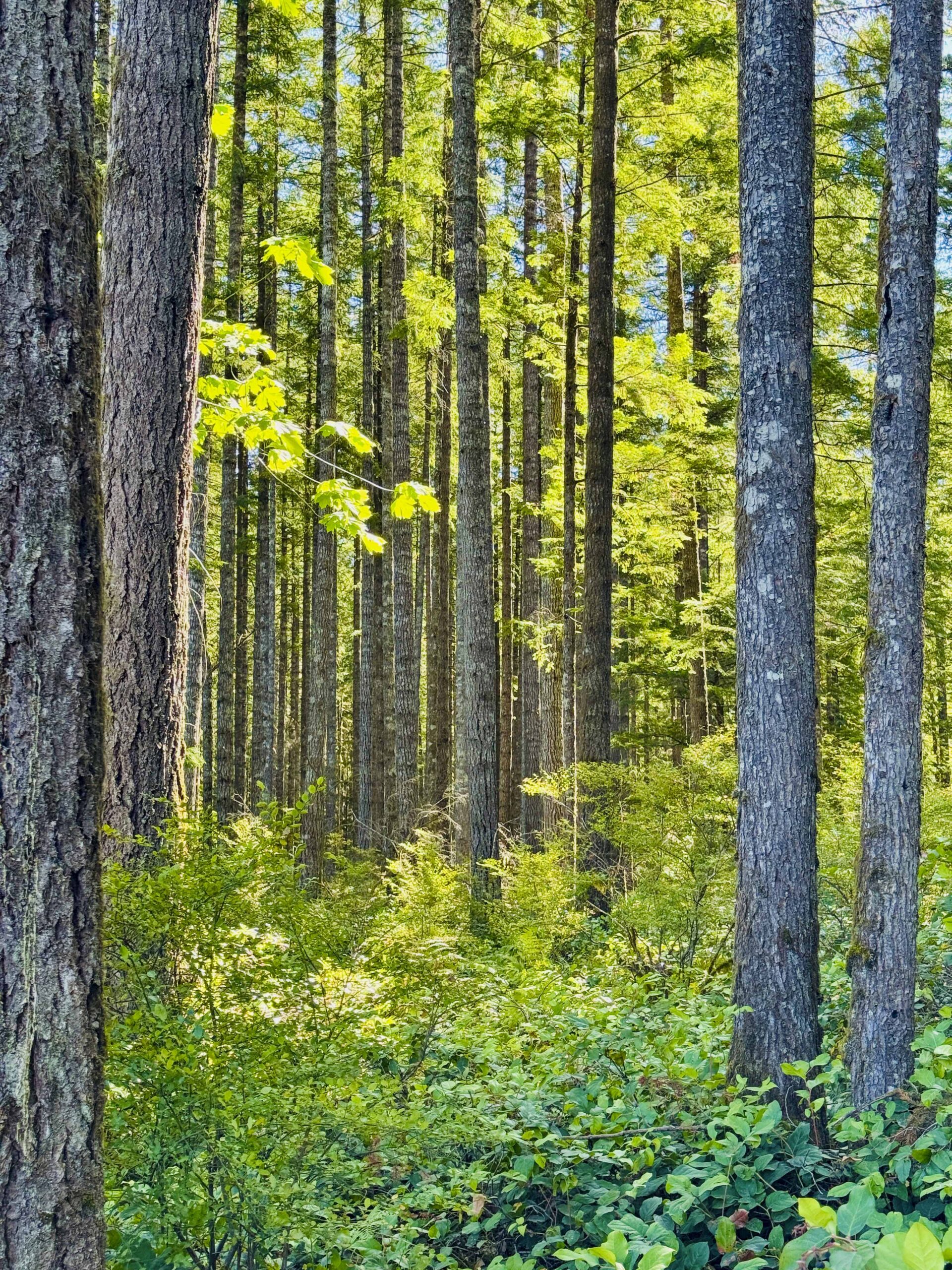
 As climate change drives more frequent and severe wildfires across boreal forests in Alaska and northwestern Canada, scientists are asking a critical question: Will these ecosystems continue to store carbon or become a growing source of carbon emissions? New research published shows that when forests shift from coniferous—consisting mostly of pines, spruces and larches—to deciduous—consisting mostly of birches and aspens—they could release substantially less carbon when they burn. The study, led by researchers from the Center for Ecosystem Science and Society (ECOSS) at Northern Arizona University and published in Nature Climate Change, found that boreal forests dominated by deciduous species lose less than half as much carbon per unit area burned compared to historically dominant black spruce forests. Even under severe fire weather conditions, carbon losses in deciduous stands were consistently lower than those in conifer forests.