 Canada is open to considering limits on softwood lumber exports to the US to ease trade friction, says BC Premier David Eby. In other Business news: Georgia-Pacific is upgrading its Englehart, Ontario OSB mill; Ontario fines AV Terrace Bay pulp mill for air emissions breach; and more on Northern Pulp’s decision to sell its Nova Scotia mill assets. Meanwhile: US inflation picks up as tariffs take hold; lumber futures rise past $650; and Canadian housing starts surprise with June jump.
In Forestry/Wildfire news: experts warn of another fish die-off in BC’s Cowichan River; a campfire ban is announced for coastal BC; Oregon invokes Conflagration Act to help with wildfires; and Trump’s bill may worsen US wildfire risks. Meanwhile: New Brunswick polluters fall short of emissions goals; Kaitlin Lovell will lead Oregon’s state lands agency; a New York collage invests in Northern Forest resilience; and Russia’s timber sector struggles under sanctions.
Finally, the industry-leading 2025 Global Buyers Mission is coming—and booth space is filling up fast!
Kelly McCloskey, Tree Frog News Editor
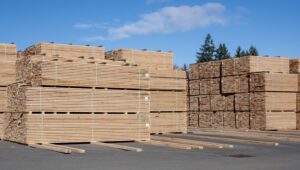 Canada is open to considering limits on softwood lumber exports to the U.S. to try to ease some trade friction between the neighboring countries, British Columbia Premier David Eby told Bloomberg News in a report published on Wednesday. “One of the asks for years out of the American coalition has been a quota — that there’s a fixed amount of lumber that gets to come from Canada,” Eby told Bloomberg News. “And I think that, for the first time, there’s some willingness to have a conversation about what that could look like.” [to access the full story, a Reuters or Bloomberg Economics subscription is required]
 TERRACE BAY, Ontario — AV Terrace Bay has been convicted on two charges: Failing to control the quality of discharged effluent to ensure that acute toxicity tests resulted in no more than a 50% mortality rate for the test organisms; and Failing to comply with an industry standard by discharging Total Reduced Sulphur compounds. …AV Terrace Bay was convicted of two violations under the Environmental Protection Act, fined $525,000 plus a victim fine surcharge of $131,250, and given 12 months to pay. …Due to financial constraints and market conditions, the mill has been in a warm idle state and has not been producing product or revenue since at least January 2024. The mill generates industrial effluent that undergoes primary and secondary treatment prior to discharging to Lake Superior via Blackbird Creek. …On May 1, 2023, 100% of the Rainbow Trout died during an acute lethality test performed on a grab sample of the mill’s final effluent.

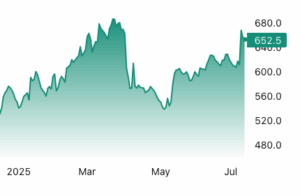 Lumber futures traded above $650 per thousand board feet, hovering near April highs driven by tightening US sawmill output and dwindling import volumes, both of which are near their lowest levels in half a decade. Domestic production in the first quarter slipped year-on-year, and imports, including softwood lumber from Canada, have contracted sharply, leaving US framing material availability at its leanest since 2019. At the same time, builders are contending with looming tariff hikes that could push duties on Canadian lumber from roughly 14.5% today toward the mid-30s, adding several thousand dollars to the cost of new homes. Although a modest pull-back in construction activity has softened recent gains, overall demand remains sufficient to absorb current supply, and without a rapid expansion in US mill capacity or alternative sourcing, these supply constraints, compounded by rising trade barriers, are likely to sustain upward pressure on lumber prices in the months ahead.
 Don’t miss the BC Wood newsletter. Headlines include:
 Join us for our 22nd Annual GBM September 4th to 6th, where we will host international buyers and specifiers from all around the world, to meet our Canadian suppliers in Whistler. If you are an industry member and thinking about exhibiting to get yourself in front of these buyers and decision-makers, ACT FAST! We only have 5 booth spaces left, and they will go on a first-come basis. Industry surveys from 2024 indicated an anticipated $37 million in new sales from contacts made at the GBM. We anticipate many “new to GBM” Buyers again this year, and with hard work of our overseas staff, the continued assistance of the federal International Trade Commissioner Service and the provincial Trade & Investment Representatives abroad, we expect an excellent group of Buyers from across the globe. As usual, we will host BC Wood’s AGM, deliver Specifier Workshops and the exclusive Building Connections program.
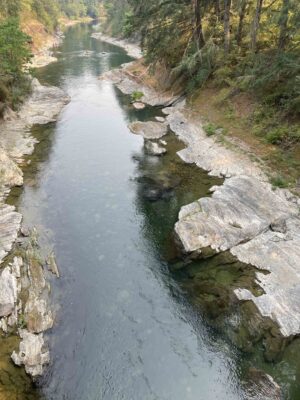 Warm temperatures, low river flows and declining water quality are sparking fears of another mass fish die-off in the Cowichan River this summer. The Cowichan Watershed Board said river conditions this summer “mirror” those of 2023, when an estimated 84,000 to 100,000-plus fish died after prolonged drought and heat. Samples recently collected from six points along the Cowichan River show the water is seeing significant daily fluctuations in pH and dissolved oxygen levels similar to those of 2023. …Weir flows were reduced this spring so more water could be maintained in the summer. Researchers are also looking to identify, protect and improve cold-water refuge areas along the river that could provide fish a respite from the heat when waters warm. …Built in the 1950s to provide water for the pulp mill at Crofton, the Cowichan weir is owned and operated by Domtar.
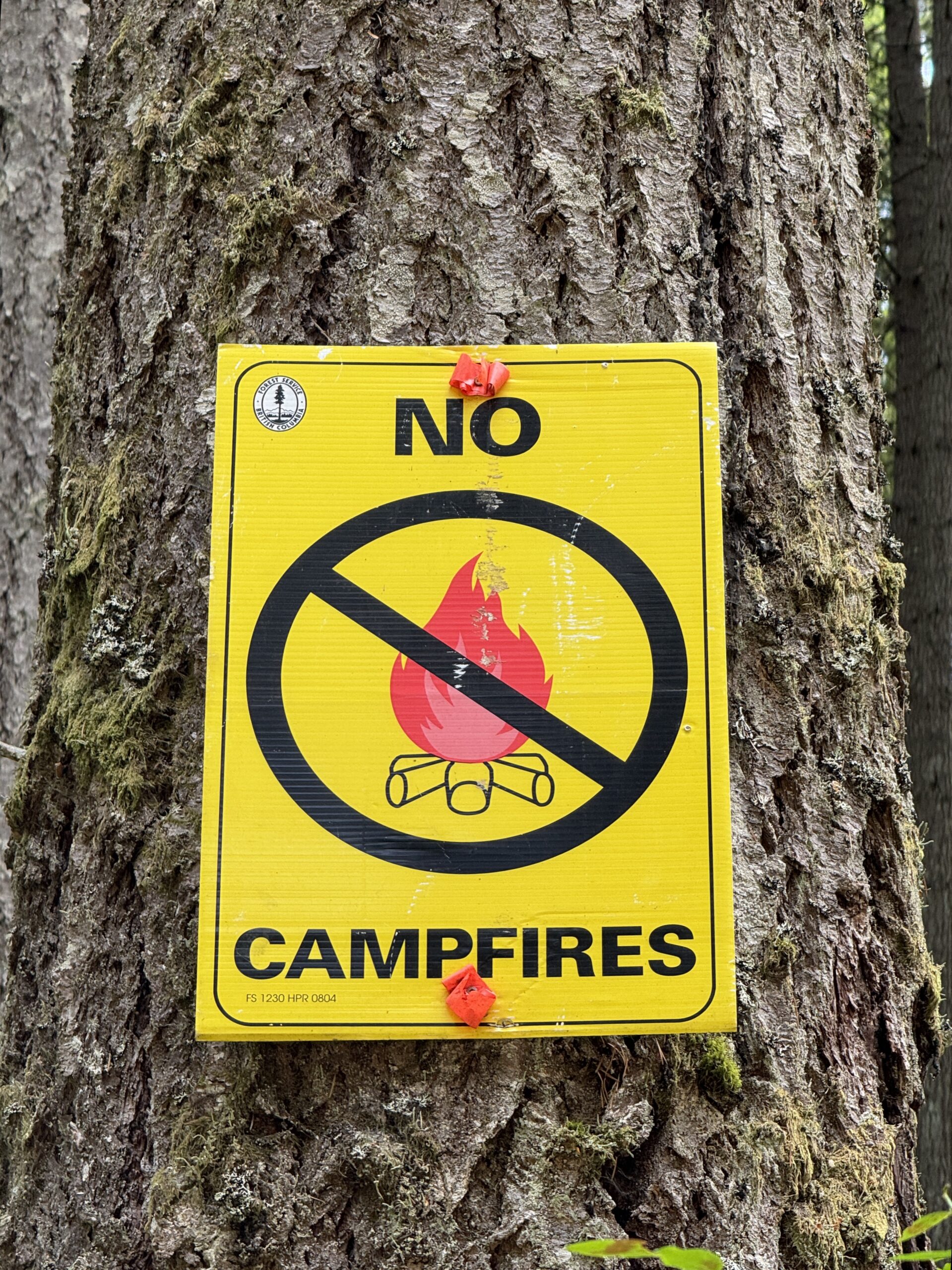 The Coastal Fire Centre will put a campfire ban into effect this week. The ban will be in place starting at noon on Thursday, July 17, noted a Coastal Fire Centre information bulletin issued Tuesday, July 15. Campfires will be prohibited on Vancouver Island and throughout the Coastal Fire Centre region with the exception of Haida Gwaii and the portion of the Central Coast Regional District within the North Island Central Forest District. Existing open fire prohibitions in the Coastal Fire Centre’s jurisdiction enacted May 30 will remain in place, and fireworks and burn barrels are restricted in most areas. “Open fire is the largest cause of human-caused fires provincially,” noted the information bulletin. “Human-caused wildfires are entirely preventable and may divert crucial resources from naturally occurring and/or existing wildfires.” The campfire ban and previous burning bans will be in place until Oct. 31 or until the orders are rescinded.

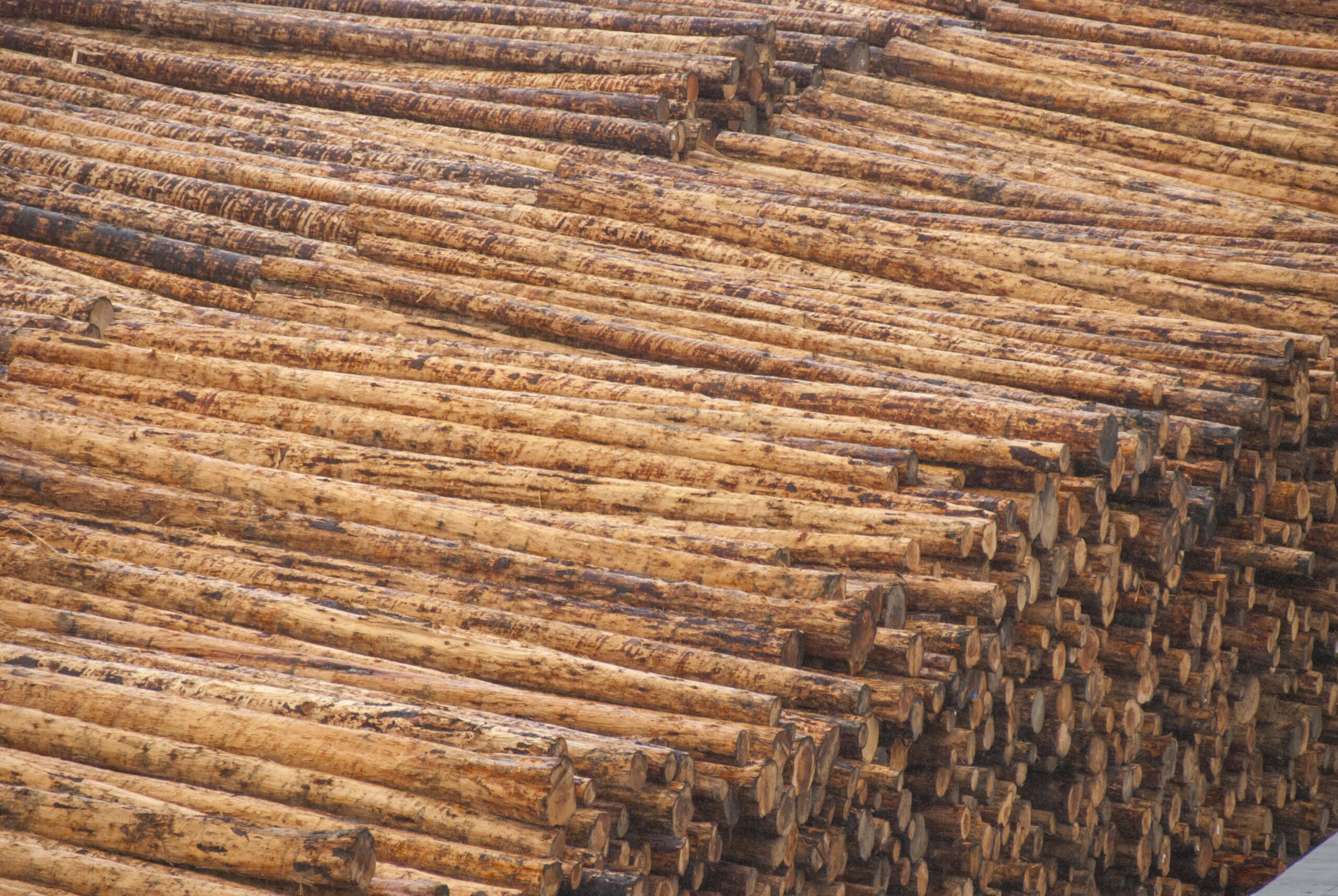 Could President Donald Trump’s strategies help revive Washington’s diminished timber industry? For nearly a century, Washington’s timber industry produced everything from paper and two-by-fours to the massive wood beams that hold up the Tacoma Dome. Lumber mills were the backbone of logging towns throughout the Northwest. But the industry has been on a long decline since the 1990s. Now, Trump wants to reduce foreign competition and increase US logging to bring back those jobs. To find out whether it could work, KUOW visited a sawmill in Morton, a small town in the foothills of Mount Rainier. …Today, the state has about 100,000 timber-related jobs, including mills. That means Washington has lost about a quarter of its timber jobs in the last thirty years. The loss has been devastating to rural communities built around those sawmills, like Morton, Washington. …The Hampton Mill is still the economic heart of the community today. It’s survived the waves of closures over the years.
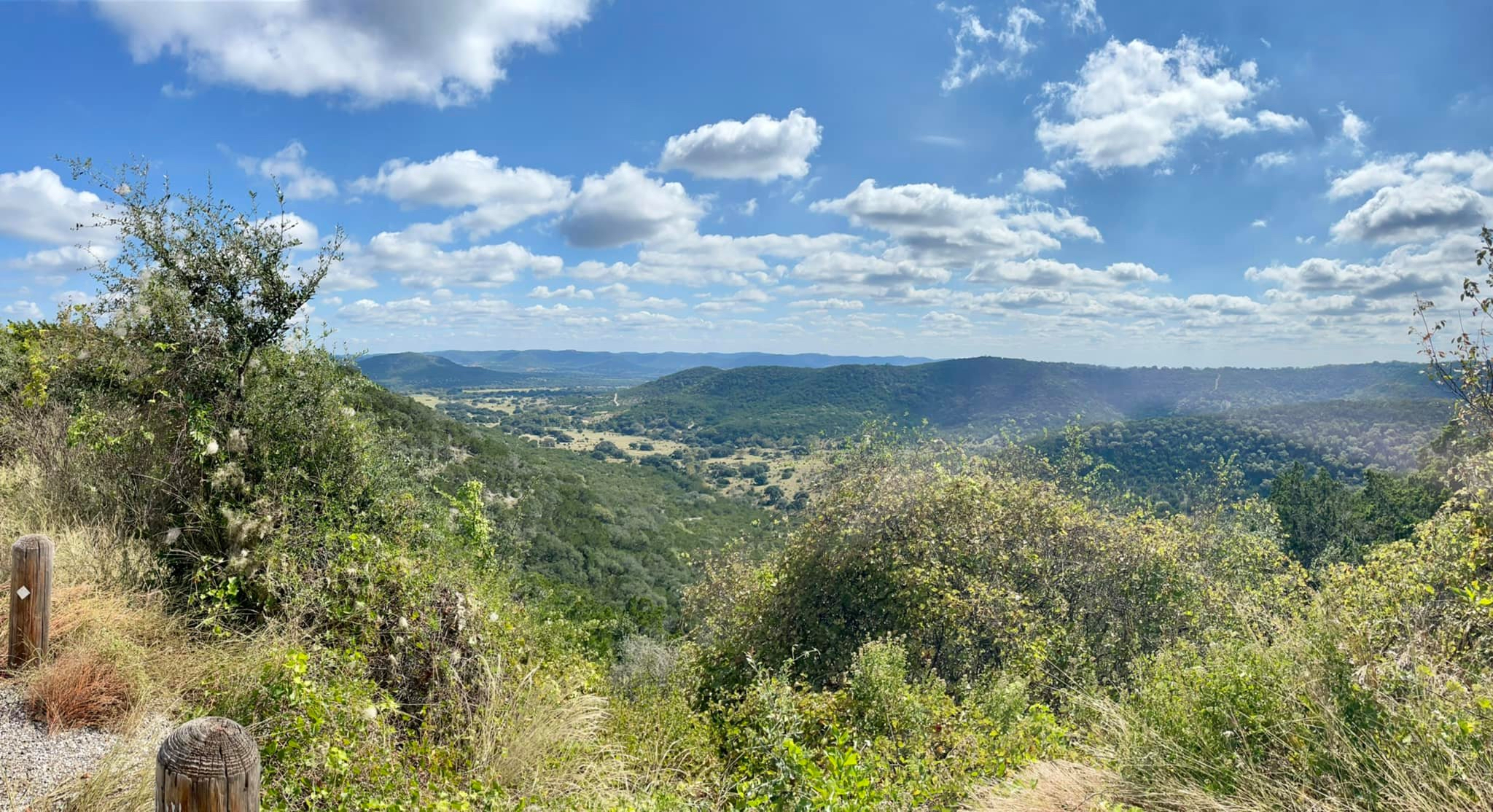 WASHINGTON, D.C. — Colorado Senator Michael Bennet and Representative Joe Neguse, along with other politicians, introduced the Joint Chiefs Reauthorization Act. This legislation would reauthorize the program to better support forest and grassland restoration projects on both public and private lands. “Our Western forests, grasslands, and watersheds are as important to our economy as the Lincoln Tunnel is to New York, but they are under threat from a changing climate and consistent federal underinvestment,” said Bennet. …Bennet mentioned that strengthening the program will ensure that restoring landscapes, protecting water supplies, and reducing wildfire risks can continue for future generations. “Western and Northern Colorado are all too familiar with the increasing frequency and intensity of wildfires,” said Neguse.


 Russia’s timber industry is warning of widespread production shutdowns as the sector reels from Western sanctions, declining demand and a surging ruble that has battered the country’s export competitiveness. …The Russian Association of Organizations and Enterprises of the Pulp and Paper Industry described the current moment as one of the industry’s most difficult periods in modern history. Industry data show that timber harvesting fell 13% in 2024 compared with pre-war levels in 2021, lumber production dropped 11% and plywood output declined 23%. Even pulp production, one of the sector’s more stable outputs, decreased by 3%. Major industry players including Segezha Group and ULK Group have been restructuring loans over the past two years in response to falling output, sliding prices and soaring costs. But the situation has continued to deteriorate, especially within the export-heavy pulp and paper sector. Compounding the problem is the Central Bank’s steep 20% key interest rate along with a hike in the profit tax rate from 20% to 25%.
 New Brunswick’s biggest industrial carbon emitters pumped out lower amounts of greenhouse gases in 2023, but the reductions were not enough to keep pace with tightening emissions standards. The gap between the total emissions by the province’s 15 biggest industrial polluters and their regulated emissions limits grew larger, according to numbers from the provincial government. That left them paying more under the province’s credit-trading carbon pricing system. Even so, that system is gaining traction, with more of those credits changing hands. …New Brunswick’s industrial carbon price is based on a credit trading system, a financial incentive for the 15 largest industrial emitters to stay below their emissions standards. If they do, they earn what are called performance credits they can sell for a profit. Plants that go above their standards must buy credits, adding to their cost. …The 15 big emitters collectively bought $21.1 million worth of fund credits in 2023, up from $12.6 million in 2022.
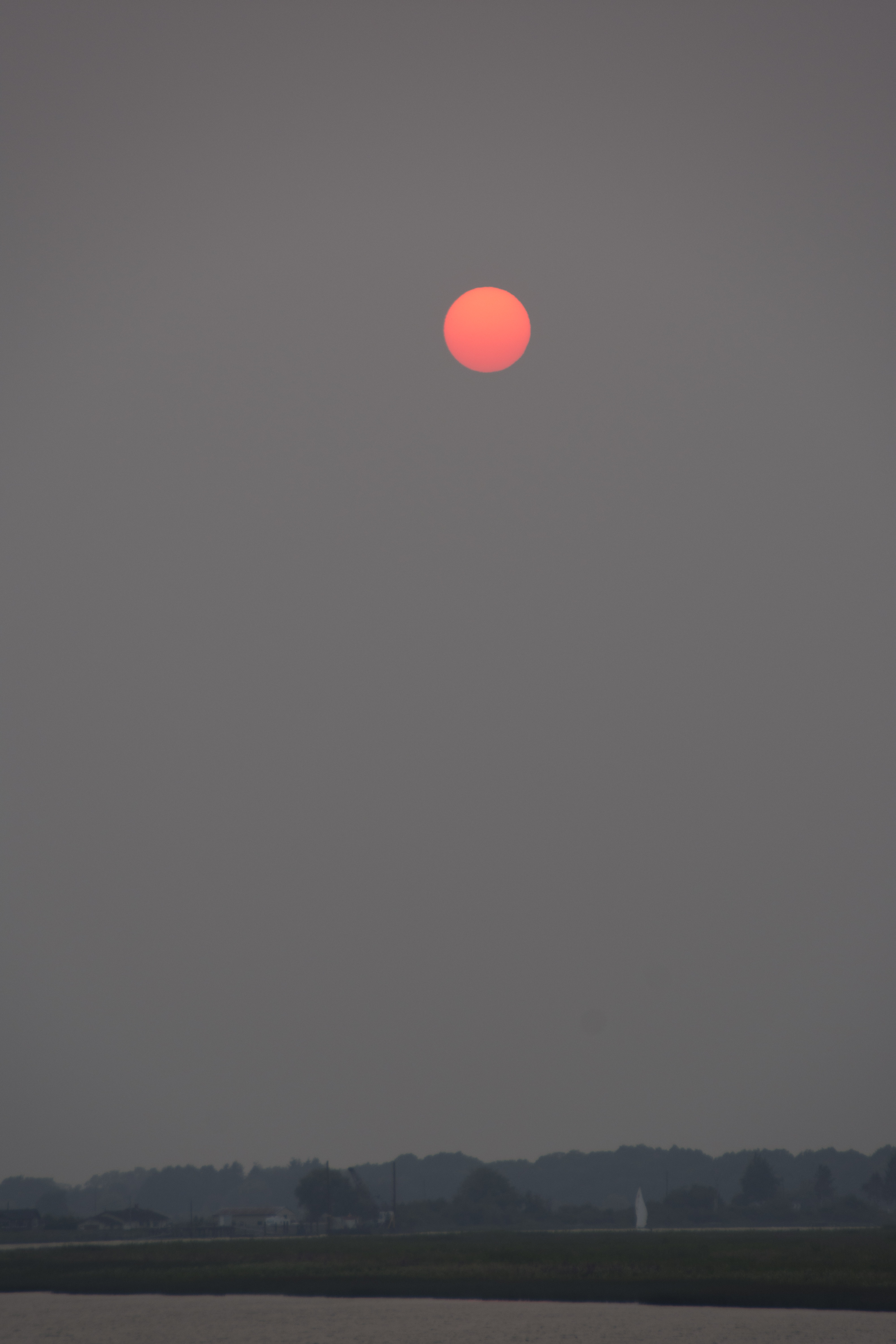 Summer camps and daycares are being forced to shift their plans amid stifling heat and poor air quality caused by wildfire smoke drifting across Central Canada, the Prairies and other parts of the country. Special air quality statements or warnings were in effect Tuesday for a second day across several provinces and territories, combined with heat warnings that stretched from Ontario to Prince Edward Island. Smoky air in the Toronto area prompted many camps to field calls from concerned parents and make last-minute changes, especially on Monday, when the city was under a warning due to the Air Quality Health Index reaching the “very high risk” rating of over 10. Adib Razavi, director of Toronto Athletic Camps, said they received hundreds of calls on Monday morning from parents who wanted to know how their kids’ activities were being adjusted.
 The Laguna Fire approximately 25 miles west of Abiquiú has grown to more than 15,000 acres, and prompted evacuation orders more than two weeks after Santa Fe National Forest officials announced their plans to let the fire safely grow instead of suppressing it immediately. On June 30, the Santa Fe National Forest announced that lightning caused the 176-acre fire and that they were going to “actively manage” the blaze, hoping to encourage low-intensity fire to spread across a roughly 13,000 mile area. Noting that the fire was burning in an area that had undergone a National Environmental Policy Act review, and had previously been subject to prescribed burns and thinning, Santa Fe National Forest Deputy Forest Supervisor Anthony Madrid said the fire presented “an opportunity to create a resilient ecosystem that reduces the future risk of catastrophic severe wildfire to communities.”