
Northern Pulp announced it will sell it assets after failing to secure new mill funding—Nova Scotia minister says province will continue to pursue a new mill. In other Business news: Amix Marine moves to Port Alberni, BC; two Idaho forestry businesses are devastated by wildfire; and Drax has a new VP of Corporate Affairs. Meanwhile: Trump strikes a trade deal with Indonesia; the EU threatens counter-tariffs; Earthsight exposes illegal Russian wood; and Canada’s inflation nudges up to 1.9%.
In Forestry/Wildfire news: air quality concerns linger as new wildfires are confirmed, and smoke blankets central Canada; Australian crews deploy to help fight Canadian fires; BC Forest Practices Board audits BCTS operations near Merritt; the Tłı̨chǫ Nation launches a reforestation plan; and Eastern Oregon’s old-growth trees are in decline. Meanwhile: leaders in BC’s North Cowichan, South Dakota’s Black Hills, and Oregon call for forest policy support.
Finally, and sadly, logger Ron Hollingsworth, died in a workplace accident on BC’s Sunshine Coast.
Kelly McCloskey, Tree Frog News Editor
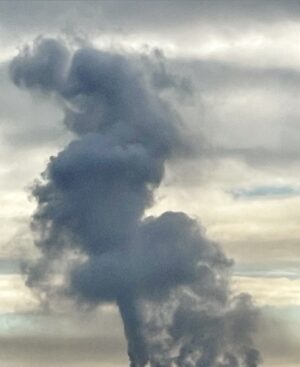 Northern Pulp has announced it will initiate a court-supervised sales process of its assets after it confirmed it wasn’t able to secure funding for a new mill project. In a news release Monday night, the insolvent company said the decision follows completion of a comprehensive feasibility study that concluded Northern Pulp could not achieve the 14 per cent internal rate of return required in a settlement agreement with the province to develop a bleached softwood kraft pulp mill and bioproducts hub near Liverpool, N.S. “Northern Pulp is thankful for the support and collaboration of the Province of Nova Scotia and local stakeholders throughout the feasibility study,” the company said in the release. Nova Scotia’s minister of natural resources said Northern Pulp’s announcement was “not the outcome we had hoped for.”
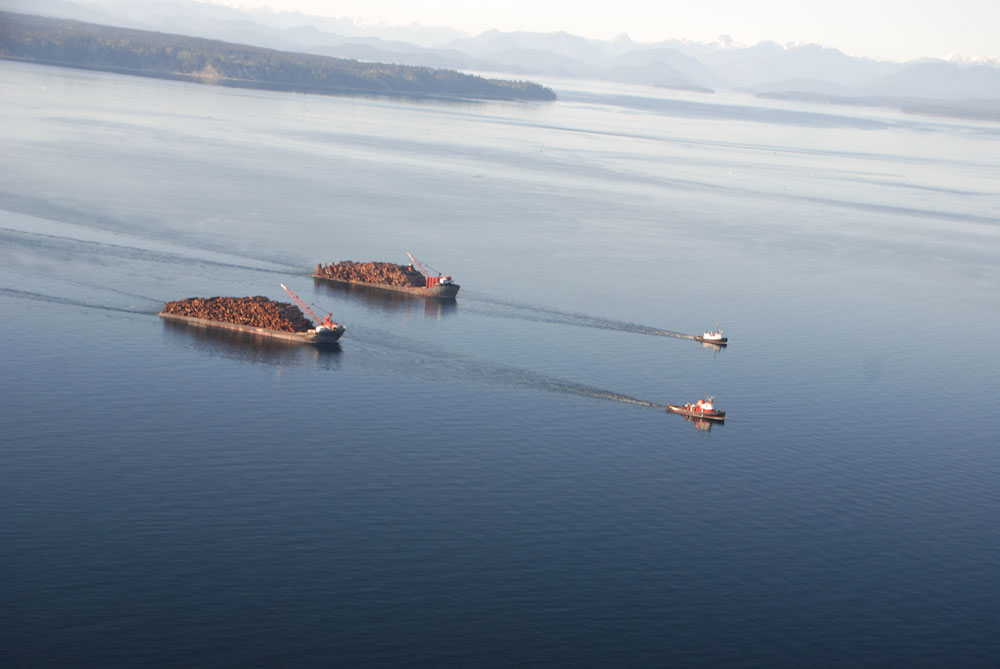
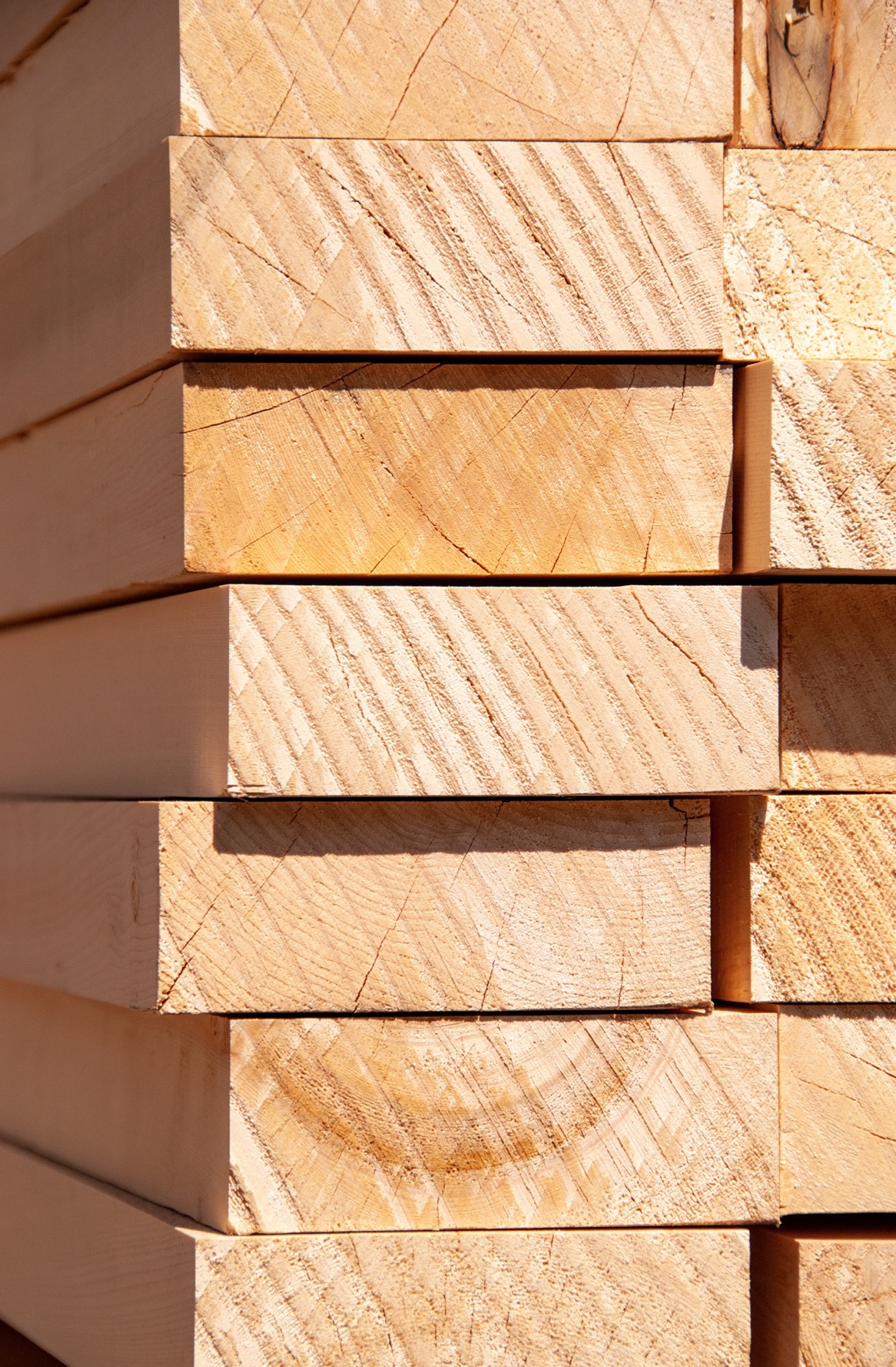 NAPLES, Idaho — A fast-moving fire broke out Sunday, scorching 20 acres and causing millions of dollars in damage to two family-run logging businesses, according to one of the families affected. The Clover Fire was 75% contained by 2 p.m. Monday, roughly 24 hours after it began, according to Lizz Bloxsom, an incident command trainee with the Idaho Department of Lands. Full containment is expected by 8 p.m. this evening, ahead of a storm forecast to bring strong winds overnight. …Most of the damage occurred on the neighboring properties of the Sandelin family and the Tweet family. The Sandelins run the small logging business, UTR Land Management, and the Tweets run a family-owned business, SGA Cabin & Timber. A member of the Sandelin family, who requested to remain unnamed, said damage to the lumberyard — including a razed sawmill and barn, over 300 truckloads of lumber, and industrial machinery — will cost their family millions of dollars.
 Investigators at UK-based non-profit, Earthsight, have uncovered a booming trade in illegal Russian timber stretching throughout Europe and breaching war sanctions. The investigation ‘
 OTTAWA — Canada’s annual inflation rate rose to 1.9% in June, meeting analysts’ expectations, as increases in the price of automobiles and clothing and footwear pushed the index higher, data showed on Tuesday. The consumer price index was at 1.7% in the prior month. Statistics Canada said on a monthly basis the CPI increased 0.1%, matching analysts’ forecasts. It is for the third month in a row that the CPI has been under 2%, or the mid-point of Bank of Canada’s inflation target range. This is the last major economic indicator to be released before the Bank of Canada’s rates decision later this month. The slight rise in prices across many segments, along with a strong jobs number last week, is likely to take away any incentive to cut interest rates, economists had earlier predicted. …Shelter prices rose by 2.9%, its first drop below 3% in more than four years.
 President Trump announced his team struck a trade deal with Indonesia on Tuesday and said details would be forthcoming. …The announcement comes after Trump unveiled a new batch of letters to over 20 trade partners outlining tariffs on goods imported from their countries beginning in August. The letters set new baseline tariff levels at 20% to 40% — except for a 50% levy on goods from Brazil. …Trump has also escalated tariff tensions with Canada, Mexico, and the European Union recently. On Thursday, Trump announced a 35% tariff on Canadian goods and followed that up with promises of 30% duties on Mexico and the EU. The EU has been preparing options for a trade deal, while also preparing an extensive list of counter-tariffs that would affect 72 billion euros ($84 billion USD) of American products should talks fail. “There will be a huge impact on trade,” the EU’s chief negotiator said Monday.

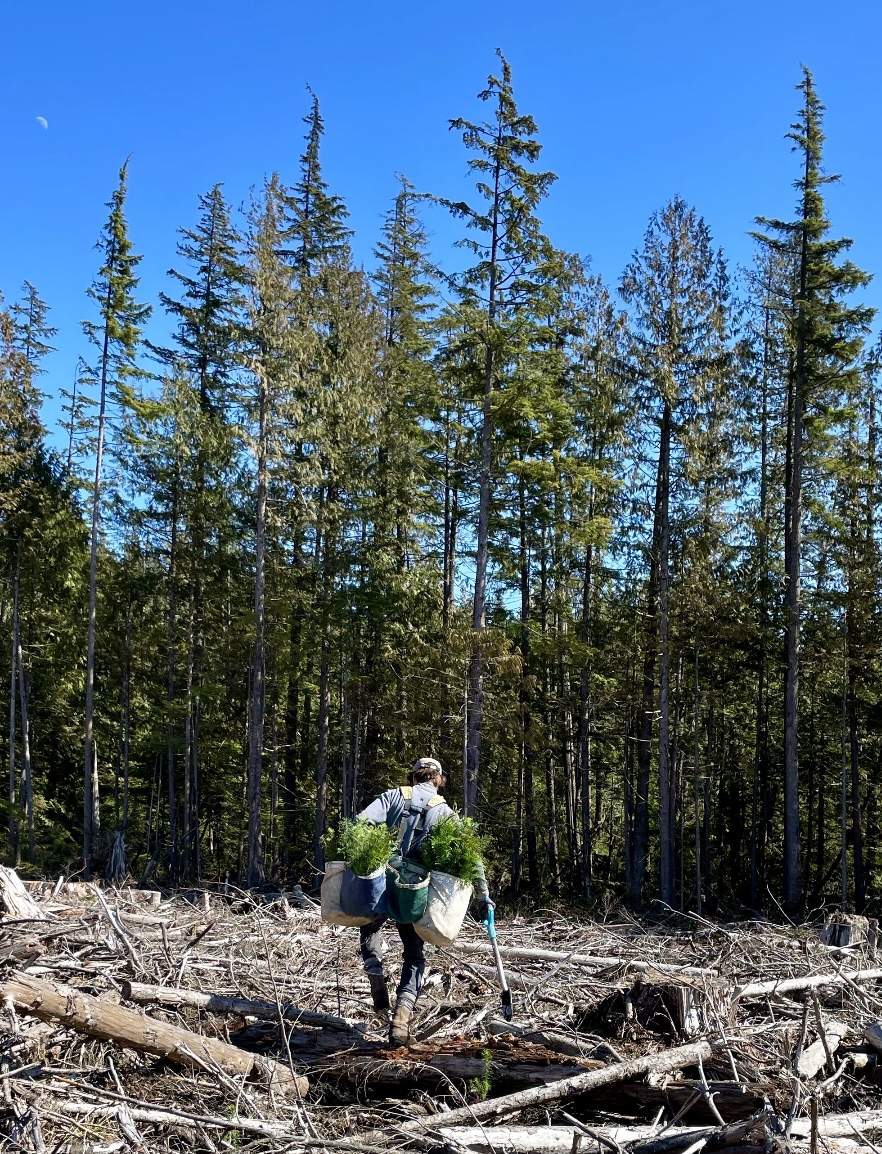 It is estimated that 130 million trees in the Tłı̨chǫ region alone were burned in the devastating 2023 fires. An ambitions new reforestation project is taking on a unprecedented initiative to plant over 1 million trees as part of a six-year plan to plant 13 million trees to bring back the forest. The Tłı̨chǫ Government is holding a special opening ceremony tomorrow at the Behchokǫ̀ Culture Centre at 10:00 a.m. in celebration of the launch of their major reforestation project. “This will mark the beginning of the largest reforestation effort ever undertaken in the Northwest Territories,” said Paul Cressman, who is working with the Tłı̨chǫ government on the new reforestation project. Over the summer, 1.4 million trees will be planted around Behchokǫ̀, Russell Lake, and James Lake. Using locally harvested seeds, the tree planting is “the first step” in a six-year plan to plant 13 million trees across Tłı̨chǫ lands.
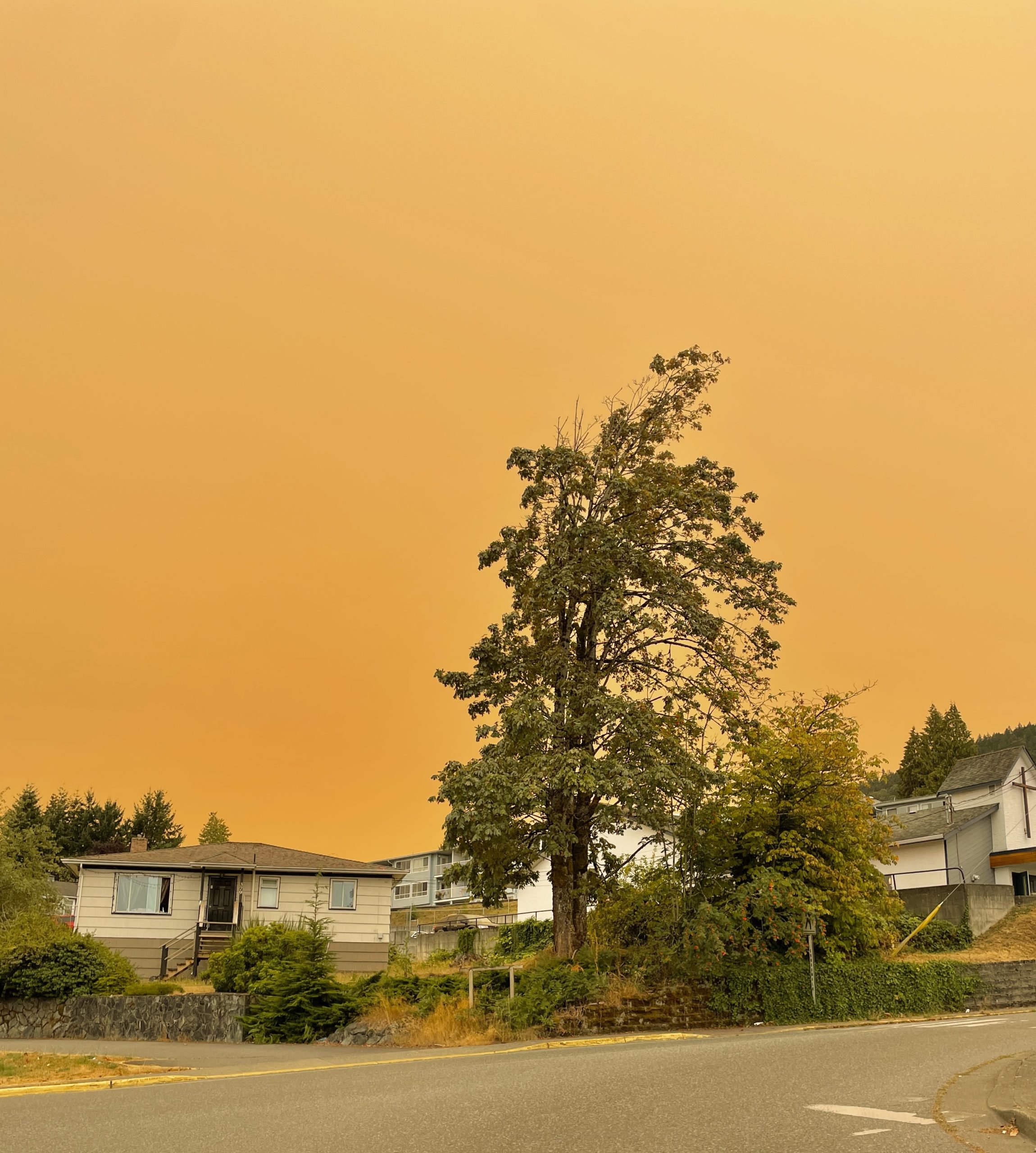 Hundreds of wildfires are burning across the Western states, Alaska and Canada as fire season perks up amid a sprawling heat wave and widespread dry conditions. …Fires are being fueled by widespread high temperatures and dry conditions. …The preparedness level is at 4 out of 5 for the U.S., and 5 out of 5 in Canada. Intense fire behavior was reported in 10 western US states over recent days in regions afflicted by heat and drought. …Alaska has seen major wildfire activity over the past week, with more than 300,000 of the 750,000 acres burned this year going up in flames, according to the Alaska Division of Forestry & Fire Protection. …After a bit of a lull in firestorms in late June to early July, Canadian wildfires returned in a big way. More than 350 fires are burning out of control across the western two-thirds of the nation. Among the most concerning fires flaring, many are in Manitoba. [A Washington Post subscription is required for full access to this story]
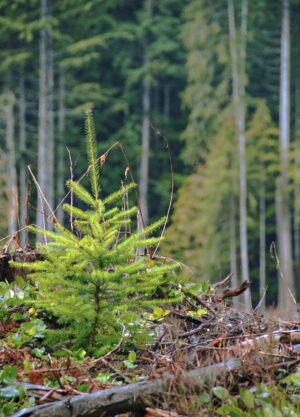 With the wildfire season intensifying in recent years, post-wildfire restoration has become increasingly critical. A Vancouver tech company drawing investor attention says it has an answer for not only replanting trees, but helping to rebuild forests that are more resilient to future fires. Veritree Technology Inc. is a platform that uses ecological data and monitoring tools to support tree planting, tracking and reporting. “Today, areas that historically wouldn’t have burned from wildfires are actually burning much hotter. At times, that burns the seed stock that would otherwise naturally regenerate after a wildfire,” said Derrick Emsley, CEO and co-founder of Veritree. He said that without intervention, deciduous species could grow back fast, crowding out the chance for a mature, healthy natural forest to regenerate, which leaves the area more vulnerable to wildfires in the future.
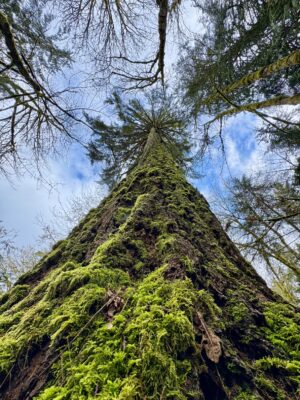 A new analysis reveals that many of Eastern Oregon’s ancient trees are dying at an alarming rate. The study, conducted by a team led by James Johnston, an assistant research professor at the University of Oregon, found that between 2012 and 2023, a quarter of trees over 300 years old in roadless areas of the Malheur National Forest had died. Johnston attributed the decline to a combination of drought, insect infestations, and competition with younger trees. “It’s sad to see so many old trees dying,” Johnston said. He emphasized the need for active management to protect these ancient trees, particularly in the dry forests of Eastern and Southern Oregon. The study, published in the journal
 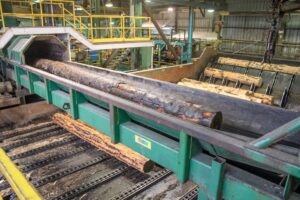 SPEARFISH, South Dakota — The Black Hills of South Dakota and Wyoming are not only a beautiful tourist destination but also a major part of the agricultural industry. Many are working to maintain the important role of forest management as a way of supporting agriculture, economies and public health. Jeremy Dedic, forest partnership coordinator for Wyoming State Forestry said, “It’s not like we’re growing corn, but it’s growing plants, and we can manage that and get our results,” Dedic said. …“Most recently, we’ve had some of our larger operators having to scale back their operations,” said Marcus Warnke, state forester for South Dakota. …“Thinning our forest, giving our trees space so that they have enough water, sunlight and nutrients to be healthy and resilient to fire and bugs,” Pierson said. “Those activities produce logs that we bring to our sawmills and make boards out of for public sale.”
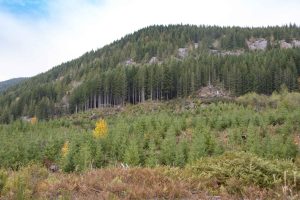 Forests cover more than 30 million of Oregon’s 62 million acres – almost half of the state’s landmass. According to the Oregon Employment Department’s covered employment statistics, forestry and logging’s 681 establishments employed 8,787 workers statewide and added $717 million in payroll to Oregon’s economy in 2024. The Oregon Department of Forestry (ODF) estimates logging harvests totaled 3.6 billion board feet in 2022. While much of this timber feeds Oregon’s wood products industry, creating jobs and income, many jobs are also created planting, growing, and harvesting this resource. …The high level of forestry activity in Oregon also creates demand for a support activities industry. …Employment Department projections show that the logging industry in Oregon is expected to lose about 200 jobs, or 5% between 2023 and 2033 partly due to continued mechanization. Other industries within timber production, such as timber tract operations and support activities for forestry do not have published Oregon Employment Department forecasts.
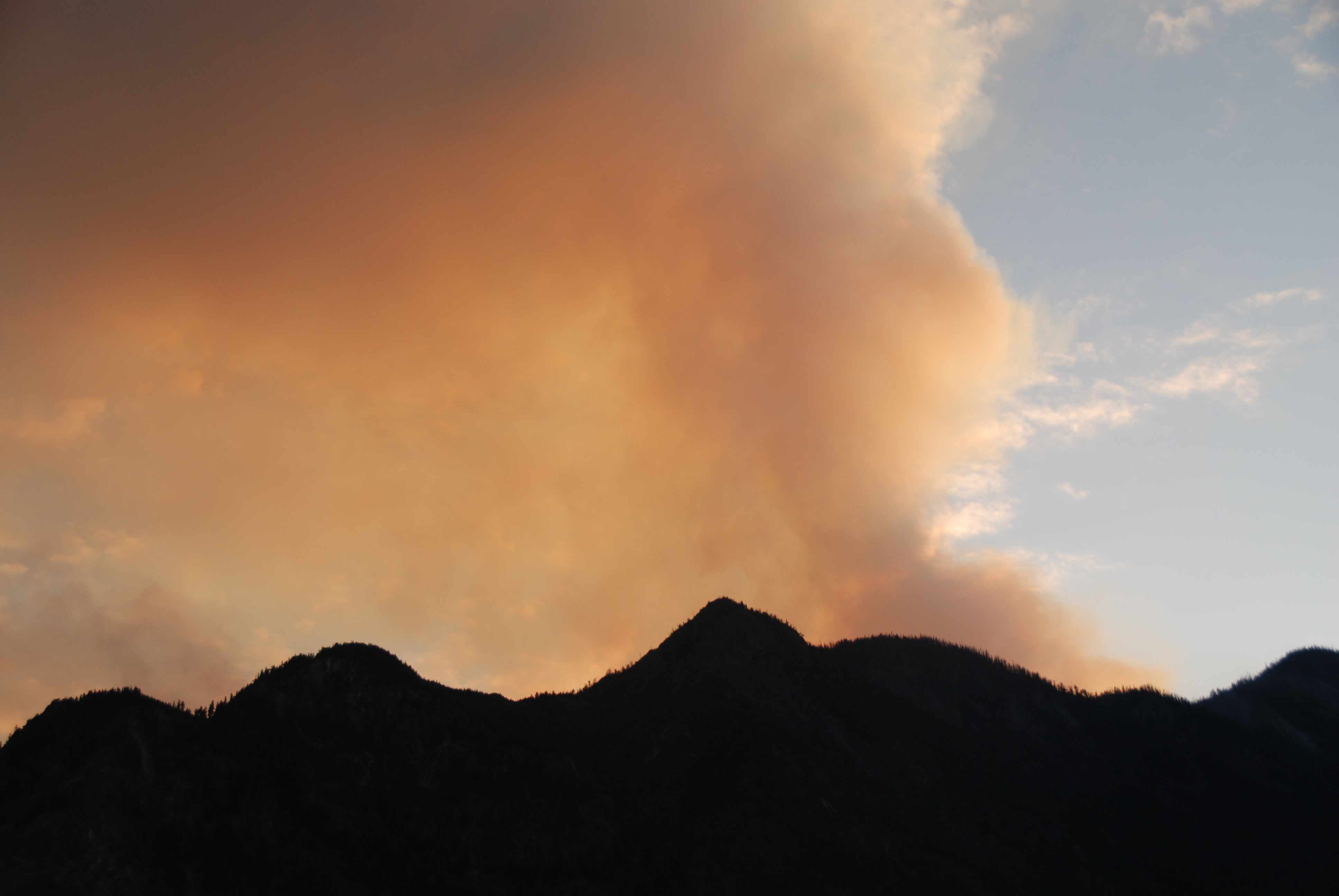 BRUSSELS – Wildfires have scorched hotspots in several Mediterranean countries this month, with blazes forcing thousands of people into lockdown in Catalonia in Spain, and encroaching on France’s second-biggest city of Marseille. …European wildfires have burnt 227,000 hectares of land since the beginning of the year – more than double the average for this time of year over the past two decades, according to the EU’s European Forest Fire Information System. …It’s not yet clear if 2025 will be a record year, as that will depend on how the fire season evolves in the coming months. The number of fires in Europe has also surged this year so far, with 1,118 blazes detected as of July 8, versus 716 in the same period last year, EFFIS said. …Scientists say the Mediterranean region’s hotter, drier summers put it at high risk of wildfires. …Climate change exacerbates this risk , by creating hotter and drier background conditions.

 Companies around the world have poured hundreds of millions of dollars into conservation projects in Brazil designed to protect the Amazon rainforest in return for carbon credits offsetting their emissions. Reuters found that many of those projects are profiting people and businesses fined by Brazilian authorities for destroying the rainforest. Reporters analyzed 36 conservation projects in the Brazilian Amazon offering voluntary carbon offsets on the global market’s biggest registries. At least 24 of those involved landowners, developers or forestry firms that have been punished by Brazil’s environmental agency Ibama for their roles in illegal deforestation, Reuters found. The offenses ranged from clear-cutting the rainforest without authorization to transporting felled trees without valid permits and entering false information in a government timber tracking system. Government officials and experts said these infractions reflected the range of roles in the illicit timber trade devouring the rainforest.

 Environment Canada has once again issued a special air quality statement for the North Bay area. …Environment Canada says smoke is causing or expected to cause poor air quality and reduced visibility. “Smoke from forest fires over northern Ontario is causing poor air quality that may persist throughout the day for some areas,” EC stated. “As smoke levels increase, health risks increase. Limit time outdoors. Consider reducing or rescheduling outdoor sports, activities and events. …EC suggests when indoors, keep windows and doors closed as much as possible. “Protect your indoor air from wildfire smoke. Actions can include using a clean, good quality air filter in your ventilation system and/or a certified portable air cleaner that can filter fine particles.
 Much of Central Canada, Manitoba and Saskatchewan were placed under special air quality statements or warnings on Monday due to smoke from wildfires, as Environment Canada advised residents to limit time outdoors and watch for smoke exposure symptoms. The weather agency said air quality was poor across swaths of Ontario and Quebec as westerly winds brought in smoke from forest fires in the Prairies and northern Ontario. The weather agency also issued air quality warnings in central Saskatchewan and a special statement for much of Manitoba, noting that air quality and visibility due to wildfire smoke can fluctuate over short distances and vary from hour to hour.
 Fire crews in Northwestern Ontario are monitoring 52 active wildfires across the region after five new blazes were confirmed by Sunday evening. Among the latest is Red Lake 99, burning near Grist Lake, which is the largest of the new fires at 394 hectares and not under control. Red Lake 101 has also drawn attention after crossing into Ontario from Manitoba. That fire is currently 227.5 hectares and continues to burn within Woodland Caribou Provincial Park. Other new fires include Red Lake 98 near Hornby Lake, Red Lake 100 west of Poplar Hill First Nation, and Red Lake 102 northwest of Nechigona Lake. Of those, only Red Lake 100 is under control. Fire officials continue to urge people to respect emergency orders and stay out of restricted zones to support safety and firefighting operations.
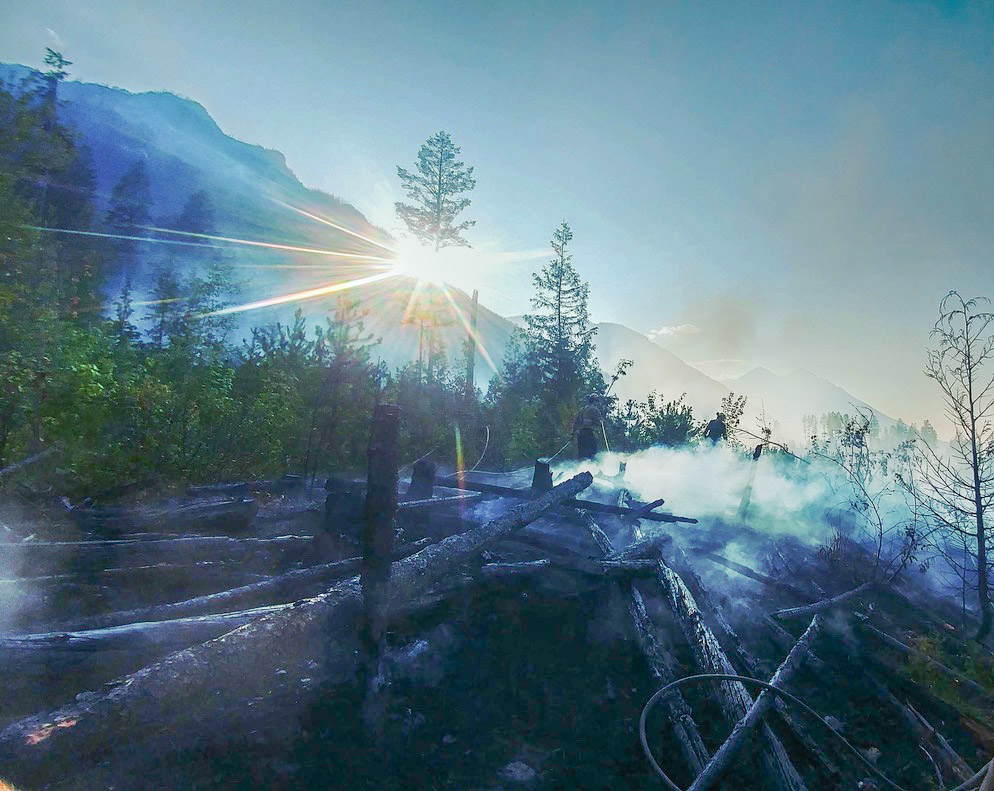 DRYDEN — Ten new forest fires in Northwestern Ontario over the weekend brought the total number of active fires in the region to 52. The Ministry of Natural Resources reports that one of the new outbreaks is an extension of a wildfire burning in Manitoba. That province’s EA061 fire has burned 278,000 hectares there, and 228 hectares in Ontario, as of Sunday evening. It’s located about 10 kilometres west of Bulging Lake in Woodland Caribou Provincial Park. Among other new fires of note in the Northwest, a 394-hectare blaze is burning four kilometres northwest of Grist Lake in the MNR’s Red Lake sector. The ministry reports the wildland fire hazard is low to moderate in most of the region, except for along the Ontario-Manitoba border from the Rainy River area to Opasquia Provincial Park, 250 kilometres north of Red Lake, where the hazard is mainly high.