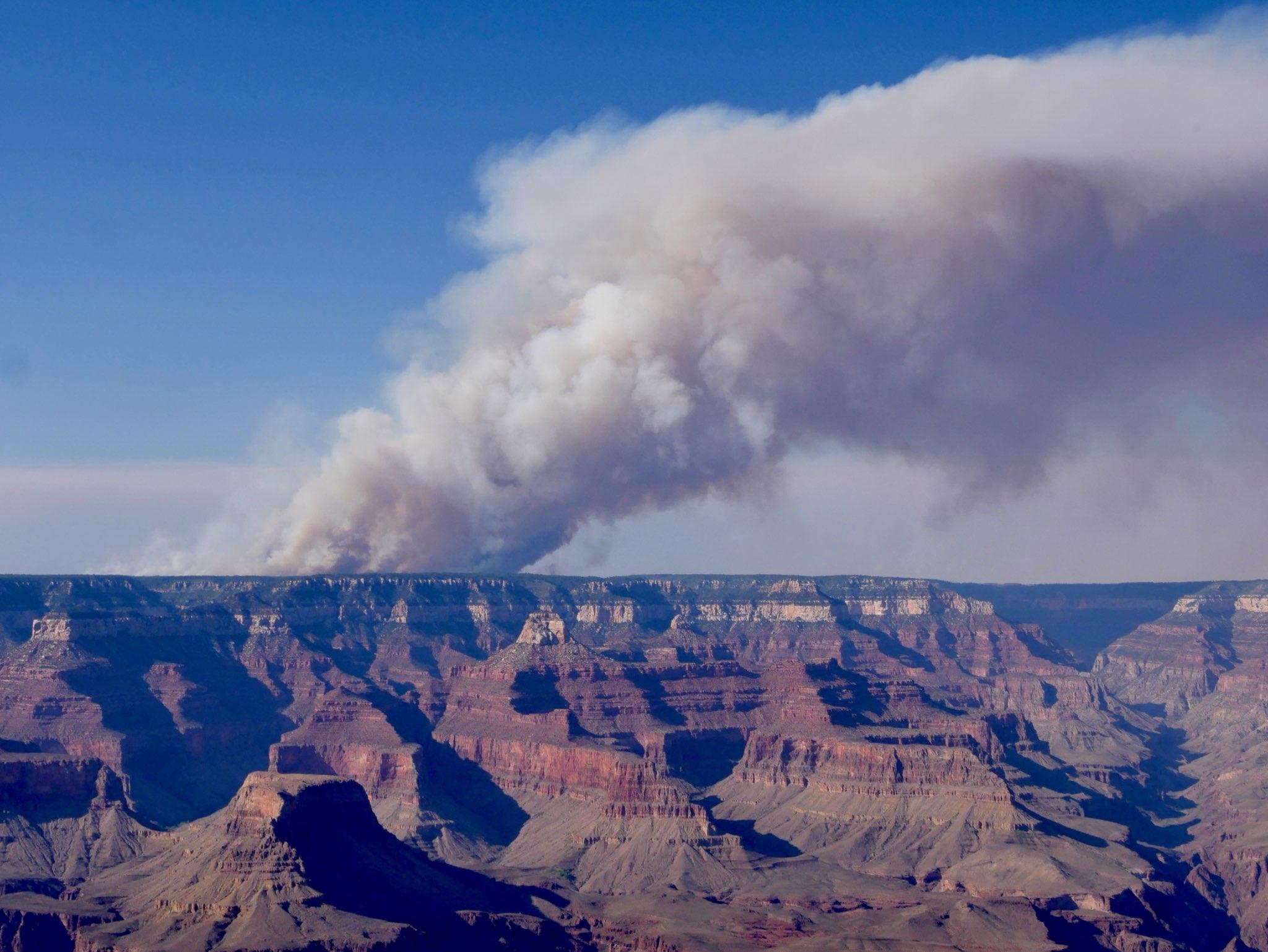
 The historic Grand Canyon Lodge was destroyed by wildfire in Arizona. In related news: smoke from Canadian fires hits Ontario and the US Midwest; one-third of northeast BC could burn this year; Oregon firefighters have restrained early-season fires; the USDA issues Code Red Extreme Forest Fire Risk; and both US and Canadian groups are accused of spreading wildfire misinformation. In Forestry news: BC releases new measures to support caribou recovery; and more perspectives on the impact of the US Roadless Rule change.
In Business news: New Brunswick Power’s plan to burn wood pellets is under fire; the clean-up required at shuttered Port Alice pulp mill; Louisiana Pacific extinguishes fire at Thomasville, Alabama mill; and a US fund that supports wood innovation is on the chopping block. Meanwhile: UBC Forestry is recruiting for a research chair in Natural Resource Governance; and FSC Canada seeks two senior managers.
Finally, David Suzuki hasn’t given up the climate fight, he’s just changing his battle plan.
Kelly McCloskey, Tree Frog News Editor


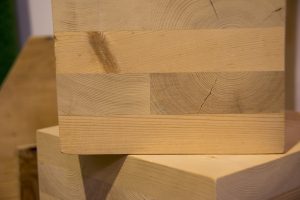 The State, Private and Tribal Forestry division’s budget would be eliminated in a proposed bill in the Senate. The Forest Service division deals most directly with pests that affect forests. The State, Private and Tribal Forestry is the federal leader in providing technical and financial assistance to landowners and resource managers to help sustain the nation’s forests. The federal investment leverages the capacity of state agencies and partners to manage state and private lands and produce ecological, social and economic benefits for the American people. Part of that money goes locally to companies to invest in innovative ways to use lumber. Collins Pine in Kane, Pa., received a $300,000 grant to install dry kilns in 2024. …Nationally, the State, Private and Tribal Forestry division funds research into wood energy and the use of advanced wood products, such as cross laminated timber, in building construction.
 It had to be a joke, right? A group of MAGA lawmakers moaning about “suffocating Canadian wildfire smoke”. …But, no. …It makes no mention of the tens of thousands of Canadians forced to evacuate this year or those who have died. The signatories conveniently ignore the fact that smoke from the US side of the border regularly smothers those of us who live north of it. In fact, the complaint does not mention fires in the US at all, even though more than two million acres have burned so far this year, and Canadian firefighters have deployed to assist their US colleagues, just as US wildland firefighters have been helping in Canada. Given the MAGA credentials of the complainants, you may not be surprised to hear their complaint blames a “lack of active forest management”… admonishes Canada for not preventing arson and makes no mention of climate change whatsoever.
 The B.C. government, Fort Nelson First Nation and the B.C. Energy Regulator (BCER) are working collaboratively to implement new protection measures to support boreal caribou recovery in northeastern B.C. “Helping caribou populations recover is a complex challenge requiring multiple approaches to stabilize and reverse the decline of herds in B.C.,” said Randene Neill, Minister of Water, Land and Resource Stewardship. “The Boreal Caribou Protection and Recovery Plan and the implementation of the new measures are crucial for caribou-recovery efforts in these four northeast ranges. The Fort Nelson First Nation community continues to be an integral partner in this important work.” …The Boreal Caribou Protection and Recovery Plan was co-developed by the B.C. government and Fort Nelson First Nation, with contributions from the Northern Rockies Regional Municipality. The plan is designed to meet federal and provincial targets for species-at-risk recovery, while supporting opportunities to strengthen the natural-resource economy in the region.
 The Department of Forest Resources Management, Faculty of Forestry, at the University of British Columbia (UBC) Vancouver campus is recruiting an outstanding researcher in Natural Resources Governance. The successful candidate is expected to be eligible for a full-time appointment at UBC at the rank of Professor, or the rank of Associate Professor… The successful appointee will be nominated for a Canada Excellence Research Chair (CERC). …The appointment presents a unique opportunity for leading research focused on developing, implementing, and maintaining a research program in natural resources governance capable of advancing multiple sustainable development priorities. …As a faculty member and CERC holder, the successful candidate will be expected to lead a strong, externally–funded research program, supervise postdoctoral fellows and graduate students, teach undergraduate and graduate courses, collaborate with other faculty members, and actively participate in service to the Department, University, and academic/scientific community.



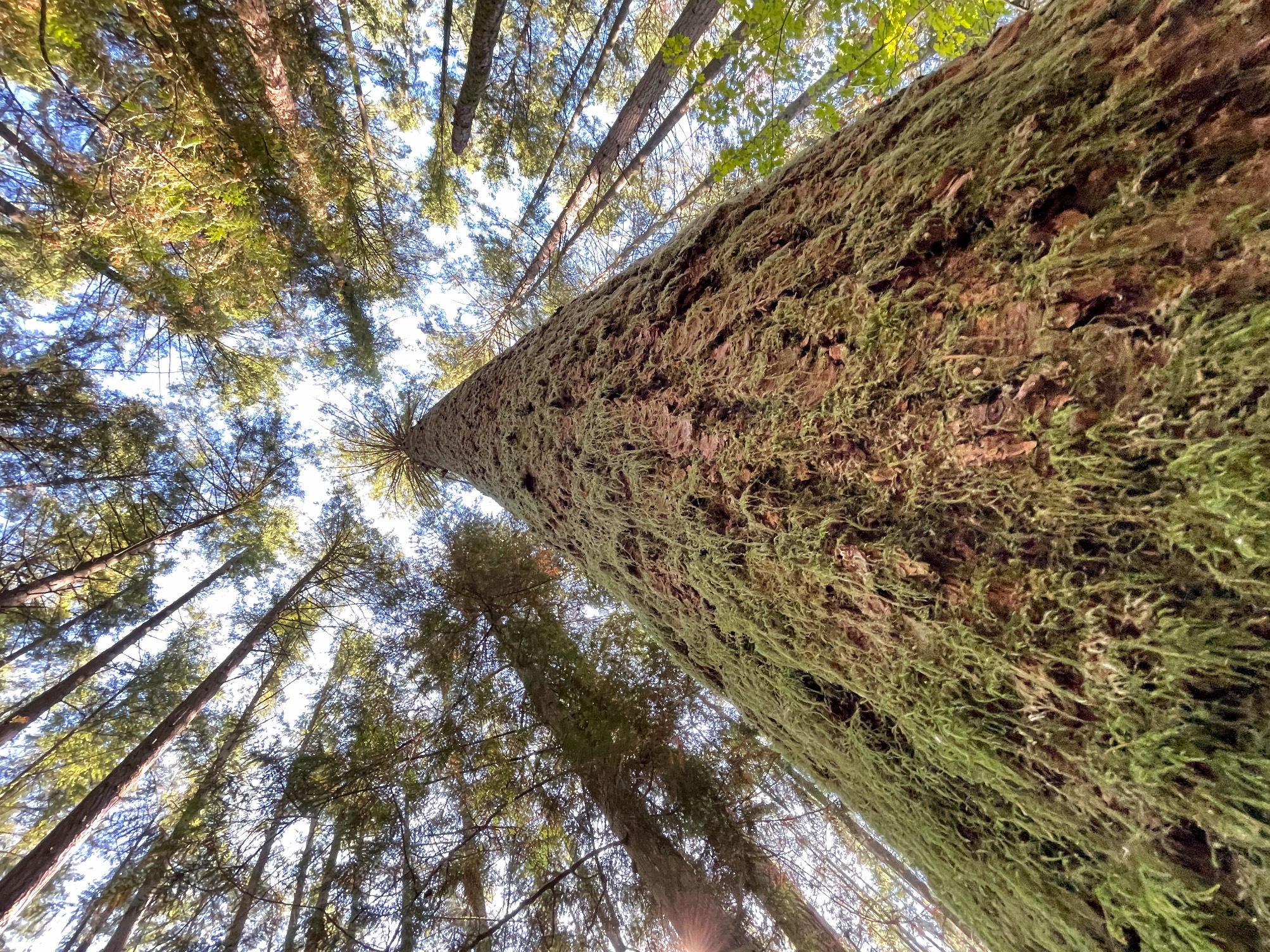 New federal laws could “lock up” timber land for decades at a time, raising concerns big companies could elbow out smaller competitors and that timber revenue for counties could be delayed for years. President Donald Trump’s tax cuts and spending bill, which he signed into law earlier this month, increases the length of federal logging contracts to a minimum of 20 years. The contracts, which determine how long a logging company has to harvest on the land under contract, have typically averaged three to four years, and the longest contracts extended up to 10 years. The concern raised by a coalition of timber companies and local governments is that companies could sign long-term contracts, then wait years to harvest trees. “If the timber volume is tied up in these 20 year contracts,” Doug Robertson, executive director of the Association of O&C counties, said, “that volume then is no longer available to generate revenue for the counties and the state.”
 The Trump administration announced plans to rescind the 2001 Roadless Rule, changing the political landscape in the Tongass National Forest for the third time in five years. …The U.S. Forest Service owns approximately 78% of the available land, meaning timber operators are dependent on the federal agency for a majority of their supply. Kirk Dahlstrom, co-owner of Viking Lumber Company in Klawock, said the agency is nine years behind on timber supply for the entire Southeast Alaska industry. He said his business will not survive if land management remains under Forest Service control. …Viking is the last remaining sawmill in the world that can produce the high-quality Sitka spruce needed for soundboards for grand pianos… Pacific Legal Foundation filed a lawsuit on March 6 against the U.S. Department of Agriculture on behalf of Alaska Forest Association. Viking Lumber Company and Alcan Timber of Ketchikan joined.
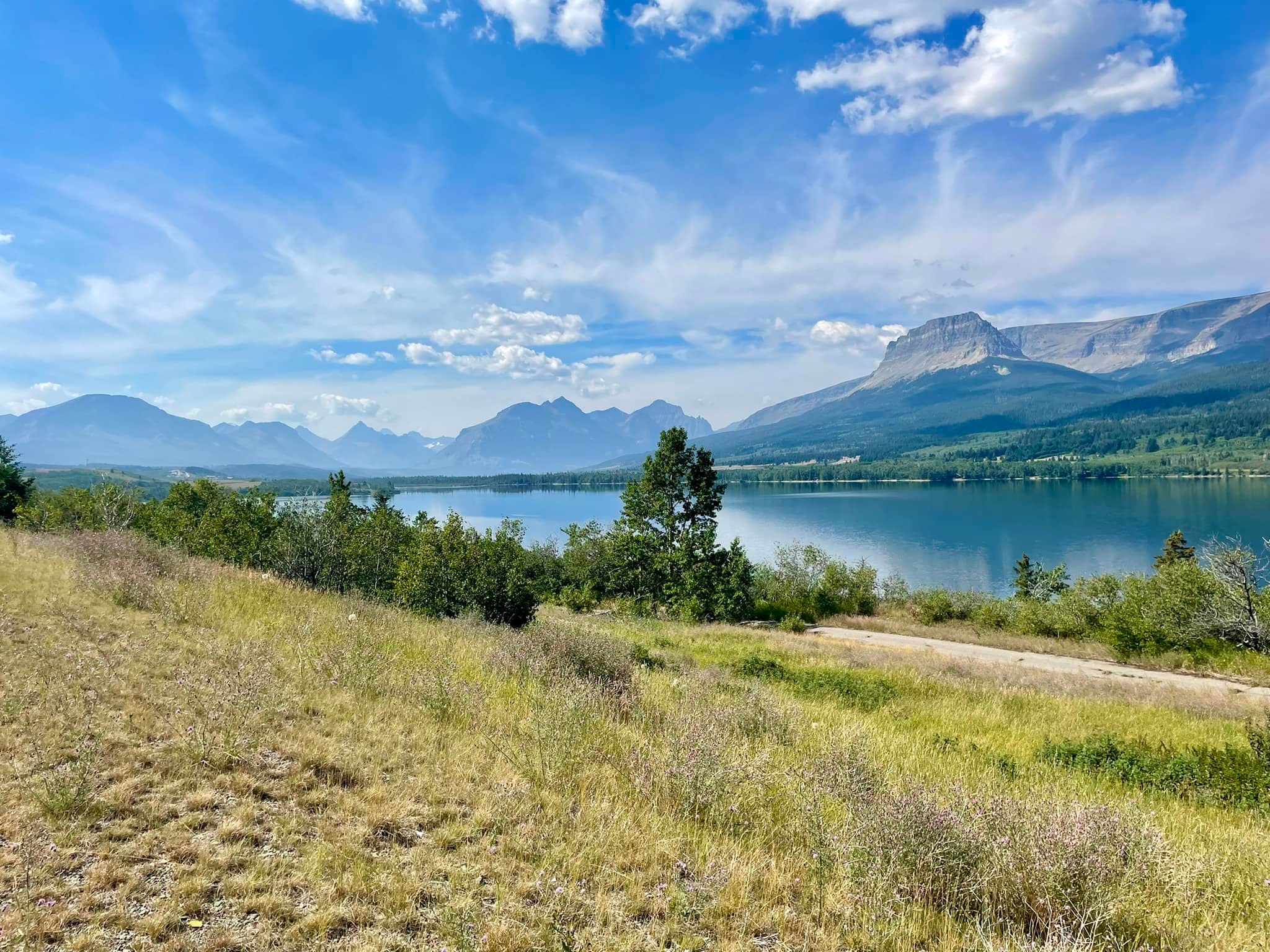 U.S. Department of Agriculture Secretary Brooke Rollins announced last month that the administration was taking steps to rescind a decades-old policy to restrict road building and timber harvests on 58.5 million acres of national forest lands… U.S. Sen. Steve Daines, R-Mont., called it “another huge win for Montana and forest management.” …The impetus for the Roadless Rule tracks back to 1998, when former U.S. Forest Service Chief Mike Dombeck saw the agency’s vast and poorly maintained road system as a major environmental and fiscal problem… “The Roadless Rule was issued to make government more efficient by not building roads in sensitive areas when we already have far more roads than we can afford to maintain,” Keith Hammer, executive director of the Swan View Coalition said. “Rescinding the rule will result in government waste and environmental harm, all at taxpayer expense.”
 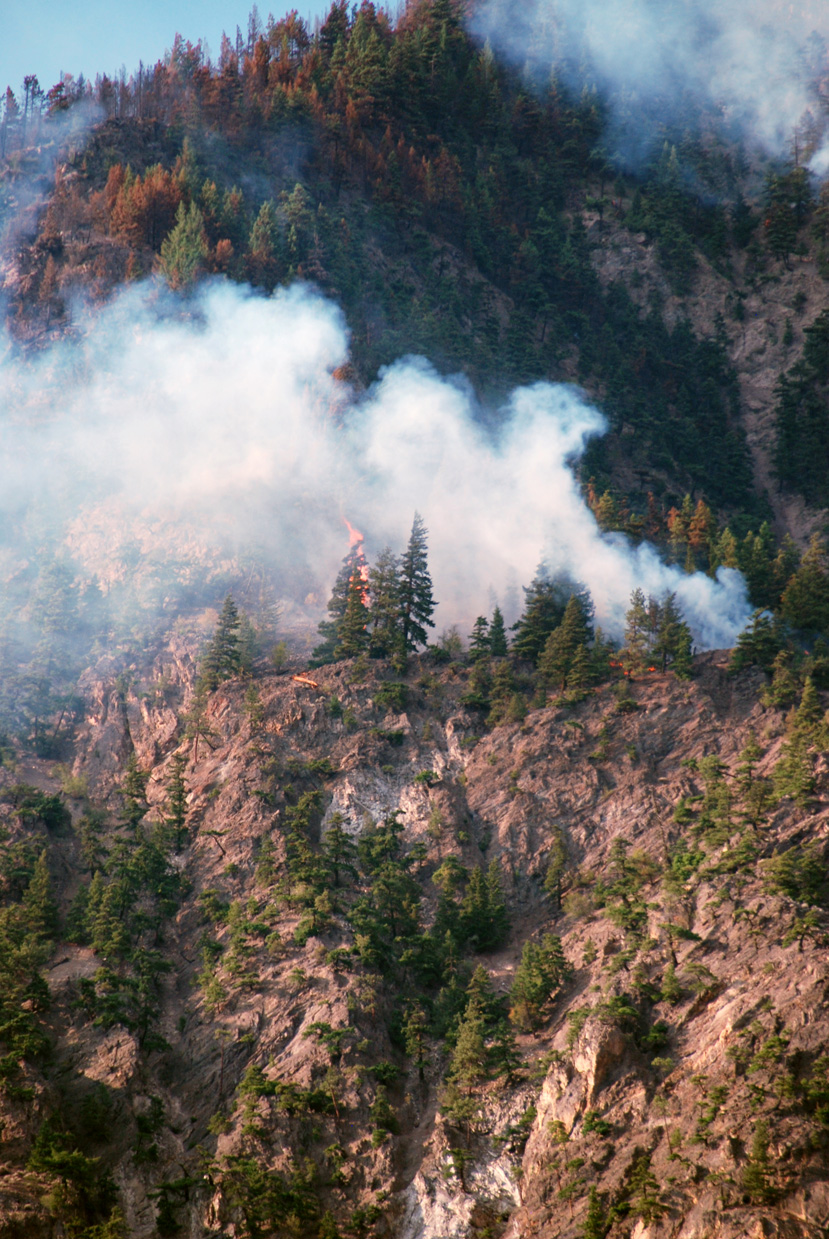 Fire season started early in the Northwest. The Rowena fire sparked in early June near The Dalles and destroyed 56 homes in a matter of days. Since then, as dry thunderstorms and lightning continue to start hundreds of wildfires across the state, the Oregon Department of Forestry and Bureau of Land Management say they have been able to stop most fires before they spread. But as the season intensifies nationwide, they are concerned about competition with other Western states for resources like air tankers. …While an aggressive “initial attack” approach is nothing new, Assistant State Fire Management Officer for the Oregon and Washington BLM, Richard Parrish, said having increased resources such as pre-positioned firefighting teams across the state, aerial water tankers and a Blackhawk helicopter crew — the only one in the nation — has made all the difference.
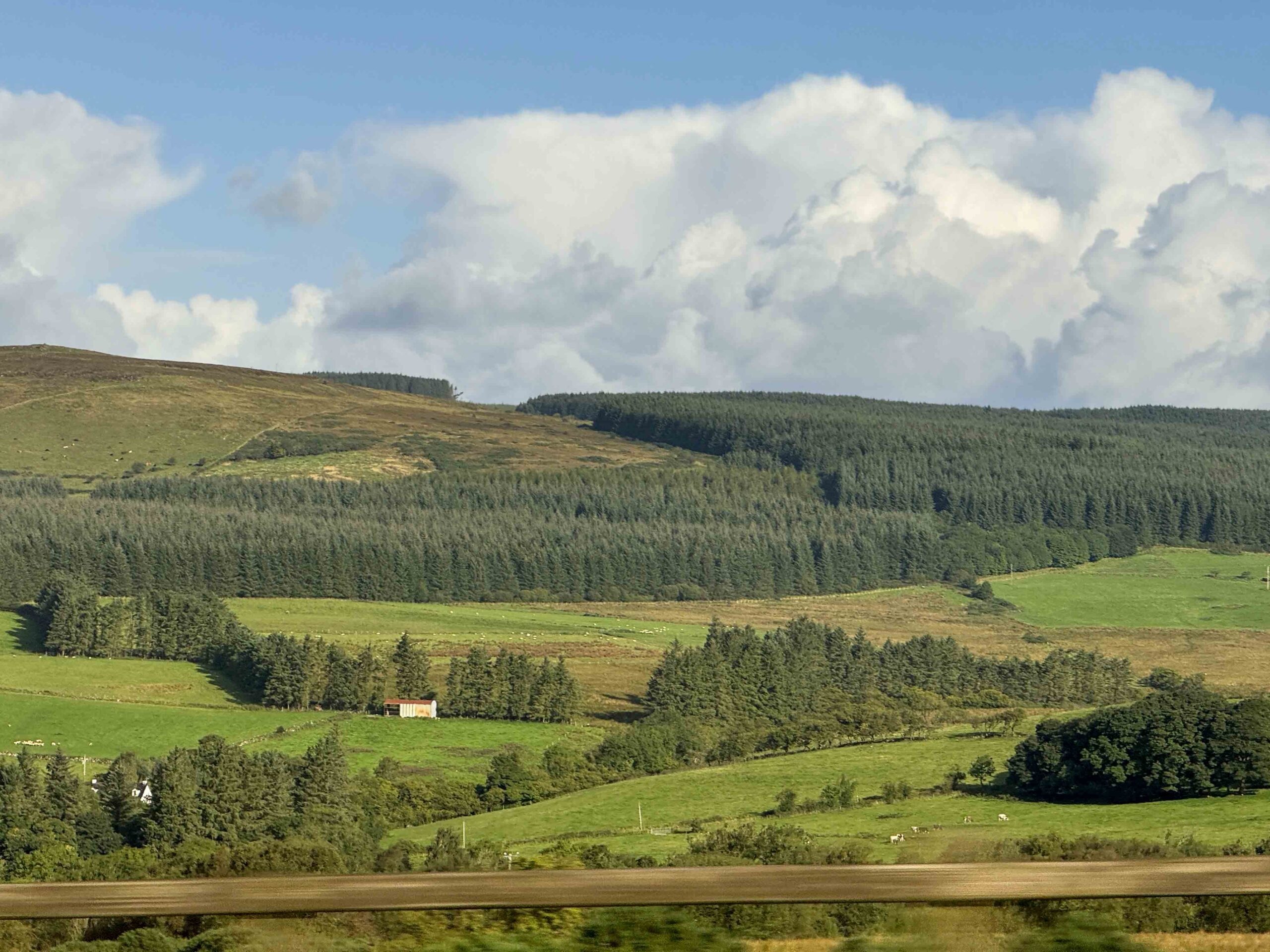 The current glorious weather provides an opportunity for all to recreate and enjoy. However, such weather patterns give rise to extreme fire risk. Teagasc Forestry advisors tell us more on the nature of such risks and offer practical advice on mitigating forest fire danger threats. On July 10, 2025, the Department of Agriculture, Food and the Marine issued a
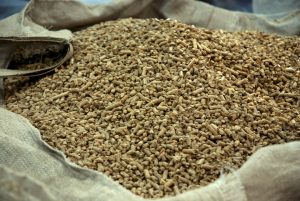 NB Power’s estimated $300-million plan to convert its biggest plant in northern New Brunswick from burning coal to wood pellets would be environmentally damaging and waste a lot of energy, warns a new report. The Conservation Council of New Brunswick, an environmental organization looked at the plan. …They came up with findings that are at odds with NB Power’s rosy view. Running the plant full time on wood pellets, the critics said, would need more offcuts, forcing NB Power to import fuel from Europe. Furthermore, they warn that sourcing as much wood as possible locally would hurt the forest ecology. And lastly, they argue that burning pellets to create electricity is hugely inefficient and would drive up greenhouse gas emissions. …Energy Minister René Legacy told Brunswick News his department would take a close look at the report. But he alluded to the more than 100 jobs NB Power has created.