
Canada and US ramp up negotiations ahead of Trump’s August 1 tariff deadline. In related news: a trade deal seems unlikely, as Trump threatens higher tariffs, and Carney seeks to avoid conflict. In other Business news: Kruger expands its Memphis tissue facility; Goodfellow reports stable Q2 sales; the US Lumber Coalition calls for an end to expedited duty reviews, Vancouver’s container port expansion goes out for bid; Canada’s job surge cools talk of a rate cut; US remodeler sentiment dips; and Toronto’s Hälsa project showcases mass timber innovation.
In Forestry/Wildfire news: BC First Nations protest timber sales on unceded territory; Manitoba renews its state of wildfire emergency as wildfires rage and air quality deteriorates; Senator Lee applauds US repeal of the Roadless Rule, as fire-focused budget cuts dominate US Forest Service hearings; a look at a Louisiana wildfire two years post-fire; and Estonia looks to employ more controlled burns.
Finally, FPAC names its 2025 Green Dream Interns; and Oregon’s legendary smokejumper base museum.
Kelly McCloskey, Tree Frog News Editor

 Donald Trump announced Thursday the US will charge a 35% tariff on Canadian imports starting Aug. 1. In an open letter to Prime Minister Carney, he wrote “if you decide to raise your Tariffs, we will be added onto the 35% that we charge.” …“These Tariffs may be modified, upward or downward, depending on our relationship with your Country.” Carney posted on social media that Canada would work towards a revised deadline of Aug. 1 in reaching a new trade deal with the US. “Canada has made vital progress to stop the scourge of fentanyl in North America,” Carney wrote. …Trump pointed to what he called “unsustainable” trade deficits, as well as the Canadian dairy sector. On Wednesday, Trump announced a 50% tariff on copper imports. The US was Canada’s largest copper importer in 2023, accounting for 52% of the total export value. That same year, Canada’s exports of copper and copper-based products were valued at $9.3 billion.
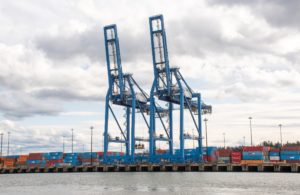 The Vancouver Fraser Port Authority is now searching for a construction company to plan and build the Roberts Bank Terminal 2 container port project wharf and landside facilities. The port said the state-of-the-art marine container terminal will unlock over $100 billion in new trade capacity and contributing $3 billion in GDP annually. …Construction is planned to begin in 2028, and the terminal is expected to be in operation by the mid-2030s. …The port authority has signed mutual benefits agreements with 27 First Nations. …Following the federal and provincial governments’ 2023 approval of the project, the port authority submitted a Species at Risk Act-compliant Fisheries Act authorization application in 2024. A decision on that, the final major permit, is expected no later than October 2026, the port authority said. …Pang said the terminal will be a catalyst for economic transformation nationally. He said it aims to support Prairie grain exports and BC’s forestry sector.
 Canada’s labour market defied expectations in June, adding a net 83,100 jobs while the unemployment rate dropped to 6.9%, according to Statistics Canada data released on Friday. The figures make a Bank of Canada interest rate cut less likely, economists say, and will likely move the focus to upcoming inflation data. Financial industry experts had expected the job market to stay essentially flat last month, forecasting a net loss of 3,000 jobs, according to consensus estimates published by the Bank of Montreal. Expectations were for the unemployment rate to increase 0.1 percentage point to 7.1%. The results show the “resilience” of Canada’s labour market, which will be noted by the Bank of Canada, CIBC economist Katherine Judge writes following the release. “While the unemployment rate is still elevated, the strength in other measures in this report clearly diminishes the odds of a BoC cut” at the July 30 interest rate announcement, she says.
 In the second quarter of 2025, the NAHB/Westlake Royal Remodeling Market Index (RMI) posted a reading of 59, down four points compared to the previous quarter. While this reading is still in positive territory, some remodelers, especially in the West, are seeing a slowing of activity in their markets. The second-quarter reading of 59 marks only the second time the RMI has dipped below 60 since the survey was revised in the first quarter of 2020. Higher interest rates and general economic uncertainty have affected consumer confidence and are headwinds for remodeling, but not to the extent that they have been for single-family construction, as is evident in June’s negative reading from the NAHB/Wells Fargo Housing Marketing Index (HMI). As a result, NAHB is still forecasting solid gains for remodeling spending in 2025, followed by more modest, but still positive, growth in 2026. …The Current Conditions Index averaged 66, down five points from the previous quarter.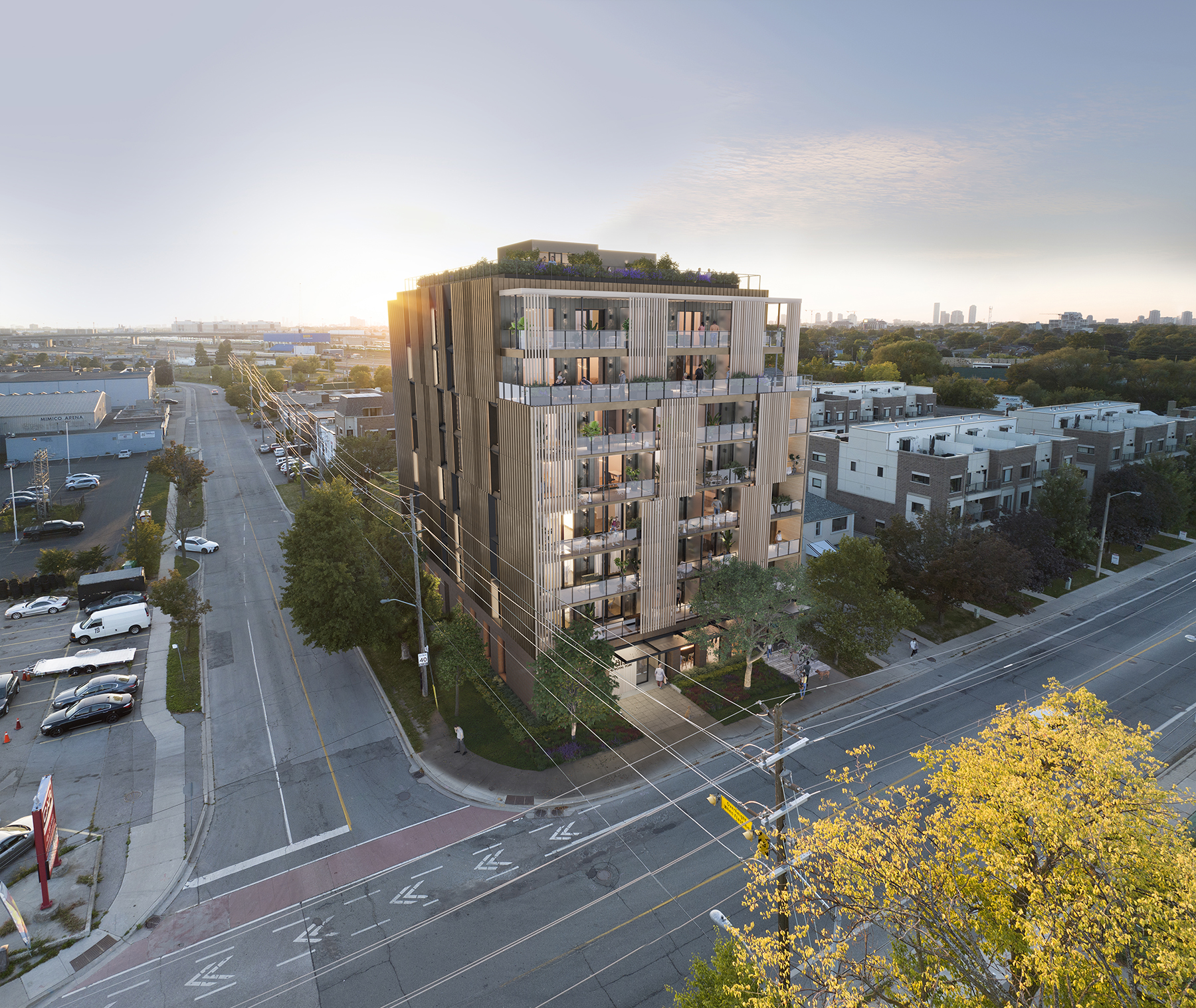
 Five students from across the country are bringing their unique voices to the forests this summer. Now in its twelfth year, Forest Products Association of Canada’s (FPAC) 2025 Green Dream Internship Program offers students an opportunity to explore the sector from the inside out, share their experiences, and receive a $1,000 scholarship to support their studies. Over six weeks, interns will document their time in the field through creative storytelling on social media and short videos capturing everyday moments in forest operations…. “The Green Dream Internship is a window into the next generation of talent in our sector”, said FPAC President and CEO, Derek Nighbor.
  2025 Green Dream Interns include: Marina Penner, Mercer International, Peace River, AB; Cynthia Laflamme, Domtar, Dolbeau-Mistassini, QC; Andy Chen, West Fraser, Slave Lake, AB; Elizabeth Phillips, Tolko Industries, Meadow Lake, SK; and Logan Englot, Weyerhaeuser, Hudson Bay, SK
 The U.S. Forest Services plans to cut its budget by $391 million for fiscal year 2026, according to a
 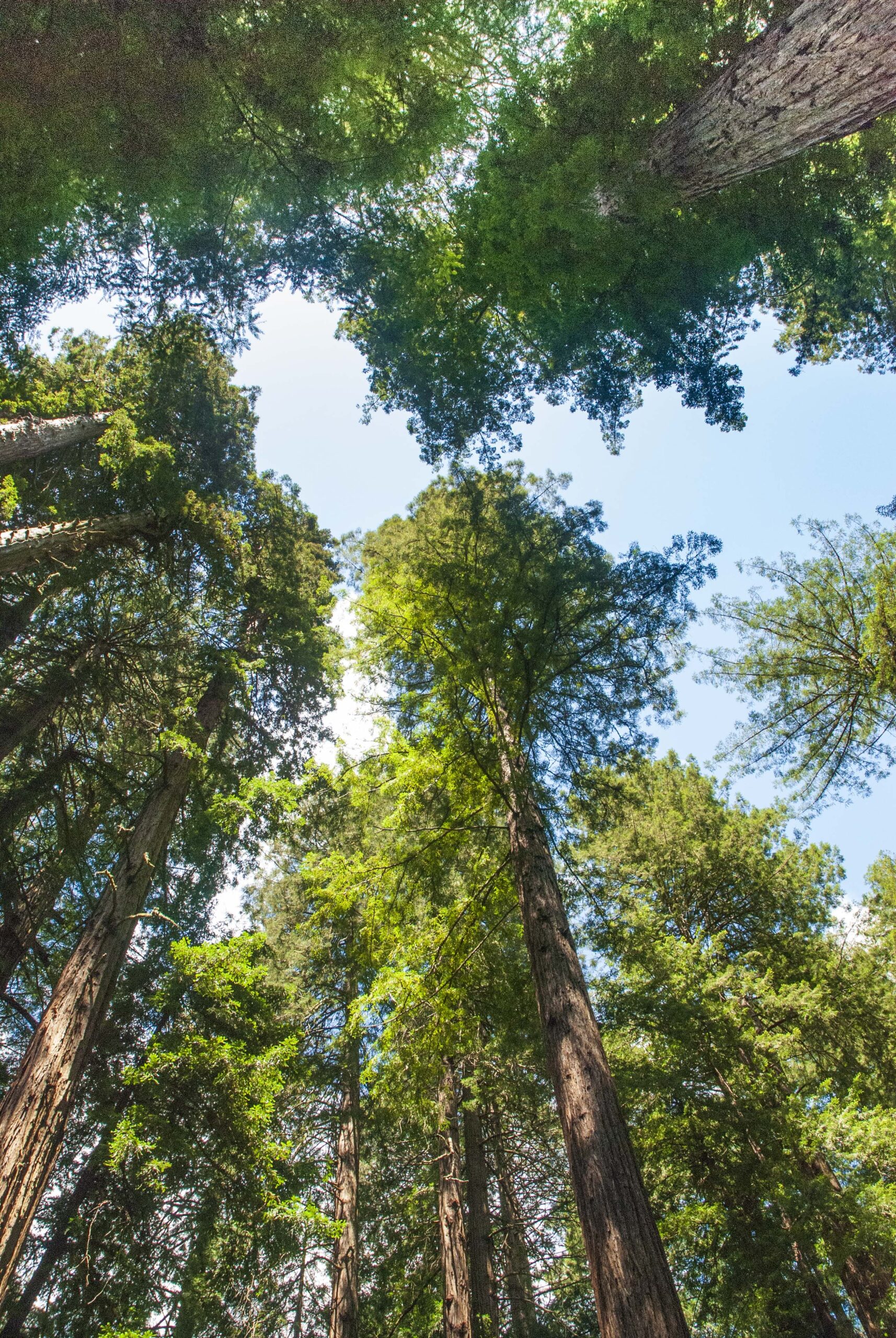 Members of the U.S. Senate Energy and Natural Resources Committee differed along party lines at a Thursday hearing about how the U.S. Forest Service should partner with states and how the federal wildfire response should be organized. Senators of both parties emphasized the importance of working with state forest managers. But while Republicans praised the efforts of Forest Service Chief Tom Schultz … to reach out to state governments, Democrats noted that President Trump’s
 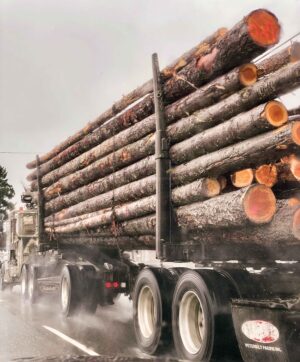 OREGON — Jeff Brink takes pride in working on the same land his father did, in the national forests surrounding Oakridge, Oregon. But in the decades since, less and less timber has been harvested, and more and more megafires have threatened his hometown. “There needs to be some active management, because no management has given us this result,” he said. When the Trump administration announced executive actions aimed at increasing timber production on federal lands, Oregonians had mixed responses. Loggers and timber towns celebrated the attention, while environmentalists sounded the alarm over fears of deregulation and environmental harm. Local stakeholders wonder what forest management will look like in practice. …The timber industry and environmentalists still have questions as to the actual implementation of policy and changes in practices by federal agencies. Oregon Wild is one of many environmental groups that believe the new executive actions threaten landmark environmental laws.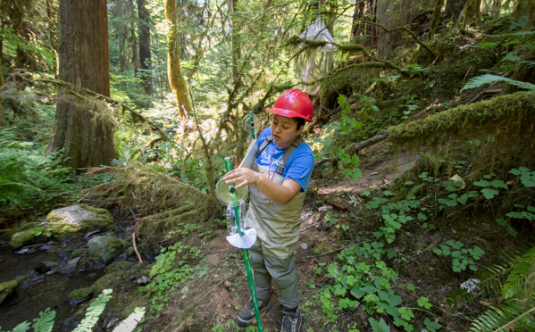
 ALEXANDRIA, Louisiana — Wildfires and drought destroyed over 60,000 acres of trees in the summer and fall months of 2023 and costing the state $71 million in timber loss. …The wildfires came from record-breaking high temperatures and little to no measurable rainfall that summer. Now, as Louisiana continues to revive its timber industry, there is a renewed interest in the Virginia pine trees that are across the state. But that is also being facilitated by the potential for tariffs on Canadian and Chinese wood and wood products. “The issue has been of Canada and China flooding our markets with their products,” Dr. Mike Strain, the commissioner of Louisiana’s Department of Agriculture and Forestry said. “So, all of that together, I think we’re going to see a strengthening in the timber industry.” …Strengthening the timber industry also calls for more paper mills. “We really need a mill in the Florida parishes,” he said.
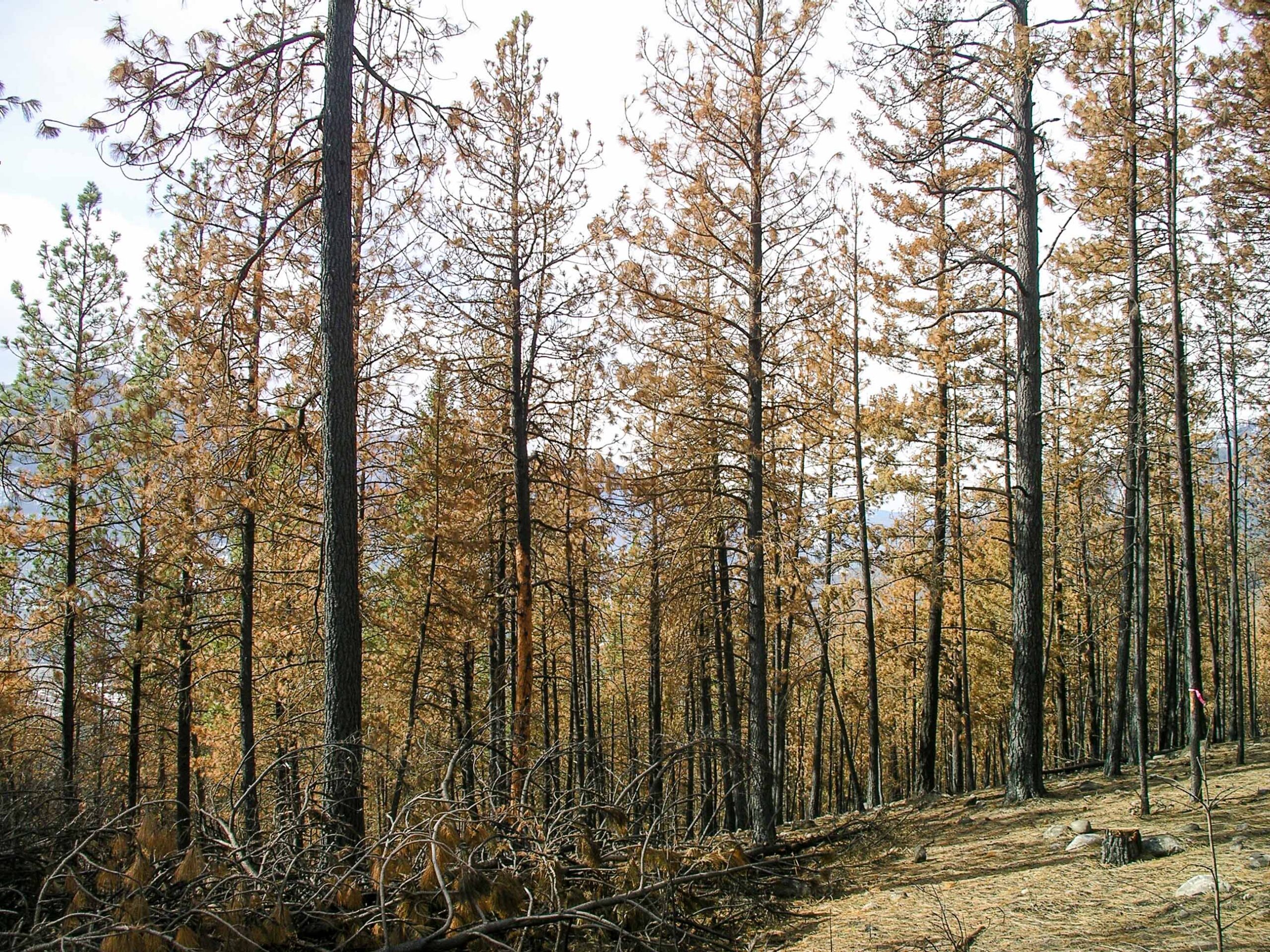 Last year, more than 112 thousand hectares of dry forests were listed in the Estonian Natura 2000 habitats. These are forests with minimal anthropogenic load, and in Estonia they are overgrown dunes, old natural forests and spruce forests with rich ground cover. The Estonian Environmental Service, the University of Tartu and the Estonian University of Life Sciences are jointly developing a plan for the maintenance of dry forests. Taavi Tattar, Head of the Nature Conservation Planning Department of the Environmental Service, pointed out that dry forests are in poor condition both in Estonia and throughout Europe. “They’re either too uniform in age or have impoverished structure. Certain species need forests with diverse structures for their life and activities, coarse woody debris, dead trees, and so on. On a broader scale, diverse forests are also more resistant to disease and better able to adapt to climate change,” Tattar said.
