
Six Republican lawmakers asked Ottawa to curb wildfire smoke impacting their states, claim Canada’s lack of ‘active forest management’ is to blame. In related news: Canadian experts push back on US claims; BC Wildfire crews are assisting with the Hope Fire in Washington, the Yukon looks to bioenergy to reduce fire risk; and the fire emergency in Marseille, France is under control. In other Forestry news: Parks Canada and BC invest in ecological connectivity; and Hydro-Quebec uses AI to reduce power outages caused by trees.
In Business news: US homebuilders say the housing crisis trumps imported lumber as a national security risk; CNN says tariffs are finally starting to impact prices; UK softwood traders report strong Q2 demand; and investments in European forests are on the rise. Meanwhile; COFI’s Kim Haakstad is named to BC influential leaders list; Ontario announced funding for five biomass projects; and Oregon and Idaho timber sales are on the rise.
Finally, a new study confirms FSC certification contributes to increased forest cover.
Kelly McCloskey, Tree Frog News Editor


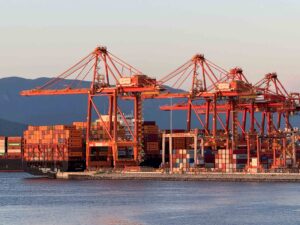 Economists, researchers and analysts have warned that President Trump’s tariffs on most goods will deliver a taxing blow to consumers via higher prices. However, recent months’ economic data has shown that overall inflation has remained fairly tame. Trump touts the positive economic reports as signs that tariffs are working. However, the chorus of concern is growing: Prices are moving higher, and economists say this is just the beginning. Here’s a look at the mechanisms behind why price hikes, and hotter inflation, are a slow burn: Tariffs have been applied in a staggered manner; …Trade policy and tariffs are in flux; …Shipping takes time; …Domestic supply chains take time, too; …Inventories were loaded up before tariffs hit; …Some costs are being eaten; …Businesses are hesitant to pass on higher prices; …Awareness of goods prices is lower in summer than fall and winter; …Economic data is often lagged; …Inflation indices are comprehensive.
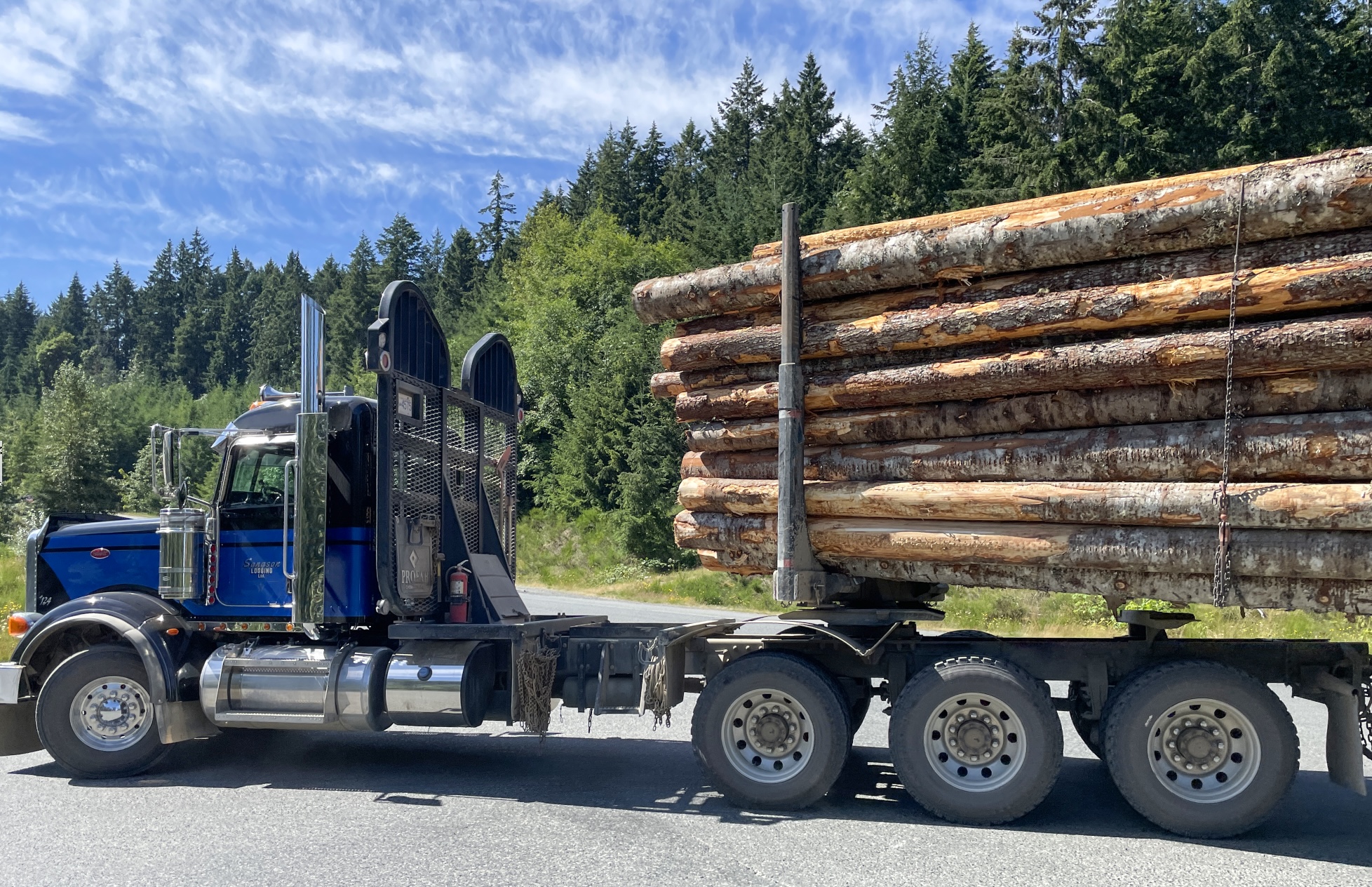 Timber and forestry investment is gaining ground in Europe, as private equity increasingly shifts towards climate-aligned strategies. A recent EY report highlights growing momentum behind timber and forestry funds, previously seen as niche, now positioned as core components of sustainability-focused portfolios. Despite global private equity fundraising falling to $680 billion in 2024, the lowest since 2015, investors are favouring fewer, larger deals. Europe is leading in sustainable asset allocation, with over half of all new fund launches in Article 8 and 9 categories under the EU Sustainable Finance Disclosure Regulation, according to Morningstar. Timber and forestry funds attracted $8.4 billion in 2024, slightly down from 2023 but above the five-year average. These funds often deliver double-digit internal rates of return, with top-performing vintages exceeding 16 percent.
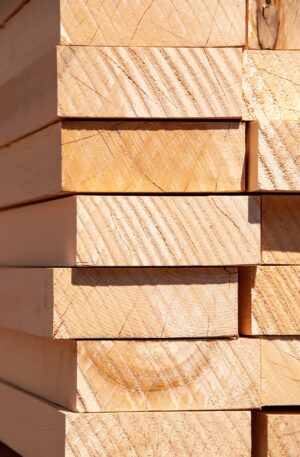 UK softwood traders enjoyed a period of strong trading through the first two months of Q2, supported by a rise in demand gaining momentum through both April and May. This followed on from a stable Q1 when imports increased by just under 2% against the same period in 2024. Since the beginning of this year, a number of Nordic producers were short of spruce logs for structural grades, and in many cases switched to pine. That move had a knock-on effect on the amount of redwood available for production at some mills. With good demand and some shortages, Q2 prices moved upwards, not only to the UK but other markets in Europe and the US as well. However, the UK merchants adopted a more sceptical and cautious approach. Many held back from making longer-term commitments on the forward market to ensure the recovery and stability in the market was sustainable.
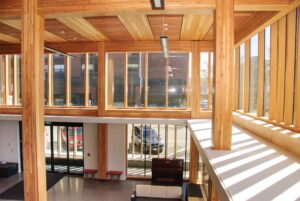 Although mass timber is widely praised for speedy, low-carbon construction, not everyone has boarded that train yet. Many people in construction still believe the risks of using mass timber outweigh the benefits. To shed some light on the subject, Urbanarium and the UBC School of Architecture and Landscape Architecture recently sponsored a debate in Vancouver on the proposition: “Mass timber is not worth the risk(s).” On the pro side (not worth the risk) were Adam Rysanek, an associate professor at SALA, and Graham Brewster, the senior director of development at Wesgroup Properties. On the con side were Shawn Keyes, the executive director of WoodWorks BC, and now VP strategic growth and development at Intelligent City, and Jana Foit, a principal and higher education practice lead in the Vancouver studio of Perkins&Will. …“Everybody came in wanting mass timber to work. What they heard were practical arguments that showed that it’s not that easy.”
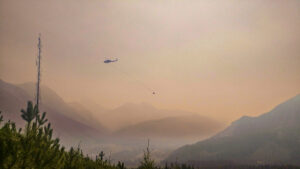 Six Republican lawmakers have
 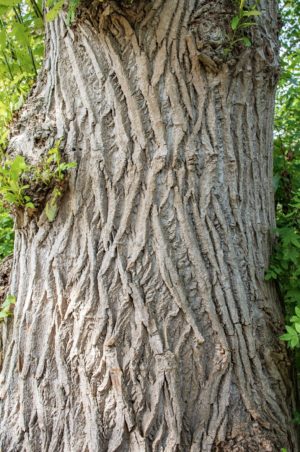 Floating fluff? Summer snow? Cotton balls? If you’ve been noticing more of that white stuff floating around the N.W.T. this summer, you’re not alone. “One thing I noticed is a buildup of that stuff in my yard,” Yellowknifer Justin Grandjambe said. “When it’s windy it kind of gathers in corners and stuff … almost looks like a little bit of snow.” Turns out, that fluff is from trees dispelling their seeds. It’s a stress response from the poplars, aspen and willows reacting to the dry conditions from the past few years, according to the N.W.T.’s department of Environment and Climate Change (ECC). Within each fluff ball is a bunch of tiny seeds. The department’s experts couldn’t say how much more “fluff” there is this year compared to other years. That’s something that might also vary depending on where in the territory you’re looking.
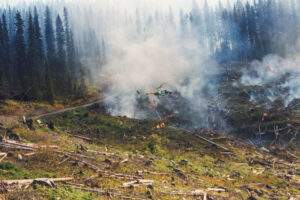 Host Stephanie Massicotte speaks with an expert from the University of Saskatchewan about how long it takes forests to grow back, and whether people should step in to help. [Listen to the segment from Saskatoon Morning here]
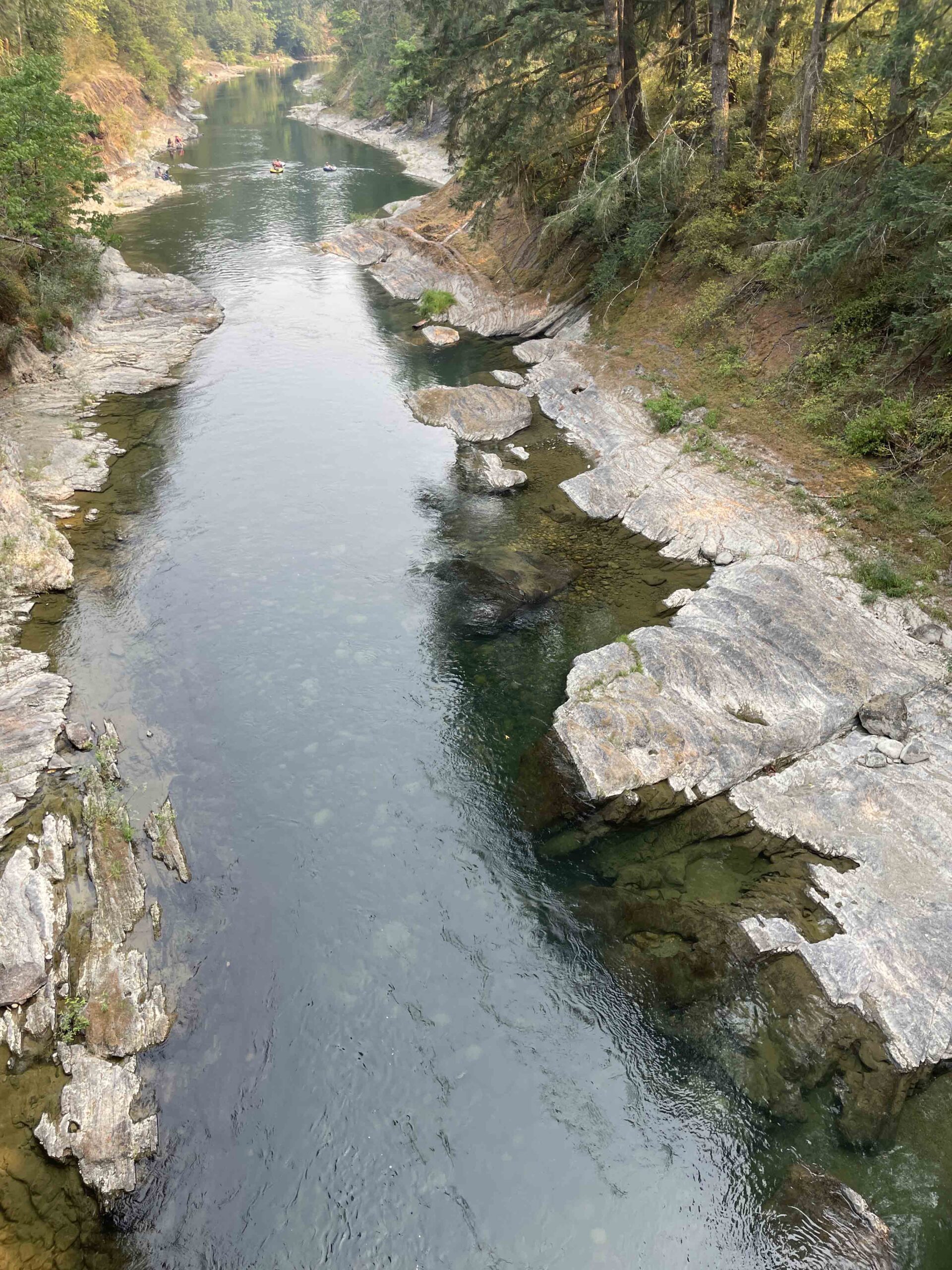 Flow at the Cowichan River will be reduced again with the lake at 48 per cent full. Brian Houle, environmental manager at Domtar’s Crofton pulp mill, says a meeting with regulators of the watershed on July 7 led to an agreement to reduce flow from seven cubic metres per second (cms) to 5.5. “Given the summer 2025 drought conditions in Cowichan Lake, careful watershed management decisions need to be made,” reads a news release from Houle. “Today’s water levels are not dissimilar to 2023, when several factors resulted in a fish kill event in the upper Cowichan River and pumping of lake to river was needed for extended period of 36 days in the fall.” In May, the flow was reduced to seven cms and Houle said the plan was to hold that rate through July and August. In 2023, the river flow was reduced to 4.5 cms in May. Houle says keeping it at seven this year was intended to reduce impacts on fish.
 In partnership with the First Nations Leadership Council, the Province is moving forward to the next stage of consultation and engagement on modernizing the Heritage Conservation Act. The act, which regulates the protection, management and conservation of cultural and heritage sites in B.C., was last substantively updated in 1996. “The Heritage Conservation Act is how we protect important cultural and archeological sites in B.C., but the current system doesn’t work well for people, and it doesn’t fully reflect our shared values or commitments,” said Ravi Parmar, Minister of Forests. “As we embark on this important engagement, I am committed to ensuring our collective work will lead to a system that will support faster permitting, better planning and more meaningful discussions with people, communities, industry and First Nations.” The project is a multi-year collaborative effort, mandated in 2021 and co-developed through the Joint Working Group on First Nations Heritage Conservation…
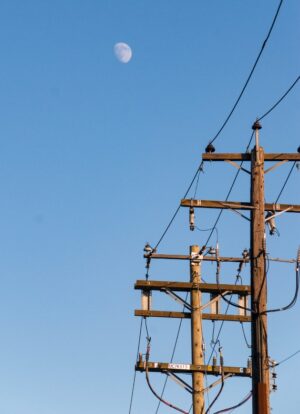 Montreal’s tree-lined streets are one of the city’s greatest assets — they clean the air, add bursts of green to the scenery and help push the concrete background. But when storms hit, those trees clash with the urban landscape and are a major cause of power outages. That’s why Hydro-Québec is now using new technologies to find a way for trees to coexist with its power lines. “We’re trying to make a digital twin of the network to see if there are interactions between the tree and the network,” said Étienne Langdeau, director of vegetation management for Hydro-Québec. Artificial intelligence then measures the trees before and after a weather event, like a windstorm, to see which branches broke. The algorithm uses this information to get better at predicting which branches are most likely to snap. In turn, technicians can preemptively cut these branches before they become a problem.
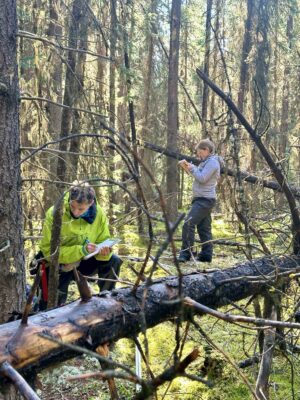 With a paint can in hand, a forester walks step by step through the dense Arizona ponderosa pine forest, marking trees with distinctive orange streaks. The forester is part of a timber-marking crew assessing if each tree should stay or go during harvest, per a prescription from the Forest Service silviculturist. Trees to remain receive the orange marking; the others will be harvested. Timber-marking crews cover thousands of acres of Forest Service lands each year, prepping critical thinning projects to reduce the number of trees and move forest lands toward a condition less vulnerable to catastrophic wildfire. With this laborious operation, many began to ask: Couldn’t there be a more efficient way of marking trees?
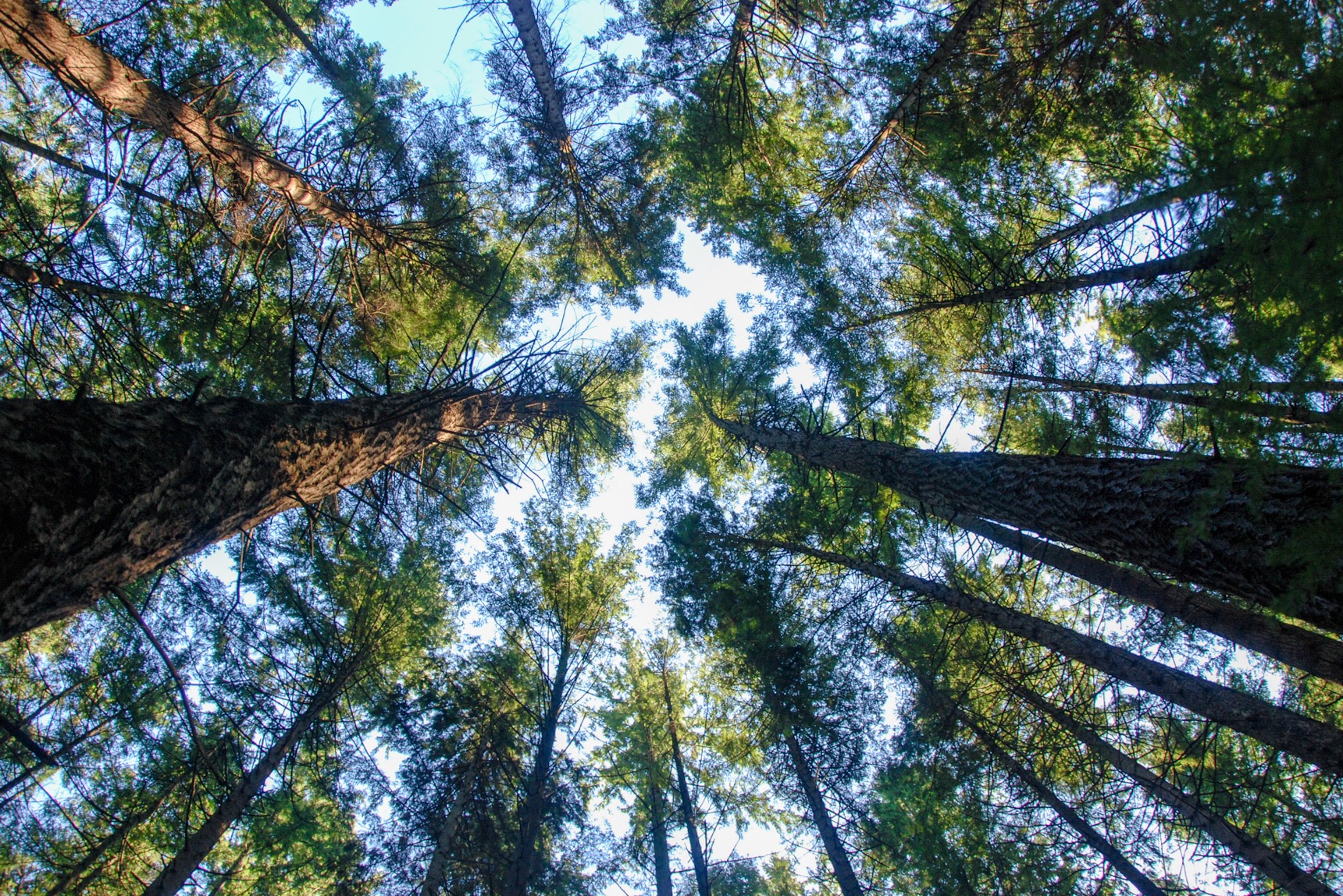 MULLAN, Idaho — The Bureau of Land Management is offering the Gentle Annie Timber Sale, totaling approximately 493,000 board feet, for commercial thinning on 100 acres near Mullan, east of Kellogg in Shoshone County. The harvested timber will supply critical materials for construction and other industries, supporting jobs across Idaho’s Panhandle. This thinning project will remove dead and downed wood caused by insects and disease, leaving an average of 55 trees per acre. The result: a healthier, more fire-resilient forest. “We’re excited to continue our work in the Mullan Urban Interface and hope this timber sale will help reduce the town’s risk of catastrophic wildland fire,” said BLM District Manager Kurt Pindel. “We’ll also be limiting the spread of insects and disease within the timber stand, as well as harvesting some merchantable timber for the local economy.”
  A new paper published in
 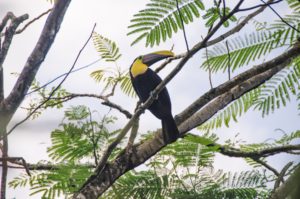 Brazil once again leads the world in the loss of primary tropical forests. New data shows the country accounted for 42% of global primary rainforest loss in 2024, largely due to widespread fires throughout the nation and in neighboring Bolivia, Colombia and Peru. The 2024 spike in Amazon forest loss was due in large part to one of the worst fire seasons on record. But what’s often missed is the fact that recent fires in tropical primary forests are by no means a “natural” disaster. Rather, the conflagration represents a perfect storm of climate change-induced environmental conditions, governance failures and unchecked, organized criminality. Fires in the Amazon are largely started by arson and related criminal activity accompanying agriculture, logging, mining and road building. In fact, a recent survey of government data concluded that 91% of forest loss in the Brazilian Amazon is linked to illegal activity like land-clearing for agriculture and artisanal mining, often orchestrated by well-structured international criminal enterprises.
 A new study in The Journal of Cleaner Production confirms that Forest Stewardship Council (FSC) certification contributes to maintaining and increasing forest cover, especially in lower-middle income countries. These findings reinforce the conclusions of previous research and provide insights on adapting regional certification strategies to increase sustainable forest management. The study investigated the critical role of FSC certification in promoting sustainable forest management and mitigating deforestation across diverse economic and climatic contexts. Using dynamic panel data model and Generalized Method of Moments estimations on 70 countries from 2000 – 2021, the researchers examined forest cover as a measure for impact of FSC certification. Results indicate that FSC certification contributes to maintaining and increasing forest cover across diverse economic and climatic contexts. This positive impact is most strongly observed in lower-middle income countries. Scaling up certification and integrating it into national policies could benefit countries of this economic category.
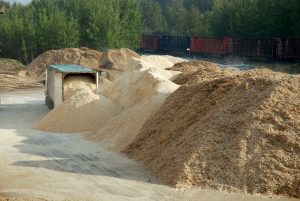 Five Eastern Ontario companies – three of them in Renfrew-Nipissing-Pembroke – will receive just over $9.1 in government funding under the Forest Biomass Program to create new products and expand markets for existing products produced from low quality forest products. The announcement was made Monday morning by MPP Kevin Holland, the Associate Minister of Forestry and Forest Products at one of two Killaloe Wood Products sites in Bonnechere Valley Township, south of Eganville, where landscaping mulch and other biomass products are processed… “These investments support good paying jobs, drive local growth and encourage innovation,” he said. “But today isn’t just about numbers on a page. Behind every dollar are businesses right here in Eganville and in Whitney that form the backbone of our local economy. The forestry sector is the cornerstone of the economic ecosystem that supports every corner of the riding.”
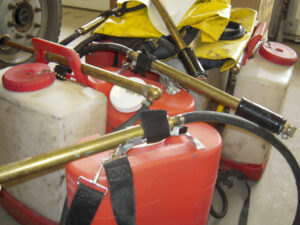 The BC Wildfire Service said Tuesday (July 8) afternoon it’s aware of the wildfire in Washington State 16 km southwest of Northport and is assisting in fire suppression. The location is south of Highway 3 between Christina Lake and Trail, and is being referred to as the “Hope Fire”. The fire was first reported at approximately 1:15 p.m. was estimated later in the afternoon to be 600 acres (243 hectares) in size. BC Wildfire said in a social media post that the US Department of Natural Resources is responding and have resources on-site. BC Wildfire has also deployed airtankers to support wildfire suppression efforts. “At this time there is no threat to the Canada-US border,” it said. Stevens County Emergency Management has announced Level 3 (LEAVE NOW) evacuation orders in the area of Three Pines Youth Camp, according to a statement from Stevens County Emergency Management.
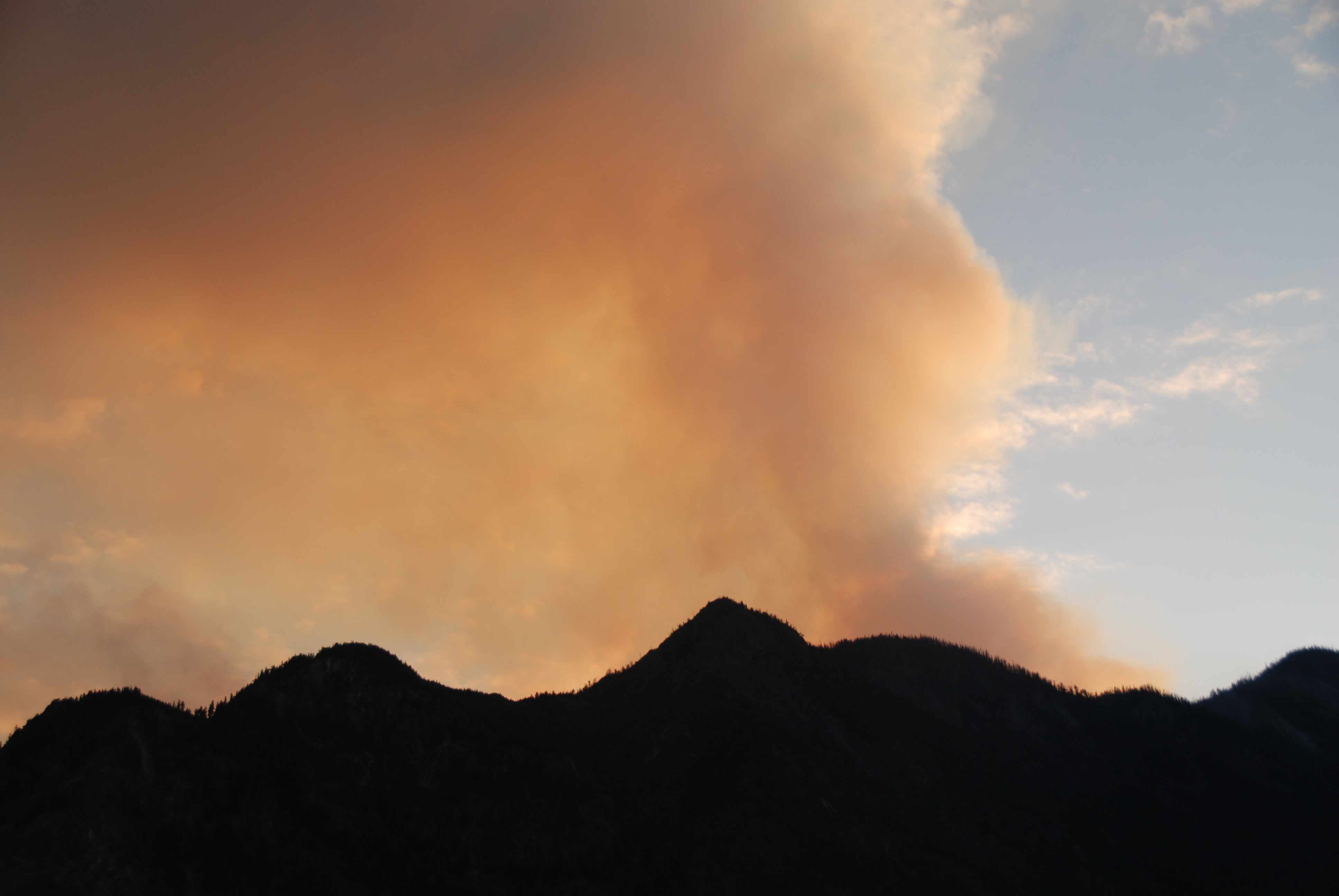 Wildfire smoke from just across the U.S. border is drifting into southern B.C., prompting a Level 1 activation of the Regional District of Kootenay Boundary’s Emergency Operations Centre (EOC). As of Wednesday night, the Hope Fire had grown to 3,500 acres with zero per cent containment, burning 11.4 miles southwest of Northport, Washington. Wednesday morning, the regional district issued an update on the Hope (USA) Fire. According to the Regional District of Kootenay Boundary (RDKB), as forecasted, favourable weather conditions last night resulted in shifting winds that blew the fire back onto itself and away from the Canada/US border. The United States has put considerable resources on the now 3,200-acre fire. For current information on the Hope Fire, residents are advised to consult U.S. agency sources, such as
  More than 15,000 residents of Marseille confined to their homes have been allowed out after a wildfire on the outskirts of France’s second city was brought under control, but officials have warned the country faces an exceptionally high-risk summer. Fanned by gale-force winds and kindled by parched vegetation, several fires have burned swathes of southern France in recent days, including Tuesday’s just north of the port city. The weather service has said the weeks ahead could be critical. “The fire is receding, but with a blaze this severe, over this big an area, it’s clear there may be fresh flare-ups, flames can jump, embers can reignite,” the prefect of the Bouches-du-Rhône department, Georges-François Leclerc, said on Wednesday.