
Wildfires are on the move again in Canada, the United States and Europe. In related news: Ontario wildfire crews sound the alarm over fatigue and funding. In Forestry news: Colorado fights a beetle outbreak with synthetic pheromones; BC groups pan logging in caribou habitat; Finland unveils new carbon sink measures; Australia releases a national Timber Fibre Strategy; and the Maine Forest Products Council slams media for misrepresenting biomass.
In Business news: Sumitomo announces its first US timber industrial complex; Trump extends the tariff deadline to August 1; homebuilders brace for construction cost spike; and 2024 US multifamily completions hit a 38-year high.
Finally, BCIT is looking for Natural Resource instructors; the CIF’s 2025 conference registration is open; and BCCFA launched a new wildfire outreach tool.
Kelly McCloskey, Tree Frog News Editor
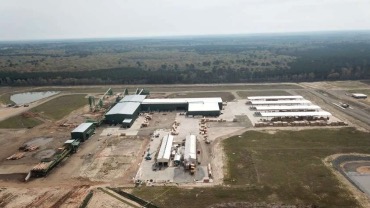 Sumitomo Forestry, a prominent Japanese timber and construction firm, completed July 1, 2025, the acquisition of Teal Jones Louisiana Holdings and plans to launch its first timber industrial complex in the US. This complex may also include taking wood waste and turning it into mass timber. …In addition to outside purchasers, Teal Jones-Plain Dealing (TJPD) plans to supply product to its group operations, such as the Fully Integrated Turn-key Provider operations and its residential property and real estate development operations. Furthermore, the company plans to utilize the approximate 40 hectares of unused land on the site to manufacture and sell mass timber and wood products in preparation for future increased demand. “We are also considering processing wood chips and lumber residue generated from the manufacturing process into biomass power generation fuel, bio-refineries and other,” the company said.
 The Albanese Labor Government released a
  The United States is close to finalizing several trade pacts in coming days and will notify other countries of higher tariff rates by July 9, President Donald Trump said on Sunday, with the higher rates set to take effect on August 1. Since taking office, Trump has set off a global trade war that has roiled financial markets and sent policymakers scrambling to protect their economies, through efforts such as deals with the United States and other countries. In April Trump unveiled a base tariff rate of 10% on most countries and additional duties ranging up to 50%, although he later delayed the effective date for all but 10% until July 9. The new date offers countries a three-week reprieve. …Bessent told CNN the Trump administration was focused on 18 important trading partners that account for 95% of the US trade deficit.
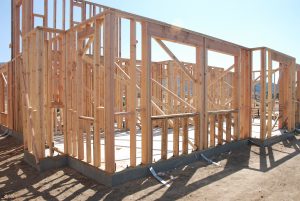 Lumber from Canada? That will be another $534. Major appliances from China? Add a cool $445. New homes in the United States are set to get more expensive thanks to President Donald Trump’s tariff agenda, which is expected to raise the costs of a wide variety of materials that go into building houses. An NBC News analysis of building materials and import data found that the total cost of building a mid-range single-family home could rise by more than $4,000 — an estimate that industry experts who reviewed the analysis called conservative. An April survey from the National Association of Home Builders estimated tariff impacts at $10,900 per home. Neither analysis included labor costs. Robert Dietz, chief economist at the National Association of Home Builders, said the tariffs have an impact beyond their direct cost as they send uncertainty rippling through the supply chain and leave builders unsure how to plan for the future.
 At
At 

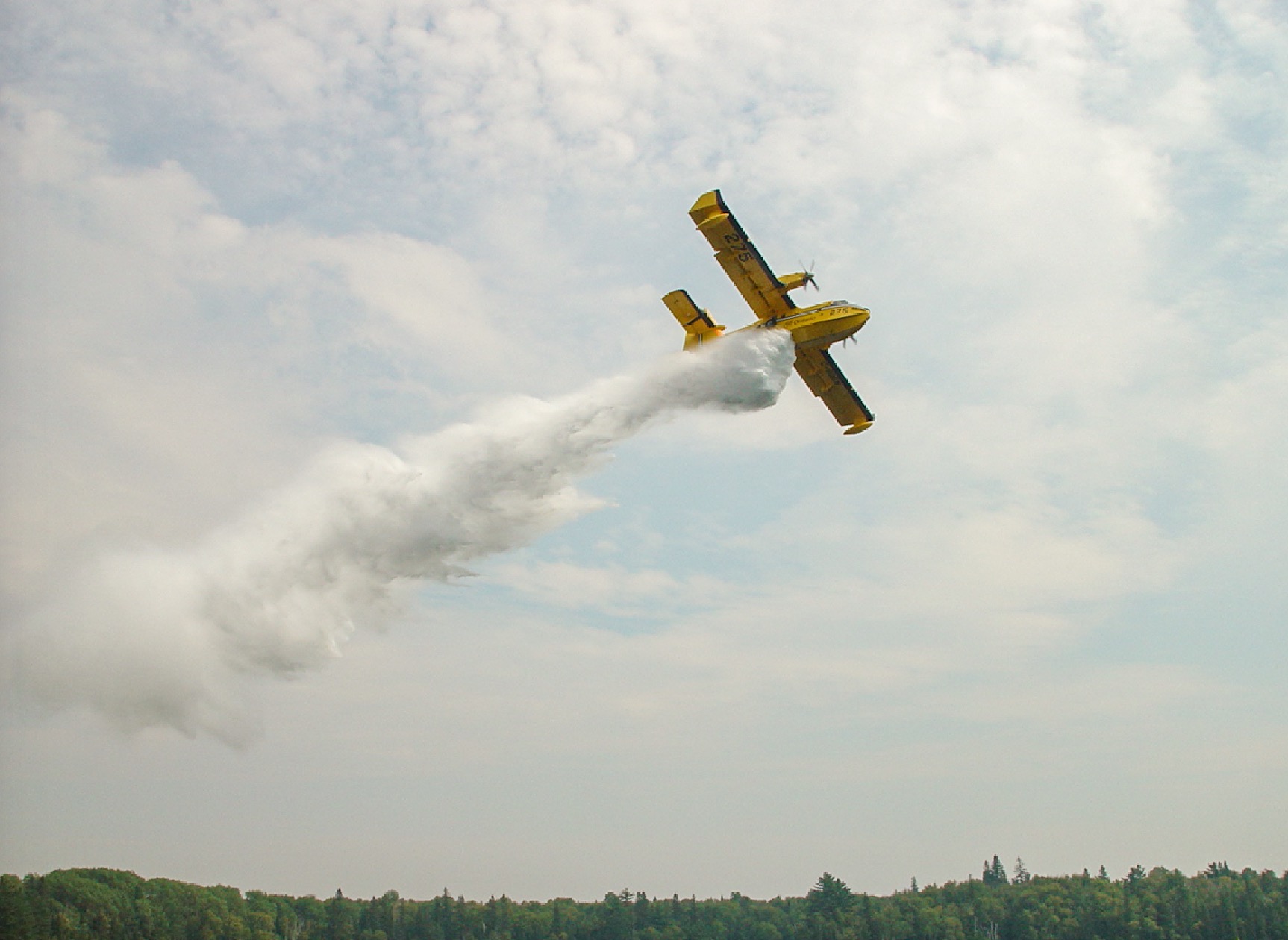 The union representing Ontario’s wildland firefighters says they’re working long hours that are contributing to “fatigue,” and is calling for a funding increase to address a lack of resources. “Historically Ontario’s had about 180 four-person fire crews,” said Noah Freedman, a wildfire crew leader in northwestern Ontario and vice-president of Local 703 of the Ontario Public Service Employees Union (OPSEU). …”While we should be looking to staff more firefighters, and have more water bombers and pilots and all of our incredible support staff that we need more of, we’re just going the other direction at the moment.” Freedman said the union has been unable to confirm the exact number of crews currently operating; last year, there were 143. …The province is also short water bomber pilots.
 Don Hardin’s hillside was largely cleared of trees killed by the mountain pine beetle. Some of the trees have died in just a few weeks with Ips beetles munching their tops and mountain pine beetles coming through their bark in large visible holes. …Across Colorado, mountain pine beetles also are on the rise in Douglas, Jefferson and Gilpin counties, among other areas, said Dan West, forest entomologist with the State Forest Service. The agency’s annual aerial survey shows the number of infected acres increasing from less than 2,000 acres in 2021 to nearly 6,000 acres last year. …To combat the beetle, the State Forest Service is putting small packets on trees to send the message to mountain pine beetles to seek a home elsewhere, West said. The message will be sent through a synthetic replication of beetle pheromones that sends a “no-vacancy signal” to adult pine beetles looking for a healthy tree to infest.
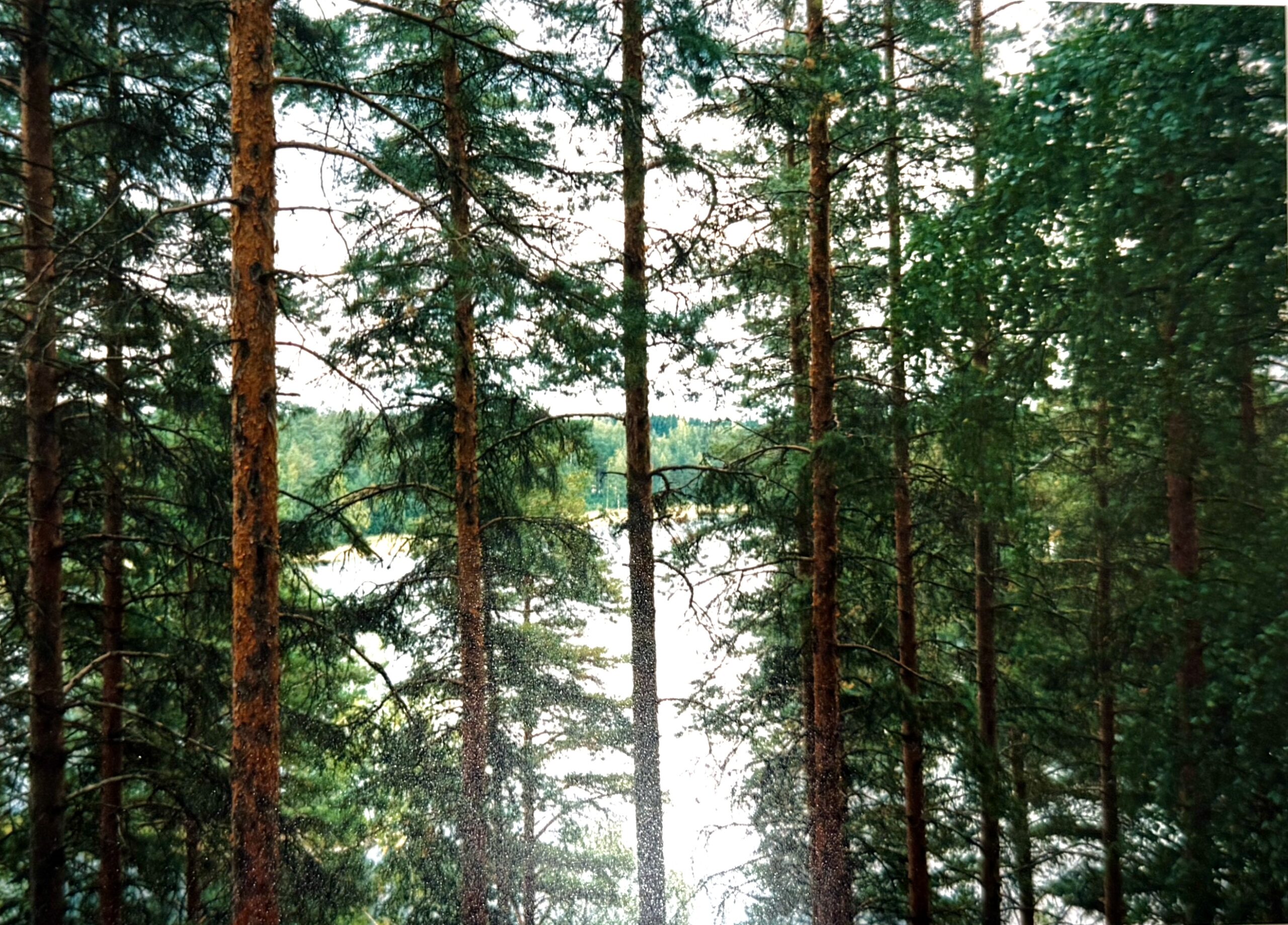 The Ministry of Agriculture and Forestry has unveiled a broad package of measures aimed to boosting forest growth and pollution-absorbing carbon sinks. The moves will help Finland reach its goal of carbon neutrality by 2035, as required by law and stipulated in the government programme, ministry officials said on Friday. The agency is led by Minister of Agriculture and Forestry Sari Essayah, chair of the Christian Democrats. The government of Prime Minister Petteri Orpo (NCP) approved the financing of forest-related climate measures during its mid-term policy review session last spring and in its second supplementary budget of 2025. The measures include moves to step up fertilisation of forests and expansion of the forest cover in an effort to increase carbon sequestration, in other words woodlands’ capacity to absorb and store carbon from emissions that would otherwise contribute to global warming.
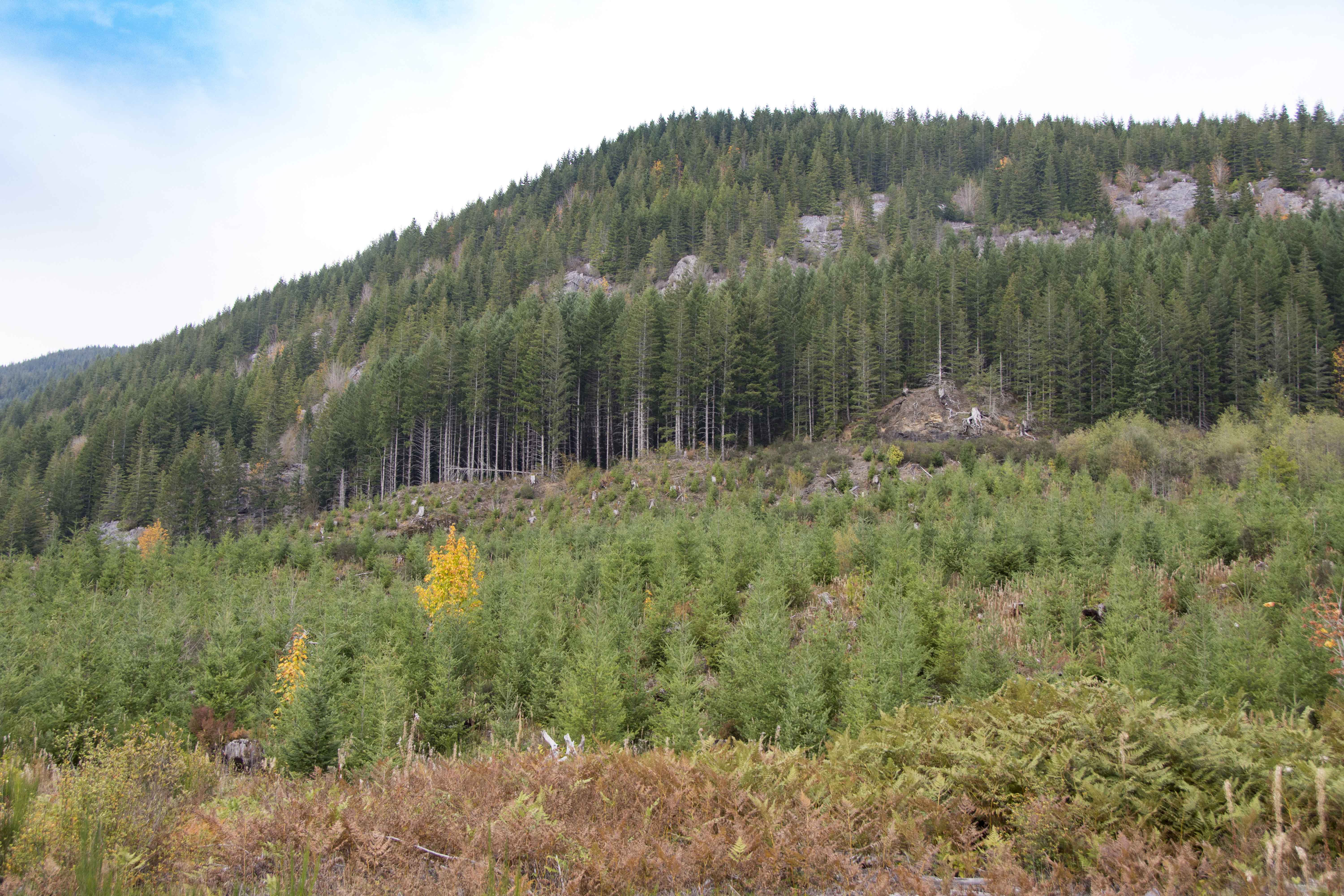 Young forests regrowing from land where mature woodlands have been cut down have a key role to play in removing billions of tons of atmospheric carbon dioxide (CO2) and combating climate change, a new study reveals. …Forest regeneration offers a cost-effective method for carbon removal, but rates vary by location and forest age. Researchers have discovered that young secondary forests, particularly those aged between 20 and 40 years, exhibit the highest rates of carbon removal—locking away up to eight times more carbon per hectare than newly regenerating forests. …Their study reveals that if 800 million hectares of restorable forest begin regenerating in 2025, up to 20.3 billion metric tons of carbon could be removed by 2050, but delays sharply reduce this potential.
 The herbicide ingredient used to replace glyphosate in Roundup and other weedkiller products can kill gut bacteria and damage organs in multiple ways, new research shows. The ingredient, diquat, is widely employed in the US as a weedkiller in vineyards and orchards, and is increasingly sprayed elsewhere as the use of controversial herbicide substances such as glyphosate and paraquat drops in the US. But the new piece of data suggests diquat is more toxic than glyphosate, and the substance is banned over its risks in the UK, EU, China and many other countries. …Despite the risks amid a rise in diquat’s use, the EPA is not reviewing the chemical, and even non-profits that push for tighter pesticide regulations have largely focused their attention elsewhere.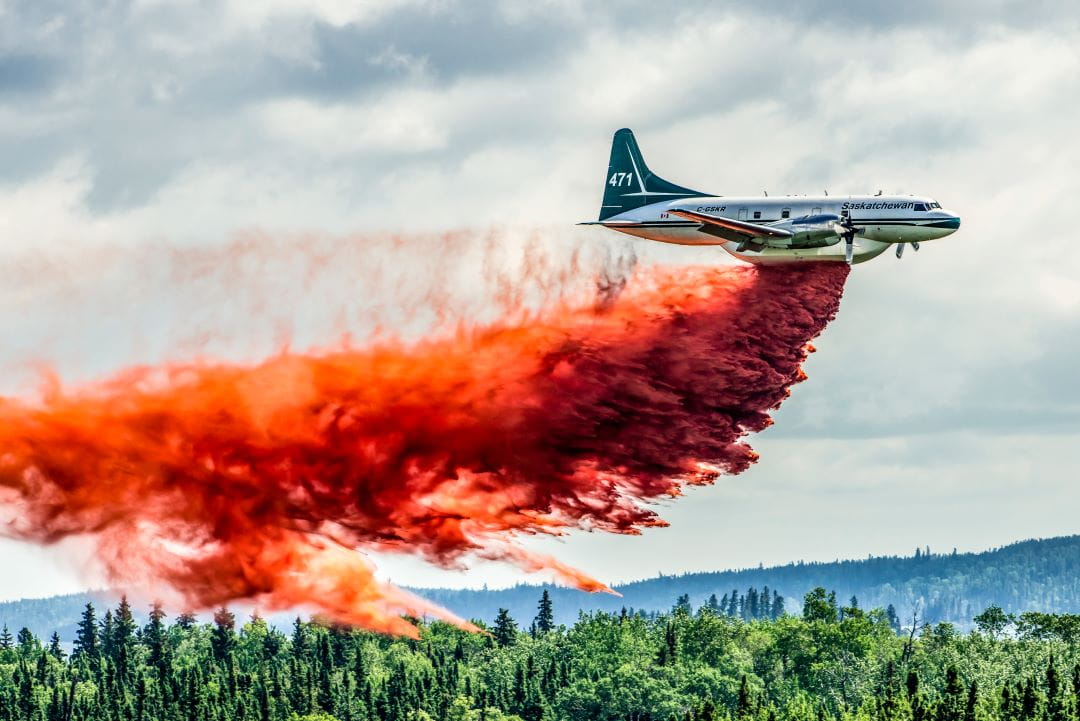

 Firefighters across Europe continue to battle forest fires amid blistering heatwaves, as blazes broke out in Germany, Greece and Turkey on Saturday. Hundreds of German firefighters have been battling blazes for days in the forested regions of Thuringia and Saxony, including the Gohrischheide nature reserve near the Brandenburg border. …Firefighters in Greece made progress in containing a wildfire that broke out on Friday afternoon in eastern Attica. …Strong winds and dry conditions have raised the risk of wildfires across Greece, prompting heightened vigilance by emergency services. In Turkey, firefighters have reportedly brought several large wildfires under control in the western Izmir province. …Ground crews, supported by planes and helicopters, worked around the clock for three days to contain the fires, according to the Turkish forestry directorate. …Turkey also reportedly sent two aircraft and 11 fire engines along with support vehicles to Syria on Saturday to help in the firefighting efforts there.