 BC Forest Practices Board says forestry can be a powerful wildfire-defence tool. In related news: WorkSafeBC says employers must protect forestry workers during the wildfire season; UBC researchers say wildfires are effecting Fraser River water quality; and high-tech planes lead BC’s wildfire response. In other Forestry news: a new study questions glyphosate use in New Brunswick; a judge rules in favour of Teal-Jones forest licence sale; and a UK forester promotes Grown in Britain trees.
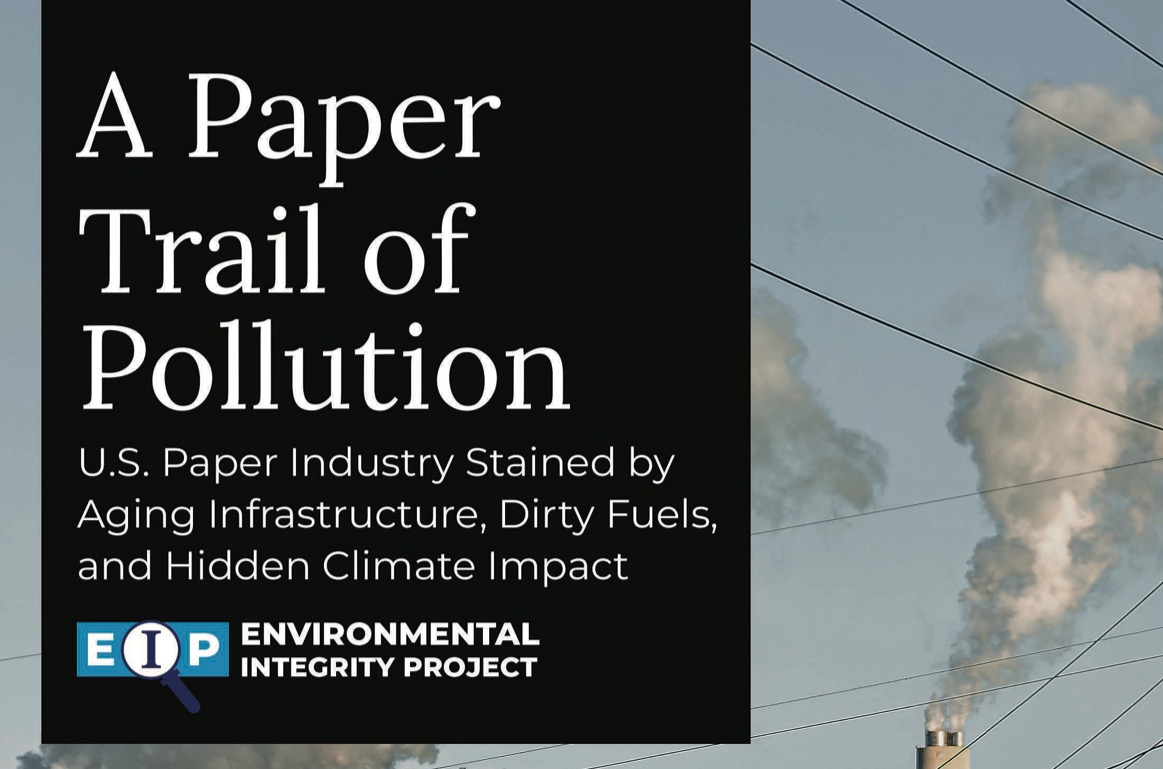
In other news: the top six issues to review in US-Mexico-Canada trade; the Wolastoqey seek the return of New Brunswick land owned by forest companies; a new report on paper mills and greenhouse gases; Louisiana Pacific names Tony Hamill COO; and Roseburg FP promotes Matt Holt and Alexandre Ouellette.
Finally, to squeeze or not-to-squeeze the Charmin – a new documentary premieres July 1.
Kelly McCloskey, Tree Frog News Editor
 With roughly 2,000 wildfires in B.C. each year, forestry workers are often operating in or near fire-affected areas. It’s up to employers to ensure their crews are properly trained and prepared to recognize the risks and respond safely. …Employers are responsible for identifying hazards, assessing risks, and ensuring effective controls are in place — along with providing training, supervision, and fit-for-use equipment.
 A
A 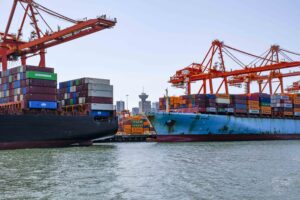 The second Trump administration has come out swinging on trade. New tariffs have reignited uncertainty across global supply chains and forced America’s economic allies to find ways of placating the White House. For Canada and Mexico, Washington’s partners in Trump’s U.S.-Mexico-Canada Agreement, this has been a stark reminder of how easily trust can erode, even in the most integrated trade relationship in the world. …In terms of trade, the stakes could not be higher: Mexico and Canada are the United States’ no.1 and no. 2 trading partners. But the partners don’t just trade enormous amounts with each other; they build things together. Therefore, the review process is also a chance to modernize North America’s trade architecture, reinforce strategic industries, and rebuild the foundations of regional trust and cooperation. America’s competitiveness depends heavily on the integrated North American manufacturing platform, and thus on the success of Mexico and Canada, its partners.


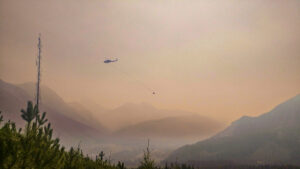 Ash and chemicals from some of BC’s largest wildfires are winding up in the Fraser River, which could eventually lead to low oxygen levels and harm marine life, say UBC researchers. In a peer-reviewed study, published in the journal Science of The Total Environment, scientists linked increases in the concentrations of compounds like arsenic and lead, and nutrients such as nitrogen and phosphorus, to wildfires that had burned near the 1,375 kilometre long river. These are all compounds that are found naturally in the water. However, researchers tracked a significant increase in compounds as wildfires were happening near the river. The researchers studied fires within 500 metres, 1,000 metres and 1,500 metres. Fires burning close to major waterways had immediate influence on water quality, said Emily Brown, a research scientist at UBC’s institute for the oceans and fisheries. The more distant wildfires had delayed influence on water quality.
 An insolvent BC forestry company’s attempt to sell off a forest licence to pay back creditors has triggered a dispute with several First Nations, who allege the company is attempting an “end run” around their rights. This spring, three Indigenous groups challenged the Teal-Jones Group before a BC Supreme Court judge for attempting to complete an interim transfer of forest licence A19201 to Western Canadian Timber Products (WCTP). The move came before the B.C. Minister of Forests could consult with 39 First Nations who have territory in the area. …The legal dispute hinged on whether the proposed interim agreement triggered a duty to consult with First Nations. But Fitzpatrick ruled Teal Jones’ agreement with WCTP remained “the highest and best offer presently available for consideration and approval after all that time.” The judge concluded that the sales process had been conducted in a “fair and reasonable manner”.

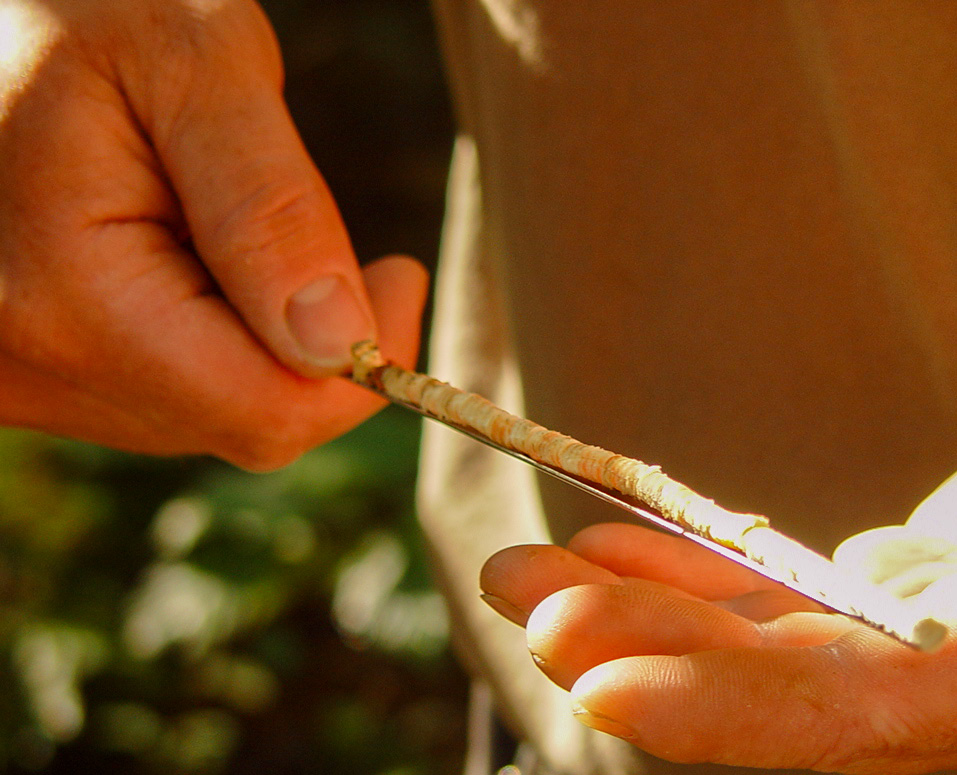 Chris Watson of Lorneville, a rural community in southwest Saint John, recently saw what he believed to be a centuries-old red spruce near Spruce Lake. He drilled a small hole into the trunk by hand and took a pencil-sized sample to have it tested. Ben Phillips, environmental lecturer at Mount Allison University, began a process known as dendochronology on the sample — a study that measures the age of trees by counting small lines otherwise known as tree rings. “This tree, I can confidently say, is over 400 years old,” Phillips, who runs the Acadian Forest Dendochronology Lab on campus, said about the sample he got from Watson. “It is probably in the top 10 oldest trees in the province that I know of.” …Both Phillips and Ilana Urquhart, Nature Trust of New Brunswick conservation co-ordinator, want to see legislation put in place in New Brunswick that would protect areas with old growth, specifically.
 A new study suggests small, consistent amounts of exposure to the herbicide glyphosate can lead to higher incidents of cancer – a finding that has Green party Leader David Coon calling on the province to take the issue seriously. The study, by the Italian-based non-profit Ramazzini Institute, involved exposing rats to small levels of the herbicide and two other products for 2+ years. It found that “statistically significant dose-related (amounts of glyphosate) increased incidences of benign and malignant tumors.”…Bayer, which uses glyphosate in its Roundup herbicide, denounced the study. “It is clear this study has serious methodological flaws, which is consistent with the Ramazzini Institute’s long history of making misleading claims about the safety of various products,” the company said. …A government spokesperson initially told Brunswick News that the study’s findings weren’t applicable in New Brunswick because two products studied aren’t used in Canada.
 As a forester and now in my role at Grown in Britain, I regularly encounter a range of misconceptions about home-grown timber. …First, let’s address the elephant in the room. The UK imports a significant amount of timber, and these figures are often cited to suggest something isn’t working as it should be. However, increasing timber use in construction is a positive development, as it replaces more carbon-intensive materials. One of the key reasons Grown in Britain was set up – is we import substantial amounts of timber whilst neglecting our own forests and woodlands. Over 10 years ago, when GiB started, the government considered over 60% of our woods were not managed. Our initiative, alongside the efforts of many, has reduced this to nearer 40% today. …With global and UK timber demand increasing, it seems inappropriate to import so much when we’re not fully utilising our resources.
 A
A