 Three New Brunswick timber companies are appealing to have their land excluded from Wolastoqey title claim. In other Business news: Weyerhaeuser breaks ground on its Arkansas TimberStrand plant; Sierra Pacific invests to upgrade its Eugene, Washington sawmill; and DS Smith employs biomass waste to power its Normandy, France paper mill.
In Economic & Finance news, perspectives abound courtesy of:
- Business in Vancouver: Manufacturing is crucial to BC but policy is falling short
- PricewaterhouseCoopers: Canadian economic transformation amid uncertainty
- C.D. Howe Institute: Urgency and Caution: Charting a Path to the CUSMA Review
- National Association of Home Builders: The US Fed Rate Pause Continues
In Forestry news: FPAC welcomes G7 wildfire commitment; Oregon researchers monitor forest health; Yellowstone’s wolf reintroduction program is having an impact; what’s at stake for Alaska with Trump’s Big, Beautiful Bill; a new UN report on planting fast-growing trees; and changes to urban tree management comes to Whistler, BC and Portland, Oregon.
Finally, researchers turn forestry-waste into biopharmaceuticals, and agri-waste into cellulose fibres.
Kelly McCloskey, Tree Frog News Editor
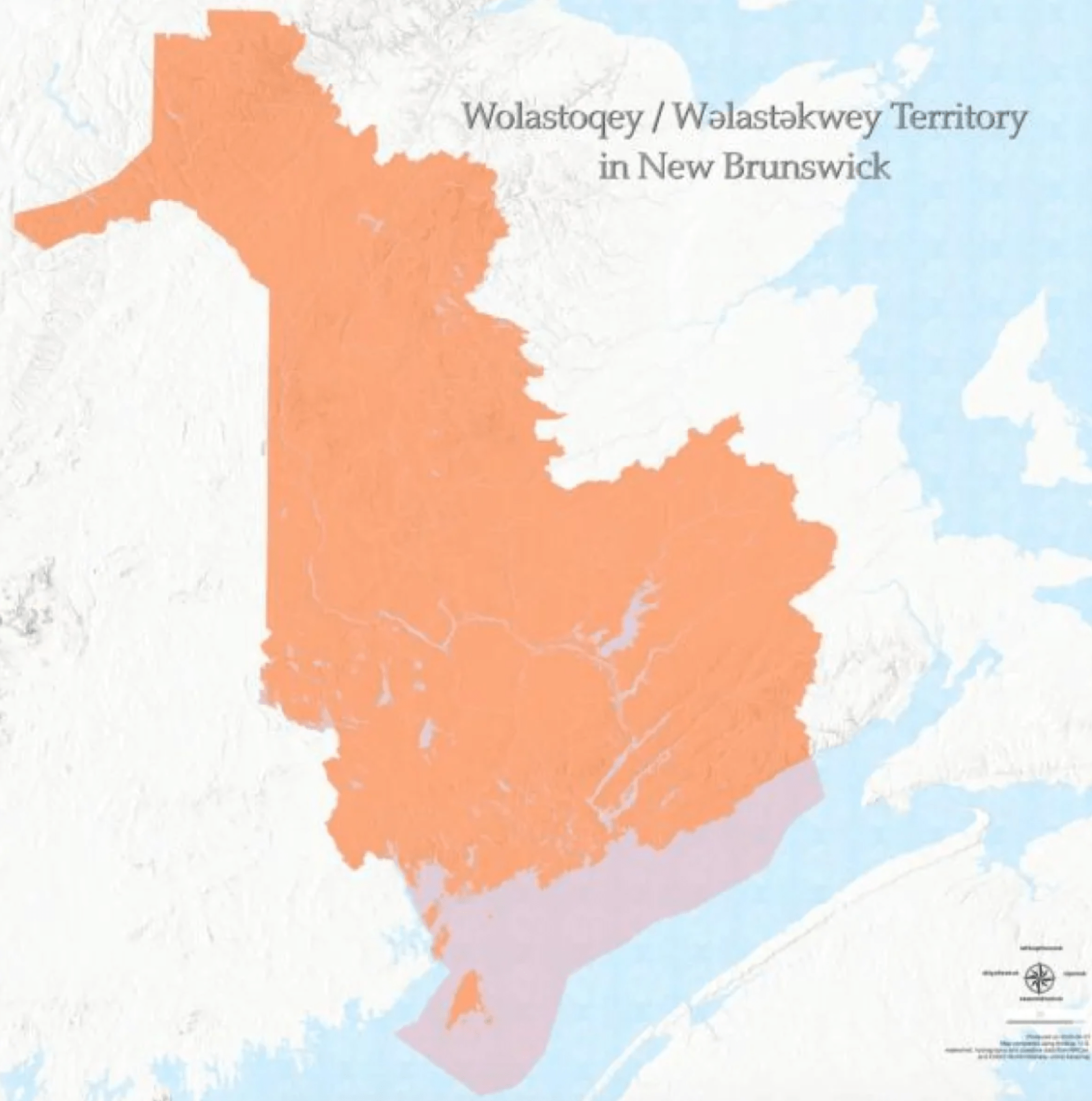
 EUGENE, Oregon — Sierra Pacific Industries plans to spend $253 million on upgrades to its Eugene, Oregon, sawmill site, according to published reports. The
 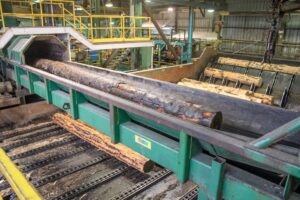 As Ottawa bets big on EVs and batteries, core manufacturers in sectors like lumber, metal and machinery are left fighting uphill battles at home. Among his various and sometimes conflicting economic objectives, Donald Trump has identified revitalizing manufacturing as a priority. He has railed against the decline in factory jobs — a complaint that overlooks the jump in U.S. manufacturing employment since 2015 but does reflect the fact that manufacturing today accounts for a significantly smaller share of U.S. jobs than it did 30 years ago. Canadian policymakers have also been paying more attention to manufacturing, particularly since the 2020-21 COVID shock highlighted the country’s vulnerability to supply chain disruptions. Unfortunately, Ottawa’s preferred game-plan has been to dole out vast taxpayer-funded subsidies to politically favoured segments: Electric vehicles, batteries and clean-tech products.

 As per a study documented in RSC Sustainability (Royal Society Of Chemistry), researchers have explored a new approach to using cellulose fibre manufacturing. The study highlighted the use of waste products from agriculture, which Sweden has in abundance. Taking a leap from commonly researched wood-based cellulose, the researchers instead focussed on products including oat husks, potato pulp, wheat straw, and sugar beet pulp to create dissolving pulp for clothes – a key ingredient in making textiles. In this regard, Diana Bernin, Assistant Professor at the Department of Chemistry and Chemical Engineering at Chalmers University of Technology and senior researcher in the study, mentioned this study, which is centered on generating textile from waste products, as a significant step in creating a circular economy. She also added that these waste products are more beneficial than using cotton.
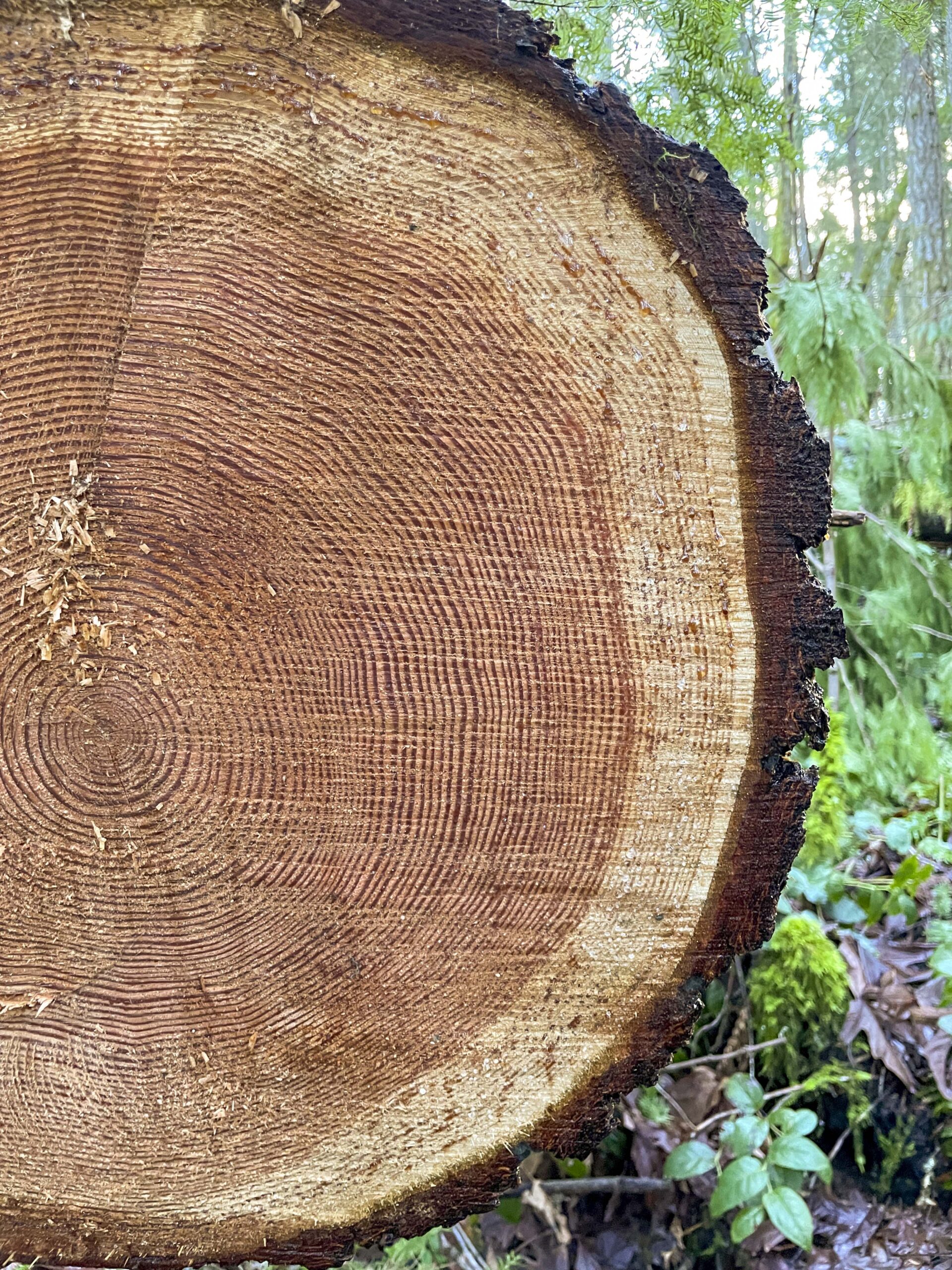 Although a casual observer just sees the bark on a tree, a lumber expert might envision the potential for boards inside, thinking of the bark largely as waste. In many cases, bark does turn into waste in the logging industry. That’s lots of waste, because bark can account for up to 15% of a tree’s weight, and “only a fraction of this is currently being utilized, primarily for landscaping or for energy; the rest is left at the harvest or handling site to naturally decompose,” according to Sumanth Ranganathan, Dr.-Ing, a biochemical engineer at Scion, a research institute in Rotorua, New Zealand, and his colleagues. For some trees, though, that wasted bark is a potential treasure-trove of biopharmaceuticals, from anti-inflammatories to cancer-fighting drugs. …Each year, the country’s logging industry produces about 2.5 million metric tons of bark. Ranganathan’s team envisions feeding that into a bark-based biorefinery.
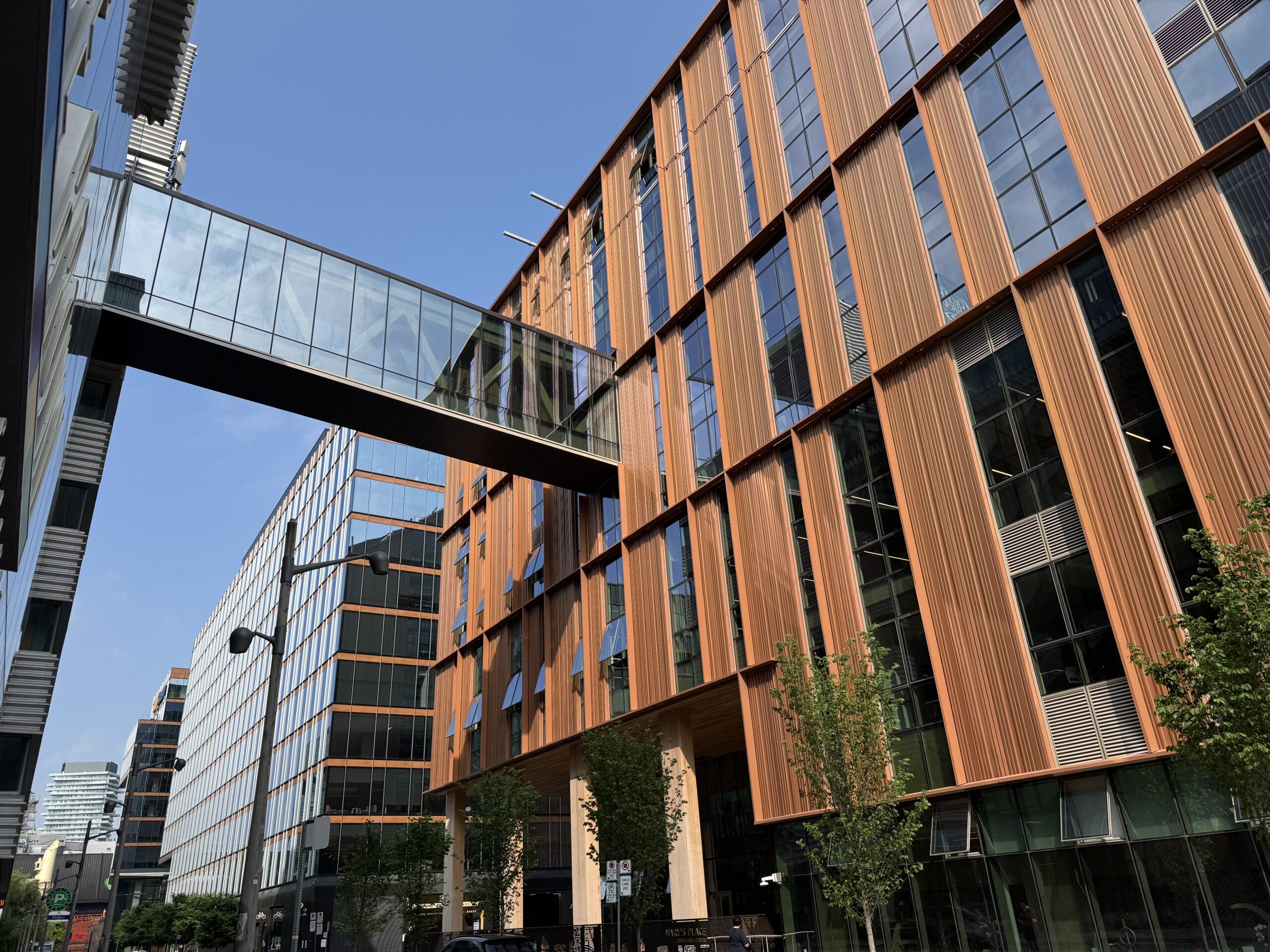 The ultimate problem for architects is that the most sustainable building is always the one that is already there. There is a huge amount written about green buildings, much of it nonsense. There is some confusion about buildings layered in vines and living walls, and buildings that actually are green. Contemporary architecture’s issue is mostly embodied in one material: concrete. …The rate at which we are still using it is astonishing: half of all the stuff manufactured by weight is concrete. From 2011 to 2013, China used more concrete than the US had in the whole of the 20th century. …There are signs, however, that architects are beginning to shake things up. The first credible alternative is, perhaps a little ironically, that oldest of building materials, timber. [A Financial Times subscription may be required to read the full story]
 Forest Products Association of Canada issued this statement to recognize the release of the Kananaskis Wildfire Charter at the G7 meetings: Canada’s forest sector welcomes the G7’s commitment to address the environmental, economic, health, and social challenges that come with the increase in catastrophic wildfires globally. Over 3.7 million hectares have already burned in Canada this year, putting us on pace for our second worst fire season on record. To put that in some context, more than five times the land base that Canada’s foresters would harvest in an entire year has already burned in 2025. And when Canada’s foresters do their work, they ensure the forest is regrown. Fires in some parts of Canada are now burning so hot that regeneration of these forests are challenged due to scorched soils. The time for action is now. Quite simply, fires will get worse if we are not more proactive in managing fuel loads and our aging forests.
 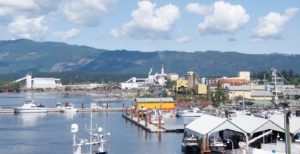 Looking over the 40-acre waterfront Somass property, Port Alberni’s Chief Administrative Officer Mike Fox sees an area that is key to shaping the city’s future. “I believe this project will be one of those defining moments where people will look back years from now and comment on how the community rallied and how we enabled the development of this key waterfront area,” he says. The land that once housed Western Forest Products Somass Division was purchased from the timber giant after the mill was shuttered in 2017 and the land sat vacant for more than a decade… While there was early discussion about trying to incorporate some of the structures used in the operation of the mill, geotechnical and structural analysis work is being done to see if any meet building standards. One of the buildings included in initial discussions burned down last summer.
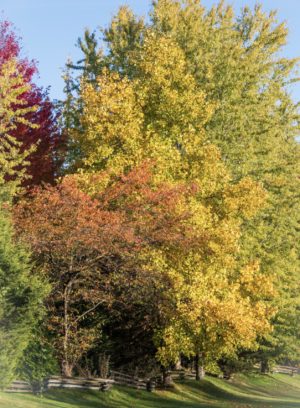 Whistler’s mayor and council advanced a pair of sweeping environmental bylaws that will introduce stricter rules for tree removal and land disturbance across the resort community. At its regular meeting, council gave first three readings to new environmental and tree protection bylaws, with 87 letters submitted in support and a wave of speakers appearing in council chambers to back the regulations. The bylaws were introduced to address long-standing gaps in how Whistler protects its natural areas, following community concern over clear-cut lots, unregulated vegetation removal and heightened wildfire risk. In addition to creating a new permit process for tree removal, the rules prohibit land clearing in sensitive areas and carry steep penalties for infractions—up to $50,000 for unauthorized tree-cutting.
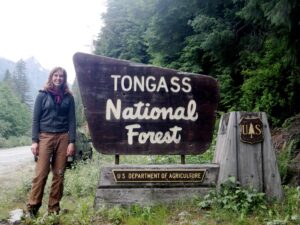 Members of the U.S. Senate last week proposed a major sale of federal land as part of the “Big, Beautiful Bill” proposed by Republicans to fund the U.S. government. If adopted, the proposed sale could be significant for Alaska, where the federal government owns and manages 61% of all land in the state… The concept would significantly increase the amount of logging required on federal land. The U.S. Forest Service would be required to significantly increase the amount of timber sold to loggers, and the Forest Service would be required to sign at least 40 long-term timber sales contracts involving national forests. Those kinds of long-term sales contracts contributed to the establishment of Southeast Alaska’s pulp mills, which relied on harvests from the Tongass National Forest. Most timber harvests from the Tongass currently are exported internationally without processing in the United States.
 The Oregon Department of Forestry and the USDA Forest Service will conduct low-level flights in June to monitor forest health. This survey, which began in the 1940s and paused only during the 2020 pandemic, is the longest continuous annual survey of its kind in the United States. Airborne researchers conduct the survey from fixed-wing aircraft, flying between 1,500 and 2,500 feet above ground level at speeds of 90 to 140 miles per hour. They follow a systematic grid pattern, four miles apart, to identify areas where trees are in distress. “Oregon has about 30 million acres of forest so flying in a grid pattern over it allows us to find problems even in remote areas hard to reach by vehicle or on foot,” said Christine Buhl, an entomologist with the Oregon Department of Forestry.
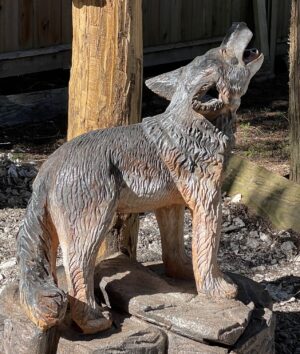 Sitting in an old-growth spruce fir forest, Doug Smith says he can see first-hand the impact of reintroducing wolves on the larger ecosystem of Yellowstone National Park. Long before Yellowstone became the world’s first national park in 1872, wolves thrived in the U.S. Rocky Mountains. But early Yellowstone rangers killed off the last of the park’s wolves by 1926. Then, in 1995, the U.S. government reintroduced wolves to Idaho and Yellowstone using wolves captured in Canada. Smith helped bring them back to the park and was in charge of Yellowstone’s wolf project for nearly 30 years until he retired in 2022. “Yellowstone is a very different place, with and without wolves,” Smith said. “Wolves definitely have changed this landscape with the help of other predators,” he added. “It’s very different.” And one wolf, in particular, fascinated wolf watchers for longer than almost any other.
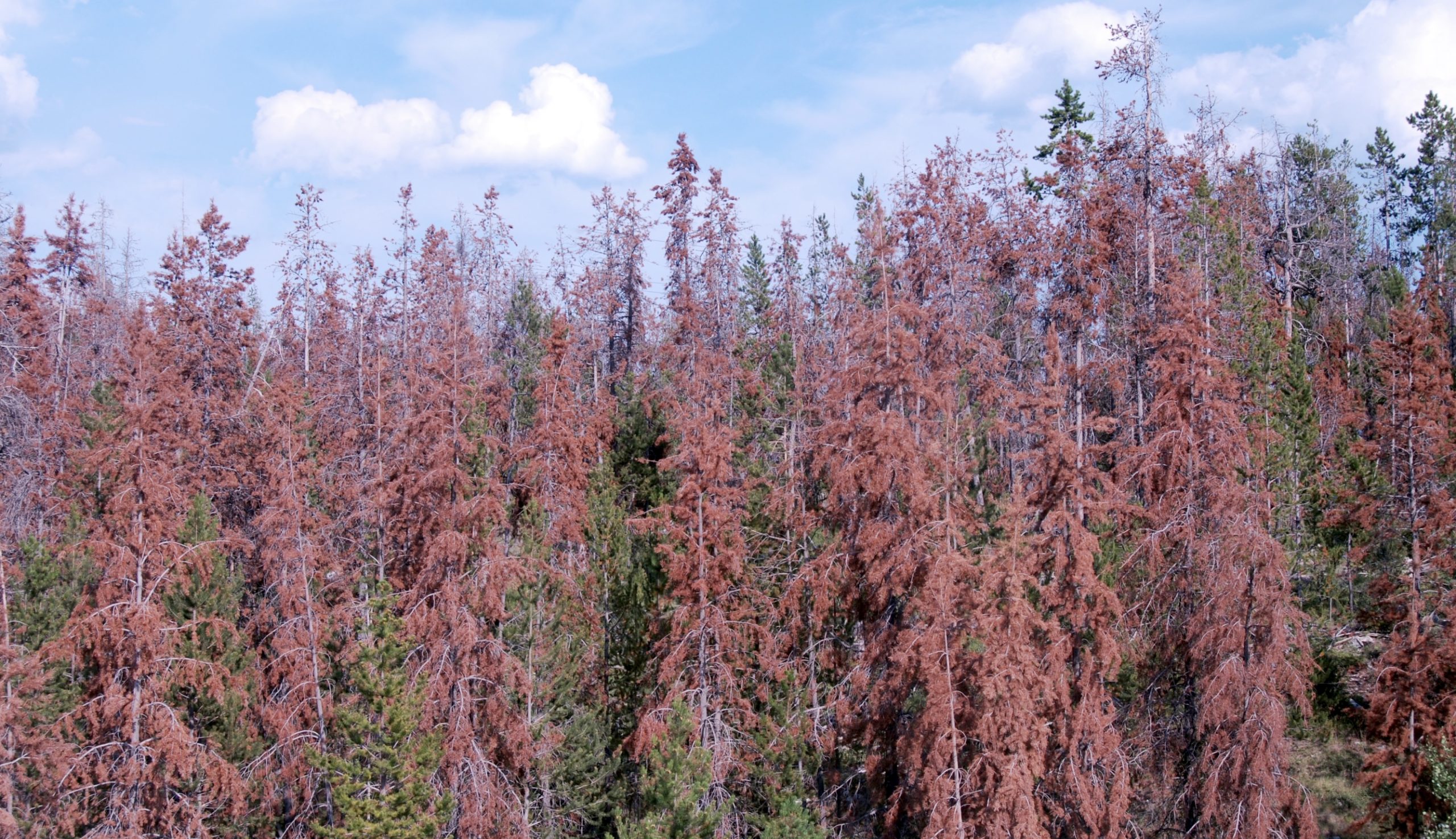 SALEM, Ore. – Researchers are taking to the skies this month to survey Oregon’s forests for damage from pests and other threats, according to the Oregon Department of Forestry and USDA Forest Service. Forest officials said that the Pacific Northwest Aerial Detection Survey is the longest continuous annual survey of its kind in the U.S. Airborne researchers use fixed-wing aircraft to identify trees in distress, flying between 1,500 to 2,500 feet above ground. “Oregon has about 30 million acres of forest so flying in a grid pattern over it allows us to find problems even in remote areas hard to reach by vehicle or on foot,” said Christine Buhl, ODF Forest Entomologist. The survey has highlighted a concerning trend of increasing tree deaths due to drought stress and beetle attacks.
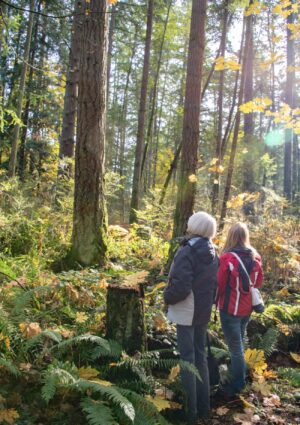 The Portland City Council made a major change last week to the team of inspectors that enforces the city’s Tree Code, which regulates all street trees and some trees on private land across the city. The council voted to move the entire tree regulation team—which currently falls under the Urban Forestry division, a program nested within the parks bureau—to Portland Permitting & Development. …Councilor Eric Zimmerman called into question Urban Forestry and how it polices and fines Portlanders seeking to trim or remove trees on or near their property. …The tree regulators—who also process and vet permits for tree removals, replantings and prunings—will no longer be the under the oversight of city forester Jenn Cairo, whose management has come under scrutiny.The council also voted to transfer $2.1 million of Parks Levy funds from the Tree Code regulation division to backfill maintenance cuts to outdoor parks.
 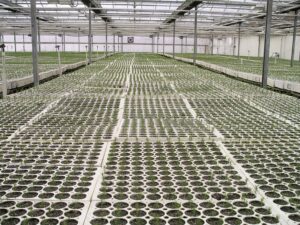 Seeds from two trees that survived the atomic bomb attack on Hiroshima at the end of World War Two are being grown at a Staffordshire university. The seeds were collected from an oriental plane tree in the grounds of the Tenma Elementary School, which was destroyed by the bombing, and a 200-year-old ginkgo tree growing in Shukkeien Garden. Both trees were situated less than a mile from the bomb site on 6 August 1945 and miraculously survived the bombing. They will now be cared for by experts at Keele University until they become tall and sturdy enough to be planted in the ground. The university says it is part of an international project to promote peace and hope. The seeds were sent to Keele through the Green Legacy Hiroshima initiative, which aims to distribute seeds and saplings from ‘survivor trees’ worldwide.
 DS Smith has brought online a €90 million biomass boiler at its Rouen paper mill in Normandy, France – one of Europe’s largest mill energy transitions to date. The new system replaces the site’s coal-fired boiler with a low-carbon, circular solution powered by locally sourced biomass waste. The project is expected to cut CO₂ emissions by 99,000 tonnes annually – equivalent to removing 40,000 cars from the road or powering 13,000 French homes each year. The boiler will process around 94,000 tonnes of biomass fuel each year, including industrial and municipal waste wood – mainly from the Paris and Normandy regions – as well as paper production by-products. Up to 70,000 tonnes of wood waste will be diverted from landfill annually, supporting DS Smith’s 2030 zero-landfill target.
