
David Elstone
Forestry in BC is more than harvesting trees, it is also becoming about wildfire resiliency. …As a broad generalization, the future of wildfire management is more than putting fires out but increasingly it is learning how to live with fire. …That happens with active forest management work such as stand thinning and fuel reduction treatments. Specifics of such depend on the ecological characteristics of the areas to receive treatments. Another reality is that forestry is no longer practiced without First Nations consultation and input. In fact, due to growing forest tenure ownership and now with leadership in forest landscape planning, forestry in BC forestry… is clearly evolving from an industry centric sector to one that looks like a triangulation of Wildfire Resiliency: Indigenous Forestry: Forest Industry….To effectively and urgently treat millions of hectares of forests for resiliency to wildfire, the amount of required funding is magnitudes greater than what is being applied today.
…So here is an idea that does not need government funds, just motivation that brings together the three sides of the triangle as described above: Create large scale temporary stewardship areas, in the thousands of hectares where there are homogenous forests of an age range – say between 20 years to 40 years old – where qualified operators could thin stands from below, following a broad stand management prescription for the area. Planning work with First Nations should be done in advance for the entire area. …No tenure, no conventional cutting permit, just an application/timber mark. No appraisal – just say $1/m3 stumpage. Make it so there are no negative repercussions to AAC cut control so existing forest tenure licensees should have no concern. …Doing this work at scale will drive investment in more efficient equipment. Mills receive steady and reliable fibre to keep operating and maintain jobs. Government and First Nations get more wildfire resilient forested landscapes, raising the quality of forests increases other values like moose, and carbon management etc.
 US housings starts fell 10% in May as US home builder sentiment sunk to its lowest level since 2022. In Business news: Mercer’s Peace River pulp mill is targeted for carbon sequestration; the defunct Ponderay Newsprint Mill assets are for sale; and International Timber & Veneer is closing its Pennsylvania facility. Meanwhile: Kelowna’s mass timber airport roof is complete; and Ireland considers Wood First Plan to solve its housing crisis.
 A contractor hired to oversee logging on a Sechelt property and that site’s numbered company owner were sentenced for violations of the Heritage Conservation Act June 16, in the first ever B.C. Provincial Court sitting held at the shíshálh Nation longhouse. Grant Starrs, 55, of Sechelt and 0990199 B.C. Ltd. both pleaded guilty to the 2020 disruption of an identified heritage site. That area was occupied by the graves of 49 shíshálh people, according to federal Crown counsel Molly Greene. Provincial Court Judge Robert Hamilton accepted the joint submission of the Crown and defence attorneys, and fined the company $200,000, payable within five business days. Starrs was fined $30,000 and given 90 days to pay. Each is also to pay a victim surcharge of 15 per cent of their fine amounts. …In issuing his decision, Hamilton stated the fine to the company was four times higher than previous ones issued for such violations of the Heritage Conservation Act.
 USK, Washington — The owners of the defunct Ponderay Newsprint Mill plan to sell its equipment at auction next month after years of empty promises to reopen what had been one of the largest employers in northeast Washington. The sprawling 927-acre property in Usk has 29 buildings and storage facilities. It is situated adjacent to the Pend Oreille River and the Pend Oreille Valley Railroad. Instead of making paper or reconfiguring the mill to make cardboard, as the new owners promised multiple times in public hearings, the site has produced nothing for the past several years. Instead the owners used vast amounts of electricity to run computers mining for cryptocurrency. The paper mill previously was owned by Lake Superior Forest Products, a subsidiary of Quebec-based Resolute Forest Products, and five major U.S. publishers. They declared bankruptcy in 2020, ending the jobs of about 140 workers. Now that equipment is being listed by Capital Recovery Group to be viewed on July 21 with online auctions to commence on July 22 and July 23.

 Construction of new homes fell 9.8% in May, as builders pulled back amid waning demand from home buyers. Housing starts fell to a 1.26 million annual pace from 1.39 million the previous month, the government said. The annual pace refers to how many houses would be built over an entire year if May’s rate of construction were to continue. The pace of home building is down to the lowest level since May 2020 — during the peak of the COVID-19 pandemic. New-home construction is down 4.6% from the same period a year ago. Building permits, a sign of future construction, also fell 2% from the previous month to a 1.39 million rate. Builders have slowed down the construction of new homes primarily due to a pullback in buyer demand. Rising inventory levels and weak buyer demand have resulted in homes sitting longer on the market. More builders are also resorting to home prices to encourage buyers.

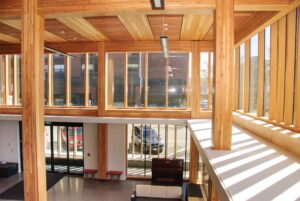 IRELAND — The Government is branching out in its bid to solve the housing crisis with a new “Wood First” plan that will see timber become the main building material used to build our homes, schools and libraries. It comes as the Cabinet will today give the green light to emergency legislation to extend rent pressure zones across the country in a scramble to stop greedy landlords cashing in on the Coalition’s rental policy changes. Forestry Minister Micheal Healy-Rae said Ireland has excellent forest resources that are being underused in our construction sector
 Since mid-May, wildfires across Canada have burned 9.6 million acres, prompting the evacuation of approximately 40,000 people. According to Indigenous Services Canada, a government ministry, more than half of those evacuees are from First Nations communities, and nearly 34 tribes in almost every province are affected. The sudden rush of refugees has challenged the country’s crisis response infrastructure as people seek shelter and services in cities far from their homes, with little information of when they may return to their communities. …Indigenous Services Canada has been authorized to release $20.9 million to disburse to First Nations. …According to an Intact Centre report in 2023, 60 percent of Canadian communities are now vulnerable to wildfires, a third of which are Indigenous living on reserves.
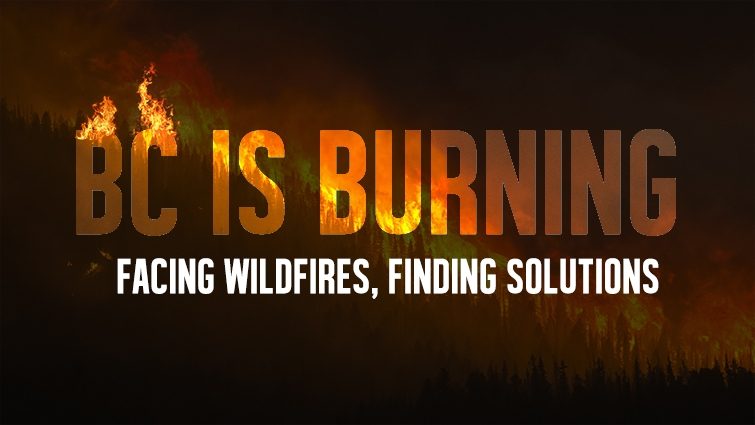

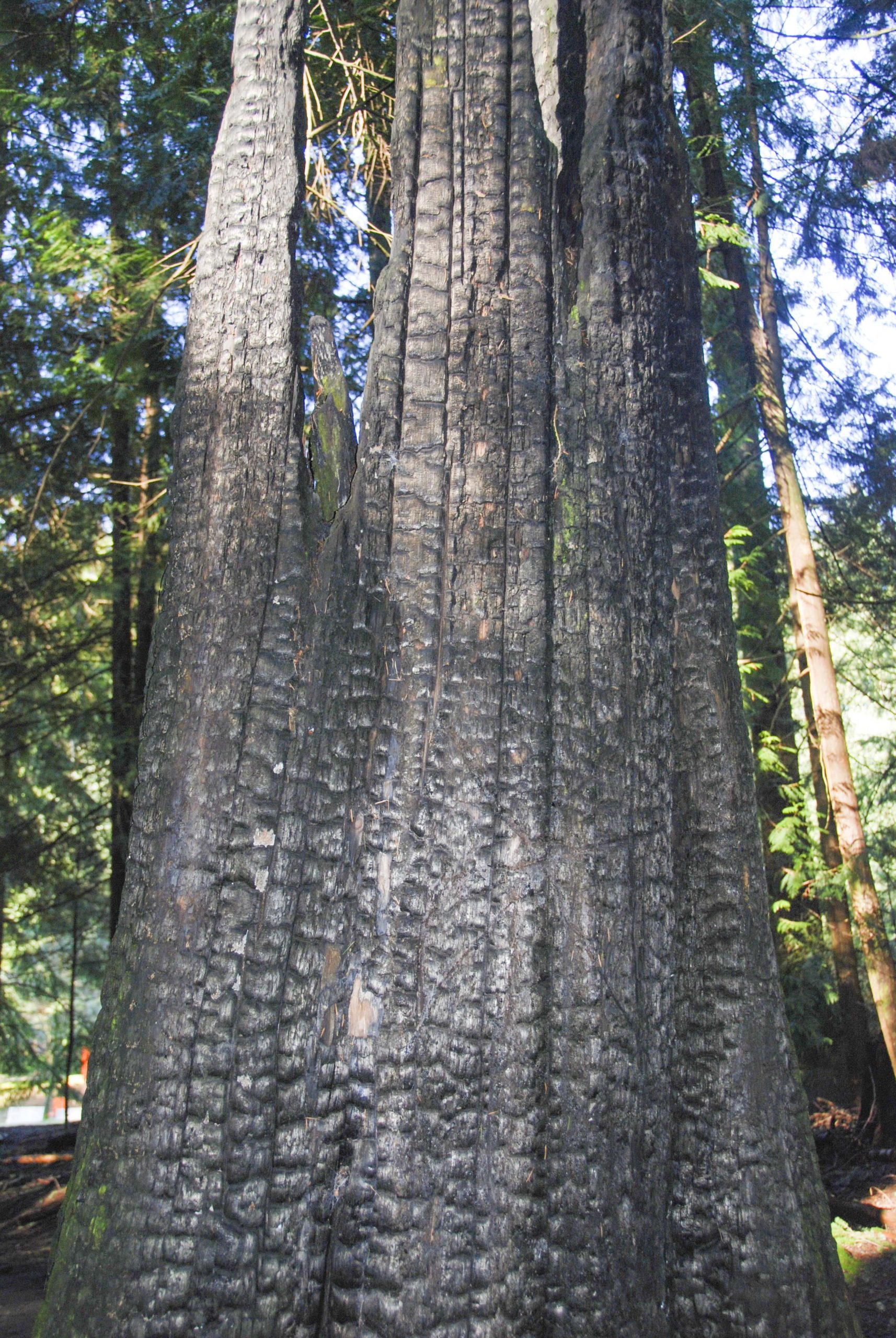 Each year, Oregon braces for wildfire season. And each year, we spend tens of millions (sometimes hundreds of millions) trying to put those fires out. But despite our best efforts, the fires keep getting worse — more dangerous and more destructive. Science tells us that suppression alone isn’t enough. To meaningfully reduce risk, we must invest in proactive mitigation, restoring the health and resilience of fire-prone landscapes, and helping communities prepare for wildfire and smoke. This legislative session, Oregon lawmakers have a chance to make an important initial investment to protect our forests, our homes, and our public health in the long run. A package of bills now under consideration would provide $280 million per biennium for a comprehensive wildfire response. These bills reflect recommendations from the Wildfire Funding Work Group, convened by the State Fire Marshal, Oregon Department of Forestry, Governor Tina Kotek, Tribal Nations, and shaped by a wide array of stakeholders.
 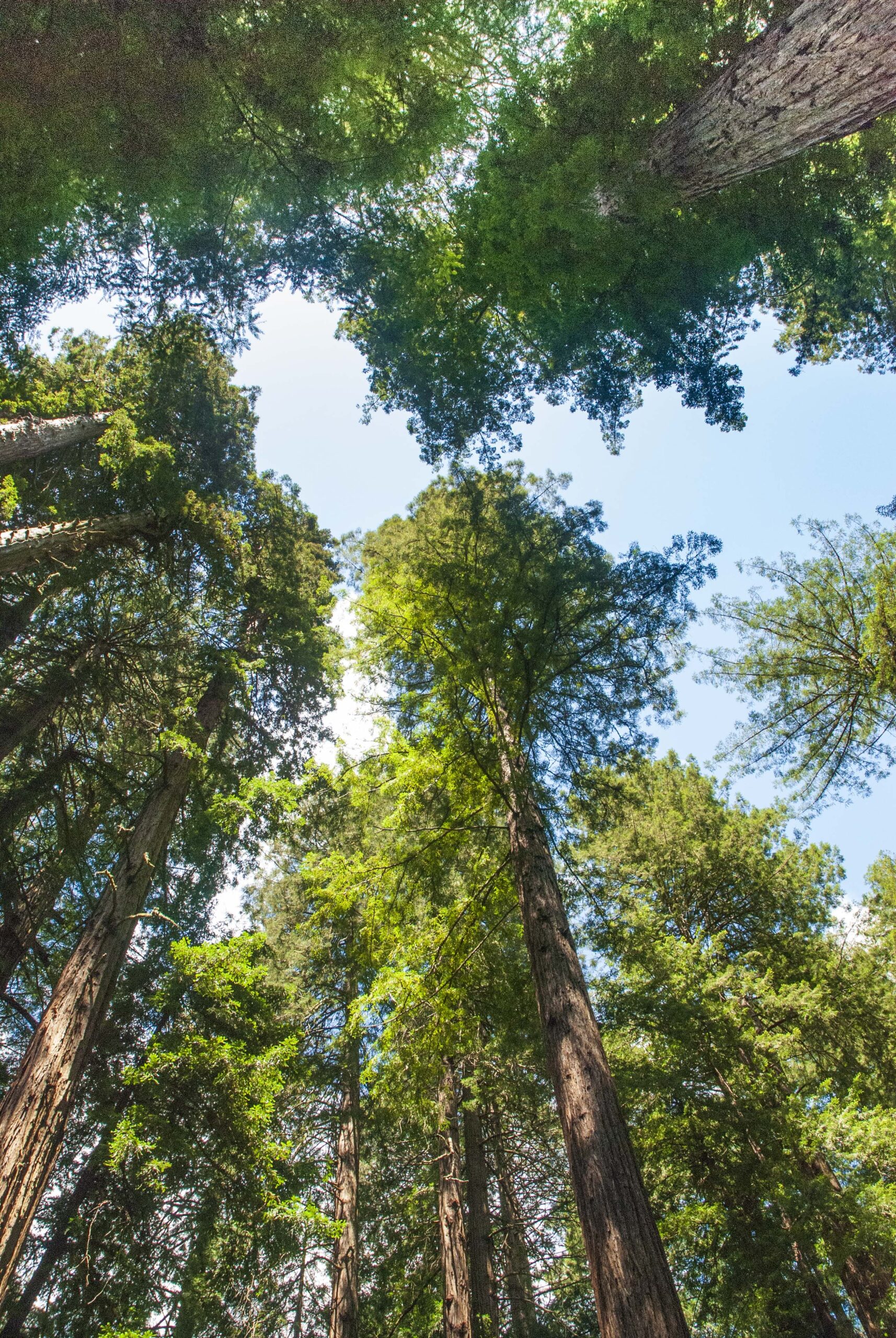 As California continues to reel from the historic firestorm that decimated portions of Los Angeles, the state is now facing the prospect of an exceptionally active wildfire season fueled by hot, dry conditions. It may not be ready: Experts say sweeping changes at federal agencies that play key roles in California’s wildfire preparation and response could make a challenging season even worse. …The forecast arrives as the Trump administration is enacting budget cuts, layoffs, office closures and restructuring at the U.S. Forest Service, the National Oceanic and Atmospheric Administration and the Federal Emergency Management Agency. Trump says changes will help eliminate federal waste and save tax dollars. However, these three agencies are critical components of California’s wildfire response capabilities… Weakening them at the start of fire season — and at a moment when human-caused climate change is driving larger and more destructive blazes — puts California at a dangerous disadvantage, multiple experts said.
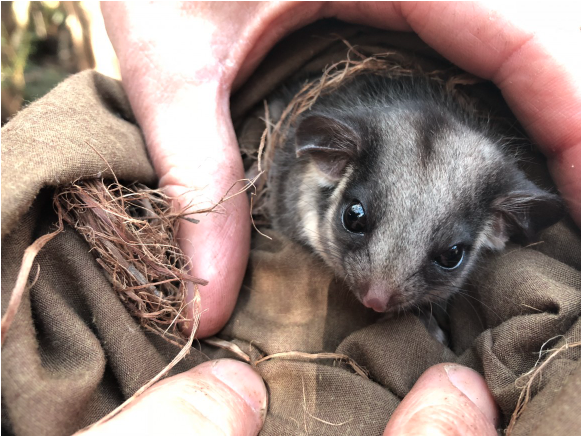

 Earlier this year, Burnaby’s Svante Technologies made inroads in Alberta. The move eastward is partially powered by a newly formed partnership with Mercer International. The Canadian cleantech’s carbon capture project is targeting biogenic CO2 emissions from Mercer’s Peace River pulp mill. …One of the strategies the firm intends to adopt in Canada is carbon sequestration. Within Alberta, carbon sequestration is a sensible tactic to apply, according to Mercer International’s chief executive officer, Juan Carlos Bueno. “The reason why we’re doing it there is because the mill is located in Alberta, where you have geological formations that are suitable for sequestering CO2,” Bueno informed Andrew Snook of Pulp & Paper Canada. …Finalizing investment in the project, however, is no small consideration. There is a price tag north of $500 million and moving forward would require extensive support from both the Province of Alberta and Government of Canada.
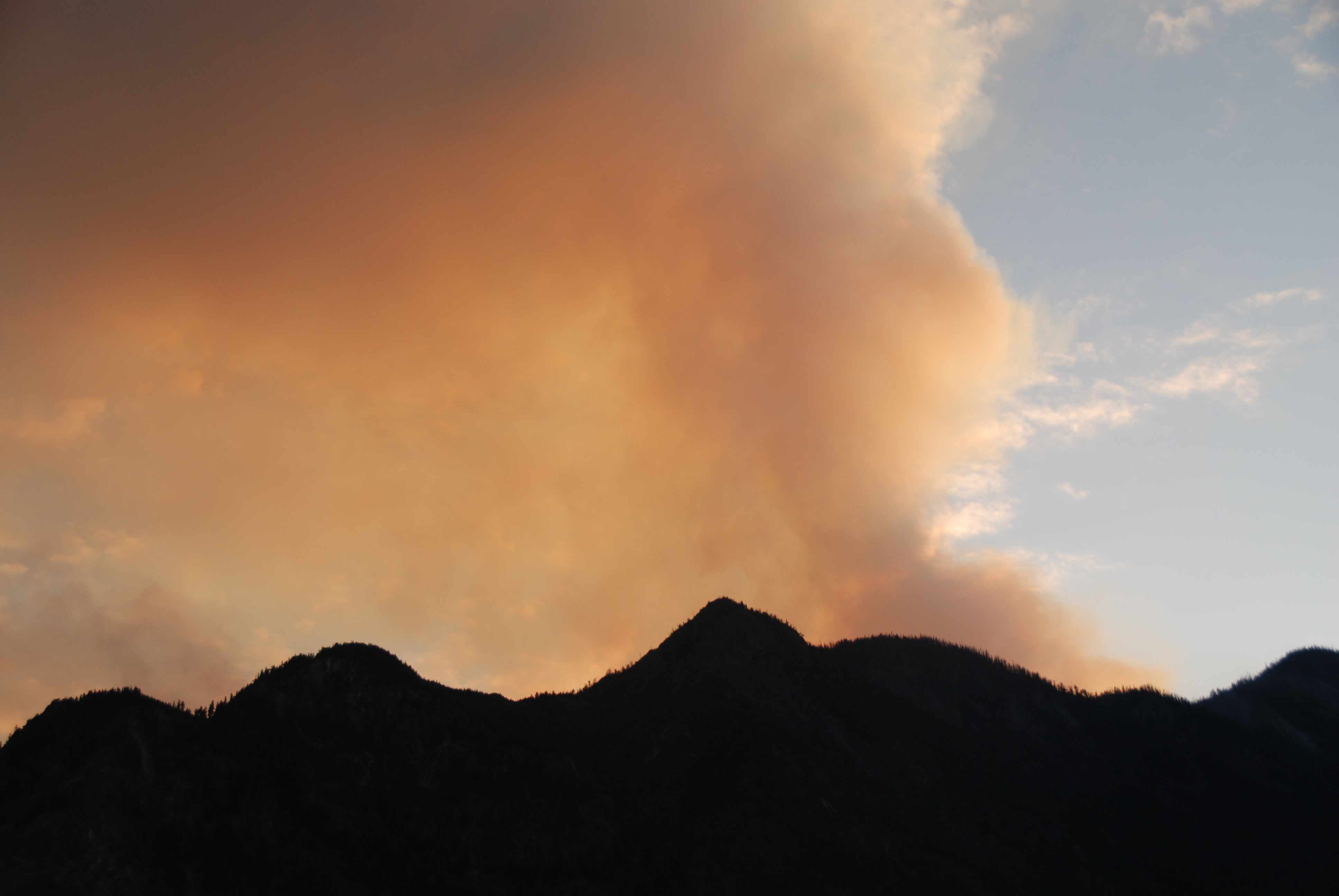 Wildfires are already burning in parts of Canada, and as they do, many communities are already facing the familiar thick haze as smoke drifts in. Smoke from wildfires has already led Environment Canada to issue air quality warnings for much of Ontario. In Toronto, smoke led to the city briefly having the worst air quality in the world. Anyone who has experienced wildfire smoke knows how it can leave you with a scratchy throat, stinging eyes and impact your lungs. However, smoke can also affect your brain. Tiny airborne pollutants found in smoke have been linked to increased risk of stroke, dementia and flare-ups in neurological diseases like multiple sclerosis, or MS. These effects can disproportionately impact older adults, people with disabilities, Indigenous Peoples and those living in low-income communities. This isn’t just about climate. It’s about equity, and health systems need to catch up.
 NAHB is joining with official safety sponsor Builders Mutual to highlight jobsite safety resources during