 A federal appeals court says Trump’s tariffs can remain in place for now—but fast tracks a summer resolution. In related news: US and China reach a deal to keep their trade-truce alive (or do they?); Canadian ownership of US lumber mills raises economic and policy questions; and the US Dept. of Justice says Trump can abolish national monuments. Meanwhile: Steelworkers strike at LKSM Forestry LP on Vancouver Island; Legacy Paper restarts its Port Huron, Michigan paper machine; and US wood importers talk trade with Vietnam.
In Forestry/Wildfire news: the Cree Nation says its forestry agreement takes precedent over Quebec’s bill; US officials warn of an ominous fire season—want employees who voluntarily resigned to come back; and a Texas bioenergy plant secures a wood deal with Louisiana Pacific. Meanwhile: HUB International launches exclusive Forestry Select Insurance; Ottawa’s climate plan is said to be falling short; and the USDA sets a date for vote on paper promotion program.
Finally, University of BC innovators unveil novel wood leather soccer ball at Expo 2025.
Kelly McCloskey, Tree Frog News Editor


 Over the past decade, Canadian forestry companies have significantly expanded their footprint in the American lumber industry. While foreign investment remains a key component of a dynamic US economy, industry analysts and policymakers are increasingly scrutinizing the long-term implications of international control over critical domestic manufacturing infrastructure. Canadian-owned firms—including West Fraser, Canfor and Interfor—now operate dozens of sawmills in the US, with many holding more assets south of the border than in their home country. Additional Canadian firms—such as Tolko, Maibec, J.D. Irving, and Kruger—also maintain active operations and land holdings throughout the country. As foreign ownership of US lumber mills grows, several key concerns are emerging: Supply Chain Autonomy… Economic Retention… Market Influence. …Industry stakeholders are urging a closer examination of the issue. Policy suggestions include incentivizing domestic ownership, increasing sourcing transparency, and evaluating regulatory frameworks around foreign investment in strategic industries.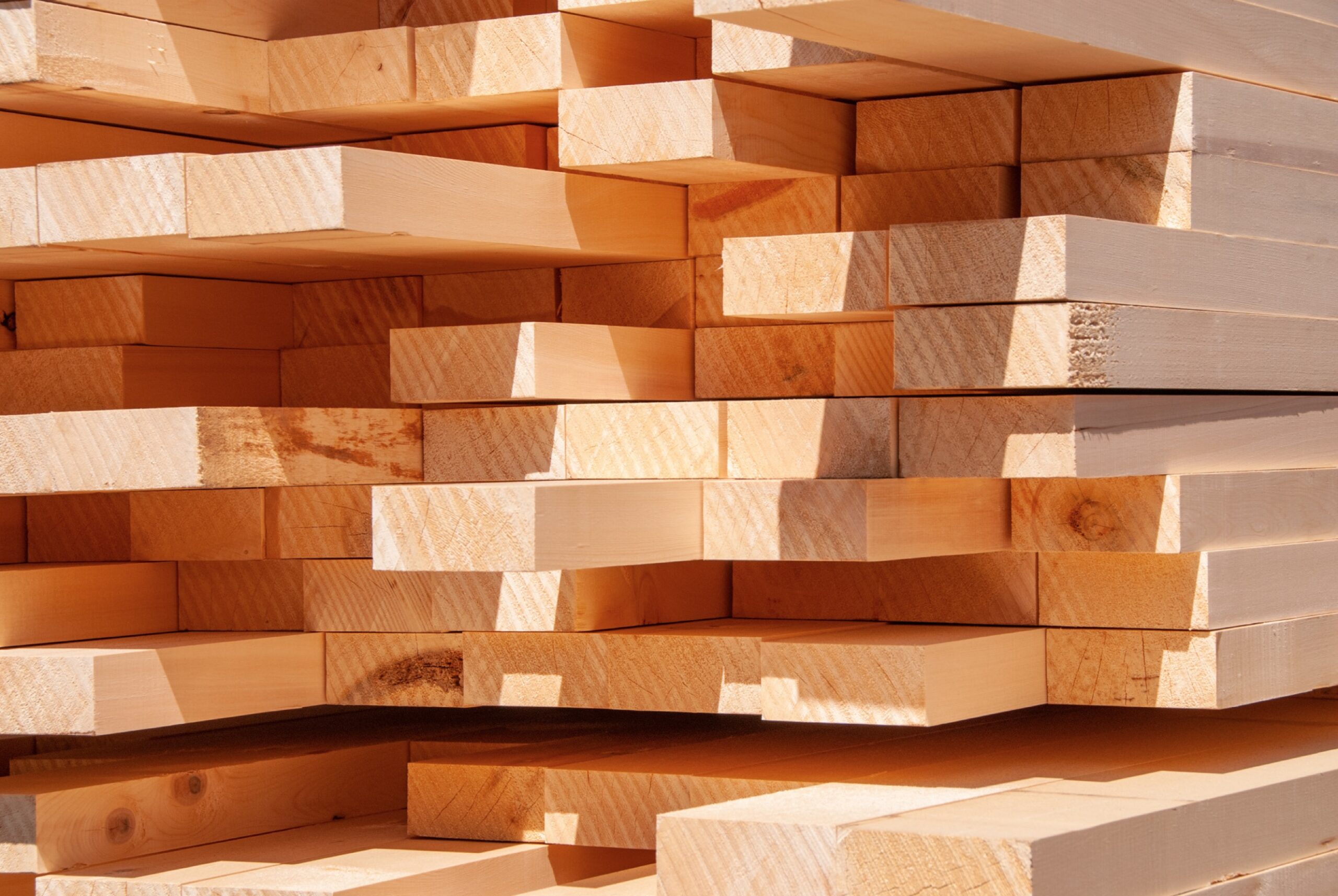

 LONDON — US and Chinese officials said on Tuesday they had agreed on a framework to get their trade truce back on track and remove China’s export restrictions on rare earths while offering little sign of a durable resolution to longstanding trade tensions. …Lutnick said the agreement would remove restrictions on Chinese exports of rare earth minerals and magnets and some of the recent US export restrictions “in a balanced way”, but did not provide details…. adding that both sides will now return to present the framework to their respective presidents for approvals. …The two sides left Geneva with fundamentally different views of the terms of that agreement and needed to be more specific on required actions, said Josh Lipsky. …They have until August 10 to negotiate a more comprehensive agreement, or tariff rates will snap back from about 30% to 145% on the U.S. side and from 10% to 125% on the Chinese side.
 A federal appeals court on Tuesday agreed to let many of President Trump’s sweeping tariffs on US trade partners remain in effect for now, extending a pause issued late last month after a separate court ruled the tariffs were illegal. The Federal Circuit Court of Appeals granted the Trump administration’s request for a longer pause after issuing a temporary stay of the lower court ruling last month. The court put the case on a fast track to be resolved by the end of this summer, noting that “these cases present issues of exceptional importance warranting expedited en banc consideration of the merits in the first instance.” The decision comes after the US Court of International Trade ruled on May 28 that Congress did not delegate “unbounded” tariff authority to the president in the International Emergency Economic Powers Act of 1977. Trump appealed the ruling and, hours later, the appeals court granted the temporary stay.
 The CME’s physical lumber futures have been in a bullish trend since the July 2024 low of $455.50 per 1,000 board feet. The weekly chart indicates that lumber futures have formed higher lows and higher highs, reaching a peak of $699 per 1,000 board feet in March 2025. While the price has dropped below the $600 level, the pattern of higher lows remains intact in June 2025. …Seasonality suggests that a lumber rally may need to wait until 2026… Lumber tends to be a seasonal commodity, with prices peaking during late winter and early spring as the weather improves and construction activity increases. In 2021, the old random-length lumber futures rose to a record high of $1,711.20 per 1,000 board feet in May, and in 2022, reached a lower high of $1,477.40 in March. …Keep an eye on interest rates as declines could ignite pent-up demand for new homes, which could light a bullish fuse under the lumber futures arena.




 The Town of Gibsons has endorsed an ambitious urban forest plan to protect and expand tree canopy coverage across the municipality by 2045. The plan, developed by Diamond Head Consulting, was presented to council during the June 3 regular meeting, following community engagement and technical analysis. The urban forest plan establishes canopy cover targets of 31 per cent for urban areas and 39 per cent for greenfield development sites by 2045. Currently, Gibsons maintains 38 per cent overall canopy coverage, representing 160 hectares of tree canopy within the town’s 430-hectare(4.3km²) boundary. The plan notes that while greenfield areas will see reduced canopy due to expected development, strategic planting and protection measures can still achieve meaningful coverage.
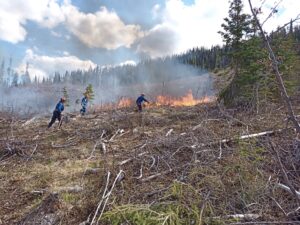 Trump administration officials on Tuesday warned of an ominous-looking fire season ahead as they repeated the case for unifying federal wildland firefighting agencies and thinning overgrown forests. Convening with the president in the White House Oval Office, Interior Secretary Doug Burgum and Agriculture Secretary Brook Rollins alternated lavishing praise on President Donald Trump with a fire-fighting call to arms and an insistence that their respective departments will be ready. “This is going to be an above-normal fire season,” Rollins said, standing near Trump, who was sitting behind the oak Resolute Desk. “This means that there is a higher likelihood of large and intense wildfires than is typically expected for this time of year for the next few months.” There were 64,897 wildfires reported in 2024, compared to 56,580 reported in 2023, according to the Boise, Idaho-based National Interagency Fire Center. The wildfires consumed 8.9 million acres in 2024 compared to 2.6 million acres in 2023. [to access the full story an E&E News subscription is required]

 Urgent action must be taken to avoid a loss of wildlife due to the “plummeting” condition of the UK’s woodlands, according to a new report. The report, published by the Woodland Trust on Tuesday, found that the quality of woodland is on the decline, despite a slight increase in tree cover. Woodland covers 24% of Surrey, making it the most wooded county in England. Abigail Bunker, director of conservation and external affairs at the trust, said: “We are calling on the government and others to invest in the management of our woodlands.” She said investing in woodland management would mean wildlife could experience the benefits “of these precious ecosystems”. Woodlands are becoming less effective as habitats for wildlife because they lack complexity, such as having enough trees of differing ages, states and sizes.
 TEXAS — A plan to open a bioenergy plant in Newton County has reached a new milestone with a landmark deal to supply wood for the site in Bon Wier. Mike Lout with KJAS, reports Nick Andrews, President and CEO of the Scottsdale, Arizona-based USA Bioenergy, announced on Tuesday that his company has
 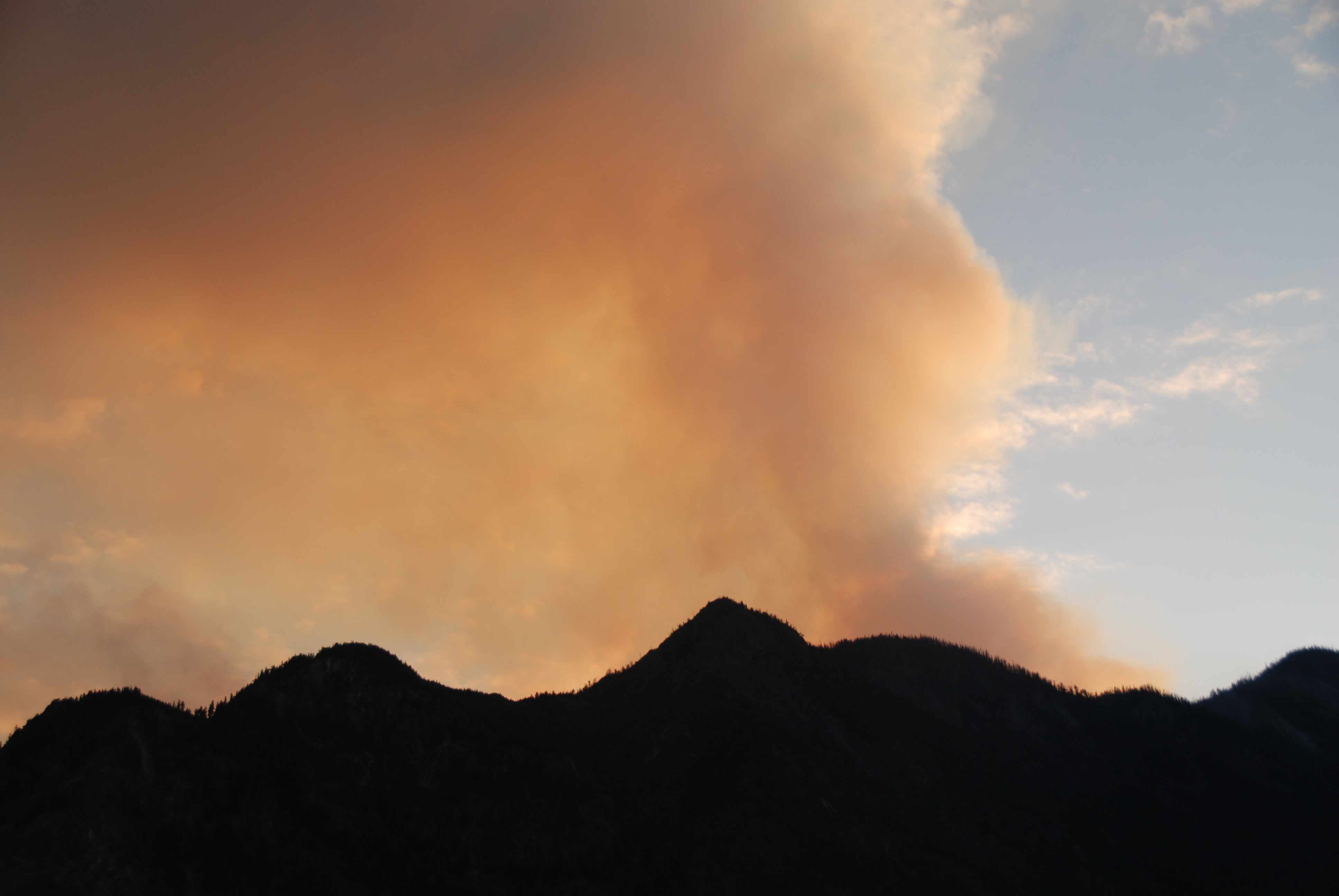 More than 200 wildfires are blazing across central and western Canada, half of which are out of control… “But increasingly we’re also concerned about the smoke,” said Mike Waddington, an environmental scientist at McMaster University in Ontario. That’s because [of] where these blazes are burning in Canada. The country’s forests have long been mined, operations that loaded soils and waterways with toxic metals like lead and mercury, especially before clean-air standards kicked in 50 years ago. Now everyone downwind of these wildfires may have to contend with that legacy and those pollutants, in addition to all the other nasties inherent in wildfire smoke, which are known to exacerbate respiratory and cardiac problems. …But an area of particular concern is around the mining city of Flin Flon, in Manitoba, which is known to have elevated levels of toxic metals in the landscape, said Colin McCarter, an environmental scientist who studies pollutants at Ontario’s Nipissing University.