
Suzano and Kimberly-Clark announced the creation of a global tissue company operating in 70 countries. In other Business news: ERA’s Kevin Mason opines on forest commodity prices and related US tariff exposure; Quebec’s Arbec Forest Products is shutting down indefinitely; and Domtar’s Kingsport mill awaits anaerobic digester permit. Meanwhile, Prince George Mayor Yu comments on Eby’s trade mission; and how wood pellets fare as a heat generator in Canada and the US.
In Forestry/Wildfire news: what Canadian fires mean for air quality in the United States and Europe; the demand for Canadian water bombers skyrockets; Quebec’s forestry reform faces a backlash; BC focuses on firefighter mental health; and wildfire updates from Saskatchewan and Alberta. Meanwhile, New Zealand gears up for the EU Deforestation Regulation.
Finally, US WoodWorks announced its 2025 Wood in Architecture award winners.
Kelly McCloskey, Tree Frog News Editor




 One of Canada’s lumber producers, Groupe Rémabec, will temporarily lay off most of its workers as the industry faces rising US duties and weakening demand. The manufacturing division, Arbec Forest Products, is shutting down indefinitely, leading to more than 1,000 immediate job cuts. The number may reach 1,400 in the coming weeks, according to a company statement that blamed “persistent imbalances in both access to the resource and international markets.” Groupe Rémabec employs about 2,000 people and is headquartered in La Tuque, Quebec, about 300 kilometers north of Montreal. President Trump’s administration is poised to more than double the duties on Canadian softwood lumber. …Rémabec said, with Arbec’s deposits representing an “astronomical amount.” …Rémabec also said a “feeling of exasperation is widespread” in the Quebec forestry industry over regulations that have created “an increasingly unstable ecosystem, without predictability or coherence.” The Quebec government has been trying to modernize its forestry legislation.
 KINGSPORT, Tennessee — It could be the third or fourth quarter of 2026 before an anaerobic digester is completed to help with odor mitigation at the Kingsport mill, Domtar officials shared Tuesday. Charlie Floyd, VP of strategic capital projects for Domtar, and Bonnie Depew, environmental manager at Domtar’s Kingsport mill, presented updates about Project Bandit to the Kingsport Economic Development Board. Floyd said the biggest holdup is waiting on permits from the Tennessee Department of Environment and Conservation. TDEC has already asked for two extensions to review the permit application, state records show. …His hope is for the permit to be in the hands of Domtar by the end of the month. Over 80% of the equipment for the anaerobic digester has been purchased, according to Floyd. …At the height of construction, Floyd said there will be around 150 contractors on site to help build the digester and associated equipment.
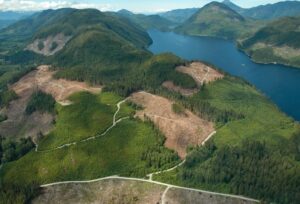 New Zealand exporters sending wood, beef and leather products to the European Union will soon have to comply with new rules that aim to reduce deforestation in the supply chain. New Zealand government officials and industry opposed the approach to anti-deforestation taken by the incoming European Union Deforestation Regulation (EUDR). This was due to increased compliance costs exporters would face in proving their products had not contributed to the loss of trees. …For New Zealand, this will affect the $213 million export trade. Exporters of wood products – a trade to Europe valued at around $100 million – would be required to provide traceability processes to show that their products did not contribute to deforestation, too. …The Wood Processors and Manufacturers’ Association’s Mark Ross, said a working group with forest growers, wood processors, and the Government had been set up to work through some issues, such as geolocation requirements.

 The legacy sewing pattern brands Simplicity, Butterick, McCalls, and Vogue, commonly referred to as the Big 4, have been sold to a liquidator.
  As Canada is again dealing with massive wildfires, the increasing severity of the natural disasters is having the knock-on effect of spiking the demand for water bomber planes — and it will be years before Canada gets its hands on a new one. Premiers gathered in Saskatchewan this week, one of the provinces currently gripped by wildfires. They were primarily meeting to discuss major infrastructure projects, but a number of premiers talked to reporters about dealing with the wildfire situation. Manitoba Premier Wab Kinew, whose province has also seen thousands flee wildfires in recent weeks, mentioned that his government is waiting for an order of water bombers — but he doesn’t expect them to be delivered any time soon. …John Gradek, an aviation management lecturer at McGill University, agreed [with Premier Ford] that it’s well past time for Canada to have a nationalized water bomber fleet.
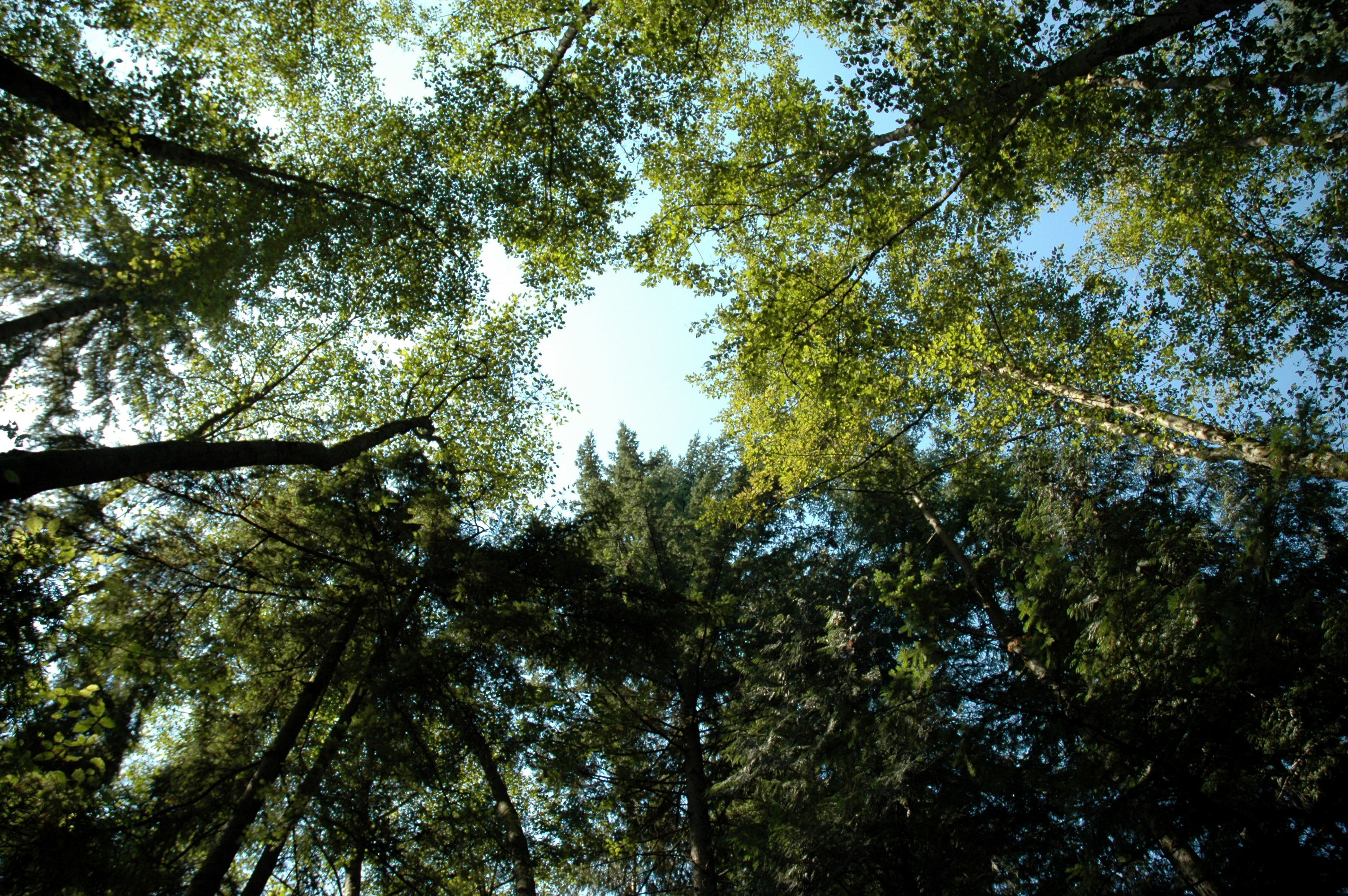 Quebec’s sweeping reform of how forests are managed is causing concerns among Indigenous leaders, conservation groups and unions, who warn the changes prioritize logging over long-term health of the ecosystem. Bill 97, tabled this spring by Minister of Natural Resources and Forests Maïté Blanchette Vézina, proposes to divide the forest into three zones: one that prioritizes conservation, one focused on timber production and a third zone for multiple uses. At least 30 per cent of Quebec’s forests will fall into that second category, Blanchette Vézina said. Speaking at the legislative hearing on Bill 97, Lac-Simon Anishnabe Nation Chief Lucien Wabanonik says he wants to see it scrapped and rewritten from scratch in collaboration with First Nations people. “They call it triade in French, meaning 30 per cent of the territory will be specifically used by the industry in exclusion of other users,” he said. “It’s very negative on our rights as First Nations.”
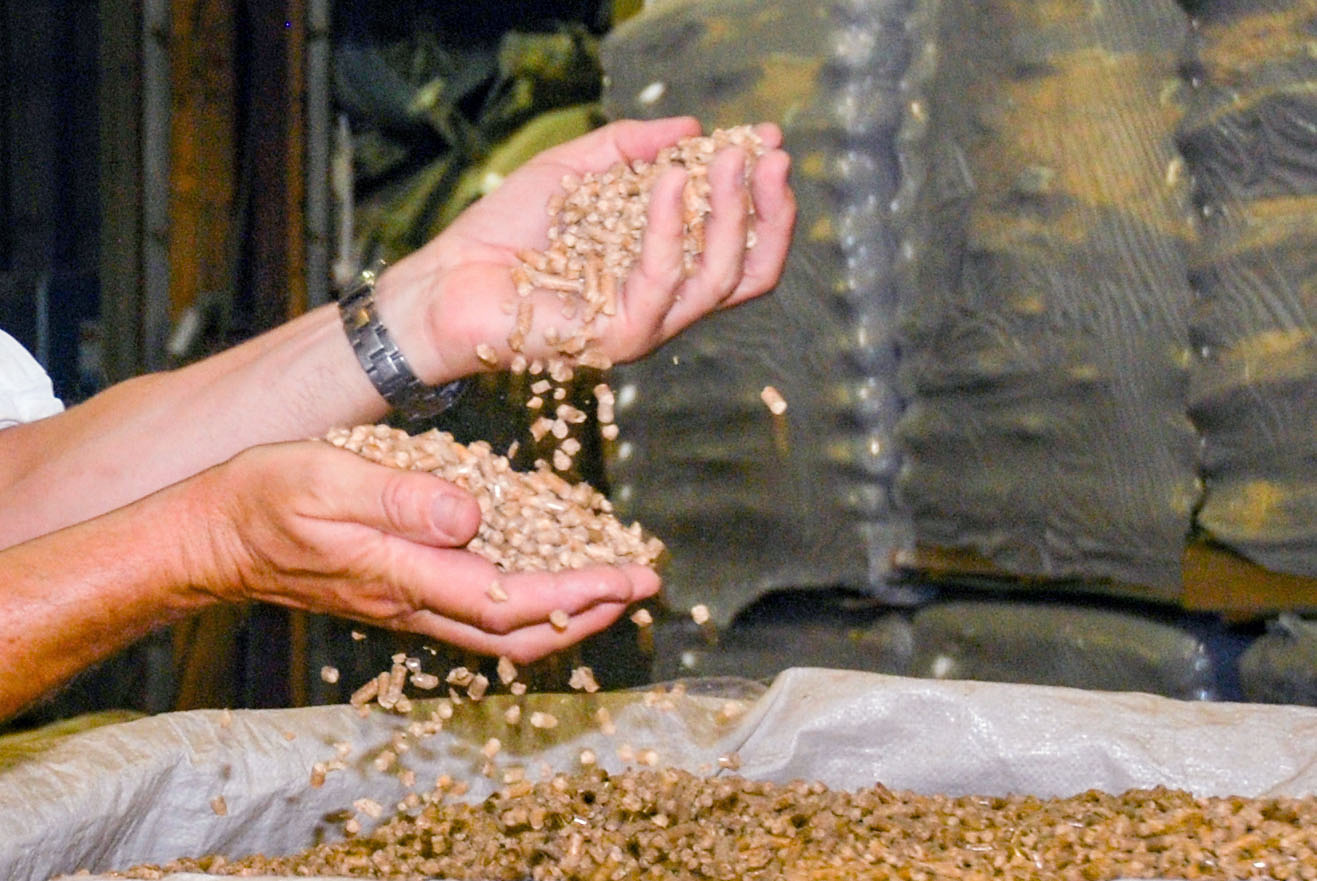 In an energy conversation dominated by buzzwords and breakthroughs, it’s easy to overlook the quiet, proven solutions that are already delivering results. Exhibit A: wood pellets. These compact cylinders aren’t flashy or trend on social media. For the uninitiated, they are carriers of renewable carbon and energy, sourced from responsibly managed forests; a real, scalable, domestic resource that delivers energy security, climate value, and rural jobs while sustaining and growing forests. Wood pellets are emerging as one of the smartest plays in America’s energy and climate portfolio. …Every year, America’s 360 million acres of privately-owned forests grow more wood than we harvest. …Responsible forest management, the kind that thins out fuel for wildfires, not only keeps forests healthy but also supplies feedstock for wood pellets. …This is climate action with a hard hat, not a hashtag. …Wood pellets are real, scalable, renewable and a true American resource.
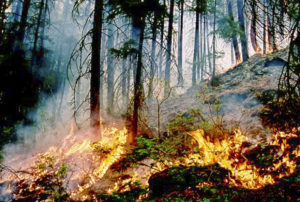 Fighting forest fires has always been a physically demanding and dangerous job. But it can take a toll on firefighters’ mental health as well. In 2023, the deaths of six wildland firefighters in B.C. highlighted the importance of mental health, both for frontline responders and support staff. Wildland firefighters are challenged with stress and exhaustion, but the loss of colleagues heavily contributed to the mental toll on firefighters during the 2023 wildfire season, said Jessa Barber, a former wildland firefighter who is now a safety officer with the BC Wildfire Service. …BC Wildfire said it is being proactive, implementing policies and practices to support the mental health of its staff. …One of these practices is the New Recruit Boot Camp, which prioritizes educating recruits about the risks and dangers of being a wildland firefighter both physically and mentally. Ongoing support is provided to recruits.
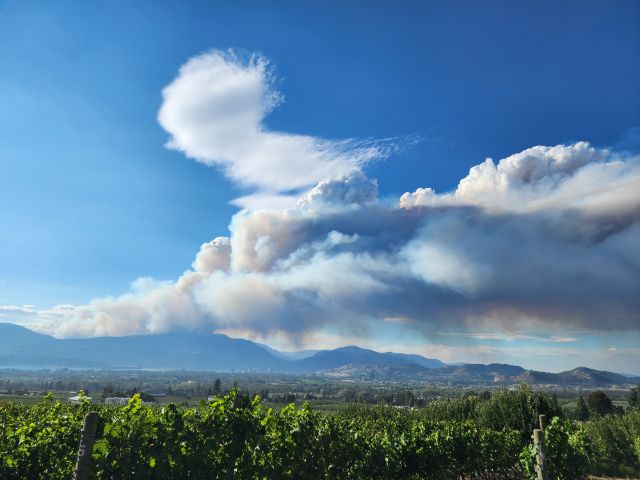 “Wildfires are happening more frequently. They’re getting bigger. They’re emitting more smoke,” Paige Fischer, a professor of environmental sustainability at the University of Michigan says. “The climate models are projecting that we’re going to have more frequent, more severe wildfires.” As of Thursday, the