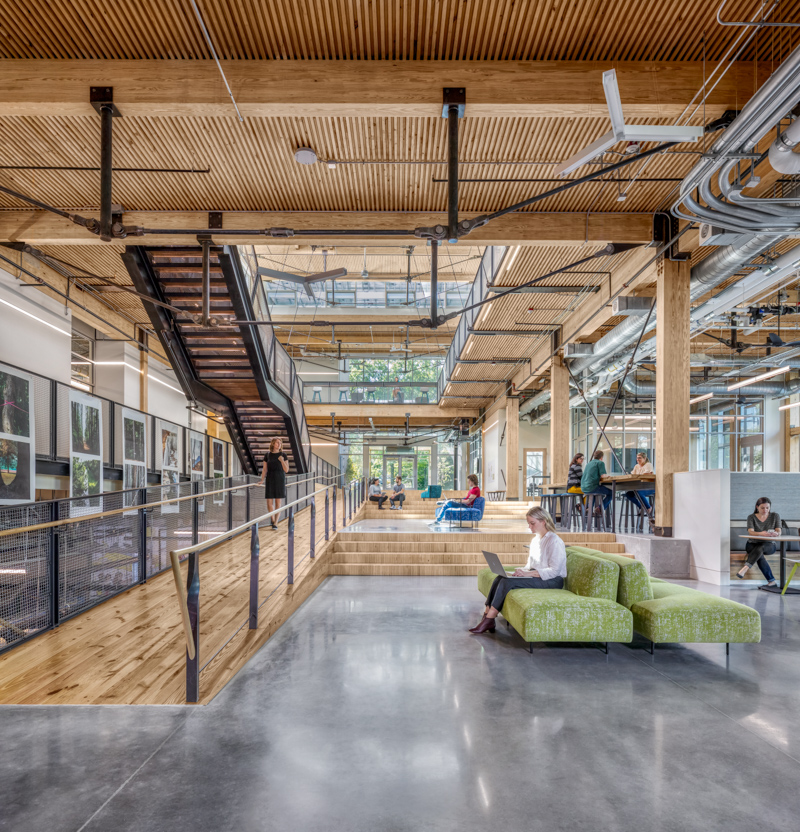
 Confirmation of Michael Boren to lead the US Forest Service is underway in the US Senate. In other Business new: Lumber Liquidators are back in business; West Fraser renewed its credit agreement; International Paper is considering a new packaging facility in Salt Lake City, Utah; KPMG purchased the assets of BC forest tech firm LlamaZoo; US home prices rose but tariffs will hinder construction; and Rayonier touts the benefits of mass timber construction.
In Forestry/Wildfire news: First Nations urge Quebec to scrap its forestry reform bill; the BC government and First Nations kick-off land-use planning in the northwest; logging is debated in Pennsylvania and Montana; US senators introduce bill to reduce wildfire risk with carbon removal; a new study says boreal wildfires will slow global warming; and wildfire updates from Saskatchewan; and the BC/Alberta border.
Finally, Europe’s largest floating housing development will include prefabricated CLT homes.
Kelly McCloskey, Editor
 VANCOUVER, BC —
 In partnership with the Province, the Tahltan, Taku River Tlingit, Kaska Dena, Gitanyow and Nisga’a Nations are kicking off land-use planning in the northwestern corner of B.C., engaging with industry, community and other partners to implement world-leading land-use plans that will provide greater certainty for investors, First Nations and communities alike. Last week, Premier David Eby outlined government’s vision for building prosperity centred on the pillars of economic growth, reconciliation and conservation in northwestern B.C. The vision includes partnering with First Nations to achieve large-scale conservation and strengthen reconciliation envisioned by the Declaration on the Rights of Indigenous Peoples Act (DRIPA). …To that end, over the next year, the Province, Tahltan, Taku River Tlingit, Kaska Dena, Gitanyow and Nisga’a Nations will undertake expedited, inclusive land-use planning and essential stakeholder and public engagement.



 U.S. home prices will rise steadily over coming years on an expected further decline in mortgage rates, according to property experts in a Reuters survey who expressed a near-unanimous view President Donald Trump’s tariffs would hinder affordable home construction. The same analysts had said three months ago that affordability and turnover in the market would improve, an upbeat outlook hinging on expectations the Federal Reserve will resume cutting interest rates after staying on the sidelines all year. That optimism has since been tempered with Congress passing a sweeping tax-cut and spending bill estimated to add roughly $3.3 trillion by 2034 to an already-enormous $36.2 trillion debt pile, according to nonpartisan think tank the Committee for a Responsible Federal Budget. Long-term bond yields have spiked higher, limiting scope for a decline in mortgage rates.


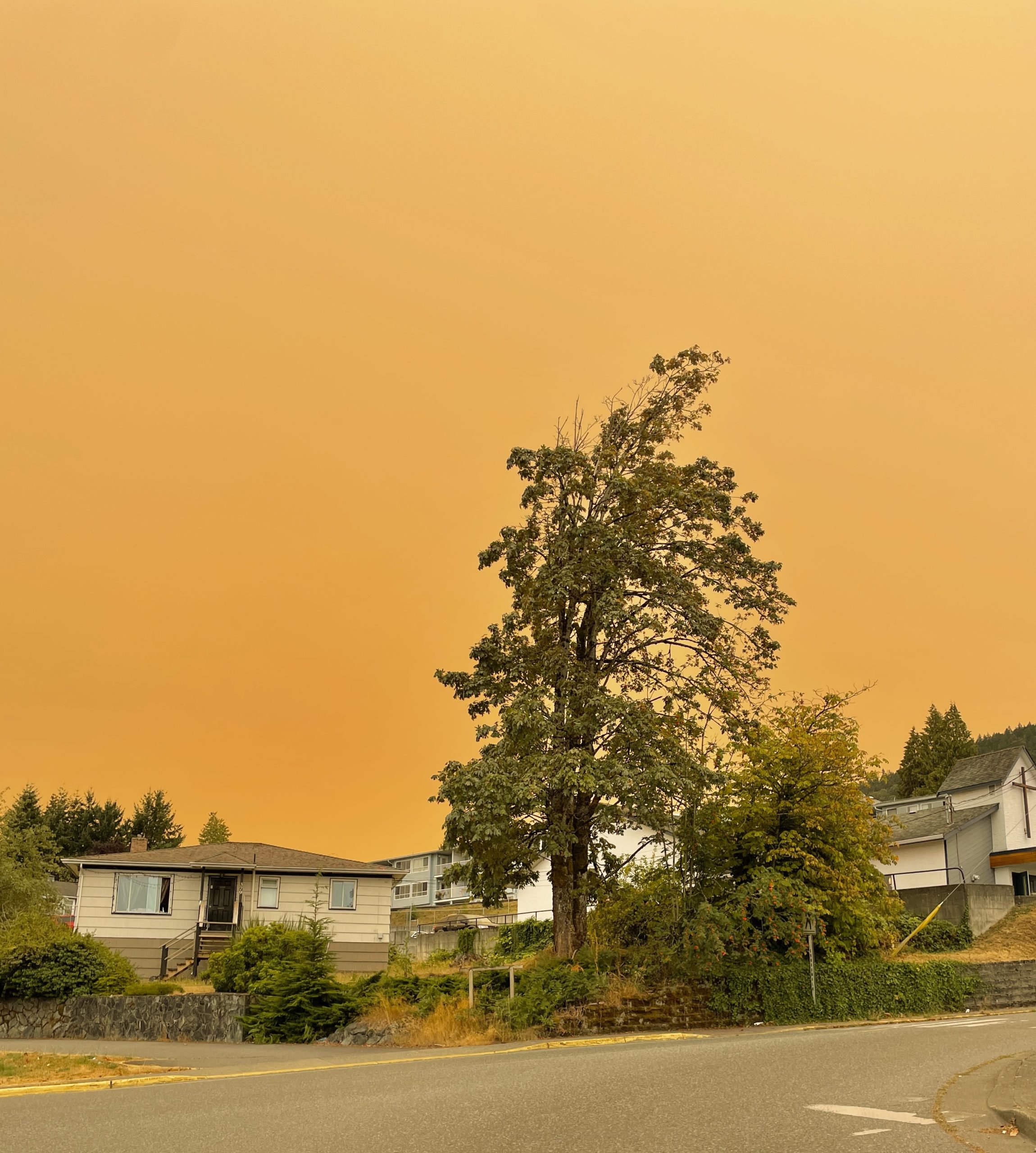 Even if you live far from the boreal forests in Canada and Siberia, you’ve likely noticed an increase in smoke from their forest fires. During major blazes in 2023, the smoke oranged the New York sky and drifted as far south as New Orleans. These blazes have surged in the last decade due to the effects of climate change — warmer summers, less snow cover in the spring, and the loss of sea ice. Experts expect that trend to continue. Yet recent climate change projection models have not accounted for the increase. For instance, the widely used sixth Coupled Model Intercomparison Project, or CMIP6, released in the late 2010s, kept these fires constant at a relatively low severity. A new University of Washington-led study projects that in the next 35 years these increasing boreal fires will actually slow warming by 12% globally and 38% in the Arctic.