 Citing market conditions, Interfor announced plans to reduce is lumber production by 12% across all regions. In related news: Domtar will temporarily close its sawmill in Maniwaki, Quebec; Canada seeks trade panel review of US lumber duty decision; Greif completes sale of Ohio containerboard business; and desptite challenges—Drax should retain UK support. Meanwhile: lumber futures fell again; and Russian lumber exports remain weak.
In Forestry news: the USDA invests $8M in timber production and forest health; Nanaimo Regional District purchases marsh land from Mosaic Forest Management; and Nova Scotia is no longer disclosing glyphosate spray locations. In Wildfire news: the BC Cariboo District issues an evacuation order; Whistler’s fire danger hits extreme; Ontario’s cottage country fires are a different kind of beast; and Spain and Portugal fires overwhelm firefighting resources.
Finally, from bustling lumber mill to ghost town — Lake Michigan’s buried history.
Kelly McCloskey, Tree Frog News Editor
 BURNABY, BC — Interfor Corporation announced plans to reduce its lumber production by approximately 145 million board feet between September and December of 2025, representing approximately 12% of its normal operating stance. The temporary curtailments will be through a combination of reduced operating hours, prolonged holiday breaks, reconfigured shifting schedules and extended maintenance shut-downs. The curtailments are expected to impact all of Interfor’s operating regions, with both the Canadian and US operations expected to reduce their production levels by approximately 12% each. The curtailments are in response to persistently weak market conditions and ongoing economic uncertainty. The Company will continue to monitor market conditions across all of its operations and adjust its production plans accordingly. [END]
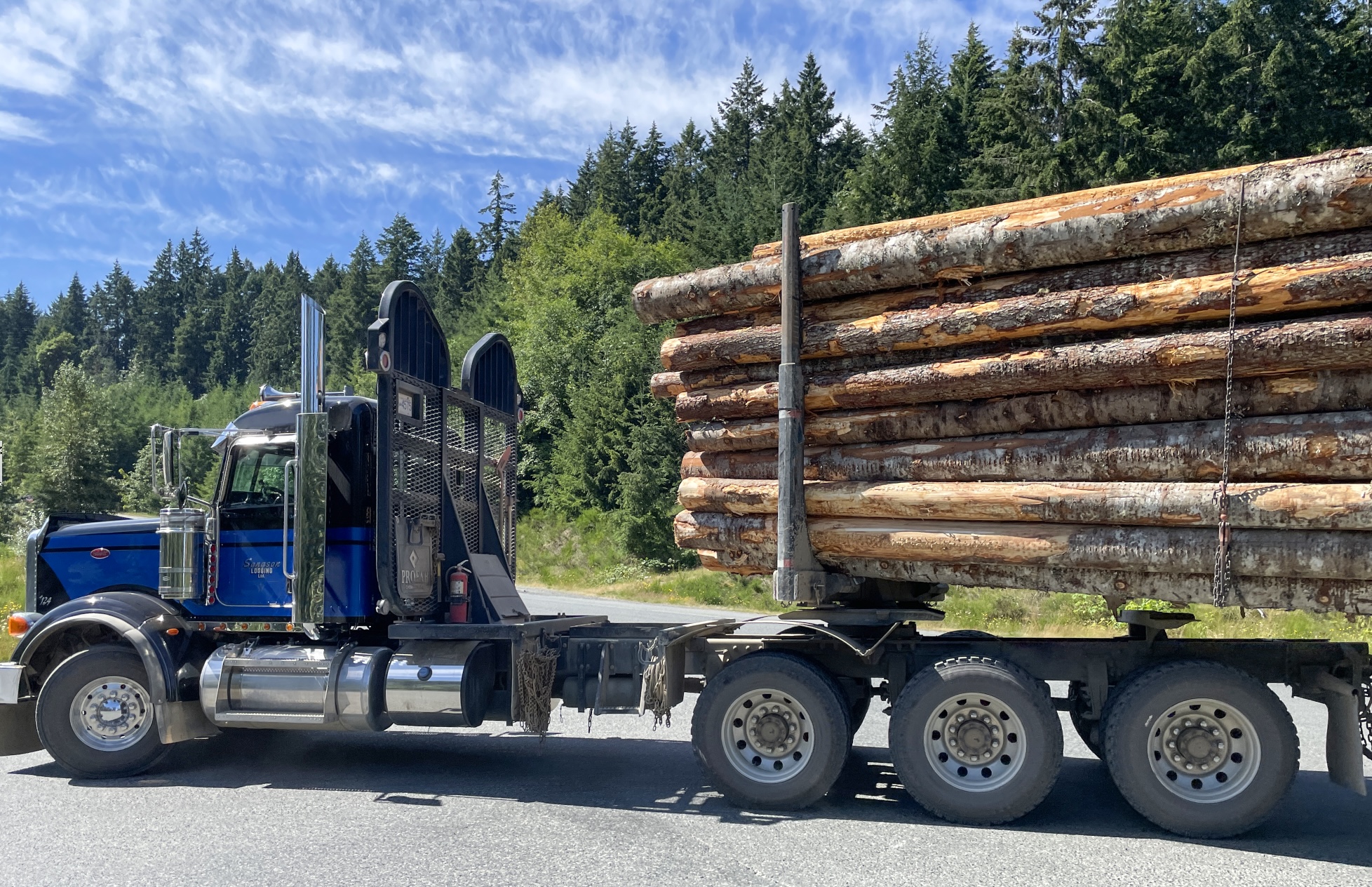 WASHINGTON – Canada’s government joined the Canadian lumber industry in seeking a trade panel review over certain softwood lumber products from Canada under the USMCA, according to a U.S. government notice posted online on Monday. The two requests were filed with the U.S. Department of Commerce’s International Trade Association following the departments July 29 decision following its investigation into the matter, the notices posted to the Federal Register said.
 MANIWAKI, Quebec — The Domtar sawmill in Maniwaki, Quebec, will temporarily close again next month. The company, which acquired the mill when it bought Resolute Forest Products in 2023, confirmed Wednesday to Radio-Canada that the indefinite closure will begin Oct. 10. It cited difficult market conditions and US softwood lumber duties, which rose to more than 35 per cent last month. About 120 workers at the mill lost their jobs in a previous closure that started in December 2024. The mill reopened for about 50 hours a week at the start of June. About 3,800 people lived in the western Quebec community as of the 2021 census. [END]
 Lumber futures fell again Wednesday, dropping to their lowest prices since last autumn. …Futures for September delivery shed $6 or about 1.1%, to end at $524 per thousand board feet. Futures have now declined 18 of the past 22 trading sessions. The selloff—about 25% over the past month—is reminiscent of the wild trading in lumber during the Covid-19 pandemic [but this time] …the continuing gyrations have been driven by trade policy. Lumber buyers stocked up ahead of a big increase in the duties levied on Canadian imports. …President Trump’s threats for additional tariffs on imported wood added incentive to hoard lumber. …The $54 difference in price between lumber futures for delivery this month and those for November in midday trading was well above the cost of warehousing wood for two months and a sign that traders’ demand outlook is bleak, Stinson Dean said. [to access the full story a WSJ subscription is required]
 Despite the ongoing decline in construction activity in Russia, domestic demand for lumber increased in July. The volume of apparent lumber consumption in the country rose by 16% in July compared to the same period last year, while construction decreased by 14%. Prices for key lumber categories in July remained at the previous month’s level. …On export markets, Russian exporters faced mixed dynamics. In July, the volume of lumber exports from Russia increased by 18% compared to June, but shipments were 13% lower than a year earlier. China remains a key destination for Russian suppliers, but Russian exporters are facing growing competition from Belarusian companies offering lower prices. The situation for Russian exporters is further complicated by a general decrease in China’s lumber purchases due to the ongoing crisis in its construction sector. Lumber exports from Russia to Japan remain weak: shipment volumes dropped by 19% year-over-year.
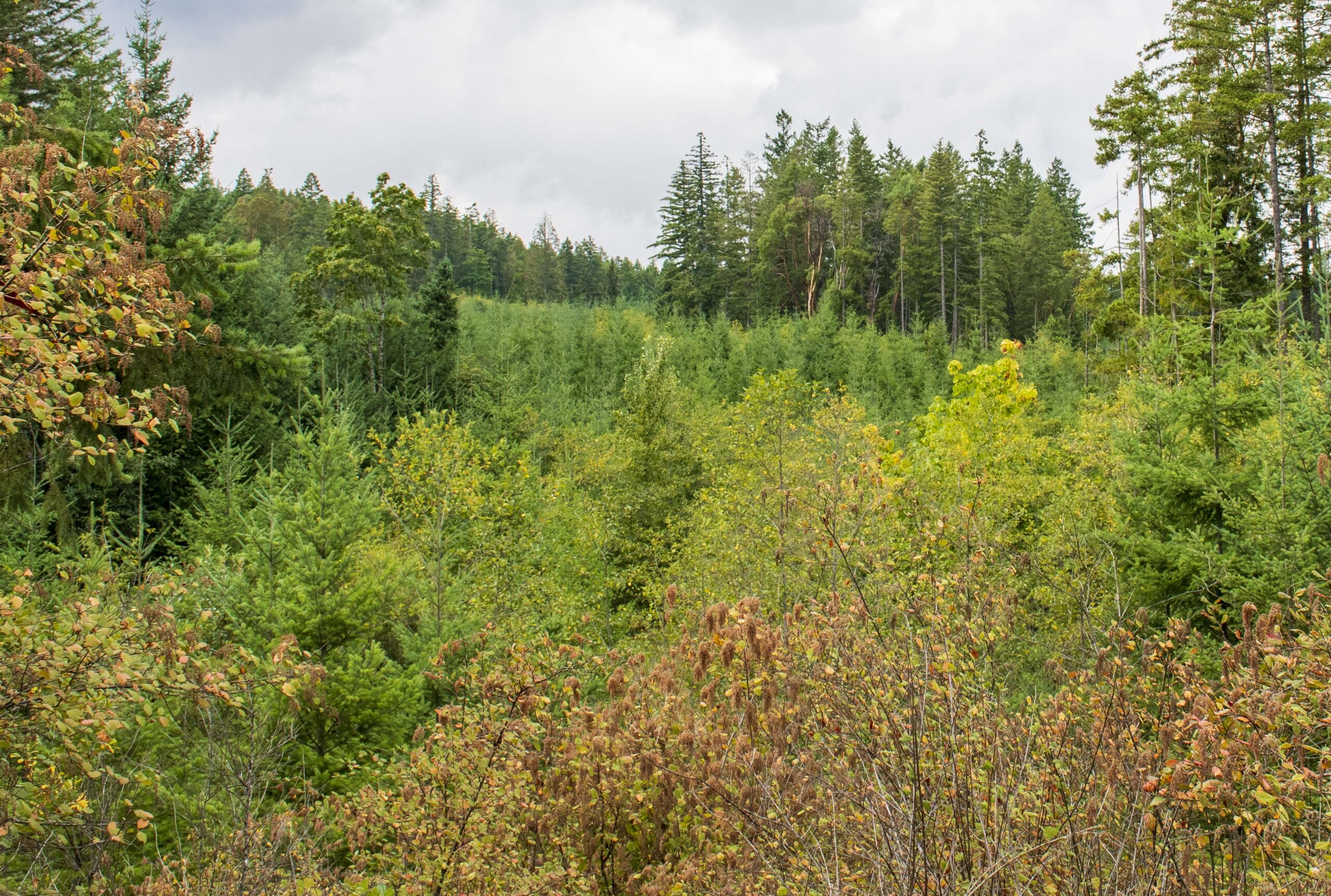 Activists are pushing for more information about where aerial spraying of glyphosate is happening after the Nova Scotia government has stopped releasing the locations for spraying of the herbicide by forestry companies. However the forestry sector says the use of the herbicide gets unfair attention, and identifying the locations draws protesters who block access to woodlots. Glyphosate is used by some woodlot owners to …reduce competition for more profitable softwood species… Previously, the provincial government provided premises identification (PID) numbers for where aerial sprays were approved. That didn’t happen when four approvals for spraying were issued in August. “We don’t have to tell everyone where these PIDs are, because it attracts people who don’t know the full story about forest management to show up roadblock your private woodlot, and prevent you from managing it as you see fit,” said Todd Burgess, executive director of Forest Nova Scotia.
 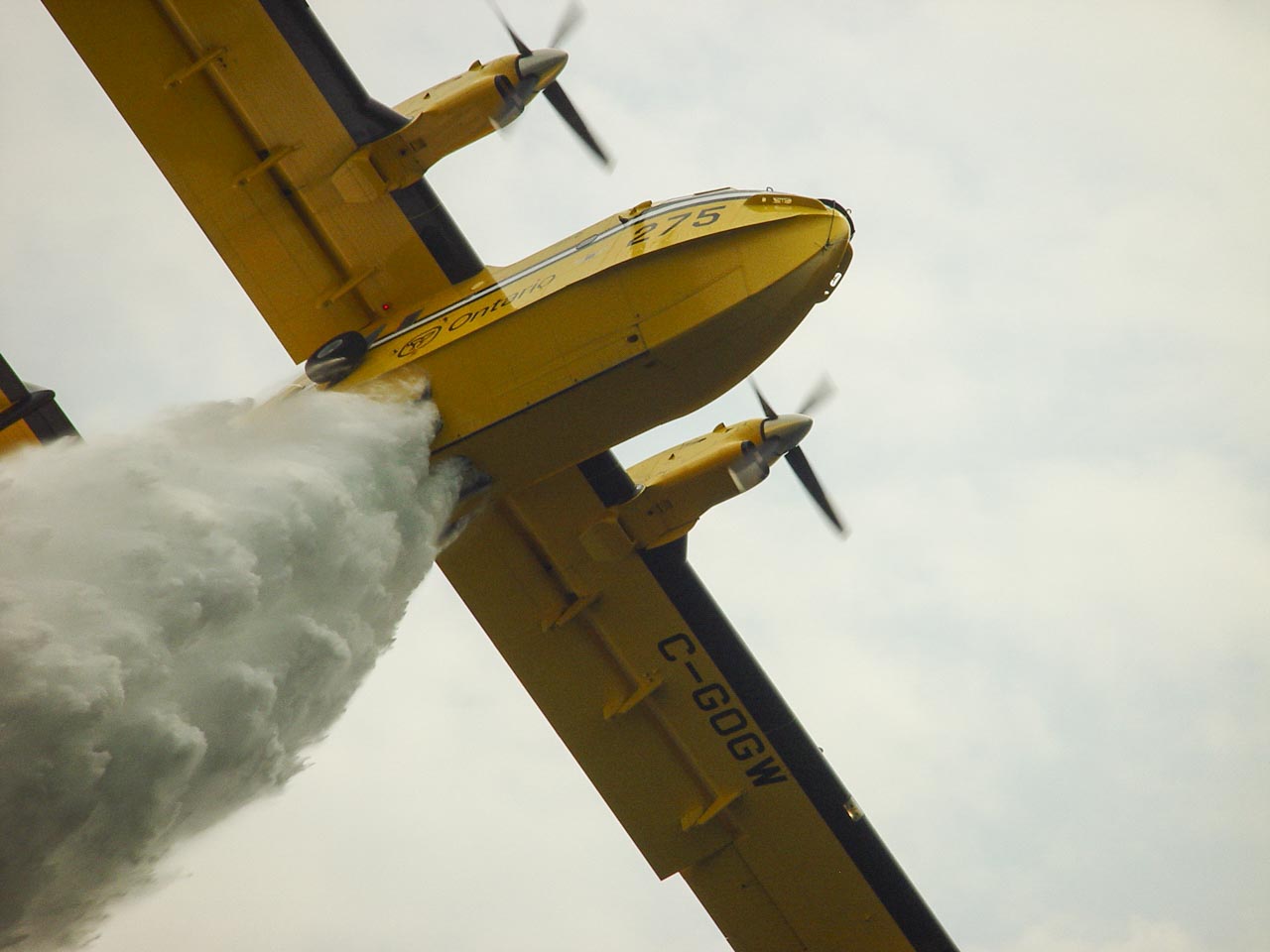 Air quality warnings are becoming a feature of Ontario summers, but for most, the source has felt far away. As southern Ontarians stayed indoors … under air quality warnings this summer, fires closer to home ignited. In July and August, the province experienced a number of wildfires in places including the Kawarthas, a couple hours northeast of Toronto, and near the town of Huntsville, in the cottage country region of Muskoka. Farther north, First Nations communities like the Pikangikum First Nation and North Spirit Lake First Nation were evacuated due to wildfires and smoke… How do wildfires in southern Ontario stack up to the massive fires farther north, and what can be done? Here’s what you need to know. …fires in southern Ontario are different for two main reasons: the forest type and the many, many people here.
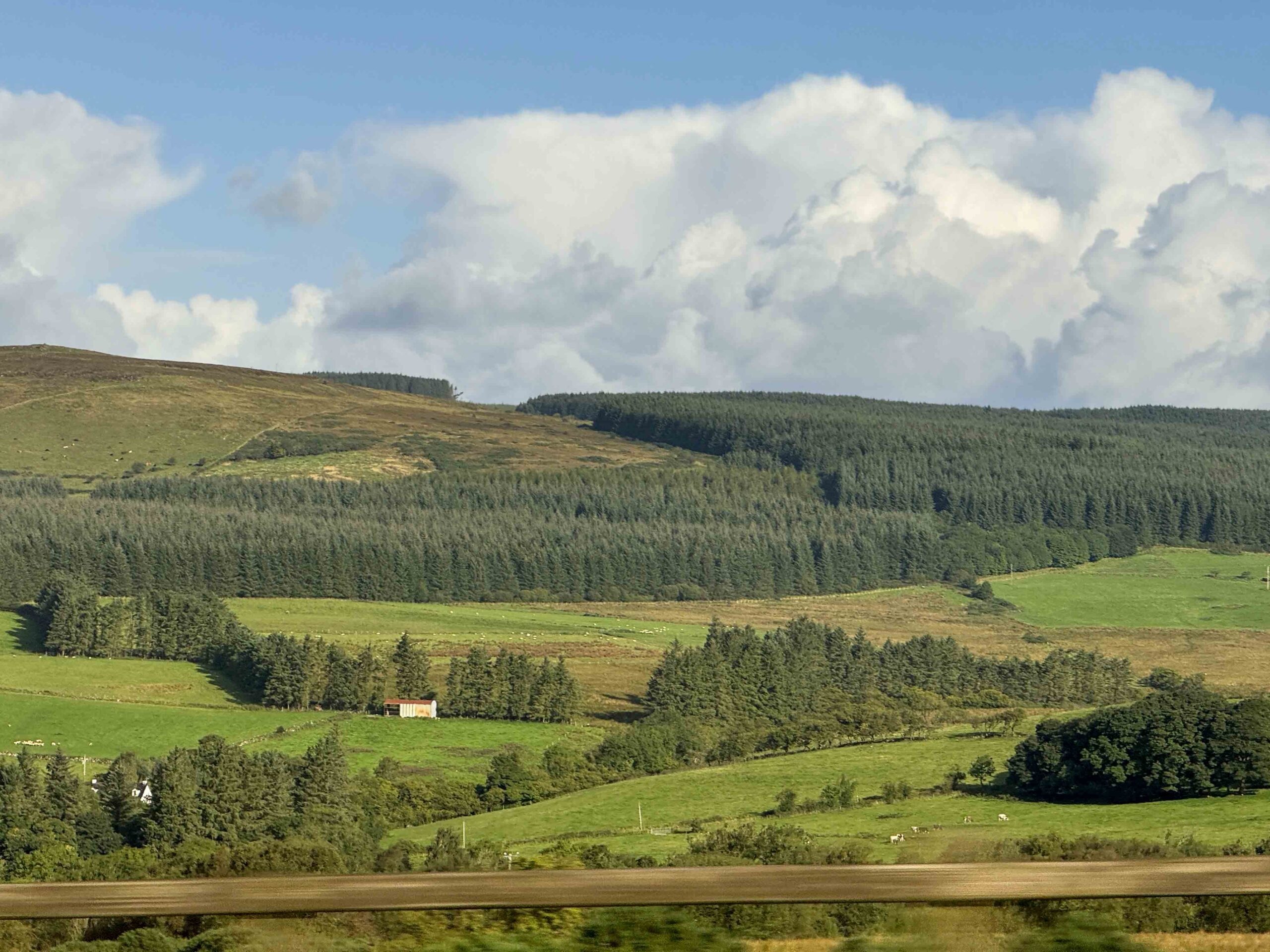 IRELAND — The next forestry programme must “ensure that forestry as a land use option is economically viable and competitive, while satisfying environmental requirements”, according to the Irish Farmers’ Association (IFA). IFA president Francie Gorman has said that forestry is a “strategically important sector that has a key role to play in achieving climate change targets”. …Ireland’s largest forestry and timber body, Forest Industries Ireland (FII) has highlighted the “huge opportunity” for farmers “to take advantage of afforestation grant schemes” during a meeting with the IFA this week. FII highlighted the need for more farmers to consider planting forestry on their land amid rapid growth in global demand for timber products, driving up the value of future forestry harvests. “The Irish timber industry has the potential to significantly grow as many countries move towards net zero carbon targets and focus on sustainable building materials such as timber.”
 Investors in Drax have a problem. Shares in the company that produces 10% of the UK’s renewable power plunged last week after the Financial Conduct Authority launched a probe into its financial reports. The investigation centres on whether the company had misrepresented the origin of the biomass pellets it burns to create electricity. …But even assuming Drax does what it says it does, it has a second problem. Its business model, reliant on burning imported sustainable biomass to generate power, is inherently controversial. Net zero supporters don’t think Drax is sustainable enough, fearing that forestry companies might classify more wood as rubbish if selling waste pellets became lucrative. …Drax may not be easy to like, but it does make up an important part of the UK energy system. …So far, politicians have walked a line, extending support but cutting its size.
 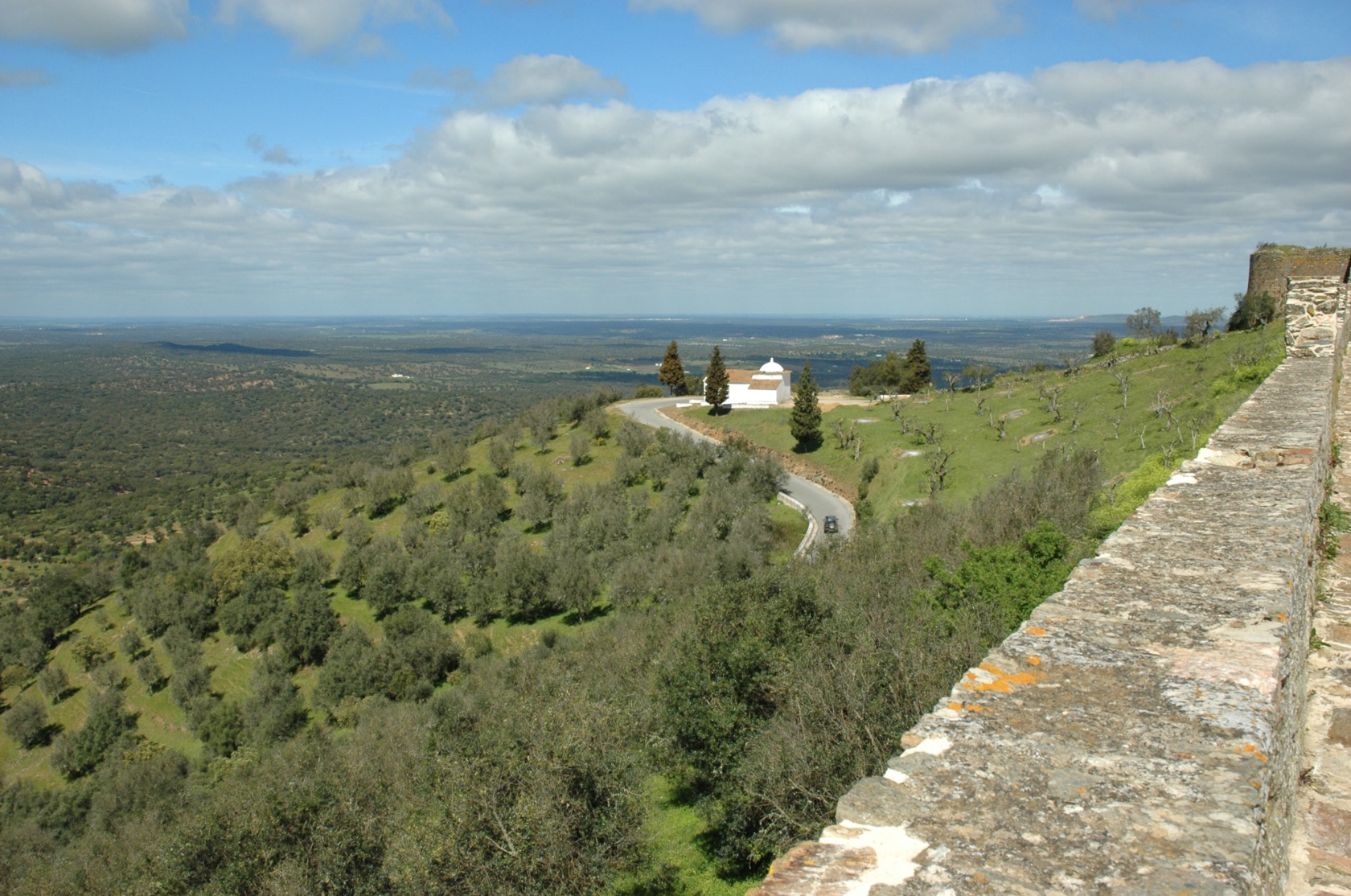 Researchers warn that simultaneous fires across Europe are overwhelming firefighting resources. Climate change made weather that fuelled Portugal and Spain’s deadly wildfires this summer around 40 times more likely, new research has found. Blazes in the Iberian Peninsula broke out at the end of July. Fuelled by temperatures above 40°C and strong winds, the flames spread extremely rapidly. The area burned by these wildfires has now broken records across Spain and Portugal. A new super rapid scientific analysis by World Weather Attribution (WWA) has found that these hot, dry and windy conditions were made more likely and more intense by human-caused climate change. Dr Clair Barnes, researcher for the Centre for Environmental Policy at Imperial College London, warns that the “astonishing” size of these fires is a “sign of what is to come” with hotter, drier, more flammable conditions becoming more severe with climate change.
 There are fewer injuries and deaths occurring on B.C. construction sites compared to previous years and decades, although much work remains to ensure worker safety. “Struck by’s,” “falls from” and “trips and slips” are among the most common incidents on job sites, and major events like Kelowna’s deadly crane collapse in 2021 highlight the risks that accompany modern construction. Work-related death claims in the construction sector totalled 31 in 2020, 29 in 2021, 54 in 2022, 39 in 2023 and 25 in 2024, according to data provided by WorkSafeBC. …Dave Baspaly, president of the Council of Construction Associations (COCA), which represents all major construction associations in BC said… the industry’s improved safety record is a result of more training, stricter enforcement of WorkSafeBC rules, and a culture of compliance where non-adherence is not tolerated. He emphasizes that proactive measures, like rigorous inspections and coordinated site management, are making construction sites safer.
 It’s been a summer of blue skies for British Columbia’s Lower Mainland, but that’s changed with a wave of wildfire smoke rolling into the region. The Metro Vancouver Regional District has issued an air quality advisory for Metro Vancouver and the Fraser Valley due to elevated levels of fine particulate matter causing hazy conditions across the region. At a Wednesday briefing, B.C. Forests Minister Ravi Parmar said conditions were expected to worsen, with much of Southern B.C. to be affected in the days to come. “We should expect to see wildfire smoke come south in the days ahead. Weather forecasters are saying that the smoke is going to be a major factor in the next 24 to 72 hours,” Parmar said. “There are already reports of smoke hitting communities. We do expect more smoke to arrive in the central and southern interior tonight or tomorrow, and reach Abbotsford and the coast by Friday.”
