
The US housing slump deepened as single-family construction and building permits fell sharply, builder confidence hit a 14-year low, and lumber futures approached a two-year low. In BC Election news: the Council of Forest Industries weighs the parties’ forestry platforms; the BC Community Forests Association calls for more community forests; and the BC Conservatives pledge to support forestry and revitalize the Crofton pulp mill site. Meanwhile, New Zealand welcomes tariff-free access to India’s growing wood products market.
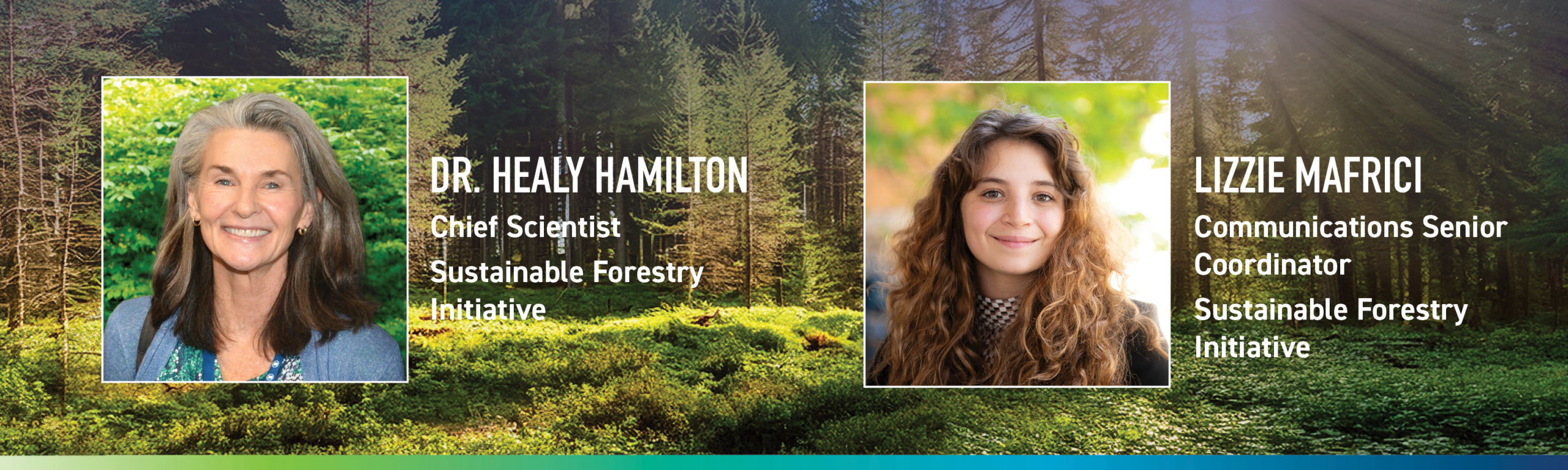
In Forestry news: Mississippi and the White House marked National Forest Products Week; UBC Forestry highlighted research on wildfire and salmon habitat; Thompson Rivers University is retraining laid off forestry workers; and an interview with SFI’s Healy Hamilton on forest certification and biodiversity. Meanwhile: a Wood Pellet Association of Canada webinar on dryer safety; and CelCo conference previewed its dissolving pulp outlook.
Finally, Alberta voters overwhelmingly rejected separation with 76% voting for Canada.
Kelly McCloskey, Tree Frog News Editor
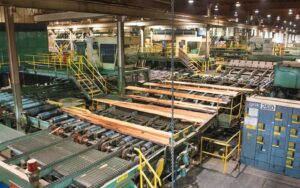 B.C. Conservative Leader Lorne Doerkson said his party would speed up issuing harvest permits and reduce regulatory costs in an effort to increase “sustainable access” to timber in B.C.’s beleaguered forest industry. … To the province’s key industry group, the Conservative platform appears to get at more of the issues it has been asking for government to address than the NDP policy promises, which aim at industry transformation. “(However) overall, we continue to see a bit of a lack of urgency that’s needed to stem the tide of forest mill closures,” said Kim Haakstad, CEO of the Council of Forest Industries. …The NDP’s Ravi Parmar said much of the Conservative policy resembles measures the previous government was already working toward, such as establishment of a biomass strategy.” Parmar added that the NDP remains committed to reaching a 45 million cubic metres per year in annual timber harvest. [to access the full story a Vancouver Sun subscription is required]
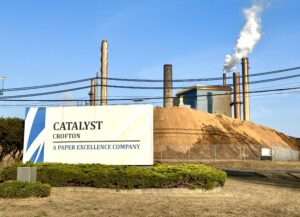 In an Oct. 19 announcement from Cowichan Valley candidate Bert Chen, the B.C. Conservative Party has cast doubt on Crofton residents’ future water quality and promised funding to fix it. In his announcement, Chen promised to secure up $10 million to help revitalize the Crofton Mill site and provide critical support for the community if a Conservative government is elected on Oct. 24. The Domtar mill in Crofton was permanently shuttered in 2025. “With the lost property tax revenues from the mill, the local Municipality of North Cowichan is unable to provide the funding to invest in an independent, municipally-owned water system for Crofton,” said Chen. …“This site is ideal for provincial support due to the adjacent BC Ferries terminal.”


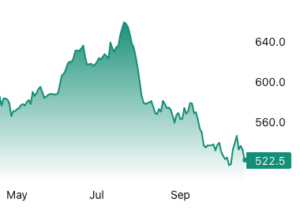 Lumber futures fell below $527 per thousand board feet, retreating toward a two-year low amid persistent weakness in the US housing market. Homebuilder confidence has fallen to its lowest level in 14 years, as high mortgage rates, labor shortages and high construction costs continue to weigh on the sector. Mortgage rates have climbed to 7.4%, their highest level in three years, raising borrowing costs, dampening housing demand and weighing on prices. On the other hand, trade tensions with Canada continue to constrain lumber availability and pressuring prices. Although the US Department of Commerce lowered antidumping and countervailing duties on Canadian softwood lumber to 24.75% from 35.16%, a separate 10% US tariff brings total duties to 34.75%, limiting the potential for a supply recovery.
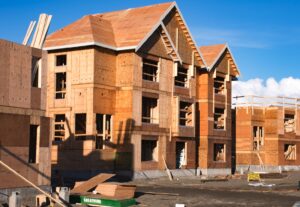 WASHINGTON – US single-family homebuilding and permits for future construction fell sharply in September as higher mortgage rates suppressed demand, suggesting residential investment resumed its declining trend in the third quarter. Single-family housing starts, which account for the bulk of homebuilding, dropped 4.6% to a seasonally adjusted annual rate of 859,000 units last month, the Commerce Department’s Census Bureau said on Tuesday. Single-family building permits decreased 4.0% to a rate of 845,000 units. Mortgage rates have surged in recent weeks, with the 30-year fixed rate averaging 7.40% last week. …Slumping sales have led to a glut of unsold houses on the market, further reducing the incentive for developers to break ground on new single-family housing projects. Despite the overhang of new single-family homes, there is a national housing shortage. …Residential investment rebounded in the second quarter, also reflecting renovations. The rise followed five straight quarterly declines.


.png?t=1792087427010)





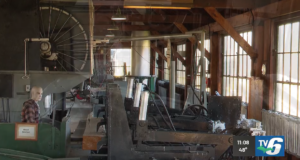 L’ANSE, Michigan – The Alberta sawmill, designed by Henry Ford, is being restored by Michigan Tech and the Baraga County Historical Society to allow the public to experience the building. The sawmill opened on Sept. 1, 1936, and closed on June 30, 1954. Michigan Tech operated it for research until the 1980’s, and it was closed for public viewing in the early 2000’s for safety concerns. “This is a really important piece of history for the forest sector, the Keweenaw and this region has done a really good job I think with preserving our history and our knowledge of the mining era and our mining history but in terms of our forestry history, this is one of the few locations that really preserves it, highlights it,” said Mark Rudnicki, Ford Center and Forest director. Restoration work has been underway for years, with new siding donated by Louisiana-Pacific and a new roof recently installed.