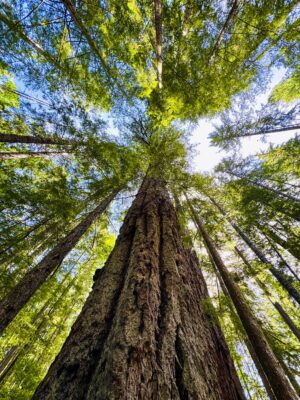
 Forest management has entered a phase defined by competing pressures. Fire risk is rising. Biomass residues are accumulating. Carbon accounting expectations are tightening. Pyrolysis has emerged as a technical lever capable of addressing these constraints simultaneously. Its value lies not in abstract sustainability claims, but in its operational and ecological consequences when integrated into forestry systems. Reducing Fuel Load and Wildfire IntensitymOne of the most immediate benefits of pyrolysis in forest management is fuel load reduction. Thinning operations, deadwood removal, and post-harvest residues generate large volumes of low-grade biomass. When left unmanaged, this material increases wildfire probability and severity. …When treated as an ancillary technology, pyrolysis underperforms. When embedded as a strategic tool, it amplifies the effectiveness of existing management practices. Pyrolysis contributes by connecting fuel reduction, carbon management, soil health, and economic viability within a single operational logic.