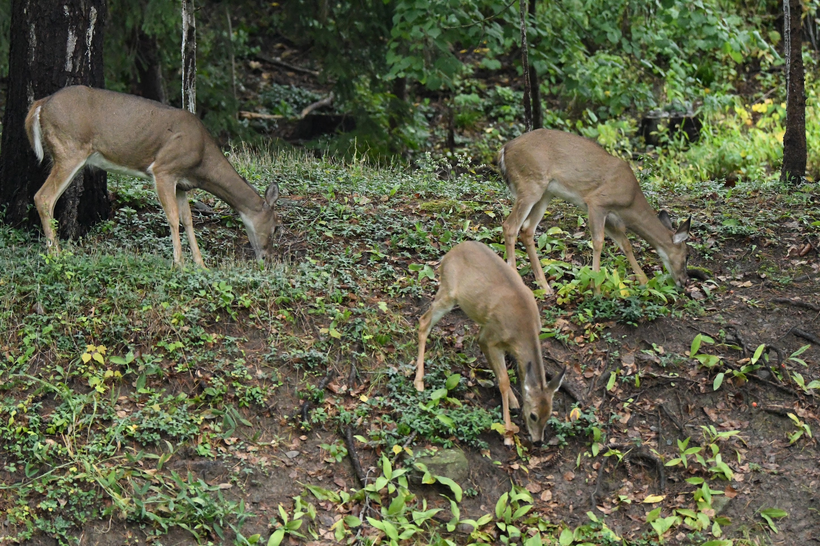
 When we walk through the woods, spotting a white-tailed deer can be a highlight of the day. They are native to Massachusetts and an iconic part of our landscape. However, an ecosystem is all about balance. When deer populations grow beyond what the land can support, the impacts ripple through the entire forest. These issues become particularly pronounced in areas that don’t allow hunting. But how can you tell if a forest is healthy or if it is buckling under the pressure of overabundant deer? You just need to know where to look. …When deer are overabundant, they consume almost all palatable vegetation within their reach; typically below five or six feet. This creates a stark, unnatural browse line. Below this point, the woods look hollowed out and park-like. While it might make for an easy hike, this open understory is an ecological red flag indicating a forest that is being eaten from the ground up.