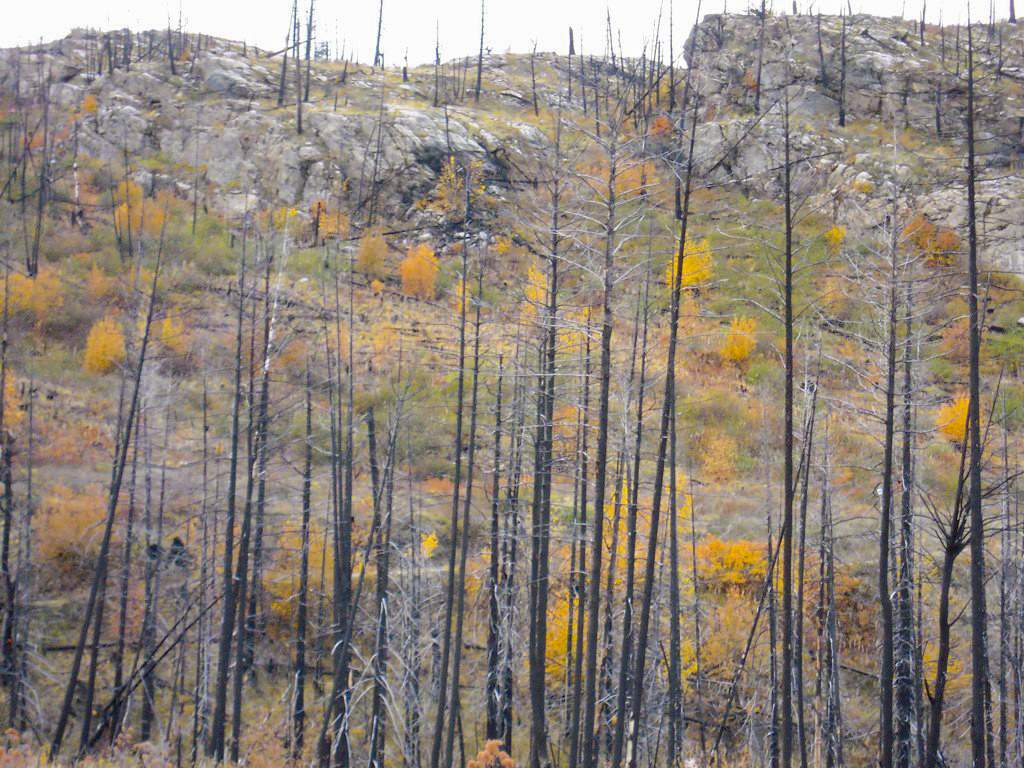
 Wildfires in the northern boreal forests of Alaska, Canada, Scandinavia and Russia may be more damaging to the climate than previously thought, a new UC Berkeley-led study suggests. That’s because these fires don’t just burn through trees; they can also penetrate deep into the carbon-rich layers of soil underneath many boreal forests, releasing carbon that has been accumulating for hundreds or even thousands of years. These carbon-rich soils, also known as peat, are primarily found in the far north, where the cold, wet climate prevents vegetation from fully decomposing and leads to a buildup of partially decayed organic matter over time. The study found that major models of wildfire carbon emissions — which are largely based on data from fires at lower latitudes, and use satellite images of visible flames to guide their estimates — are not properly accounting for the impact of fire on these underground carbon stores.