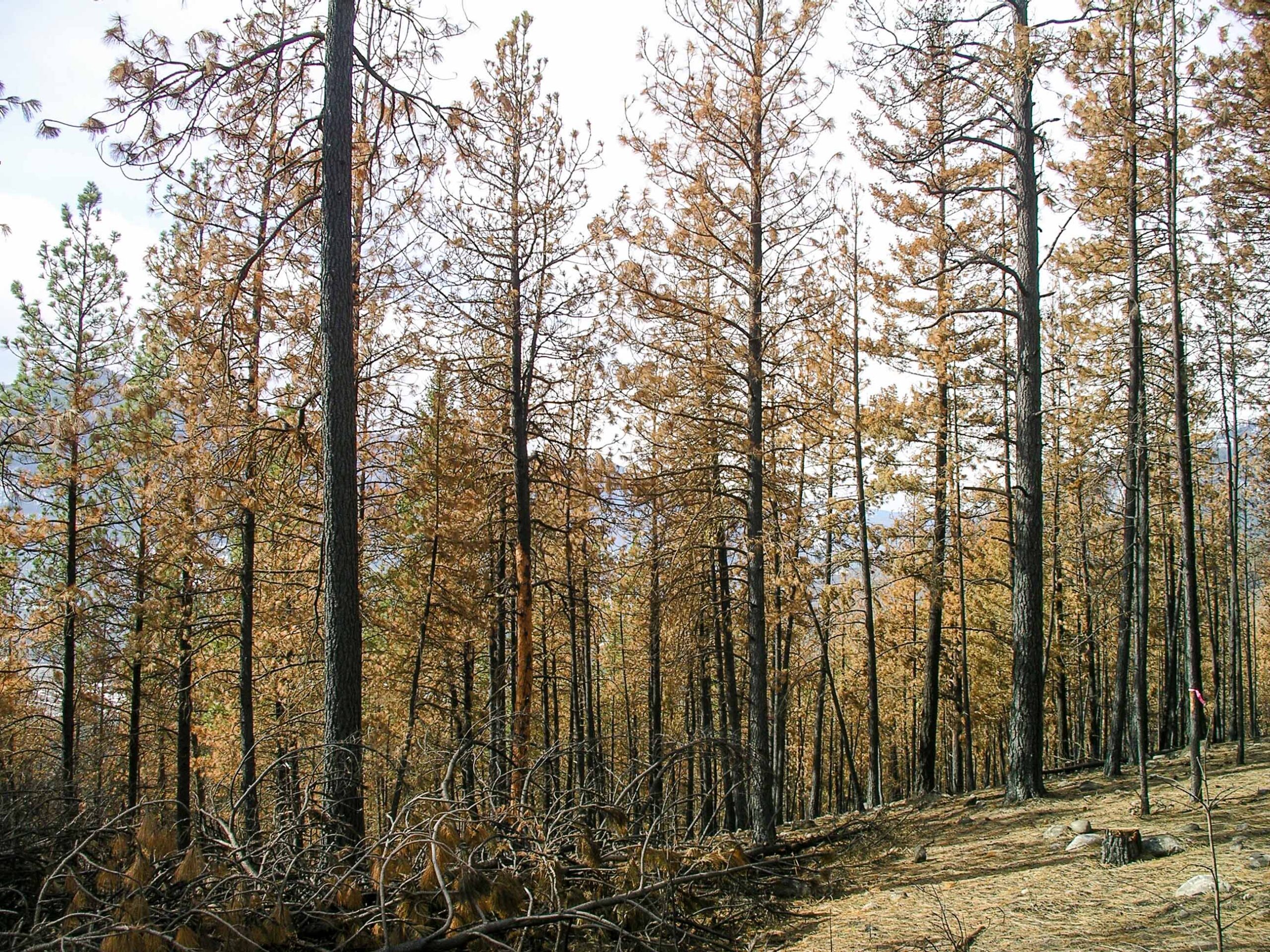
 More than 400 mostly small communities throughout the Northwest, including Cave Junction, Glendale and La Pine in southern and central Oregon, are at greater risk of suffering from wildfires and their impacts than previously thought when socioeconomic conditions are factored into risk assessments, new research finds. Researchers from Oregon State University and The Nature Conservancy, with funding from the U.S. Forest Service, conducted a review of wildfire risks in more than 1,000 communities in the region, and applied a social vulnerability index to also account for factors such as household demographics, neighborhood structural density, housing types and local transportation. Nearly half the communities, 459, were shown to be at greater wildfire risk than previously thought. For 541 communities, risk levels declined when socioeconomic factors were considered, indicating public dollars might be better served assisting low-income communities with wildfire prevention than more affluent ones, the researchers suggested.