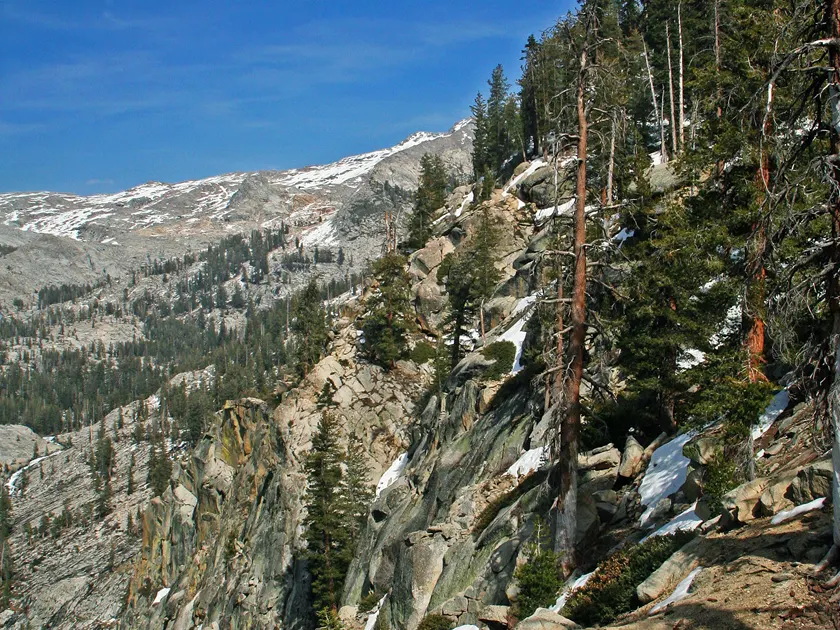
 California’s national forests contain some of the last truly wild landscapes in the American West. They protect drinking water, provide critical wildlife habitat, support recreation economies and give millions of people the chance to experience nature on its own terms. Today, those landscapes face a serious threat. The U.S. Forest Service is considering changes to its forest management rules that could weaken protections for roadless areas and expand motorized access across public lands. These may sound like technical regulatory changes, but they could open some of the most ecologically important and undeveloped parts of California’s national forests to new roads and motorized use. During 32 years with the National Park Service, including as superintendent of Sequoia and Kings Canyon National Parks and later as a regional manager overseeing parks across California and Nevada, I learned an important lesson: Once roads and motorized vehicles enter wild country, their impacts extend far beyond the road corridor itself.