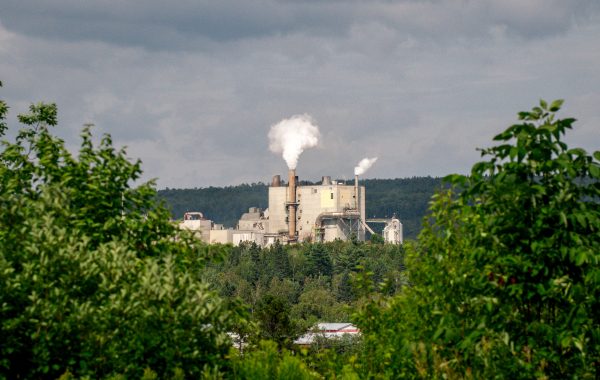
 NEW BRUNSWICK — Nearly 100 mill workers, union leaders and politicians marched through the streets of Nackawic in the shadow of the pulp mill that is soon set to close its doors to hundreds of its employees. AV Nackawic will lay off around 350 workers around the end of October as it is scheduled to enter an “idle” phase while its future remains undecided. Union workers marched as part of a National Day of Action organized by Unifor, but in Nackawic, the event took on a heavier meaning. People gather in a parking lot with a large pulp mill operating in the background. “It’s a struggle,” said Grant Charlton, president of Unifor Local 219 and a chemical plant worker at AV Nackawic. …But for many, including Nackawic-Millville Mayor Tim Fox, it’s not a question of if the jobs will be lost but if they’ll ever return.
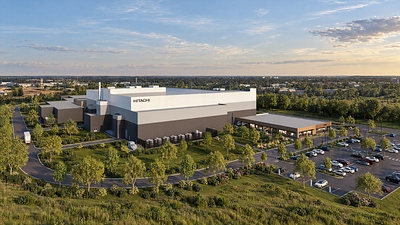


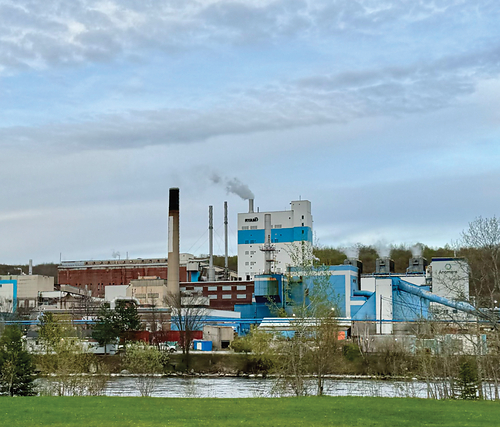
 CLINTON, Ontario



 THUNDER BAY — The Ontario government is investing more than $2.5 million to advance major upgrades at Thunder Bay Pulp and Paper, as well as two additional projects in Northwestern Ontario that will increase the industry’s use of mill by-products and underused forest biomass. The upgrades will help increase the forest sector’s production and capacity, protecting over 700 direct jobs and more than 3,350 indirect jobs. This Forest Biomass Program funding is part of the government’s plan to protect Ontario forestry workers. …Ontario is investing more than $2.4 million to plan boiler and chemical plant upgrades at Thunder Bay Pulp and Paper, a critical anchor mill in Northwestern Ontario’s forest economy. …AUX Energy is receiving $92,500 to develop plans for a biomass-powered generator project that will increase energy security in Fort Frances. …Weyerhaeuser is receiving $32,650 for a study of production line upgrades to reduce costs while improving efficiency and product quality.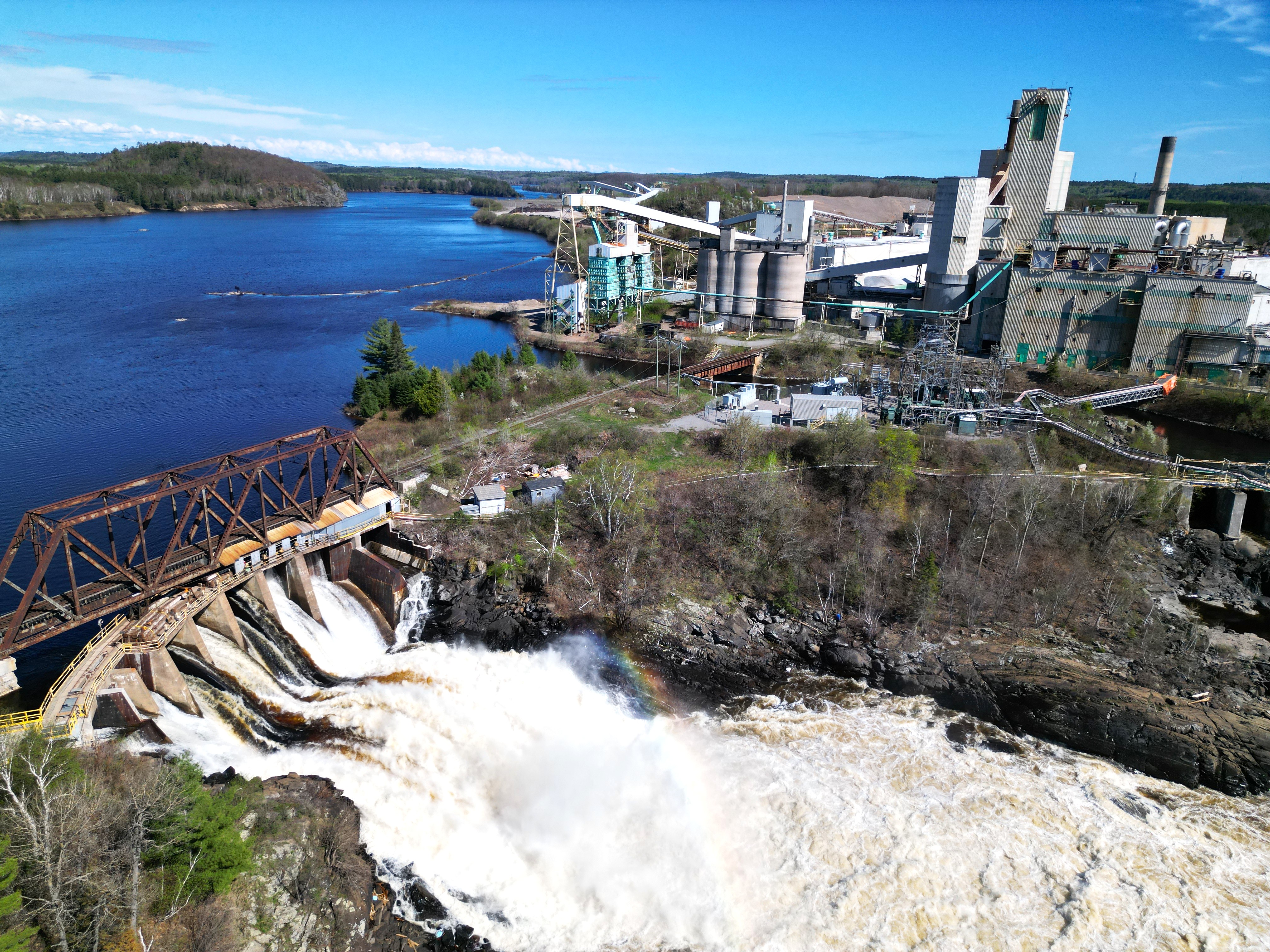
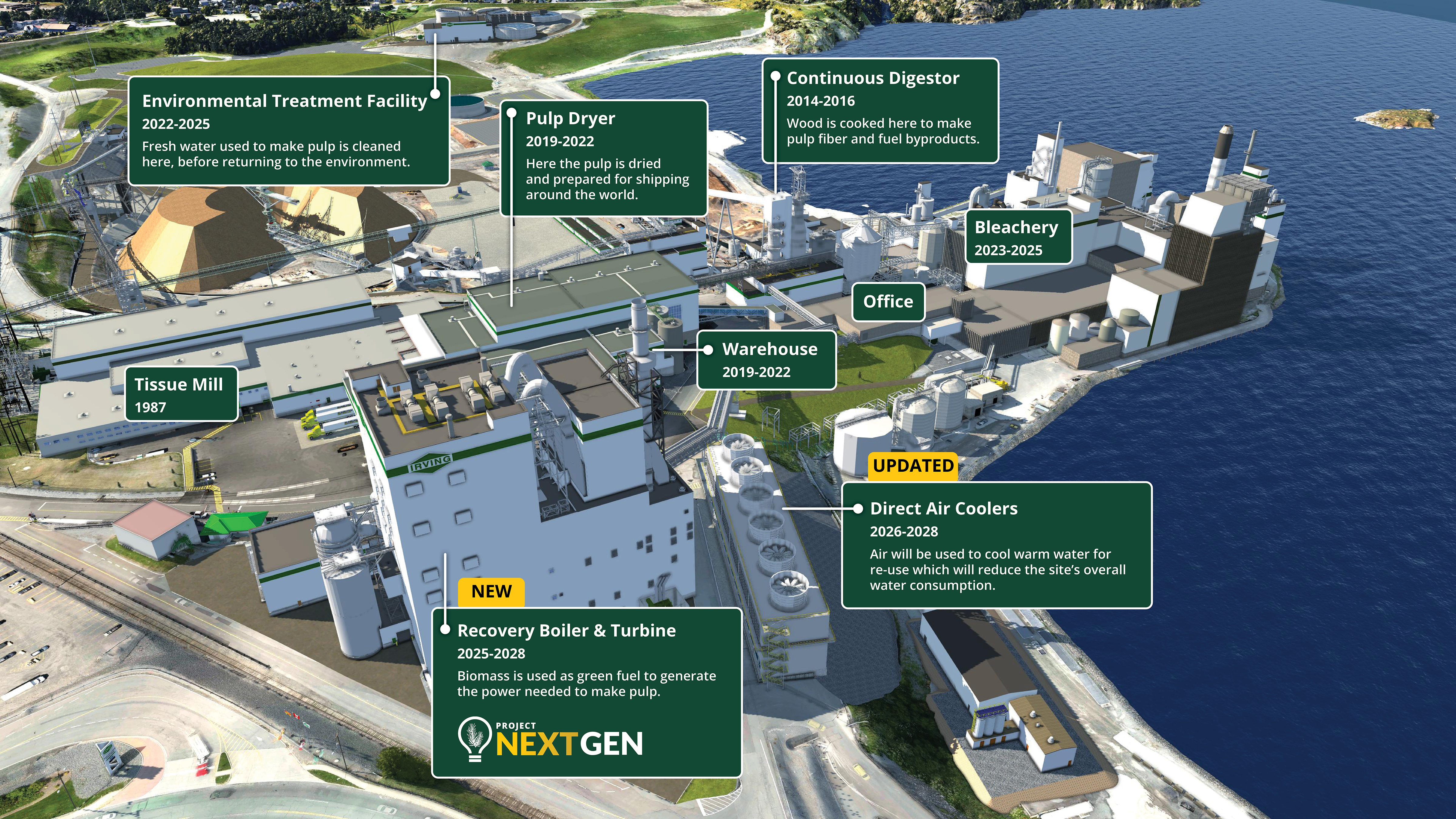




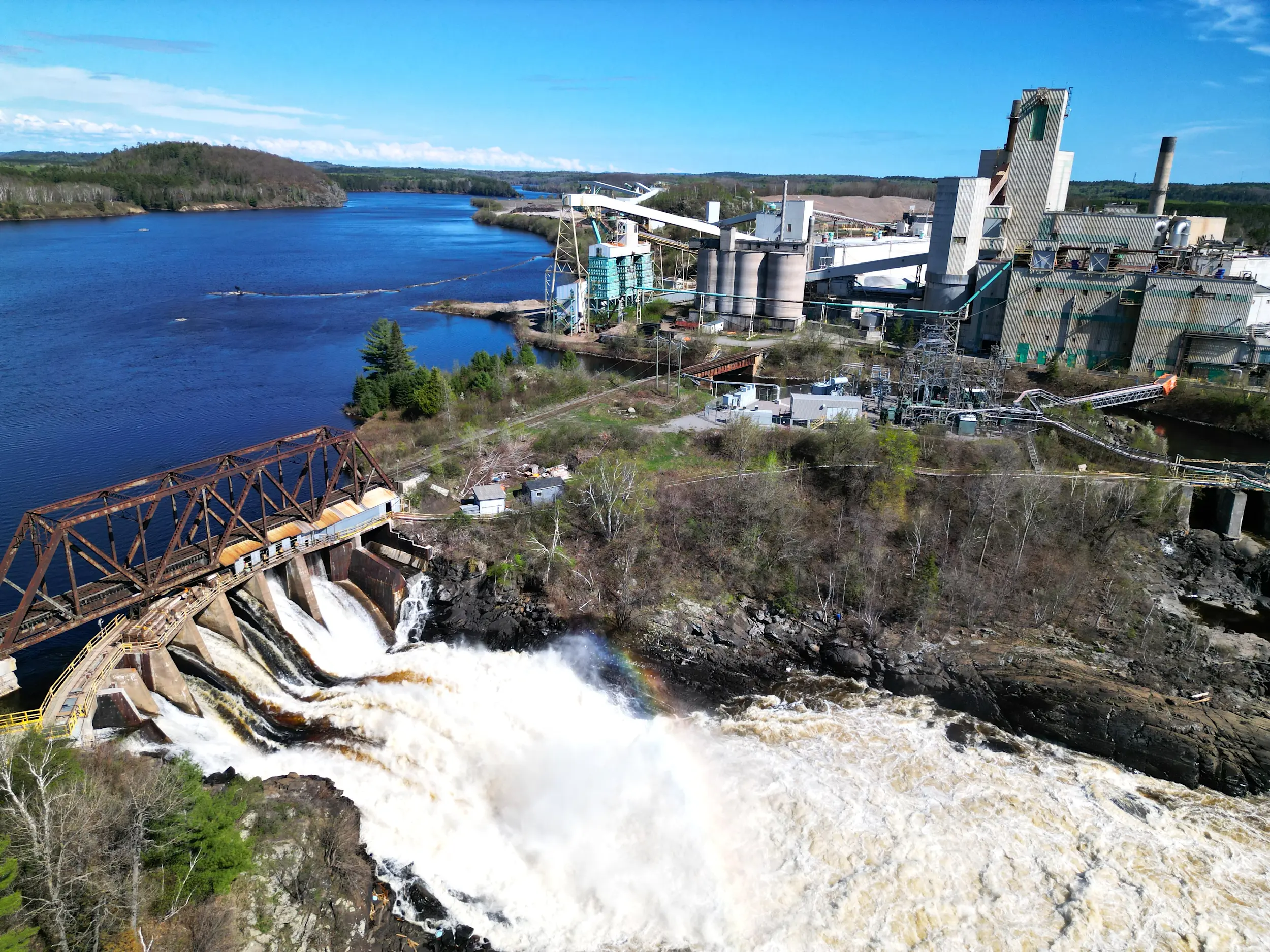

 Espanola, Ontario — The Ontario government is investing $5.1 million in Bioveld North to advance the engineering work needed to potentially restart the Espanola pulp mill. A successful restart would create a new regional anchor facility in northeastern Ontario, with the potential to create 400 direct jobs and 2,000 indirect jobs. This Forest Biomass Program funding is part of the government’s plan to protect Ontario forestry workers in the face of recent U.S. tariff attacks by building a more resilient, innovative and diversified forest sector, ready to compete in global markets. …Ontario’s investment in evaluation and engineering work will help Bioveld develop a plan to restart the idled Espanola Pulp and Paper Mill and recommend efficiency and reliability upgrades to sharpen the facility’s competitive advantage. It will also advance forest sector innovation and build the facility’s resilience in changing markets by identifying opportunities to diversify mill operations into renewable fuels and other bioproducts.
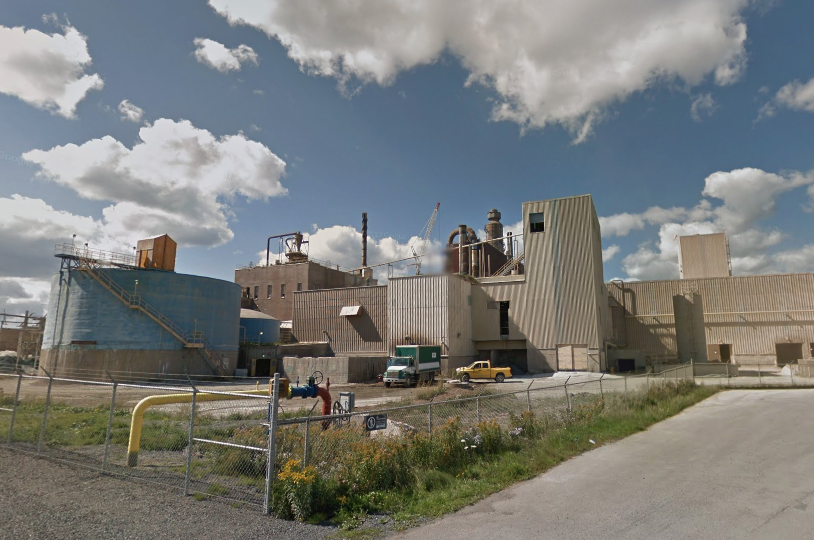


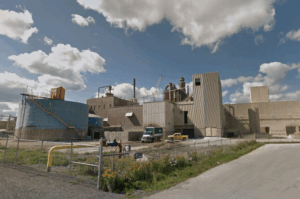 The wrecking ball is readying for the former Northern Pulp mill, a once major player in Nova Scotia’s forestry sector that also came to be recognized as one of the province’s most prominent examples of environmental racism. Environment Minister Tim Halman announced an amended ministerial order on Thursday, clearing the way for the decommissioning, abatement and demolition of buildings and other infrastructure at the site in Abercrombie that sits on the edge of Pictou Harbour. Officials with Northern Timber Nova Scotia, the company that owns the property, expect the work to begin as early as September. …Halman’s amended order says all solid waste, including construction and demolition debris from the mill site, must be disposed of in an approved facility and everything must be removed within 18 months. …An official for Domtar said the work is expected to be complete in the last quarter of 2027,” Brenda Martin said.
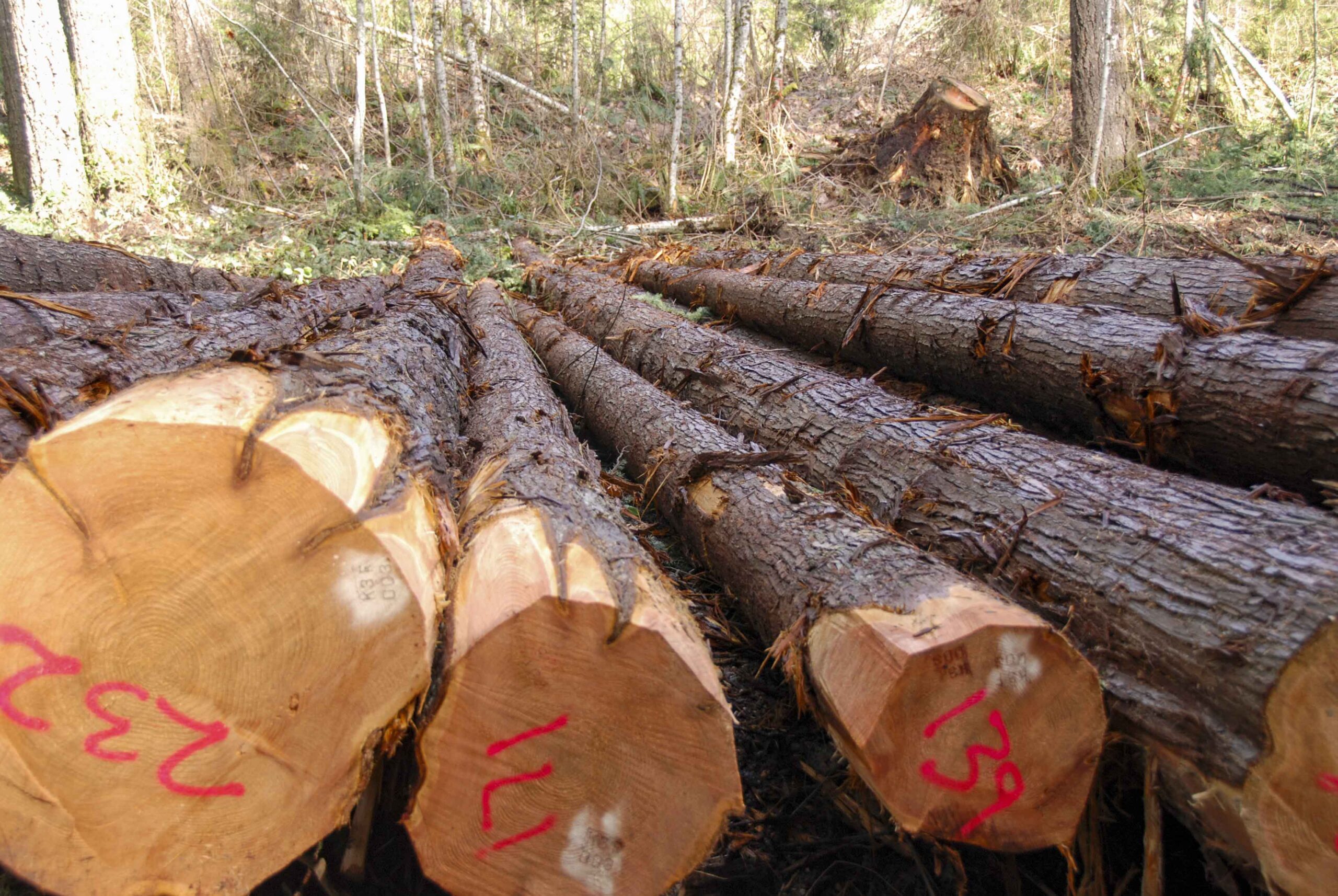 … municipal politicians [will] gather for their annual fall convention and attempt to influence the provincial government’s agenda. The Union of B.C. Municipalities convention takes place in Vancouver, Sept. 14-18. …The City of Nanaimo is calling for a ban on exporting raw logs and lumber cants. …The motion states that a lack of adequate and affordable wood fibre supply has been identified as a key factor in the continued curtailment or permanent closure of B.C. sawmills and pulp mills. Over the past five years, on average about 3.2 million cubic metres of raw logs have been exported. “Therefore be it resolved that UBCM call on the provincial government and federal governments to ban the export of raw logs and lumber cants from B.C. to ensure that forests harvested in B.C. from Crown land and private managed forest lands are processed in B.C., encouraging value-added manufacturing in B.C. and supporting employment in B.C.’s forest industry,” the motion states. [A Vancouver Sun subscription required for full access]
 Nova Scotia’s softwood lumber exports south of the border have been spared from Donald Trump’s tariffs, but pine products from the province are facing steep new costs in the deepening trade rift between Canada and the United States. About 60 to 80 per cent of Nova Scotia’s pine products — some $25 million worth — are shipped to the U.S., and they have been hammered with 50 per cent tariffs imposed by the president over the weekend. The province’s forestry industry said the tariffs “will essentially kill the white pine market in Nova Scotia.” “It’s concerning,” Breck Stuart, president of Forest Nova Scotia, said in an interview Monday. “The western half of Nova Scotia, where there’s a lot of white pine, that’s 30 per cent of our forest. That market basically went to zero overnight. …Stuart said most of the province’s pine products flow through Freeman Lumber in Greenfield, Millett Lumber in Chester and Lewis Moulding and Wood Specialties in Weymouth.
 “One of the hazards of free trade with the United States is the risk of what we’re witnessing now, that the United States could use its economic levers and turn on us as this behemouth next door that has become hostile without us having the time or opportunity to pivot,” said Tom Urbaniak, a professor at Cape Breton University….Where does Nova Scotia stand? “I don’t know,” Stephen Cole answered when asked whether the new tariffs will affect the province’s lumber and paper industries. …Sawmill owners had the same answer. Nova Scotia softwood exports south of the border have been protected under the CUSMA. “We have mostly private wood (about 70% cut off private land), so our timber market here is deemed to be a competitive market,” explained Cole. …What the Nova Scotia forestry industry doesn’t know yet is whether that CUSMA exemption remains under the new tariffs.
 Northwestern Ontario has an abundance of hardwood. That’s what the hosts of an inbound Scandinavian trade mission are promoting in Thunder Bay this week in an attempt to attract offshore investment and new manufacturing to the region’s forest sector. The Northwestern Ontario Innovation Centre will be the venue for the trade mission, Oct. 5-7, that is drawing select companies from Canada and the Nordic countries. The innovation centre, the Thunder Bay Community Economic Development Commission and the Centre for Research and Innovation in the Bio-Economy (CRIBE) are funding and orchestrating this gathering, which will feature a predominant Swedish contingent from as many as seven companies. …CRIBE CEO Scott Jackson said they won’t be shy about drawing attention to underutilized poplar and white birch in the northwest. CRIBE laid out the opportunity and value proposition


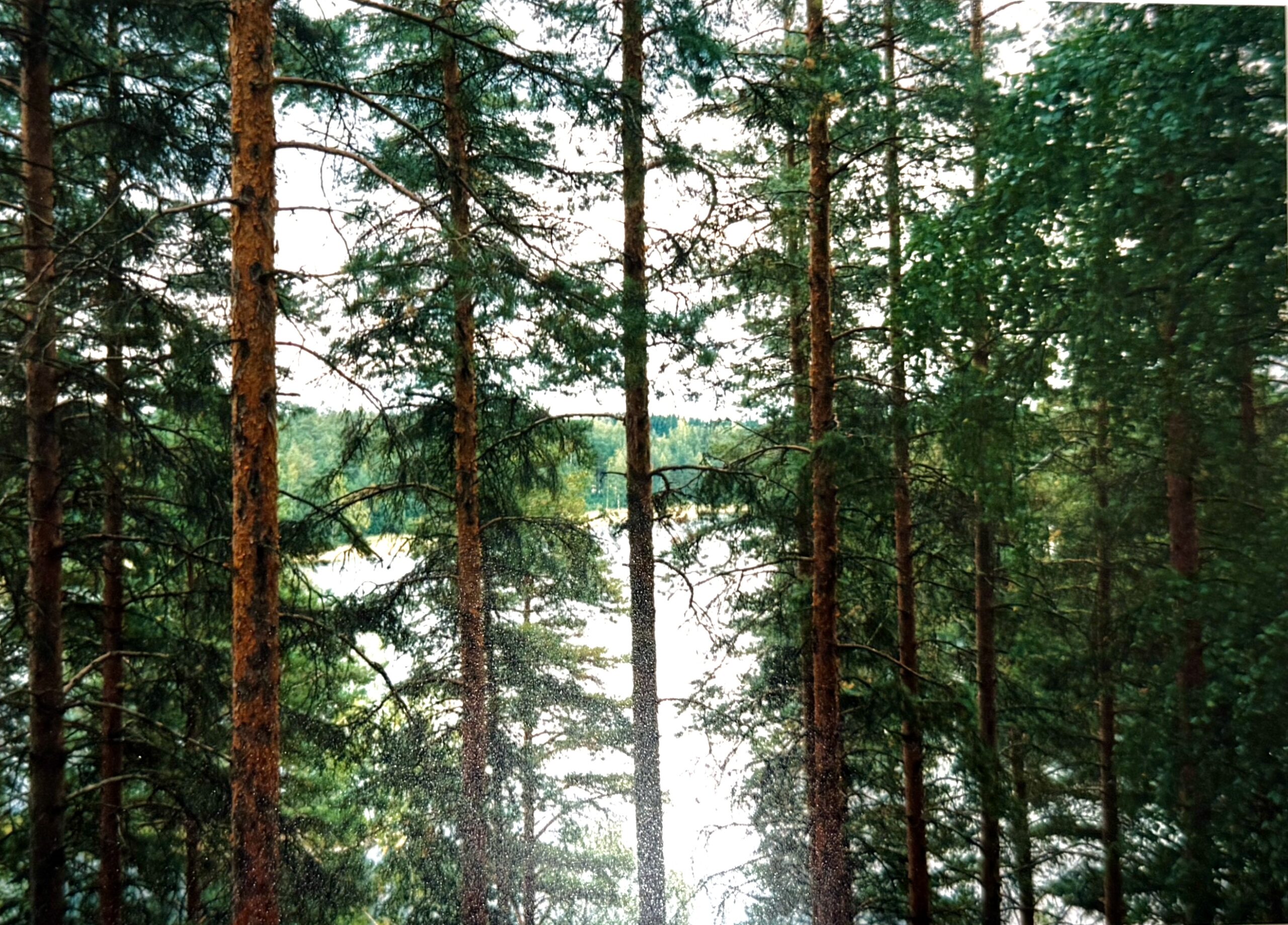 The Lac Simon Anishnabe Nation has filed a lawsuit against the federal government, arguing its failure to protect the caribou from the impacts of mining and forestry threatens their members’ constitutional rights. Since 2020, the last seven caribou of the Val-d’Or herd have lived in a 14-hectare forested enclosure in northwest Quebec. …The Val-d’Or caribou herd faces imminent extinction in Quebec as its habitat is fragmented by industry, with only one-third of its habitat intact. Though the caribou are listed under the federal Species At Risk Act, the nation says the government has focused on consultation rather than action, leaving the caribou vulnerable to the threat of ongoing environmental degradation. The Anishnabe Nation of Lac Simon argues its constitutional right to hunt relies on the continued existence of the caribou herd. If successful, the case could set a precedent at a crucial time when endangered species face escalating risks from major projects across Canada.
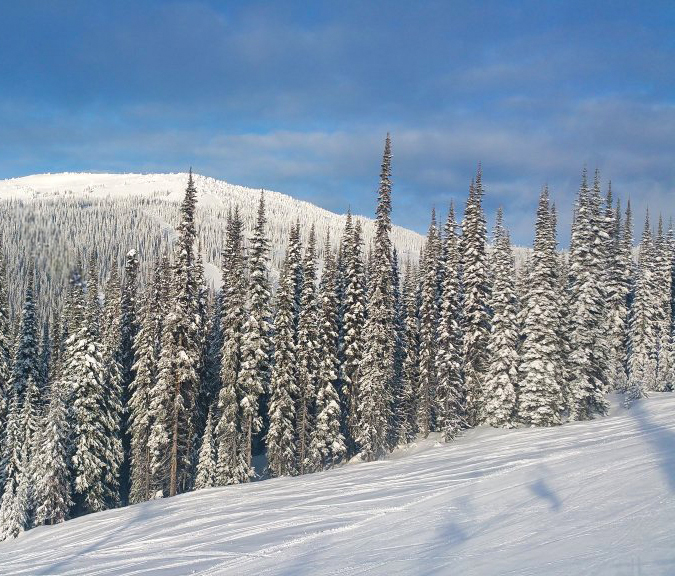 The Nature Conservancy of Canada says it has acquired 814 square kilometres of boreal forest and peatlands south of Kapuskasing, previously owned by a company selling carbon offset credits. The non-profit says where the landscape is healthy and free of vulnerable species, some day-use recreational activities such as hiking and paddling may continue, in line with provincial laws. The federal government says it’s contributing $13 million to the project as part of a total $64-million investment from both public and private donors. The announcement comes ahead of next week’s annual United Nations biodiversity summit, where the talks are expected to focus on global progress toward conservation goals. Ottawa unveiled a new $3.8-billion nature protection strategy earlier this year intended to put Canada’s goals within reach, months after the federal environmental watchdog found it to be more than one-million square kilometres short of its 2025 goal to protect 25 per cent of its lands and inland water.
 FREDERICTON, NB — …The Honourable Tim Hodgson, Minister of Energy and Natural Resources, announced an investment of up to $50 million for the establishment of the New Brunswick Strategic Innovation Centre in Digital Forestry, an initiative led by the Northern Hardwoods Research Institute in collaboration with ResearchNB. …The new Centre will establish a pilot for digitalizing the forest sector, helping the industry and its stakeholders better identify, track and use fibre resources across the supply chain. By increasing certainty of fibre supply and matching that fibre supply to facilities’ specific manufacturing requirements, the initiative would modernize the forest products sector in New Brunswick and create a model for other regions — attracting investment, reducing costs and improving operational efficiency for businesses. The digital infrastructure will place New Brunswick at the forefront of innovation and support the long-term resilience of Canada’s forest industry. Minister Hodgson confirmed that Budget 2026 will contain further details related to the federal forest sector strategy.

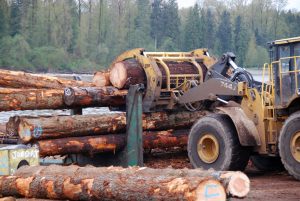 NEW BRUNSWICK — Ken Thomas has been harvesting lumber from forests in Stanley for over 32 years. …But these days, he’s consumed with the thought of what to do next, when he pulls these 20-foot logs out of the forest and looks for a buyer, now that his longtime purchaser is pulling out of the game — at least temporarily. Earlier this month, the AV Nackawic mill announced it will temporarily shut down at the end of October. The mill owner, AV Group, had already stopped purchasing wood in August. …If the Nackawic mill closes permanently, there will be about 257,000 hectares of Crown land licensed to AV Group that will be up for grabs. …In the meantime, while the province decides the next steps for the licence, Herron has allowed the mixed hardwood cut and grown for the Nackawic mill to be exempt from regulations keeping it in the province.


 CAPE BRETON, Nova Scotia — The ultimate goal of government negotiations with Mi’kmaw leaders is a fair and just settlement of outstanding land claims. That shared objective is the foundation upon which reconciliation must be built. Yet today, the province’s embrace of clear-cutting on contested Crown land is systematically undermining that very goal — turning potential partners into adversaries and turning forests into bargaining chips that will no longer exist when the real talks begin. For weeks, Mi’kmaw land protectors maintained a checkpoint at Hunter’s Mountain in Unama’ki (Cape Breton), standing firm against clear-cutting on land they consider sacred. Their protest is about more than trees. It is about treaty rights, reconciliation, and the future of fair land claim settlements. Premier Tim Houston’s government passed the Protecting Nova Scotians Act, which criminalizes blocking forest access roads. …The choice is clear: stop clear-cutting or jeopardize any hope of a fair settlement.
 …When the Species Conservation Act replaced Ontario’s long-standing Endangered Species Act, the change, introduced under Bill 5 in June 2025, stripped provincial protection from several species and narrowed habitat protection for others — 106 species lost protections, a July 2026 report by Ontario Nature found. It also introduced a new model for environmental assessments that is “proponent-led,” leaving developers largely responsible for assessing their own environmental impact and cutting government biologists out of the process almost entirely. A recording of the meeting, which involved about 25 staff members in the species at risk branch of the Ministry of Environment, was shared with The Narwhal by one participant… sources reveal the new act has had a significant impact on the people tasked with protecting Ontario’s most vulnerable species — reducing them from experts to rubber stamps, if anything at all, for the industries they once held to account.
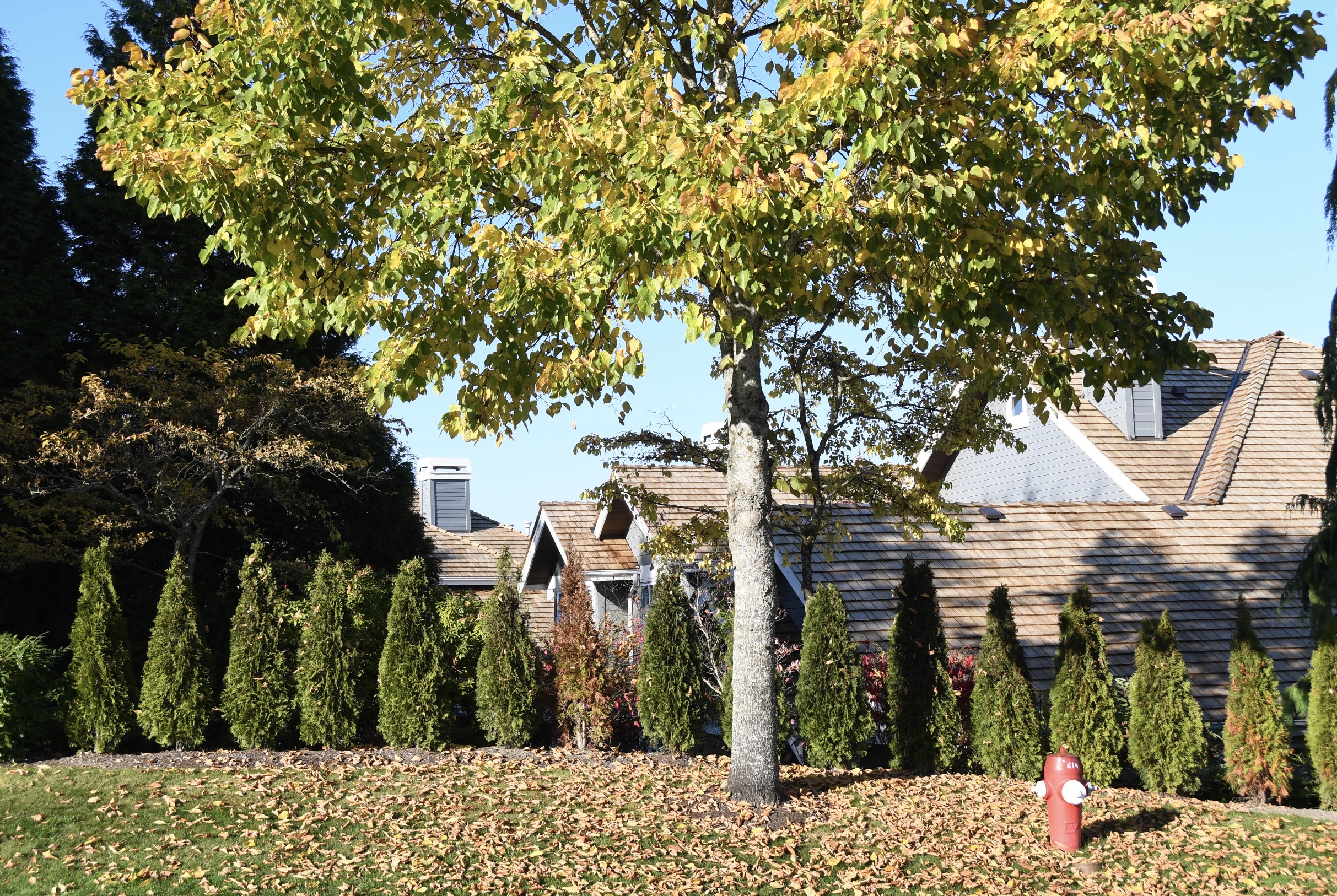 THUNDER BAY — The City of Thunder Bay is benefiting from an infusion of government cash as it continues to plant thousands of trees, largely to mitigate the destruction of the urban forest canopy caused by the invasive emerald ash borer. The federal government and the Federation of Canadian Municipalities have announced details of a recent round of funding under the Growing Canada’s
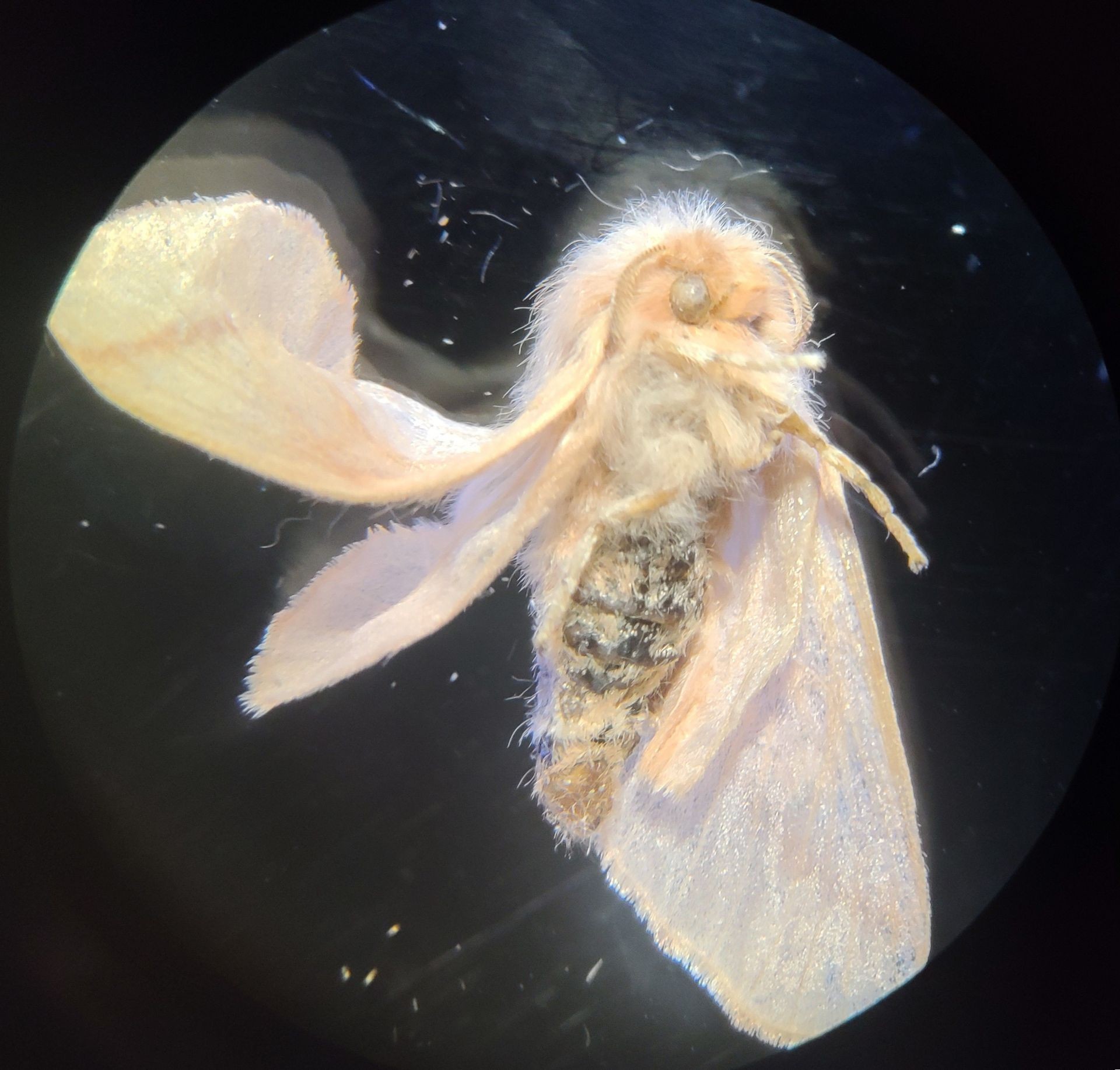

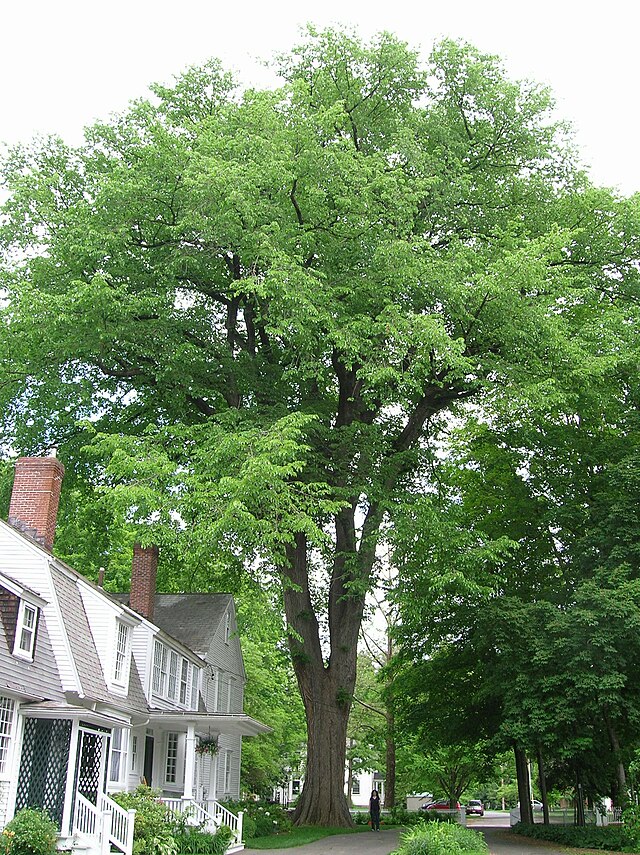


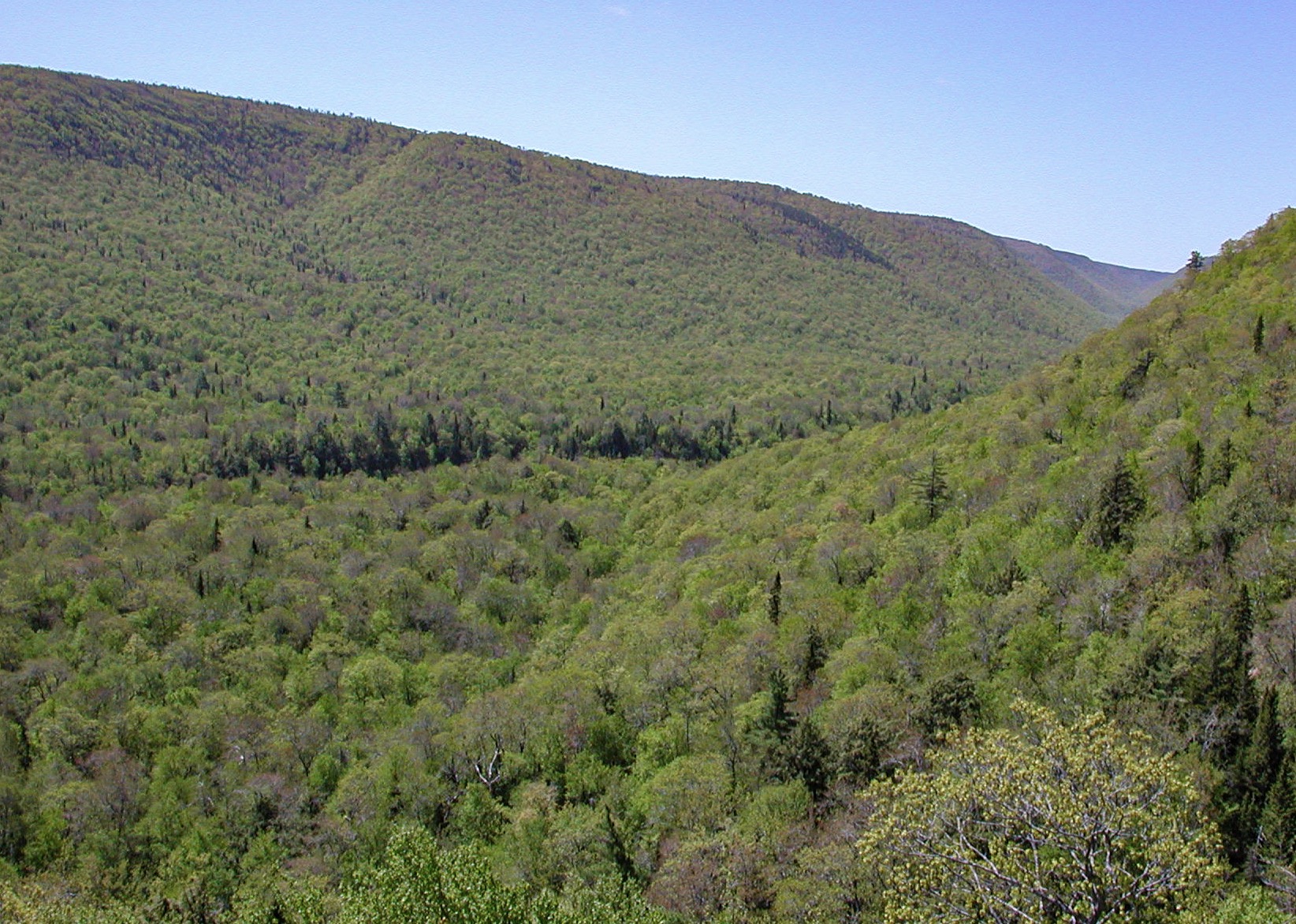 A team developing an aerospace and environmental project based in Montreal is currently working at the Timmins Stratospheric Balloon Base, testing its technology. The SAFARI-APEX project team from Montreal’s École de technologie supérieure has developed a prototype that uses cameras and artificial intelligence to monitor forests from above. The system is designed to spot conditions that could make an area more vulnerable to fire before one actually starts. Serguei Markov, an IT engineer and one of the people behind the project said the system analyzes factors such as vegetation, soil and humidity — information that could help focus fire prevention efforts where the risk is highest. …A prototype, called Borealis, was sent into the atmosphere on a Canadian Space Agency stratospheric balloon in Timmins.
 ARC Bio has successfully demonstrated a pathway to produce sustainable aviation fuel (SAF) from Canadian forest residues through refinery co-processing. The project connects Canada’s forest sector with existing refining infrastructure, demonstrating how residual woody biomass can be converted into a refinery-ready biocrude and processed alongside conventional feedstocks to produce transportation fuels, including SAF. “Canada has the biomass feedstock, forest sector expertise, industrial capability and refining infrastructure to build an important new clean fuel value chain,” said Serge Mercier, President of Bioénergie AECN. “This work creates a direct connection between Canada’s forest economy and the growing need for low-carbon fuels in aviation and marine transportation markets.” The demonstration began with fast pyrolysis oil produced from Canadian forest residues by Bioénergie AECN in Port-Cartier, Quebec. The bio-oil was upgraded into barrel-scale quantities of Alder Renewable Crude (ARC), a transportable biocrude designed for integration with existing refinery infrastructure.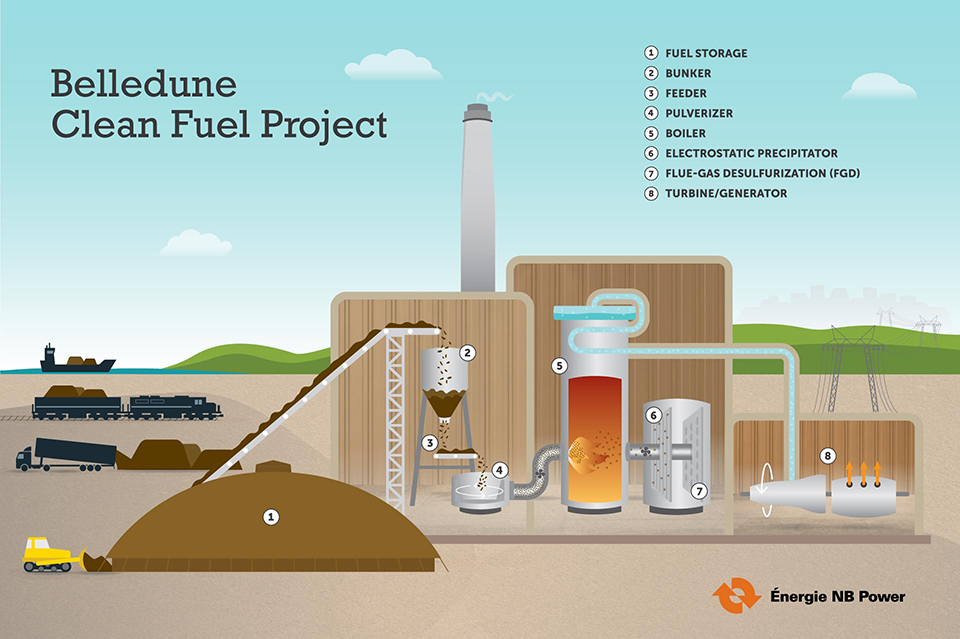
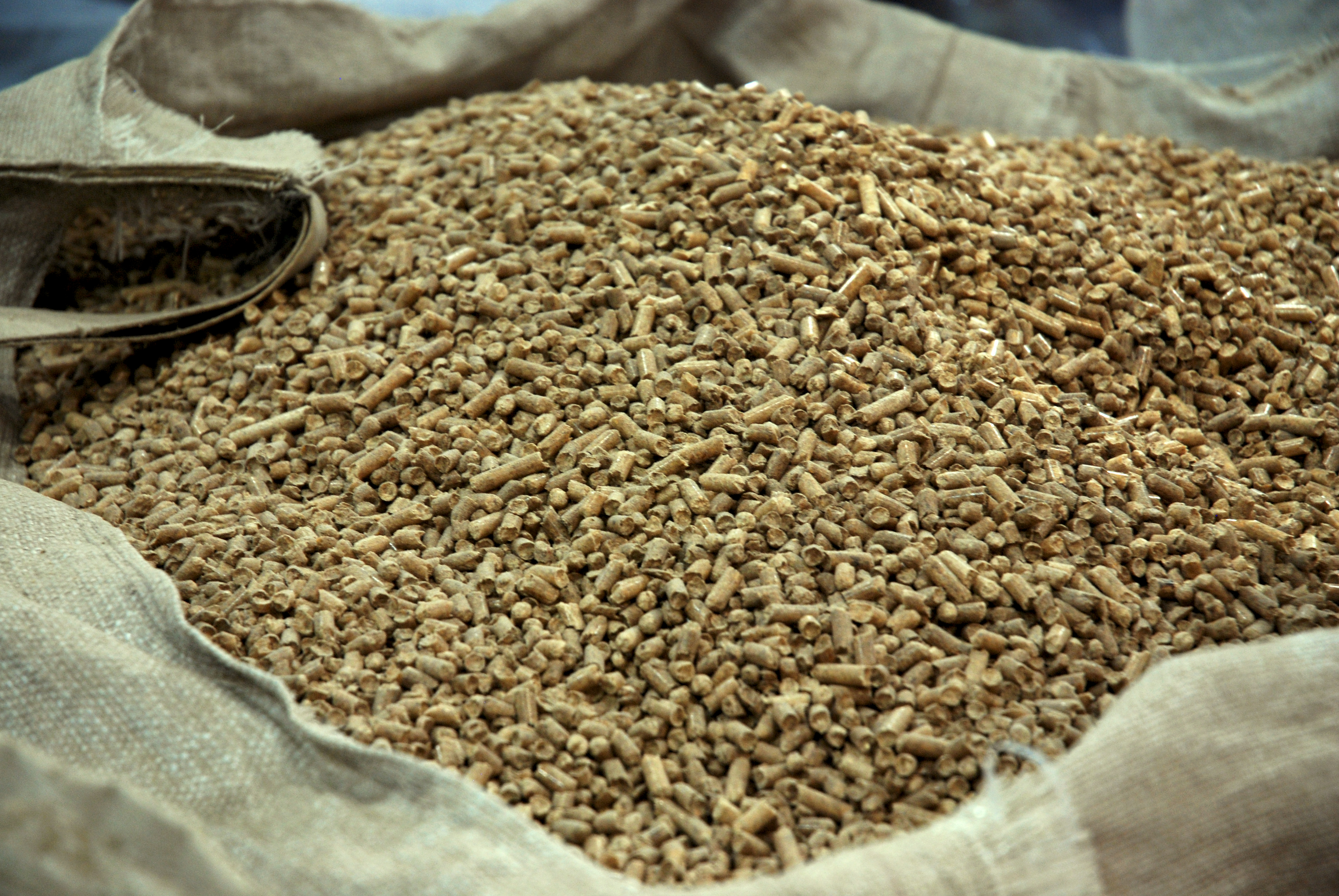 NB Power is pushing ahead with the conversion of its Belledune Generating Station from coal to biomass. A Thursday announcement is expected to reveal the proponents that will supply the repurposed power plant – one of New Brunswick’s largest – with 300,000 tonnes of wood pellets annually. Among them is expected to be a partnership proposing to build a torrefied wood pellet production facility at the Port of Belledune. “Once it’s officially confirmed, we are going to have a plant right at the port,” said Pabineau First Nation Chief Terry Richardson in an interview. “What’s great about this project is it’s Canadian technology, Canadian companies, and First Nations all partnering together.” Brunswick News reported in May on a partnership between Pabineau First Nation, Eel River Bar First Nation, Arbec Forest Products, and Airex Energy, a Quebec company proposing to build a torrefied wood pellet production facility at the Port of Belledune. [A Telegraph-Journal subscription is required for full access]
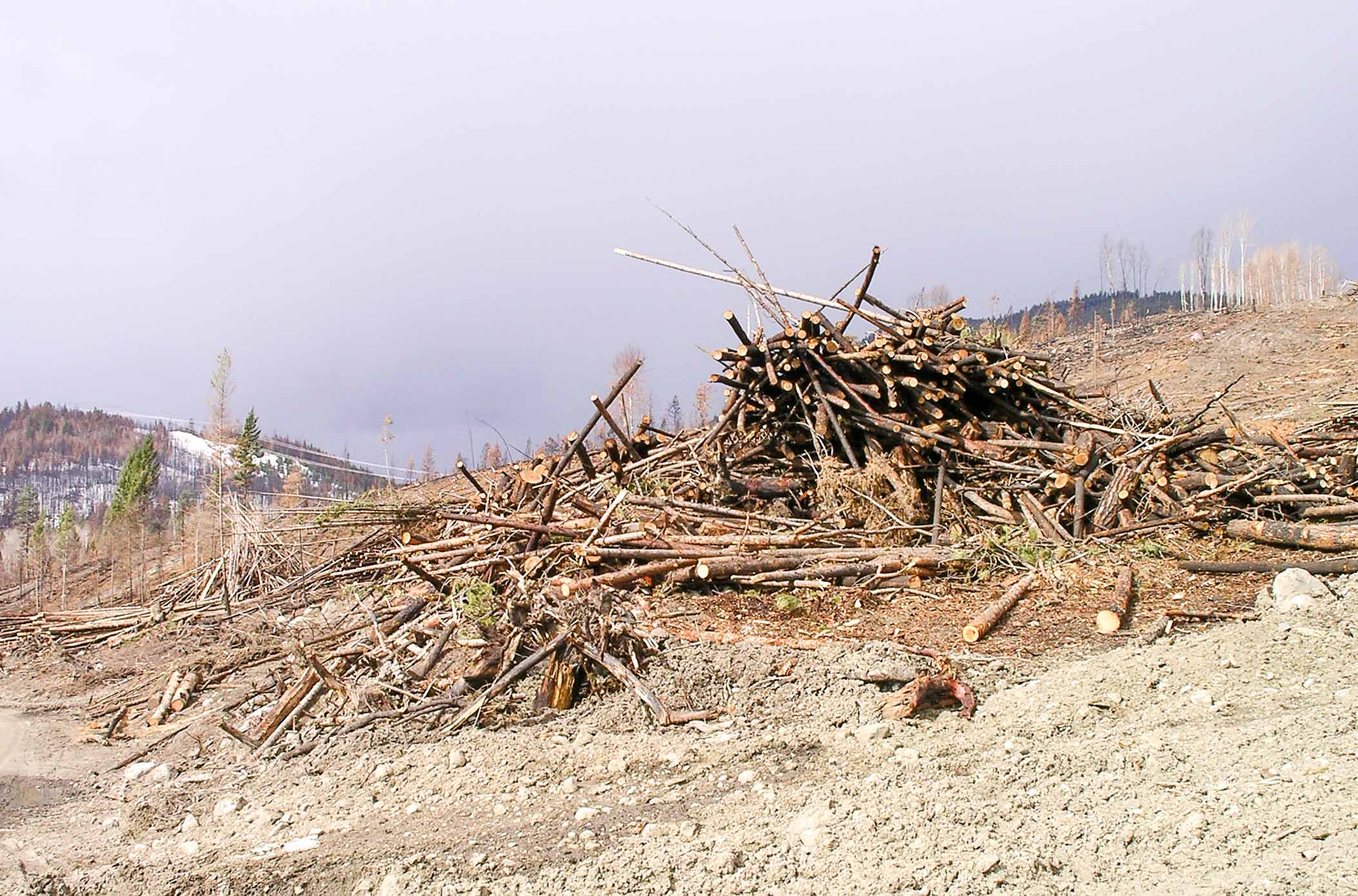 For generations, Nova Scotia’s forests have been a foundation of the province’s economy. But the traditional business model built around sawmills, pulpwood and large-scale paper production has been under growing pressure. The closure of the Northern Pulp mill in Pictou County in 2020 exposed just how vulnerable the sector had become. …Now, industry leaders are looking toward an emerging opportunity: turning branches, bark and other low-grade fibre into energy. …Nova Sustainable Fuels is planning a multibillion-dollar renewable-energy project that would use biomass from Nova Scotia’s forestry and forest-based industries to produce sustainable aviation fuel, providing an alternative to conventional petroleum-based aviation fuel. For an industry struggling to find markets for its fibre, projects such as that could represent an important new customer. Stuart said a biomass market could also complement efforts to improve the health of Nova Scotia’s forests. [A Chronicle Herald subscription may be required for full access]
 THUNDER BAY, Ontaro — Former workers of Dryden’s Weyerhaeuser Pulp and Paper Mill who were exposed to toxic fumes in the early 2000s gathered Thursday to provide updates on the lifelong impacts it has had on their health. The Occupational Health Clinics for Ontario Workers (OHCOW) invited the former employees to the Thunder Bay OPSEU offices to conduct updated interviews on their health and employment history, to be used in WSIB claims. In total, about 400 workers were exposed to fumes between 2002 and 2004, during the construction of the mill’s recovery boiler #4, said OHCOW’s executive director for projects, Andrew Zarnke. By midday Thursday, 35 of those workers had come to be interviewed. …Many records, according to OHCOW, state that there were no controls, forced ventilation, extraction or plume-control systems. Further records state that emissions were blown into the construction site that was covered with unsealed tarp and siding.

 The fire that is burning out of control in Port Hope Simpson has more than tripled in size, as Day 2 of efforts to fight the blaze near the southeastern Labrador community comes to a close. The fire that began at an estimated two hectares in size when it was mapped as a possible threat to the community on Wednesday reached five hectares by mid-Thursday morning. As of about 7 p.m., the latest update, it’s seven hectares, according to provincial forestry. However, any spread has not been into the town, thanks to activities through the day. “Today, aerial suppression efforts were supported by three water bombers and two bucketing helicopters, which were effective in preventing the spread of the wildfire,” states the update.