MONTREAL – eSolutions Furniture Group, including Bush Business Furniture, Bush Furniture, and Bestar, announced today that the Fédération des caisses Desjardins du Québec, as lender and as administrative agent for the Company’s lending syndicate, is expected to present a motion on May 4, 2026 before the Superior Court of Québec under the Bankruptcy and Insolvency Act (Canada) to appoint PricewaterhouseCoopers Inc. as receiver over the Company’s assets. …The Company’s financial position has worsened significantly since 2021. The business has faced additional pressure since 2024 due to the imposition of tariffs by the U.S. government, post-pandemic reductions in consumer demand, increased competition from offshore competitors, and ongoing cash constraints.
- Related in WoodWorking Network: Canadian wood furniture industry in ‘dire’ straits


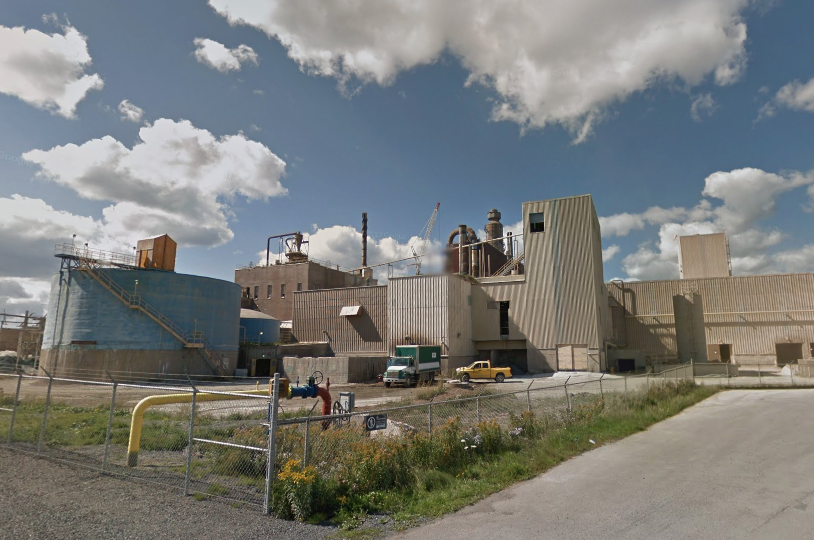 Northern Pulp’s closure plan for its mill site in Abercrombie Point, N.S., is still not complete, but a B.C. court heard Tuesday that the plan could soon begin coming into focus as the company’s creditor protection process continues to play out. …Because the plan is not final, the monitor notes in its report that it’s subject to change. The report says the company will explore options for the mill site and remaining property, which could include trying to market it to sell. Failing that, however, demolition is expected to begin in November. The court also heard Tuesday that the sale of the company’s timberlands to a company owned by billionaire blueberry mogul John Bragg is expected to be complete in the coming days. That sale, worth $235 million, will generate money for the closure plan, the mill’s creditors and to wind up the company pension.


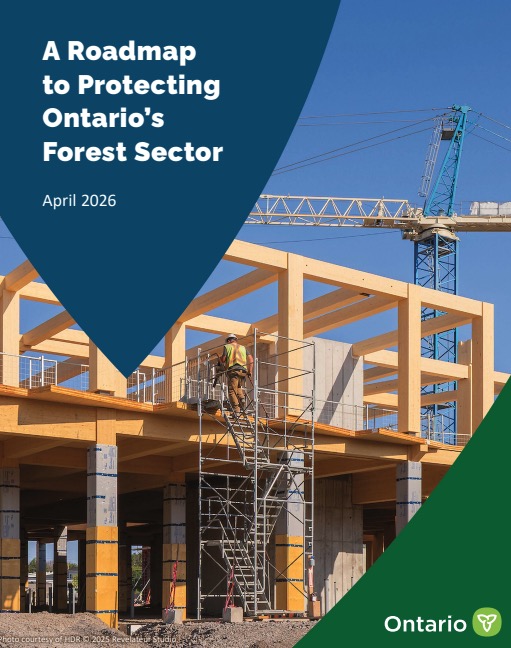 TORONTO— The Ontario government has launched the

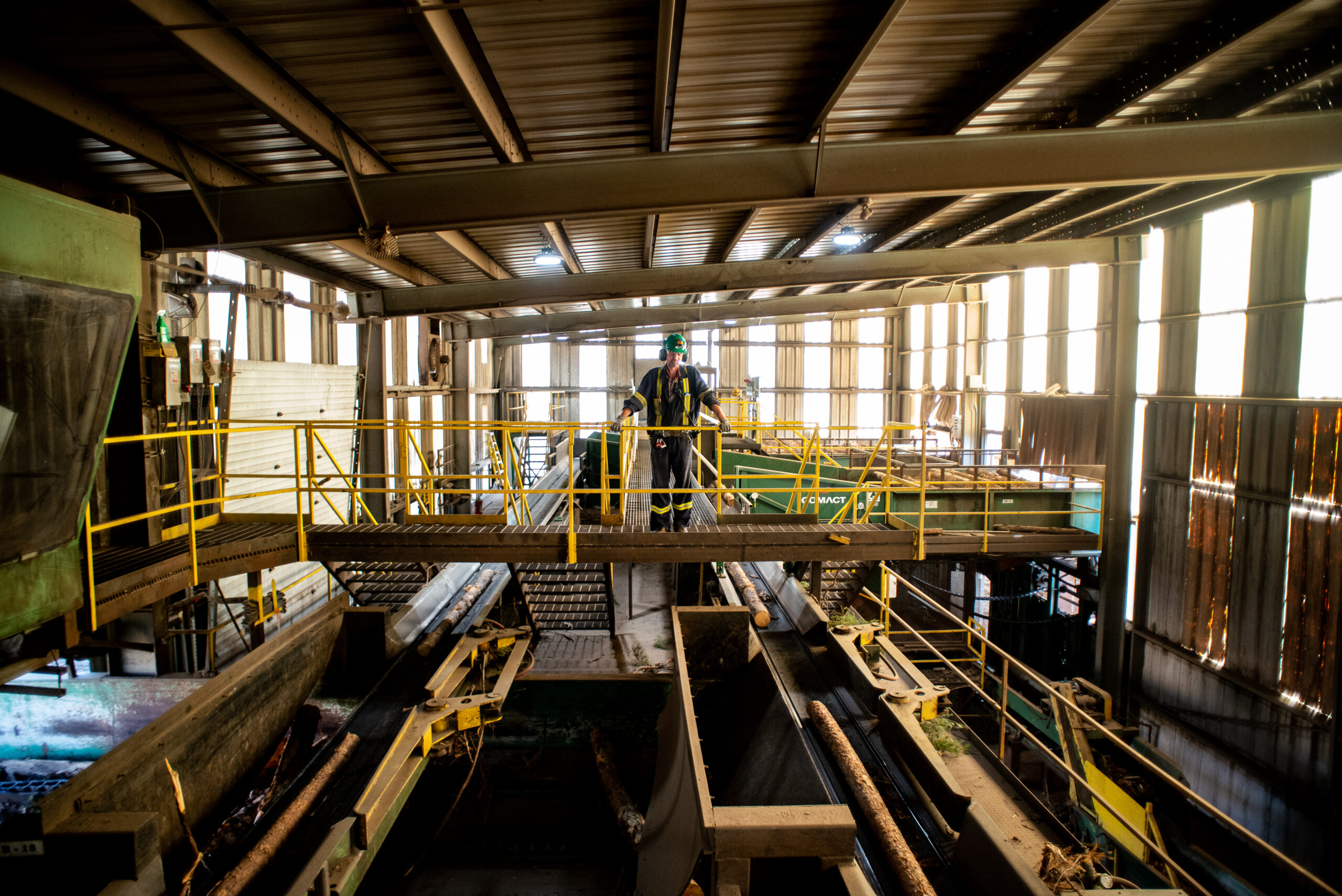
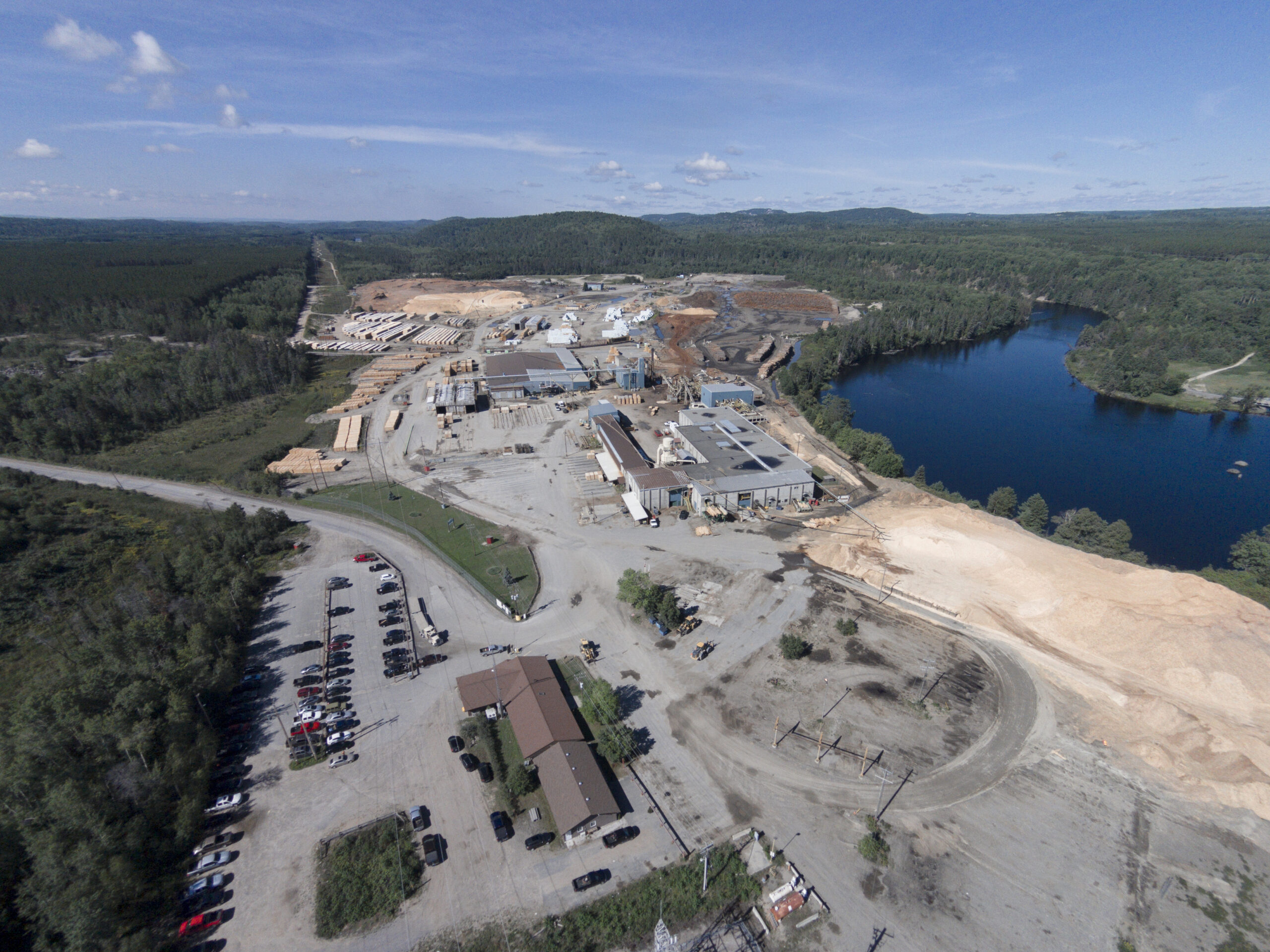



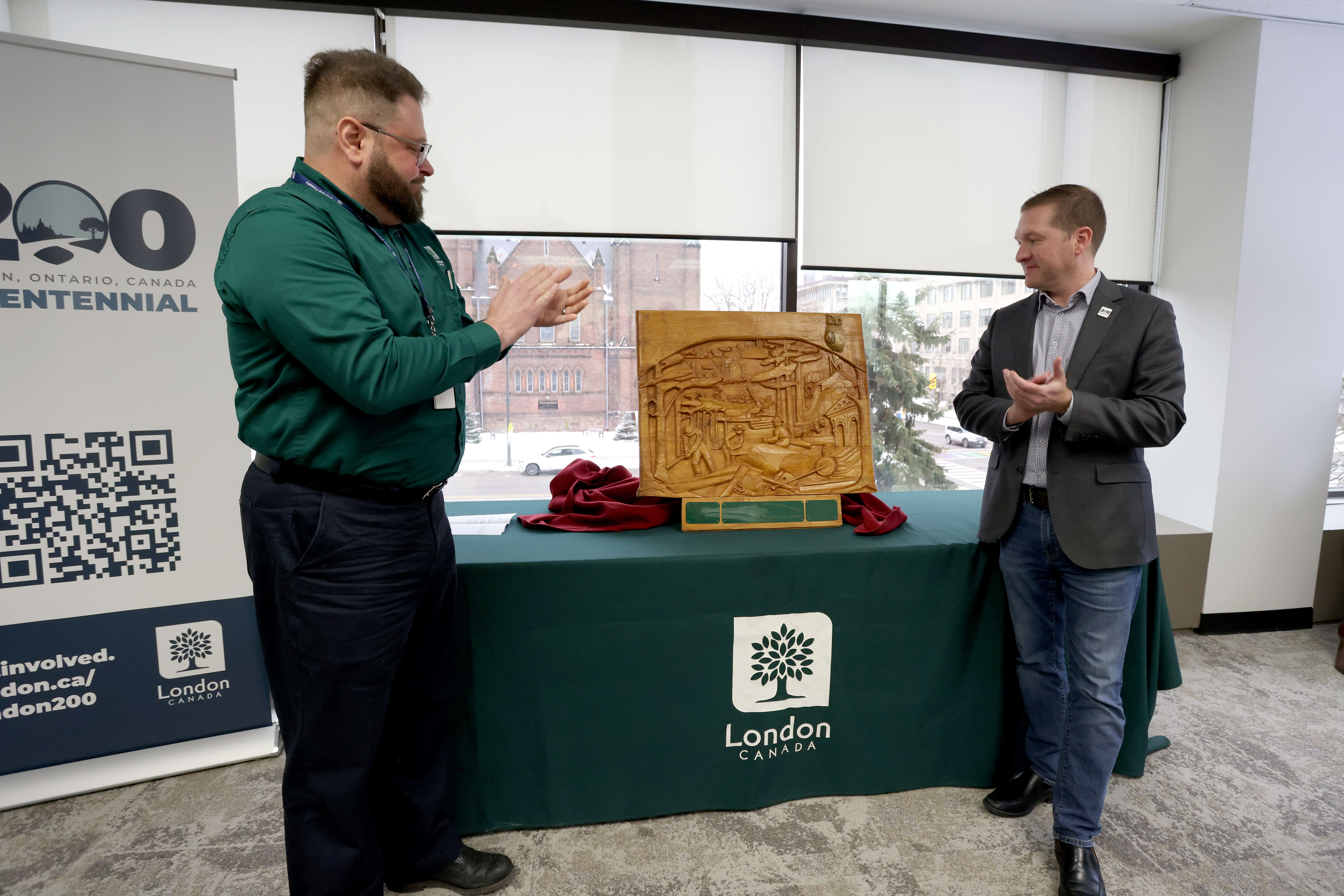
 Kenora, Ont. – The United Steelworkers (USW) are proud to welcome 147 new members following a strong organizing victory at Weyerhaeuser in Kenora, Ont. Workers voted overwhelmingly in favour of joining the union with 97% support. This is a clear demonstration of their desire for a stronger voice at work and a more secure future. “This result speaks volumes,” said Kevon Stewart, USW District 6 Director. “Workers at Weyerhaeuser came together with shared goals – to improve their working conditions, strengthen their rights and build a better future. We are proud to stand with them as they begin this next chapter.” The organizing campaign was driven by workers coming together and building support across the workplace. …This victory reflects a growing trend of workers across the forestry sector choosing to unionize and strengthen their collective voice on the job.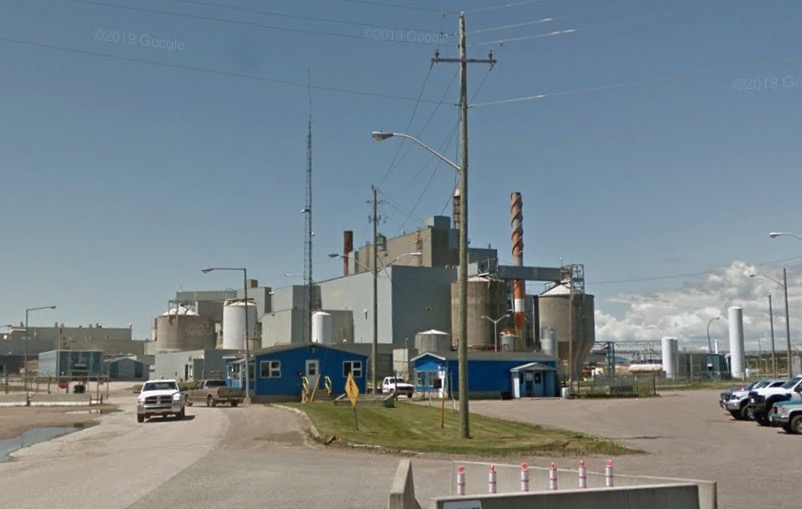



 NEW BRUNSWICK — Postmedia plans to stop printing most New Brunswick newspapers in Moncton. Postmedia publishes the Times & Transcript, Telegraph-Journal, Daily Gleaner and other local newspapers. They are printed and distributed from a building along Main Street in downtown Moncton. Dave Arsenault, president of the New Brunswick Media Guild, confirmed that print and distribution will cease in Moncton and be moved elsewhere. …”Following an assessment of printing and insert packaging operations, it was determined that outsourcing these operations from Postmedia’s Moncton facility would allow us to continue serving print subscribers and advertisers while supporting long-term financial sustainability,” the company said Wednesday. The printing will be outsourced out of province starting Aug. 2. Postmedia bought most of New Brunswick’s English-language newspapers from Irving-owned Brunswick News in 2022.

 Saint John’s fire department wants the city to adopt a long-term plan to reduce the risk of wildfires and strengthen the ability to fight them. A proposed plan, which includes raising public awareness and improving wildfire training for firefighters, earned the support of the city’s public safety committee at a meeting Wednesday. Recommendations came after a detailed evaluation of wildfire risks based on terrain, weather and climate influences, locations of homes and other factors. Saint John has not experienced large-scale wildfires in recent history, as other areas of New Brunswick have, but the evaluation identified a moderate overall wildfire risk in some areas of the city. Steep hillsides, and extensive forestry, park space and other green areas — particularly near dense neighbourhoods — create risky conditions for the city uncommon in other parts of the province, Deputy Chief Ed Moyer of the Saint John Fire Department told the committee.

 THUNDER BAY — The Ontario government is investing $15 million in ongoing annual funding through the Northern Ontario Resource Development Support (NORDS) Fund to help northern municipalities continue to improve local infrastructure and support responsible economic growth in the North. …Resource development operations, such as mining, forestry and agriculture, are an important part of the provincial economy, yet they can also disproportionately impact northern municipal infrastructure. … In 2025-26, 144 municipalities received NORDS funding, including:
 Premier Tim Houston says he would institute a ban on entering the woods again, if the circumstances called for it, in spite of a judge saying last year’s province-wide decree was unreasonable. Houston was reacting to a Nova Scotia Supreme Court ruling that says the province failed to consider individual mobility rights — enshrined under Section 6 of the Charter of Rights and Freedoms — when it told people to stay out of the woods on Aug. 5, 2025. The ban was imposed during an extended period of drought when wildfire risks were high to extreme. It remained in place across the province for several weeks. The court decision, released last week, suggested that Charter rights should be considered in a more meaningful way before the next emergency. Houston said he respects the decision but he stood by last year’s ban. He disputed the judge’s conclusion that the province did not consider Charter rights.
 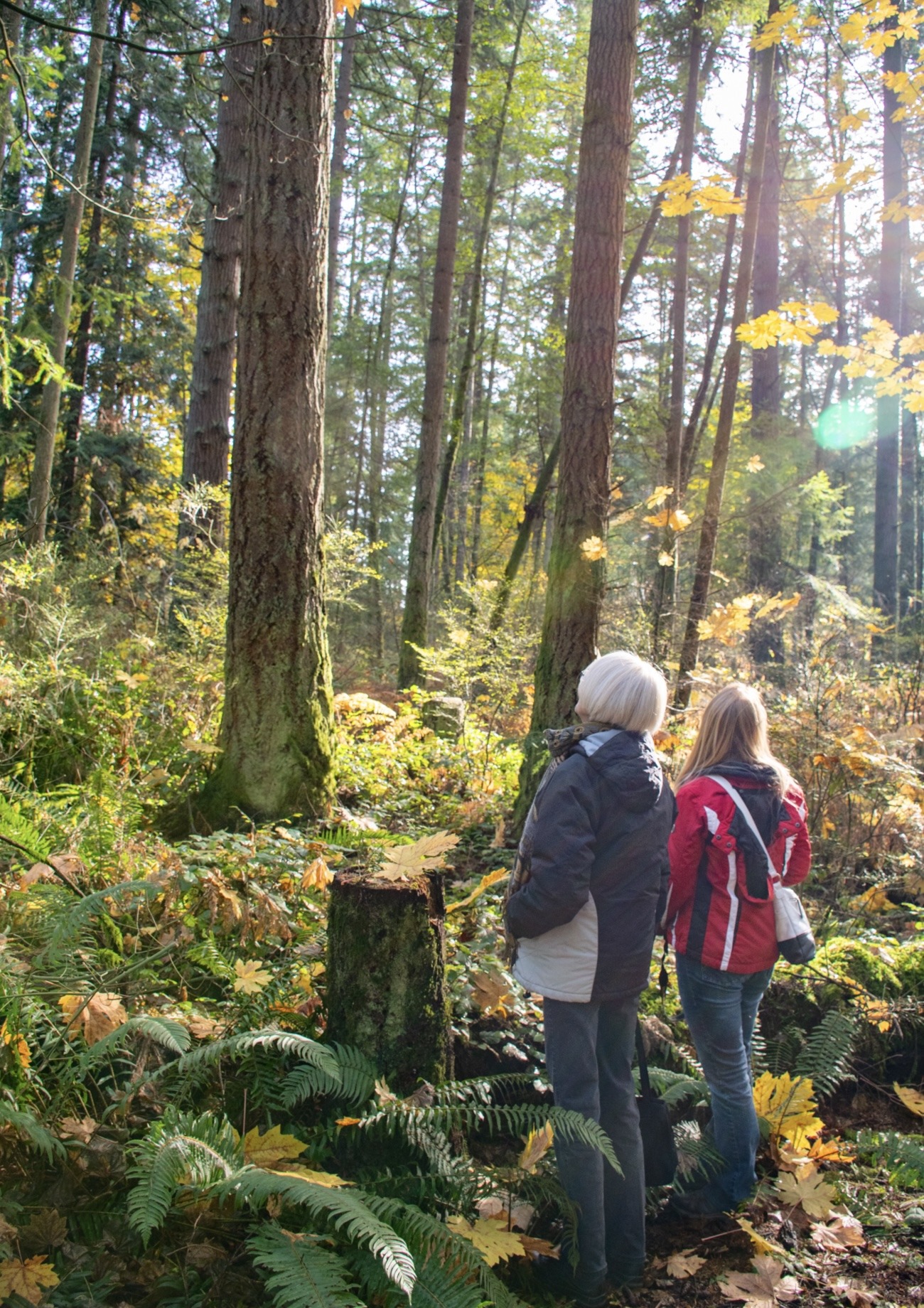 Months after Premier Tim Houston of Nova Scotia locked down the province’s forests, instituting a $25,000 fine on anyone who dared to enter a wooded or boggy area that they did not personally own, he’s received his first review from the courts. It’s poor: the ban on human travel through the “woods,” the Nova Scotia Supreme Court said last Friday, was unreasonable and therefore illegal. The result is a win for common sense. The actual reasoning of the court, less so. …Justice Jamie Campbell declared the ban was unreasonable — because the natural resources minister, back before he banned walks in the woods, didn’t adequately consider how his decision might interact with the Charter rights of those affected. While it wasn’t a constitutional case, the Charter ended up being the deciding factor in a backdoor sort of way.
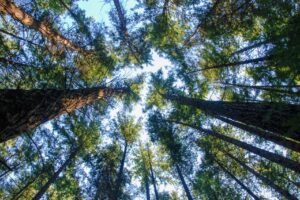 In a province that is largely carpeted with forests, it is no surprise that timber production has long been a mainstay of Nova Scotia’s economy. Yet recent years have not been kind to the sector. Several major pulp mills have ceased production. …Worsening trade relations with the US have created further headwinds. Yet out of the apparent demise of traditional lumber, some see opportunity for. “Cheap, low-grade pulp was the key to the past,” says Royden Trainor, at the Greenspring Bioinnovation Hub, a public-private partnership working to promote the low-carbon bioeconomy in Nova Scotia. The way forward, he says, is to focus on opportunities where value can be added to forest raw materials. This involves looking towards the fibres that can be used to produce chemical products and advanced materials. Trainor highlights how residues from pulp mills or food processing plants can be used to produce biofuels, biochar and biochemicals.
 Provincial and municipal officials say they’re focusing on leveraging new resources and applying lessons learned from last year, now that Ontario’s wildfire season is officially underway. A total of 643 wildfires were reported last year in the province, burning nearly 600,000 hectares of land. Northwestern Ontario bore the brunt of wildfire activity in the province, with 11 communities facing restrictions or evacuations related to wildfire activity. “I think the biggest lessons learned obviously was how do we stretch as many resources as we can across the province,” said Mike Harris, Ontario’s Minister of Natural Resources and Forestry. Harris was new to the MNR portfolio last year, and he said he spent a lot of time through the summer meeting with fire crews, supervisors and meteorologists to gain a better understanding of the operations that happen on the ground throughout the season.