
Fred Tilley
The Nova Scotia government and Pictou Landing First Nation are in talks about an alternative site to store contaminated sludge removed from Boat Harbour as part of the cleanup process of the former tidal estuary that for decades was used as the treatment site for a nearby pulp mill. Fred Tilley, the minister responsible is providing few details about the location in question. …The cleanup of Boat Harbour since the closure of the Northern Pulp mill in 2020 has been delayed for years due to a variety of factors, including what to do with the sludge after it’s removed. Although the province has federal approval to expand an existing on-site hazardous waste containment facility, that approval included a condition that they explore alternative sites with the First Nation. …Chief Tamara Young said it would be preferable for the sludge to be stored at the site of the former mill at Abercrombie Point.
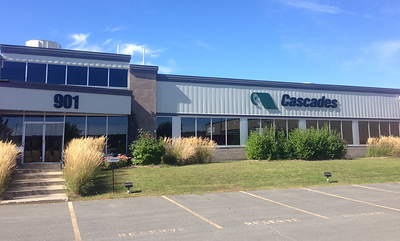


 MILDMAY — The Ontario government is investing $1.6 million in Bernie McGlynn Lumber Ltd. to support a major expansion and modernization project at the company’s sawmill in Mildmay. The investment will more than double the company’s production space, increase output by 47 per cent, create five new good-paying jobs and support 13 existing positions. As part of its plan to protect Ontario forestry workers and businesses, the province is making strategic investments to help the forest sector adapt, compete and grow in the face of U.S. tariffs. …The government’s investment through the Forest Sector Investment and Innovation Program will support Bernie McGlynn Lumber’s $5.3 million project to construct a new 30,000-square-foot facility and install upgraded equipment, including a first-in-Ontario thermal-treating kiln system and a double-bladed bandsaw.



 The global trade landscape is shifting rapidly, which has created uncertainty and challenges for workers, industries and communities across Canada. …Workers whose jobs have been directly or indirectly impacted by global tariffs will receive support to help them adapt, retrain and succeed, as a result of a partnership agreement announced today by Wayne Long, Secretary of State, alongside Jean-Claude D’Amours, New Brunswick’s Minister of Training and Labour. …Specifically, $13.8 million over three years will be invested through the new Canada–New Brunswick Workforce Tariff Response to support workers in the softwood lumber, mining, construction and transportation sectors, as well as other directly and indirectly tariff-affected industries. This new funding will help over 1,500 workers in New Brunswick build new skills and seize emerging opportunities.
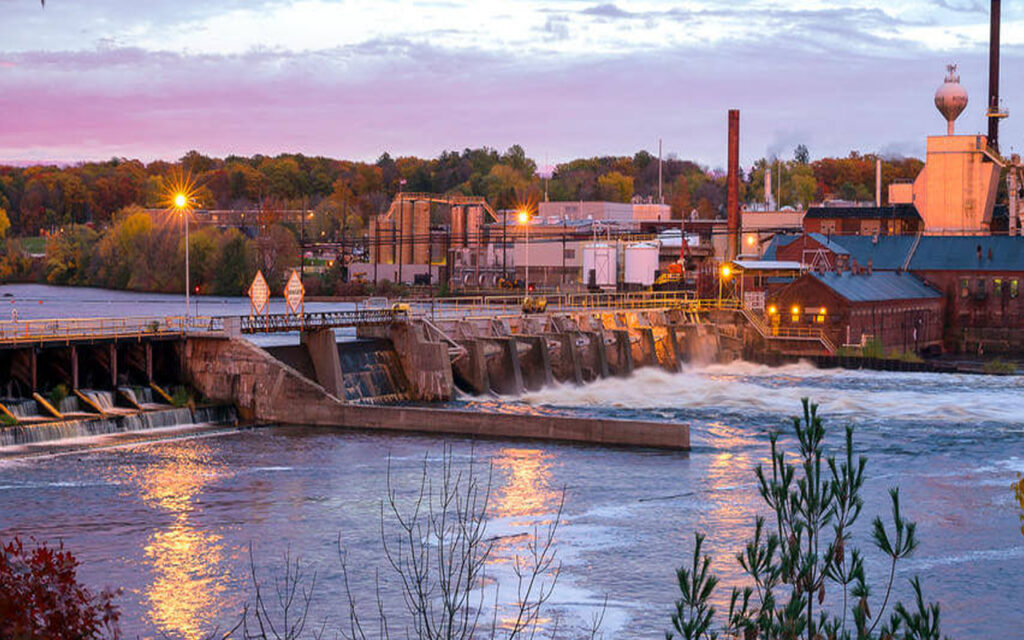
 ENGLEHART, Ontario — The Ontario government is investing $10 million in Georgia-Pacific North Woods to advance a major $191 million upgrade to its OSB plant. The project will support the increased production of Ontario-made wood products and protect more than 220 jobs and hundreds of indirect jobs in the region. …The province is making strategic investments to help forest sector businesses adapt, compete and grow to stay resilient in the face of US tariffs. …The government’s investment under the Forest Biomass Program will support Georgia-Pacific’s $191 million project, helping modernize and expand operations at its Englehart facility. The project includes upgrades to log processing operations, construction of new facilities, expansion of on-site storage and modern equipment. Once completed, these improvements will increase production by 14%, strengthening a key anchor facility in the northeast. Georgia-Pacific will also acquire a thermal energy system to use wood by-products for heat and power, supporting sustainable forest management by maximizing fibre value.
 A union representing lumber workers in Canada warned that the federal government needs to help “stabilize” the forestry sector as the trade war with the United States drags on and impacts productivity, leading to sawmill closures. The sentiment emerged at a Tuesday meeting of the House natural resources committee as it continued its study into Canadian energy exports, where Unifor national president Lana Payne told MPs that the industry continues to struggle. Industry Minister Mélanie Joly had unveiled a $1.5-billion aid package for the steel, aluminum and copper sectors on Monday, with the bulk of this amount offered through three-year loans under a program that will be created by the Business Development Bank of Canada (BDC). At the time, Joly stressed that Ottawa is still working to offer “similar terms” through BDC to the softwood lumber and forestry industries.



 Three years ago, the Ontario Building Code required that any developer taking on a mid-rise wood-frame building had to construct stairwells out of non-combustible material. That was expensive. It made construction challenging, and, according to the Canadian Wood Council, resulted in a lower adoption of wood-frame building. Since that requirement was removed in 2023, allowing full buildings to be constructed with wood, interest in mid-rise wood-frame building has increased considerably, especially for residential builds, said Hailey Quiquero, with the WoodWorks Ontario program, an initiative of the Canadian Wood Council. “Now, in our market, we’re sitting at around 50% of five- and six-storey buildings being built out of wood construction, so a great jump,” Quiquero said. “We’ve still got a long way to go. In BC, I think it’s greater than 80% of this market.” …Currently in Ontario, mid-rise wood-frame building is largely being used in residential projects, Quiquero said.

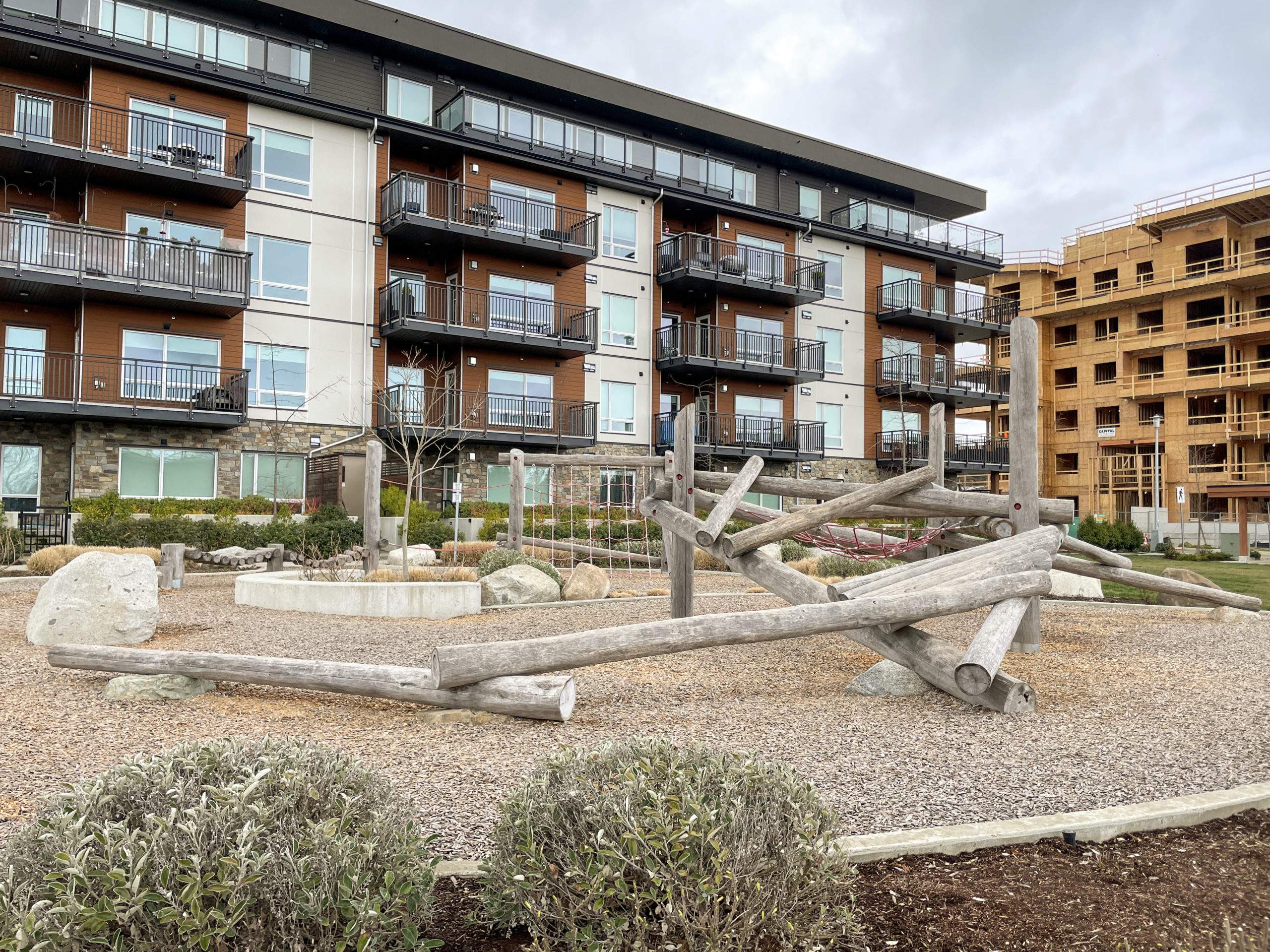 Three years ago, the Ontario Building Code required that any developer taking on a mid-rise wood-frame building had to construct stairwells out of non-combustible material. That was expensive. It made construction challenging, and, according to the
  Mississauga city staff are reviewing a proposal for a “wood recovery facility” and an associated office building near Winston Churchill Boulevard and Lakeshore Road near the Oakville border. Applications have been submitted to amend the official plan and zoning to permit the facility, which would recover wood material to be used as a fuel source, according to the city. …local councillor, Alvin Tedjo said the cement plant provides roughly a third of all the cement for the province but still uses coal, adding the proposed wood recovery plant would provide low-carbon fuels. “The idea is that this plant would then create and process the materials in order to be used in the cement process which would then significantly reduce the use of coal and actually is part of removing coal completely from the (cement) plant so that we can be fully coal-free in Mississauga,” Tedjo said in a June 4 interview.
 NOVA SCOTIA — When Tricia Murray rebuilt her home after the devastating 2023 wildfires, she expected her insurance premiums to soar. …Instead, her premium dropped by 12%… because her new home uses modern, fire-resistant materials and incorporates a buffer zone. Murray’s experience highlights a shift in how insurance companies calculate risk. For decades, insurers relied purely on history, it was classified as low risk. ….Instead of grading entire neighbourhoods under one risk level, insurers are using advanced tools like satellite imagery and laser scanning to assess individual properties. This new approach looks at specific, real-time details: The proximity of trees and brush to a structure. The type of roofing and building materials used. Property maintenance, such as clearing dry leaves from decks and removing wood chips near walls. Amanda Dean, at the Insurance Bureau of Canada, said those tools give homeowners the power to lower their own risks by following FireSmart Canada guidelines.

:quality(65))
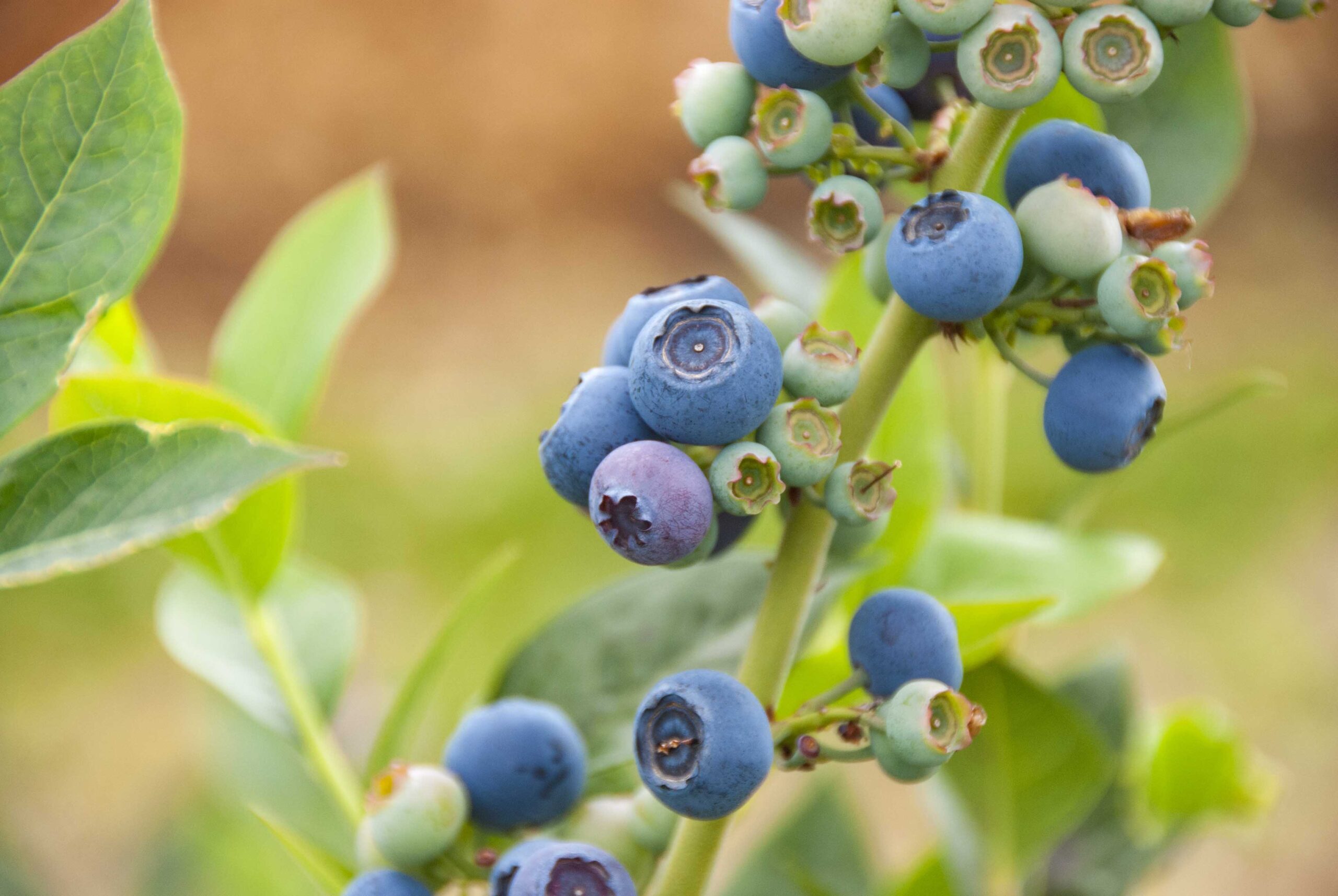 A forestry group that was granted an interlocutory injunction halting a blockade by a family from Matachewan First Nation (MFN) so it could complete tree-harvesting work in northern Ontario will sit down in a listening circle with them later this month in a case that may see further court action. The Timiskaming Forest Alliance Inc. (TFAI) is a consortium of forestry companies and First Nations, including MFN. It has a licence from Ontario’s Ministry of Natural Resources (MNR) to harvest 101 hectares, referred to as Cairo 173… The family involved includes Dorothy Larkman, who said she decided to take action after seeing machines tearing out blueberry bushes on Cairo 173, which is about 60 kilometres west of Kirkland Lake and south of the Ojibway First Nation. …Listening circles are rooted in Indigenous traditions. …Michael Swinwood, Larkman’s lawyer, said the MNR will also have representation at the listening circle.

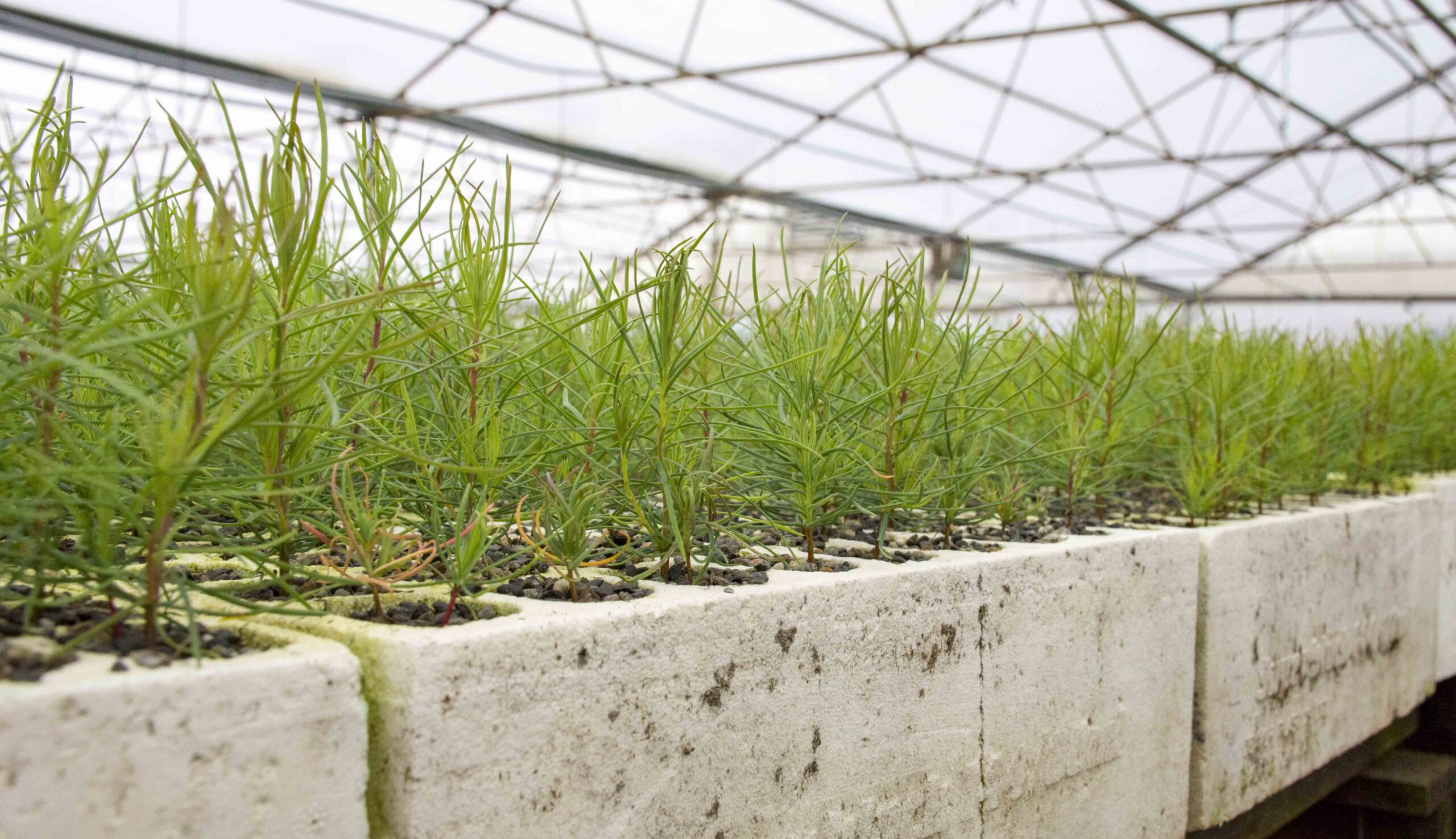 Funding for replanting harvested Crown forests in Ontario depends heavily on how much wood is cut, foresters say, creating challenges for renewal efforts during market downturns and reduced harvest levels. Back Roads Bill explores regreening efforts and issues surrounding it. …The forest sector has been a lifeline for communities across the country and an important pillar of Canada’s economy. In the face of unjust U.S. trade measures and climate goals, Canada’s forest industry is pivoting from traditional lumber toward a bioeconomy. It was on February 26 of this year that the federal government took decisive action with a massive $500-million transformation fund. This will support the forest sector, protect workers and their jobs, and give companies the stability they need to weather short-term shocks and retool for a stronger, more diversified future. …A couple of other things though. Our forests are well managed. And we need trees and therefore tree planting.
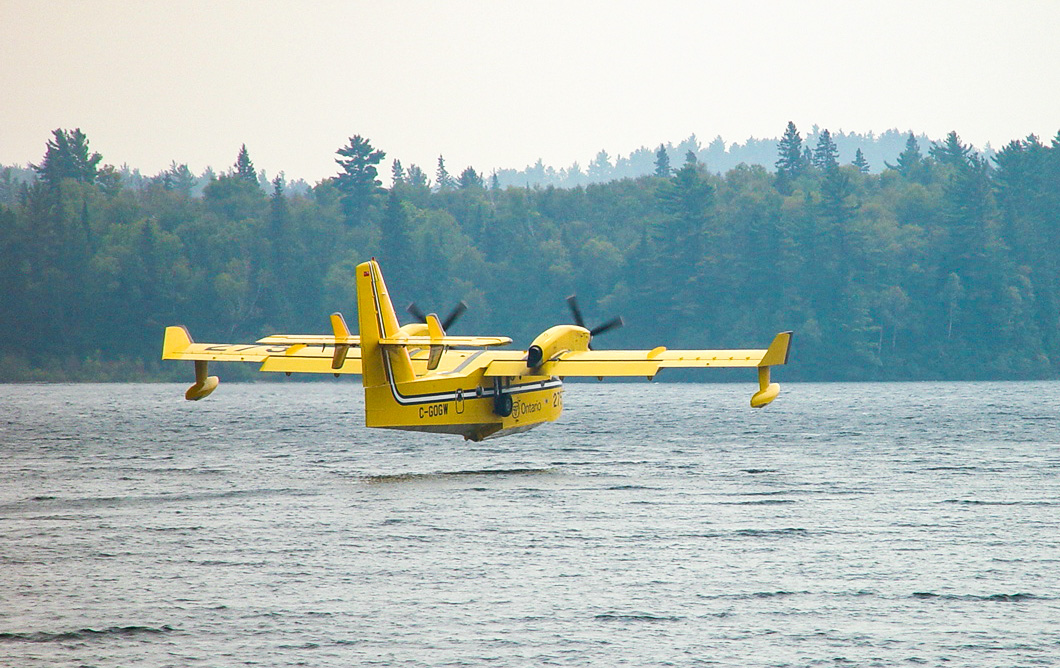 In 2025’s budget, Ontario allotted $135 million for its Emergency Forest Firefighting fund, which Firefighter Noah Freedman describes as money that “keeps the lights on.” The province ended up spending double that: $271 million, according to this year’s budget. But that same document penciled in just $150 million again for this year. The province did not respond to requests from Canada’s National Observer asking why the budget hasn’t been increased. Not allotting adequate funds translates to real impacts on the frontlines, said Freedman, who is also vice president of Ontario Public Service Employees Union Local 703. He said last season was “riddled with logistical problems” due to a lack of available funding: not having crews and helicopters where they were needed, and scrambling to request more… “None of that is because of our leadership in our agency. It’s a result of not getting anywhere near the funding that we need to truly be decision-makers,” Freedman said.

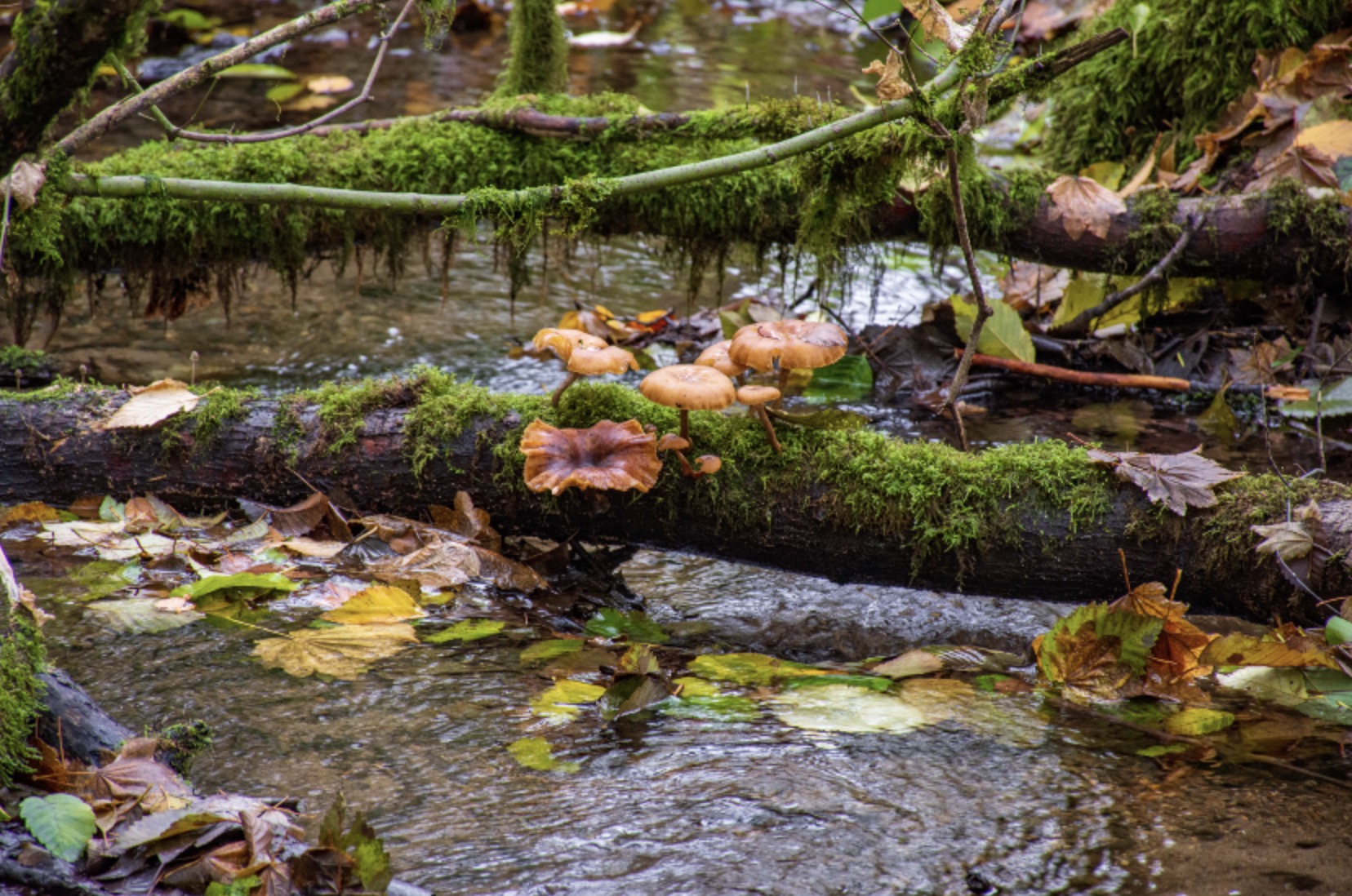 Three years ago, Barb Round heard heavy machinery chewing through the urban forest behind her home in Campbell River, a small city on east Vancouver Island that bills itself as the salmon capital of the world. Round waved down a man in a hard hat and asked why the excavator was working in the greenway, which is a haven for birds, dotted with pocket wetlands and adjacent to Simms Creek, home to four salmon species. “He explained to me that the property had been sold,” Round, a retired nurse, tells The Tyee. “Everyone in the neighbourhood thought it was protected land.” When residents found out a local developer planned to cut down much of the forest and fill in the wetlands to build a large housing development near the creek, “they were gobsmacked,” Round says.


 NEW BRUNSWICK — The Fredericton Fire Department is gearing up for what could be a busy wildfire season, training its firefighters in how best to respond when burning trees begin to threaten homes. Firefighters participated last week in a national training program aimed at offering crews techniques for defending homes against wildfires. These fires are an increasing threat to the city, both from climate change and from the growth of neighbourhoods beyond the city and suburbs. …”Working in the wildland interface, we’ve got to triage properties,” Sullivan said. “Oftentimes there’s not water sources nearby.” The training program is provided by the International Association of Firefighters, with 350 Canadian firefighters receiving it in 2023 and 2024. The training was funded by the federal government, which provided more funding in 2024 to train additional firefighters. …”As the line separating urban, suburban, and rural communities has blurred, wildfires are a threat spanning coast to coast.”
 The amalgamation of Ontario’s 36 conservation authorities into nine regional bodies is expected to take effect in early 2027. A new directive from Environment Minister Todd McCarthy orders conservation authorities to halt any major decision-making processes, such as changing staffing structures or purchasing property, in the meantime. After a meeting between Environment Ministry officials and conservation authority staff on May 6, 2026, one public servant told The Narwhal, “The province has essentially handcuffed conservation authorities.” …A leaked document and a recording of an internal conversation between Ministry of Environment officials and conservation authority officials for this story. …In the recording, ministry officials are heard assuring attendees that they were happy to keep working with conservation authority staff, and that the government remains committed to preserving drinking water protections. But the officials repeatedly said things are still being figured out. They acknowledged the lack of answers was “not terribly reassuring” and “anxiety producing, probably” for conservation authorities.
 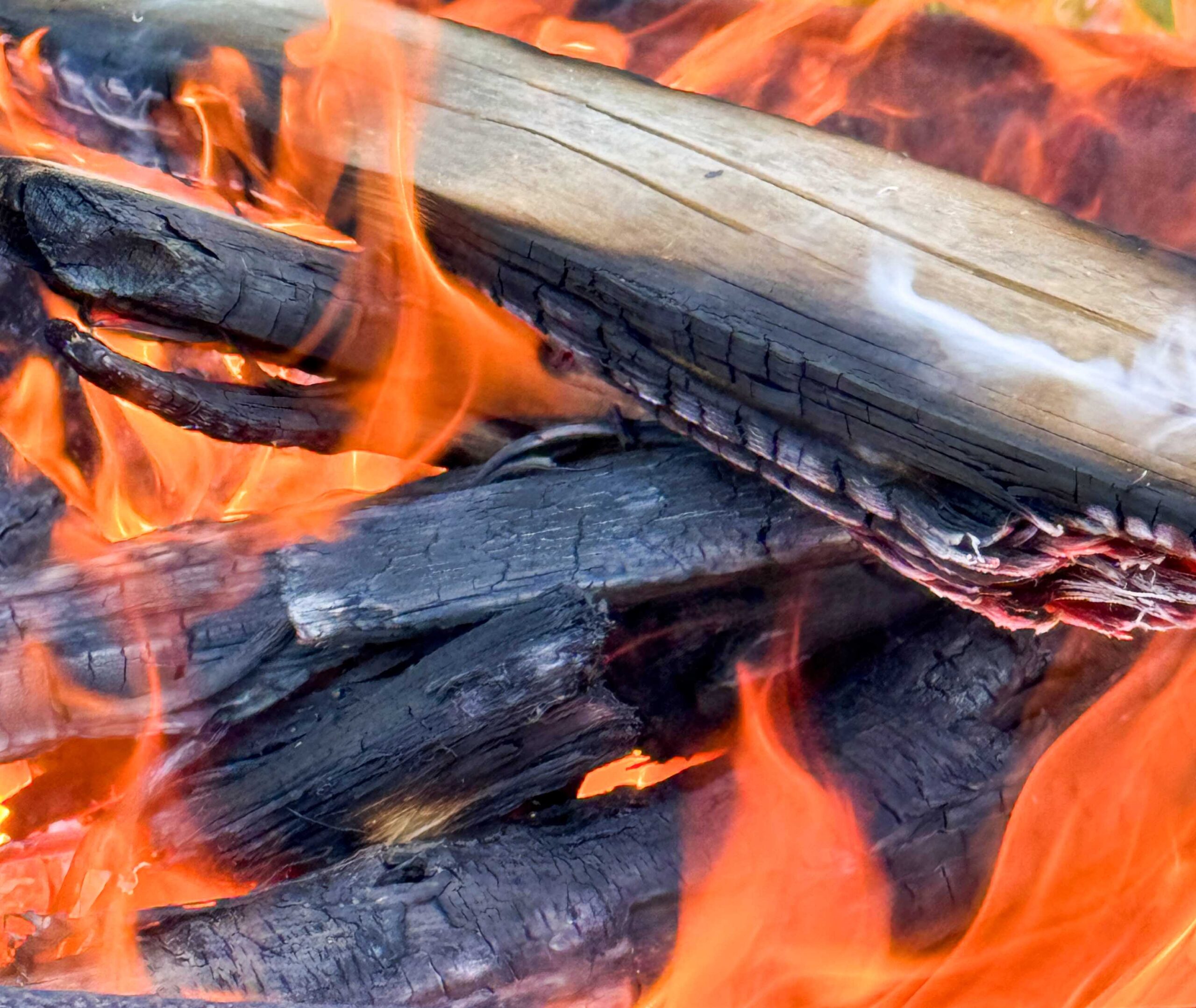 While Ontario has seen a much slower start to the wildfire season compared to last year, officials are warning people heading into the May long weekend that conditions can quickly change. There have been 22 wildfires confirmed in the province since the season began April 1, compared to 68 fires this time last year, said Alison Bezubiak, a fire information officer with Aviation, Forest Fire and Emergency Services in the northwest region. “The 10-year average for this date is 56, so we are below last year and the 10-year average in terms of total number of fires confirmed,” she told CBC News Thursday morning. One small fire, measuring 0.1 hectares, is being held in the Kenora district near Grassy Narrows First Nation as of Thursday. However, forest fire danger ratings range throughout the region, with the Fort Frances area seeing extreme hazard levels, according to the province’s interactive forest fire map.

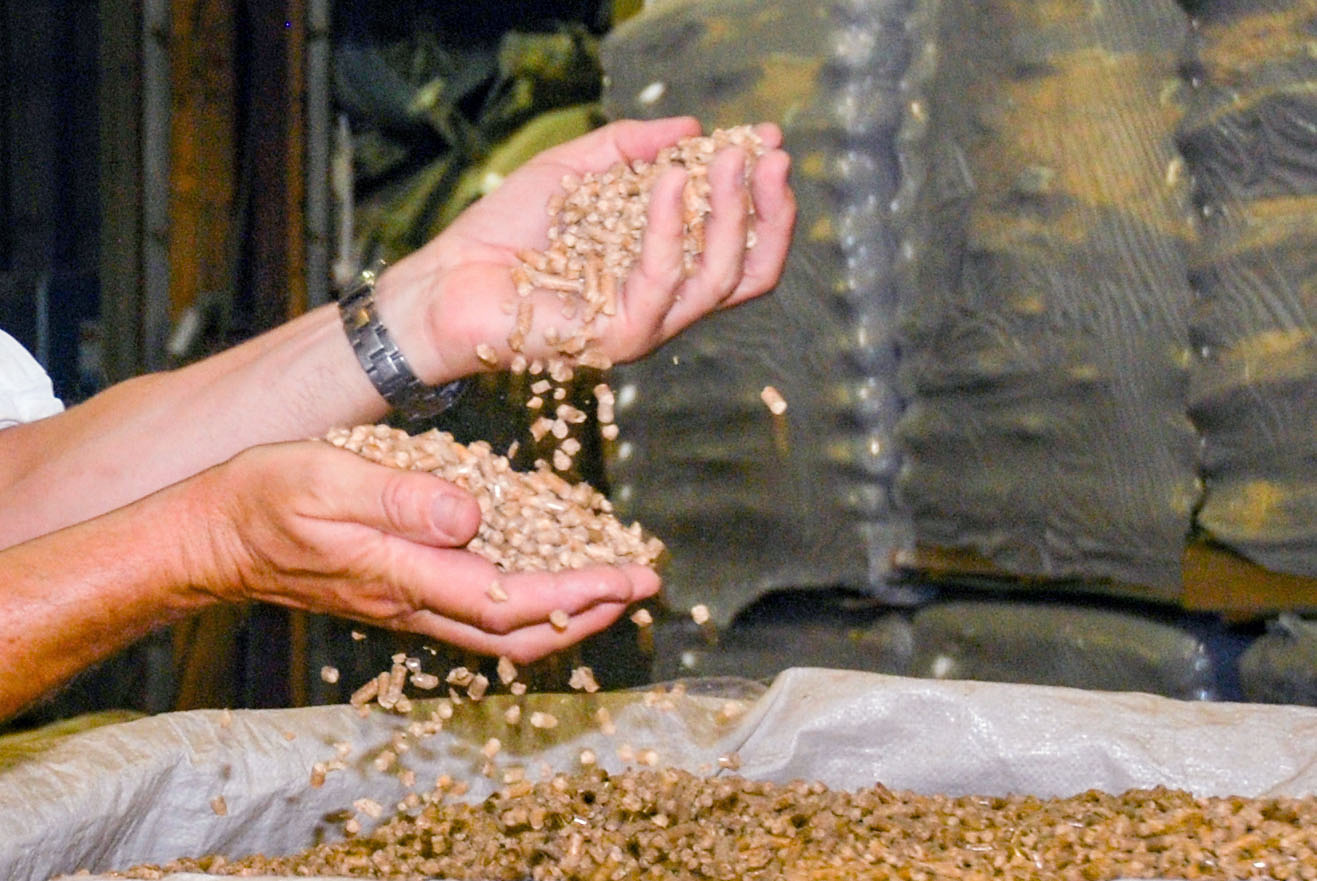 The Nova Scotia government has issued a tender to convert five public buildings to wood heat systems — a move one member of the forestry sector says will have widespread benefits. The tender targets heating infrastructure at the Nova Scotia Community College’s Kingstec campus, Roseway Hospital in Shelburne, Digby General Hospital, Soldiers Memorial Hospital in Middleton, and St. Martha’s Regional Hospital in Antigonish. …Successful bidders will also be responsible for procuring the wood fuel. The province stated in the tender documents that it “expects the focus of wood procurement to be from small private woodlots,” stipulating that 100 per cent of the lower-grade primary wood fuel must be harvested within Nova Scotia. …Marcus Zwicker, Forest Nova Scotia, added that requiring boilers to be fed with Nova Scotia product opens up new markets for local forestry contractors and woodlot owners while ensuring cheaper wood cannot be brought in from outside jurisdictions.
 NEW BRUNSWICK — NB Power says it has green lit a plan to buy 300,000 tonnes of wood pellets this year in efforts to convert its largest power plant in northern New Brunswick from coal to biomass. The Crown utility says it’s now in procurement talks with five potential suppliers, all within Eastern Canada, to supply the Belledune Generating Station. That’s as the Holt government has quietly issued a Crown timber sub-licence to one of those five, a partnership between Eel River Bar First Nation, Pabineau First Nation, and Arbec Forest Products. The trio, together behind what’s being called the Belledune Biocoal Joint Venture Group, has also recently filed an environmental impact assessment with the Department of Environment and Local Government to build a torrefied wood pellet production facility at the Port of Belledune in support of NB Power’s transition away from coal burning power generation.
 NOVA SCOTIA — The Province continues to support the forestry sector by making wood heat and building materials a priority in public buildings. A request for proposals issued Thursday, May 14, will see five buildings converted to heating systems that use local wood products. “We are seizing an opportunity to prioritize a local product from our forestry sector that also makes our province more self-reliant and energy secure,” said Public Works Minister Fred Tilley. “By using more local wood products, we are creating jobs, growing our economy and creating a brighter future for Nova Scotia.” …This is the first major project under the government’s wood initiative announced in July 2025. The deadline for submissions is June 24. Using wood products aligns with the Nova Scotia Loyal program, reduces reliance on imports and enhances export markets. It also supports the forestry sector, reduces greenhouse gas emissions and helps the province move to a low-carbon economy.
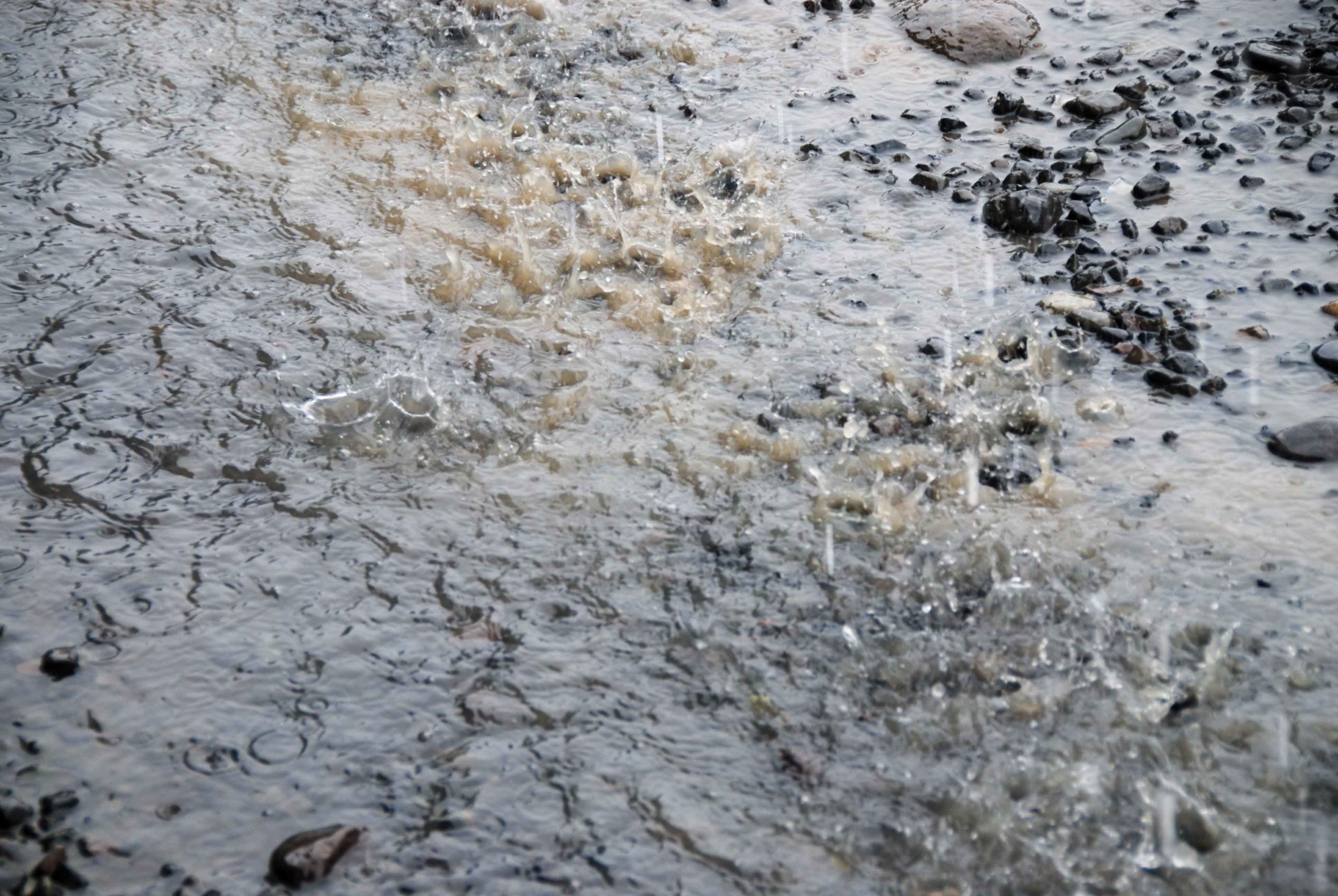 MONTRÉAL – With global warming, rainfall is increasingly falling in short, intense, concentrated bursts separated by longer dry periods, and these changes could have a potentially devastating effect on the planet. These are the conclusions of a new study co‑authored by Corey Lesk, at the Université du Québec à Montréal, and Justin S. Mankin, at Dartmouth College in New Hampshire. … They observed that regardless of the total amount of water received annually, this new rainfall regime alters how precipitation is absorbed by the soil and promotes greater aridity across the Earth’s surface. “Drought is often measured by what is lacking–the total amount of rainfall–but how precipitation falls is just as important,” explains Professor Corey Lesk. “This new type of rainfall regime leads to increased evaporation at the land surface, limiting the soil’s ability to retain moisture, and thus reducing the amount of water available on land for human populations and ecosystems.”
 NEW BRUNSWICK — On the morning of May 26, a provincial air quality monitoring station on the west side of Saint John began registering unusual readings. …There was no special public notification about the west side spike, even though the environment department watched it develop and was concerned enough to launch an immediate investigation to determine the cause. …The department, in emails, said it believes operations and maintenance work at the Irving Pulp & Paper mill could have been a contributing factor. …“The cause appears to be a combination of unusual weather, which trapped pollutants at ground level rather than dispersing them upward, combined with higher than ordinary emissions during a cleaning/maintenance cycle at the mill.” J.D. Irving said there is “no concrete way to confirm” it caused the poor air quality readings but said adjustments in mill operations were made at the time to be on the safe side.

:quality(65))


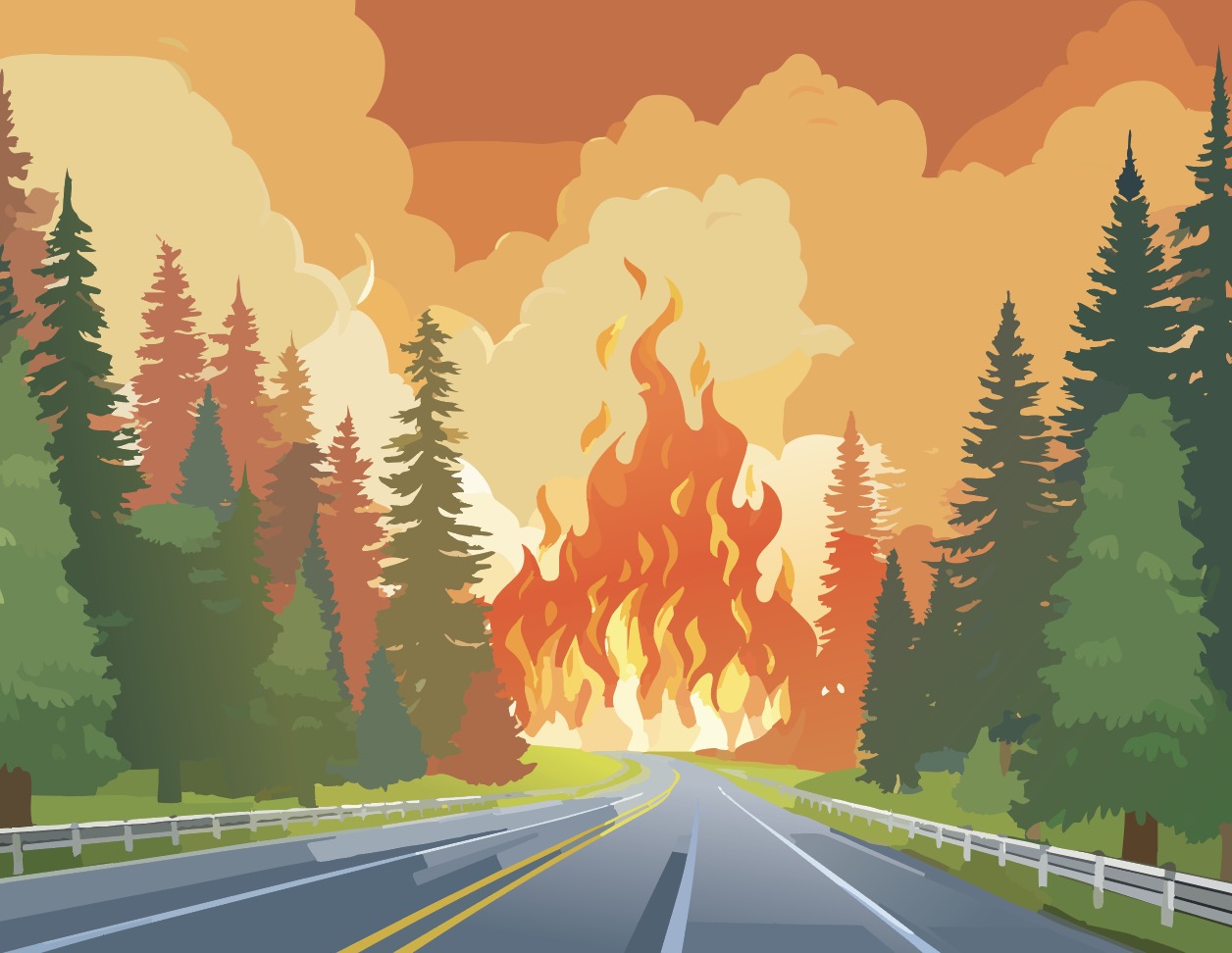 A massive fire near Gogama has doubled in size again overnight. This morning (June 4), the Ministry of Natural Resources mapping has the fire at 2,945 hectares. That’s more than double what it was last night, when it was reported as 1,100 hectares. Here’s what you need to know about the situation today:
 As cooler, rainier weather has eased wildfire risks in northwestern Ontario, a number of travel restrictions have been lifted in the region. An implementation order was first issued Saturday near a wildfire known as Fort Frances 5 in the Dryden, Fort Frances and Atikokan district, limiting travel and certain activities. On Sunday, a second implementation order was put in place due to a fire called Fort Frances 4 in the same district “to ensure public safety and/or to ensure effective fire suppression.” Both orders were lifted Tuesday evening. “All travel and the use of roads and lakes in the areas previously identified are available and residents may return to their properties. Wildland fire suppression activities are ongoing on Fort Frances 4 and Fort Frances 5, but public safety relating to these fires is no longer a concern,” according to the province’s

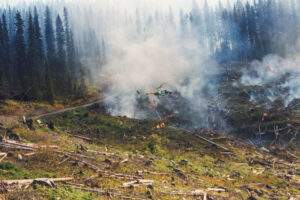 New Brunswick’s wildfire season has begun with more forests burned than at this time last year, according to the government’s wildfire dashboard. As of Wednesday afternoon, the dashboard reported there has been 178 fires so far this season, which have burned 343 hectares of forest. At the same date in 2025, there had been 100 fires burning 87.7 hectares of forest. The 10-year average for the period up to May 6 is 84 fires burning 105 hectares. As of 9 a.m. Wednesday, there were no out-of-control fires in the province, compared with six Tuesday night. …New Brunswick’s wildfire season begins in early April and continues through the summer. Last year, several fires resulted in restrictions on forest trail use. In Moncton, municipal fire departments joined with provincial firefighters. …“Record-low precipitation, minimal snowpack, and prolonged drought have pushed fire risks higher than normal,” the Department of Natural Resources said.
