 In the face of significant challenges—from mill closures to tariffs and shifting global markets—one question we hear more than any other from people: “What can I actually do to help?” When the headlines are dominated by uncertainty, it can feel like the hurdles facing the forest industry are too large for any one person to influence. But there is a powerful way to make your voice heard and tell the provincial government it isn’t just an industry priority but a priority for every British Columbian that wants a resilient future.
That way is Forestry is a Solution. Forestry is a Solution is a province-wide initiative led by a broad coalition of workers, community leaders, and industry advocates. Every name added to the list strengthens our collective message of support for communities, workers and families who depend on BC forestry. It has never been easier:
- Visit forestryisasolution.com
- Sign the petition to show our collective strength.
- Send a letter using the simple, automated tool to tell your MLA why this sector matters to you.


 Four of BC’s leading forest sector CEOs delivered a frank and at times sobering assessment of the industry’s current state at the 2026 COFI Convention, telling delegates that conditions are among the most difficult any of them have encountered in careers spanning more than three decades. The session, moderated by Bridgitte Anderson, President and CEO of the Greater Vancouver Board of Trade, brought together Susan Yurkovich, President and CEO of Canfor; Sean McLaren, President and CEO of West Fraser; John Mohammed, President and Owner of A&A Trading Ltd.; and Steven Hofer, President and CEO of Western Forest Products. The panel was structured around questions, with the CEOs offering distinct perspectives shaped by their different roles across the sector’s value chain. …On current operating conditions, the panelists were unified in their assessment. Hofer said this is the most challenging business environment for a BC forest products company he has encountered in 33 years. …Yurkovich said BC used to be the last company standing in a downturn — with well-placed fibre, excellent sawmills, and skilled workers. That has changed. BC is now the first down.


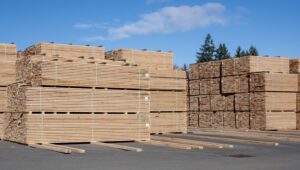 VANCOUVER — Ottawa must make a case of “mutual benefit” with the United States as it advocates for Canada’s softwood lumber industry during trade negotiations, BC Premier David Eby said Friday… “the US cannot produce enough wood to meet its domestic demand.” …The premier’s remarks came after the U.S. Department of Commerce posted its preliminary tariff determination for the sector, with total duties estimated at just short of 25%, lower than the current rate of more than 35%. …COFI’s Kim Haakstad, agreed with the premier, saying it’s important for B.C. to ensure softwood lumber doesn’t “get lost” among other industries based in Eastern Canada. …The Independent Wood Processors Association said the US ruling was “further evidence” the softwood lumber dispute mechanism has become a “broken process”. The BC Lumber Trade Council said Canadian lumber producers continue to face “unjustified and punitive trade measures.” BC Forests Minister Ravi Parmar said the province was disappointed.
 Abbotsford, BC — Mirax Group, a privately held, family-owned British Columbia company with deep roots in forestry, lumber manufacturing, value-added wood products, and diversified industrial operations, has acquired the former Errington Cedar Sawmill in Errington, BC. This strategic acquisition reinforces Mirax Group’s commitment to investing in the sustainable growth of British Columbia’s forestry sector, preserving local jobs, and enhancing supply chain resilience for cedar and softwood products destined for global markets. The Errington Cedar Sawmill, long recognized for its legacy in processing premium cedar products for domestic and international customers — faced closure in recent years following industry challenges. With the transaction now complete, Mirax Group will operate the facility as the Vancoast Sawmill division, and position the site as a cornerstone in its expanding coastal operations. …The company also plans to evaluate investments in modernized milling technology and value-added processing to enhance product diversity and competitiveness.
 The Canadian District Supervisor position is a unique and highly sought after opportunity for those intimately involved in the quality control of lumber or manufactured wood products. PLIB’s District Supervisors are responsible for evaluating the quality of lumber, glulam, and wood packaging products. Our inspectors influence a wide range of important issues that impact the wood products industry through participation in the development of quality standards and educating mill personnel. PLIB’s Canadian Division serves a variety of producers across Western Canada. This position requires fully reimbursed travel. Interested candidates that meet the qualification criteria are encouraged to visit the PLIB website for a complete job description and application process.
 North Vancouver – The Independent Wood Processors Association (IWPA) says today’s preliminary U.S. softwood lumber duty ruling under Administrative Review 7 (AR7) is further evidence that the softwood lumber dispute has become a broken process that continues to punish businesses and consumers on both sides of the border without bringing either side closer to resolution. The U.S. Department of Commerce has posted a preliminary tariff determination expected to be finalized in August. The preliminary combined duty rate includes a countervailing duty (CVD) of 14.17 per cent and an anti-dumping duty (AD) of 10.66 per cent, for a total combined rate of 24.83 per cent. The current duty rate of 35.16 per cent will remain in effect until a final determination is issued. …The Independent Wood Processors Association says the ongoing dispute continues to unfairly harm companies that should never have been included in the first place. … “This ongoing cycle is creating uncertainty for businesses, workers, and consumers across North America and highlights the urgent need for a negotiated solution,” said Andy Rielly, Chair of the IWPA.
 Ravi Parmar, Minister of Forests, issued the following statement in response to the US Department of Commerce’s release of preliminary results of the seventh administrative review of its anti-dumping and countervailing duty orders on Canadian softwood lumber: “BC stands with all those across Canada in our disappointment that the US has signalled that it will continue to impose unwarranted and unfair duties on Canadian softwood lumber products. “These duties serve only to damage both of our economies by harming BC and Canadian communities, and increasing the cost of housing and renovations for American families. “Duties on Canadian softwood lumber needlessly favour offshore imports that endanger North American jobs across the supply chain. Workers in BC, in Canada and in the US are worse off from duties on softwood lumber.


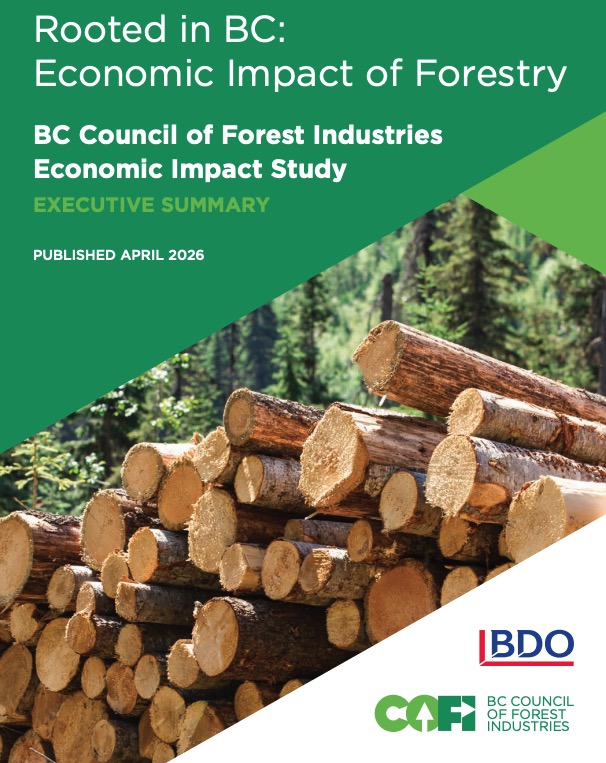 PRINCE GEORGE – “Every day I get a phone call from an employer, and the first thing that comes to my mind is, ‘Oh, we’re going to lose another operation.’ And right now we’re probably down to about half the membership we were, a number of years ago.” That’s the sentiment of the president of the United Steelworkers – the union representing forestry workers in northern and central B.C, Brian O’Rourke. And the numbers are startling. Comparing data compiled from 2024 to 2026, the amount of money invested in forestry in British Columbia dropped from $15.8 billion to $14.4 billion, while the number of people employed in the sector dropped by 5,000. First Nations are acutely impacted, with 4,800 directly employed in forestry leading up to 2024. That dropped to 2,600. Meanwhile, the amount of money the industry generates for the provincial coffers dropped dramatically from $17.4 billion to just $12.8 billion. …But the Council of Forest Industries is infinitely optimistic because – in the words of Kim Haakstad – everyone uses forestry is some fashion.
 An employee at a national non-profit is accused of fraud involving more than $6 million in public funds earmarked for Indigenous Guardians programming. The First Nations National Guardians Network, or NGN, provides funding, networking, training and education opportunities that support First Nations-led stewardship and sovereignty. In an email, the non-profit – which administers funds from the federal Department of Environment and Climate Change – told operators of Guardians programs it had found “evidence of a sustained pattern of unauthorized financial transactions that appear to have been made by a member of staff.” An investigation identified suspicious transactions over a period of months… 90 Indigenous Guardians projects were funded through NGN in the 2023-24 fiscal year. In the North Island, they include Campbell River-based Homalco First Nation, which received $100,000, and Nanwakolas Council Society, an alliance headquartered in Campbell River that represents First Nations on the South Central Coast and northern Vancouver Island, which received $150,000.
 Professionals in the lumber and sawmilling sector who are ready to take the next step in their careers can elevate their business acumen and leadership potential through BCIT’s Associate Certificate in the Business of Sawmilling. Developed with guidance from industry leaders, this flexible, part-time program empowers learners to build the strategic insight, confidence, and applied skills needed to move into supervisory and management roles. Delivered fully online and taught by experts from across North America, the program equips students with a clear understanding of how economic trends, market forces, financial decisions, and operational strategies shape modern sawmill performance. Graduates leave with the practical knowledge and industry-relevant perspective to contribute at a higher level, drive improvements, and make meaningful business decisions within their organizations. What sets this program apart is the calibre of instructors behind it: professionals with decades of combined experience in economics, finance, manufacturing optimization, fibre strategy, and global wood products markets.
 VANCOUVER, BC — This week, the BC Council of Forest Industries (COFI) will convene its Annual Convention, bringing together more than 600 industry delegates, community and First Nations leaders, and government representatives. The gathering comes at a critical turning point as the sector navigates a perfect storm of mill closures, volatile global markets, and ongoing trade disputes. To weather the storm, focus must be on the factors within BC’s control. Action on critical policies has been too slow. As mills close and communities face the impact, the COFI Convention serves as a vital platform to align on practical solutions such as improving timber supply, streamlining regulations, and fixing the business environment to improve global competitiveness. This year’s convention theme, Forestry is a Solution, mirrors a province-wide initiative highlighting the deep-rooted support British Columbians have for the workers and families that depend on a vibrant forest economy. …COFI today released its updated study,
 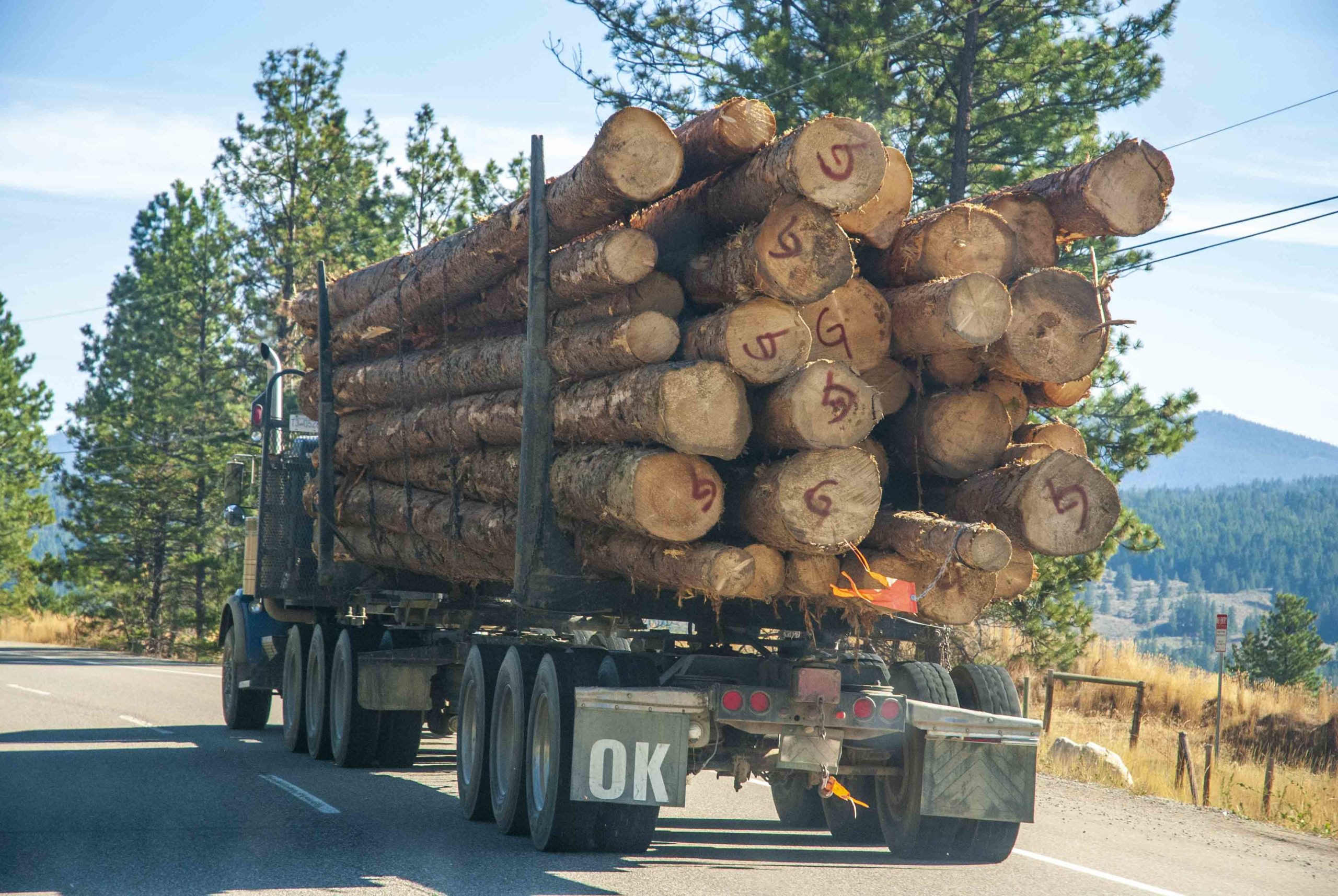 West Kelowna family-owned forestry company – Gorman Group – has completed a $120 million deal to transfer harvesting tenures from Seattle-based Weyerhaeuser, with the move continuing the strategic partnership with the Osoyoos Indian Band’s Nk’Mip Forestry division. …Dan Macmaster, Head of Forestry at Nk’Mip Forestry, told the Times Chronicle that this agreement continues with the transfer of TFL 59 to Gorman and “We meet regularly to review and update all land use activity on the tenure. This agreement was put in motion with Weyerhaeuser last year and has improved and evolved since the transfer of the licence to Gorman.” …Nick Arkle, CEO, Gorman Group added, “We recognize that any Crown tenure transfer comes with important responsibilities and obligations to First Nations, communities and employees who depend on the long-term stewardship of the land and the careful use of the fibre.” …Ravi Parmar, Minister of Forests said: “Gorman Group is investing in the future of forestry…”
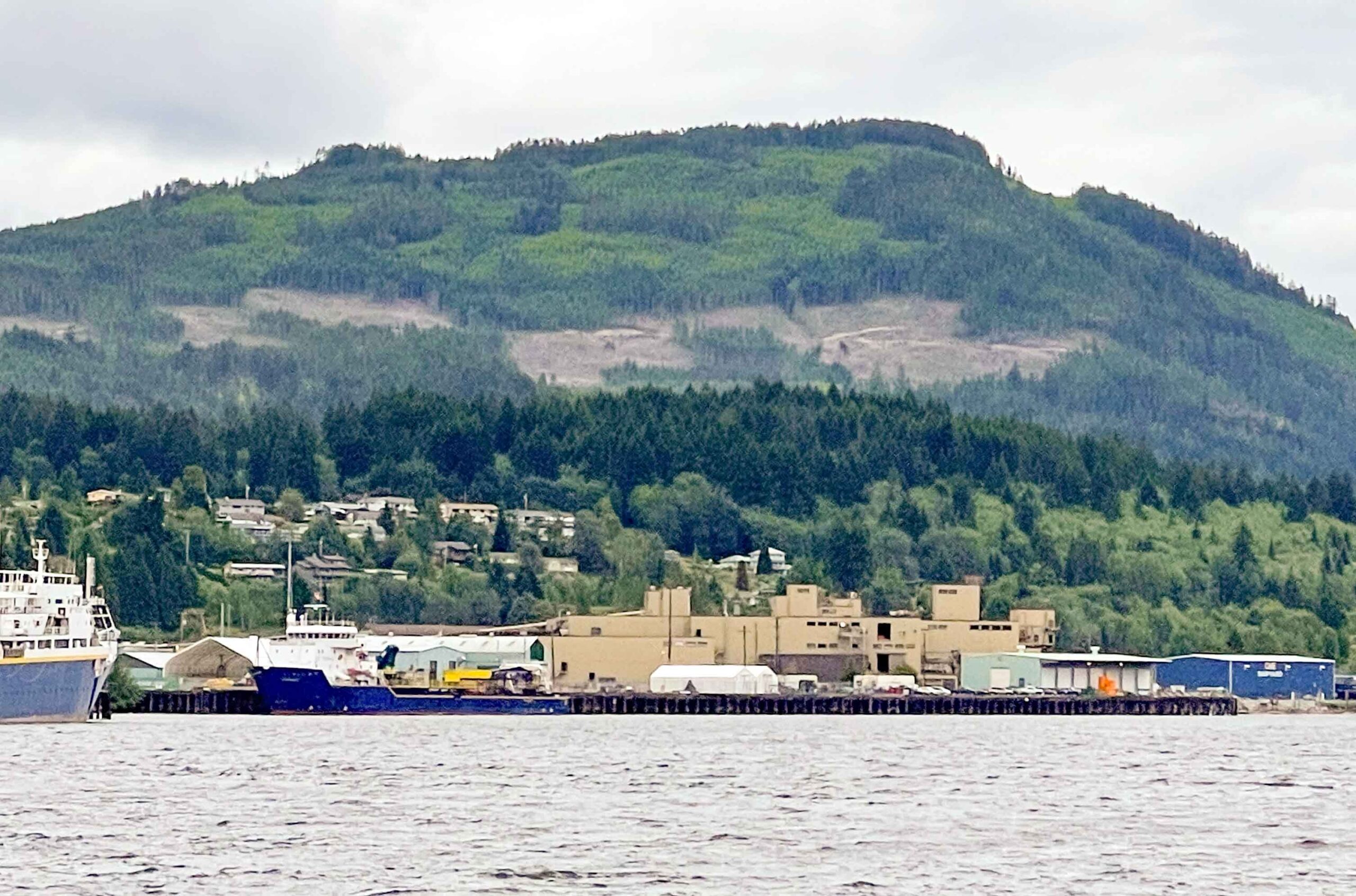 Another suspicious fire has hit the Somass Lands on Port Alberni’s uptown waterfront, this time the remaining mill building. The call came in just before 9 a.m. on Tuesday, March 31. … Locked fire hydrants adjacent to the building presented another challenge, Port Alberni Fire Dept. Chief Mike Owens said. “It’s an old, historic industrial property; there are a number of places where the water main has been compromised,” he added. The city’s water works department arrived promptly and activated the hydrants. …Owens said crews immediately deemed the fire as suspicious because the sawmill is abandoned and there is no electricity run to the building. …The two mill buildings and a pair of silos were left standing after the city purchased the mill from Western Forest Products in 2021… When the city partnered with Matthews West developers, the thought was to possibly incorporate parts of the three buildings into a new master plan for the area.

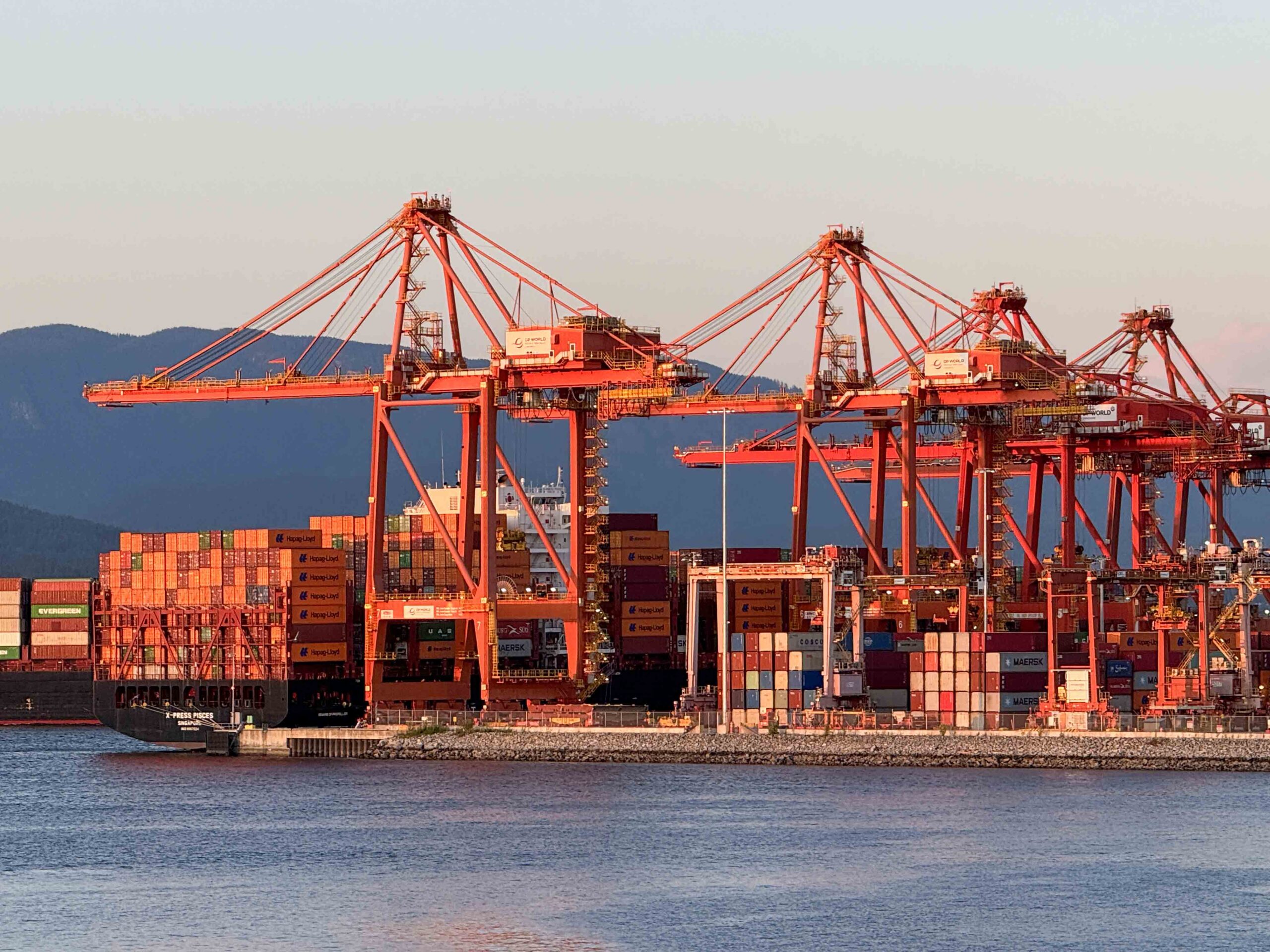 B.C. saw a significant increase in energy and mineral exports in February compared with a year earlier, while wood exports continued to decline. The province exported more than $4.8 billion worth of products in February, a 16.3 per cent monthly increase and a 2.8 per cent year-to-date increase compared with the same period last year. …However, exports in the wood sector continued to decline. About $479 million worth of products were exported in February, an 18.1 per cent decline from January. Lumber saw the sharpest drop, down 27.7 per cent, followed by other panel products (-23.4 per cent) and plywood and veneer (-19.1 per cent). As a result, year-to-date wood exports fell by more than 30 per cent compared with the same period in 2025. Machinery and equipment exports also declined, down 17.9 per cent month-over-month and 27.6 per cent year-to-date.
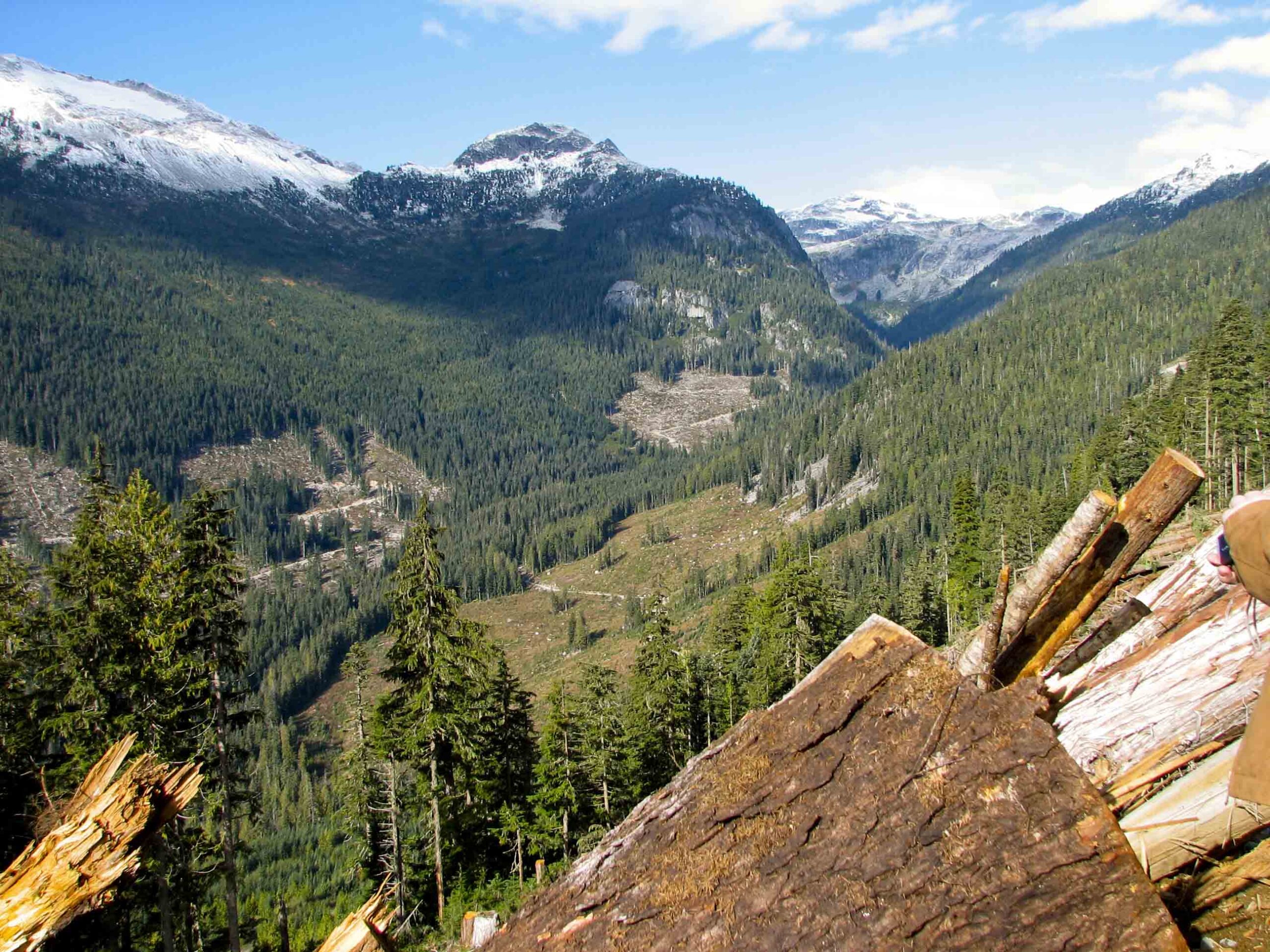 The economic headwinds facing B.C. are expected to have an even greater impact than originally expected, with accounting firm Deloitte Canada downgrading its economic forecast for the province in its most recent update. Originally projecting 1.6 per cent GDP growth in 2026 in its January report, the financial consulting giant now predicts B.C. will have “muted” growth of only 1.2 per cent. Dawn Desjardins, chief economist at Deloitte Canada, said some of the main culprits are the declining forestry sector, which continues to face mill closures and thousands of job losses due to a lack of fibre, as well as crippling U.S. duties, a population decrease, and uncertainty surrounding the future of the Canada-U.S.-Mexico trade agreement.
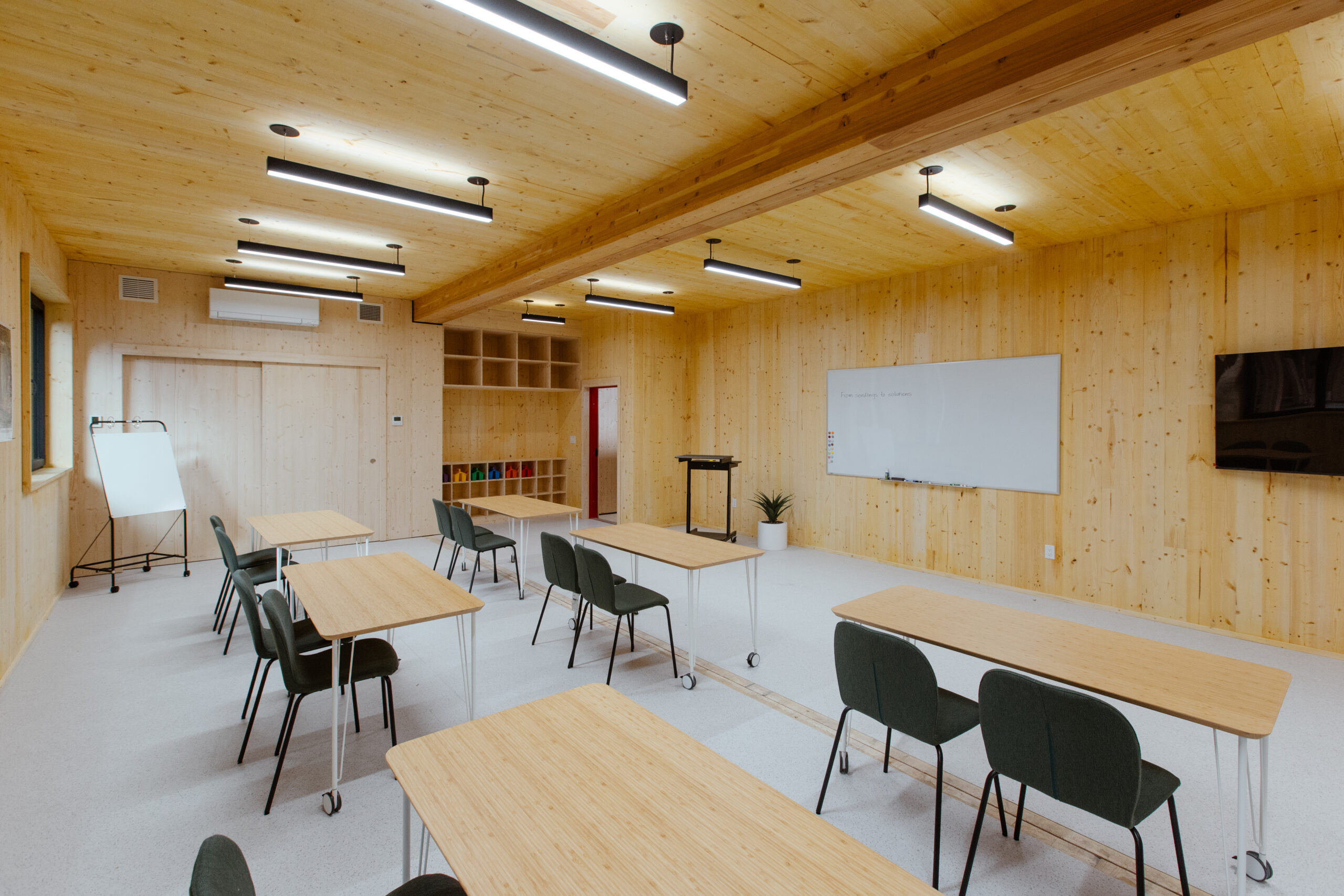 Kalesnikoff Mass Timber is launching a new line of modular timber classrooms today at the world’s largest mass timber conference in Portland, Oregon, showcasing its innovation to thousands of attendees. The company said that the classrooms are designed to address growing pressures on school infrastructure across North America. “Many communities are growing, leaving local schools at capacity,” said Chris Kalesnikoff, President and C.E.O. of Kalesnikoff. “These new modulars can be built and deployed rapidly, are cost effective, and create a warm and exceptional learning environment for students and staff.” The modular classrooms, constructed of cross-laminated timber (CLT) from Kalesnikoff’s mass timber facility in the West Kootenays using high-quality B.C. wood, are highly adaptable. They can function as a single classroom or be combined into larger expansions or entirely new schools. They can also be built in single-storey, or stacked configurations, and arrive with pre-installed heating, plumbing and digital systems.
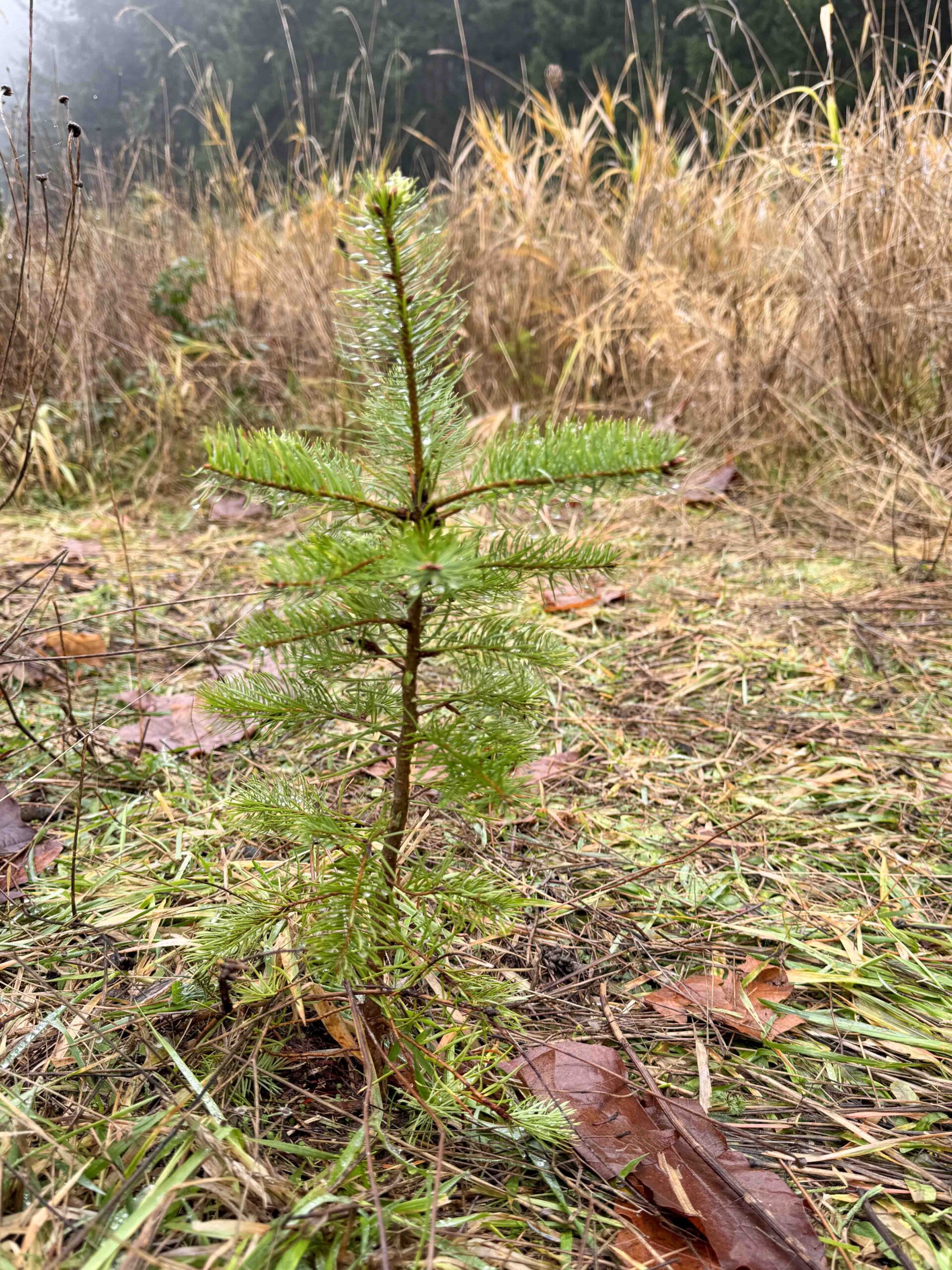 New life is sprouting in Rose Valley Regional Park, where crews and volunteers have begun restoring areas damaged by the devastating McDougall Creek wildfire back in 2023. At a community tree planting event held Saturday, hundreds of new trees were planted to help the park recover. The effort is part of a larger plan led by the Regional District of Central Okanagan to bring the forest back to life. Wayne Darlington, RDCO’s manager of parks capital planning, said the work marks an important turning point. “After 2023 McDougall Creek wildfires, we’re now at a point now where we’re actually putting some more trees back and plants back in the ground,” Darlington said. Volunteers spent the day planting hundreds of trees in some of the hardest-hit areas.

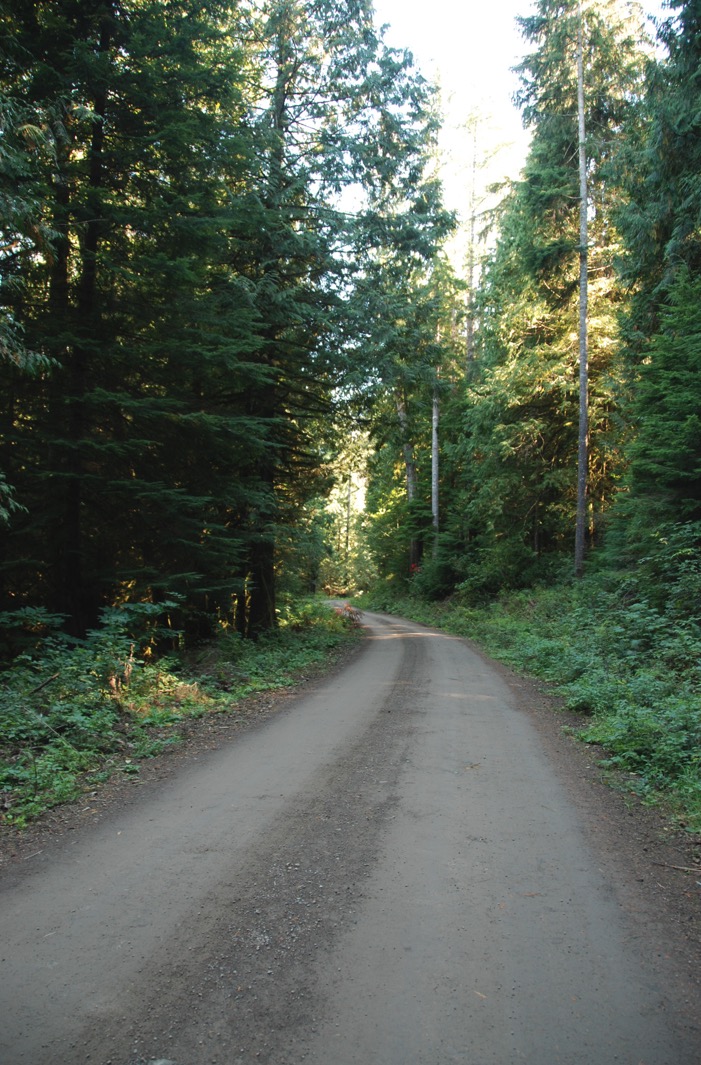 A B.C. logging company has sued the owners of a major oil pipeline for allegedly destroying a key access road and stranding $4 million worth of timber near the Coquihalla Highway. The dispute dates back to 2022, when Western Canadian Timber Products Ltd. and Trans Mountain Pipeline Limited Partnership entered into an agreement around a patch of forest northeast of Hope, B.C. A lawsuit, filed April 2 in B.C. Supreme Court, claims the agreement granted Trans Mountain access to a proposed cutblock in the Portia and Boston Bar Creek area so it could complete construction of a second oil pipeline from Edmonton, Alta., to B.C.’s Lower Mainland. Originally built to transport crude and refined oil from Alberta to the B.C. coast, the Trans Mountain pipeline was recently expanded through a massive “twinning” project that nearly tripled its capacity.

 If reviews could save old growth, British Columbia would have the healthiest forests on Earth. Instead, the province has produced a stack of reports as tall as an ancient Douglas fir. Their wording may differ, but their conclusion does not: BC’s forestry system is broken. Fixing it will not be easy or quick, but instead of acting, the government continues to produce new reports to delay tough decisions — especially when those decisions mean standing up to large logging companies that profit most from the status quo. Rather than using the reports to inspire action, the BC government is hiding behind them. …Nearly six years into BC’s OGSR commitment, we now have a sixth report by the Provincial Forest Advisory Council called From Conflict to Care. It again concluded that systemic reform is needed in the province’s forestry regime. Each report acknowledges the same truth: what we’re doing isn’t working.
 A non-replaceable forest licence has been awarded to Box Lake Lumber Products, enhancing its operations and the sustainable use of local timber. The opportunity is targeted to boost B.C.’s value‑added wood sector, putting to work unlogged timber. “A stable supply of wood to small-town forestry companies is a win for everyone in the community,” said Ravi Parmar, Minister of Forests. “This means more wood … for manufacturing companies, logging contracts for haulers and another boost to our value-added wood manufacturing sector. Our independent wood manufacturers put B.C. on the map as the global leader in high-quality wood products, and this licence is one more way to support that work.” A competitive opportunity provided specifically to value-added wood manufacturing companies, the non-replaceable forest licence will provide a consistent and stable supply of wood to Box Lake Lumber Products in the Kootenays.
 Sarah Wayne Callies, from AMC’s The Walking Dead, has urged her fans to oppose a Nanaimo zoning change west of Cable Bay trail. On April 16, a hearing will be held in Nanaimo, for the possible rezoning of 74.71 hectares of the total 86-hectare property at from rural resource to industrial, with site-specific provisions over its use, allowed density and lot coverage. Included in the application for rezoning is a provision of an average 100-metre buffer zone around Cable Bay trail, about 13 per cent of the property. The zoning application was submitted by Harmac Pacific. During an information session in 2024, the company shared it would like to turn the land into a private industrial park. At the time, a representative with Harmac told the News Bulletin that the process to lease out the land would be phased over many years, and it would be marketed to businesses that “might have synergies” with Harmac’s existing business.
 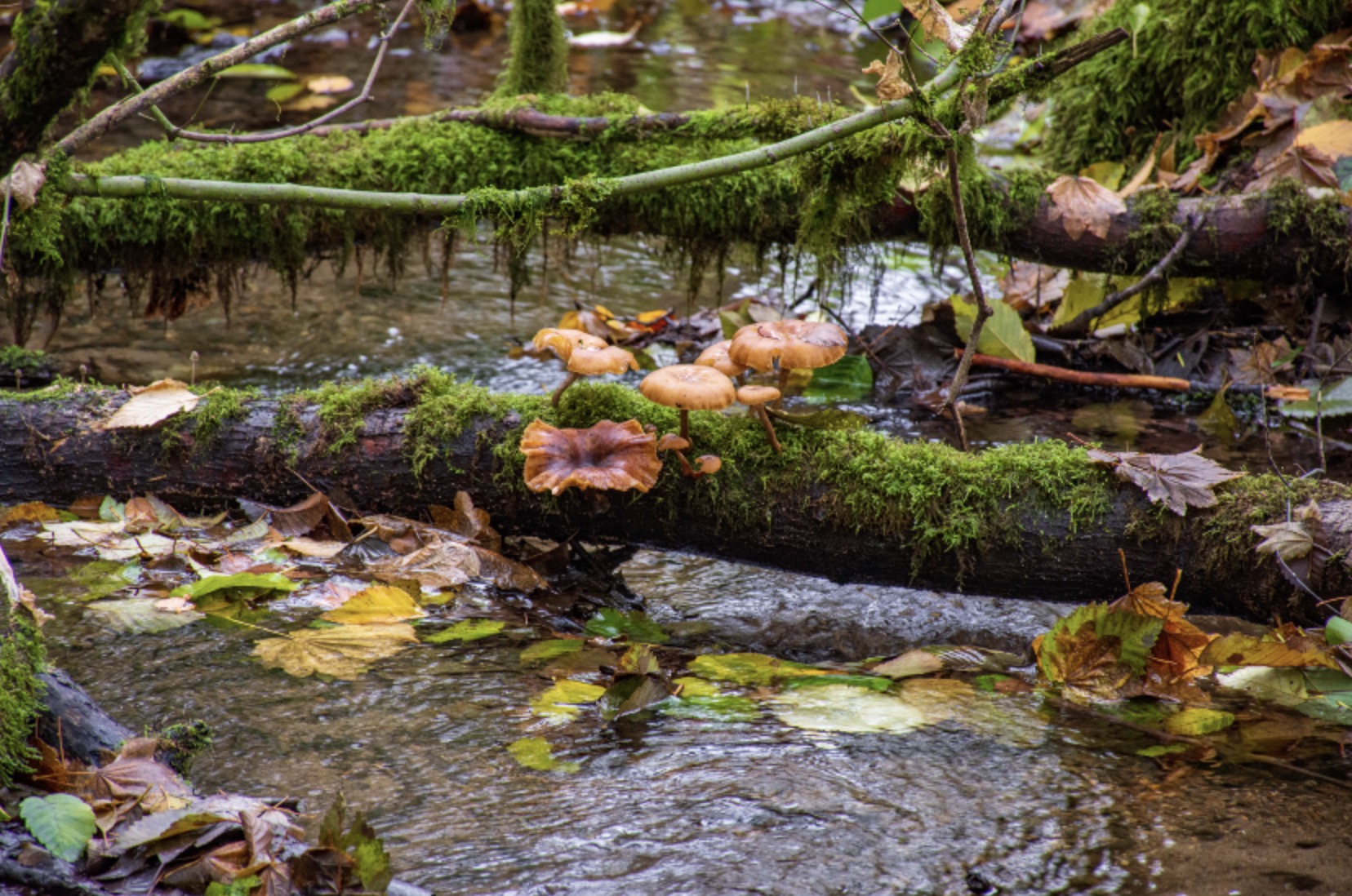 A private company is seeking exclusive rights to part of a coastal park near Victoria, sparking concerns about the B.C. government’s priorities for public wilderness areas. One With Nature Corp. aims to use 72 hectares of East Sooke Regional Park, …for an outdoor education and wilderness survival skills school. Five hectares near a hiking trail would be used for overnight accommodation and would be off limits to the public if approved. …The school would include an archery range, an outbuilding to process animals, a learning centre, a camping area, bathrooms, a boat dock and cabins built with trees the company would cut down in its exclusive use area, according to One With Nature’s application to the B.C. government. …A spokesperson for the B.C. Ministry of Water, Land and Resource Stewardship said the land is available because it was never transferred to the regional district or dedicated as park land when the East Sooke protected area was created in 1970.
 LA RONGE, Saskatchewan — With Canada aiming to protect 30 per cent of land and water by 2030, a new study shows the federal government should pursue a conservation method which takes wildfires into account. That’s according to La Ronge’s Aaron Bell, who recently had a research paper published by the Ecological Society of America on March 30 as part of his PhD in Biology. The project, which includes experiments on 42 islands in the Lac La Ronge region, focused on testing competing ideas on how government’s design protected areas such as nature reserves, or provincial and national parks. …Bell proposing government’s use a pyrodiversity-biodiversity method, which promotes and maintains diverse plants and fauna and thereby generating diversity. …“I’m hoping it enables people in the North to say we’re not managing fires at all for biodiversity and maybe this is something we should think about moving forward,” he said.
 A years-long investigation into a special RCMP unit that polices protests against resource extraction in BC is finished but can’t be finalized because the RCMP’s oversight body has been without a chairperson for more than a year. The Civilian Review and Complaints Commission (CRCC) receives and oversees public complaints against the Mounties. It recently announced the completion of a systemic investigation into the Community-Industry Response Group (C-IRG), which drew national attention in 2019. …It’s unclear why the CRCC has been without a chairperson since January 2025. …At the top level of the agency there is meant to be a chairperson and up to four other members. According to the CRCC, all of those positions are currently vacant. …The majority of complaints against C-IRG came in response to civil court injunction enforcements and arrests in relation to Wet’suwet’en-led opposition to Coastal GasLink pipeline and protests against old-growth logging in the Fairy Creek area.
 The widely discussed West Fraser forest management plan for West Bragg Creek and Moose Mountain has been updated to incorporate a new provincial wildfire mitigation program. West Fraser outlined the changes during its annual spring open house April 1 at the Cochrane RancheHouse, including a new supplementary harvest area in West Bragg Creek and a delayed timeline for Moose Mountain operations. The updates align with Alberta’s Community Hazardous Fuels Reduction (CHFR) program, introduced last year to reduce wildfire risk near vulnerable communities. “Working with forest companies, the program prioritizes the harvest of hazardous fuels within five kilometres of surrounding vulnerable communities,” the province said in an information package. “The CHFR program leverages existing forest tenure holders to adjust harvesting plans to make an immediate impact.” …“They’ve asked us as industry to prioritize our operations in that area,” said Tyler Steneker, woodlands manager for West Fraser Cochrane.
 Do you know the Okanagan is home to some of the very last remnants of interior old growth fir and spruce forests, specifically Peachland’s watershed, near Glen Lake? Do you know Glen Lake is a major source of our community drinking water, as it joins Peachland Creek before supplying our brand-new $35M water treatment plant? …Tell your government, Peachland’s trees are not destined for mills, ships to Asia or a flailing forestry industry safety-net. Peachland watershed’s forests are worth more standing, they store 83 per cent more carbon than pine plantations and mono-culture conifer farms. Most importantly we rely on their free infrastructure services and natural ecosystem benefits. …Act now before your back country is compromised. Four ways to make a stand! Write, call, online submissions and a petition…
 After roughly 100 sawmills, pulp mills, and engineered wood plants closed down or cut shifts since 2000, and thousands of loggers lost their jobs, the trade union representing those workers has its hands full. The consensus is: this is do-or-die time to stabilize the forest industry in British Columbia. USW Canada – District 3 represents workers across Western Canada, including BC’s unionized forestry workforce. Recently, District 3 Director Scott Lunny offered a forward-looking view of the industry on a podcast, despite the challenges it faces. Jeff Bromley, the union’s Wood Council Chair, put it this way: “What’s the alternative—giving up on rural communities throughout the province? We accept the responsibility to manage a transition in the best interest of our members.” …The Provincial Forest Advisory Council’s report, From Conflict to Care, has tabled a set of recommendations — and the Steelworkers Union agrees with its main thrust.
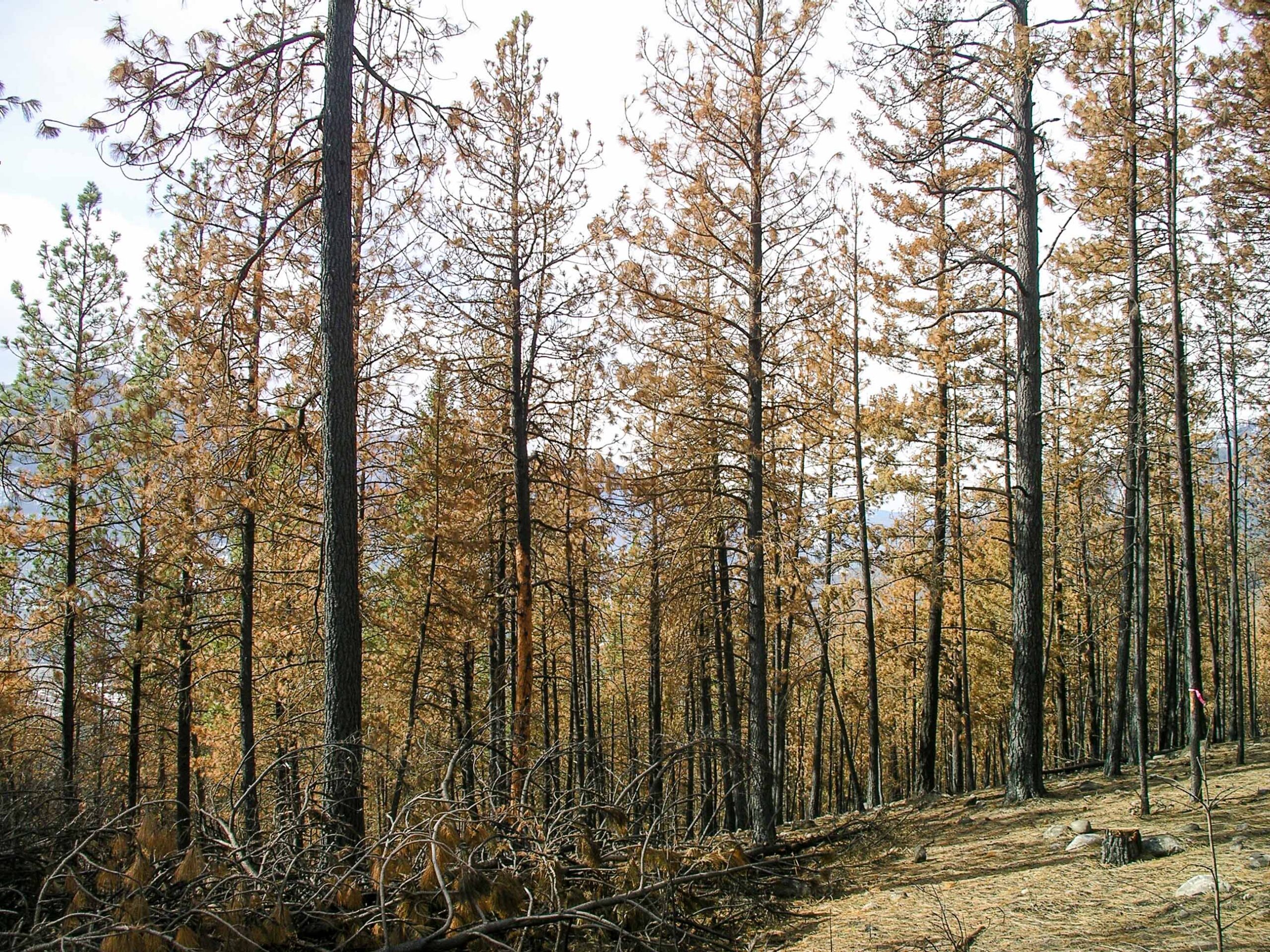 Textbook disaster capitalism. That’s how a forest advocacy group describes the Ministry of Forests’ Forest Statutes Amendment Act, a set of legislative changes to the Forests and Range Practices Act. “As social license for continuing to log primary forests dries up, the Ministry of Forests doubles down, accelerating logging while claiming that BC is a global leader in sustainable forest practices,” said Jenn Matthews, in a Conservation North news release. …The proposed changes would also expand ‘salvage’ logging, a controversial practice where trees are harvested following a natural disturbance. “Salvage logging – especially in forests that have never been logged – damages soils, wildlife habitat, and water flows,” said Conservation North’s director, ecologist Michelle Connolly. “Moreover, when you log after natural disturbance, you’re robbing the forest of key building blocks (including still-living trees) for the forest that will follow. The Ministry’s claim that this is forest stewardship is garbage.”
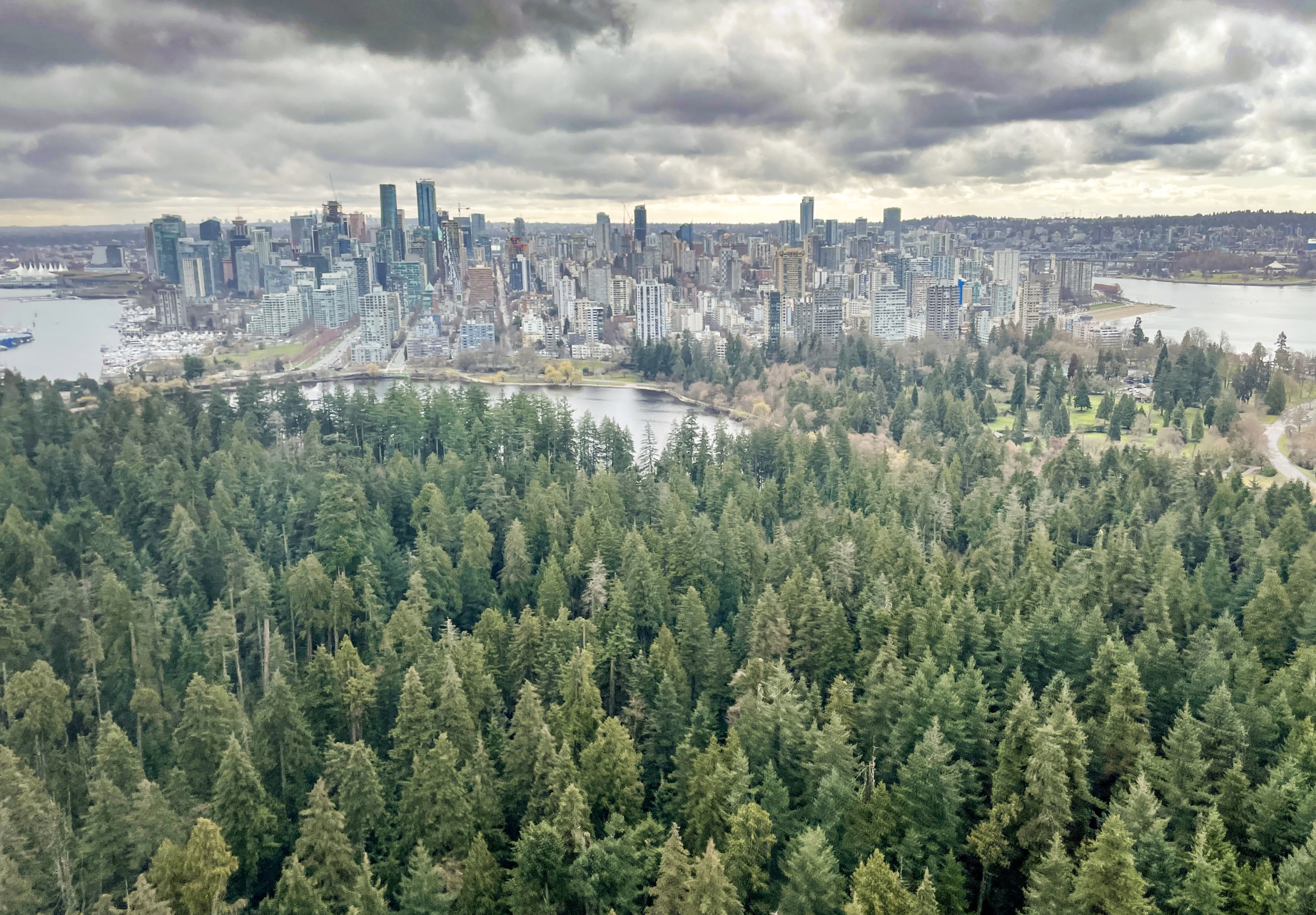 High in a tree in Vancouver’s Stanley Park, an arborist dangles from a climbing harness with a chainsaw… The work is part of a significant – and, to some, distressing – intervention to address the Hemlock looper moth outbreak that killed almost a third of the public park’s 600,000 trees between 2020 and 2023. …what’s happening in the park underscores the broader challenges of managing city green spaces in the era of climate change. …The city says those dead trees pose many risks, and the only way to deal with them is with saws. Joe McLeod, the city’s associate director of urban forestry, called it a “risk mitigation project for public safety.” …To better understand the twin risks of wildfire and falling trees, the city hired veteran wildfire ecologist and forester Bruce Blackwell. …None of this has sat well with Stanley Park Preservation Society founder, Michael Robert Caditz. …But fuel mitigation isn’t about preventing the most common fires; it’s about protecting against the worst possible ones, the kind of fires that occur on the most extreme weather days, when high temperatures, low humidity and strong winds combine to drive the wildfire risk into the red. [A Globe and Mail subscription is required for full story access]
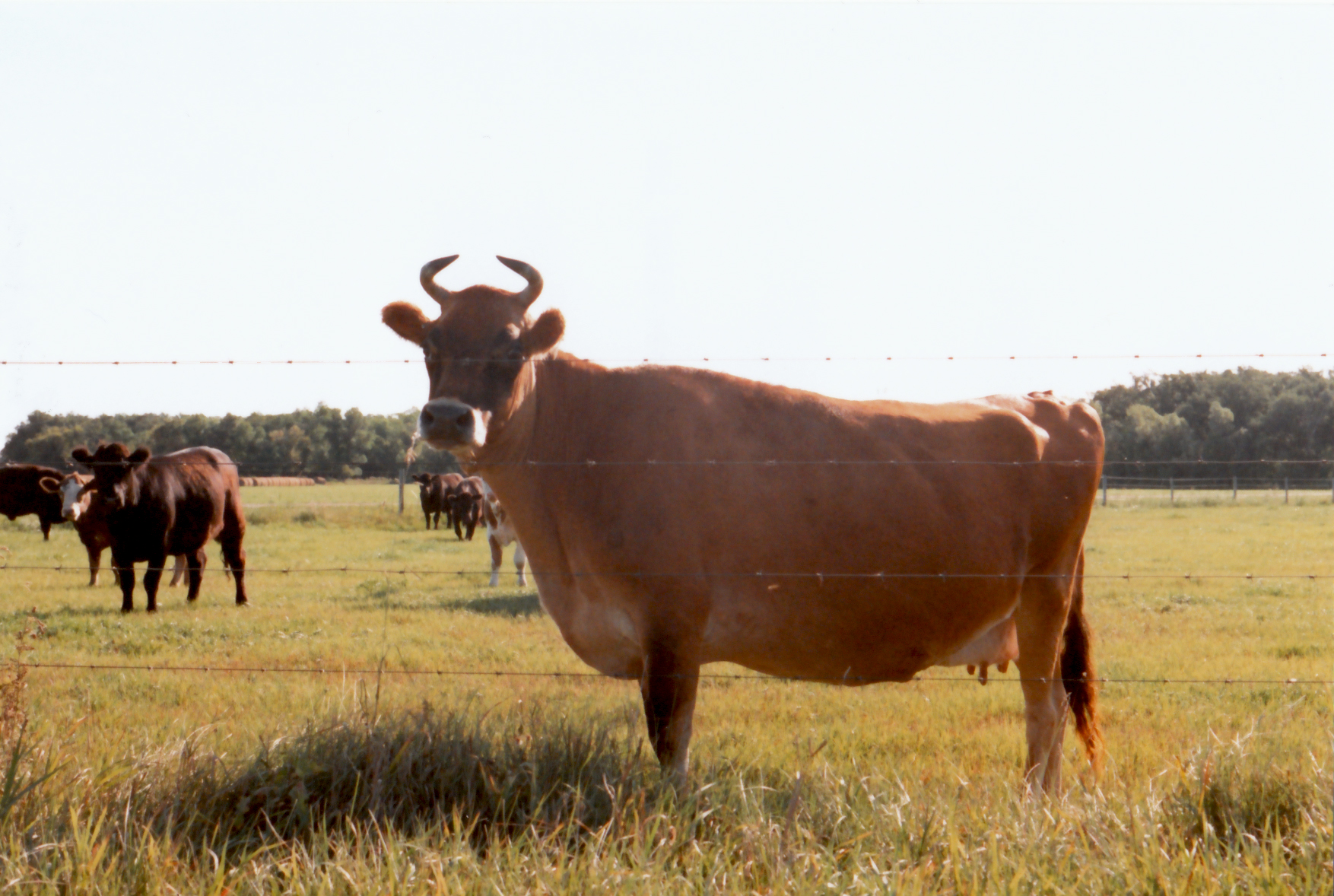 The B.C. government is recommending a fine against those responsible for the deaths of more than a dozen cattle last fall, but the Ministry of Environment and Parks won’t say who, exactly, investigators believe is to blame for poisoning in the Quesnel area. The October incident prompted public outcry… The cattle … were believed to have been poisoned when they consumed nitrogen fertilizer meant to accelerate timber growth. B.C.’s Ministry of Forests said that laboratory analyses of the fertilizer and animal tissues are still being completed. …Meanwhile, the investigation under the Environmental Management Act has concluded with investigators recommending an administrative penalty — a fine imposed on a person or business alleged to have violated a regulatory requirement. …James Steidle, of Stop the Spray BC, worries that the poisonings did not result from a mishap but from standard forestry practices.
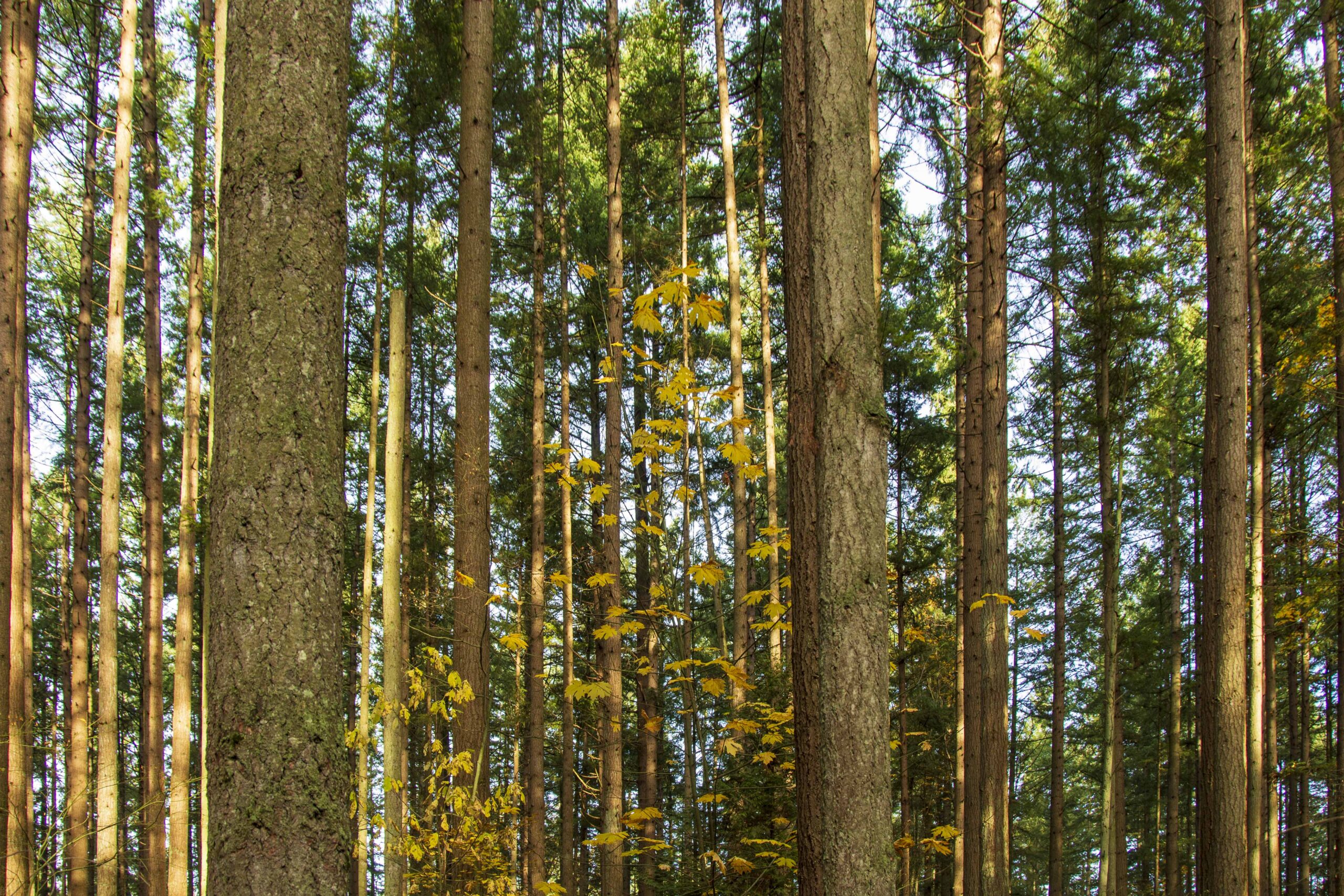 The Ministry of Forests has responded to residents’ concerns about a proposed logging project in the north BX area of Vernon. Area residents launched a petition last month in an effort to halt the 24-hectare logging operation near Hartnell Road and Brookside Creek. “Forestry plans to clear a significant amount of very old cedar and fir trees along the steep Brookside Creek catchment area. It will be highly visible from the many communities in Vernon,” the petition stated. In an email, the MOF said the area will not be clear cut. “BC Timber Sales is in the early stages of developing a wildfire risk-reduction project in the Brookside Creek area to increase forest resiliency against wildfire. Suggestions that the area will be clear cut are incorrect,” the MOF said. …The ministry said wildfire risk reduction projects are guided by a fuel management prescription … typically resulting in relatively high levels of tree retention.
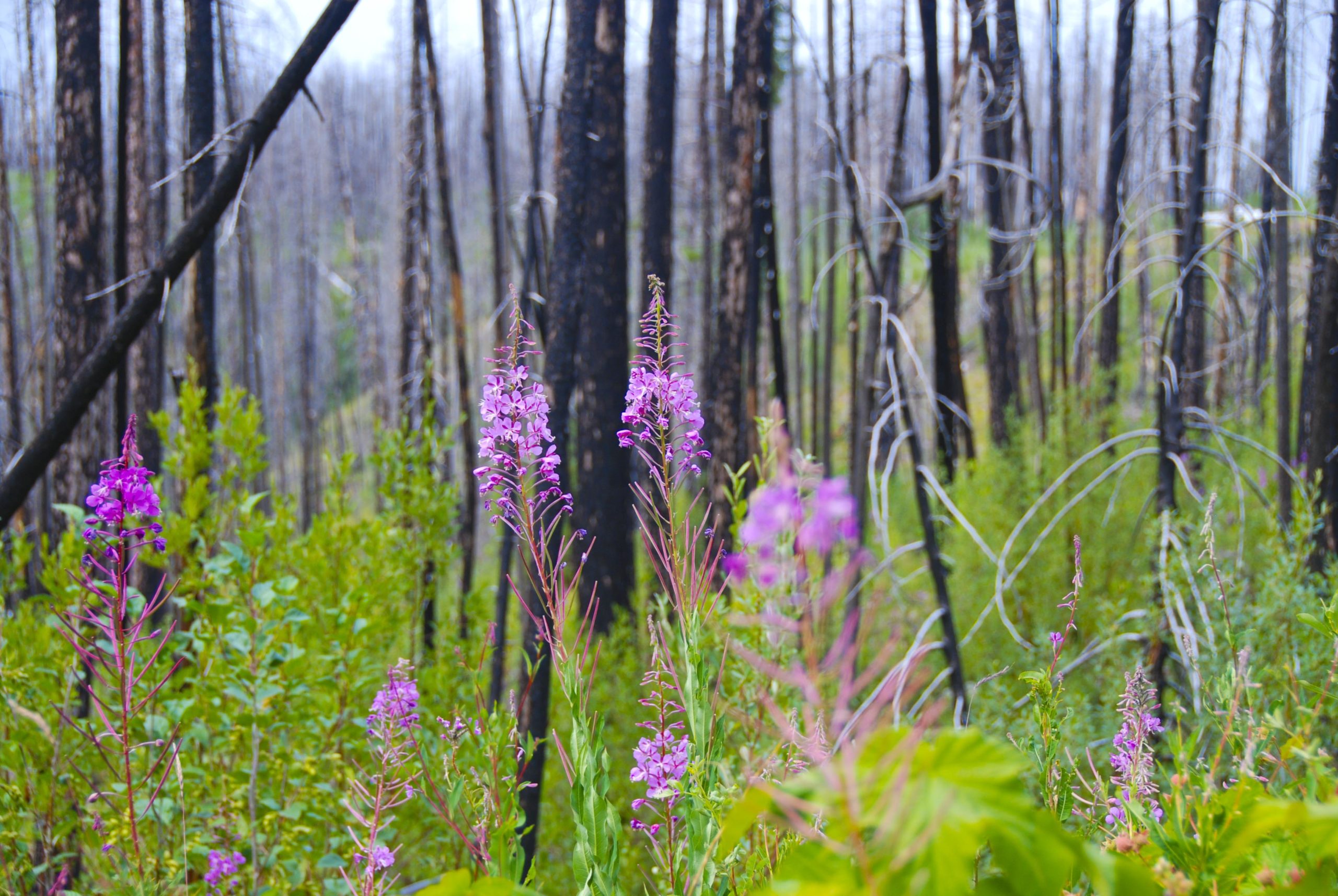 A company building two of Canada’s largest wood pellet mills says it will rely on a steady diet of trees logged in forests recently burned by wildfires. Roughly five million trees will have to come down each year to feed the two northern Alberta mills, which Powerwood Canada Corp. plans to build near the communities of La Crête and High Level. The company claims that wildfires create nightmarish landscapes and that logging such forests as fast as possible is key to restoring their health. But scientists counter that burned forests are important for biodiversity and that aggressively logging them spells disaster for plants and animals that rely on burned landscapes to flourish. Powerwood CEO David Peters said that in addition to northern Alberta the company is eyeing other “brownfield” logging opportunities in British Columbia and in Eastern Canada due to the significant number of wildfires in recent years.
 Save the Date: June 9-10, 2026, Prince George, BC. Join industry leaders, safety professionals, and regulators at the 2026 Wood Pellet and Bioenergy Safety Summit, hosted by the Wood Pellet Association of Canada (WPAC) Safety Committee, in partnership with the BC Forest Safety Council, WorkSafeBC, and media partner Canadian Biomass. The Summit gathers experts from the pellet and bioenergy sectors for two days of practical learning, discussion and collaboration focused on enhancing workplace safety.
 WorkSafeBC is holding a virtual public hearing on proposed amendments to the Occupational Health and Safety Regulation. The virtual public hearing will be streamed live on April 21, 2026, in two sessions. The first will take place from 11 a.m. to 1 p.m. and the second from 3 to 5 p.m. Further information on how to view or participate in the virtual public hearing will be provided closer to the hearing date. These details will be posted on
 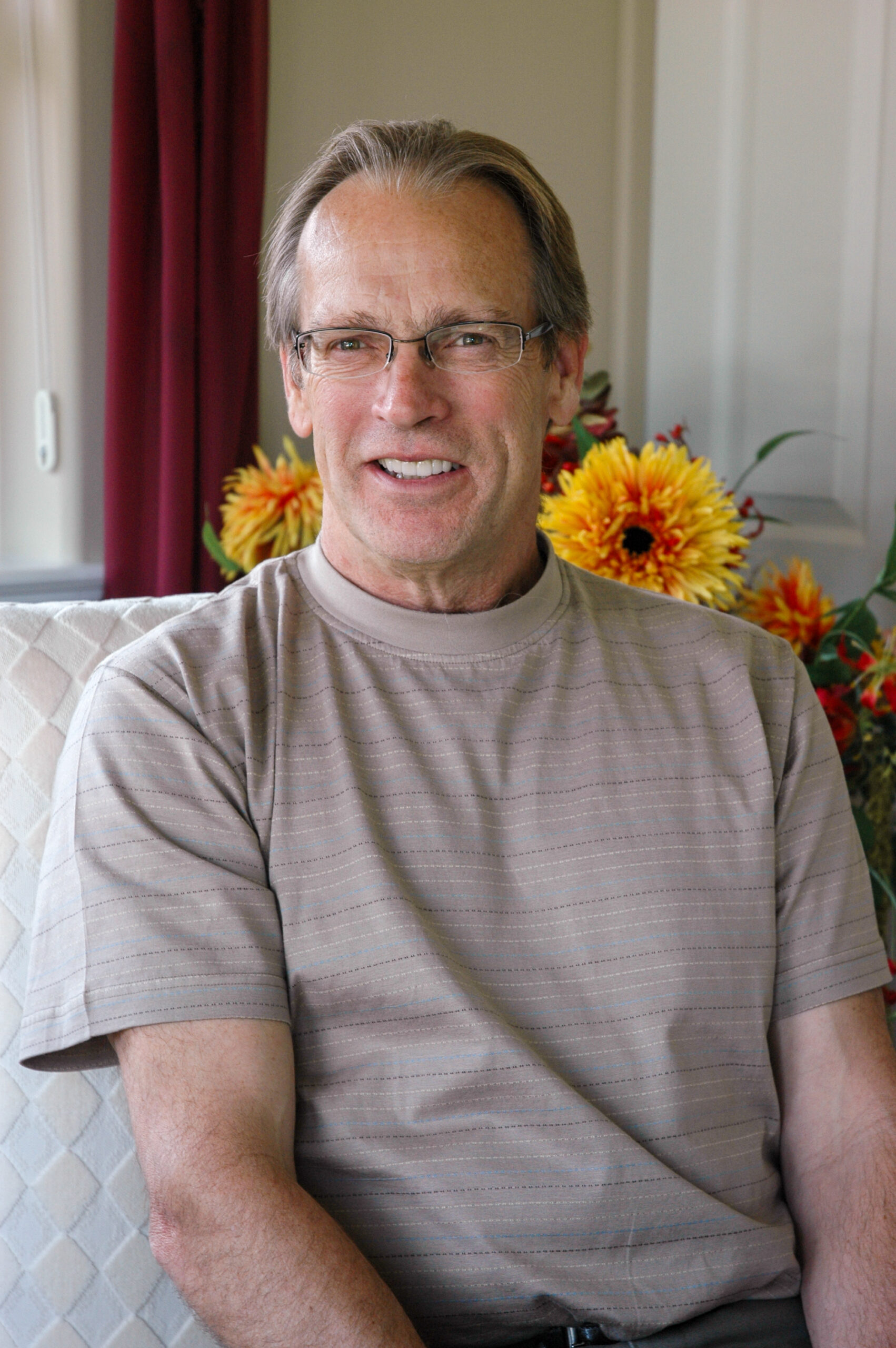 Brian Bruce Welch passed away suddenly and unexpectedly on January 5, 2026. His loss is felt by all who knew him, and he will be remembered for his dedication to career, family, and friends. …Brian worked for years as a commercial fisherman… When terra firma called, Brian was welcomed by father Bruce E. Welch to formally join the family business, thus becoming the fourth generation to help carry forward the legacy of Olympic Forest Products Ltd, which operated continuously between 1932 and 2026 and was at one point amongst the top BC coastal forestry industry operators. Brian’s long career in the forest industry reflected both pride in family history and commitment to strengthening business for the future, often despite significant industry wide challenges and hurdles. …In 1988 Bruce Welch appointed Brian President of Olympic Forest Products Ltd, Bruce assuming the role of Chair for what had become a group of companies. Following family tradition, Brian served on the TLA board in 2002 and 2003, chairing the Industrial Committee and serving on the Worker Health & Safety Committee.
 Ross Hay-Roe left this world on March 24, 2026, with his two children by his side, after three long years of living each day without the love of his life, Lee, as his constant companion. …After graduating high school, Ross studied Aeronautics at Cal Tech in Calgary and moved to Toronto where Ross worked on the Avro Arrow. His career as an Aeronautical Engineer ended abruptly the day the Canadian Government shut down the program in 1957. Ross made his way back to Edmonton where he studied commerce at the University of Alberta, later achieving the CFA (Chartered Financial Analyst) designation. Moving back to Toronto, Ross began working as a sell-side equity analyst focusing on the Forest Products industry. Moving around to various firms, Ross developed a great reputation in the industry… Ross and Lee helped to start an independent investment research shop called Equity Research Associates. Given the level of insight and critical thinking Ross brought to his analysis, his viewpoints were highly sought after. Ross expanded the firm’s forest products coverage and eventually sold the business, which now operates as ERA Forest Products Research.