
Students at Thompson Rivers University (TRU) have completed the first year of Canada’s first university-level diploma in wildfire studies, marking a key milestone in a program designed to meet the growing and evolving demands of the wildfire sector.
Developed in partnership with the BC Wildfire Service (BCWS), the diploma is part of a broader effort to build a first-of-its-kind wildfire hub at TRU. The initiative, known as TRU Wildfire, brings together research, education, training and innovation to respond to the growing challenges of a changing climate. TRU is leading the way with climate-adapted wildfire studies, bringing expertise from across disciplines to prepare students for a wide range of roles connected to wildfire.
“This milestone reflects both the urgency of the work and the strength of collaboration behind it,” said Shannon Wagner, vice-president, research at TRU. “As wildfire activity becomes more complex and far-reaching, we need new approaches to education and research that are interdisciplinary, applied and responsive to the realities on the ground.”
Housed in the Faculty of Arts, the diploma draws on courses and expertise from across the university, including the Faculties of Science, Business and Economics, and Adventure, Culinary and Tourism. The program was designed with flexibility in mind, offering a tiered credential structure that allows students to engage at different levels.
Students can take a single course, complete one of four specialized certificates — the Sociocultural Dynamics of Wildfire Certificate, Wildfire Communications and Media Certificate, Wildfire Leadership Certificate and Wildfire Science Certificate — or work toward the full diploma, which combines all four certificates with additional coursework. This approach supports both new learners and experienced professionals seeking to build on existing knowledge.
“The structure recognizes that people come to wildfire education with very different backgrounds and goals,” said Dr. Mahed Choudhury, who teaches in the diploma program. “We’re seeing students who have spent years on the fireline alongside those who are new to the field, as well as people interested in areas like community planning or post-fire recovery. That diversity makes for a richer learning environment.”
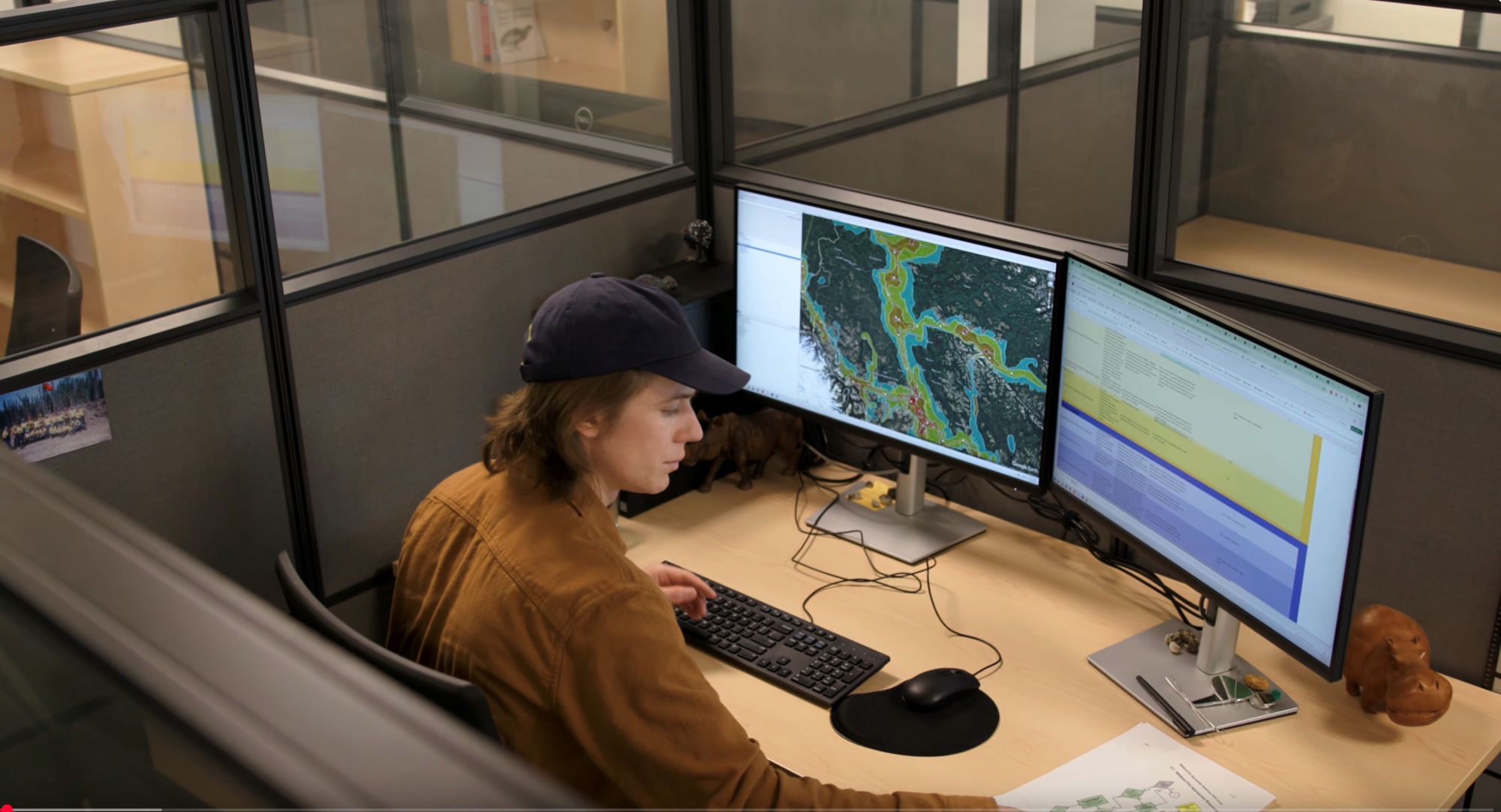 The student cohort reflects the expanding scope of the wildfire sector. While some students aim to advance into leadership or specialist roles with agencies such as BCWS, others are focused on related fields, including emergency management, ecology, community resilience and mental health.
Instruction is similarly broad, bringing together wildfire modelling experts, ecologists, community researchers, and industry professionals with decades of frontline experience.
Demand for the program has been strong in its first year. Second-year diploma courses are set to launch in September 2026, with a vision to offer degree and graduate-level programming in the future.
As wildfire seasons grow longer and more severe, TRU’s program aims to equip graduates with the knowledge and skills needed to respond to complex challenges across communities, ecosystems and industries.
Learn more about wildfire studies at TRU: tru.ca/wildfire